
Types of Brand Photography: Choosing The Right Style For Your Business.

Brand photography of a the barn at Beals staff tasting evening.
If you’ve ever looked into brand photography and felt overwhelmed by all the options, you’re not the only one.
Headshots. Lifestyle images. Product photography. Behind-the-scenes content. Working shots. Personal branding. Team photos. It can start to sound like a lot when what you really want to know is what kind of photographs your business actually needs.
The best place to start is not with what is popular or what other businesses appear to be doing. It is with a much more useful question:
What do I need these photographs to do for my business?
You might want to attract better-fit clients, make your website feel more professional, show what it is like to work with you, sell products more clearly or build trust online. You may simply need enough varied content to market your business without reaching for the same three photographs every month.
Good brand photography is not about ticking boxes. It is about creating images that support your business and work in the places where you need them.
Sarah’s experience can help guide that process and make sure the finished photographs are both successful and genuinely useful. However, it also helps if you have a rough idea of what you want the images to communicate before the shoot.
In this post, we’ll look at the main types of brand photography, how to choose the right approach and how different styles can work together. We’ll also use Barn at Beal as a real example of photography supporting a business across its website, social media and seasonal marketing.

Colourful vegetarian dish captured at Barn at Beal.
Brand Photography Types: Start With What You Need the Images to Do
Before your branding shoot, ask yourself:
Do I want to attract better-fit clients?
Do I want my website to look more professional?
Do I need to show what it feels like to work with me?
Do I need to sell products more clearly?
Do I want to build more trust online?
Do I need enough content for regular marketing?
Your answers will usually point you towards the right type of brand photography, or more often, the right mix of them.

Brand photography at Barn at Beal showing a shared dining and tasting experience.
Types of Brand Photography for Service-Based Businesses
If your business is built around you as a person, personal brand photography is often the best fit.
This works especially well for coaches, designers, photographers, consultants, creatives, and other service-based business owners where trust matters. In these businesses, people are not just buying a service. They’re buying into the person behind it too.
That does not mean every image needs to be a formal portrait or a perfectly posed headshot.Personal brand photography can include portraits, natural working images, details, behind-the-scenes moments and lifestyle content that helps people understand who you are and how you work.
These photographs can be used across your website, social media, blog posts, newsletters, media features, speaking opportunities and online directories. If you are the face of your business, allowing people to see you can make the whole brand feel more familiar and approachable.
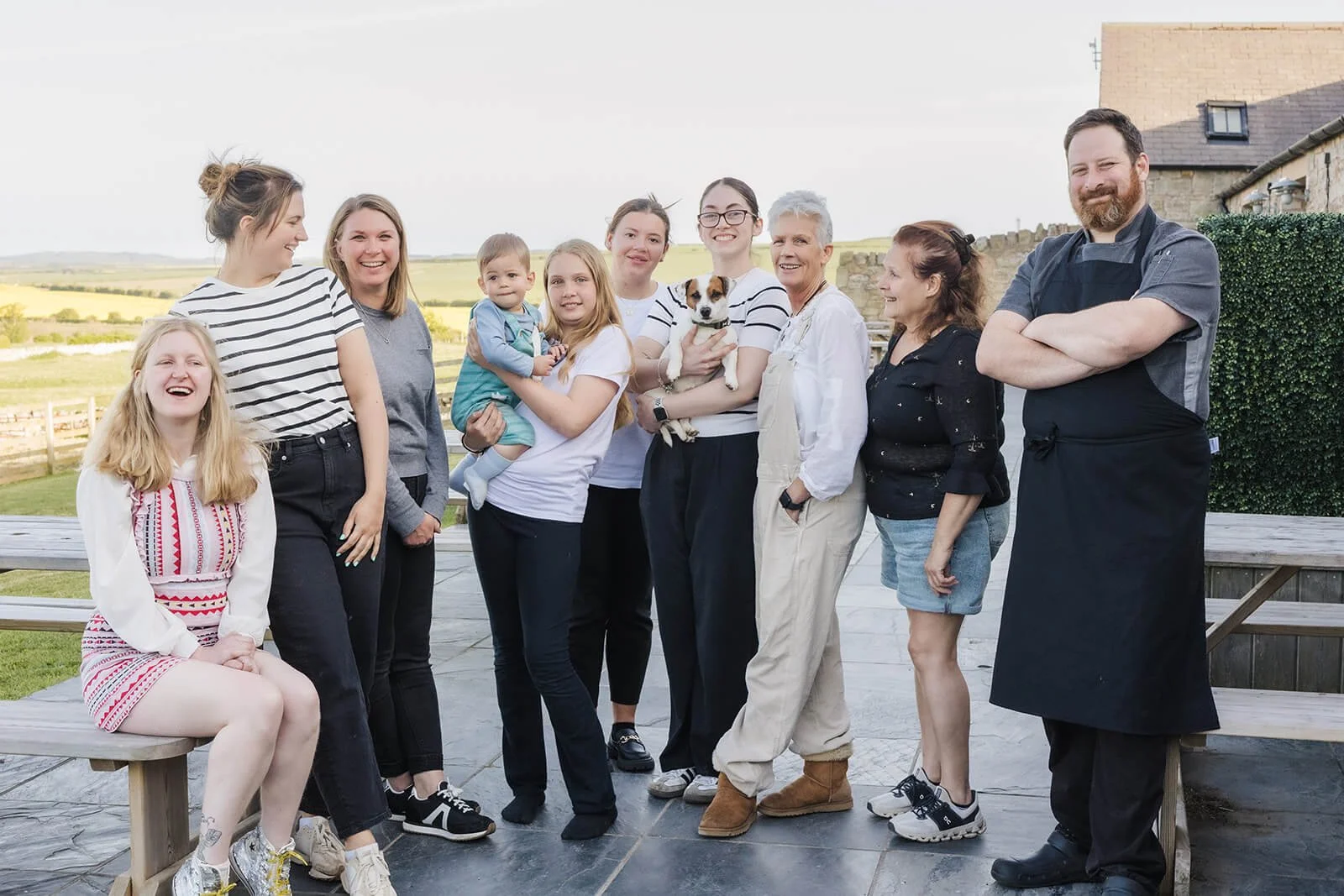
Team photo of The Barn at Beal Staff.
Types of Brand Photography for Product-Based Businesses
If you sell physical products, product photography is usually the priority.
This could mean clean e-commerce style images, styled product photographs, or a combination of both. It depends on where and how you sell.
For example, if you sell online, you may need clear product images on a plain background so customers can properly see what they are buying. If you also use Instagram or email marketing regularly, you might need more styled images that show your products in use or in a more branded setting.
Strong product photography helps you:
sell products more clearly
make your business look more professional
create consistent marketing content
improve trust with potential customers
show quality and detail
This is one of those areas where decent photos really do matter. People cannot pick up your product through a screen, so your images need to do more of the work.
If you’re feeling a bit unsure about the difference between product photography and branding photography, you’re not alone. They often overlap, but they do slightly different jobs. We’ve explained this in more detail in our blog on What’s the Difference Between Brand and Studio Photography?, which is a helpful place to start if you’re figuring out what your business needs.
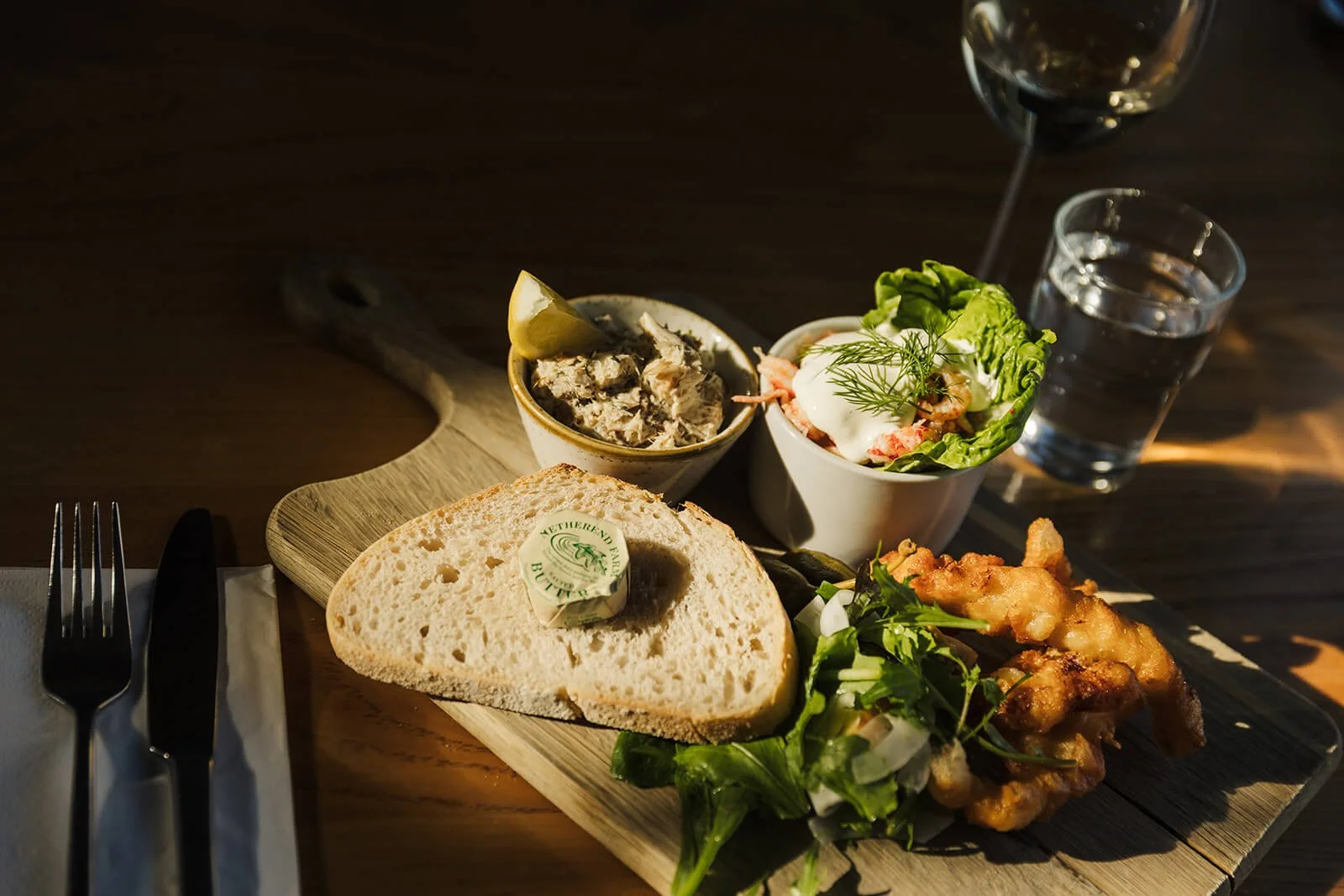
Rustic sharing board served at Barn at Beal photographed on their new menu branding shoot.
Types of Brand Photography for Places, Spaces and Hospitality Businesses
If your business involves a physical space, interiors and environmental photography may matter most.
This is especially true for shops, cafés, salons, studios, holiday lets, restaurants, and venues. Before someone visits in person, your photography is often doing the heavy lifting in helping them imagine the experience.
These images help people get a feel for:
the atmosphere
the quality
the setting
the customer experience
the little details that make your business feel distinctive
For many hospitality and location-based businesses, it’s not just about showing what the place looks like. It’s about showing what it feels like to be there.
That’s often the difference between a business that looks nice online and one that makes people want to book, visit, or recommend it.
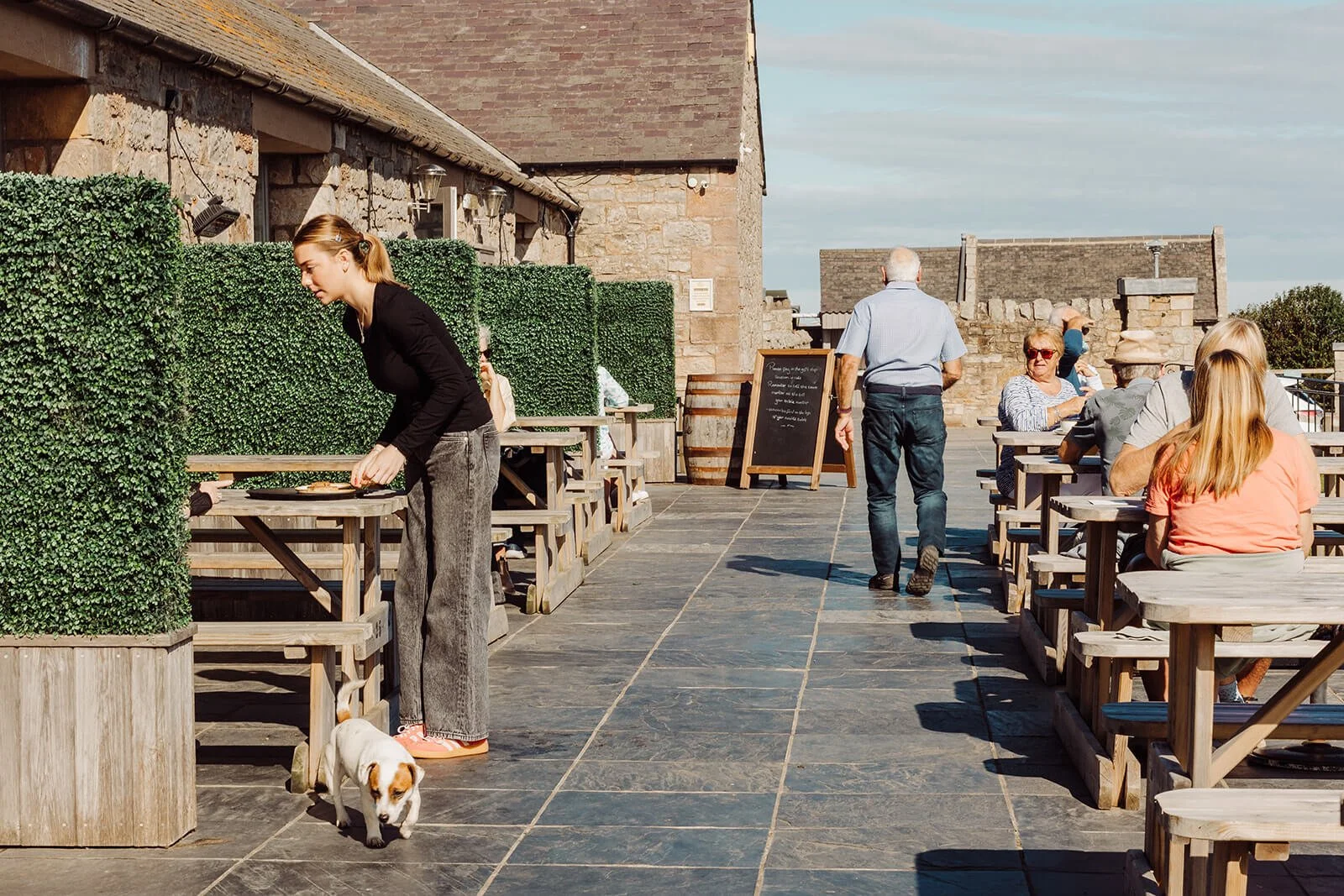
Brand photography at Barn at Beal showing outdoor dining experience and customer atmosphere.
Types of Brand Photography for Teams and Growing Businesses
For some businesses, headshots and team photography are the best place to start.
This is especially useful when you want your website to feel more personal and more professional, or when you want to show the people behind the business rather than just the business name.
A good set of team images can instantly make a brand feel more approachable. People like seeing who they’re dealing with. It builds familiarity and trust, especially for local businesses.
This doesn’t have to mean very formal corporate-style portraits unless that genuinely suits your brand. Team photography can still feel relaxed, warm and natural while looking polished.
If you’re a business with several people involved, even a simple set of updated headshots and a few team interaction images can go a long way.
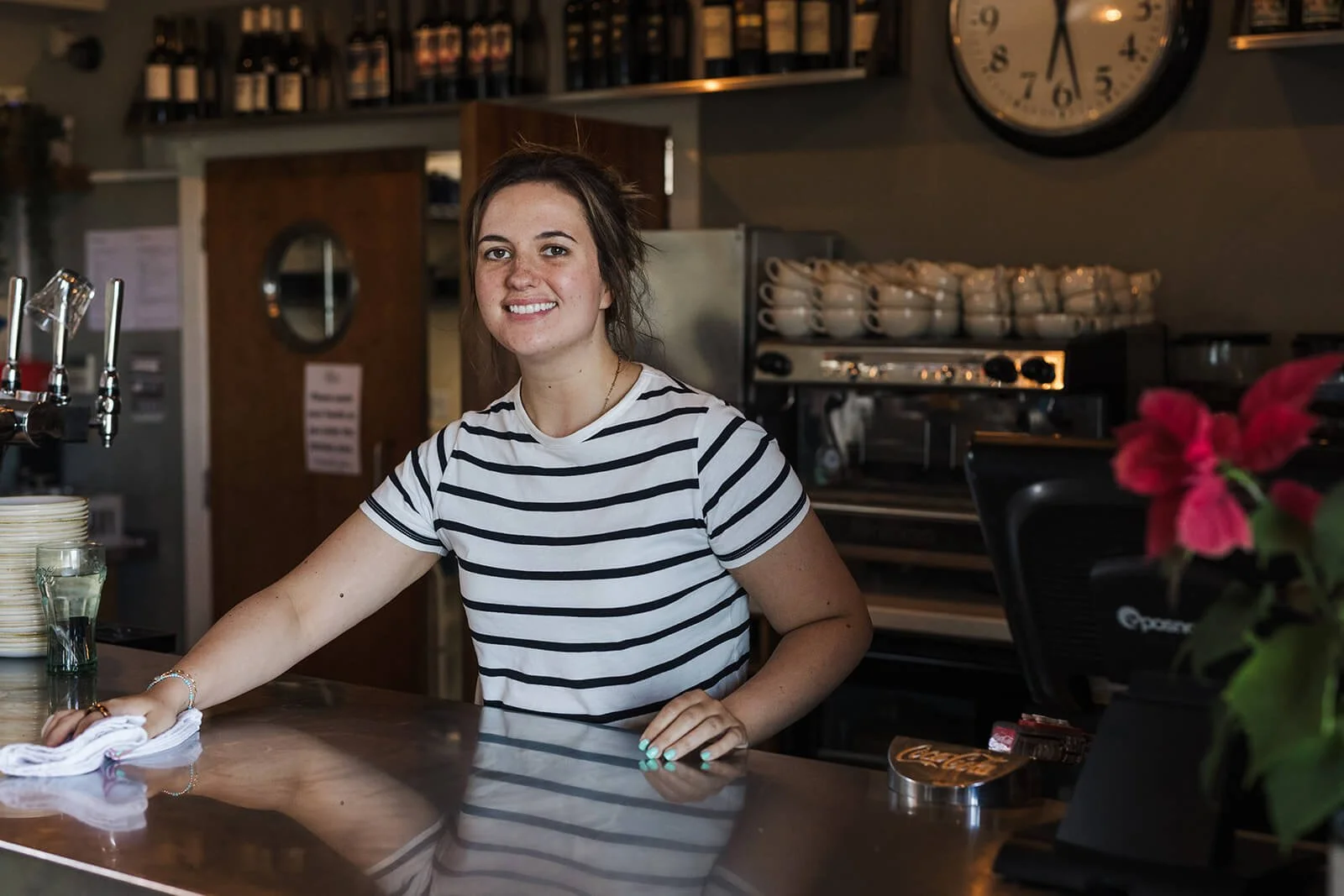
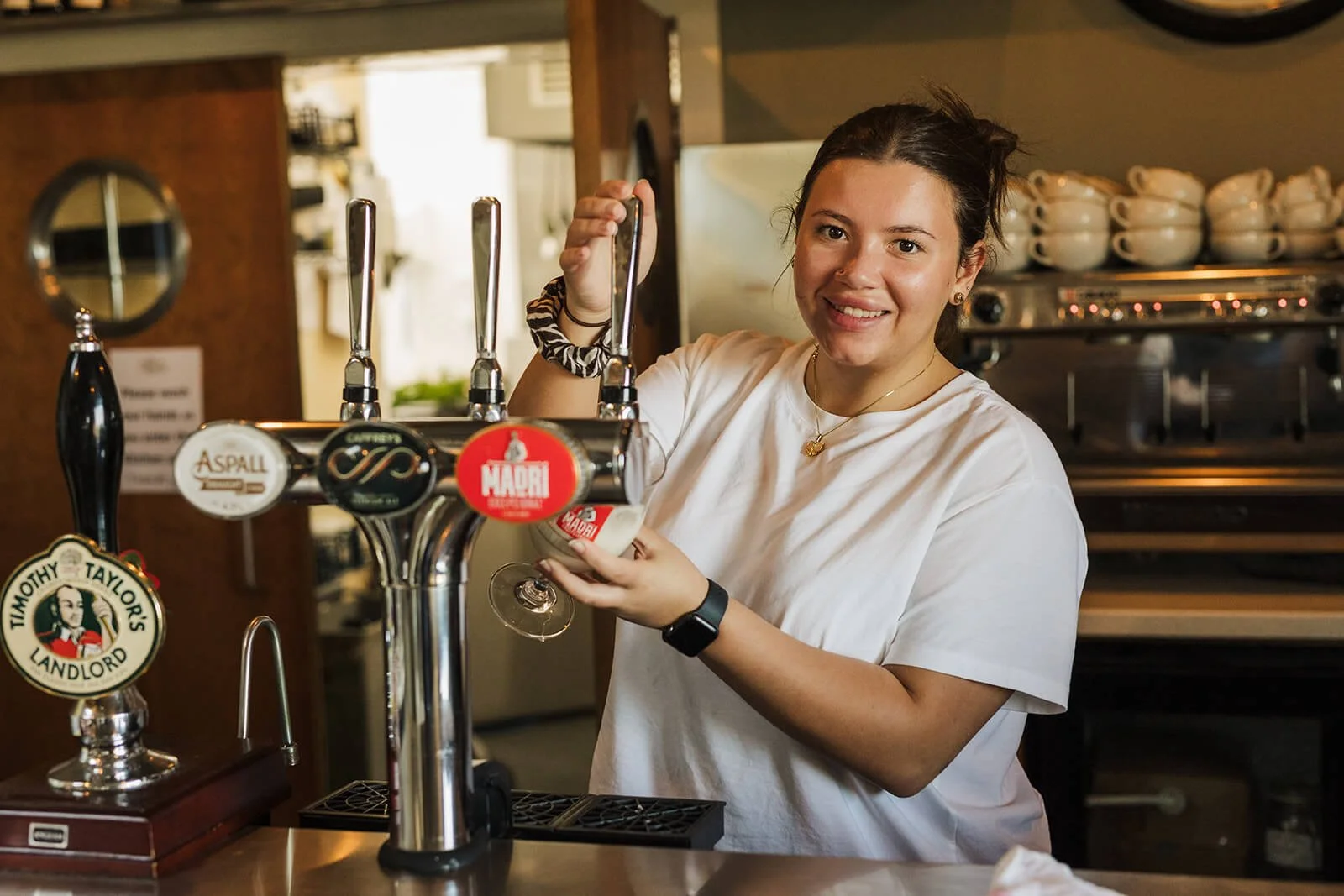
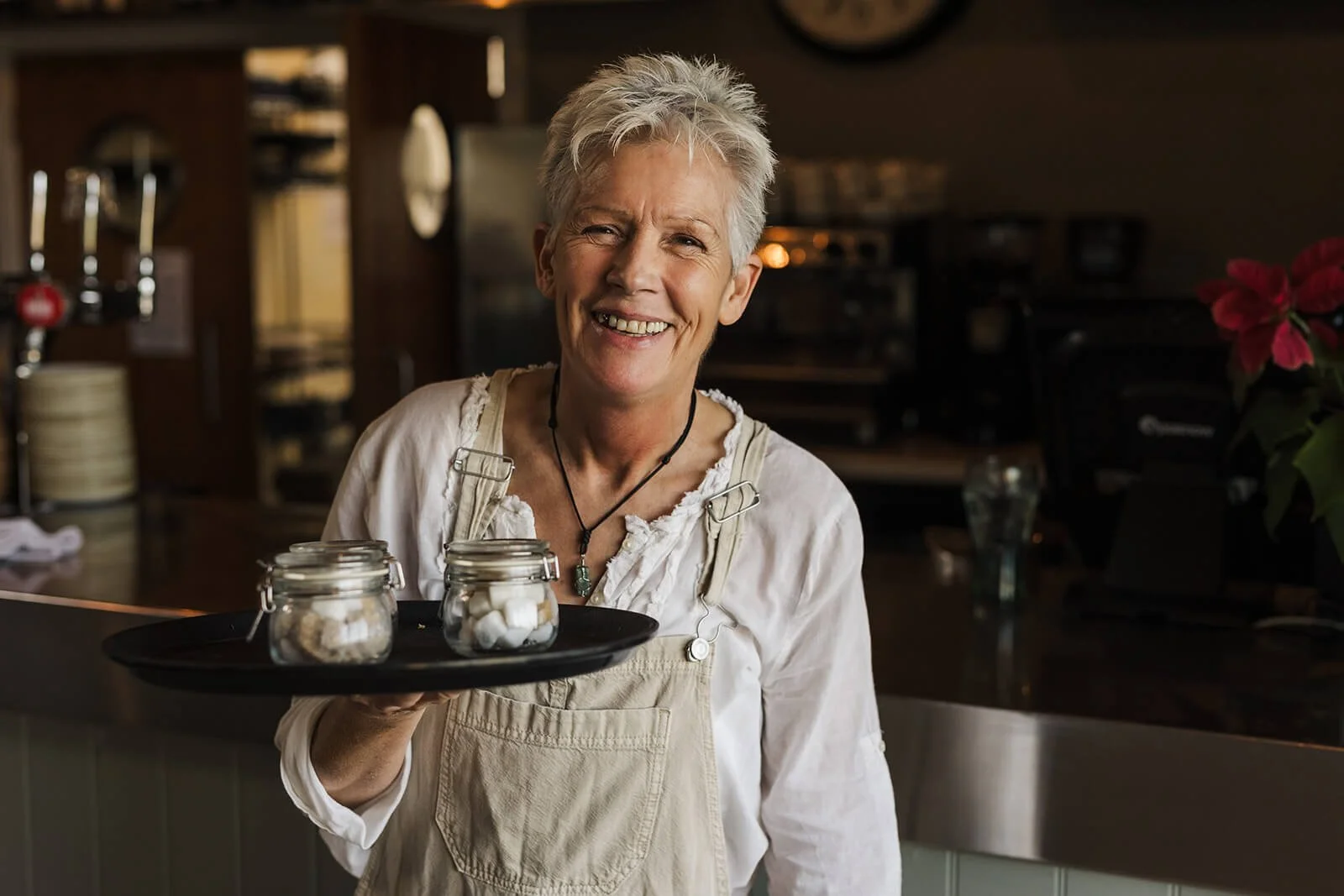
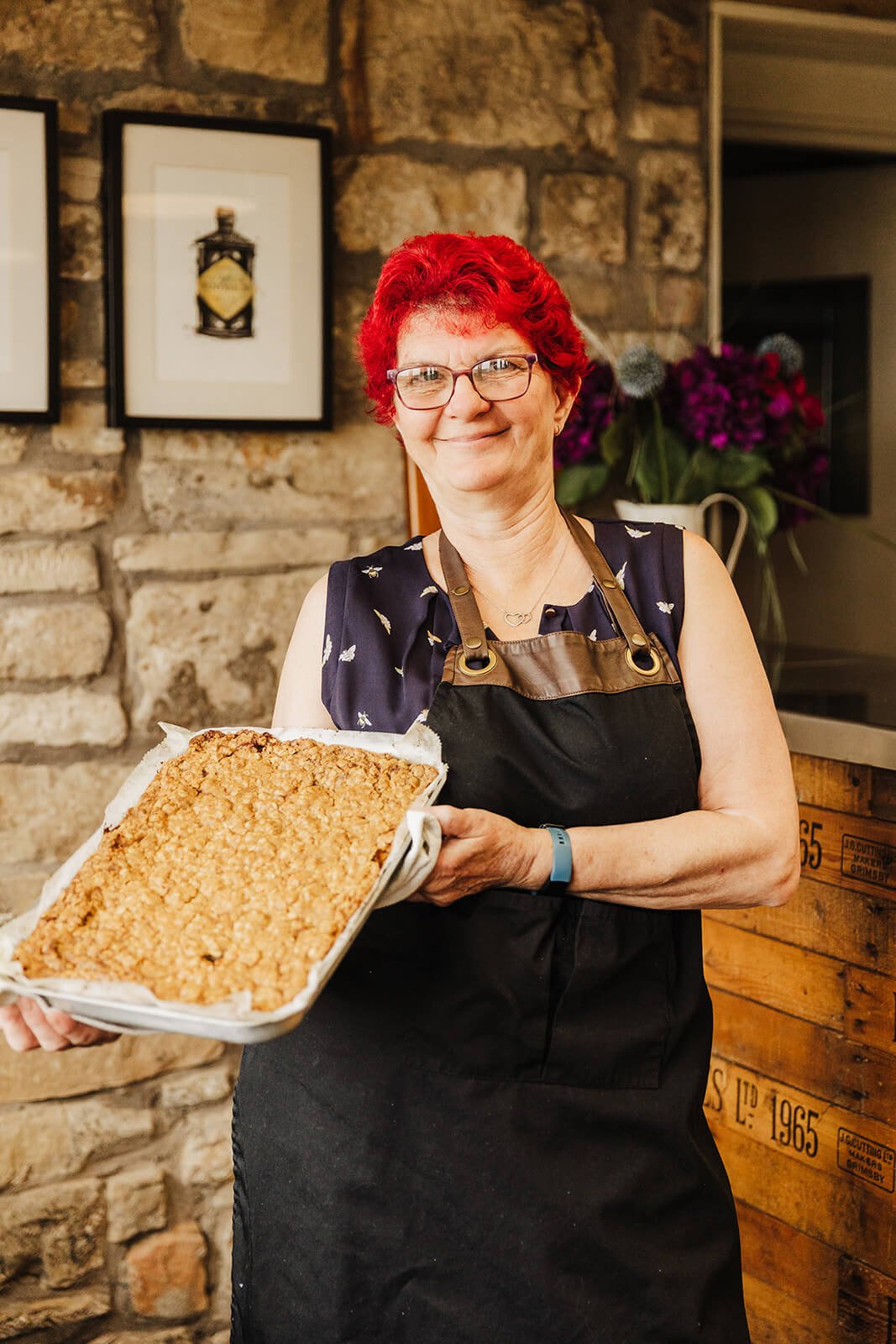
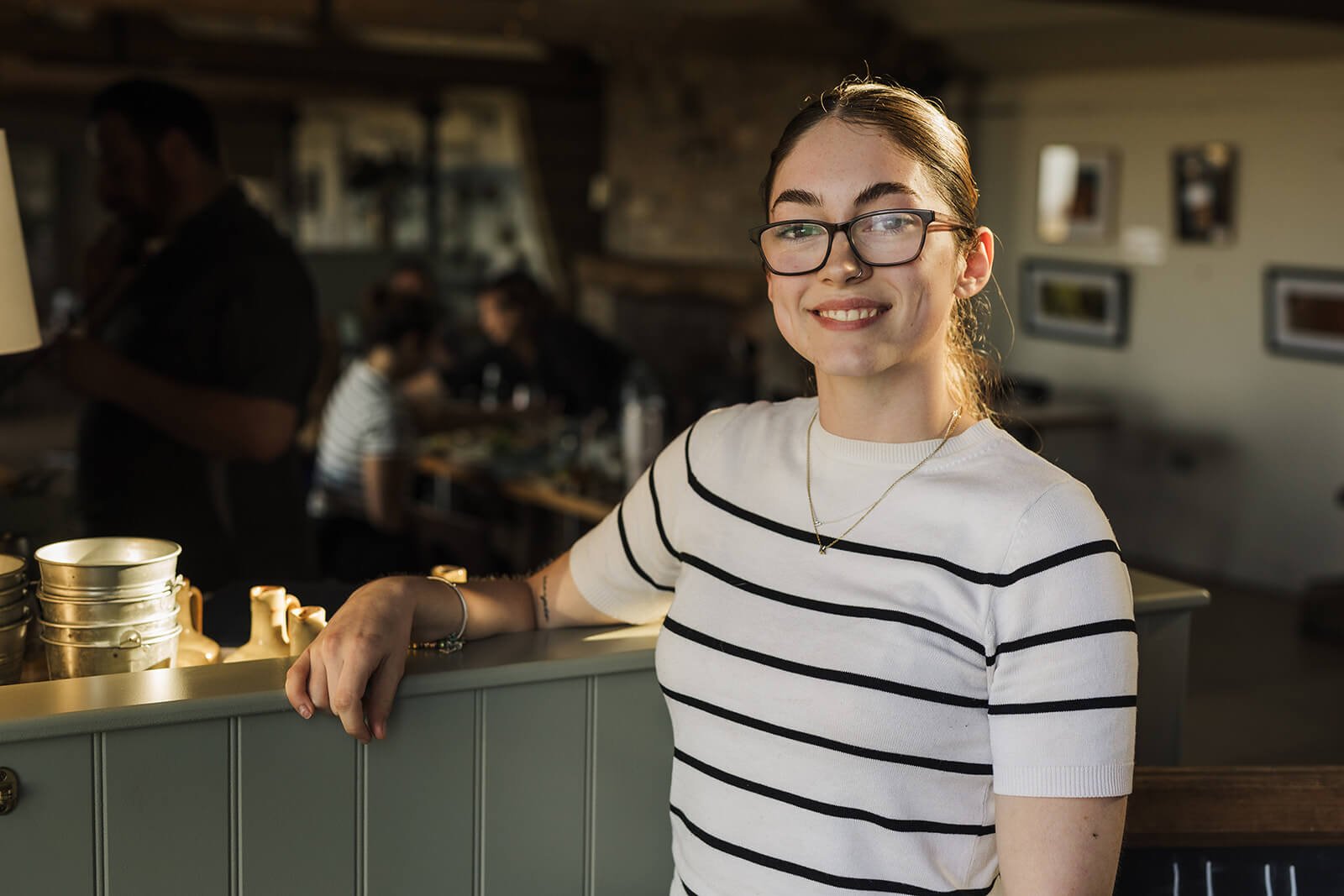
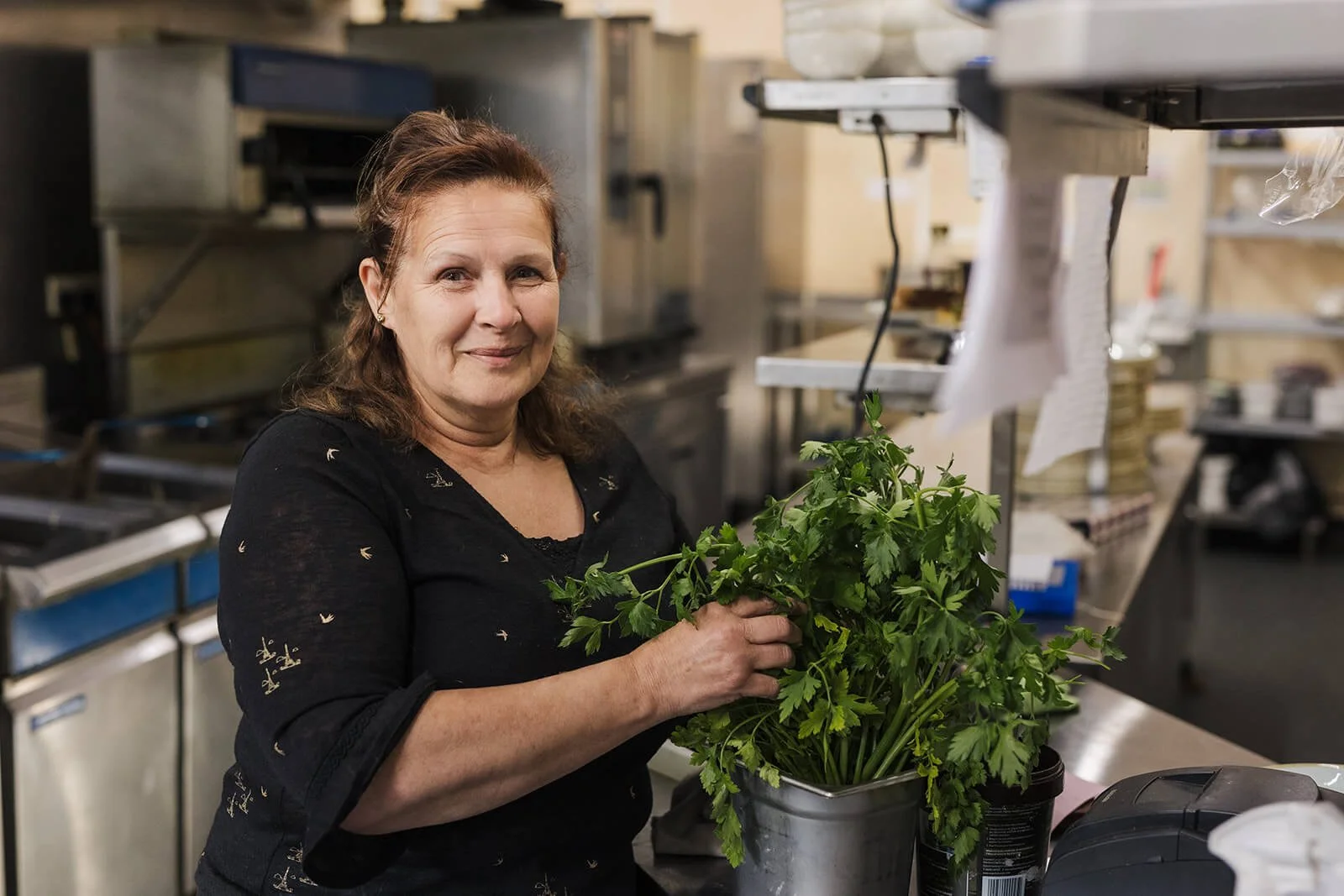
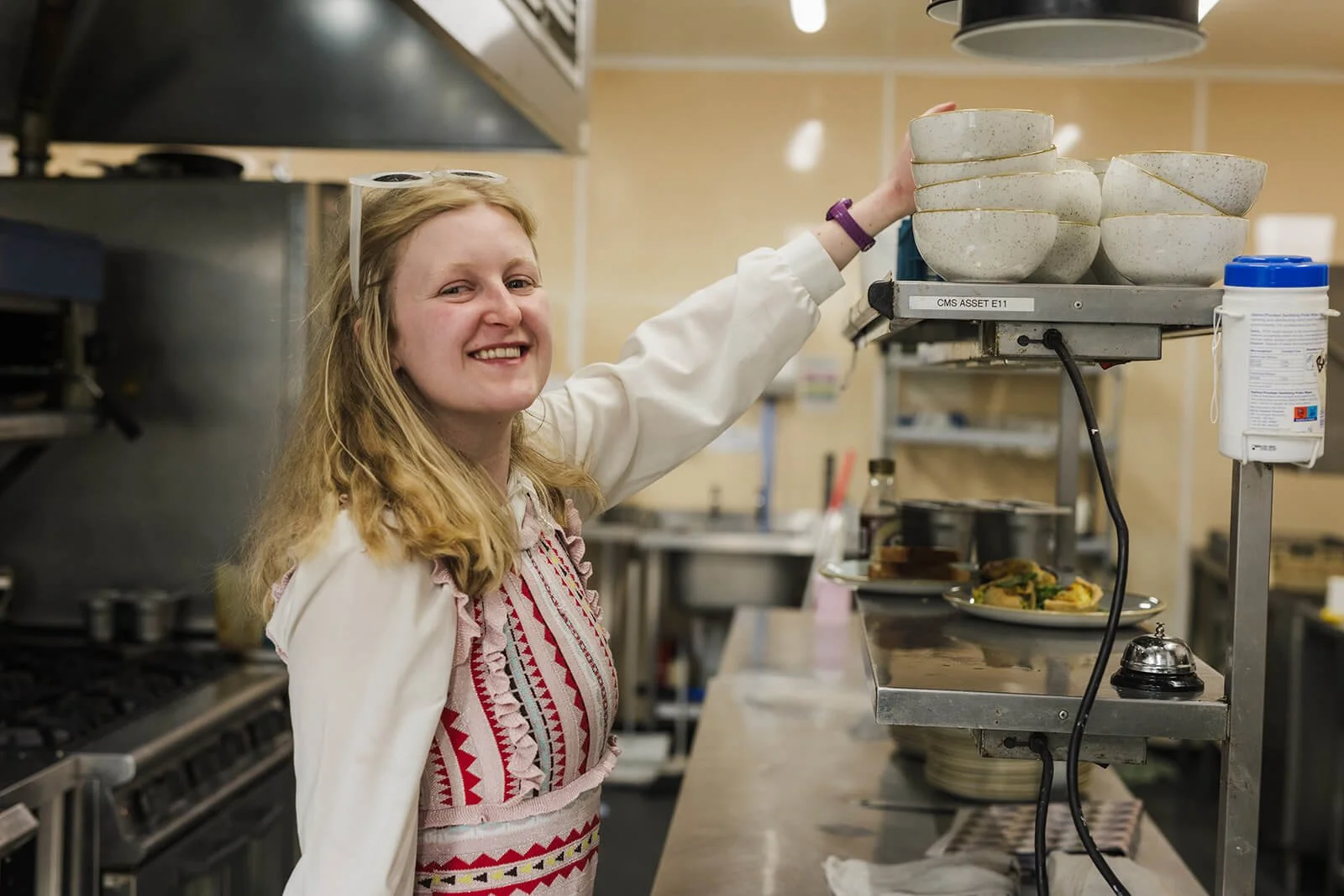
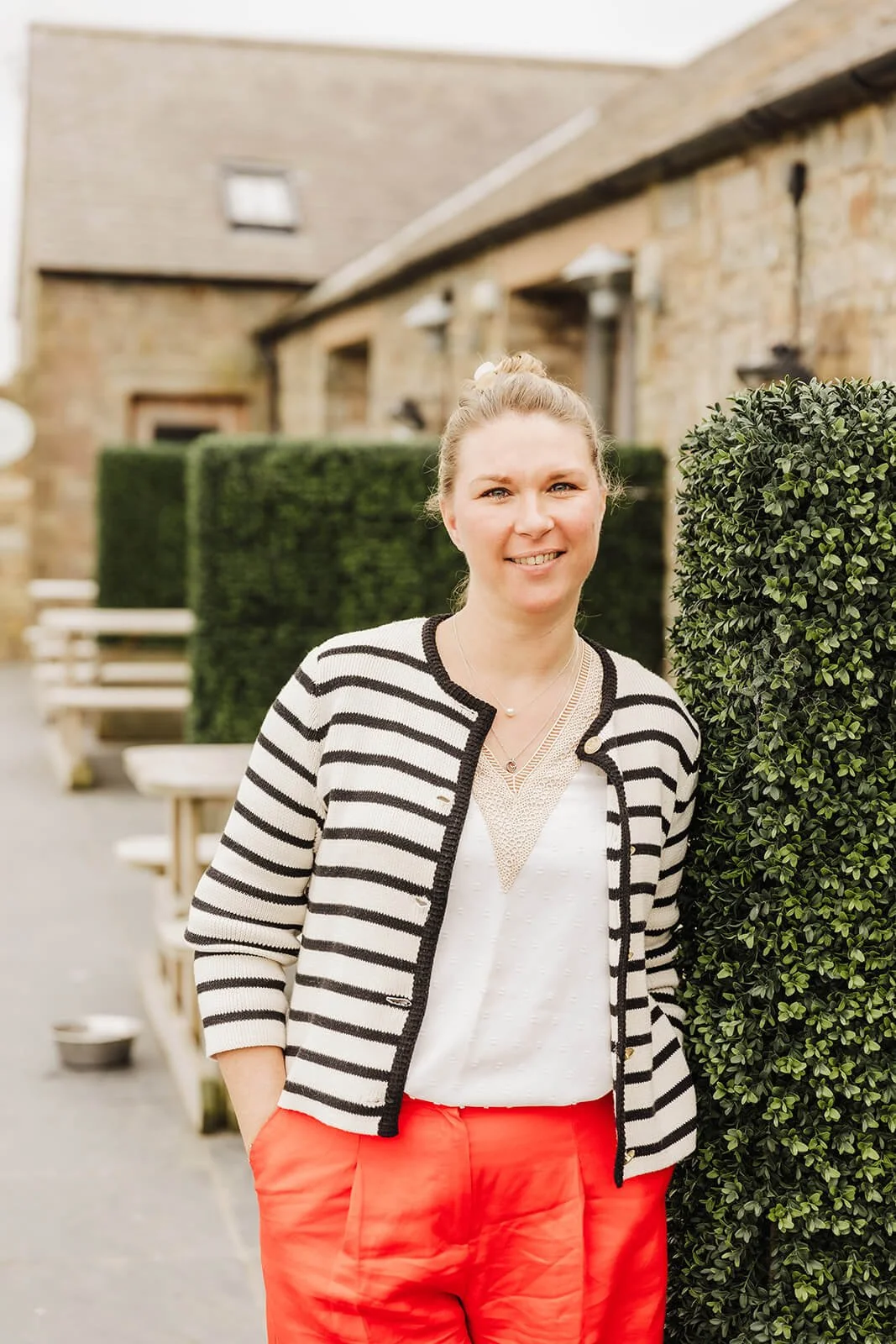
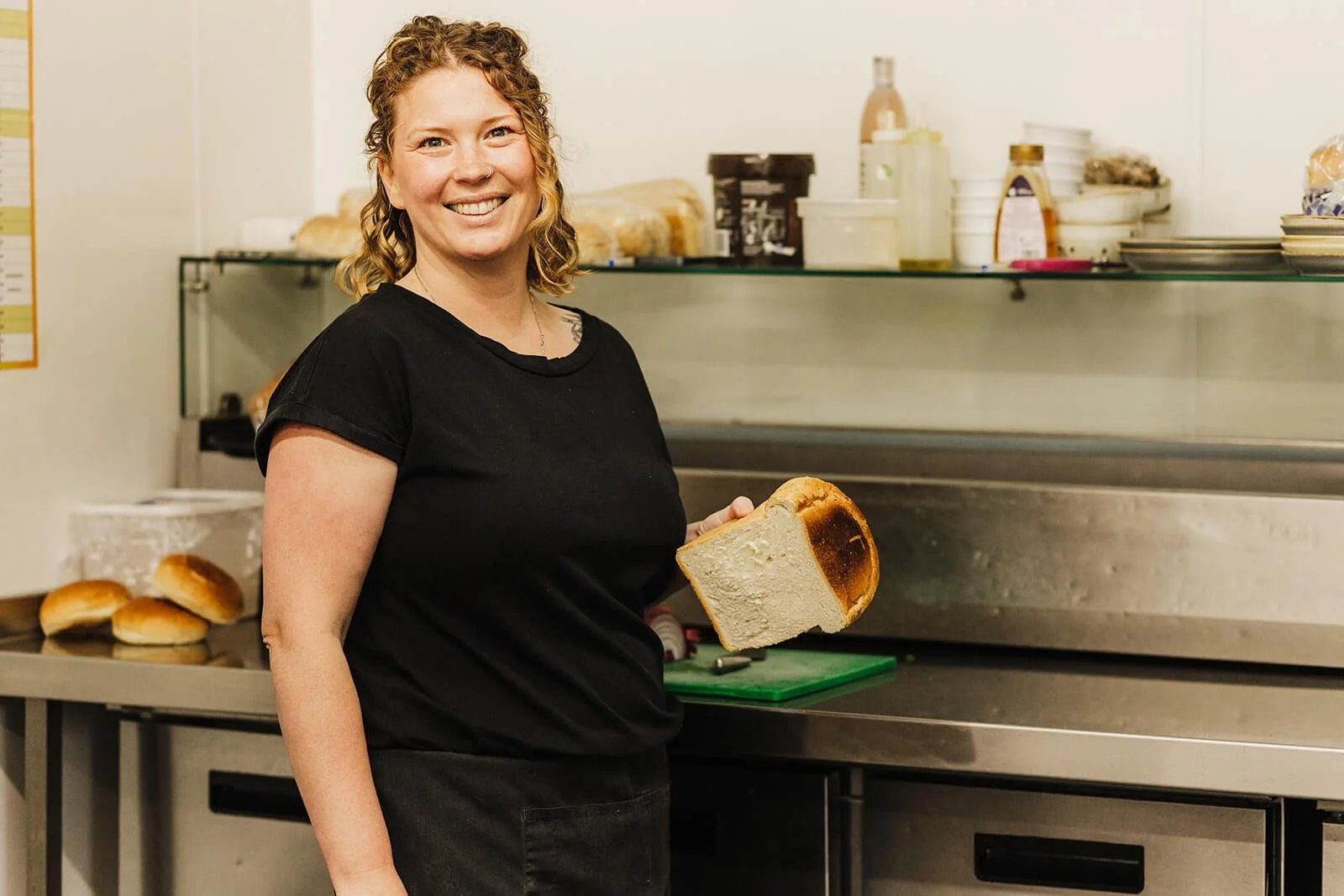
Brand Photography Types in Real Life: Barn at Beal
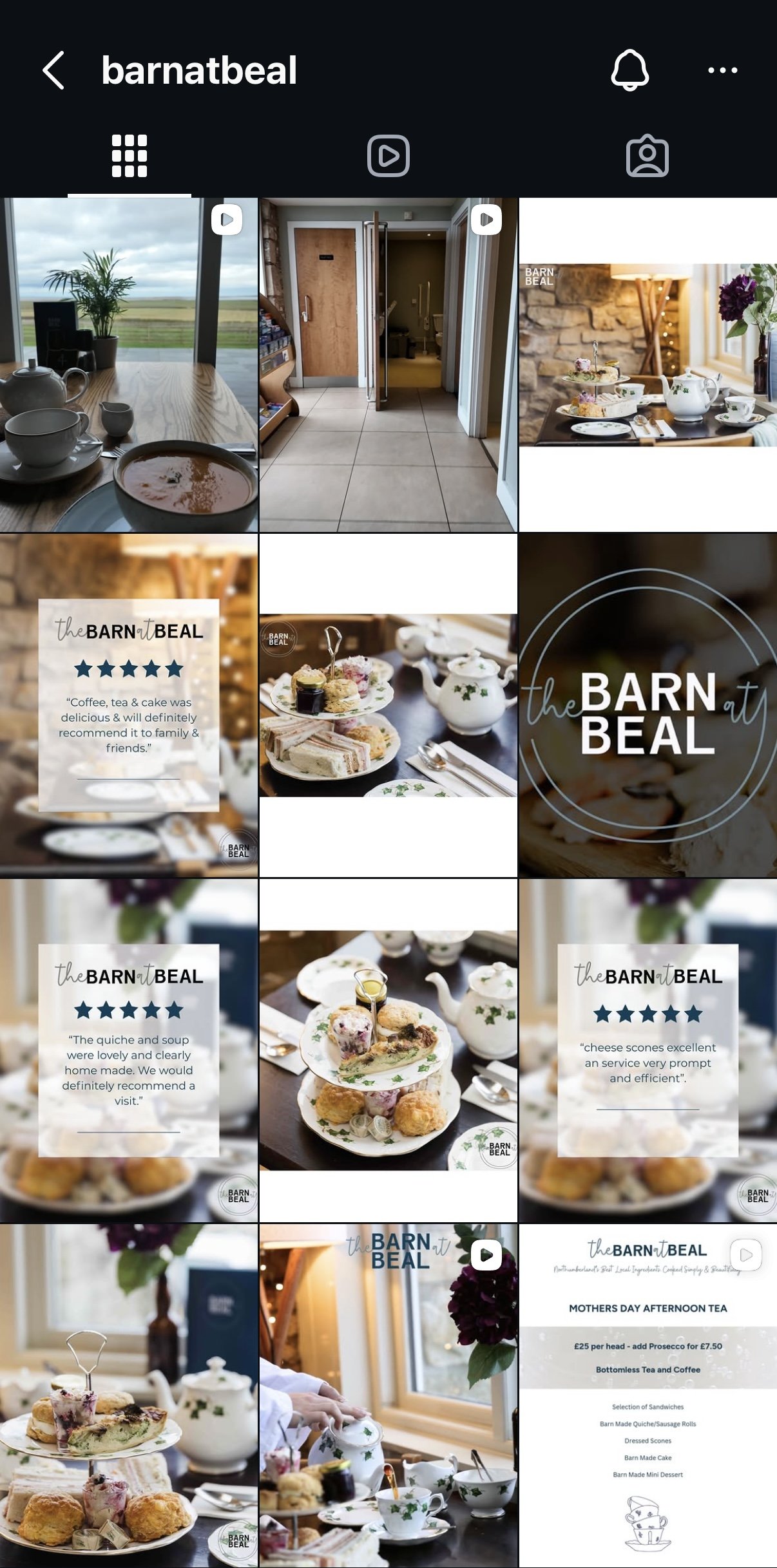
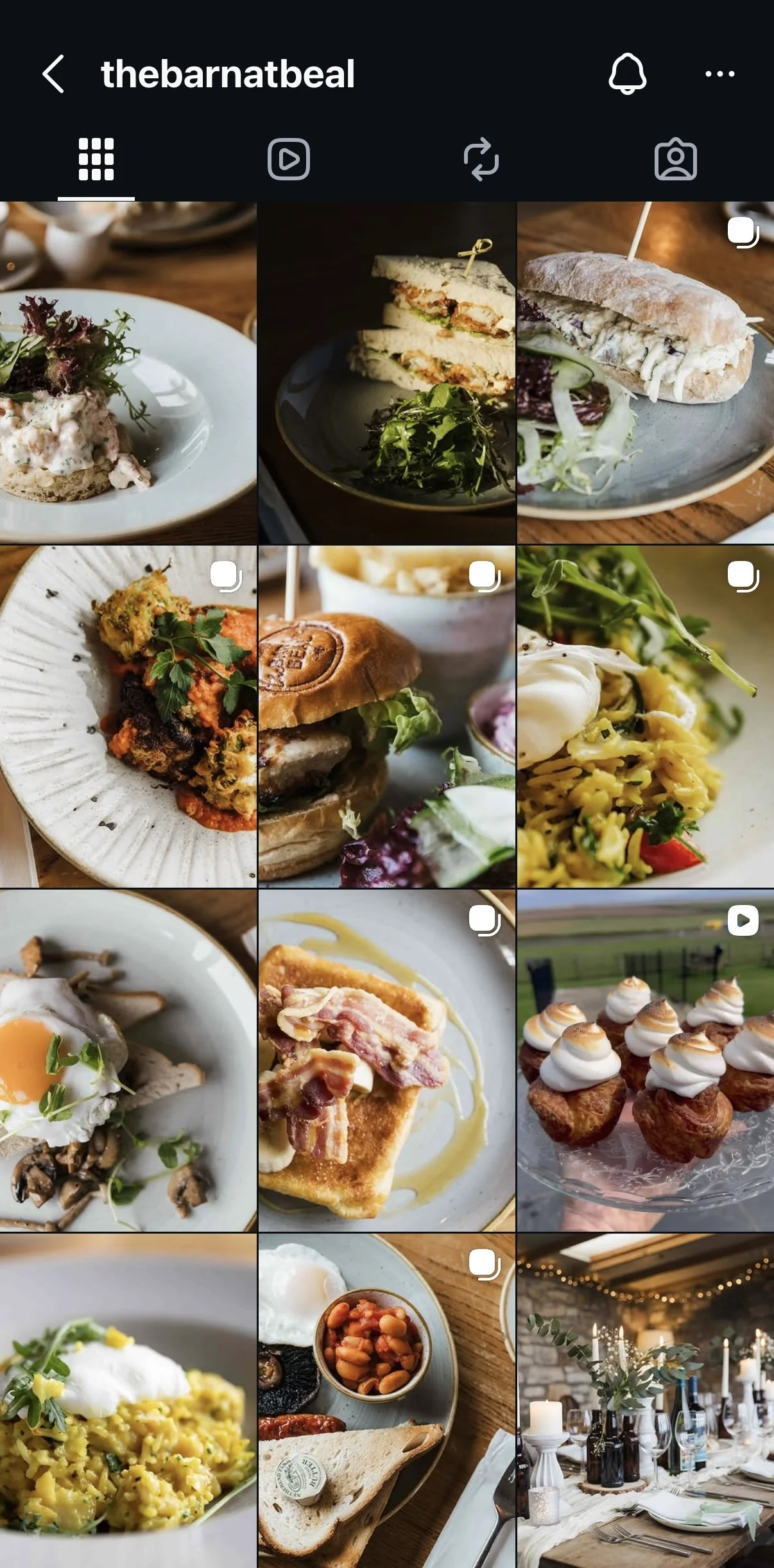
Barn at Beal is such a good example of why choosing the right types of brand photography matters.
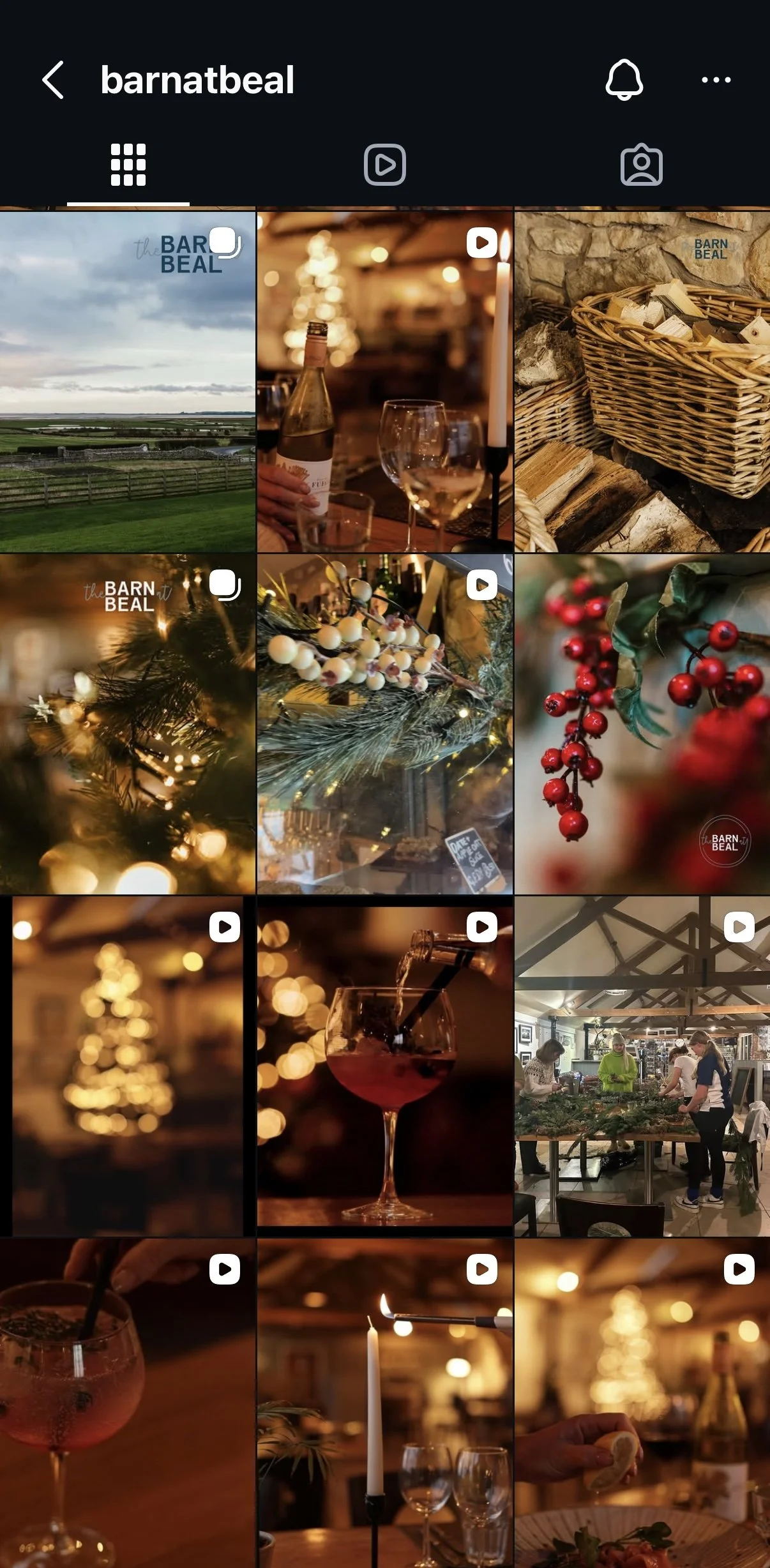
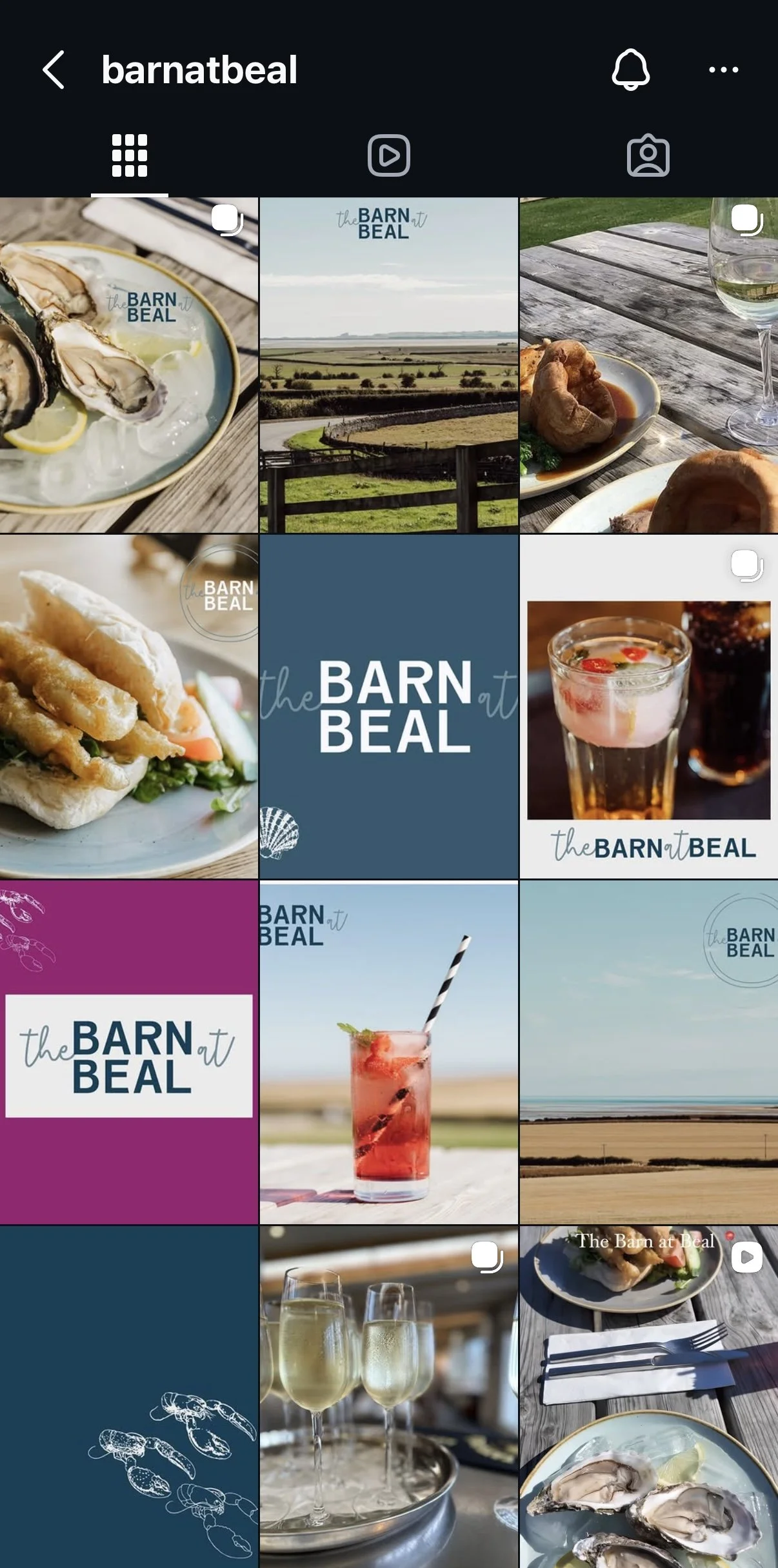
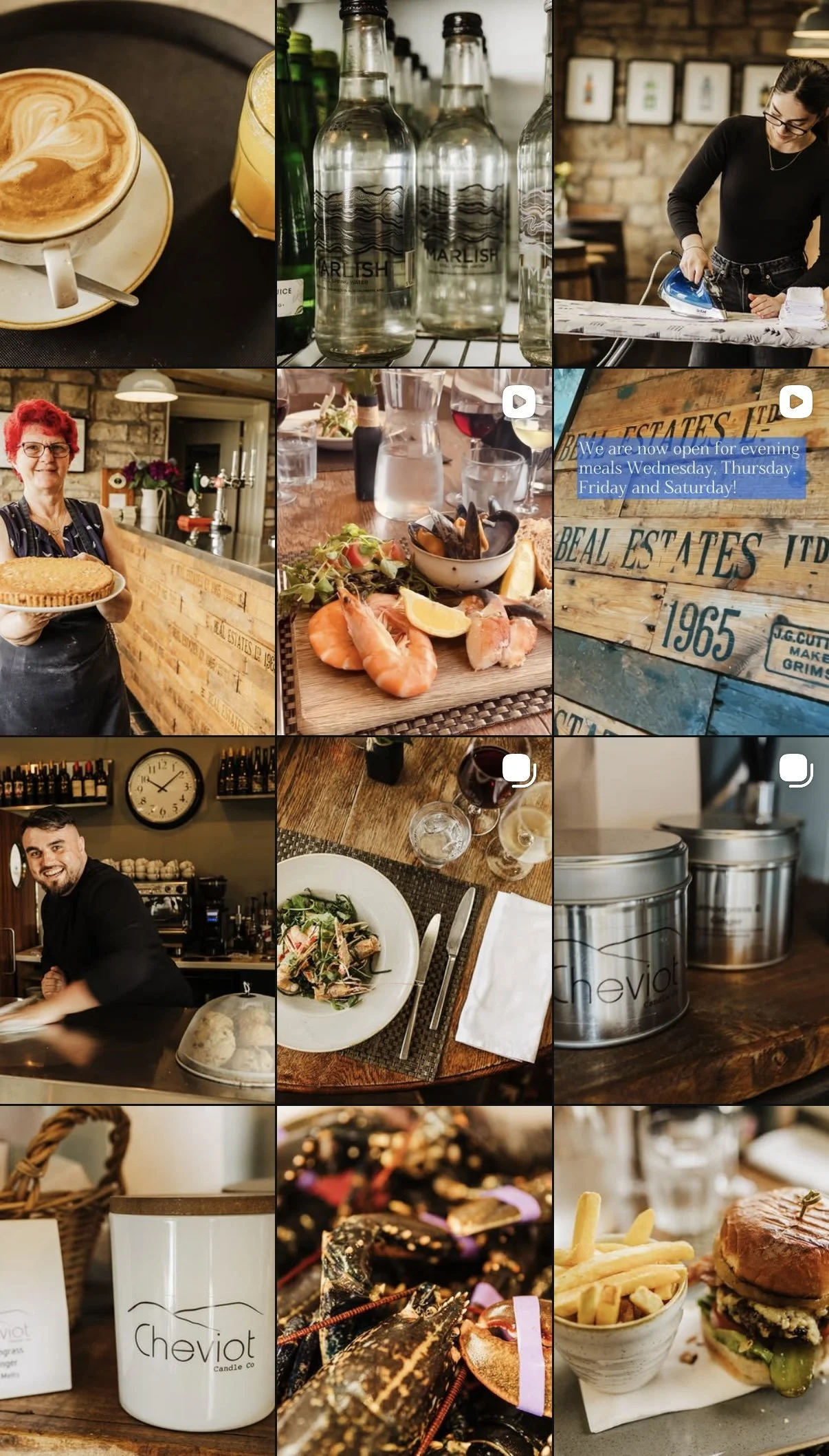
We’ve created a variety of images for them over time, including promotional social media content, product photography of their items and food, and wider brand imagery that supports how they show up across their website and social media.
And that’s exactly why they work so well as a case study here.
They are not relying on one type of image to do every job.
Instead, the photography supports different parts of the business:
product images help show what’s available clearly and attractively
promotional content gives them fresh visuals for social media
brand-led imagery helps create a consistent feel across their online presence
food and item photography helps make what they offer feel tangible and appealing
wider visual storytelling helps people connect with the business before they visit
That mix is often what makes the biggest difference.
Barn at Beal use their images well because the photography is serving a purpose. It is not just there to fill space. It helps support their marketing, website, and day-to-day visibility as a business.
What works especially well is having a thoughtful mix of images that can be used in different places, from social media to website pages to promotional content. When photography is planned with that in mind, it tends to feel much more useful day to day.
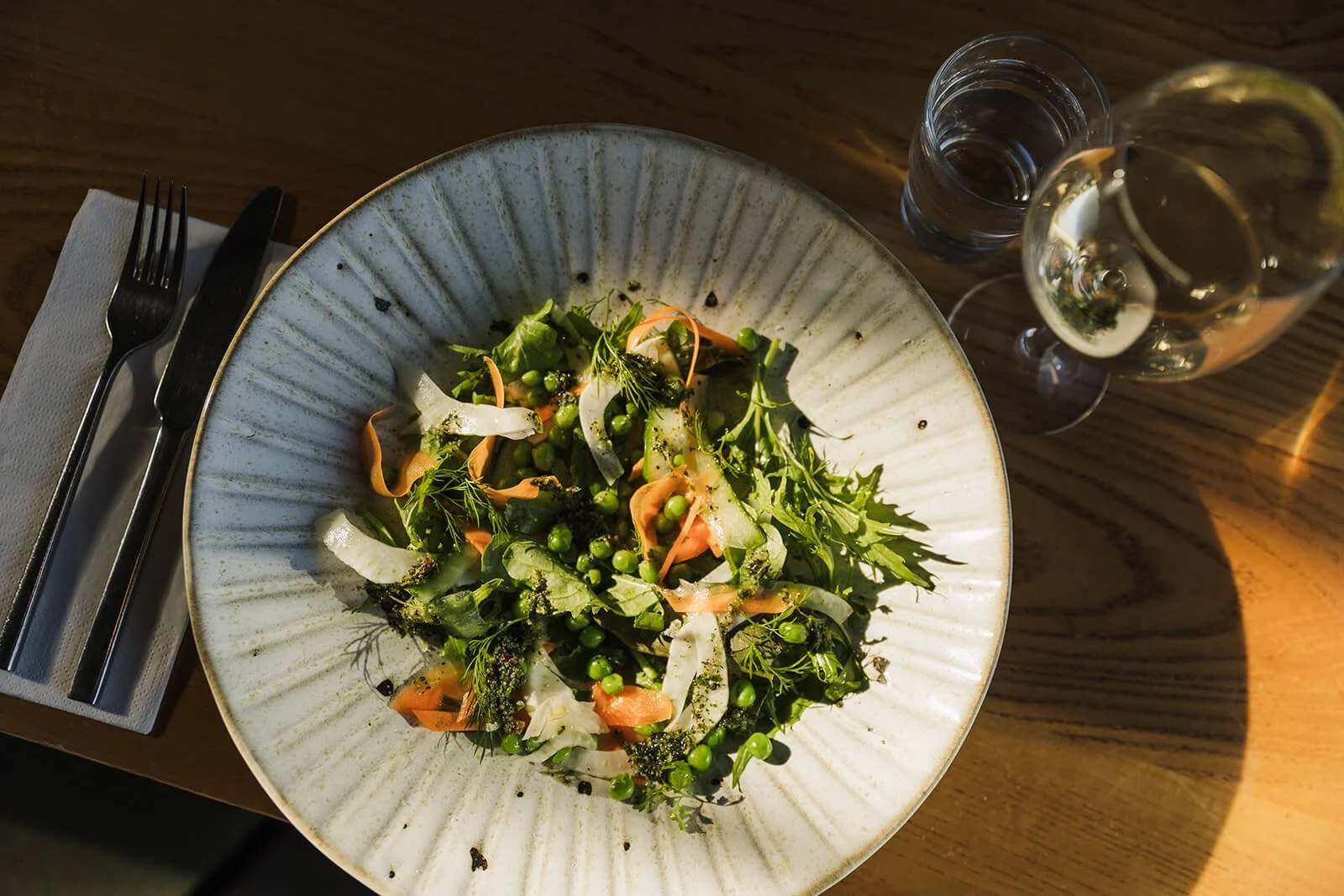
Brand photography capturing a carefully plated dish to showcase menu quality at Barn at Beal.
Barn at Beal Campaign Photography
Another reason Barn at Beal are such a strong example for this is that the photography has not just supported the business in a general, day-to-day way. It has also helped bring specific campaigns and seasonal moments to life throughout the year.
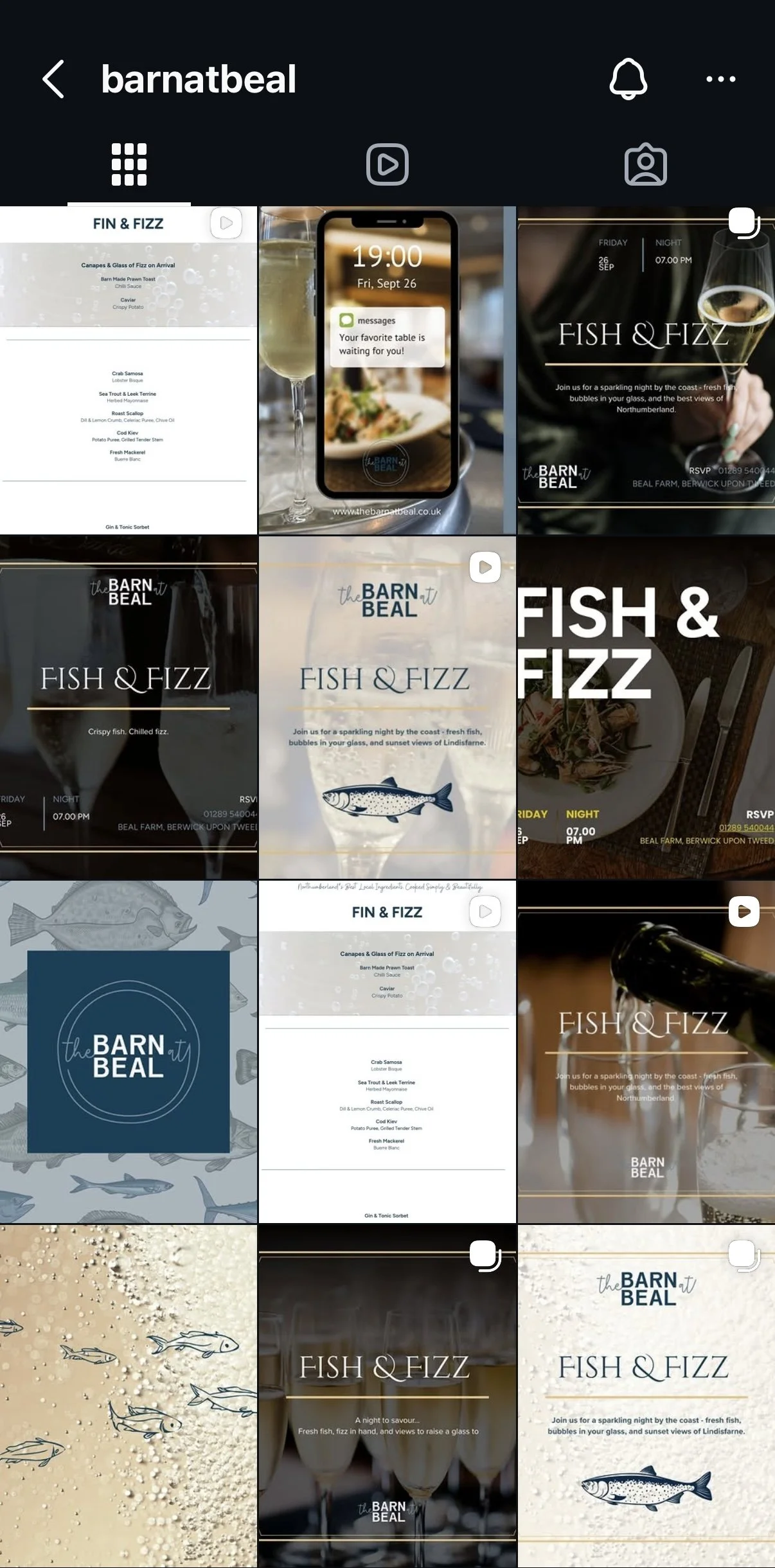
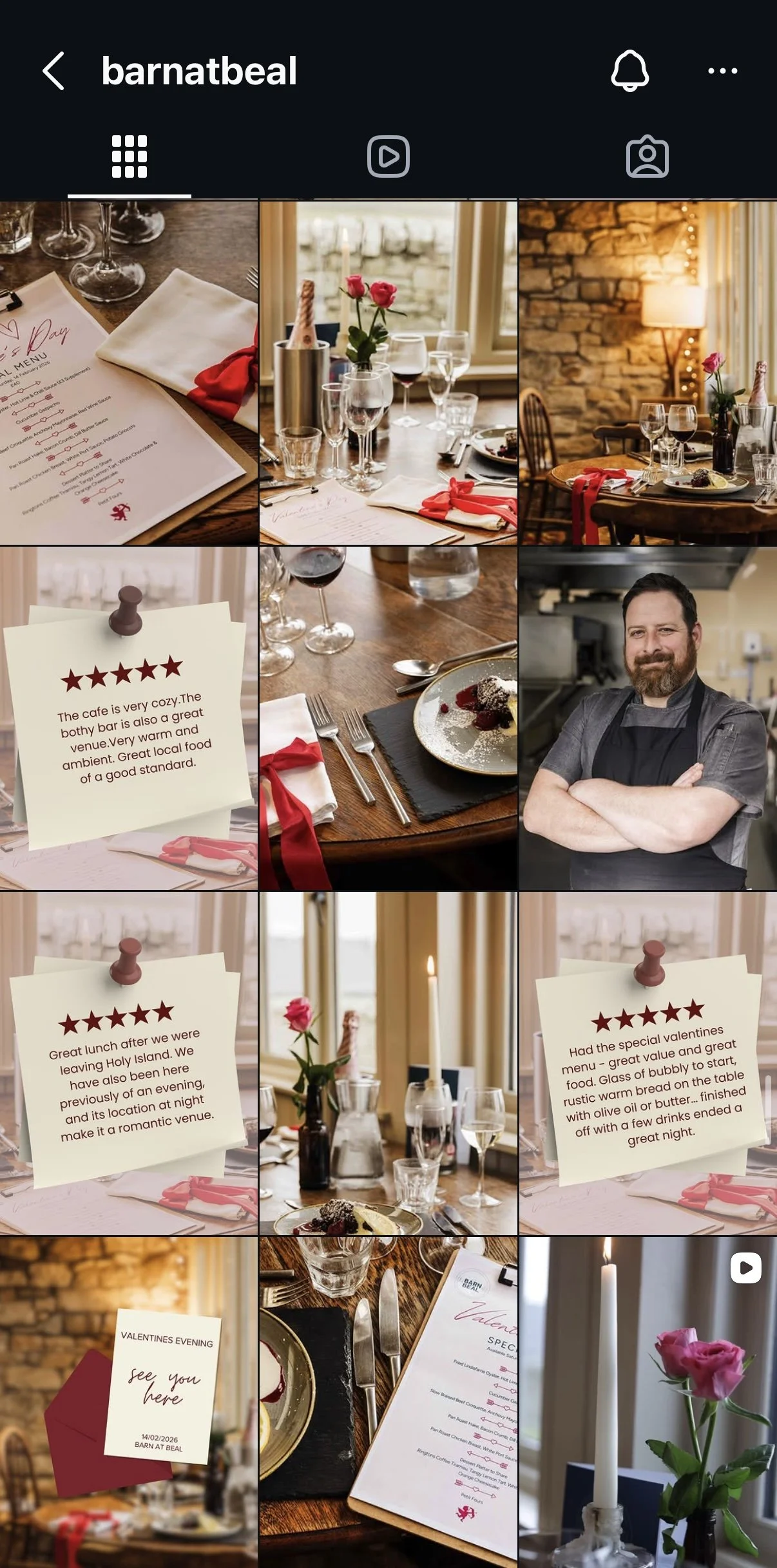
Over time, we’ve created imagery for a range of campaigns including Valentine’s Day, Mother’s Day, weddings, new menu launches, Christmas, tasting evenings, and Easter. Each of these needed something slightly different in terms of mood, message, and how the images would be used.
That’s a really good example of why brand photography is not always one fixed thing. A business often needs different styles of images at different times, depending on what they are promoting.
For Barn at Beal, that has meant creating photography that could support:
seasonal campaigns like Christmas, Easter, Valentine’s Day and Mother’s Day
event promotion for weddings and tasting evenings
launch content for new menu releases
social media content that feels fresh and timely
website and marketing visuals that reflect what is happening in the business right now
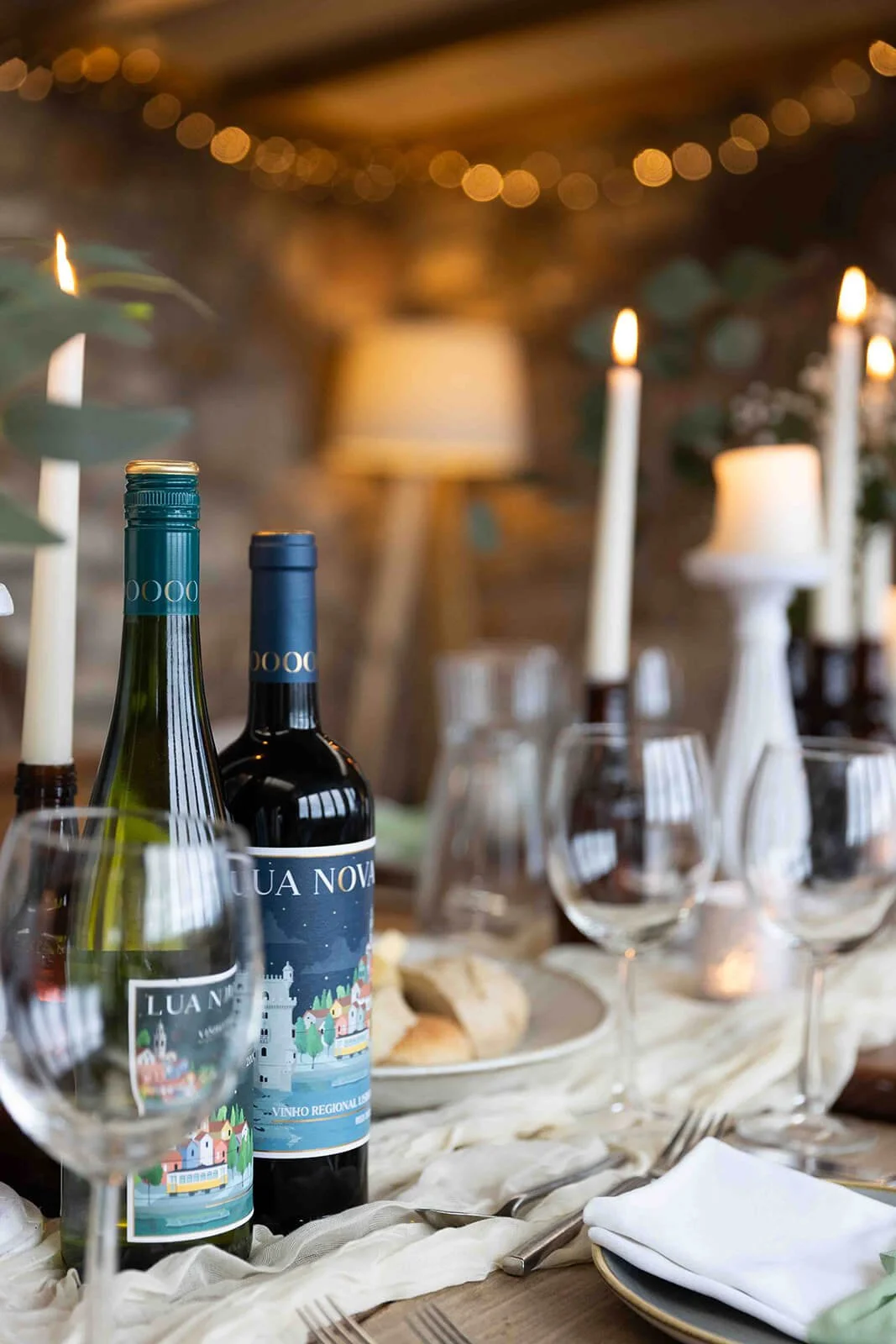
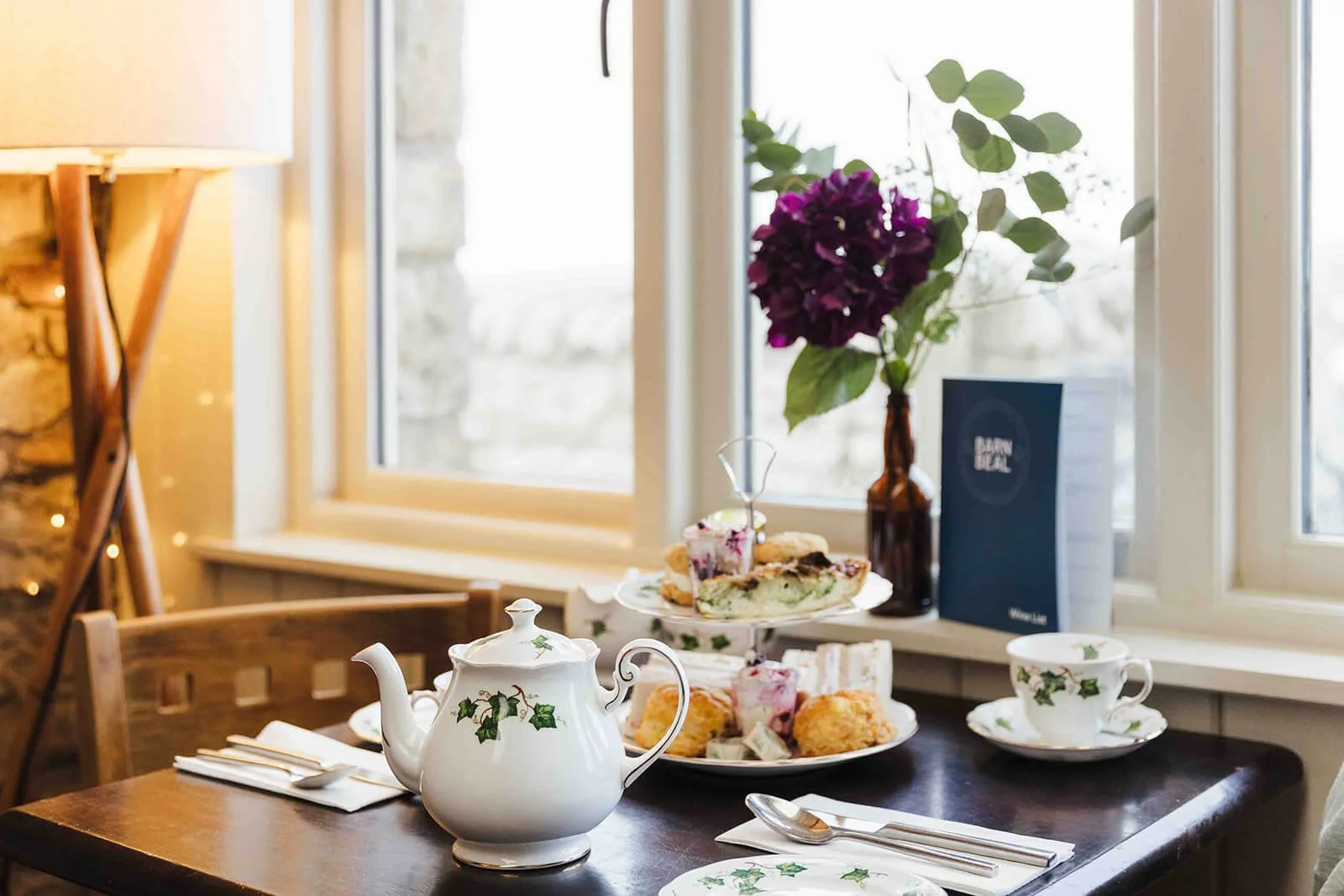
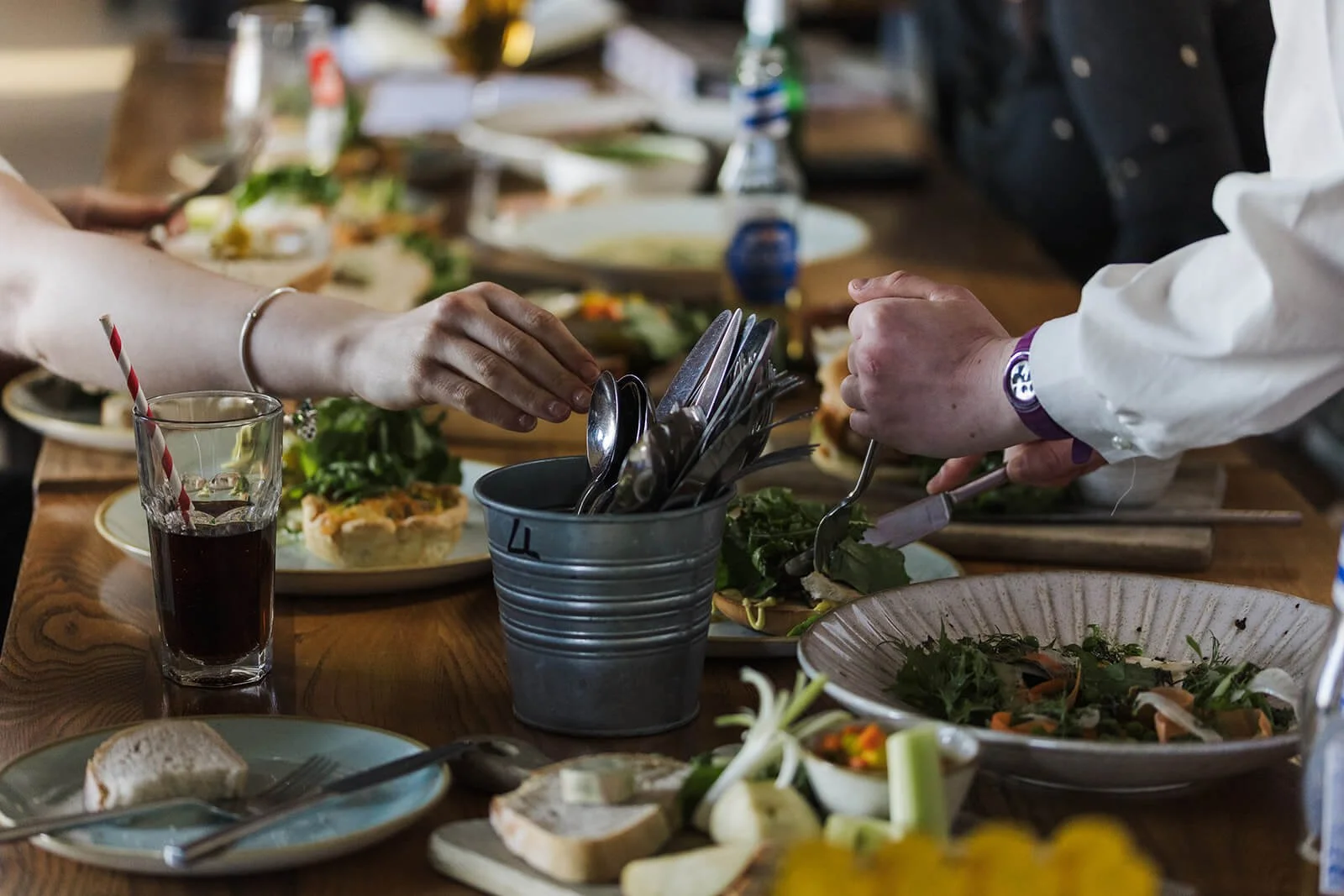
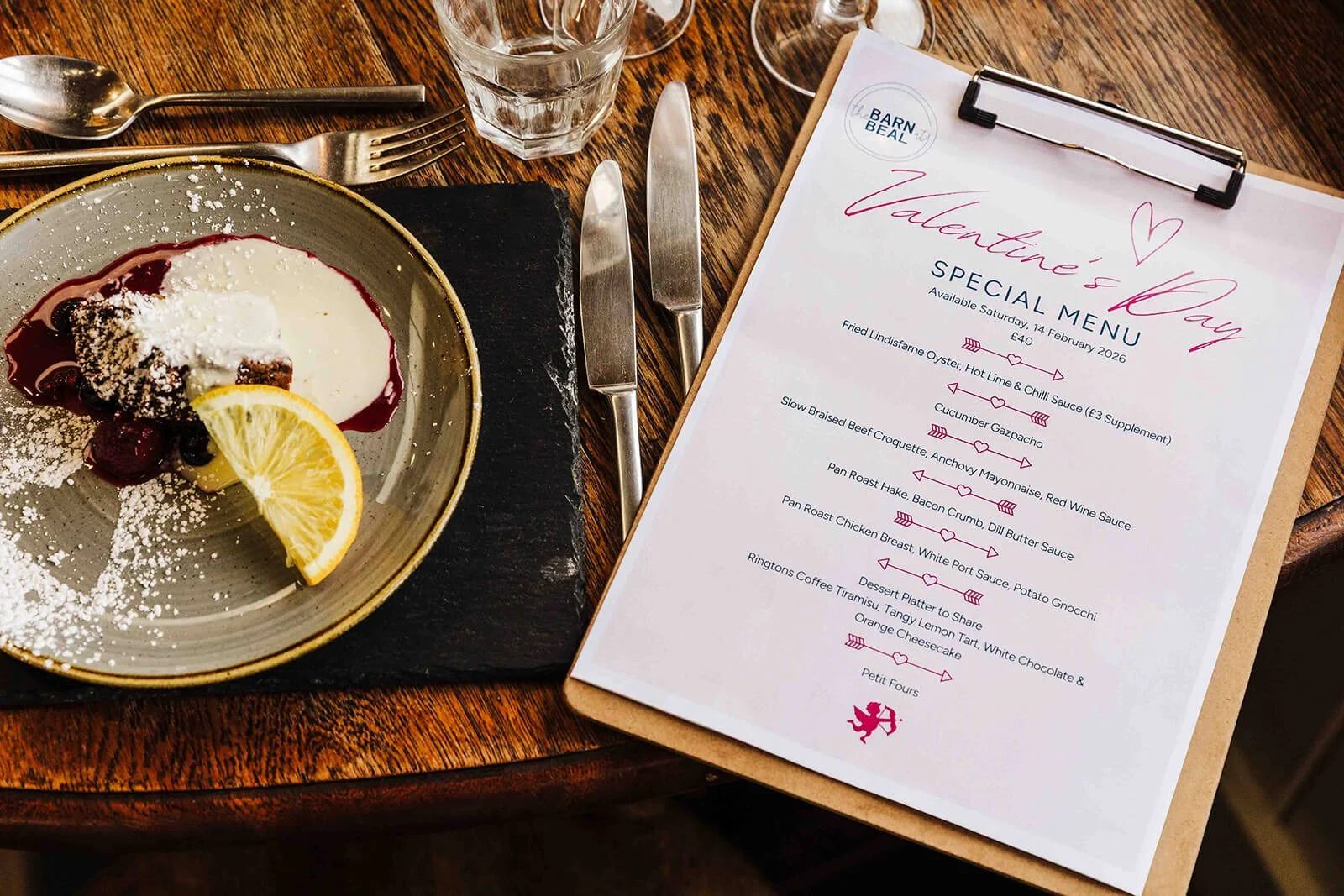
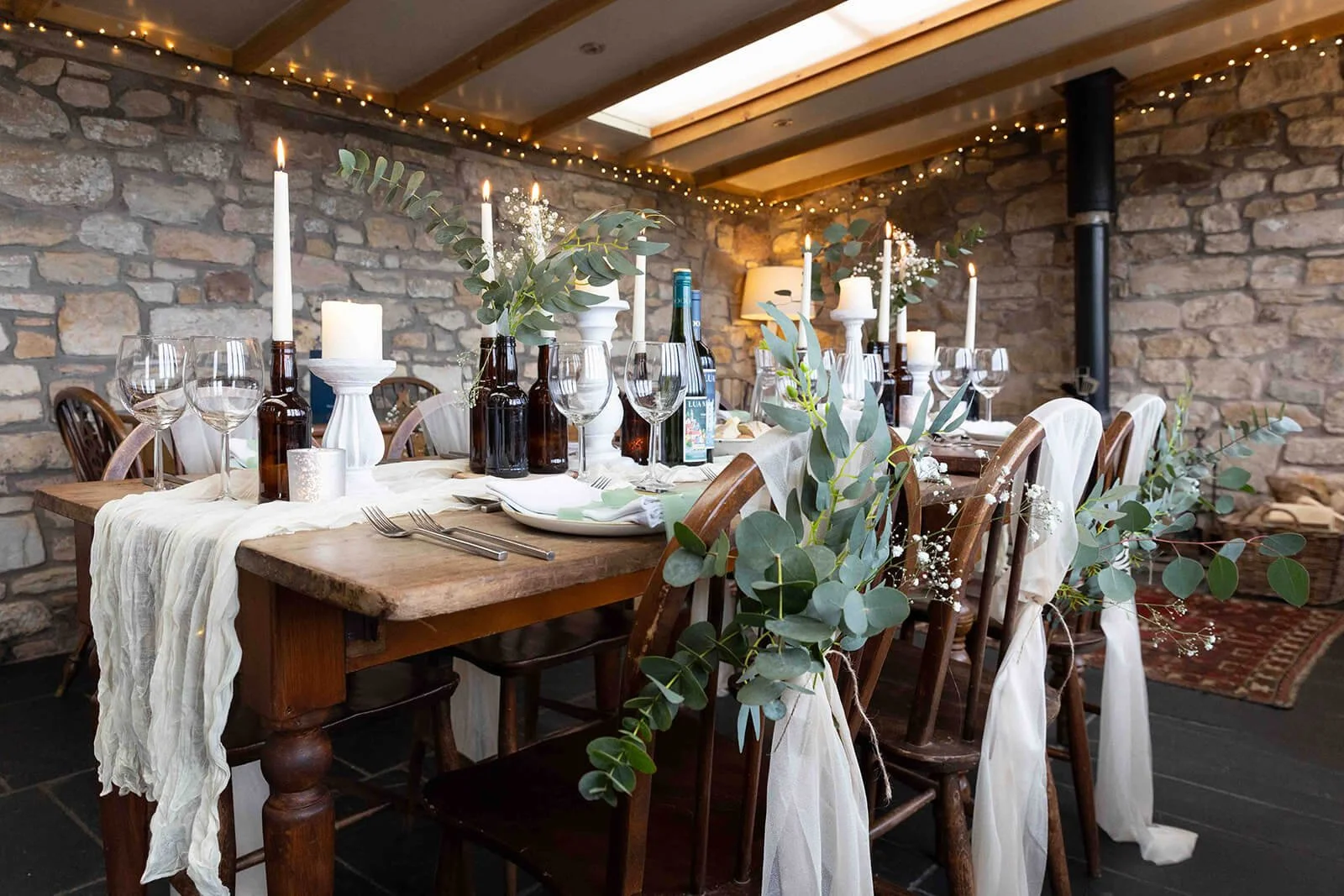
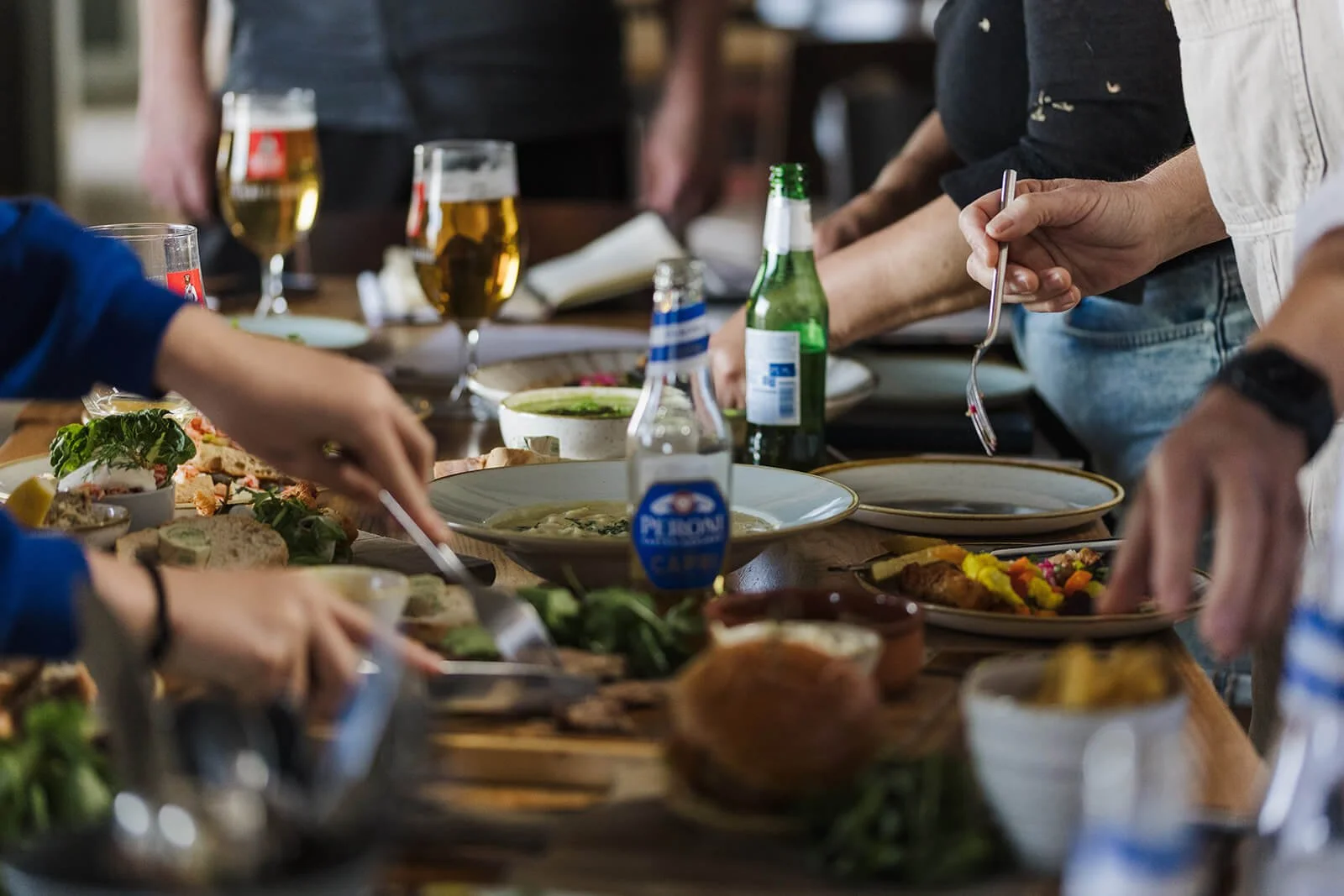
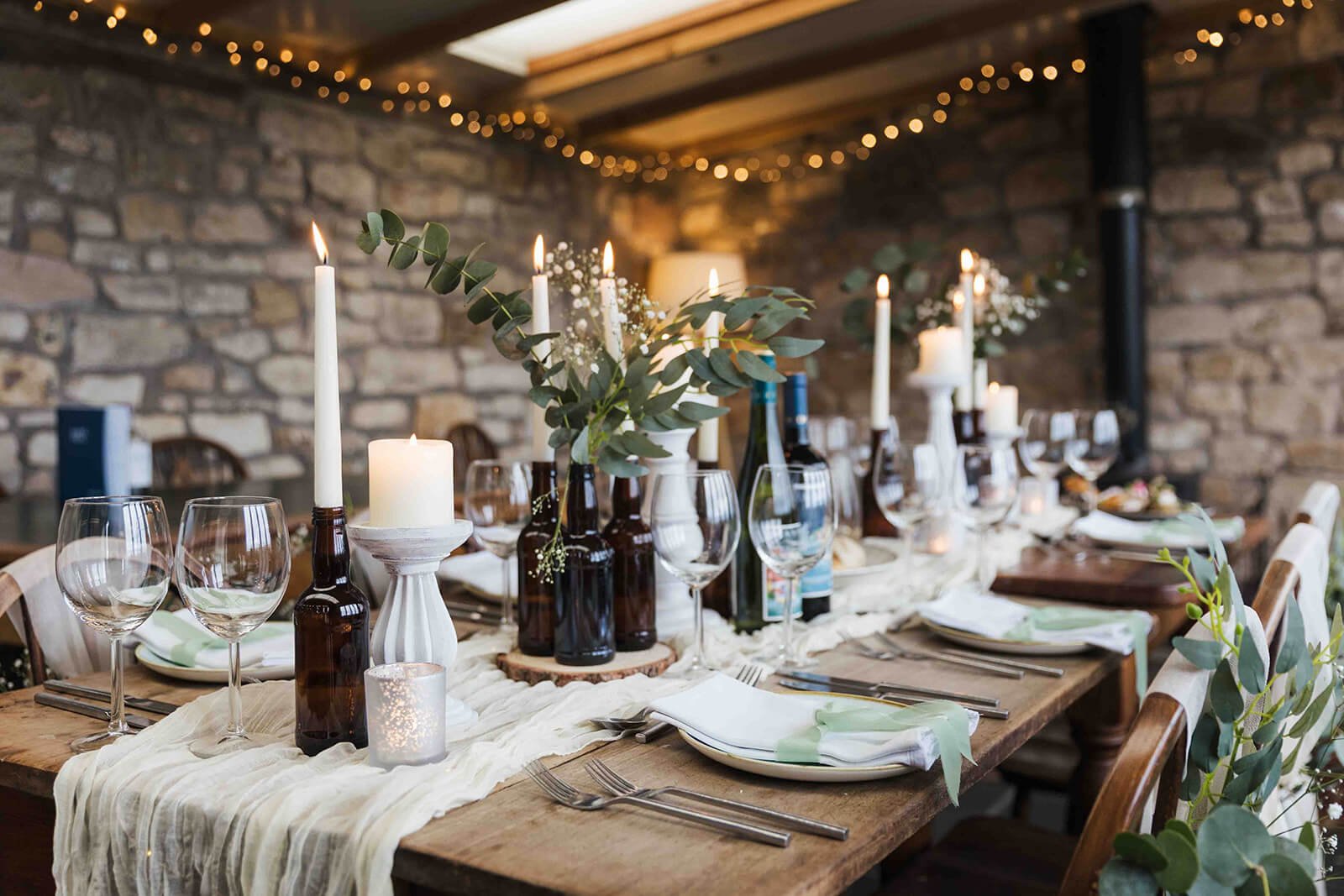
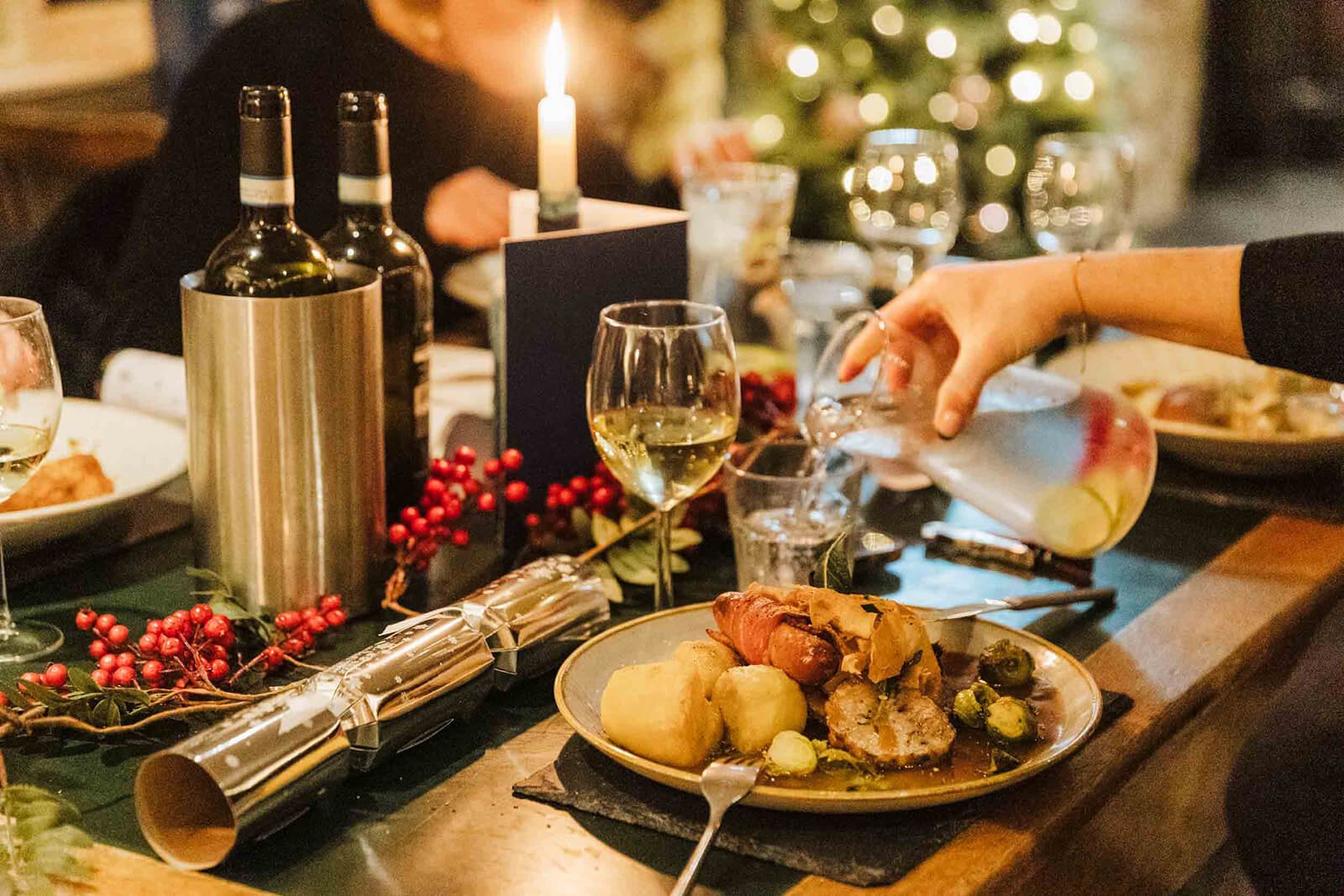
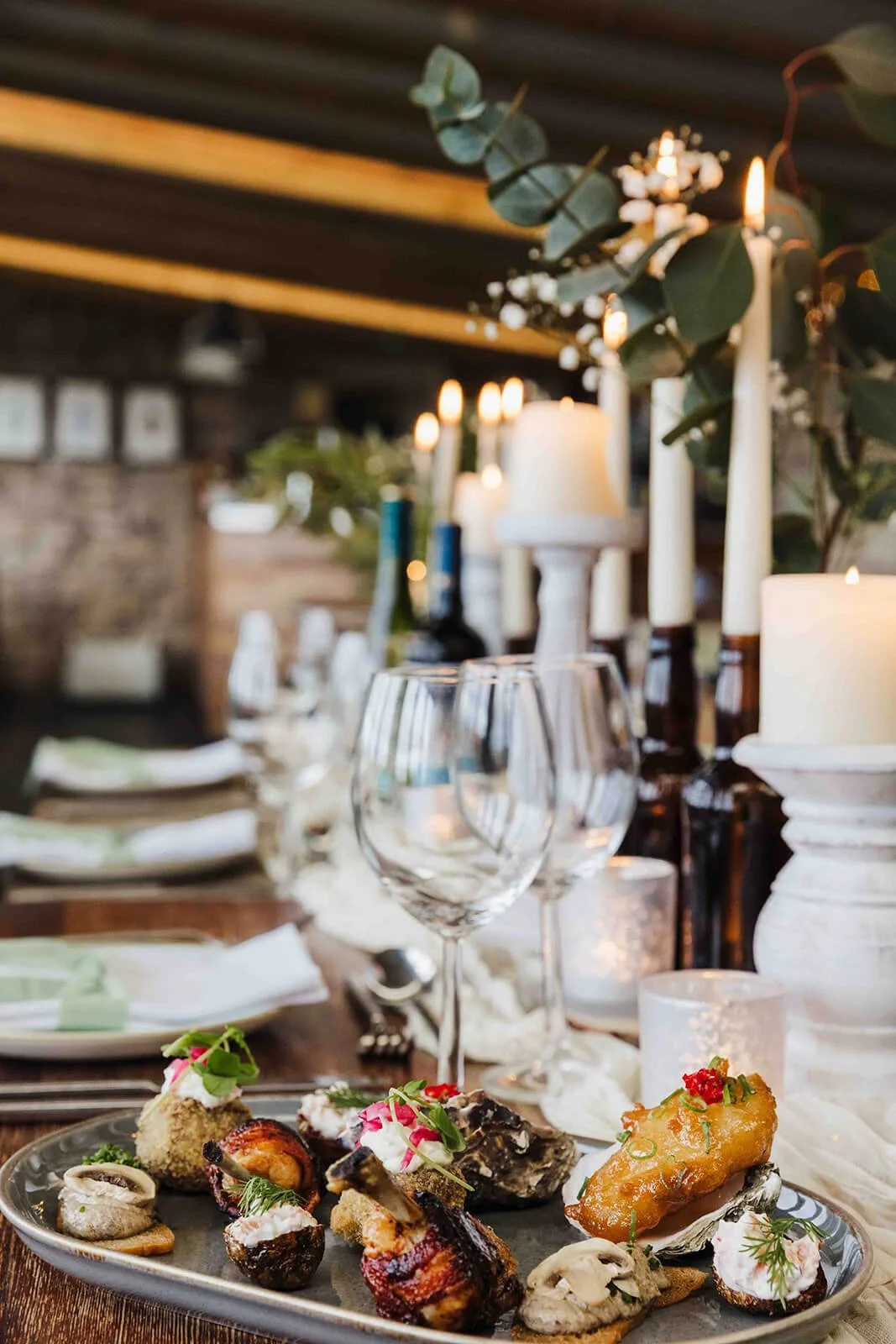
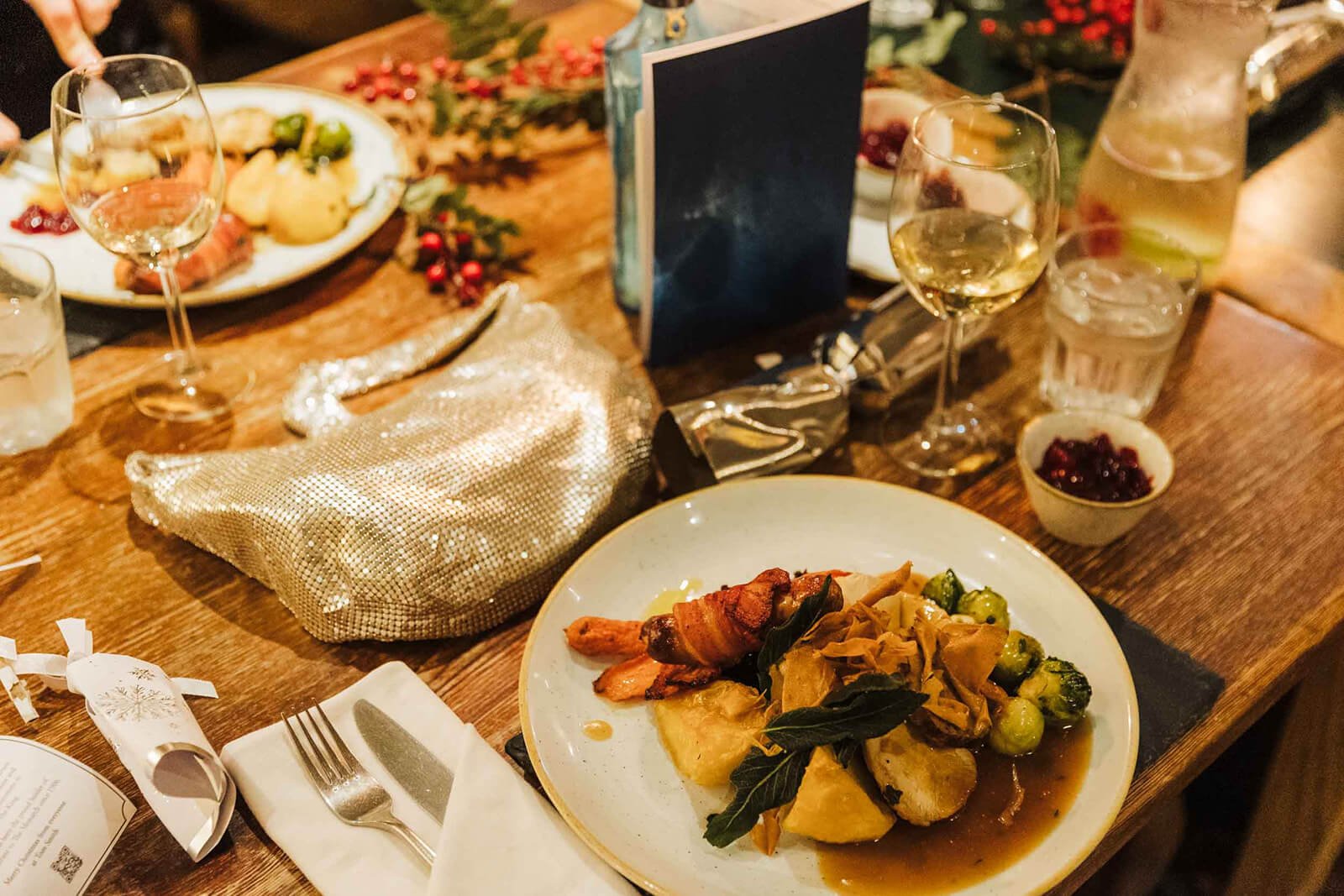
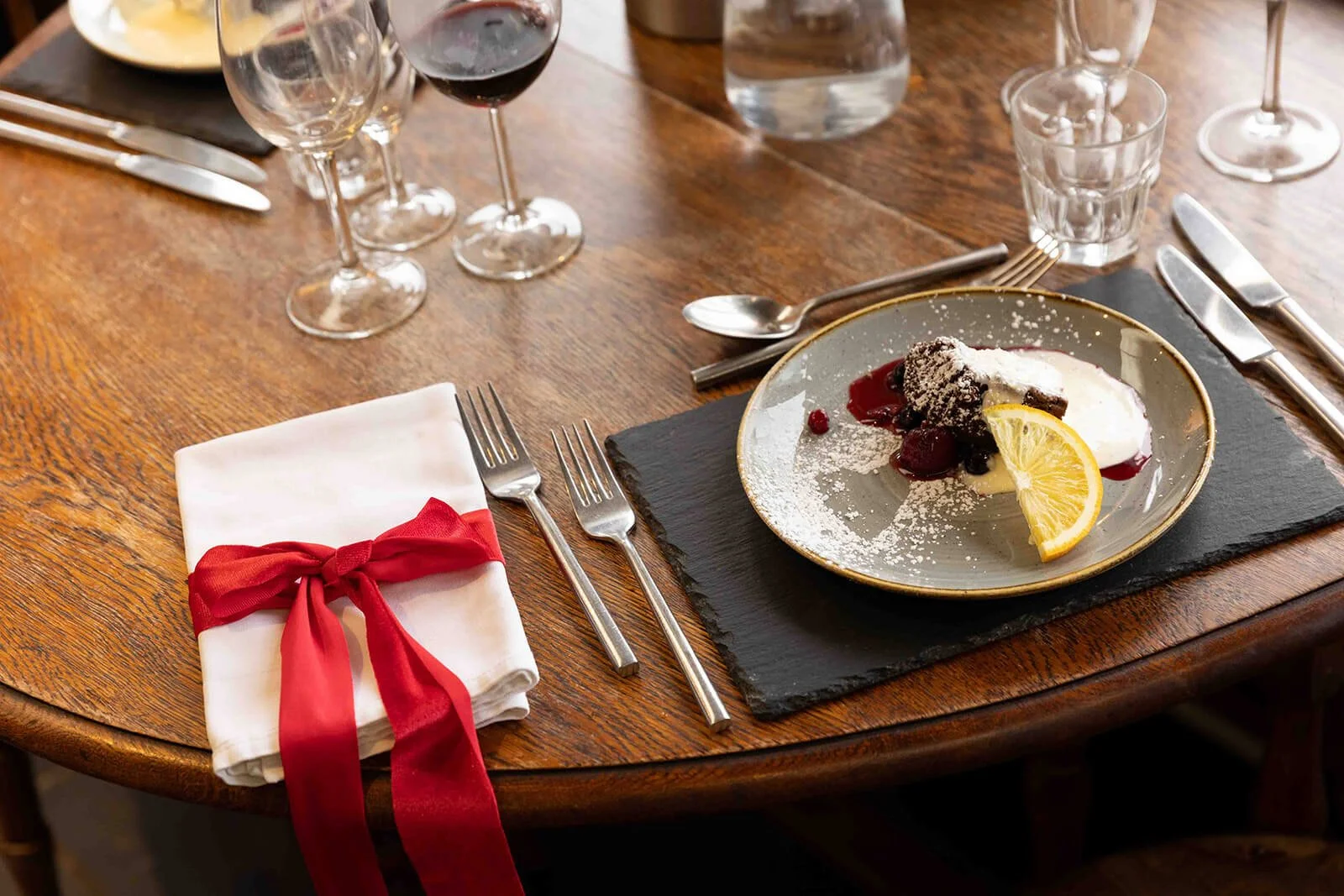
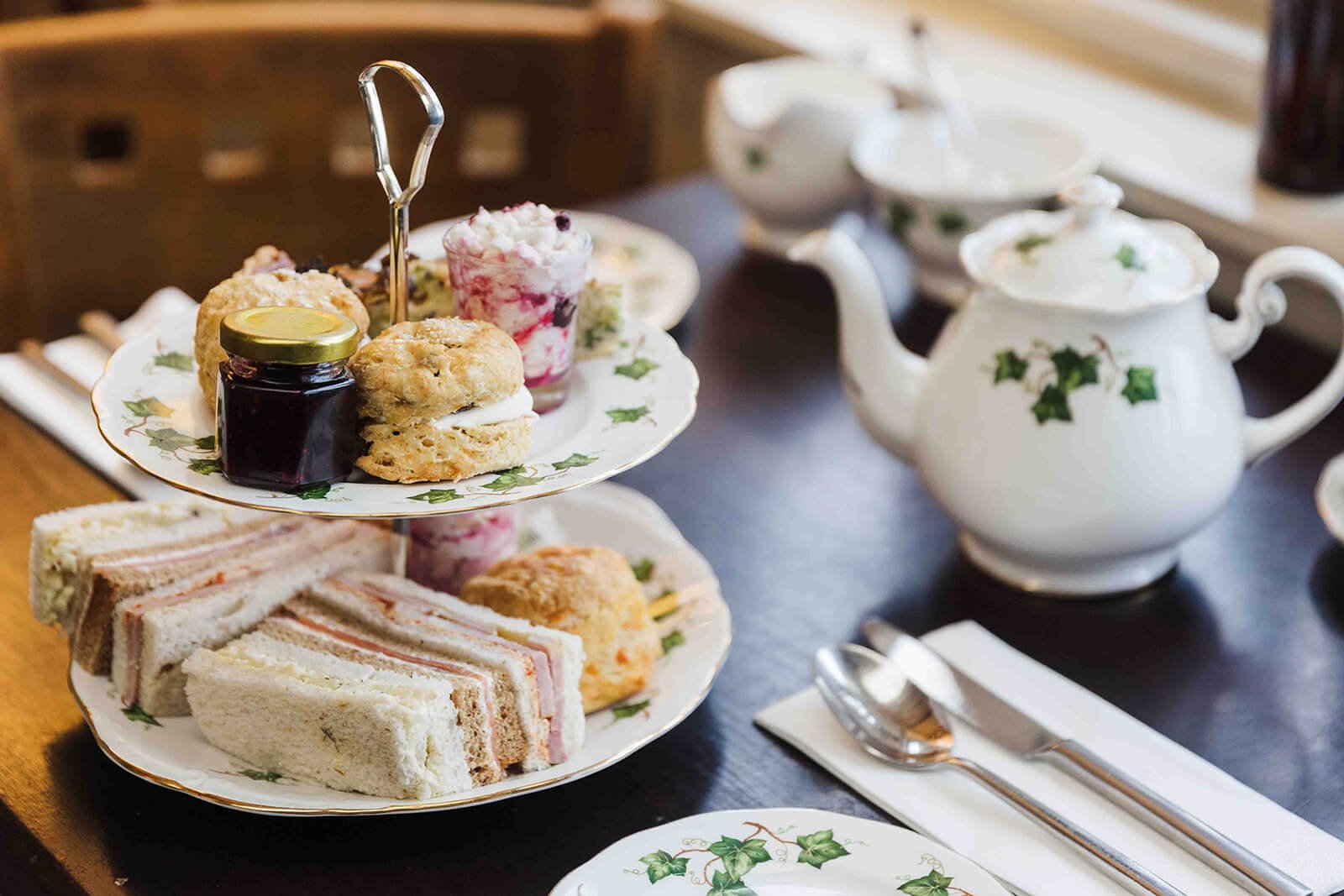
What makes this so valuable is that each campaign gives the business a chance to show another side of what they offer. A Christmas campaign might feel warm and inviting, while a wedding campaign needs to feel thoughtful and experience-led. A new menu release needs images that make the food look appealing straight away, and a tasting evening benefits from capturing atmosphere and detail.
That variety is important because it shows that brand photography can do more than simply give you a bank of images. It can actively support your marketing throughout the year, help you promote different offers and events, and keep your content feeling relevant and current.
Barn at Beal have been a great example of this. The photography has supported a range of campaign styles and seasonal promotions, while still feeling consistent with their wider brand. That balance is often where the strongest brand photography sits.
What works especially well is having a thoughtful mix of images that can be used in different places, from social media to website pages to promotional content. When photography is planned with that in mind, it tends to feel much more useful day to day.
Beyond the Photography: Website and Social Media Content
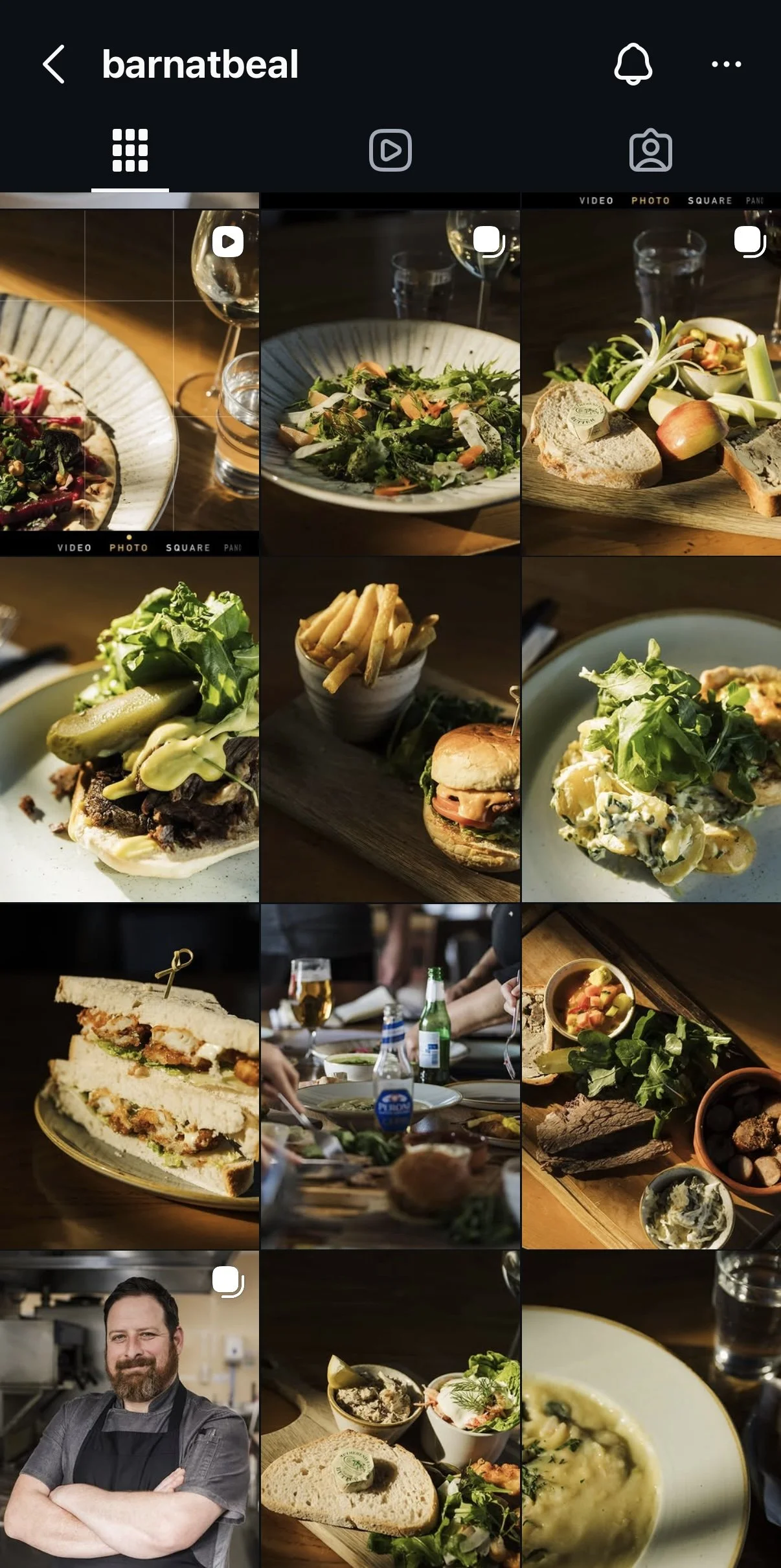
Our work with Barn at Beal goes beyond taking photographs. We also designed and created their website, manage their social media and produce much of the content used across Instagram, Facebook and their wider online marketing.
Working across everything means the photography can be planned with a clear purpose from the beginning. When there is a new menu, event or seasonal campaign coming up, we can plan the website updates, social media posts, captions, photographs and short clips together, rather than trying to make separate pieces of content fit afterwards.
We visit Barn at Beal regularly to capture fresh photographs and short clips as the menus, seasons and events change. This gives them a current and varied collection of content, rather than having to rely on the same photographs throughout the year.
We also update the website whenever needed, whether that means adding a new menu, promoting an event, changing important information or refreshing the photography. Keeping the website current means customers can find the latest information, while social media helps draw attention to what is happening at the restaurant.
For social media, our work includes creating manageable content plans, writing captions, selecting photographs, producing Reels and short clips, and scheduling posts. The result is a much more consistent online presence across the website, Instagram and Facebook.
Barn at Beal is a good example of our complete website design and social media content support service in practice. Photography remains an important part of it, but it works even harder when the website, written content and social media are all planned and updated together.
How to Choose the Right Brand Photography for Your Business
If you’re still not sure what kind of shoot makes sense, this is the simplest way I’d look at it.
If your business is built around you and your expertise, personal brand photography is probably the strongest place to begin.
If you need a wide range of useful content for your website, marketing and social media, a full branding shoot is often the most practical choice.
If you sell physical products, product photography should usually come first.
If your business involves a space or visitor experience, interiors and environment photography may be the priority.
If your business is team-led and you want to show the people behind it, headshots and team photography may be the right starting point.
And quite often, the answer is not one thing. It’s a combination.
That’s why I always think it helps to step back and ask not “what kind of photos should I book?” but “what am I trying to communicate?”
Because once you know that, the style of shoot becomes much easier to figure out.

Vibrant and Colourful Menu dish styled and photographed at Barn at Beal.
Brand Photography Types and Where You’ll Actually Use Them
It’s also worth thinking about where the images are going to live.
Your photography might need to work across:
your website
social media
printed promotional material
blog posts
online press features
newsletters
sales pages
brochures or guides
A beautiful image that only works in one tiny square on Instagram is lovely, but it may not be all that useful if you also need website banners, portrait crops, and content that tells a fuller story.
Versatility matters.
That’s one reason full brand shoots can be so helpful. They give you a broader library of content to use across your website, social media, blogs, and marketing, so your imagery feels more consistent and much easier to use across the different parts of your business.

Barista preparing the coffee behind counter at Barn at Beal on their branding shoot.
What Makes Brand Photography Feel Effective Rather Than Just Nice
This bit matters.
The best brand photography is not just visually nice. It feels aligned with the business. It communicates something. It helps the right people connect with what you do.
That could mean your images feel calm and premium. Or colourful and creative. Or grounded and personal. Or polished and practical.
But they should feel like your brand, not somebody else’s version of what a business should look like online.
That’s why choosing the right type of photography matters so much. Because when the style is right, the images feel useful as well as beautiful.
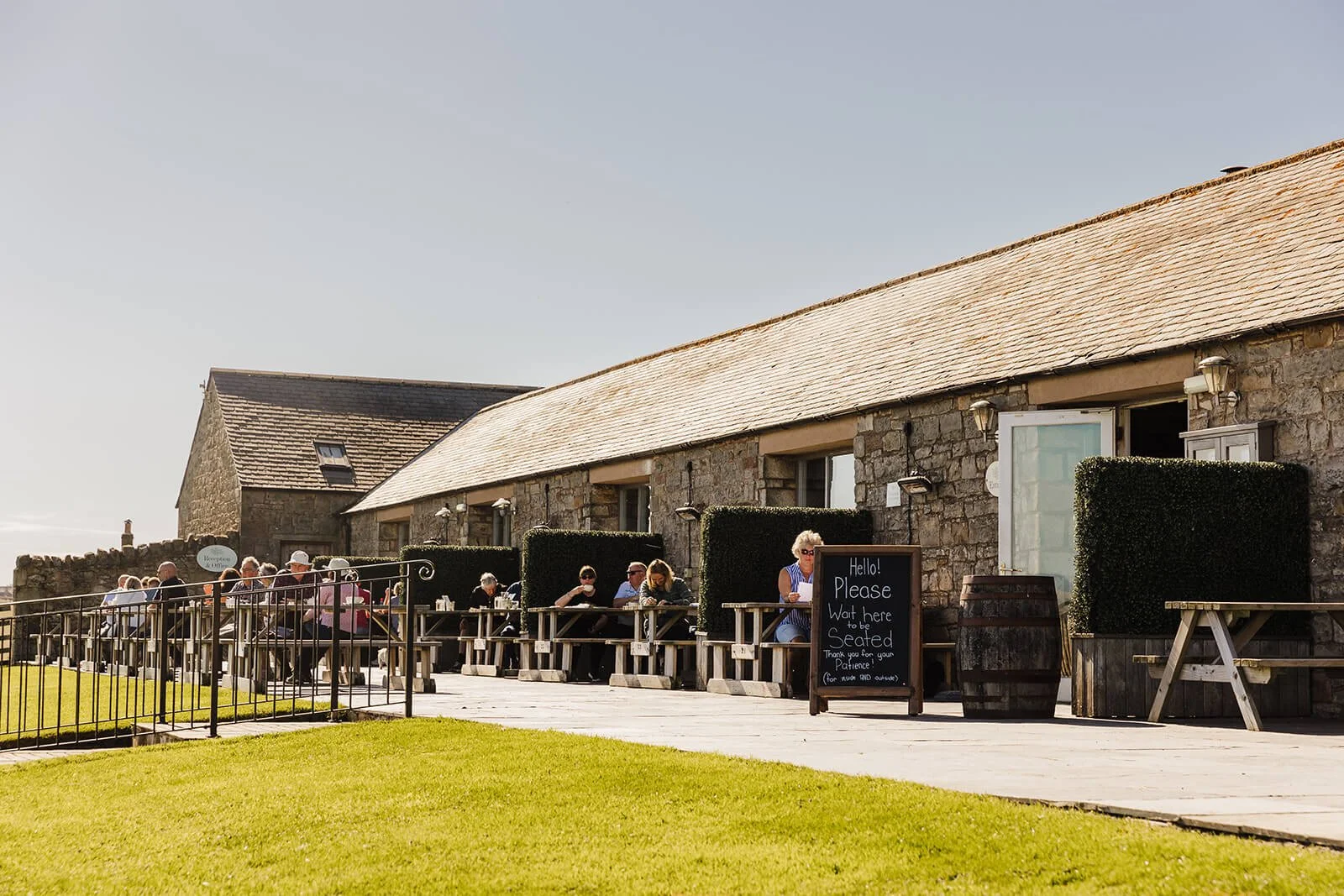
Outdoor photo capturing Barn at Beal location.
Final Thoughts on Brand Photography Types
f you are trying to work out which type of brand photography is right for your business, start with the purpose rather than the label.
Think about what you need the photographs to communicate, where they will be used and what would make your marketing easier. For some businesses, that will mean headshots. For others, it will be product photography, hospitality imagery or a fuller brand shoot covering several needs at once.
Barn at Beal shows how useful that combination can be. Their photography supports the website, social media, menus, events and seasonal campaigns while maintaining a recognisable feel across the business.
Brand photography should not simply look good. It should give you something genuinely useful to work with.
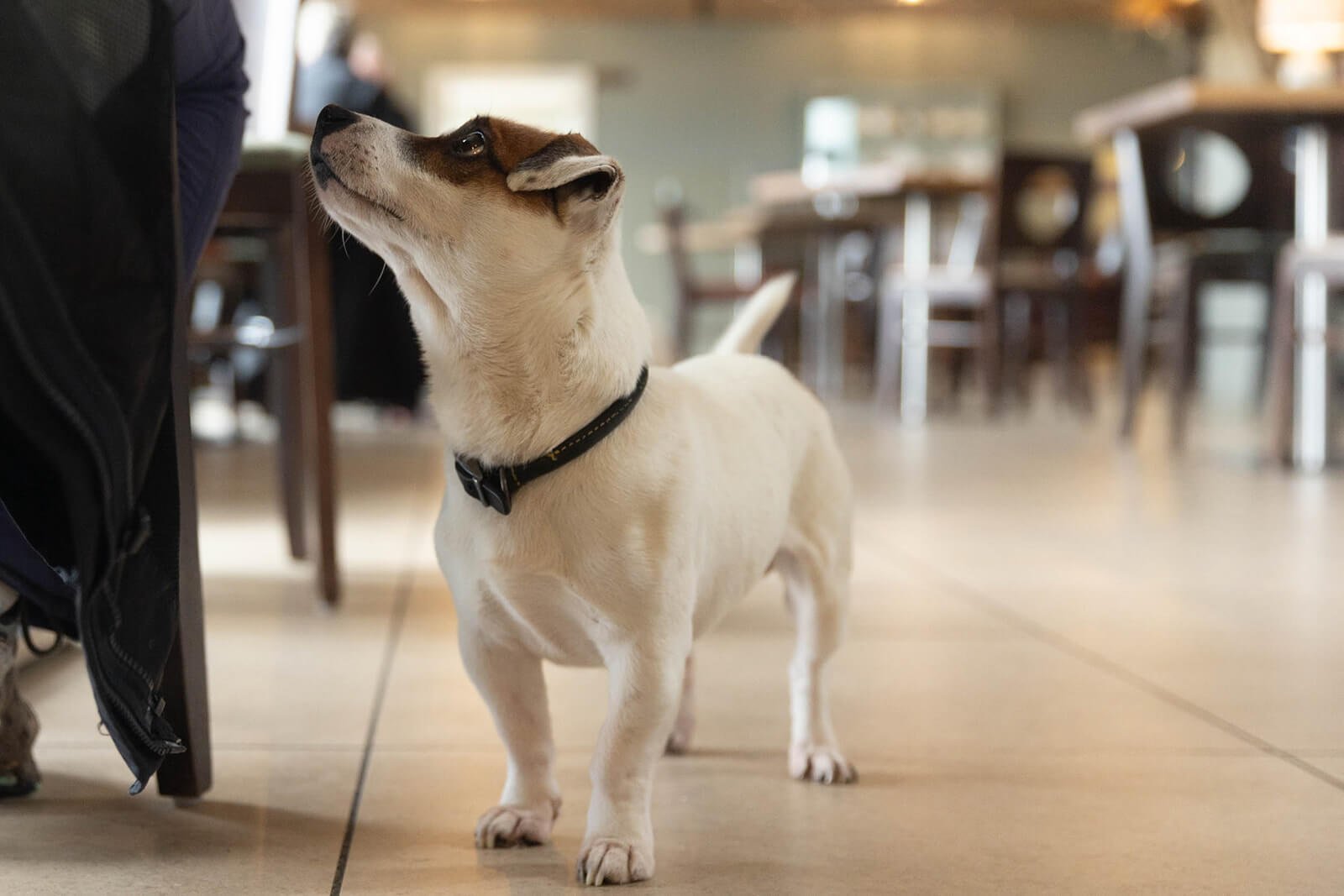
Dog-friendly atmosphere captured at Barn at Beal.
Ready to Talk About Your Brand Photography?
If you’d like to chat through what kind of brand photography would suit your business best, you can book a call with Sarah and start there. Sometimes a quick conversation is the easiest way to work out what you actually need.
Consistent product photos: how to make your product photos cohesive.

Jarvis Pickle Pies at the Edinburgh fringe festival
There’s something instantly reassuring about a brand that looks put together.
You might not always be able to explain why one product stands out over another, but more often than not, it comes down to how consistent the visuals feel. The lighting, the colours, the setting… it all quietly works together.
If your product photos currently feel a little mismatched or “different every time”, you’re not alone. It’s one of the most common things I see when working with food sellers and handmade businesses.
And the good news is, it’s very fixable.
In this blog, I’ll walk you through what consistent, cohesive product photos actually mean, why they matter, and how you can start creating them in a way that feels natural and achievable for your business.
Consistent, cohesive product photos: what are they?
At its simplest, consistent, cohesive product photos are images that feel like they belong together.
They don’t look like they’ve been taken on completely different days, in different rooms, with different lighting and moods. Instead, they tell one clear visual story.
That consistency usually comes from a few key elements:
Lighting that feels the same across every image
Colour tones that don’t clash or shift dramatically
Backgrounds and surfaces that stay within the same style
Styling choices that reflect your brand (not just what’s available at the time)
One of the biggest things I always recommend is keeping your shoots in the same room or location wherever possible. It might sound simple, but it makes a huge difference.
Natural light behaves differently in every space. Even moving from one room to another can completely change the feel of your images. By keeping things in one consistent environment, you remove that variation straight away.
I also tend to steer clients away from very bright or harsh backgrounds. Softer, more neutral tones are much easier to keep consistent and tend to let the product do the talking rather than competing with it.

Consistent, cohesive product photos: how do they benefit both the photographer and the client?
When your imagery is consistent, everything becomes easier. Not just visually, but practically too.
For you as a business owner, consistent, cohesive product photos help build trust without you having to say a word. When someone lands on your website or Instagram, they immediately get a sense that your brand is thoughtful and established.
It creates:
Stronger brand recognition
A more professional first impression
A smoother customer journey (nothing feels disjointed or confusing)
More confidence in your product quality
From my side as a photographer, consistency means I can create a much more refined and intentional set of images for you.
When we shoot in the same location where your product is made or sold, everything feels more authentic. It’s your environment, your light, your space. That naturally brings a level of honesty to the images that’s hard to replicate elsewhere.
It also means we can build on previous shoots. Instead of starting from scratch each time, we’re evolving your visual identity in a way that still feels familiar.
And honestly, that’s where the magic tends to happen.
Consistent, cohesive product photos: real-life examples
Jarvis Pickle Pies
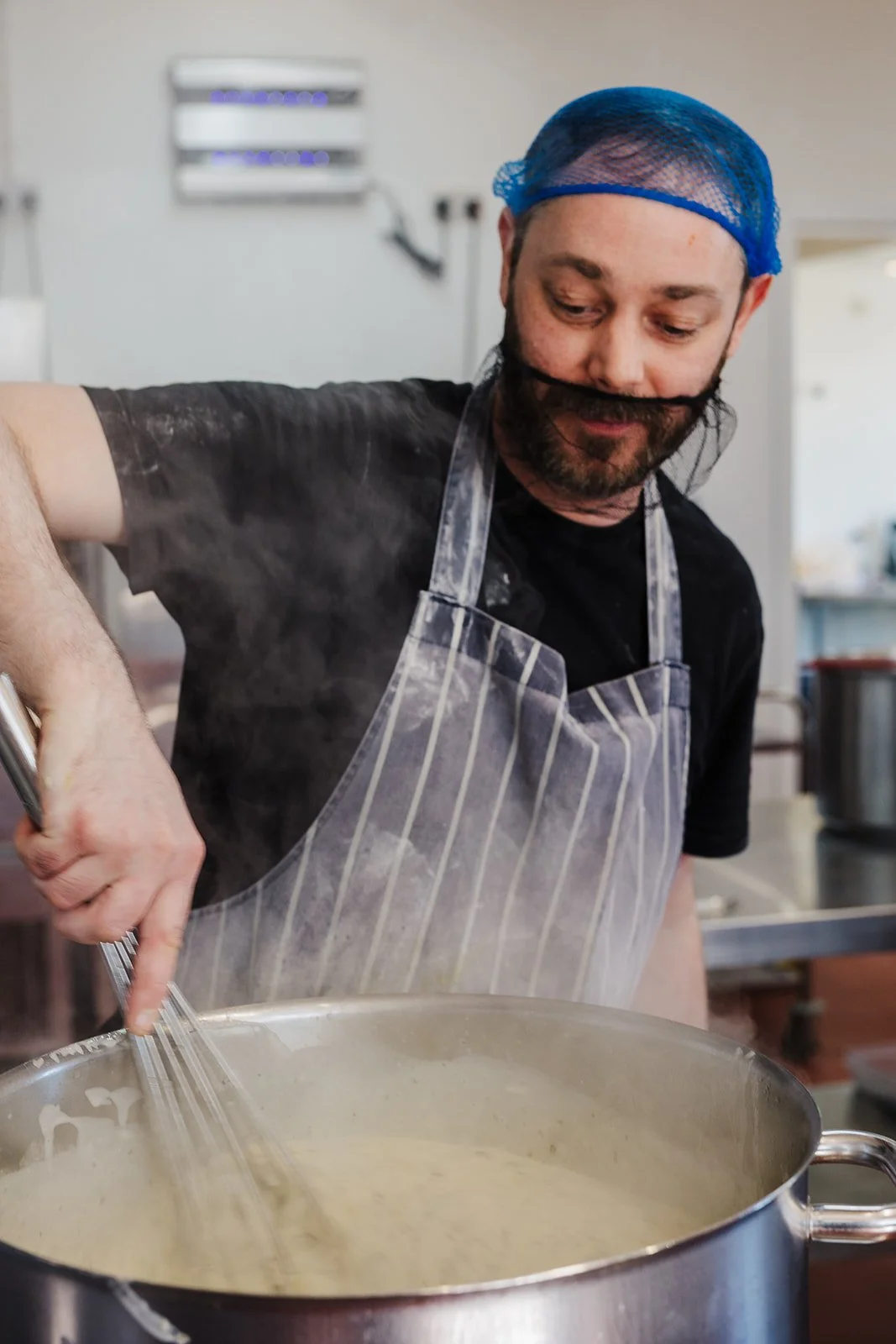
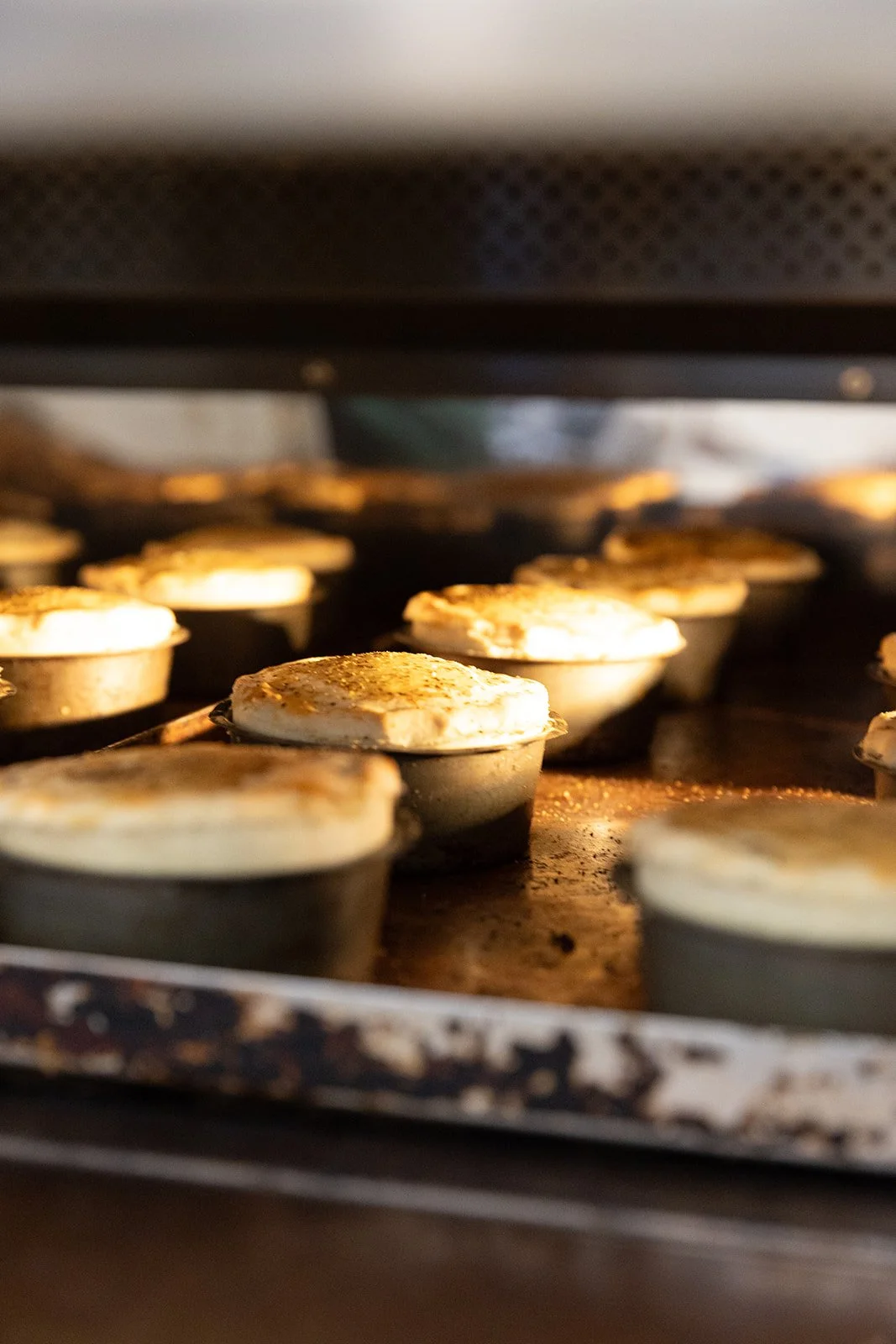
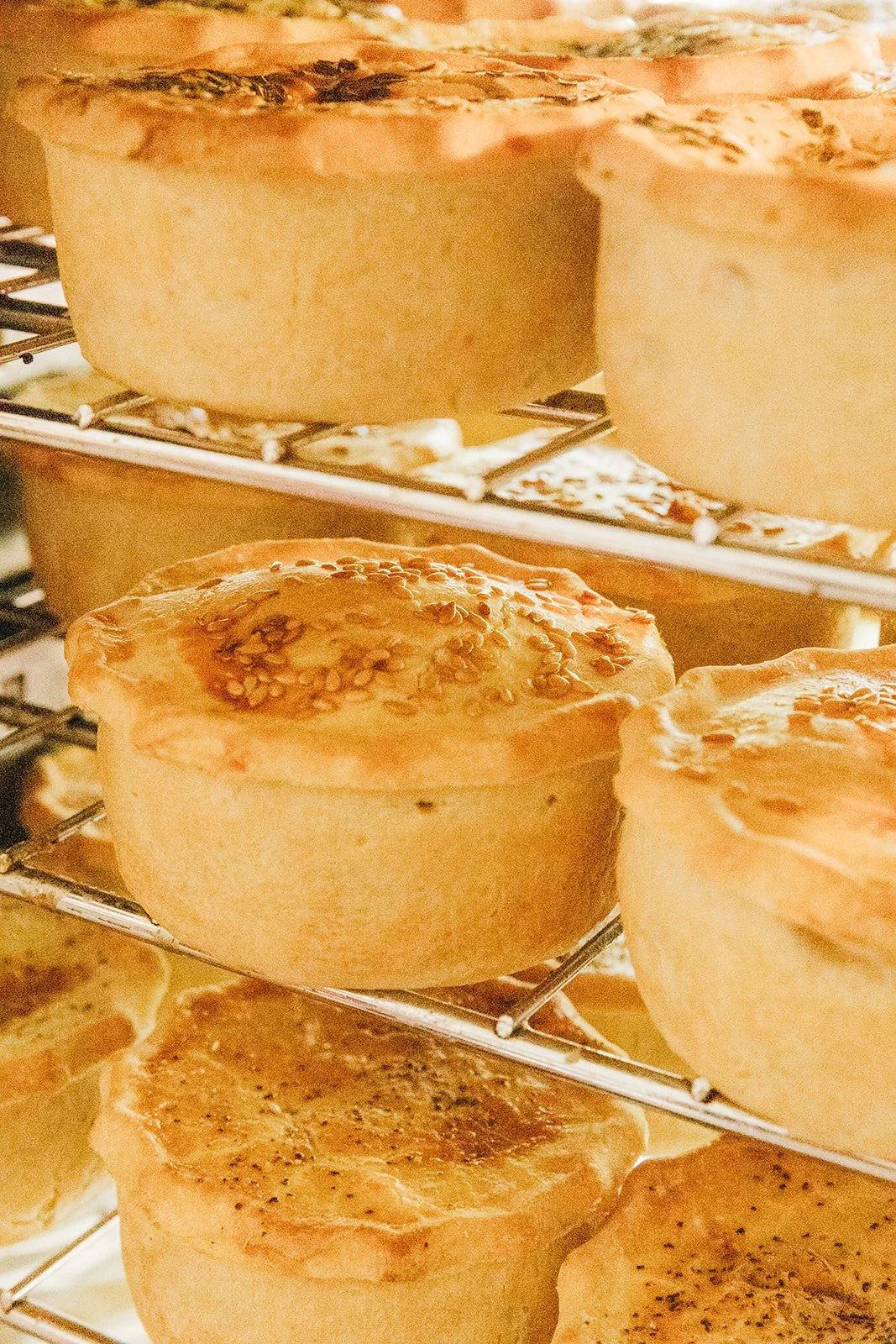
Working with Jarvis Pickle Pies was a really good example of how consistency can shape a brand’s visual identity.
Because the shoot took place where the products are actually made, everything felt grounded from the start. The textures, the surfaces, even the natural light all reflected the reality of the business.
We kept the styling simple and avoided anything too bright or distracting. Softer tones allowed the pies themselves to stand out, while still keeping everything visually connected across the full set of images.
The result was a collection of photos that didn’t just look good individually, but worked together as a whole.
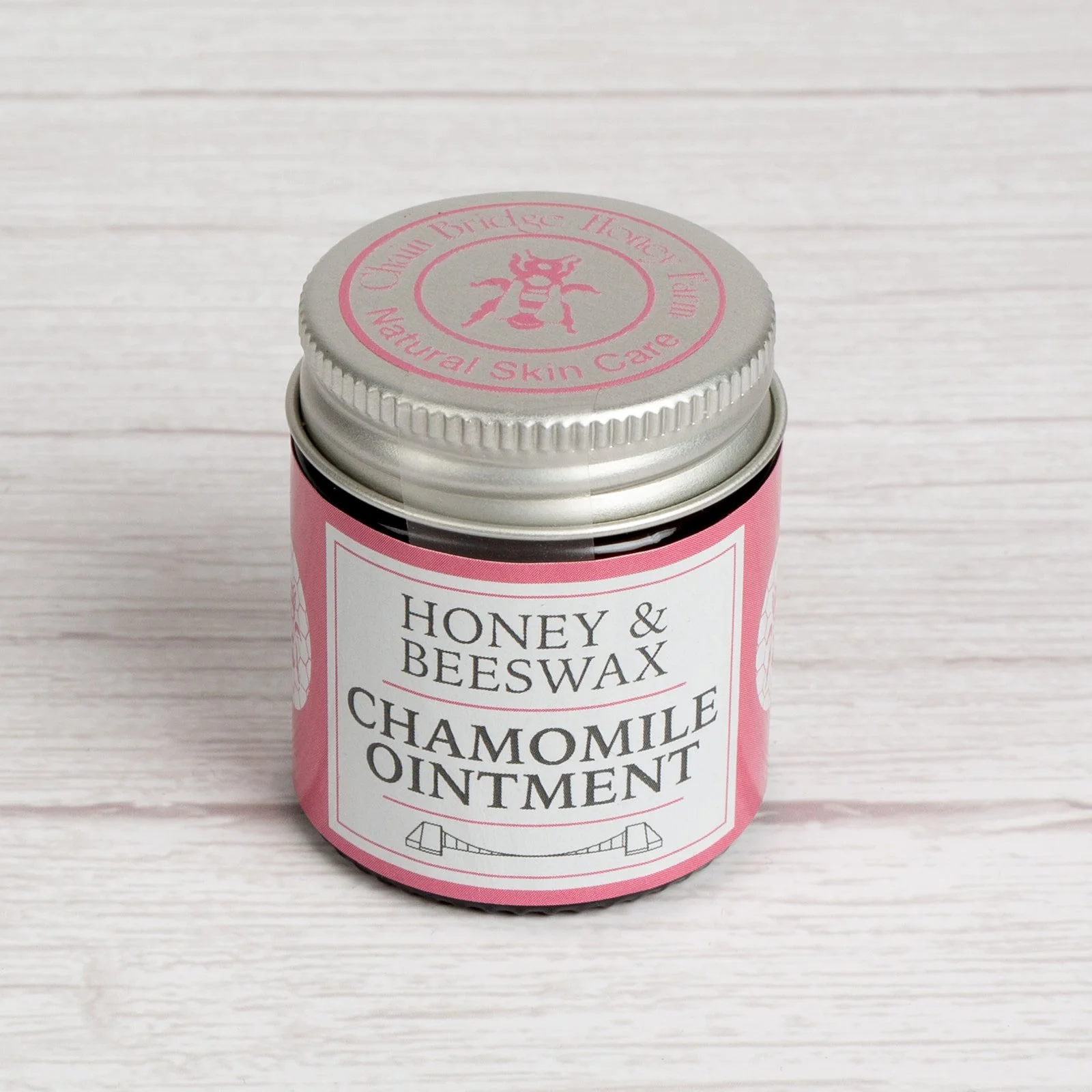
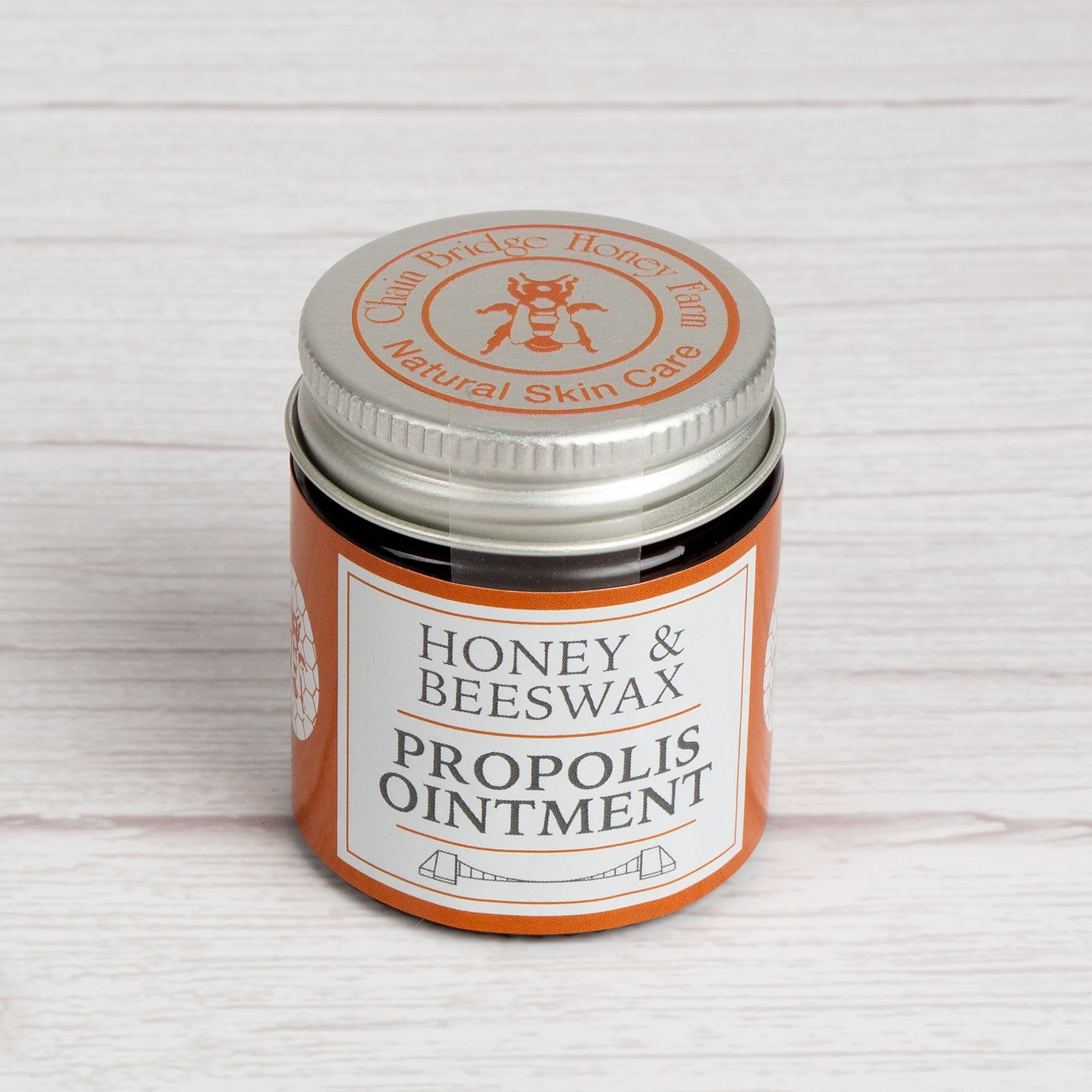
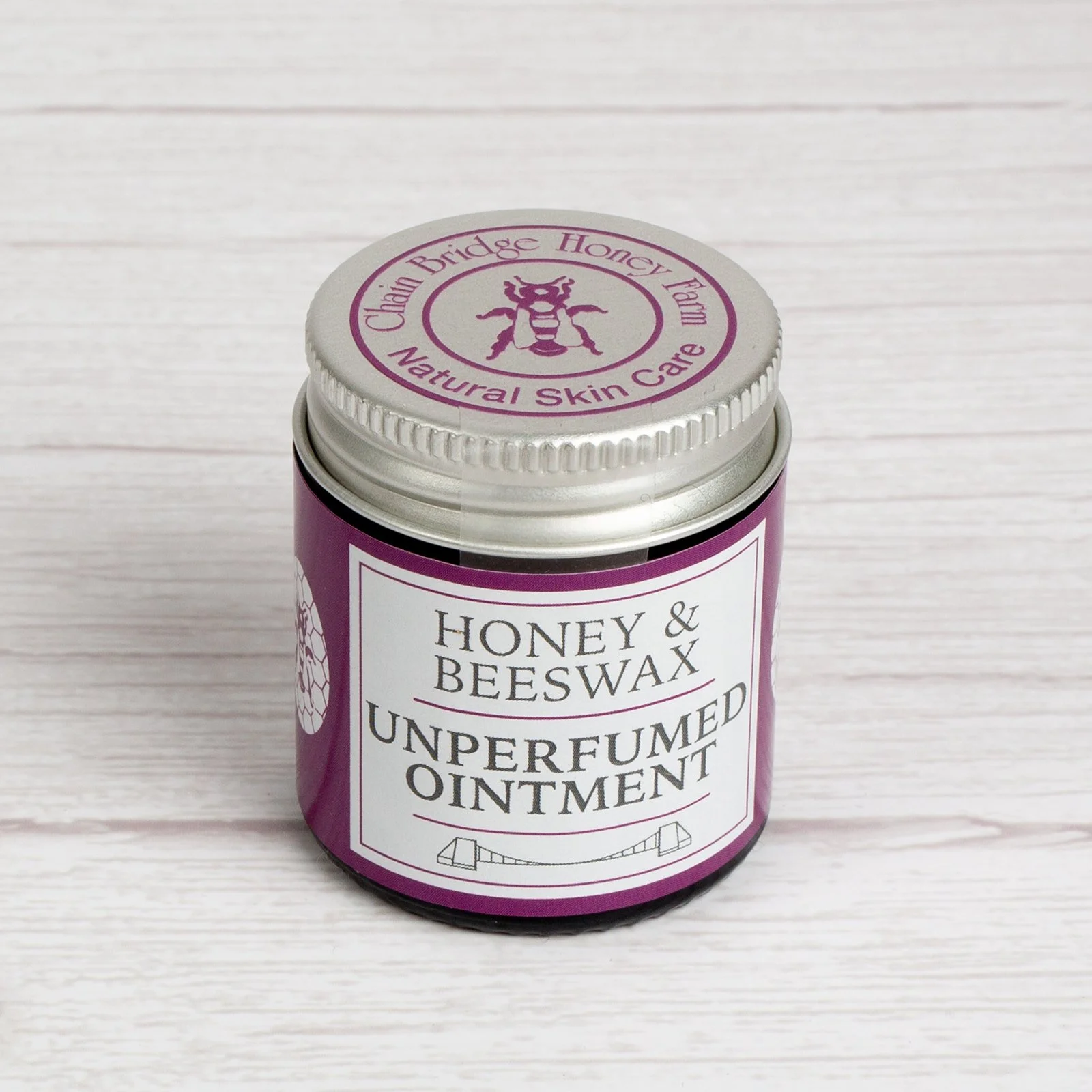
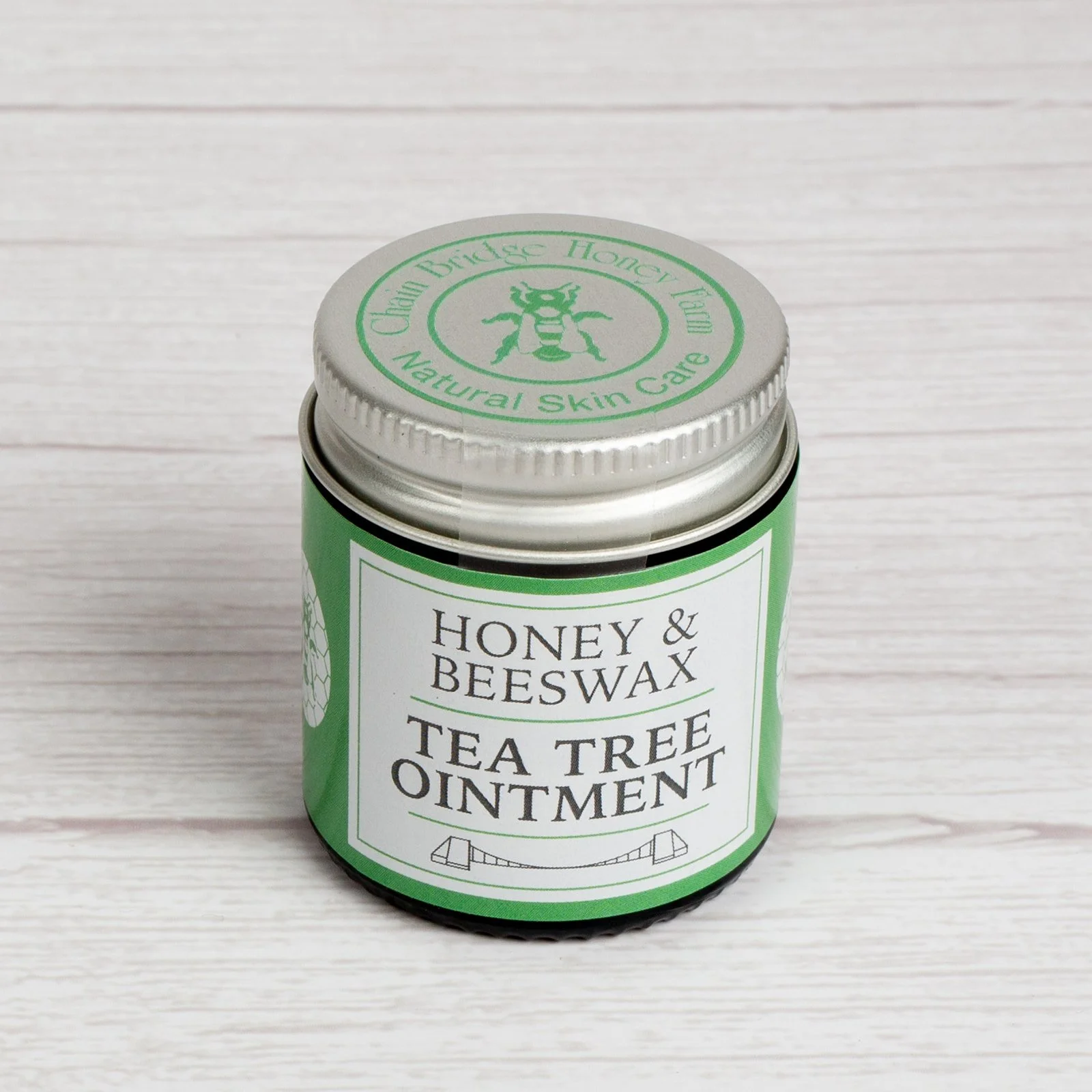
Chain Bridge Honey Farm
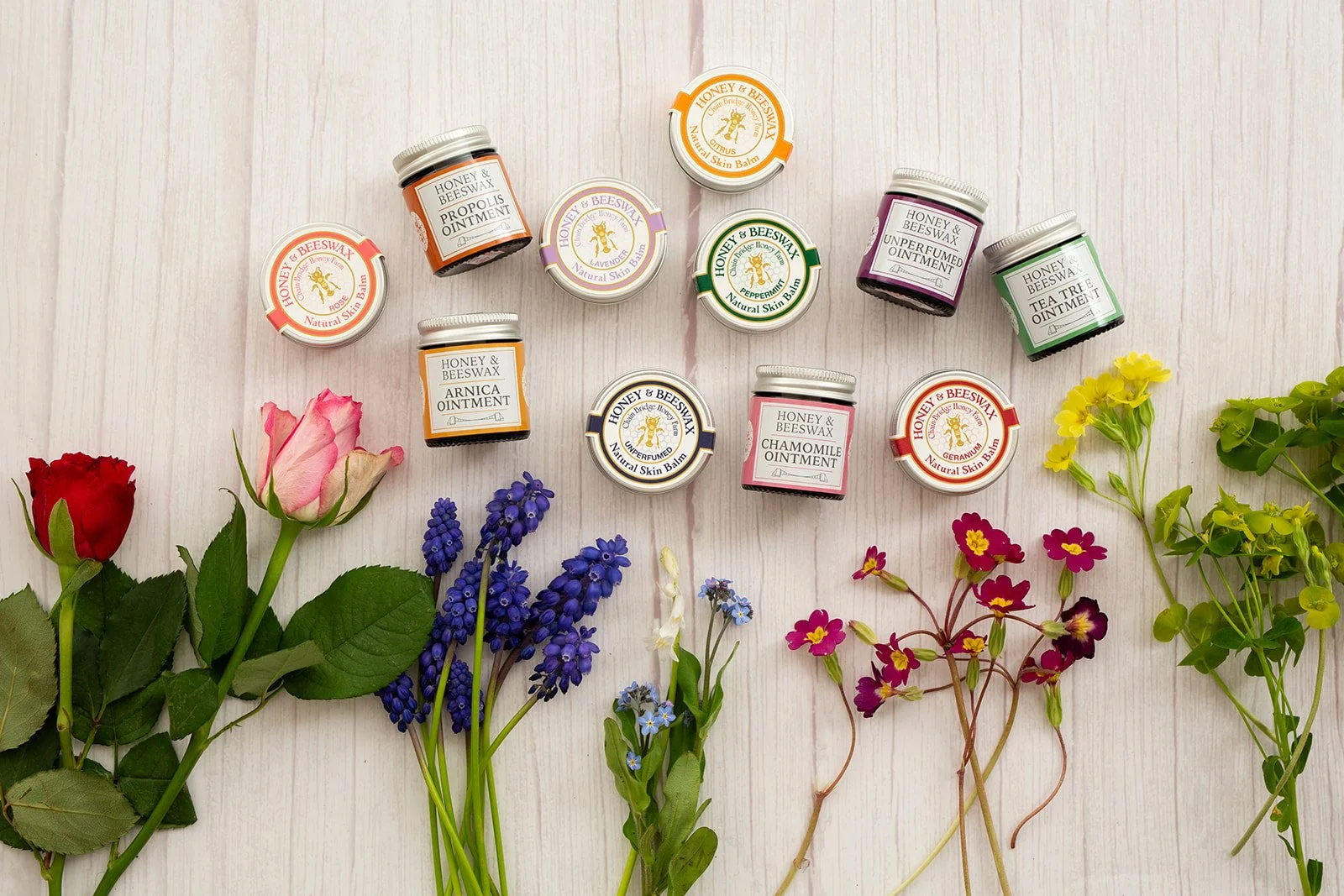
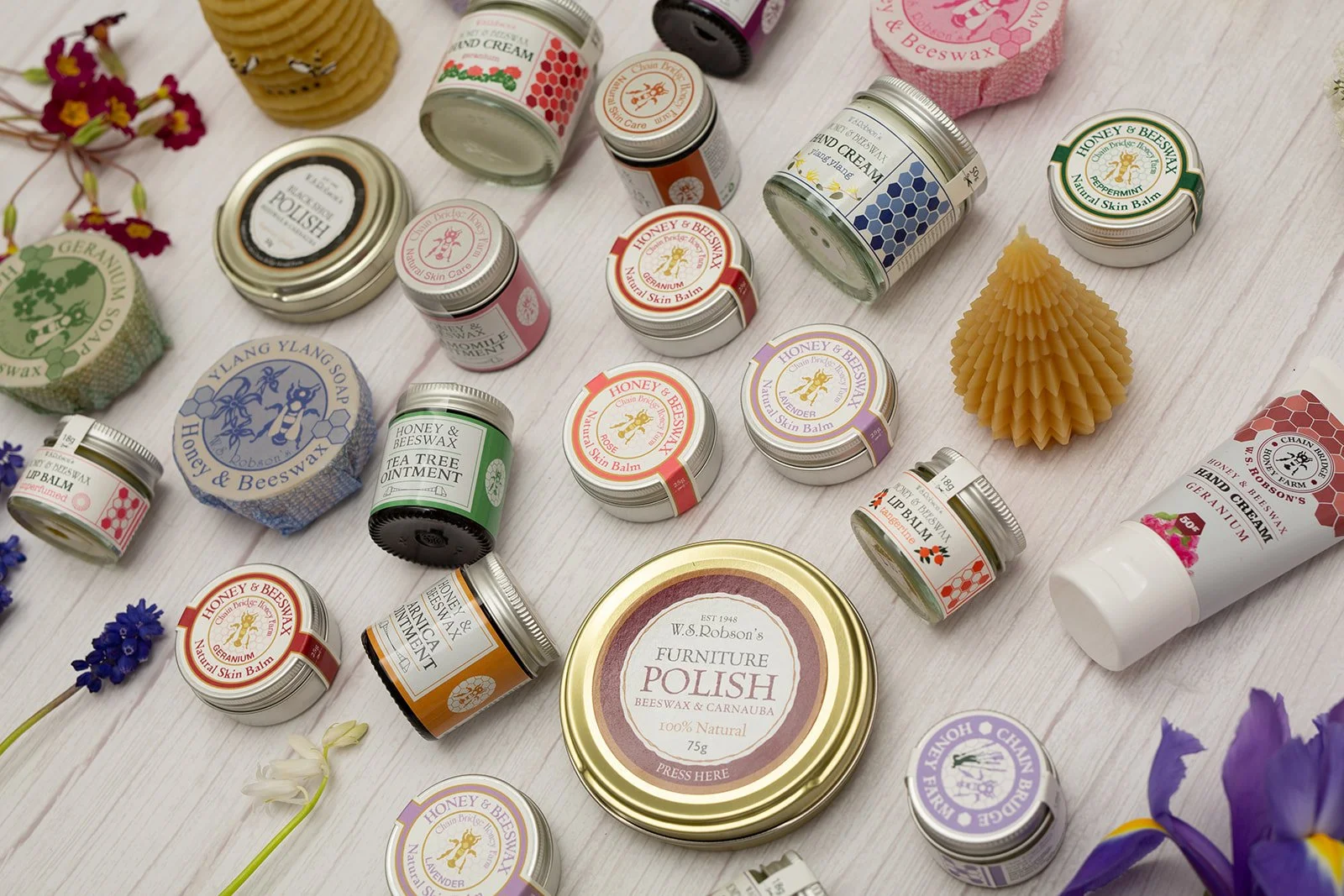
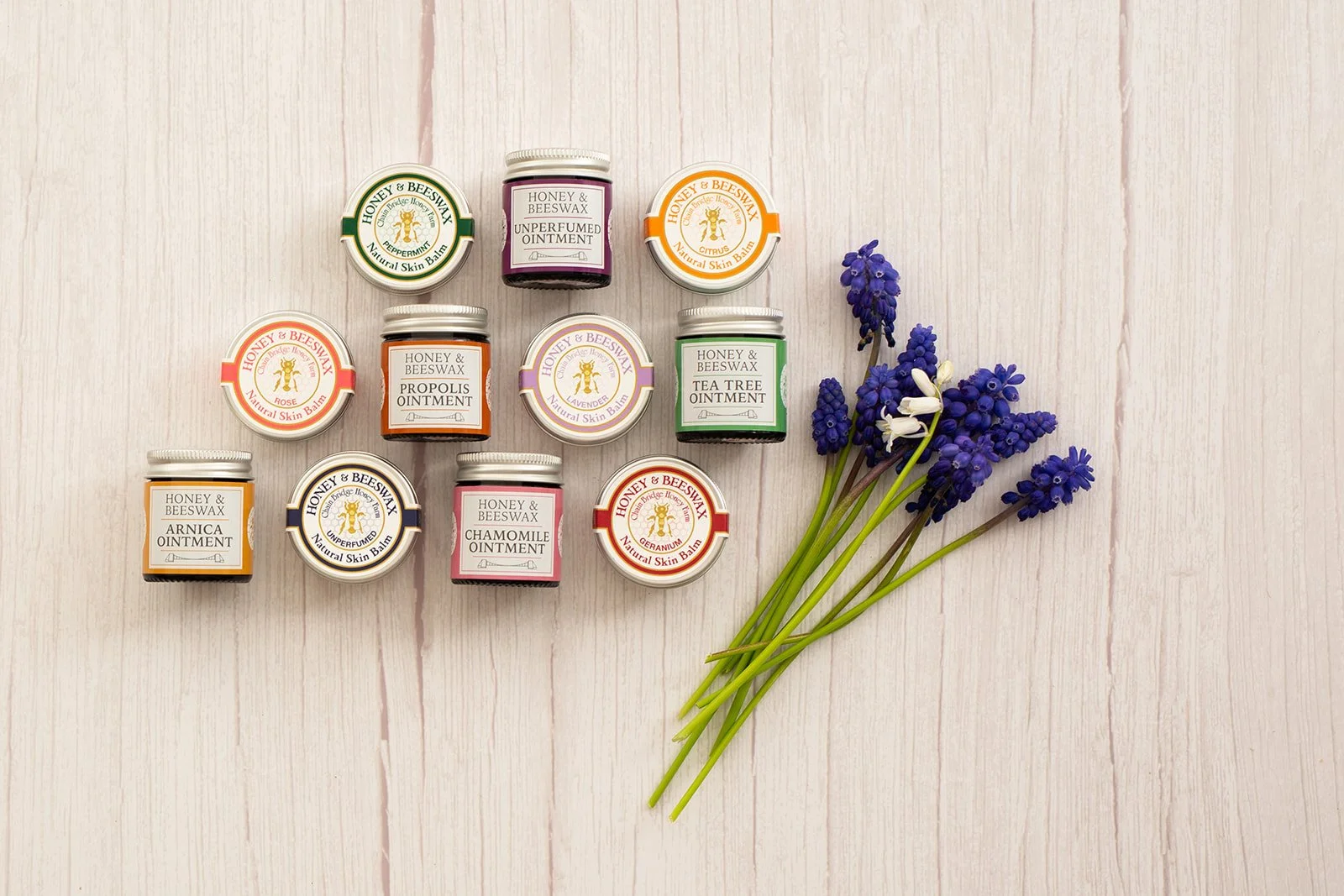
With Chain Bridge Honey Farm, the approach was similar but tailored to their products.
Again, everything was photographed on location, which helped keep that sense of authenticity. The tones were kept warm and natural, reflecting the product itself, and the backgrounds stayed within a soft, neutral palette.
There was no need for anything overly styled or artificial. The consistency came from keeping things simple and intentional.
Across both of these shoots, the key wasn’t doing anything complicated. It was about making deliberate choices and sticking to them.
Consistent, cohesive product photos: how to start creating your own
If you’re looking at your current images and thinking they feel a bit all over the place, here are a few simple starting points.
First, choose one location and stick to it. Ideally, this is where your product is made or sold. It instantly grounds your imagery and removes unnecessary variation.
Next, think about your colour palette. You don’t need anything complicated. In fact, simpler is usually better. Soft, neutral tones tend to work well across most products and are much easier to keep consistent over time.
Then, pay attention to your lighting. Natural light is brilliant, but it does need to be used consistently. Shooting at similar times of day and in the same spot will help keep everything aligned.
And finally, be mindful of your background choices. Bright, bold colours might feel eye-catching in the moment, but they can quickly make your images feel disjointed when placed next to each other.
Consistency isn’t about making everything identical. It’s about making sure everything feels connected.
Consistent, cohesive product photos: common mistakes to avoid
A few things I often see that can break that sense of cohesion:
Switching locations between shoots
Using completely different props or styling each time
Choosing bright or clashing backgrounds
Shooting in inconsistent lighting conditions
Trying to follow too many trends at once
None of these are “wrong” on their own, but when combined, they can make your brand feel a bit scattered.
Keeping things simple and repeatable will always give you a stronger result.
Ready to create consistent, cohesive product photos?
If you’re feeling like your product imagery could be more aligned, you don’t need to overhaul everything overnight.
Start small. Choose your space. Simplify your styling. Pay attention to your light.
And if you’d rather have someone guide you through it properly, that’s exactly what I do.
I specialise in product photography for food and handmade businesses, creating images that feel natural, consistent, and true to your brand.
If that sounds like what you’re looking for, you’re very welcome to get in touch and enquire about a shoot. We can create something that not only looks good, but actually works for your business long term.
Photography Copyright UK Explained: Who Owns Your Photos and How Image Licences Work.
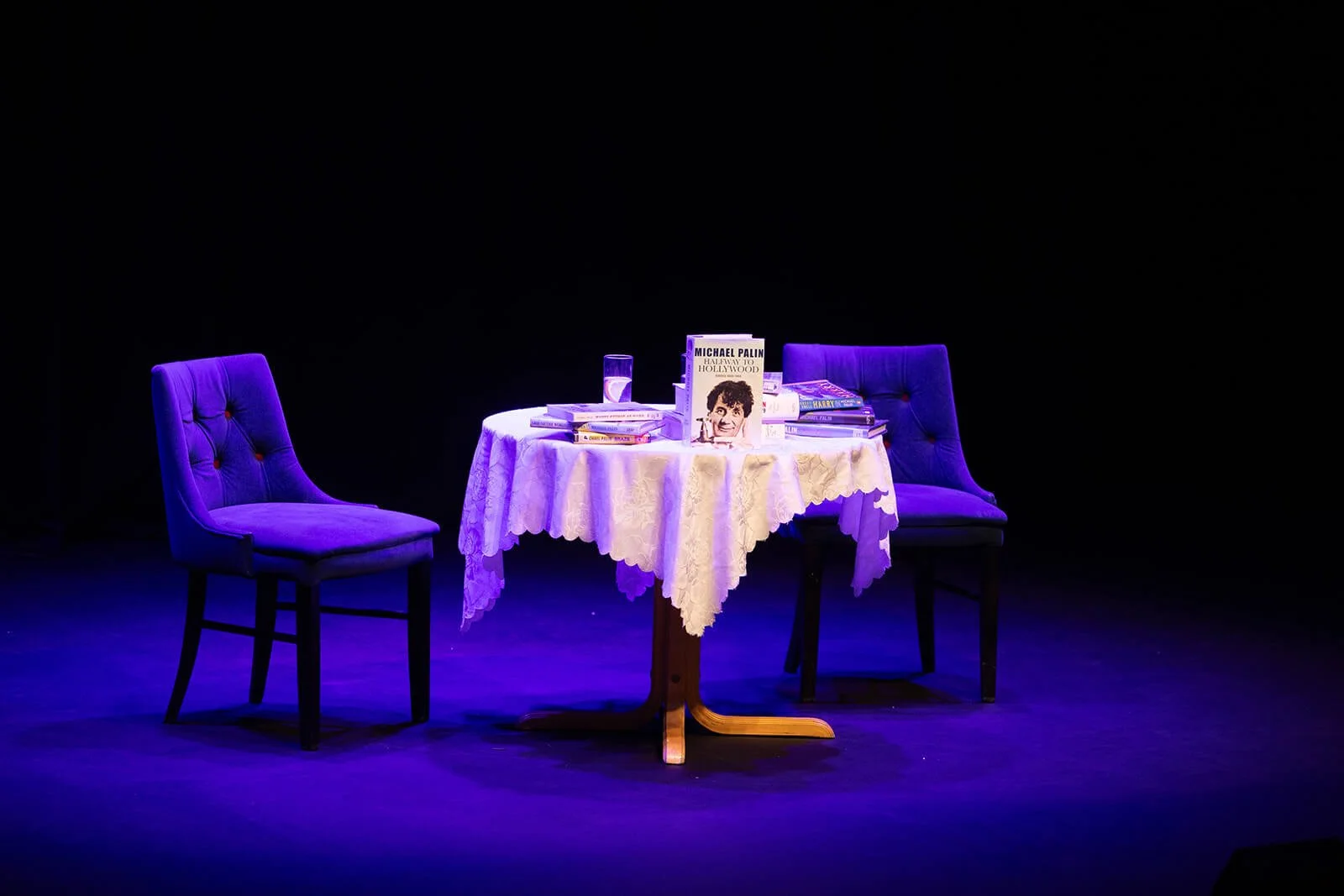
Interview setup at The Maltings for Berwick Literary Festival
If you’ve ever commissioned professional photography for your business or event, you may have wondered something surprisingly common:
Who actually owns the photos?
It’s a question that comes up regularly with brand photography clients here in Northumberland and Berwick-upon-Tweed. You’ve invested in the shoot, the planning, and the final images - so naturally, it can feel like the photos should belong to you completely.
But under UK copyright law, things work a little differently.
Understanding photography copyright in the UK doesn’t have to be complicated. Once you understand the basics - particularly what an image licence means - it becomes much clearer how you can use your photos confidently across your website, marketing, and social media.
Photography Copyright UK: Who Owns the Photos?
Under UK copyright law, the photographer automatically owns the copyright to the images they create. This happens the moment the photograph is taken — no paperwork required.
A simple way to think about it is like buying a book. When you purchase a book, you own the physical copy, but you don’t own the copyright to the story. The author still controls how it can be reproduced or distributed.
Photography works in much the same way.
When you hire a photographer:
You receive the images themselves
But the copyright remains with the photographer
This is standard practice across the creative industries and is written into UK copyright law.
Rather than transferring copyright entirely, photographers provide something called a licence.
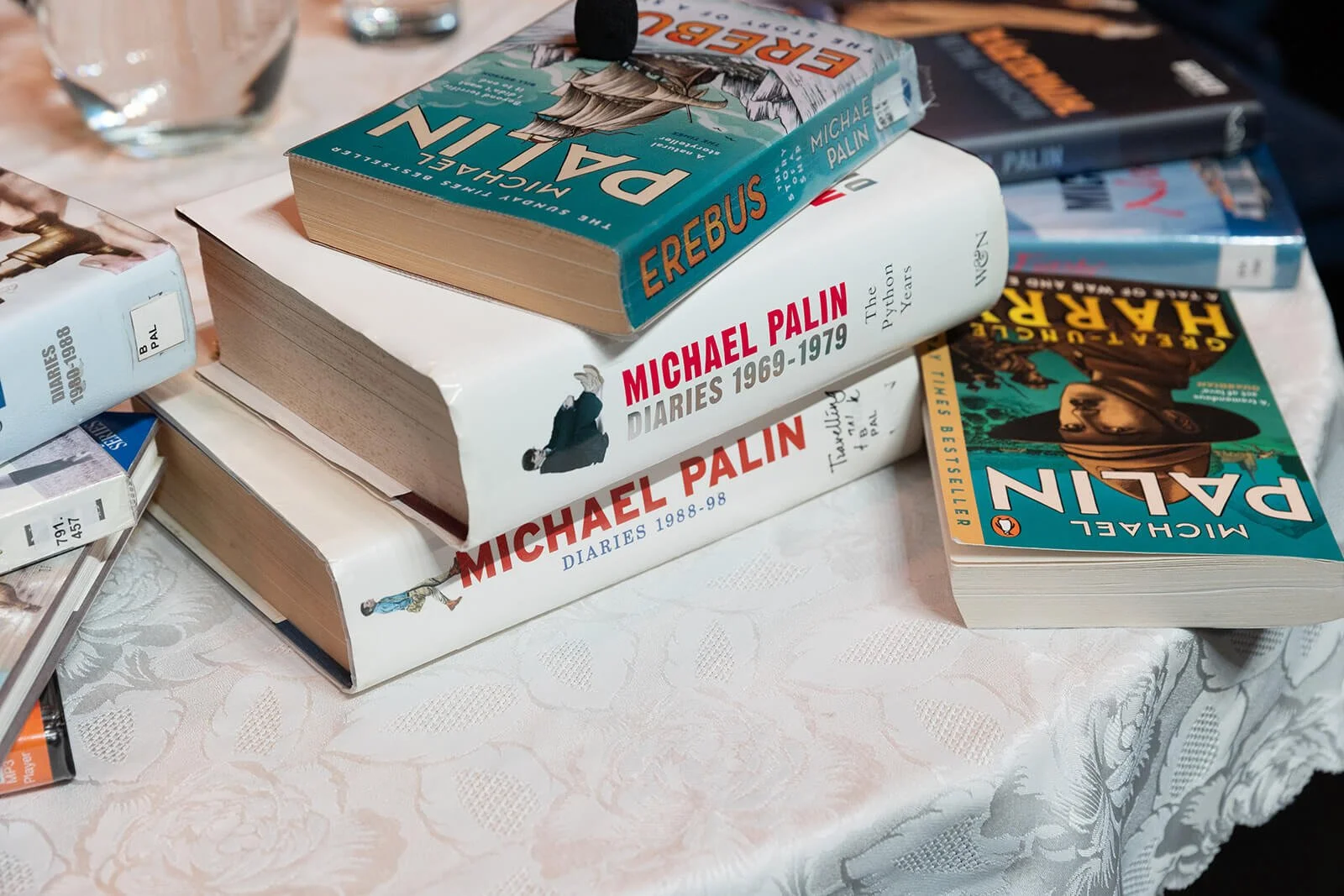
Berwick Literary Festival event photography used under commercial photography copyright UK
Photography Copyright UK: What an Image Licence Means
An image licence simply sets out how you’re allowed to use your photos.
For business clients, this usually covers things like:
Website use
Social media
Press features
Marketing materials
Print advertising
Brochures or packaging
The licence gives you legal permission to use the images for your business, while the photographer retains copyright as the creator.
Photography Copyright UK: What You Can Do With Your Images
With a typical commercial photography licence, businesses can comfortably use their images in most marketing contexts.
For example, you can usually:
Add photos to your website
Share them on social media
Include them in press coverage
Use them in brochures, advertising, or marketing materials
Print them for office displays or promotional materials
In practice, this means your portfolio of images becomes a core visual asset for your brand.
If you’ve invested in professional photography for your website,headshots, or product photography, the licence allows you to use those images wherever your business needs them.
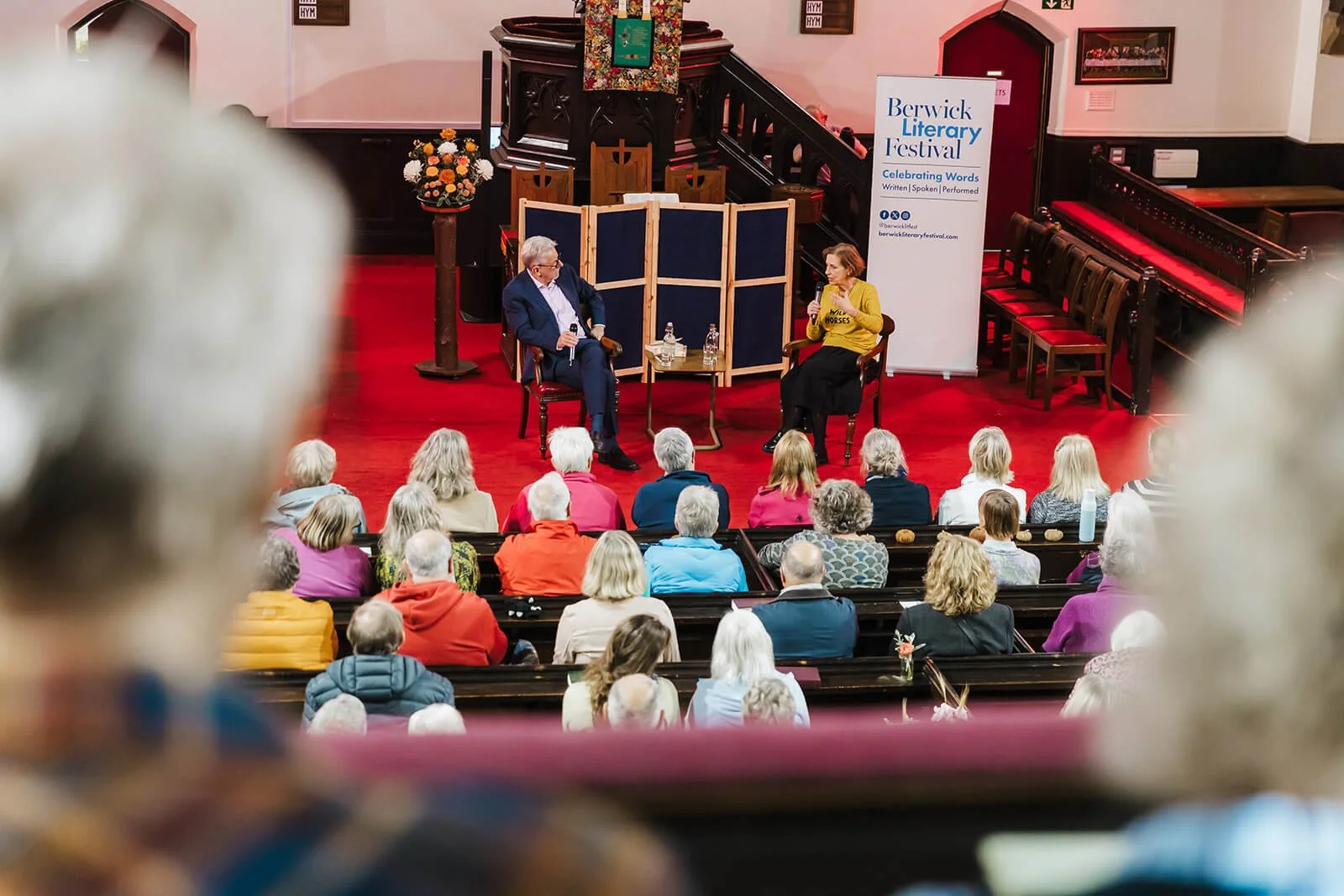
Images photographed for Berwick Literary Festival and used across marketing, press, and editorial with clear licensing agreements in place.
Photography Copyright UK: What You Can’t Do Without Permission
While licences are usually very flexible, there are a few things that typically require additional permission.
These include:
Selling the images to third parties, for example:
Stock photography libraries
Media outlets not connected to your business
Other companies wanting to advertise with the image
Allowing another business to use your images
If another company wants to use one of your photos for their own marketing, they would need permission from the copyright holder.
Editing or significantly altering the images
This is a common question. Small practical adjustments may be fine, but heavier edits — such as strong filters or changes that alter the look of the original photograph — should always be discussed first.
Professional photography is a creative work, and maintaining the integrity of that work helps protect both the photographer’s reputation and the quality of your brand imagery.
Photography Copyright UK: Why Copyright Protects Both Photographer and Client
Copyright isn’t about restricting how you use your photos.
In reality, it protects both sides of the creative process.
For photographers, copyright ensures their work isn’t reused or sold without permission.
For clients, licences provide something equally important: clarity.
You know exactly:
what you can use the images for
where they can appear
how long you can use them for
For businesses investing in professional brand photography, that clarity and security are incredibly valuable.
Real-World Example: How Image Licensing Works in Practice
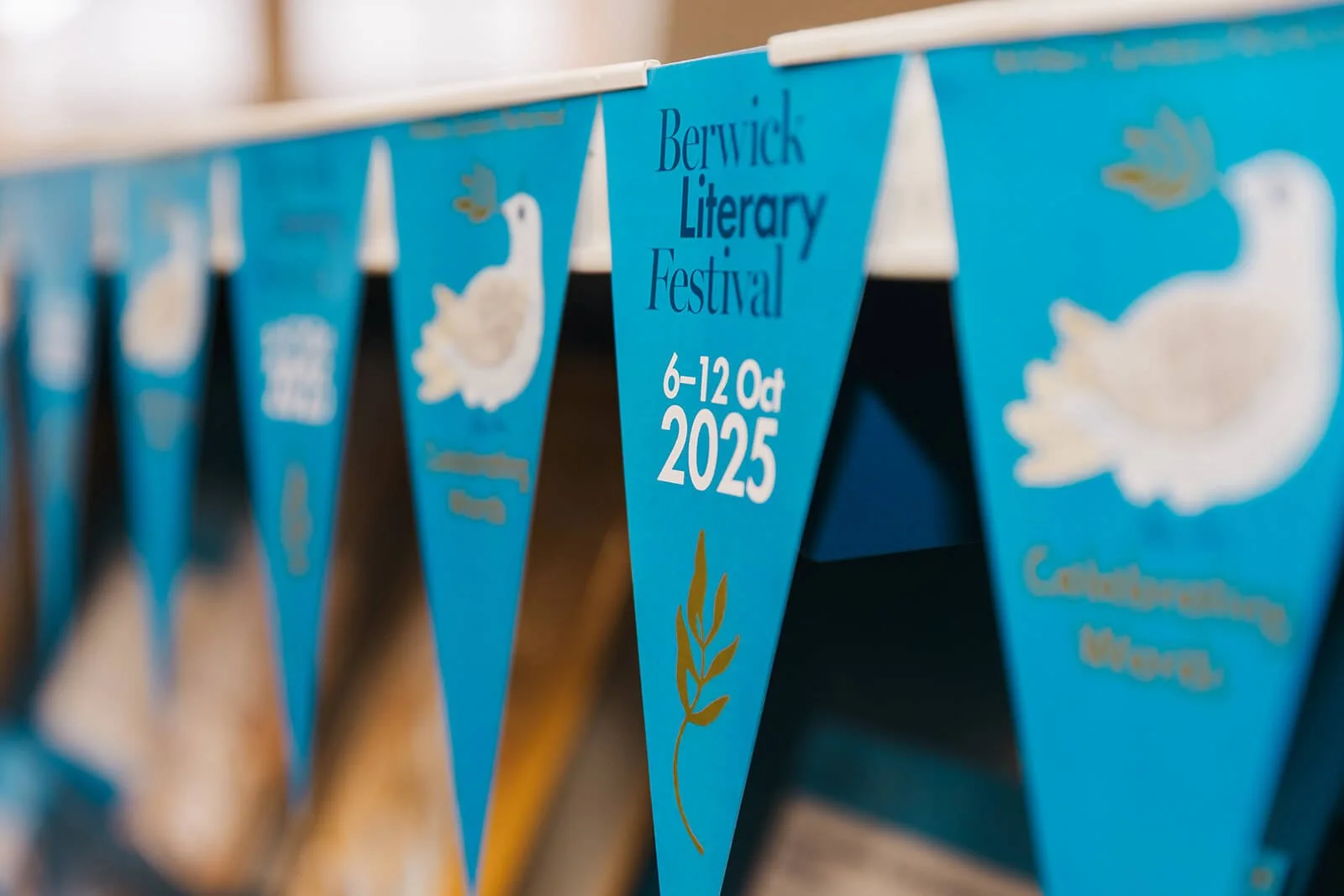
Festival bunting during Berwick Literary Festival events
Working with events like Berwick Literary Festival each year is a good example of how image licensing works in practice.
Across the festival, I’ve photographed a range of speakers and events, including conversations with Michael Palin, Kirsty Wark, and Damian Barr, as well as previous work with the Poet Laureate and Len Pennie.
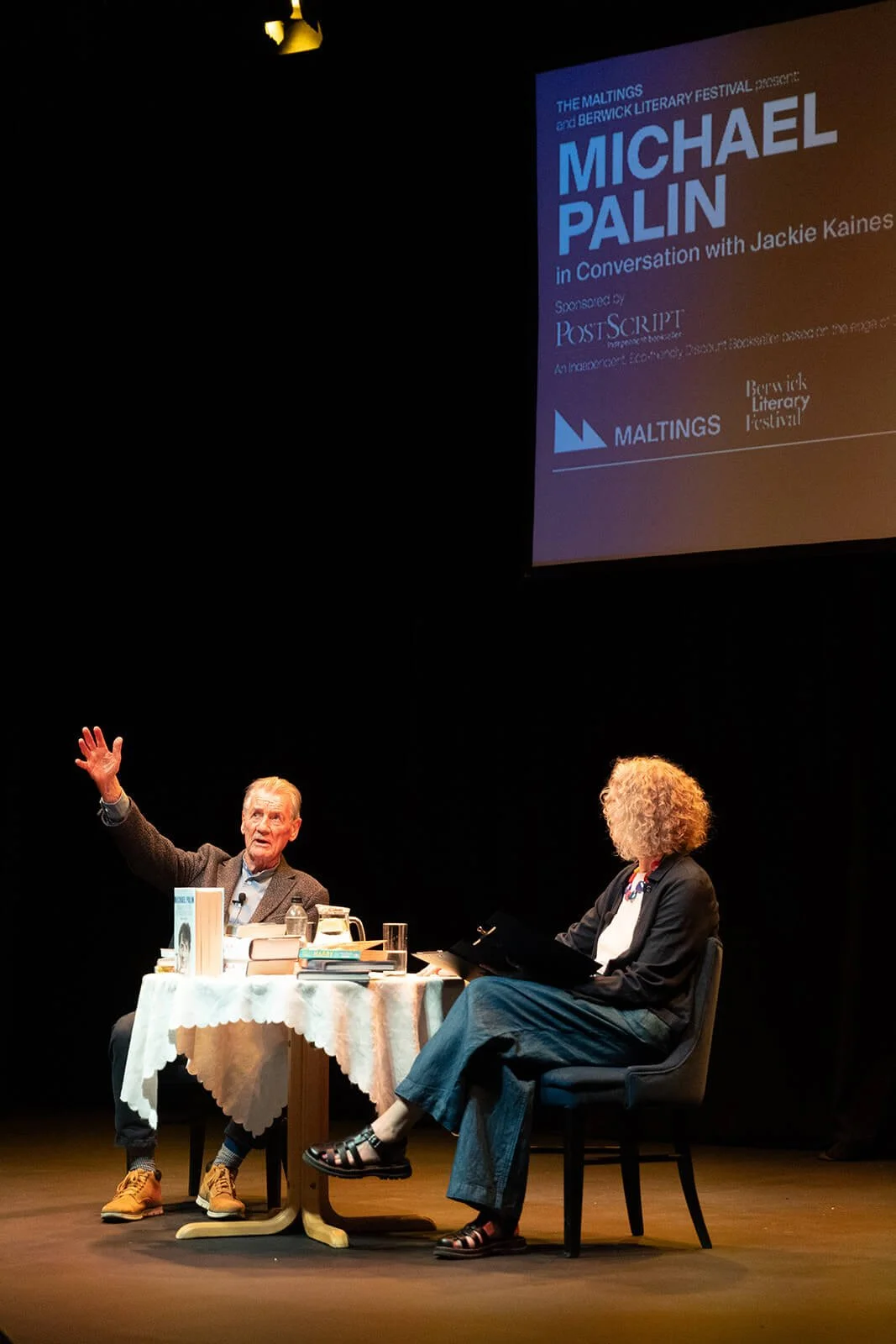
Michael Palin in conversation at The Maltings
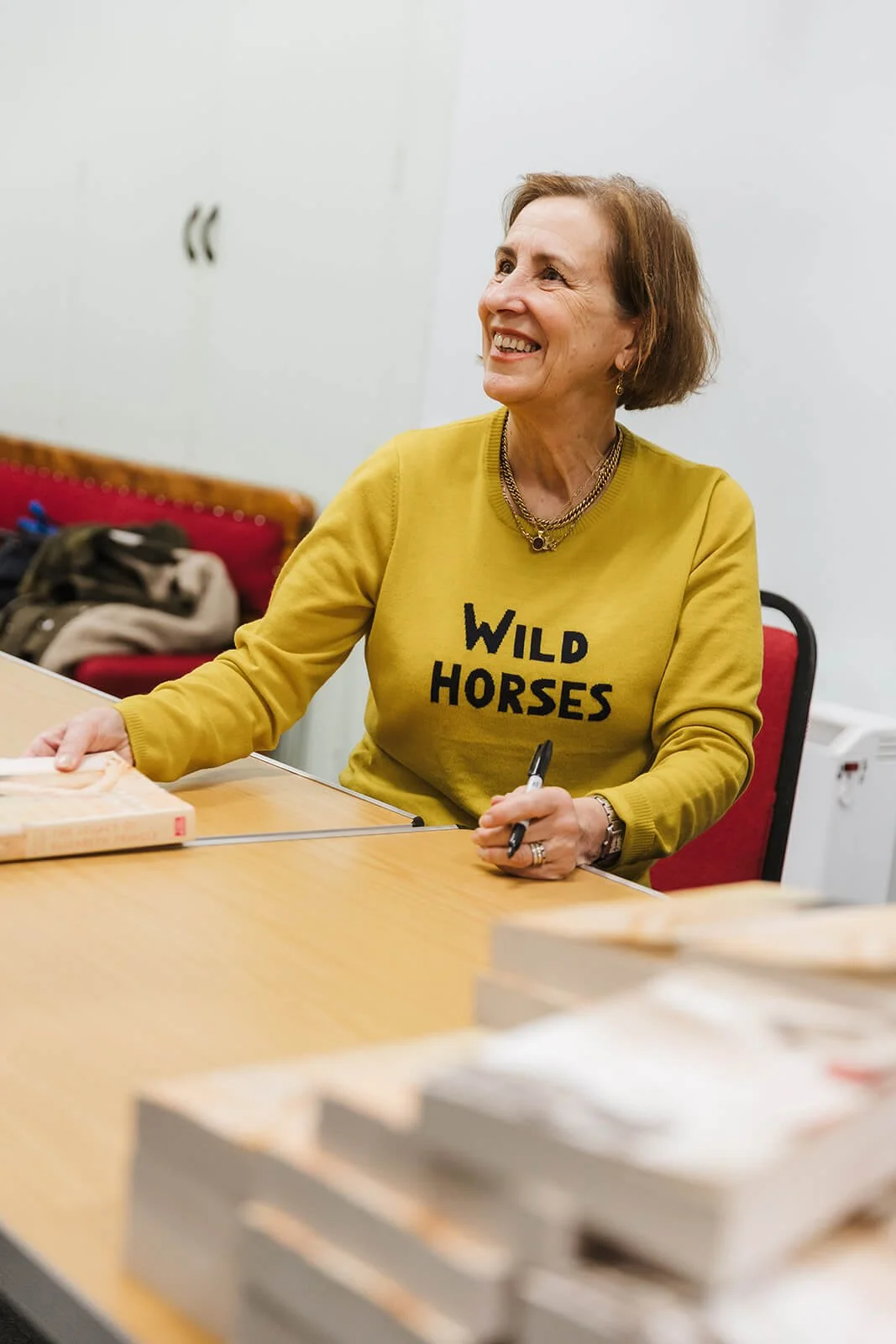
Kirsty Wark book signing at Berwick Literary Festival
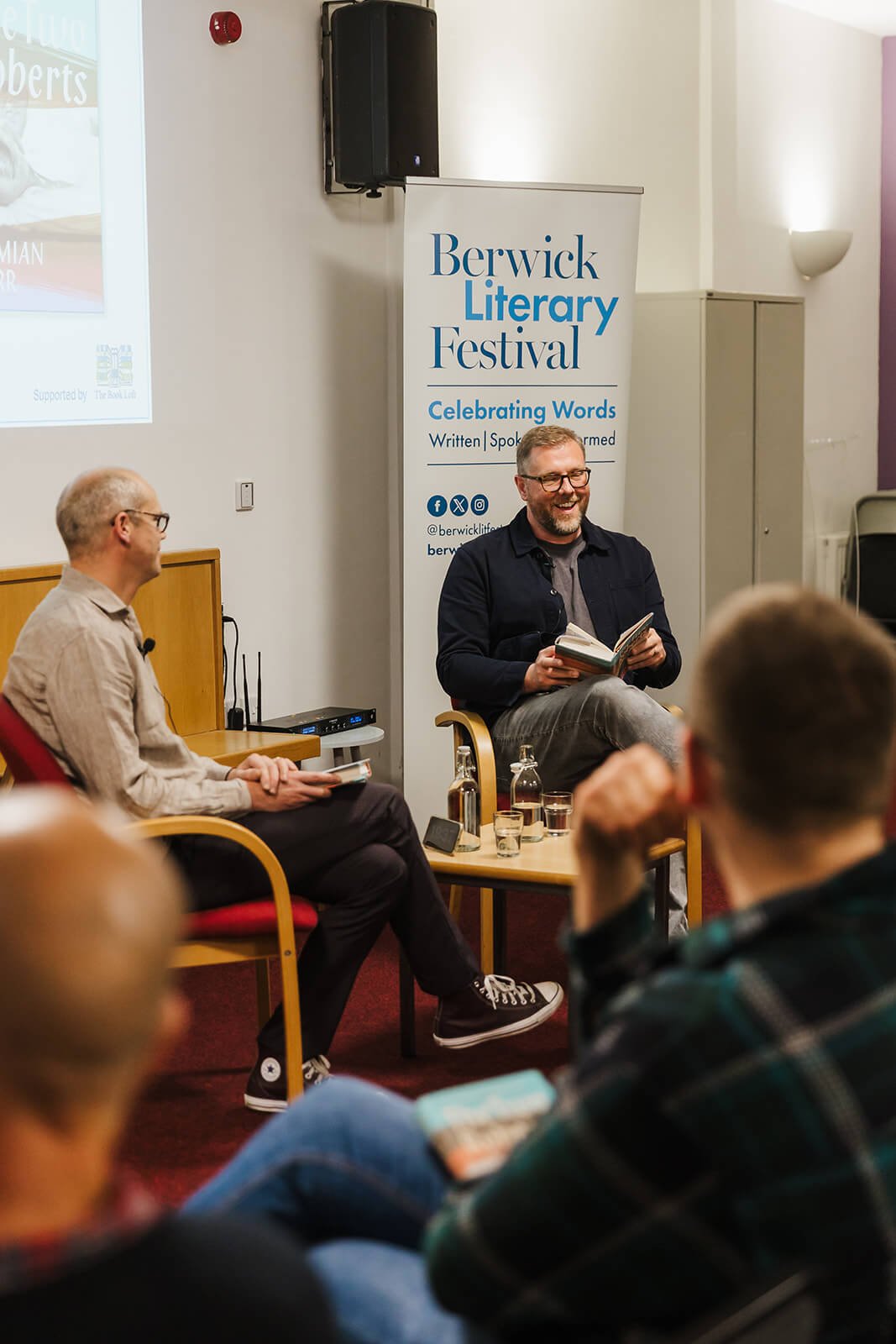
Damian Barr discussing his work at Berwick Literary Festival
Each of these situations involves slightly different considerations when it comes to image use.
For example:
Images may be used for festival marketing and promotion
Shared with press and media outlets
Included in editorial coverage or future campaigns
Because of this, clear licensing and contracts are essential. They ensure everyone understands how the images can be used, where they can appear, and who has permission to share them.
From the client’s perspective, this means they can confidently use the images across multiple platforms without uncertainty. From a photographer’s perspective, it ensures the work is used appropriately and professionally.
It’s a good example of how photography copyright in the UK works in real-world situations — not as a restriction, but as a way of creating clarity for everyone involved.
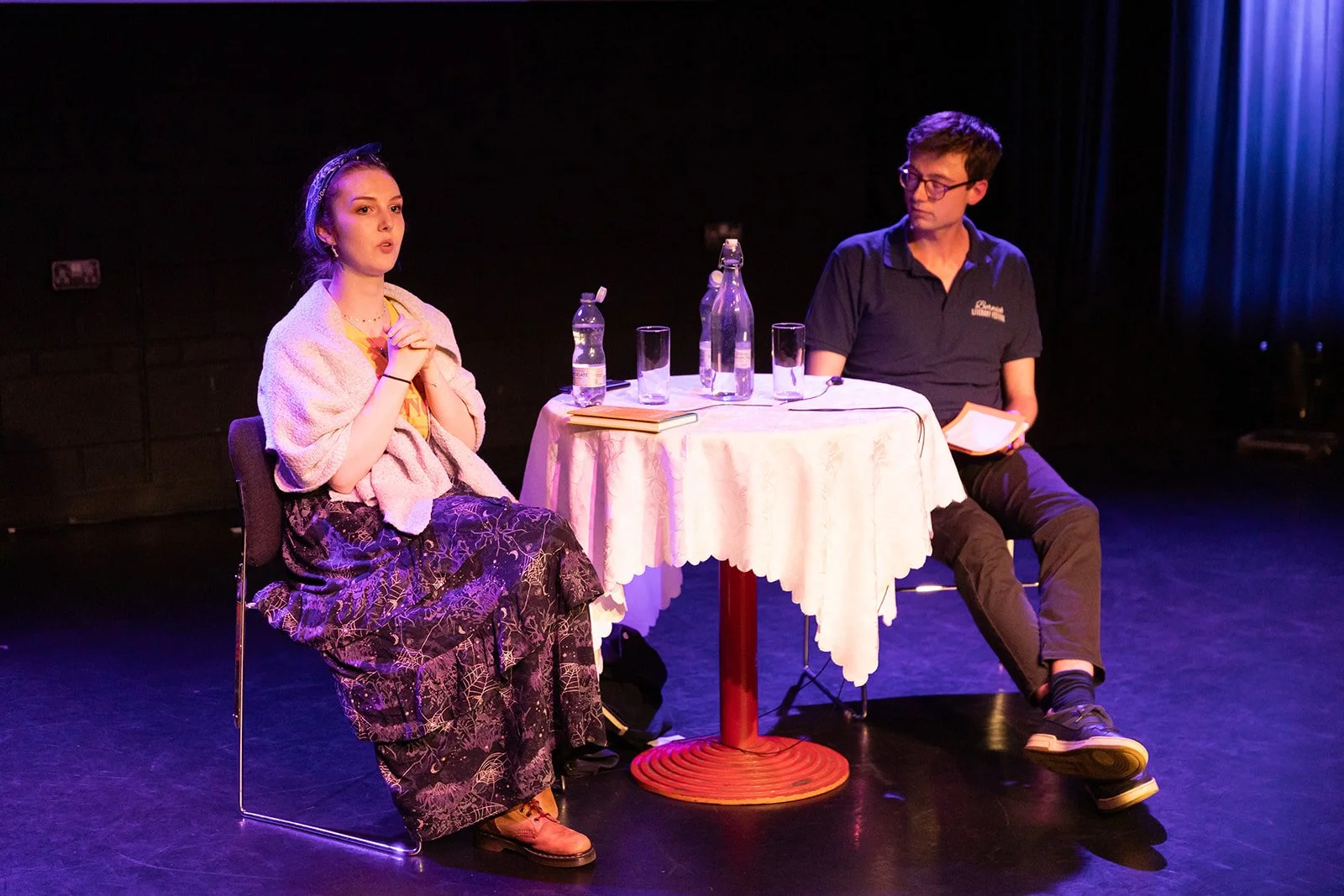
Len Pennie poetry reading photographed for festival marketing under photography copyright UK
Maltings
Photography Copyright UK: FAQs
Can I print my photos myself?
Yes.
Your licence allows you to print images for your business, whether that’s marketing materials, framed prints, or promotional displays.
Can my designer use the photos in a brochure or website?
Yes.
If a designer is working on behalf of your business, they can use the images within your licence for brand materials such as websites, brochures, or advertising.
Can the photographer sell my images to someone else?
No.
Professional photographers will not license your commissioned images to another business without permission. Your images remain connected to your brand and project.
Do I need to credit the photographer?
Credit is required as part of the licence. Where images are reproduced in print or online, credit should be given to Pictorial Photography, ideally with a hyperlink back to the website.
This helps support creative work and ensures images are used professionally.
Can I edit the photos myself?
Generally, it’s best to discuss edits first.
This helps ensure any changes still reflect the intended look and quality of the original photography. Most photographers are happy to help with adjustments when needed.
A Final Thought on Photography Copyright UK
Understanding photography copyright in the UK doesn’t need to feel complicated.
In reality, photography copyright in the UK is simply about making sure that:
photographers retain ownership of their creative work
clients receive clear, flexible rights to use their images
And that makes professional photography a much stronger long-term investment.
Have Questions About Image Licensing?
If you’re planning brand photography or want to understand how image licensing works for your business, feel free to get in touch.
Questions about copyright and image usage are always welcome - and it’s always better to clarify things before a shoot.
Why Everyone Is Talking About Mandy Bryson’s Menagerie of Idioms.
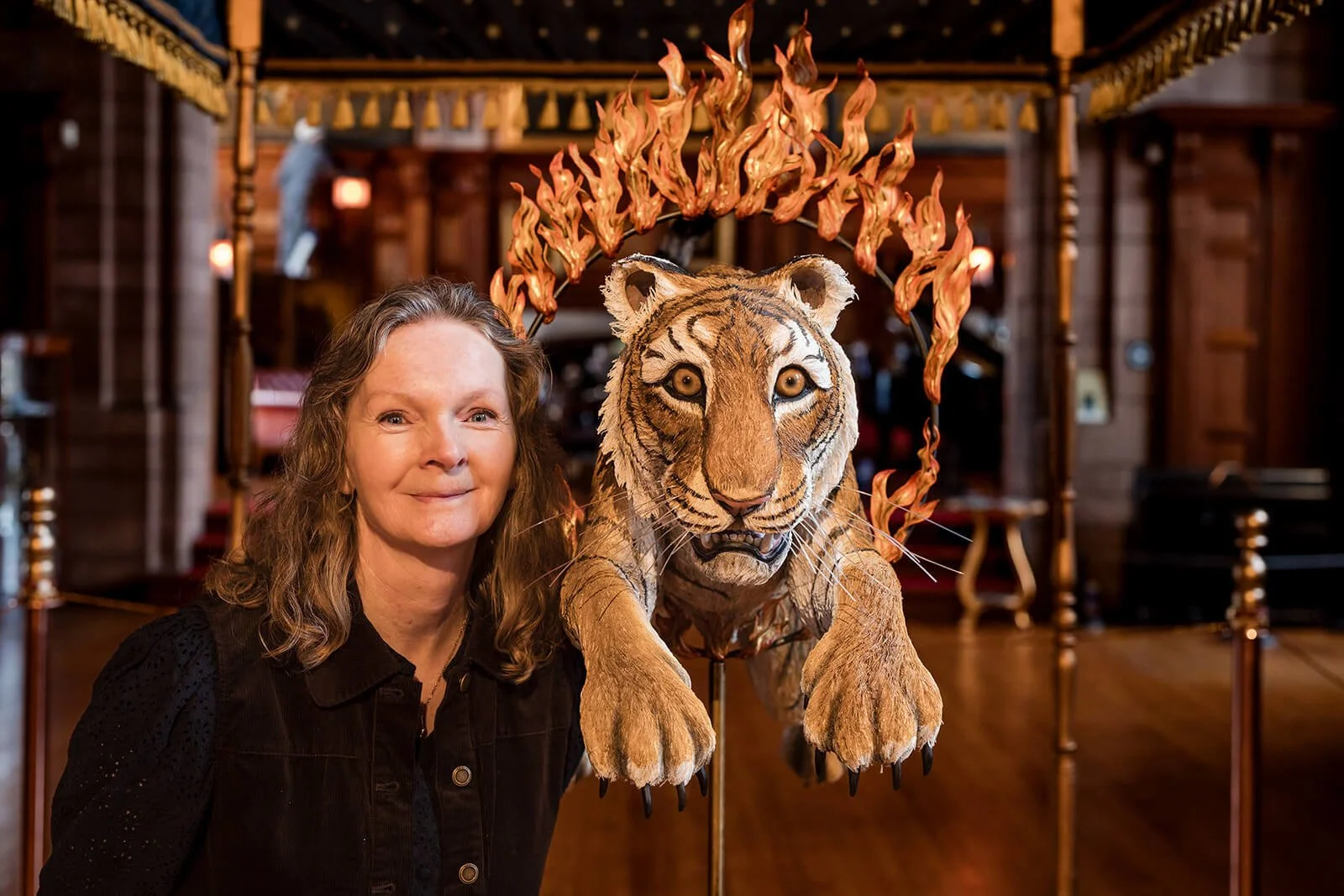
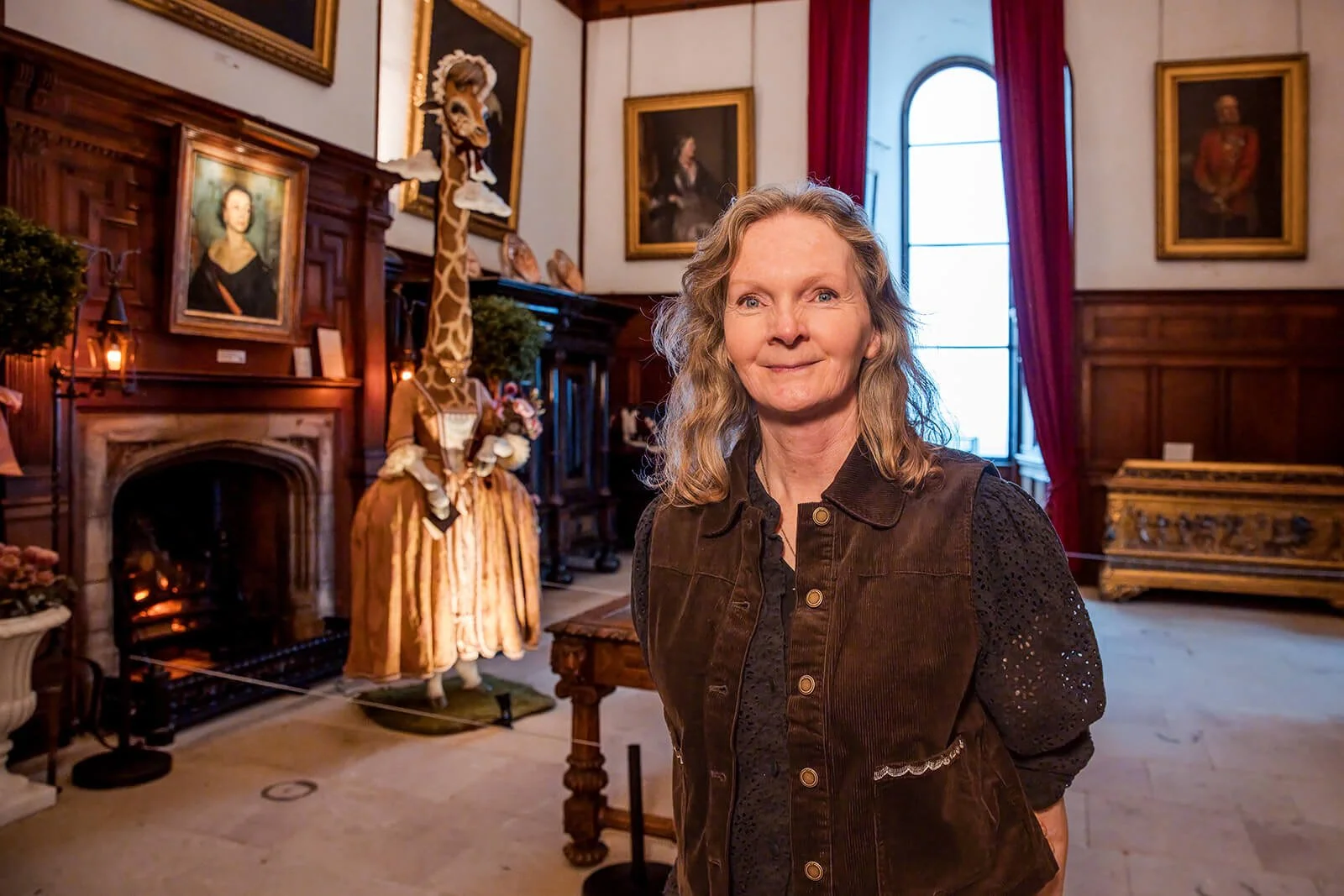
Artist Mandy Bryson with her work at Bamburgh Castle.
Who is Mandy Bryson?
Before visiting the exhibition at Bamburgh Castle, I already knew a little about Mandy Bryson’s work and the kind of sculptures she creates. She’s a Berwick sculptor and prop maker known for creating incredibly detailed faux-taxidermy animals, often used to tell humorous or slightly surreal stories.
What stood out to me straight away when seeing the sculptures in person was the level of craftsmanship. Even though the animals are part of playful scenes based on idioms, the anatomy and form feel very believable.
Mandy studied at Edinburgh College of Art, where she was awarded the Andrew Grant Scholarship and stayed on to continue studying at postgraduate level. That strong foundation in sculpting is really noticeable in her work. There’s a clear understanding of how both animals and people move, which helps the sculptures feel full of character rather than just decorative objects.
Alongside her sculpture work, Mandy has also worked as a florist in the events industry and as a prop maker. After seeing the exhibition, it’s easy to understand how those experiences have influenced her installations. Many of the scenes feel quite theatrical, almost like you’ve walked into a moment from a story.
Something Mandy often talks about is embracing her inner child and drawing inspiration from the toys and books she loved growing up. That sense of imagination definitely comes through in the exhibition.
This blog focuses on Mandy Bryson’s latest exhibition, Menagerie of Idioms, currently on display at Bamburgh Castle. If you’d like to see more of Mandy’s work beyond this exhibition, you can explore her previous projects on her website here.

Tom, Dick and Harry are Performing a Balancing Act, work of Mandy Bryson.
Inspiration Behind the Menagerie
While speaking with Mandy during the shoot, she mentioned that part of the inspiration for Menagerie of Idioms came from something quite unusual - the Cement Menagerie in Branxton.
The Cement Menagerie was a back garden filled with life-sized concrete animals created by retired joiner John Fairnington for his disabled son Edwin. Over time the garden became packed with weathered sculptures, creating a slightly surreal collection of animals in the middle of a small Northumberland village.
Although the sculptures are no longer there, the story clearly stayed with Mandy.
Knowing this makes the exhibition feel even more interesting, because there’s a similar sense of curiosity running through it — a collection of animals gathered together in unexpected ways, each one with its own personality.
Walking through the castle, it almost feels like discovering a strange and playful menagerie hidden inside the historic rooms.

Sculpture at Mandy Bryson’s Exhibition inside Bamburgh Castle.
The Exhibition at Bamburgh Castle
The exhibition is currently displayed at Bamburgh Castle on the North East coast of Northumberland and runs from 14th February 2026 until November 2026.
You can find more information about the Tails & Tales – Indoor Sculpture Trail on the Bamburgh Castle website.
Entry to the exhibition is included with general admission to the castle. Which can be found at https://www.bamburghcastle.com/castle/
The setting of Bamburgh Castle adds a completely different layer to the exhibition. As you walk through the castle’s historic rooms, the sculptures appear along the way, almost like you are following a trail through the building.
The large rooms work really well with the scale of the sculptures, allowing each installation to have its own space. At the same time, the contrast between the historic castle setting and the colourful, playful characters makes the experience feel even more memorable.
Moving from room to room almost feels like stepping into different chapters of a story.
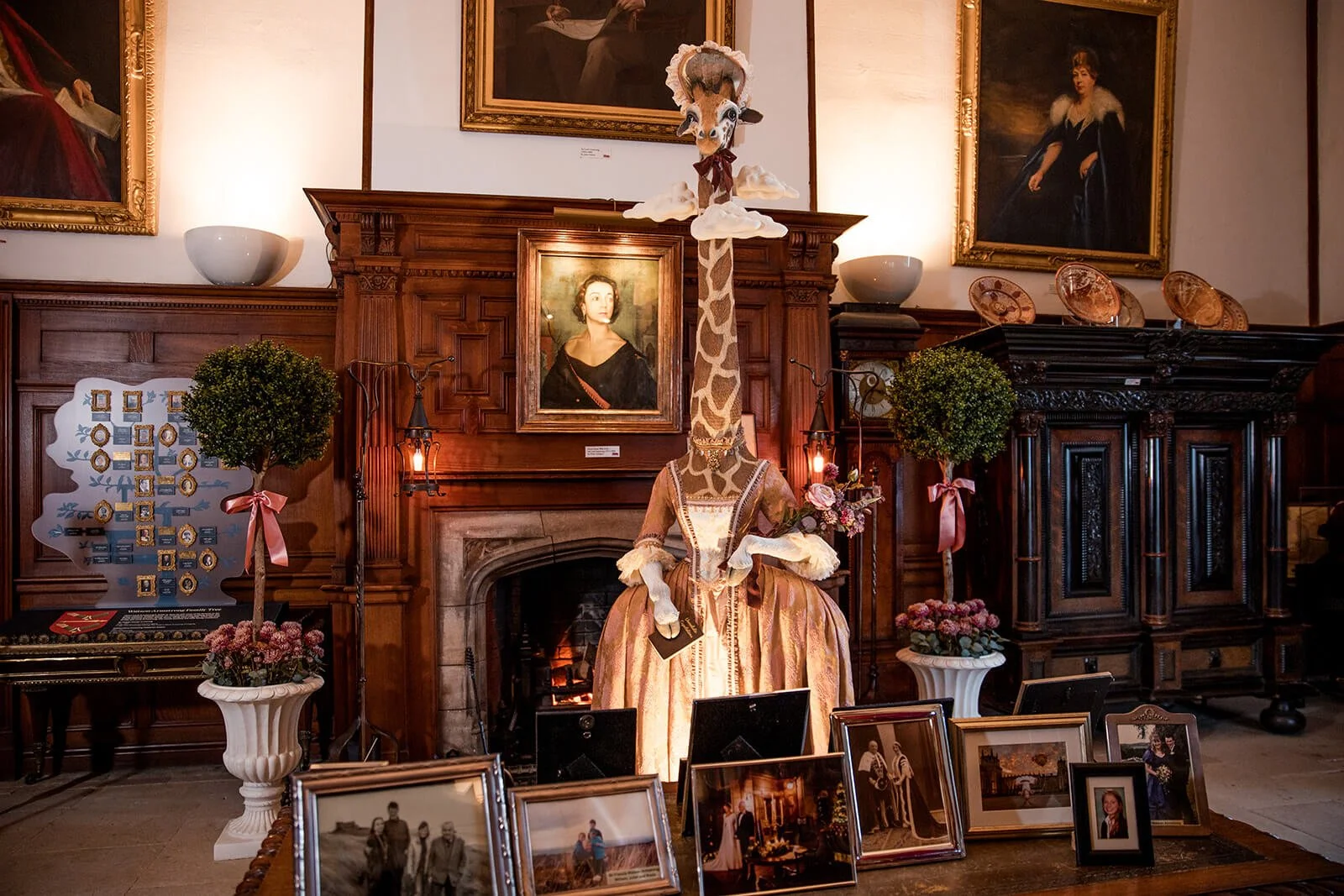
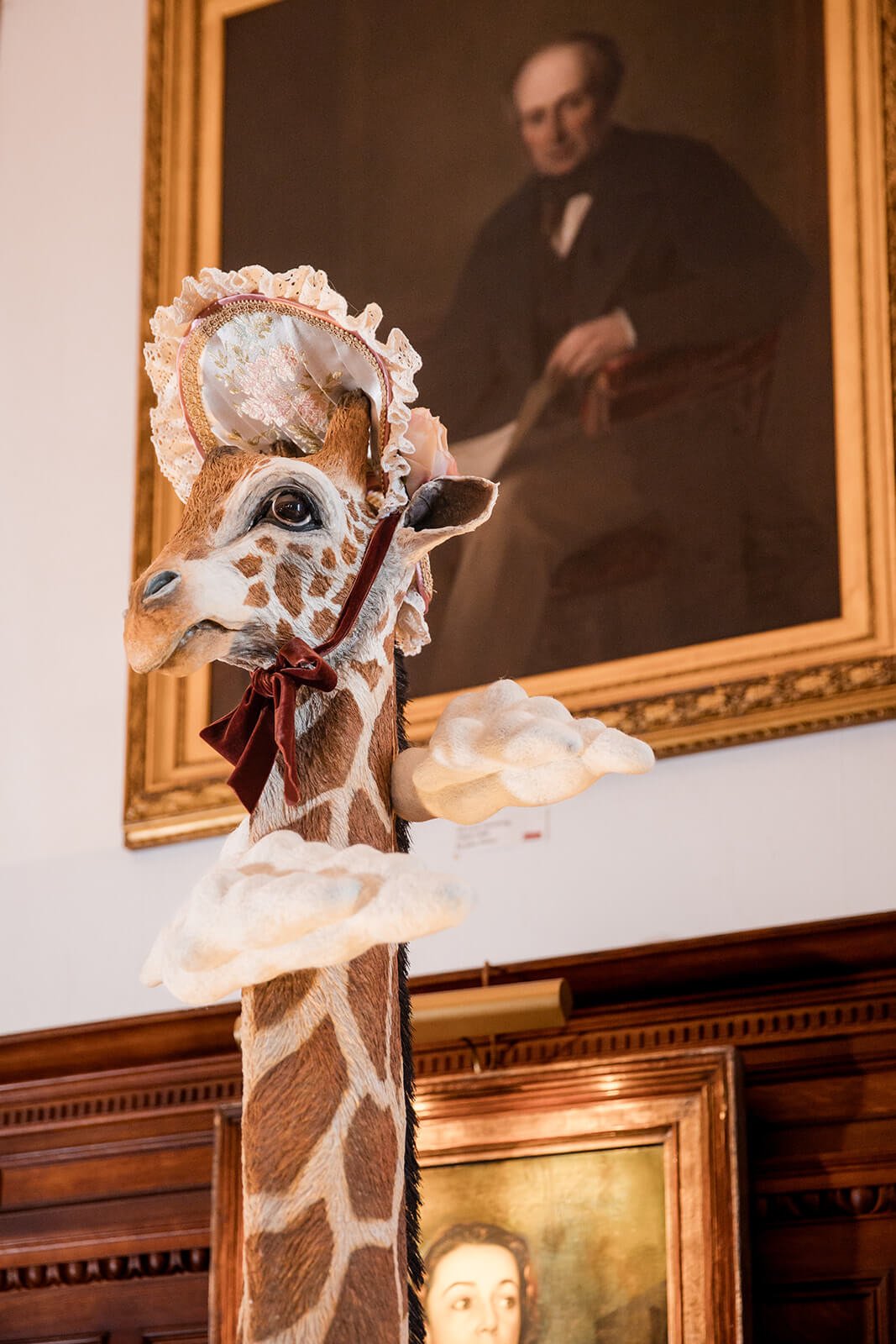
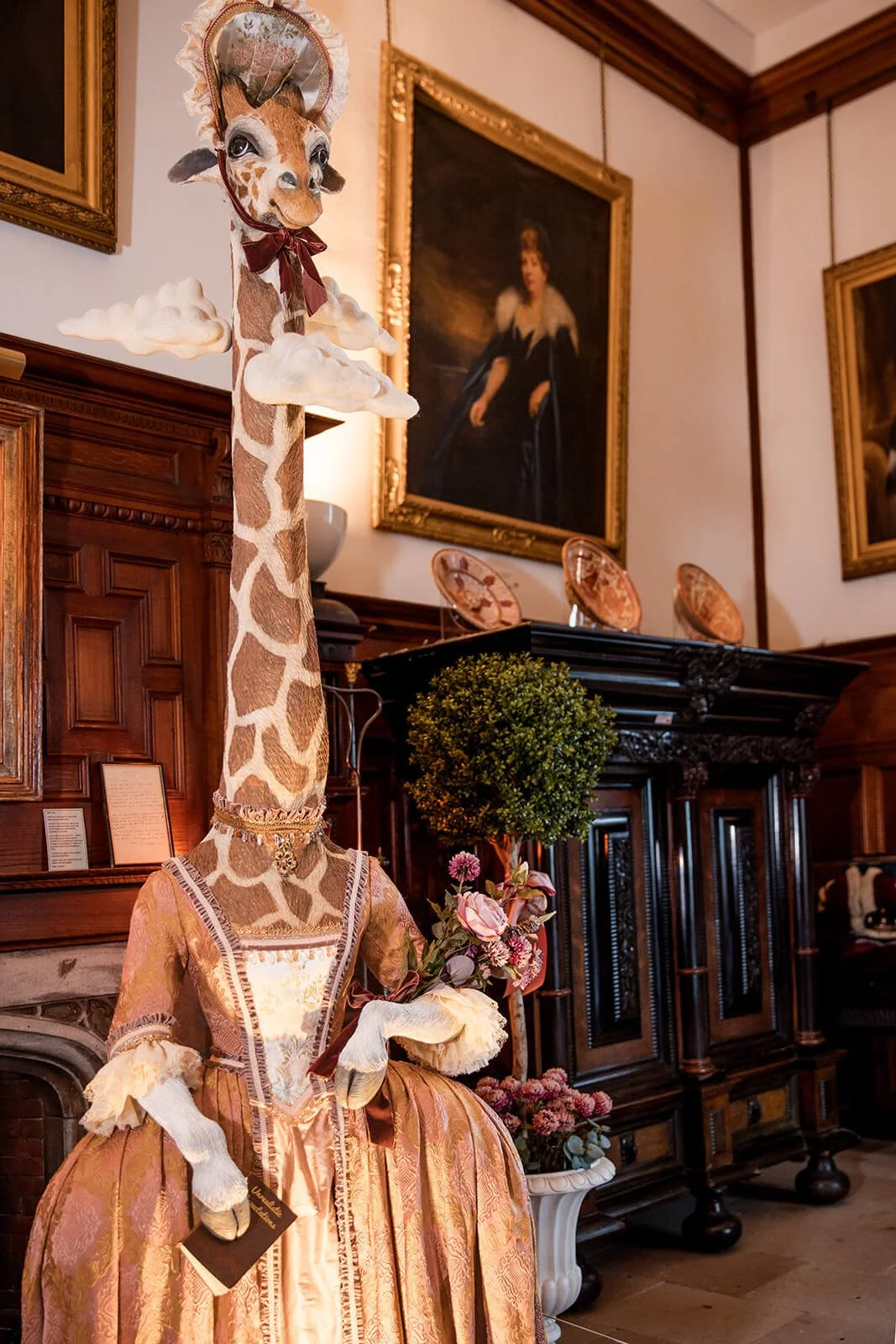
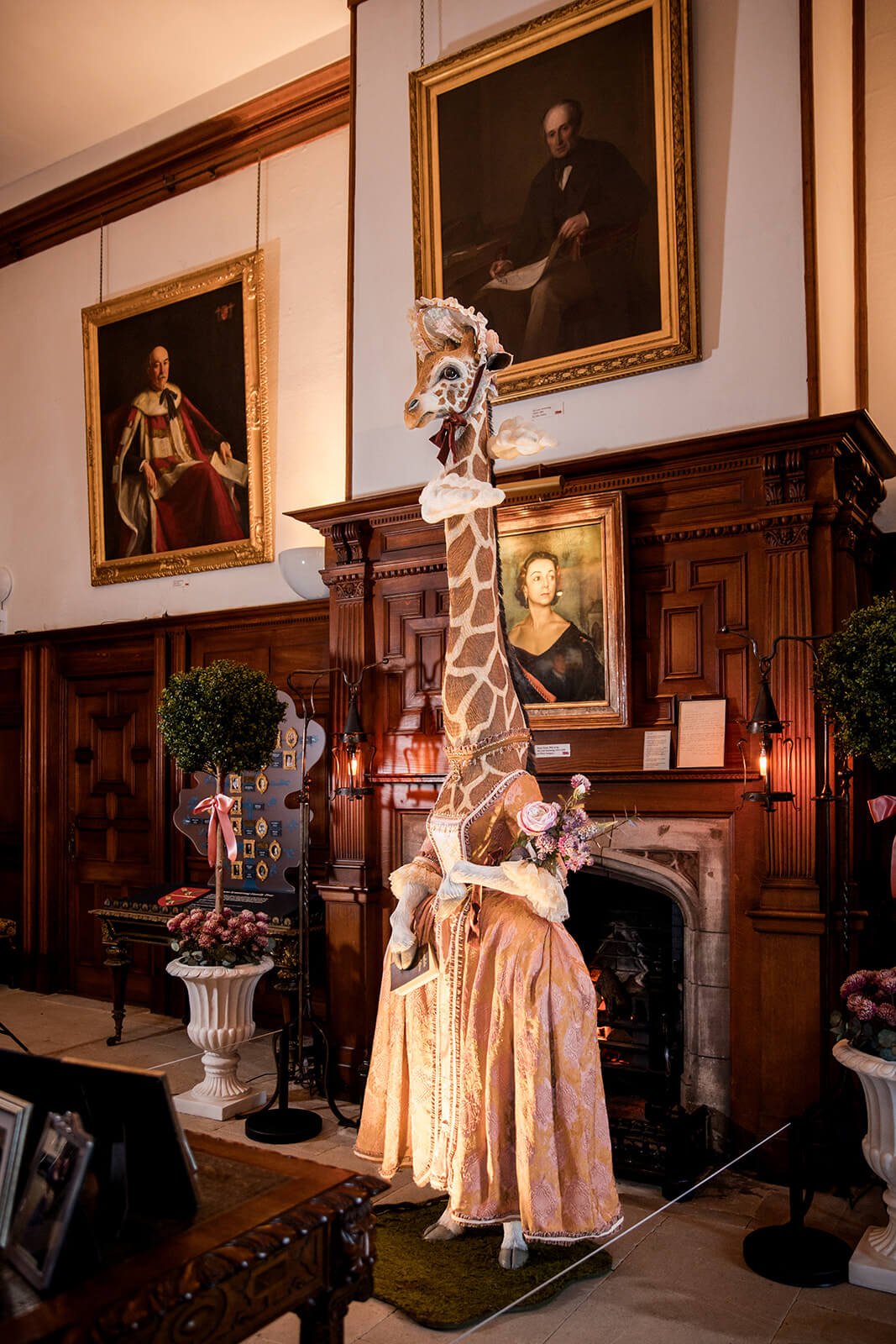
Gwendoline has her Head in the C…..
Shooting the Exhibition
I really enjoyed photographing and filming behind the scenes of this exhibition with Sarah and Mandy, as it was such a unique and interesting shoot to be part of. The scale of the sculptures has an instant wow factor when you see them in person, and it was something we had to keep in mind while shooting to make sure that sense of size really came across in the images. Being able to look closely at the sculptures while photographing them also made me appreciate the level of detail that has gone into each piece. Capturing those textures and expressions through the camera was really satisfying. There were also two moving sculptures in the exhibition, which were particularly interesting to film. We used an Osmo to capture some behind-the-scenes clips for social media, as well as filming some slow-motion shots on the DSLR which helped show a bit more of the atmosphere and movement within the exhibition.
The Atmosphere of the Exhibition
Walking into the exhibition, the first thing that really struck me was the scale of the sculptures. They were much bigger than I had expected, and immediately filled the space.
The level of detail gives each piece a real sense of presence. As you move through the rooms, every sculpture feels like its own little scene, full of personality and humour.
Some of the idioms are easy to recognise straight away, while others take a bit more thinking. This makes the exhibition quite interactive, because you naturally start trying to work out what each scene represents.
Music playing in the background adds another layer to the experience. It helps create an immersive atmosphere and makes the installations feel more alive as you walk through the castle.
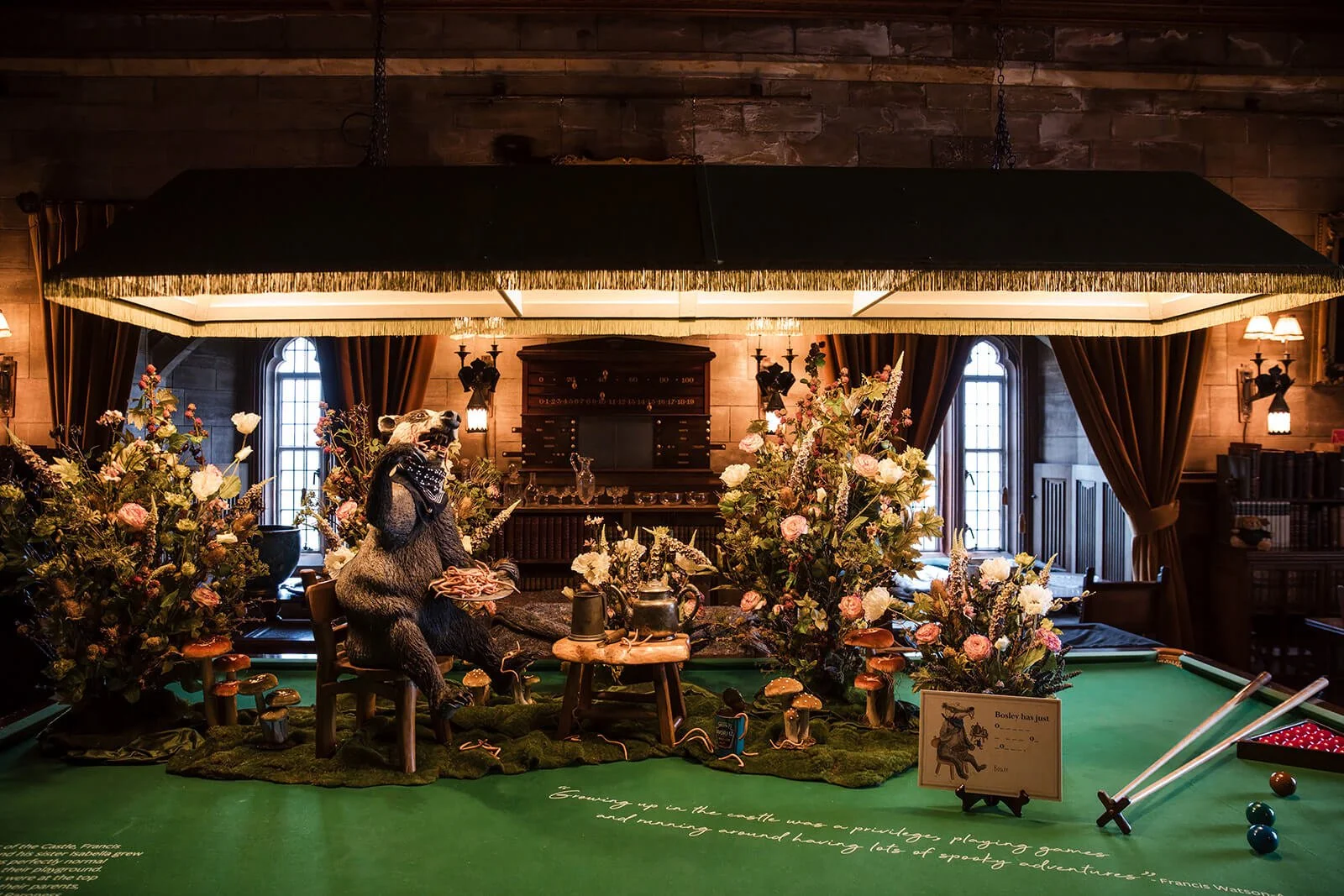
Mandy Bryson’s Faux-Taxidermy work displayed at Bamburgh Castles Billiard room.
What is an Idiom?
An idiom is a phrase where the meaning isn’t taken literally from the words themselves. Instead, it has a figurative meaning that people understand through common use in language.
Idioms are part of everyday conversation and often create funny or imaginative images in your mind.
In Menagerie of Idioms, these phrases are transformed into physical scenes through sculpture and theatrical installation. Instead of simply reading the phrase, visitors get to see it brought to life.
Each sculpture represents a well-known saying, and as you walk through the exhibition you can try to guess the idiom behind each one.
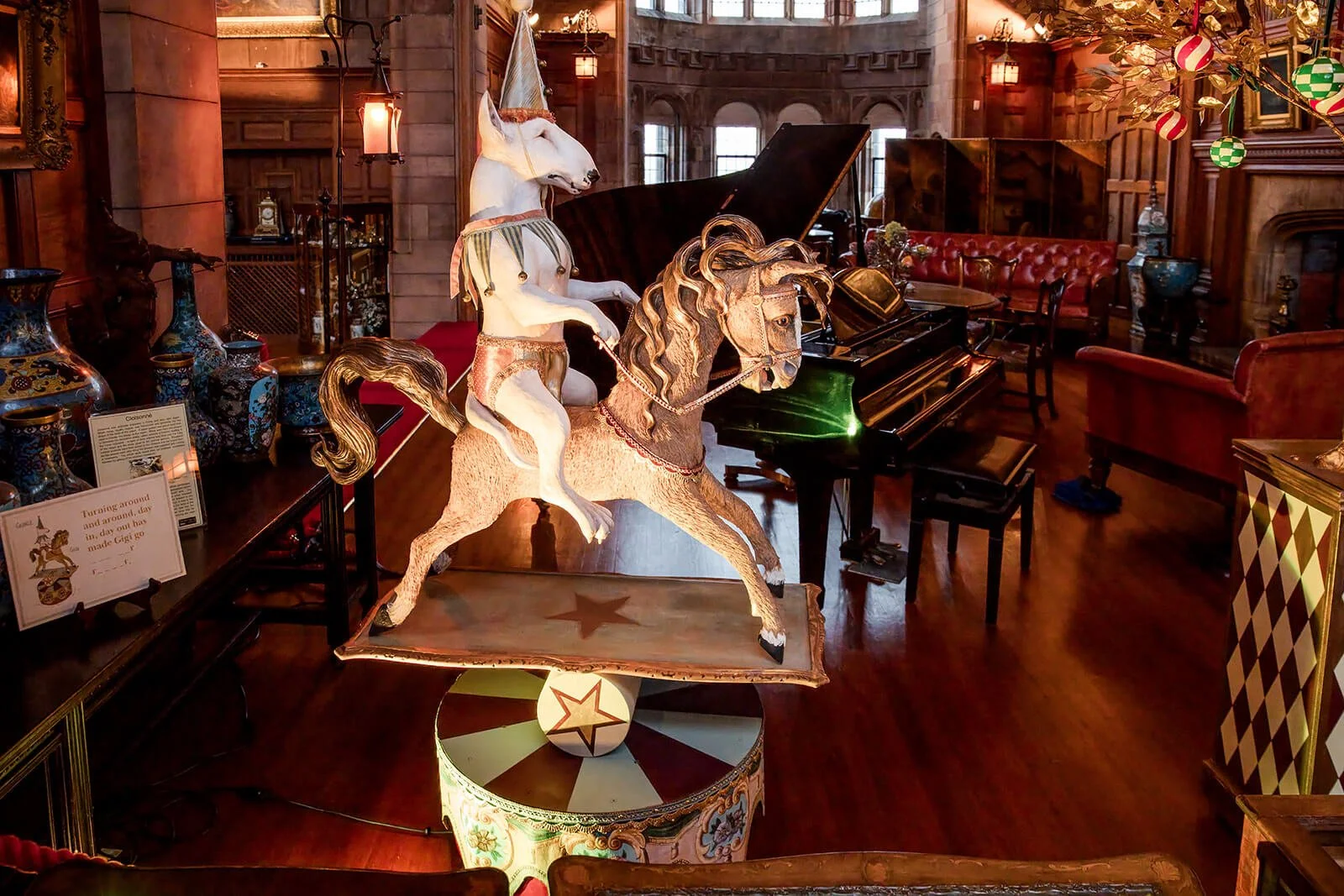
Mandy Bryson’s Moving Sculpture at Bamburgh Castle.
Why Animals Work So Well With Idioms
Animals appear in many idioms because they have long been used to describe human behaviour.
For example:
Bees are often linked with hard work
Foxes suggest cleverness
Pigs are sometimes used to represent messiness or impossibility
Tigers suggest strength or danger
Because these associations already exist in our minds, animals make idioms easier to visualise.
Turning them into sculptures makes the phrases feel even clearer and often quite funny. In this exhibition the animals feel full of personality, which helps people connect the scene with the phrase it represents.
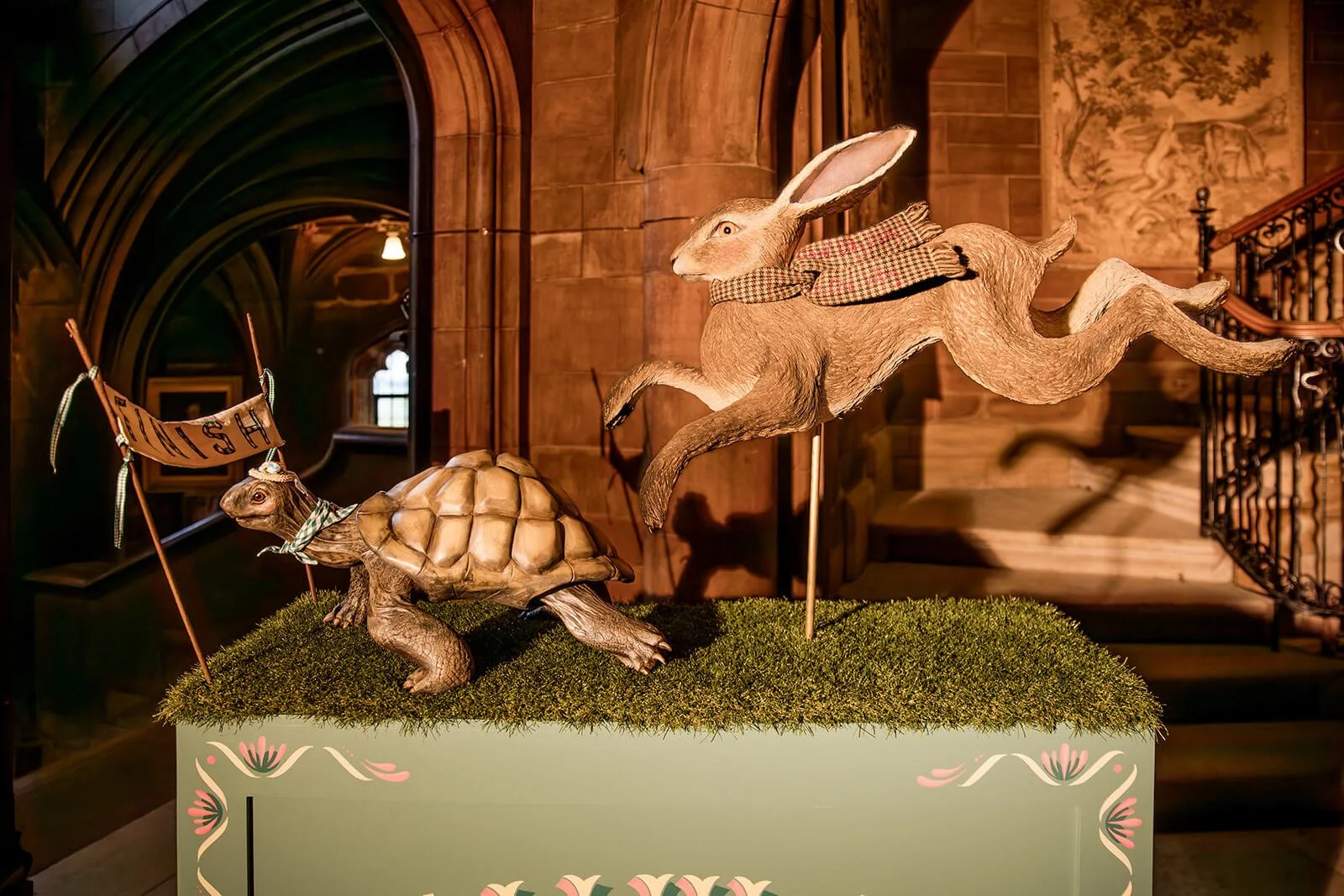
‘Slow and Steady’ Wins The Race… Sculpture by Mandy Bryson.
The Craft Behind the Sculptures
Looking closely at the sculptures, the amount of detail in each piece really stands out.
Mandy told us that each sculpture can take anywhere from two weeks to two months to complete depending on its complexity.
The fur on the animals is created by shredding and layering fabric, which gives them a surprisingly realistic texture. Seeing this up close really shows how much time and patience goes into each piece.
Small details in the faces and expressions give every character its own personality. Many of the installations also include recycled or vintage objects, which adds charm and helps build the storytelling within each scene.
It’s only when you stand close to the work that you realise just how much craftsmanship has gone into creating each sculpture.
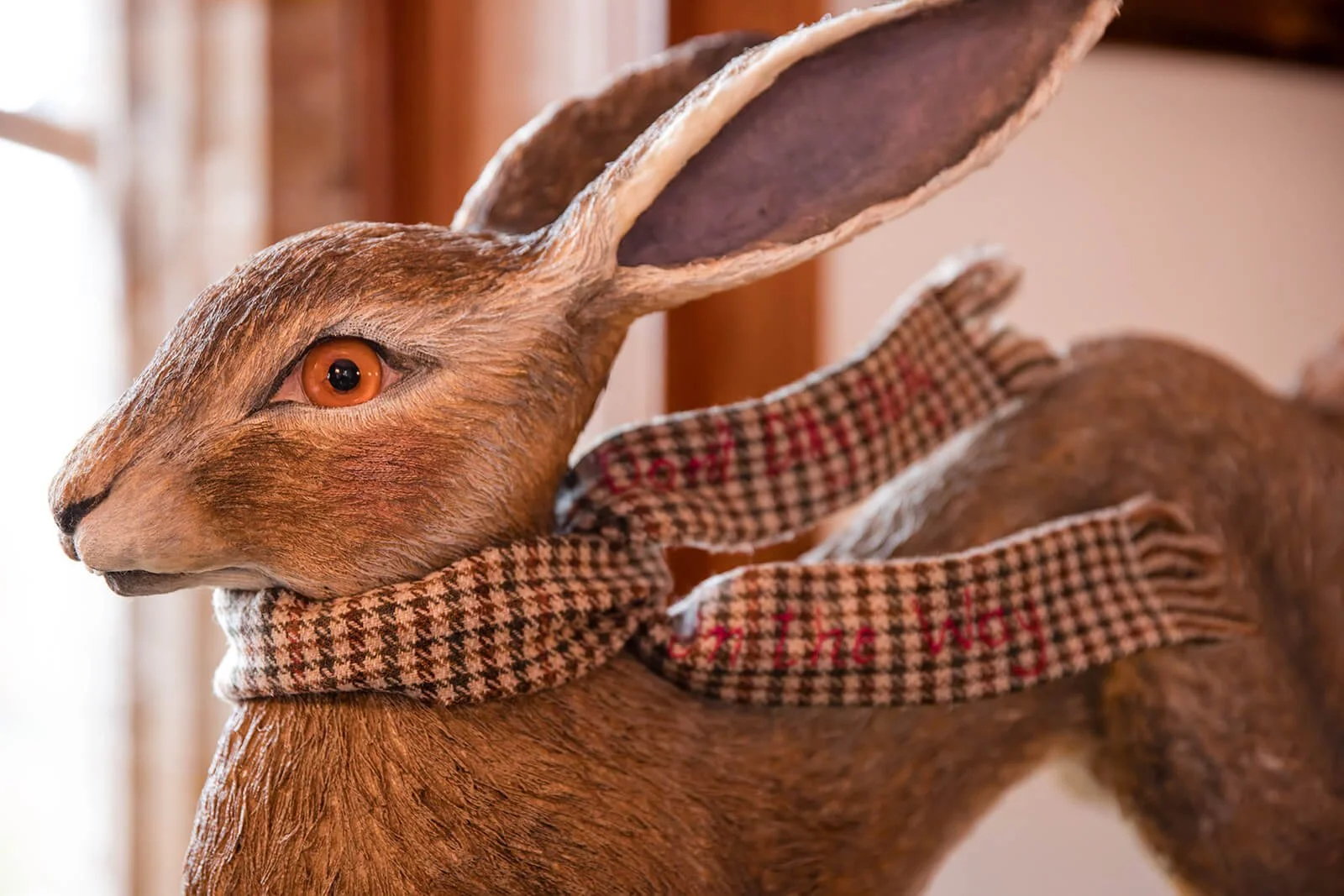
Hector the Hare by Mandy Bryson.
A Personal Favourite
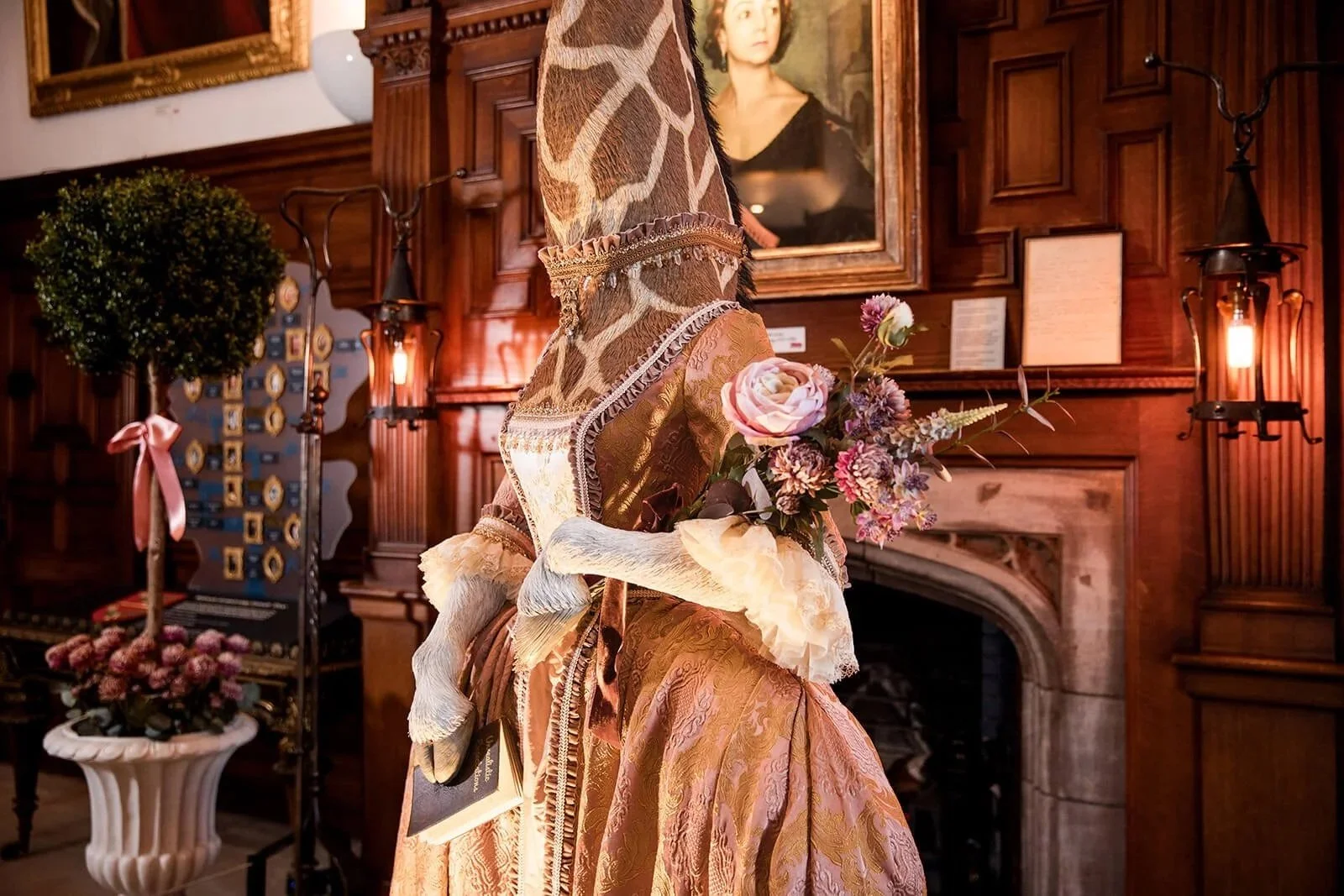
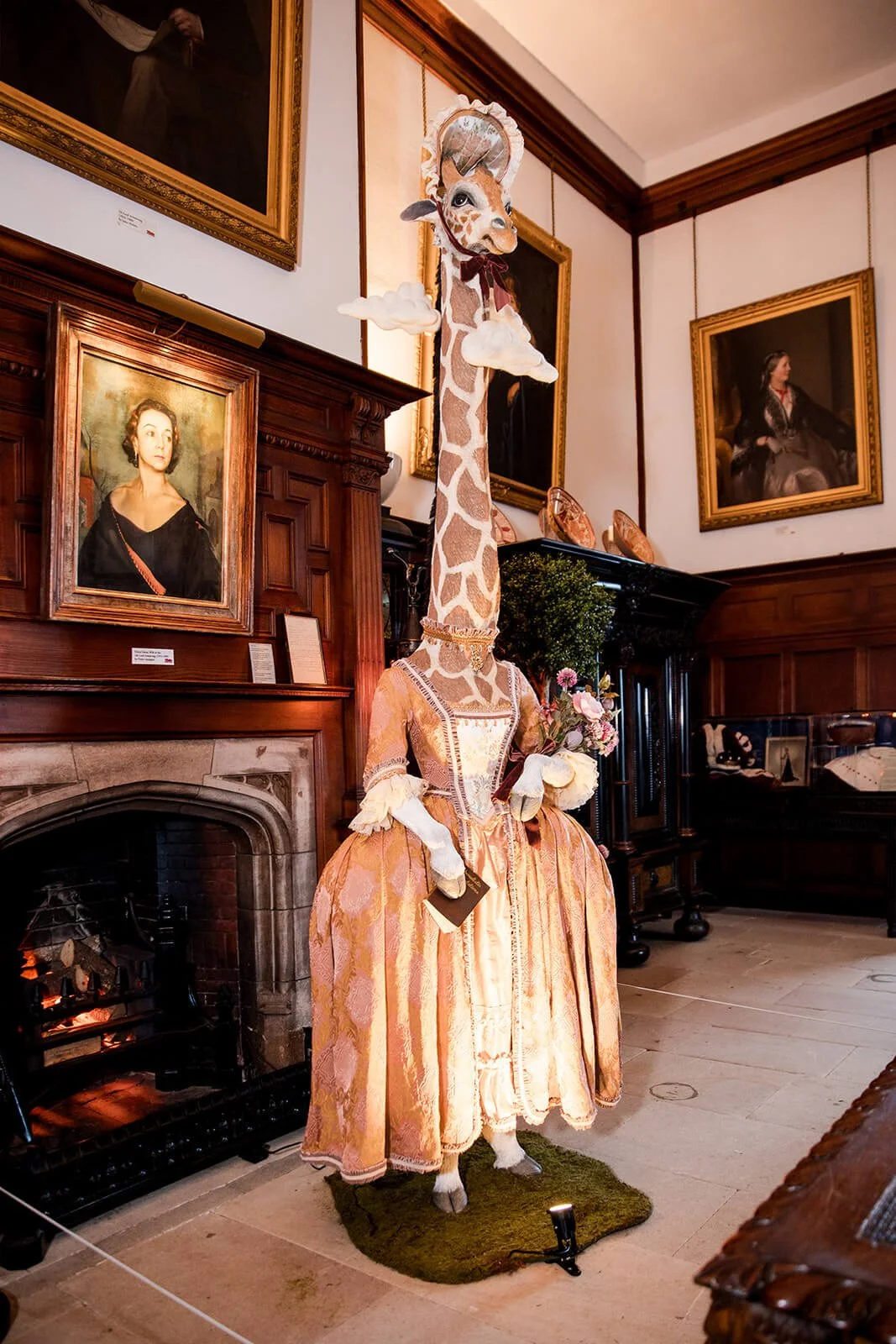
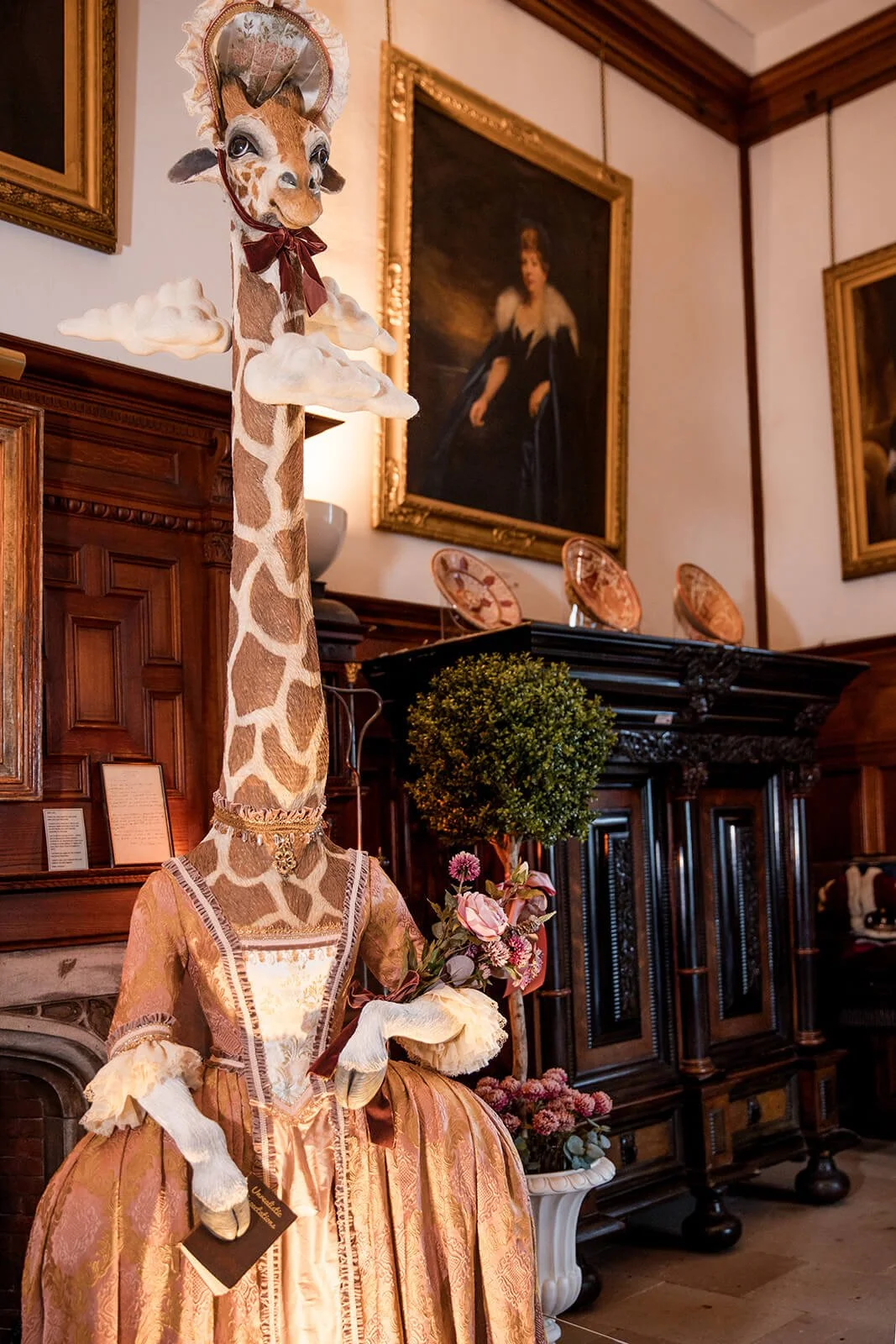
One sculpture that really stood out to me was Gwendoline – Head in the Clouds.
The piece immediately caught my attention because of its scale. The giraffe stands tall in a room overlooking the North Sea, which makes the whole scene feel even more striking.
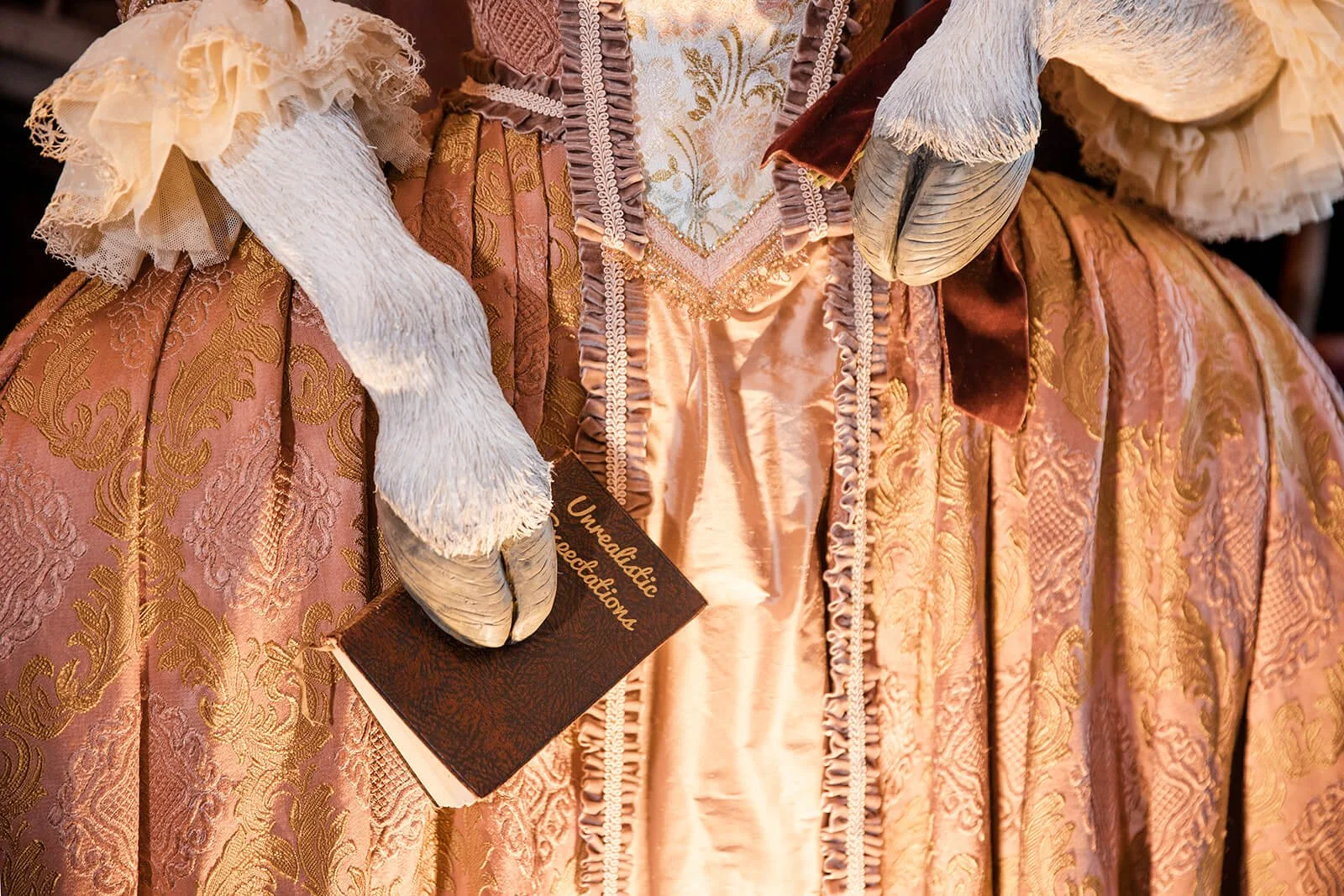
Gwendoline is dressed in a beautifully made gown created specifically for the sculpture. The level of detail in both the giraffe and the costume is impressive.
There is also something quite amusing about seeing such a tall, elegant giraffe standing proudly in a gown. The humour of the scene makes it even more memorable.
This idiom was one I recognised almost immediately, which made it particularly satisfying to spot.
Idioms in the Exhibition
Some of the sculptures featured in the exhibition include:

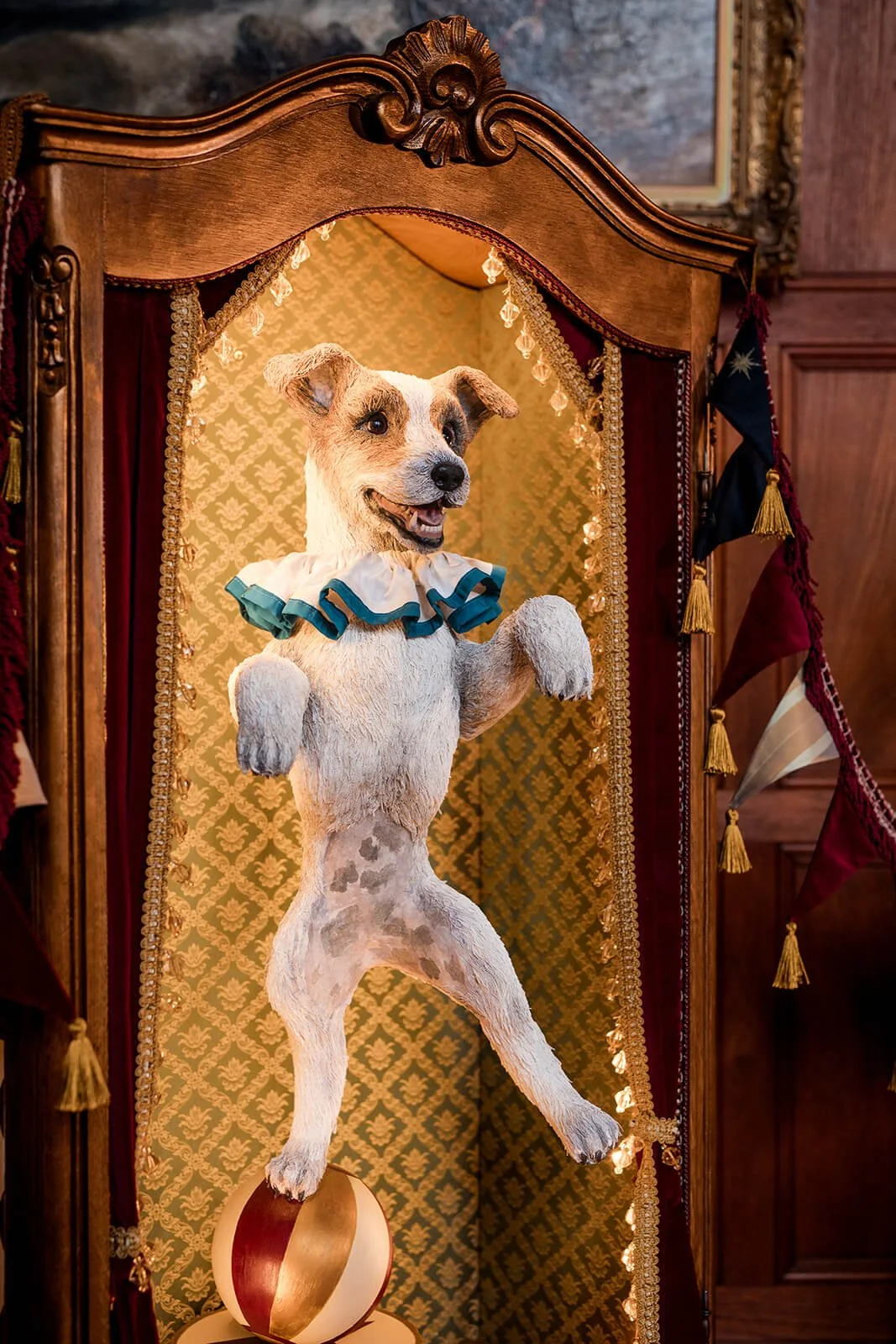
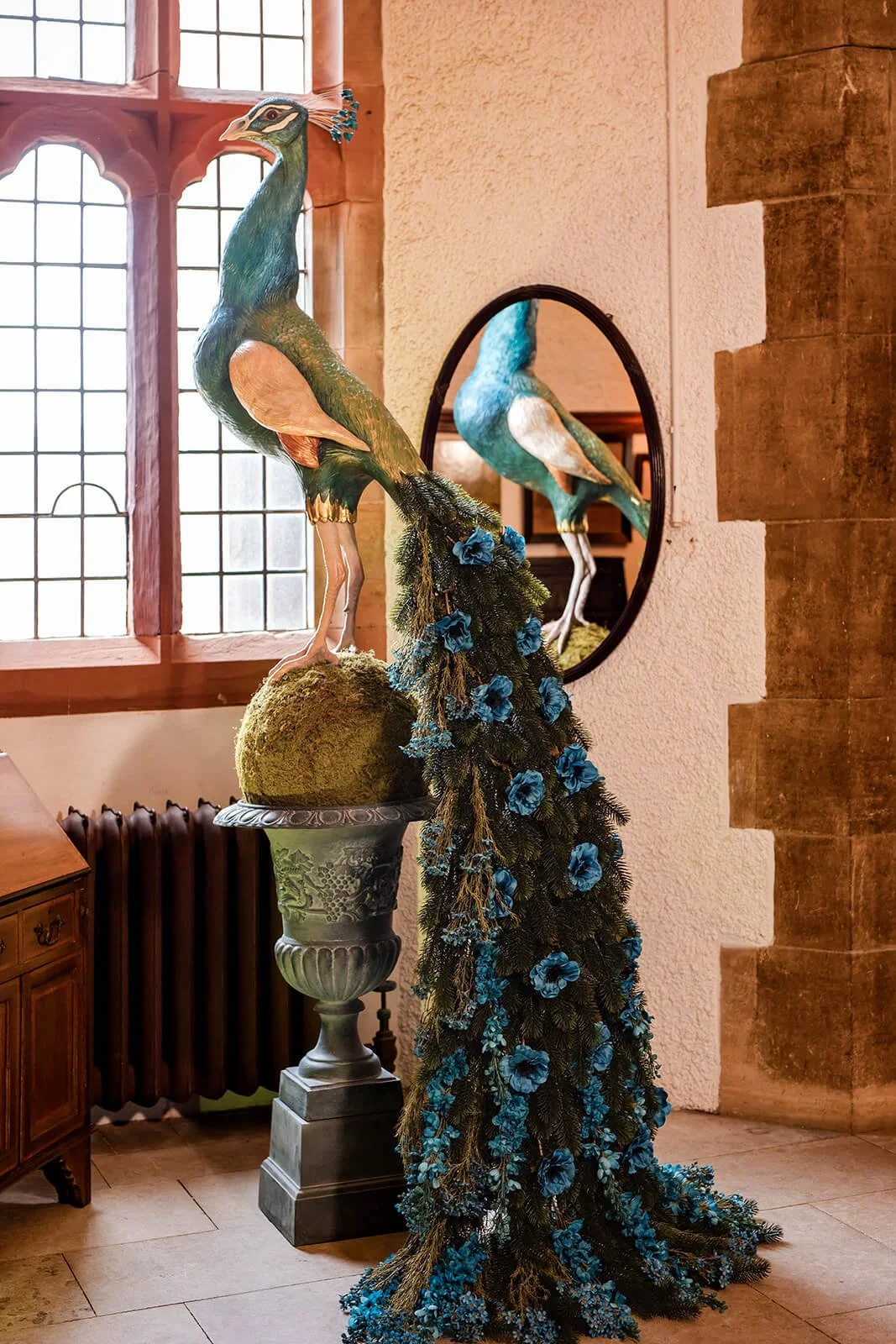
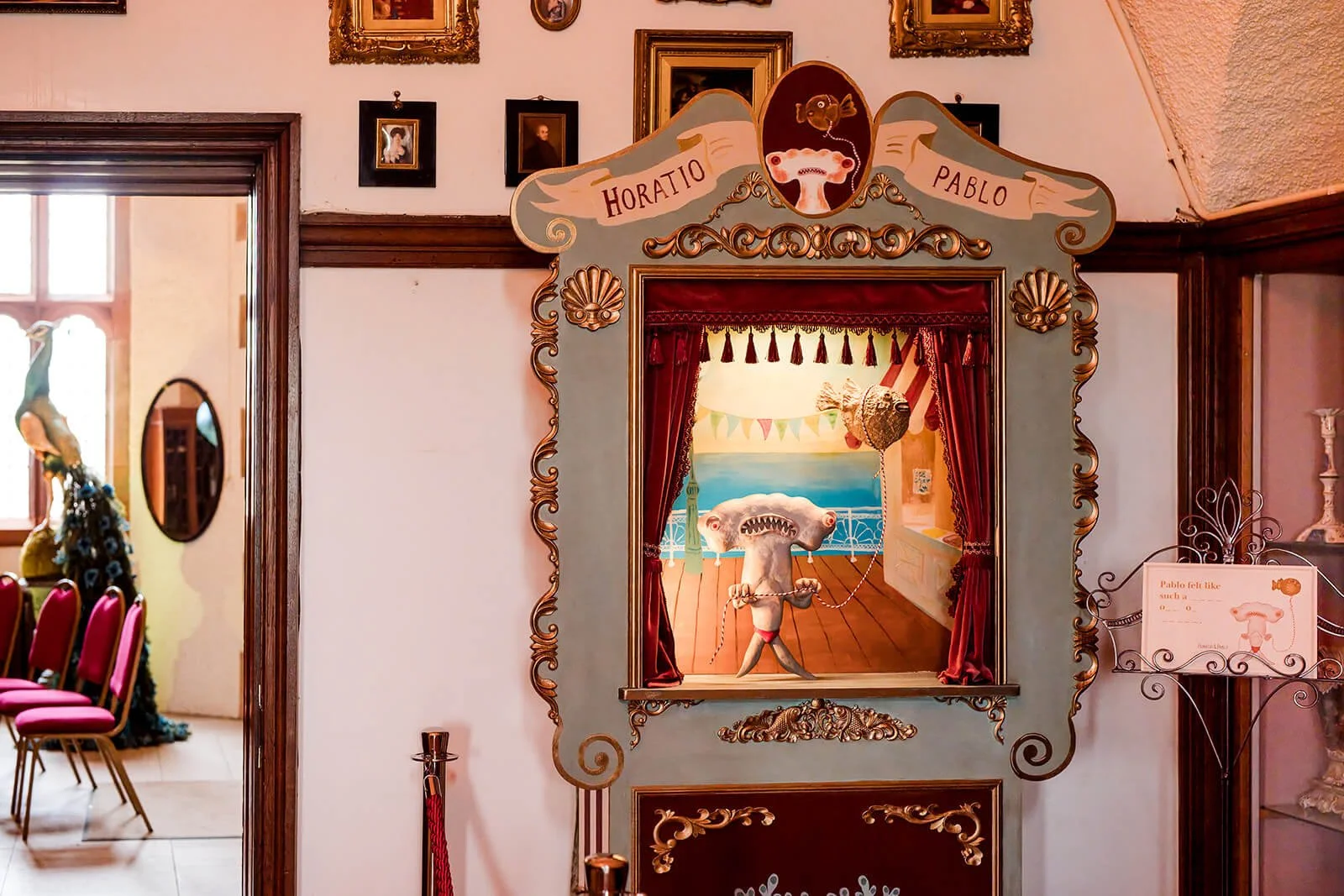
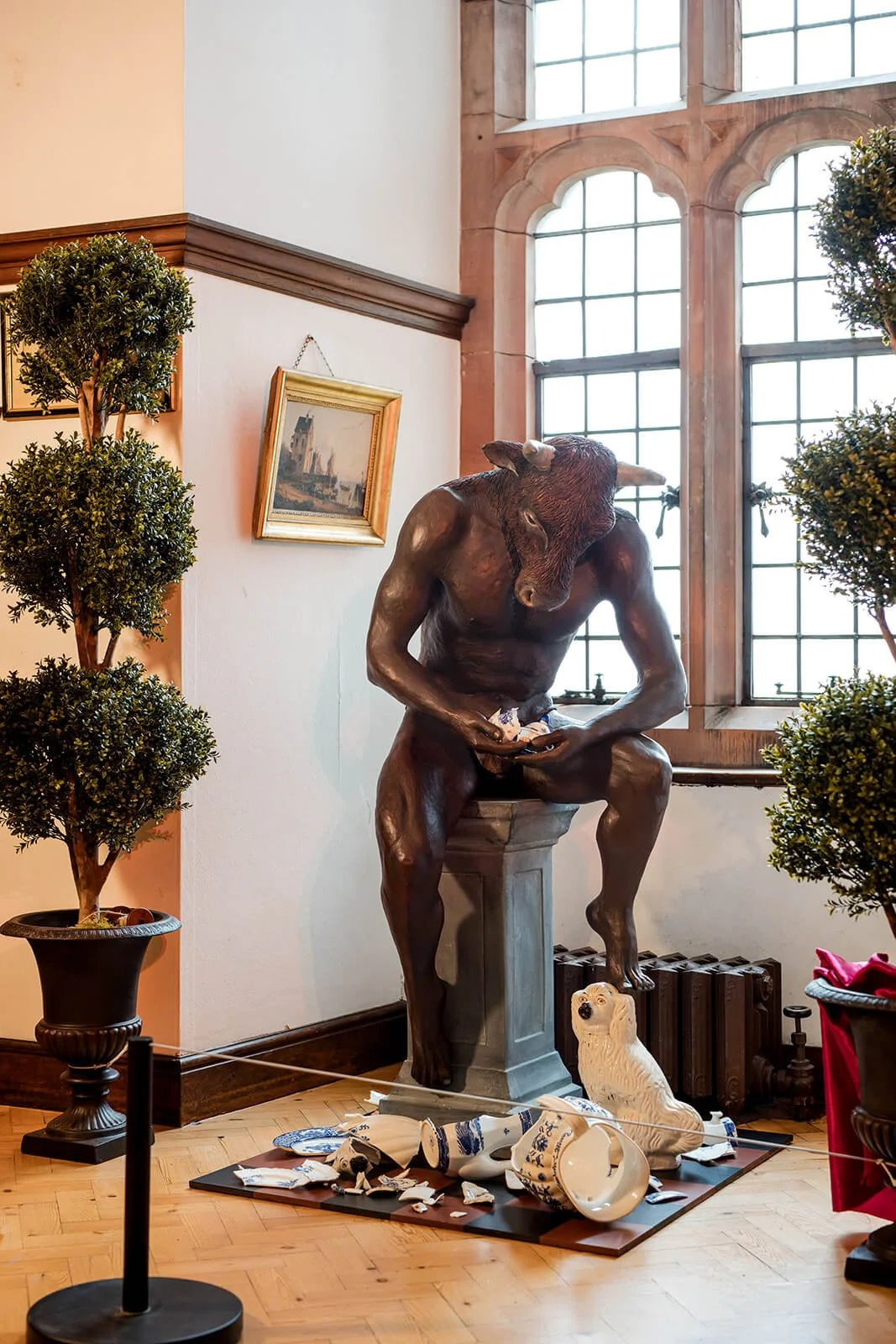

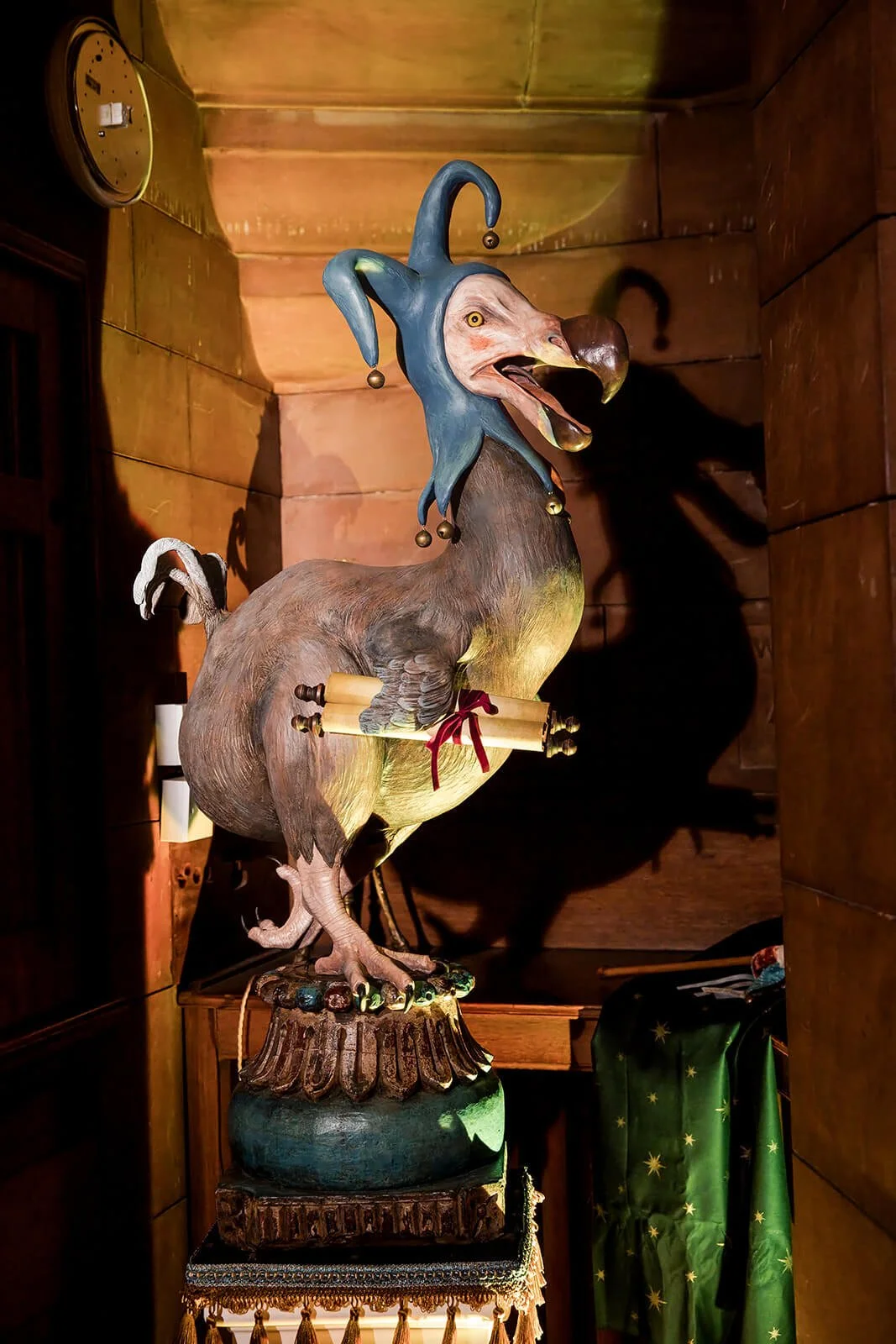
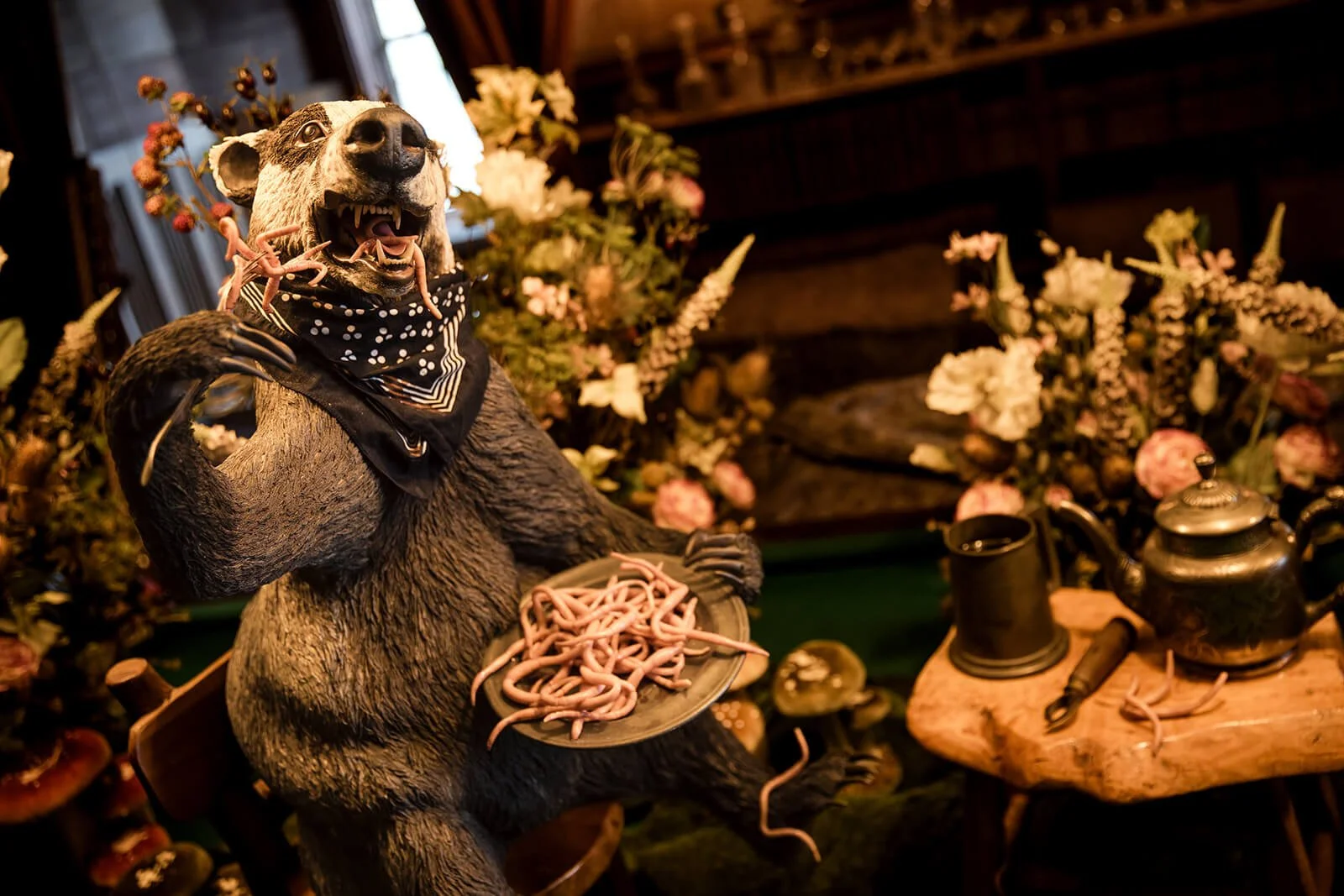
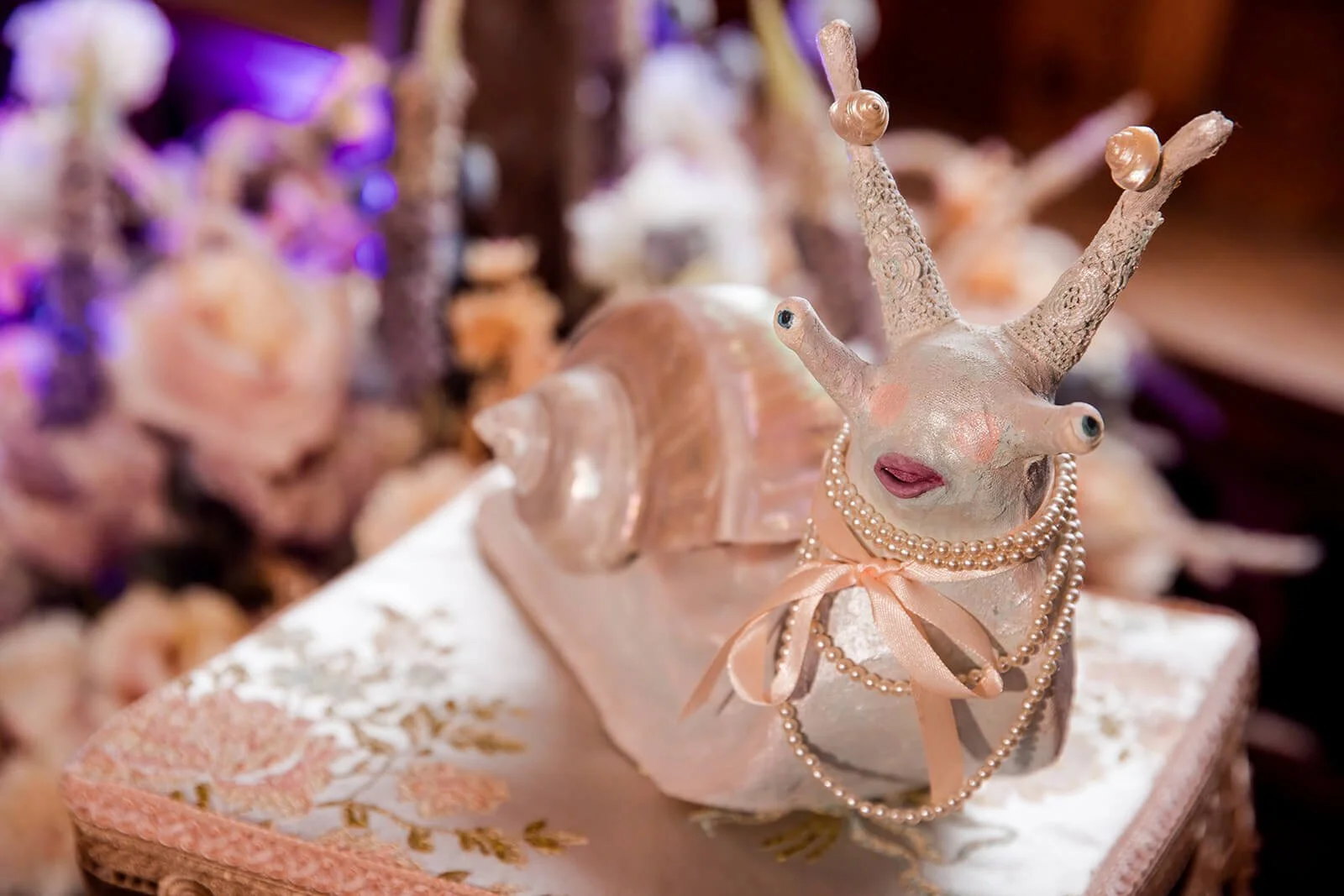
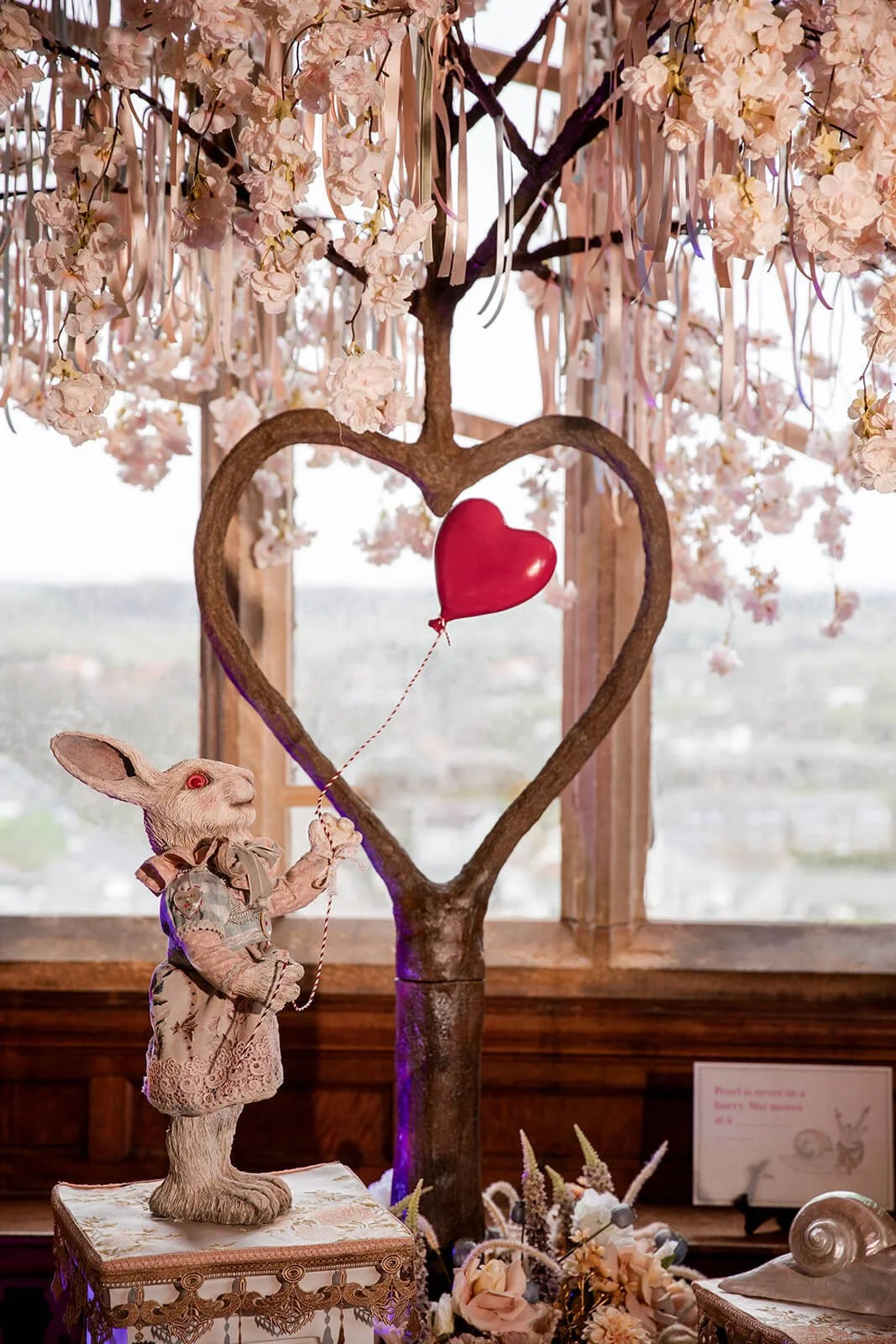
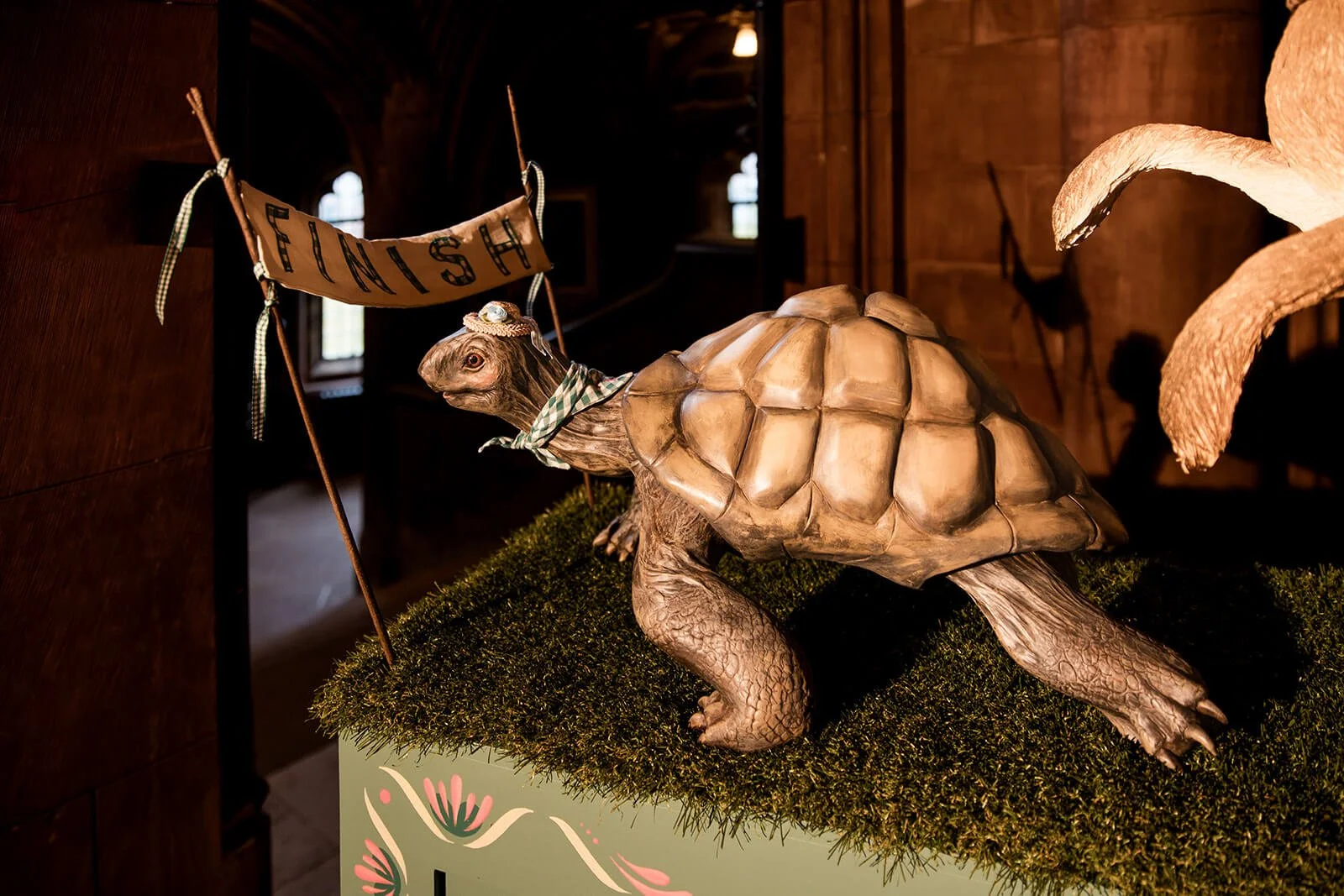
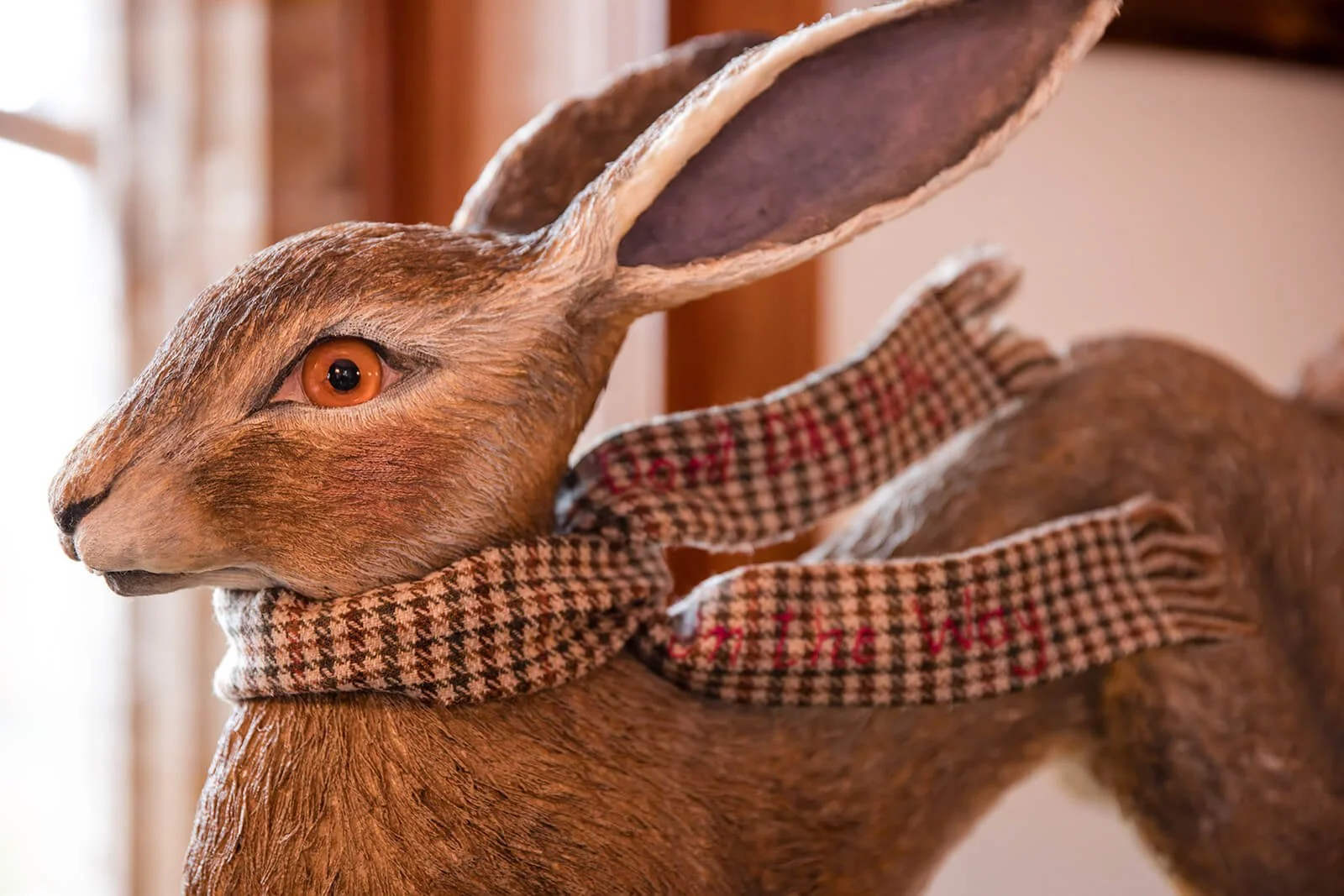
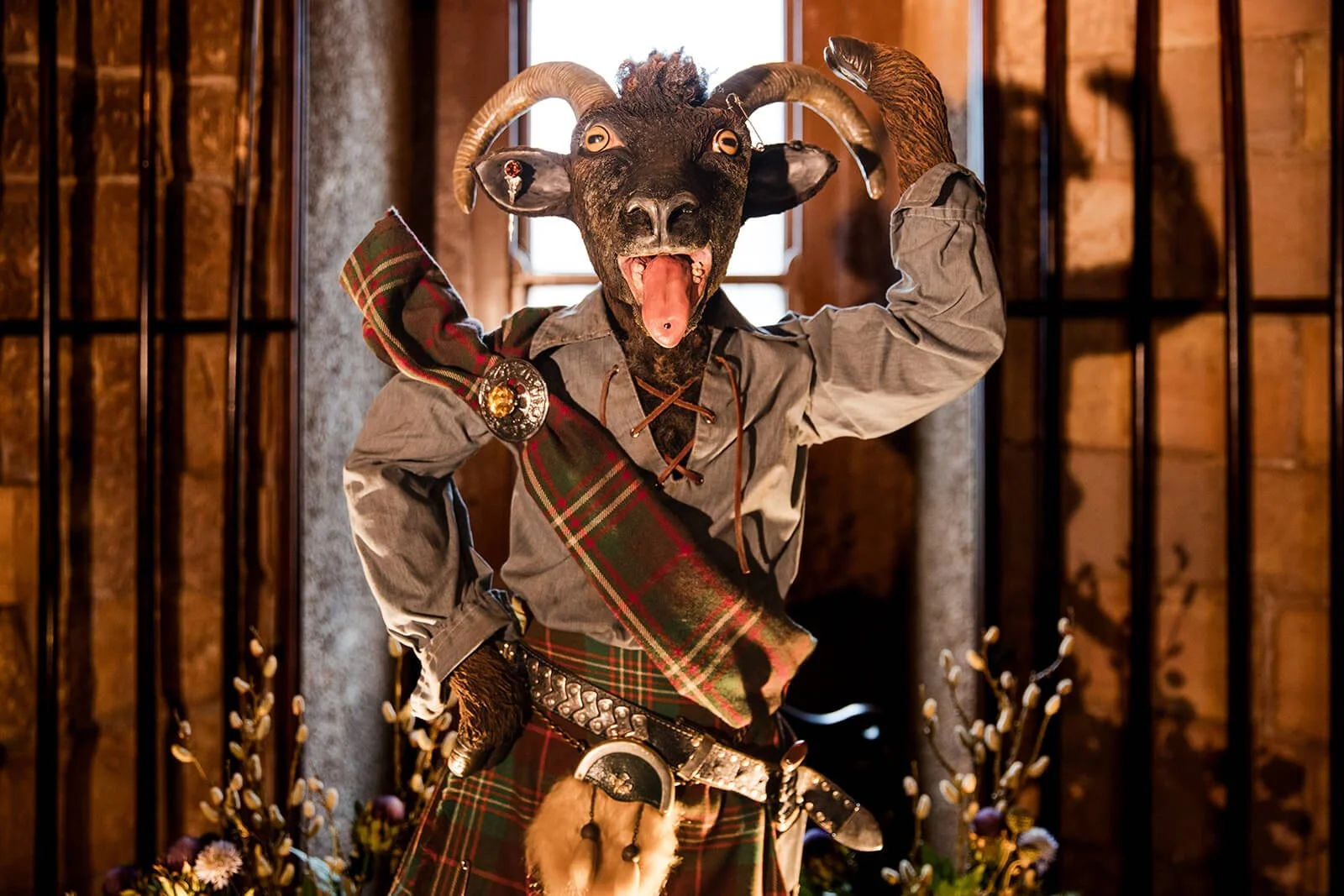
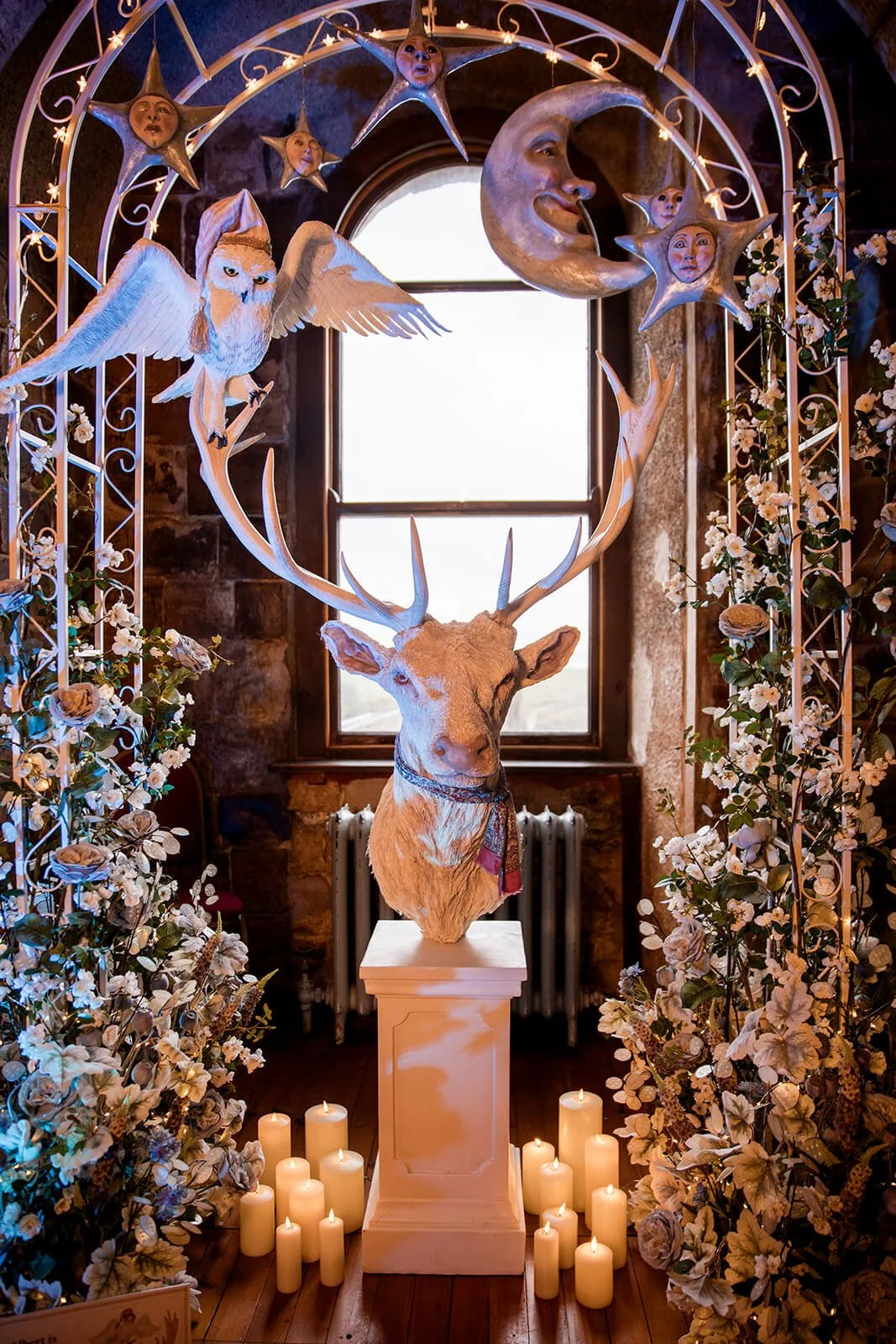
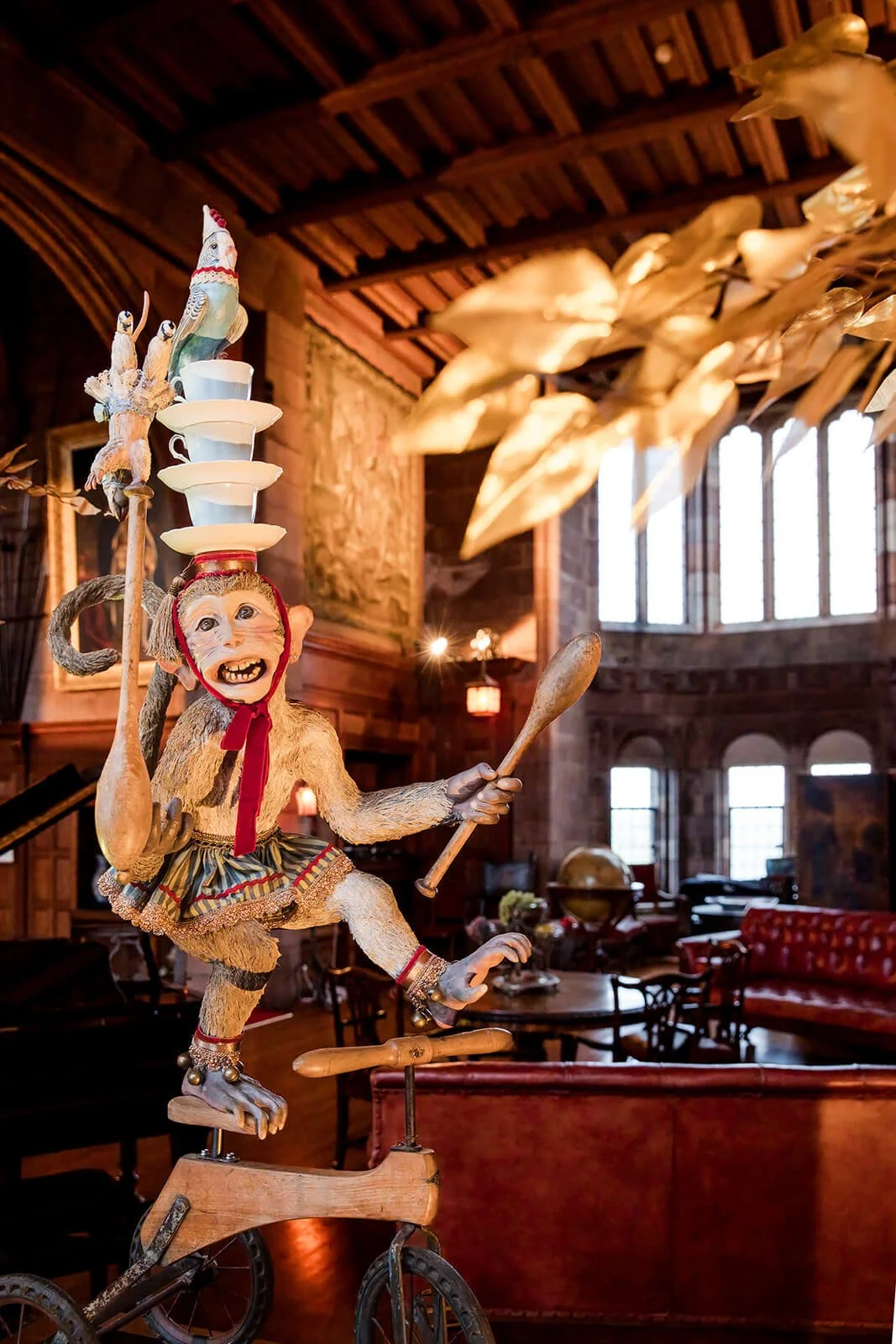
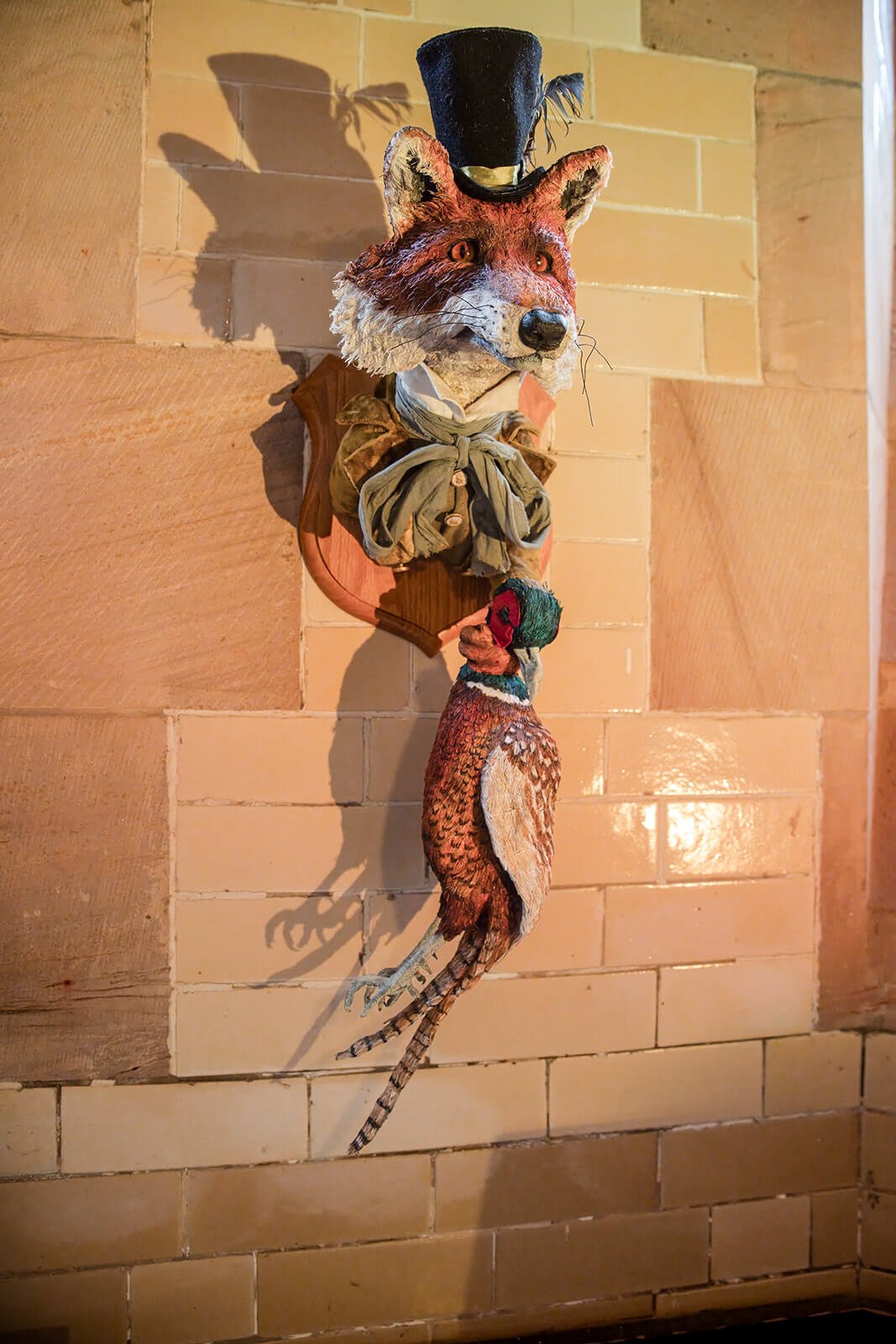
Pearl- Snails Pace
Bosley- Opened A Can Of Worms
Maxi- On The Ball
Victoria and Albert-Night Owl
Jason- Bull In A China Shop
Fagan- A Bird In The Hand Is Worth Two In The Bushes
Mandy- Wears Her Heart On Her Sleeve
Tallulah- Slow and Steady Wins The Race
Yorick- No Fool Like an Old Fool
Bobby Dazzler-Jumping Through Hoops
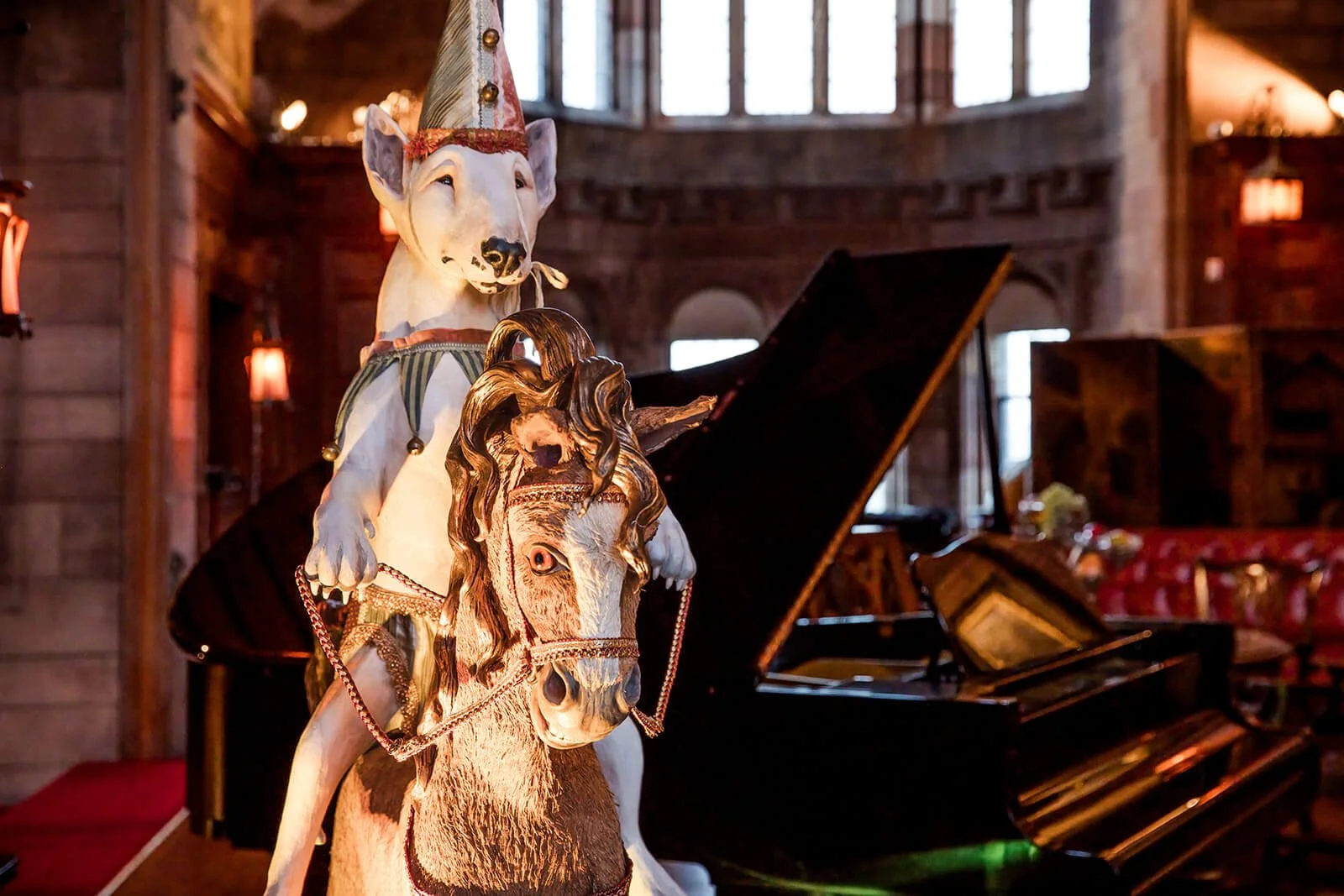
George and Gigi - On His High Horse/ Off her Rocker
Tom,Dick and Harry - Balancing act
Cyril- Proud as a Peacock
Angus- Black Sheep of the Family
Gwendoline- Head In The Clouds
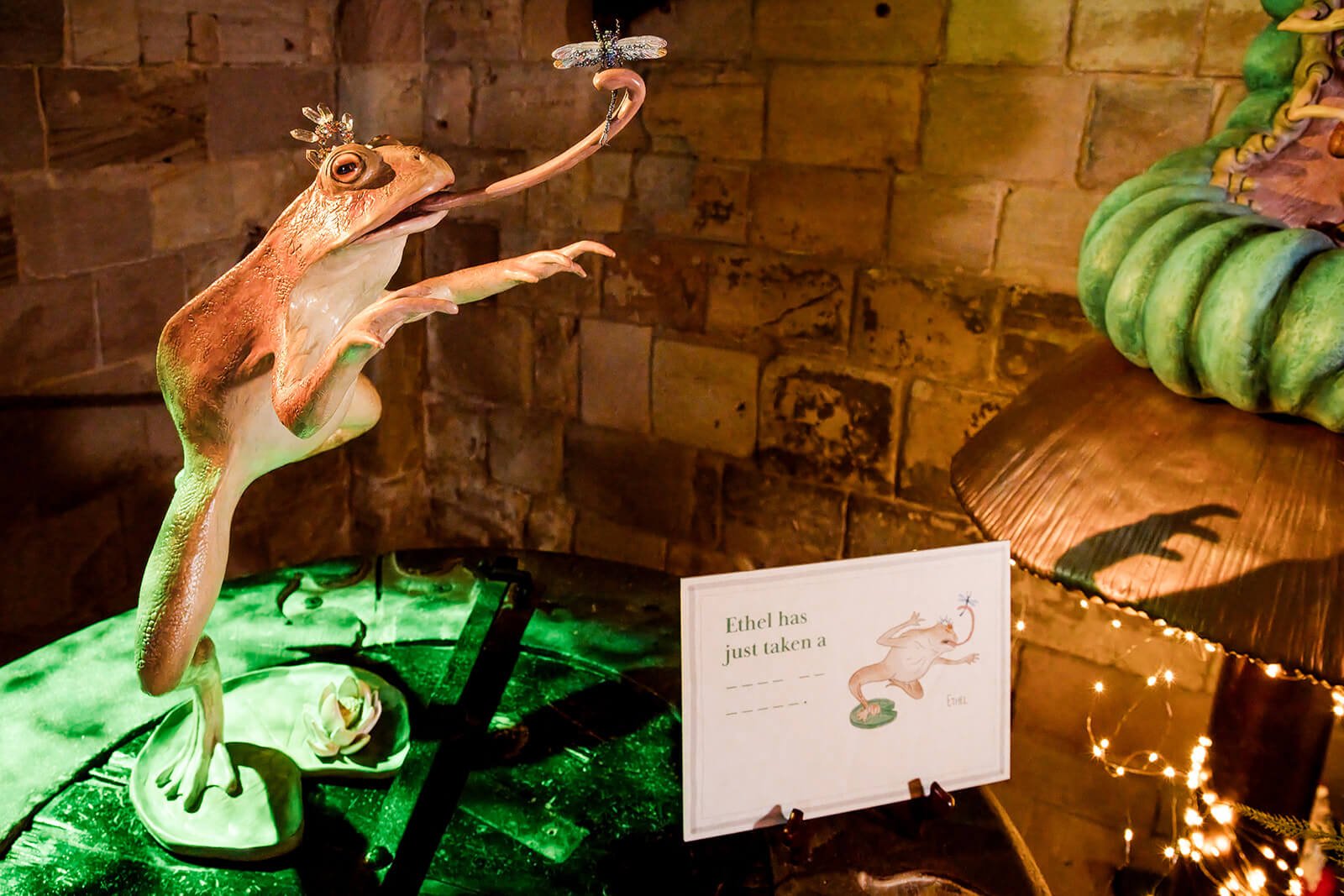
Ethel- Leap Of Faith
Horatio and Pablo- Fish Out of Water
Hector- Dilly Dally
Jane Doe and Robina- Early Bird
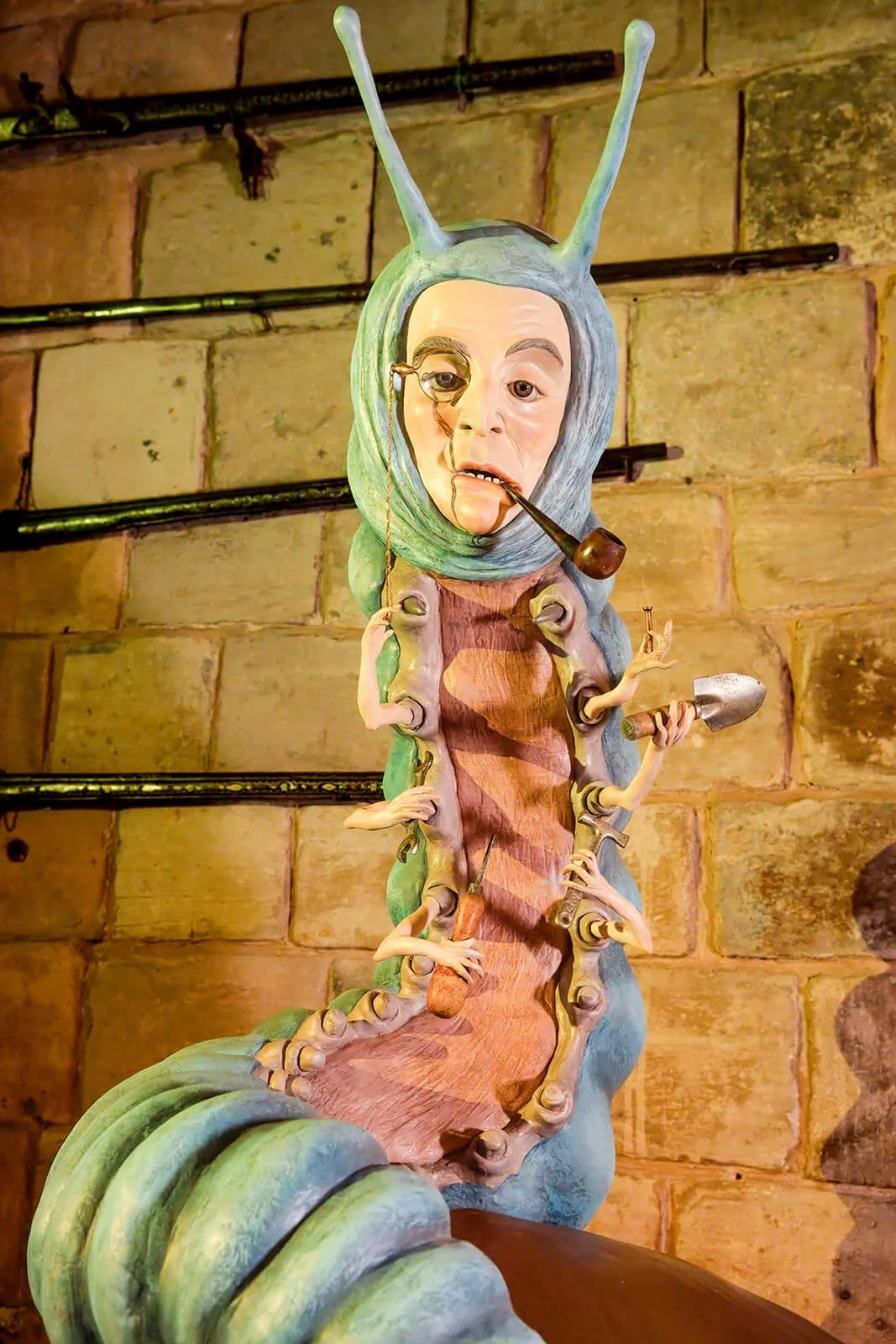
Cedric-Many Hands Make Light Work
Can you match up the idioms?
Keep your eyes peeled for Horatio, the fish out of water, who makes a few secret appearances in photos hidden around the castle….

Horatio is Hidden in Plain Sight, Hidden photos Amongst the Exhibition.
Who Would Enjoy This Exhibition?
The exhibition works well for a wide range of visitors.
Children will likely enjoy the playful animals and the challenge of guessing the idioms as they move through the castle.
Creative visitors, particularly those interested in sculpture, prop making, or visual storytelling, will probably appreciate the level of detail and craftsmanship in each piece.
For people already visiting Bamburgh Castle, the exhibition adds something a little different to the experience. It turns the castle into something more interactive, encouraging visitors to explore each room and discover the characters waiting inside.
Overall, it’s an exhibition that combines art, humour, and storytelling, making it enjoyable for families, creatives, and anyone curious about seeing language brought to life through sculpture.

What’s the Difference Between Brand and Studio Photography?
If you’ve ever wondered whether you need brand photography or studio photography, you’re not alone. It’s a question I get asked a lot.
Both can look professional. Both can sit happily on a website or social media. But they do very different jobs — and choosing the right approach can change how your business is perceived.
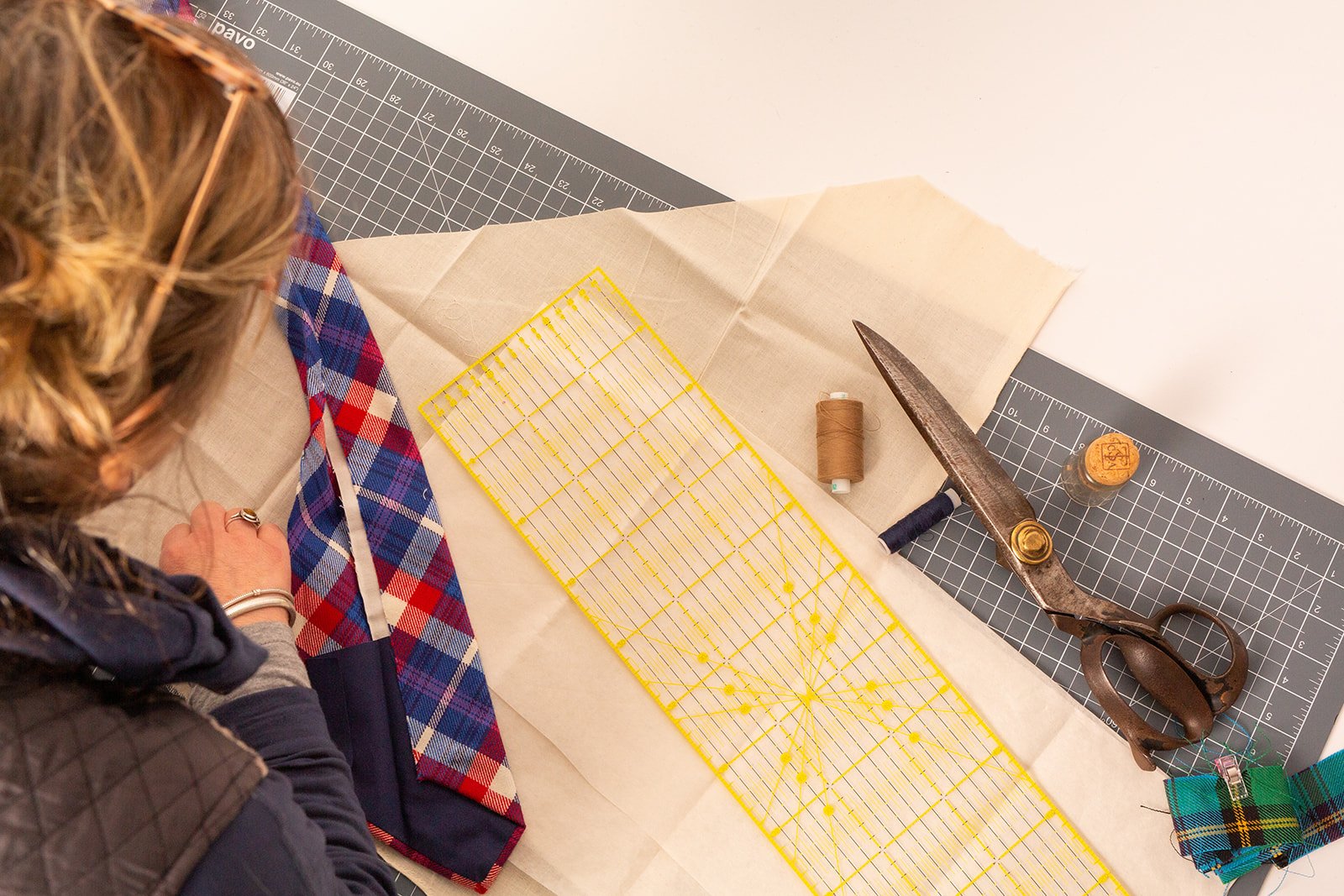
Using International Tartans as an example, this blog looks at how studio photography and brand photography work separately, and why combining the two often gives businesses the most flexible and useful image library.
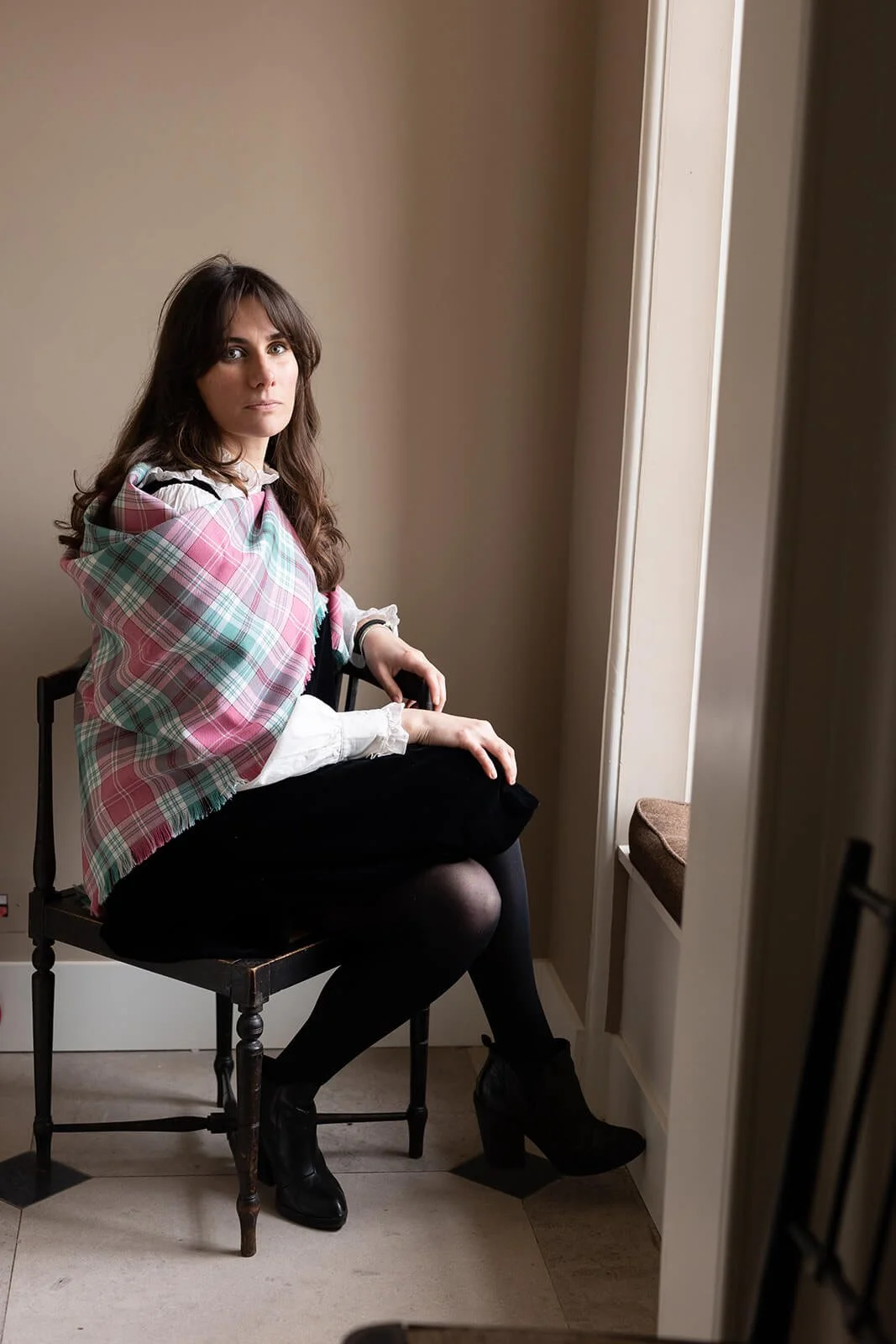
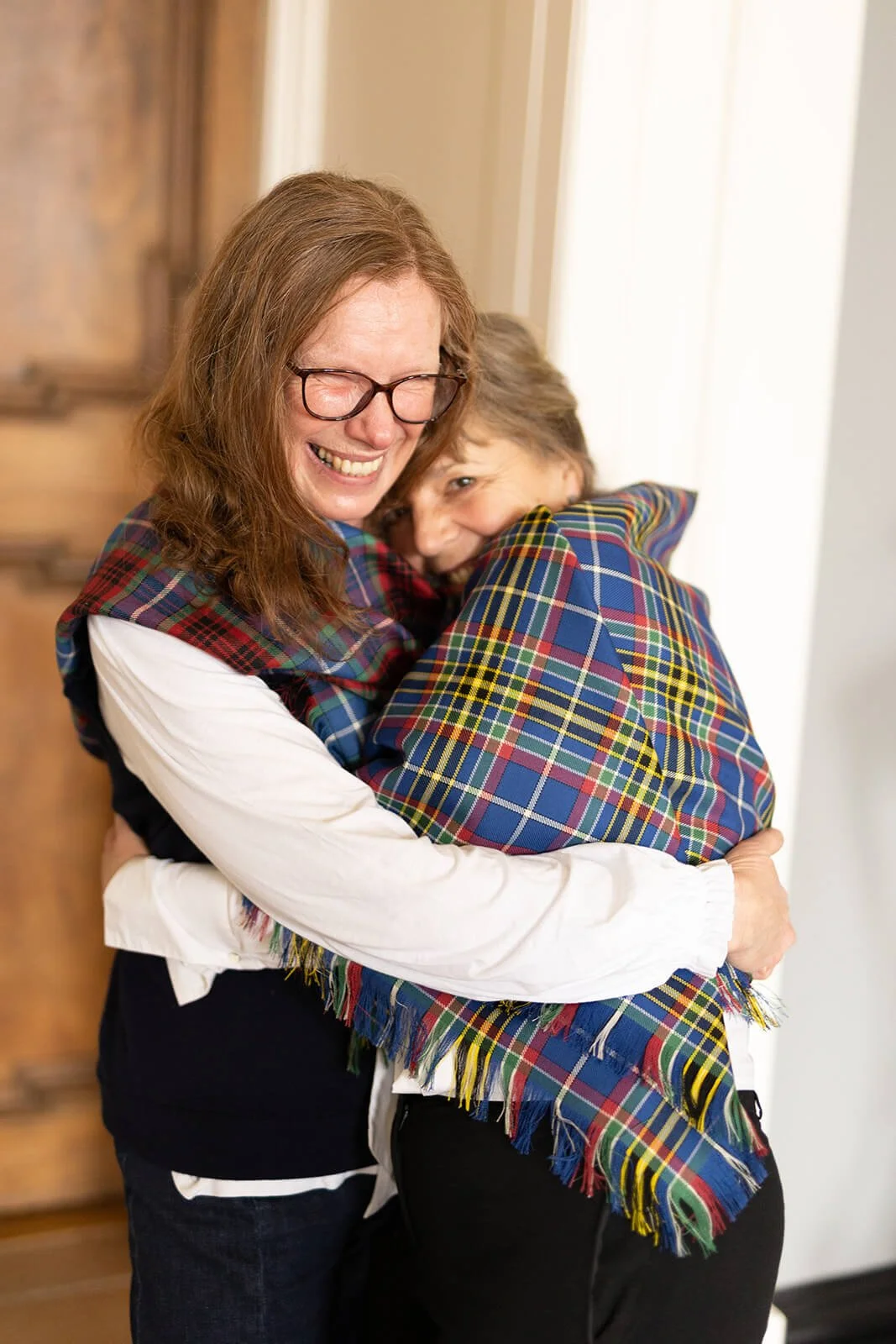
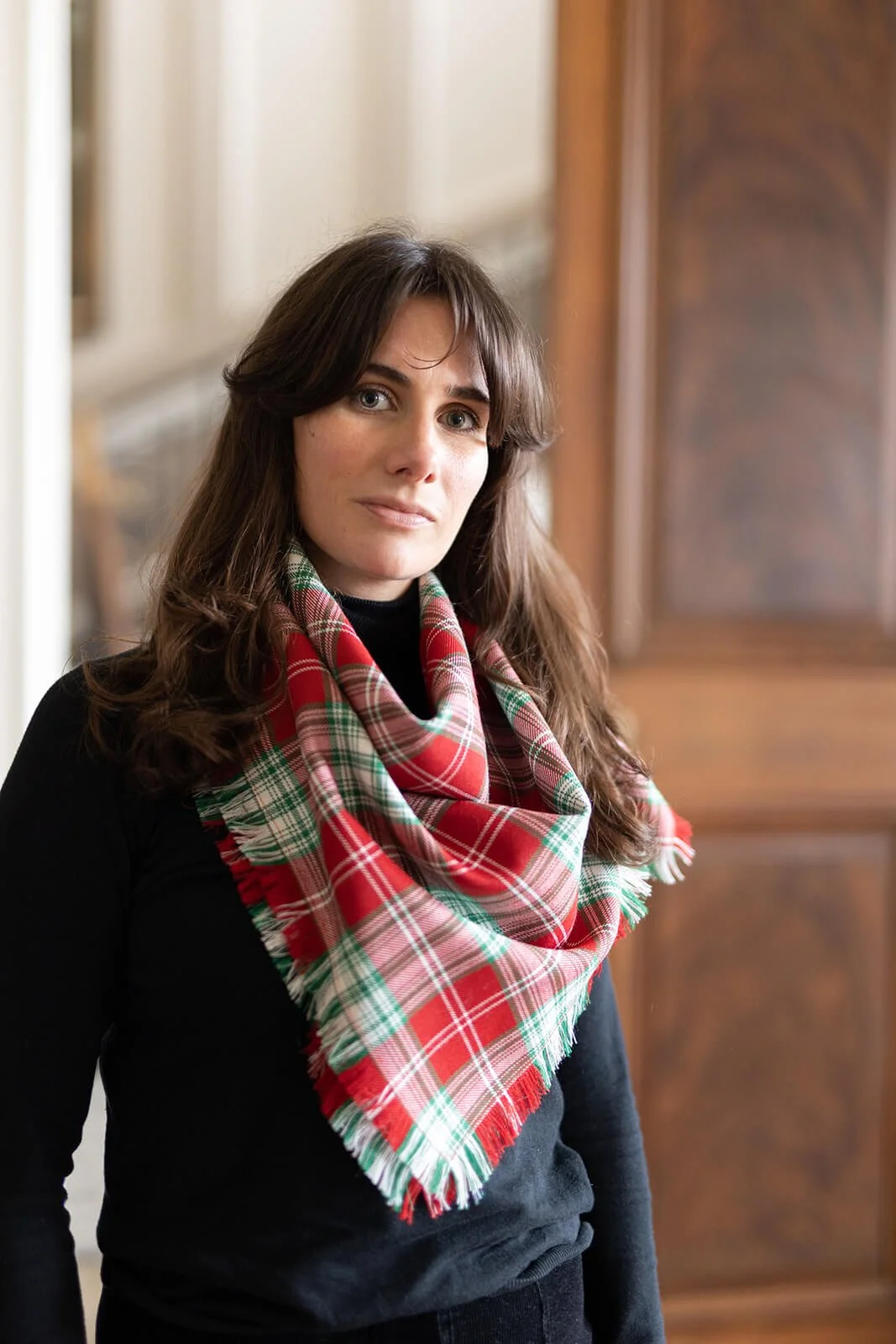
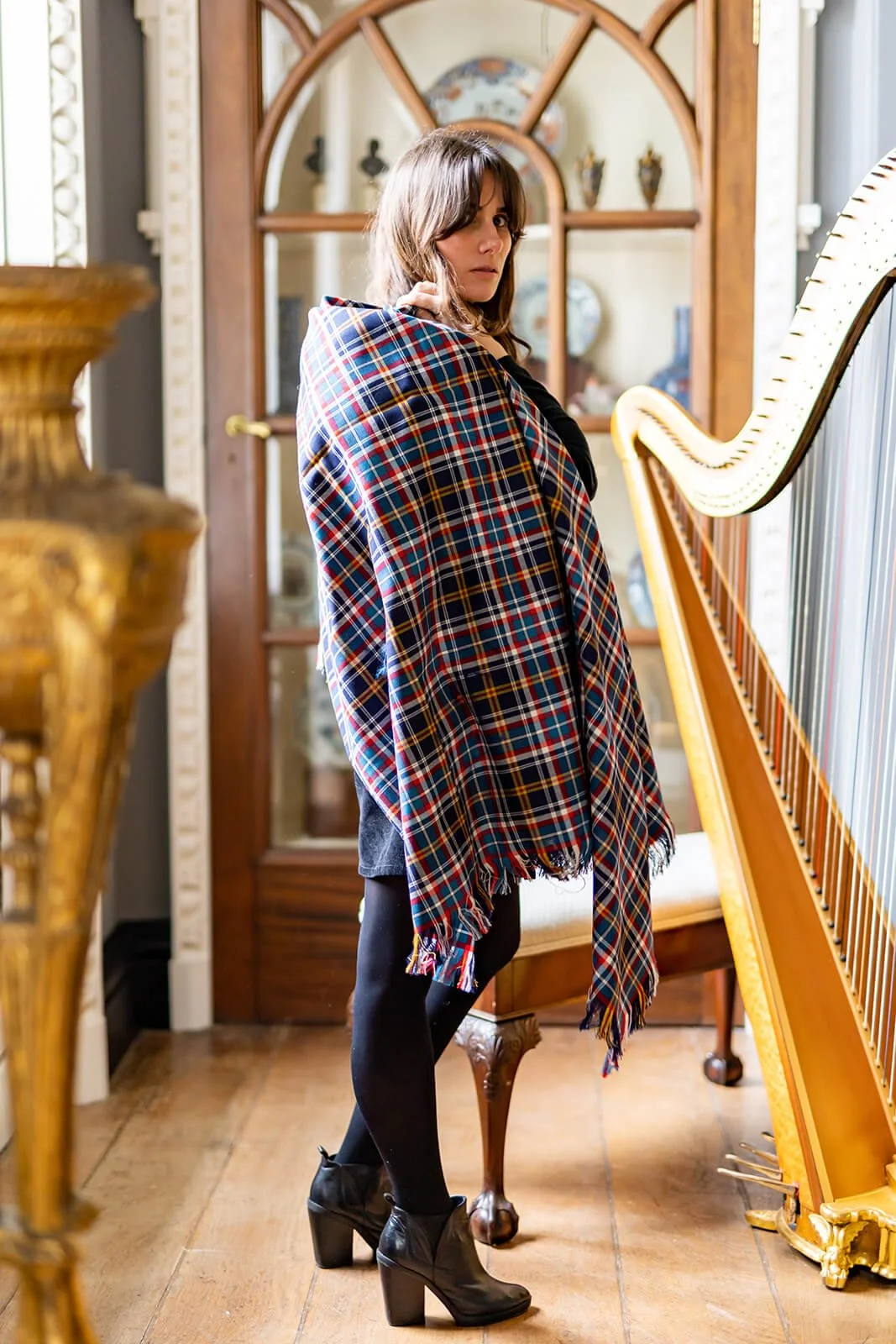
For iTartans, the brief covered several settings: clean studio product shots, portraits in real working environments, and wider location photography. Each had its place. Together, they told a much fuller story — not just what the business makes, but who is behind it and how it works day to day.
International Tartans in our Studio for Product Photography
Starting in the Studio: Clarity, Control and Consistency
Studio photography is often the most practical place to begin, particularly when products or fine details need to be shown clearly.
For iTartans, studio sessions were used to photograph products with accuracy and consistency. Working in a controlled environment meant lighting could be kept even, colours true, and backgrounds clean. This allowed the focus to stay firmly on the craftsmanship itself, without visual distraction.
Studio photography is especially valuable when images need to be reused across different platforms or formats. These images tend to age well, slot neatly into websites and print, and provide a reliable visual foundation that can be returned to as new products are introduced.
That consistency is powerful — but on its own, it doesn’t always show how an organisation feels.

Shoot with International Tartans at our Studio in Berwick-Upon-Tweed.
Brand Photography on Location: Showing the Work in Context
Brand photography shifts the focus from control to context.
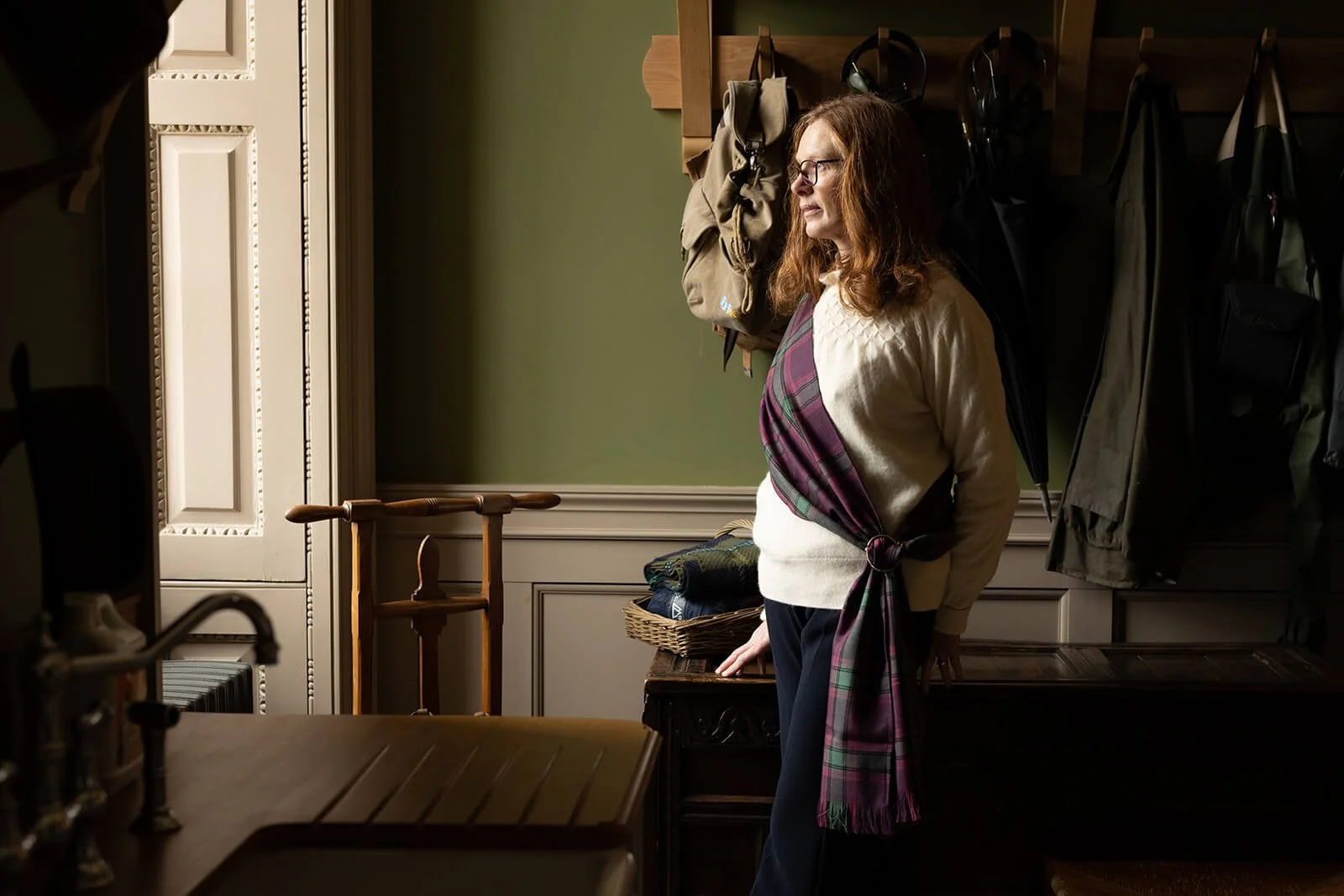
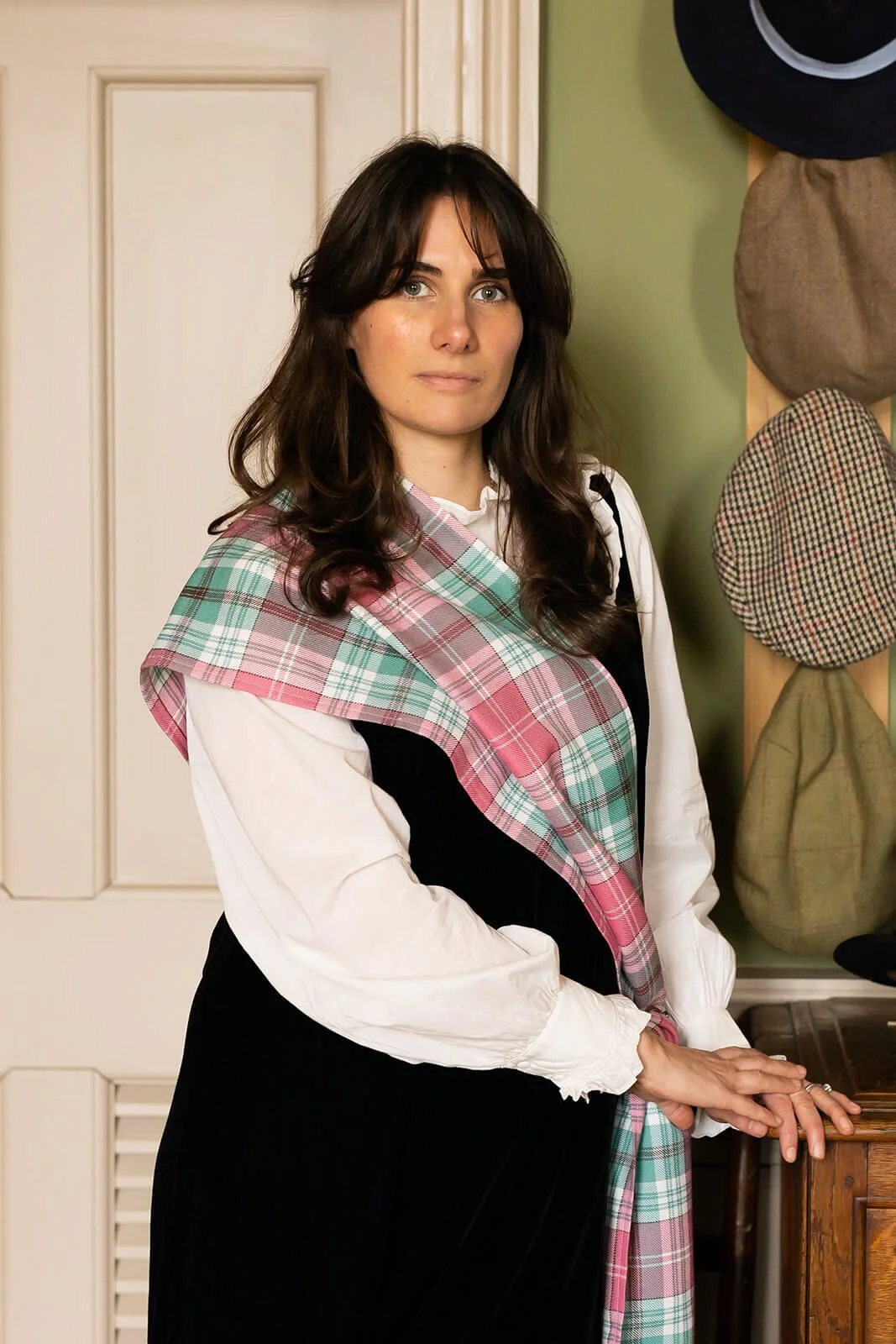
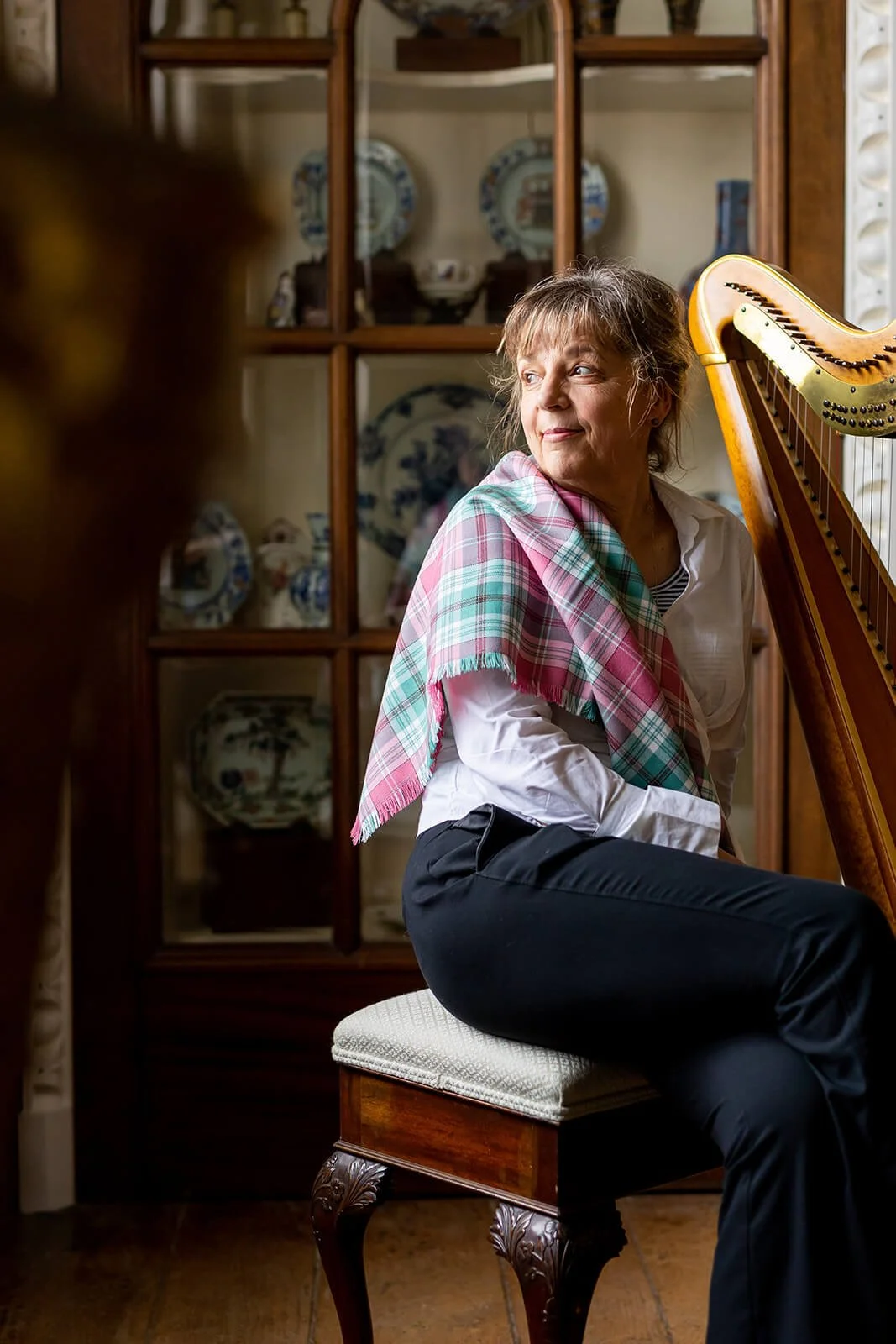
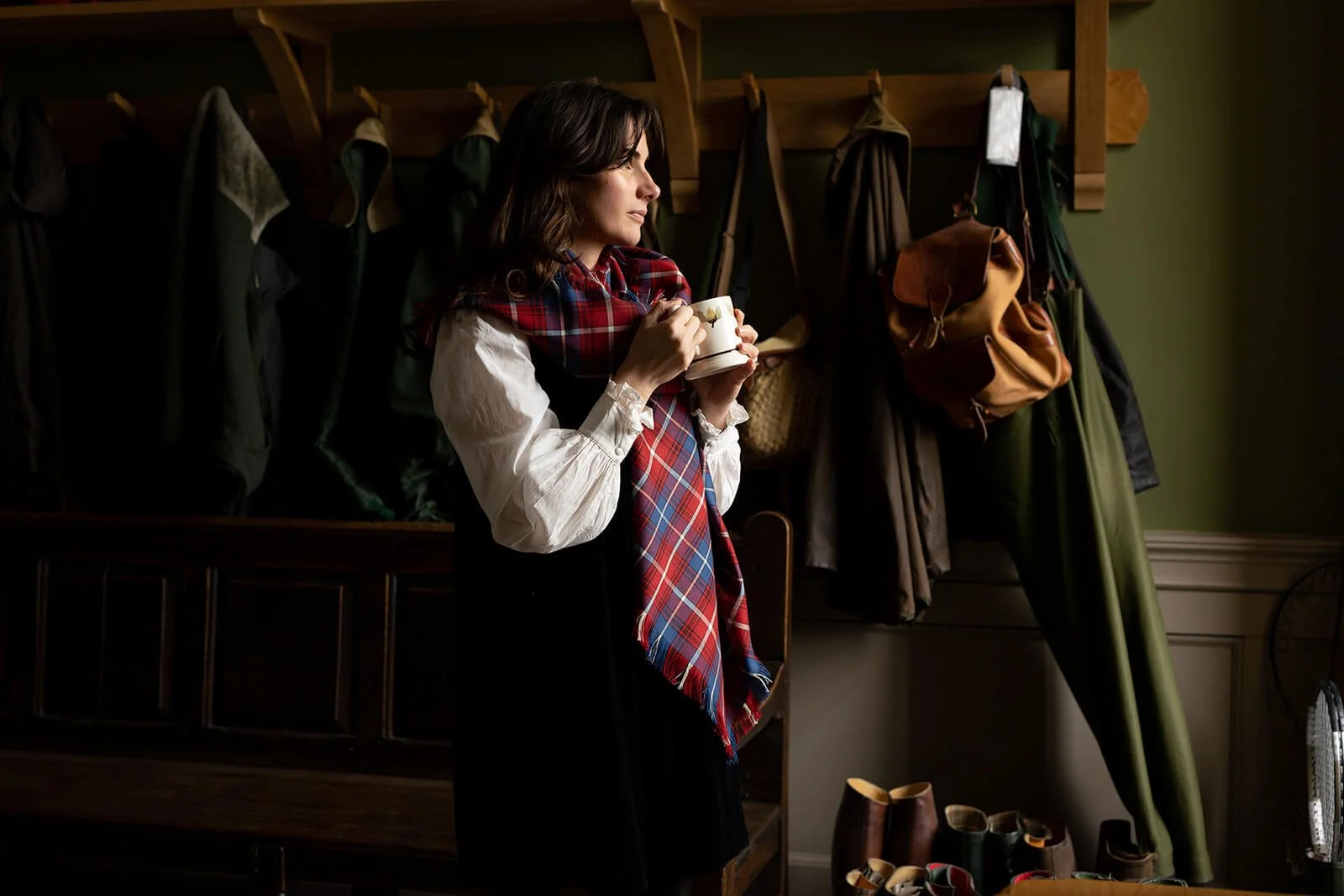
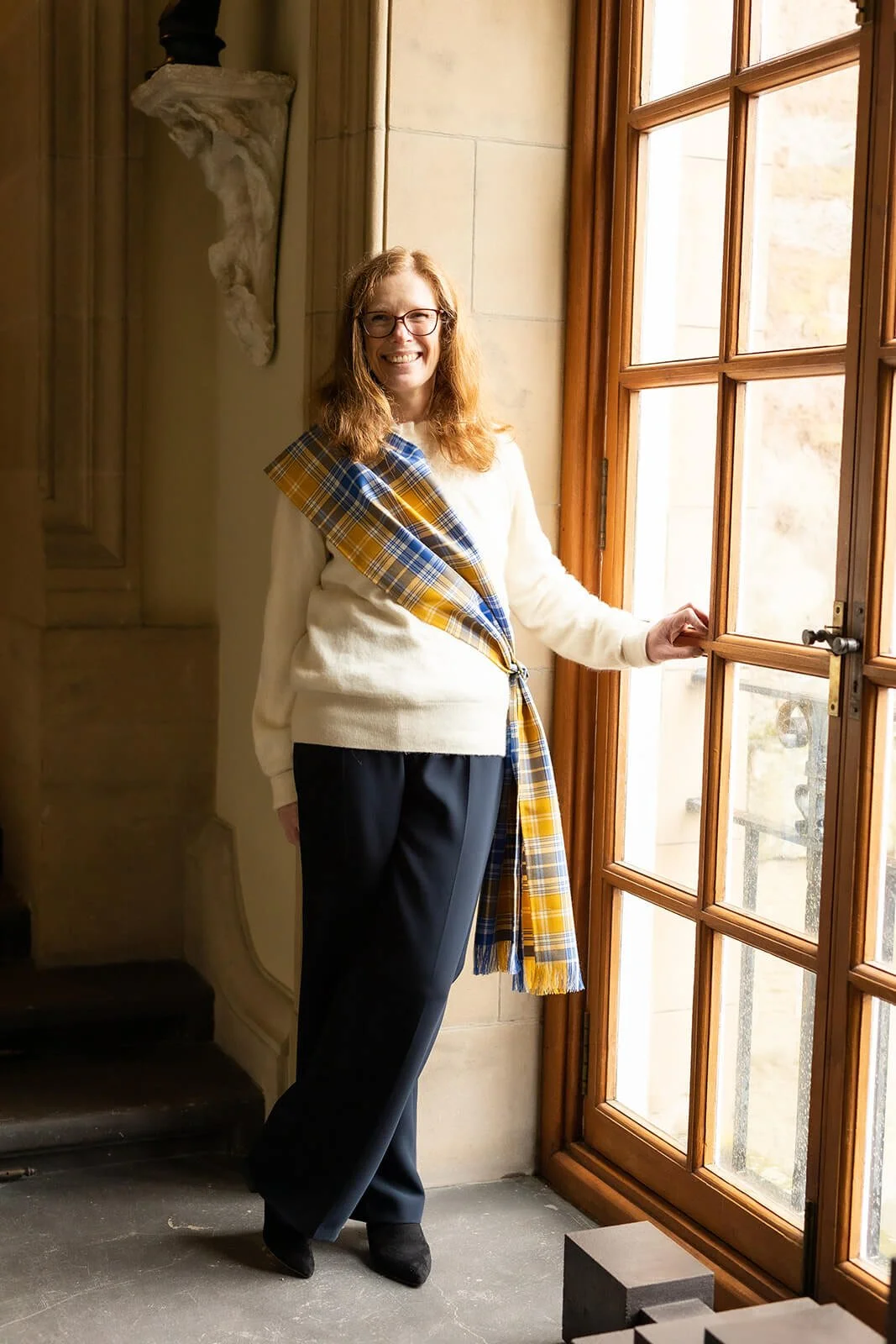
For International Tartans, this meant photographing their workshop in Eyemouth, capturing the environment where the work actually happens. These sessions weren’t about perfect backdrops or polished poses. They were about people, process, and the everyday rhythm of making in a workshop setting.
Photographing in real working spaces adds depth. It shows how tools are used, how materials move through hands, and how the organisation operates day to day. This kind of imagery helps audiences connect more easily, because it answers questions they may not even realise they’re asking — what it’s like to work with you, how your work comes together, and what sits behind the finished product.
For community-led and craft-based organisations, that sense of authenticity matters deeply.
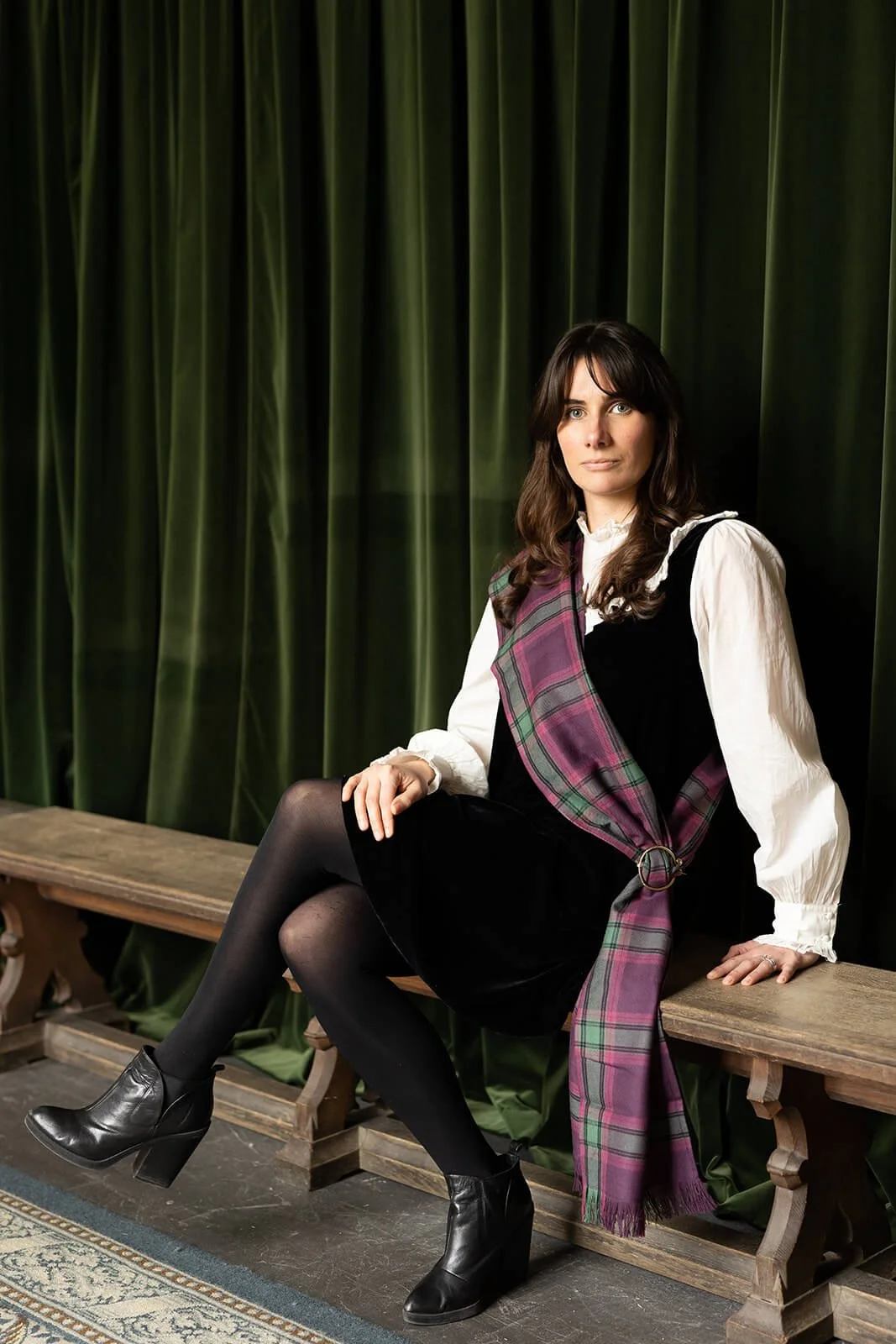
A Case Study Film That Goes Beyond the Images
Alongside the photography at Eyemouth, I also created a short case study film for International Tartans — one that follows Kayleigh’s journey into the organisation.
Without giving too much away, the film focuses on what happens when the right opportunity meets the right support. Kayleigh’s story begins at ReTweed, a social enterprise in Eyemouth that supports women to build skills and confidence through sewing and making. From there, with funding in place, she moved into employment at International Tartans.
The film doesn’t spell everything out. Instead, it lets Kayleigh speak for herself — about learning new skills, finding stability, and how work that fits around family life can quietly change everything. It’s a reminder that behind every product, every workshop, every tartan, there are real people and real lives being shaped.
This kind of film is incredibly powerful for organisations like International Tartans. It’s been shared with funders and decision-makers, including at the Scottish Parliament, to show the human impact of the work — something that words and statistics alone can’t always do.
For me, it’s a good example of how photography and film can work together: still images to show the craft and environment, and film to carry the deeper story.
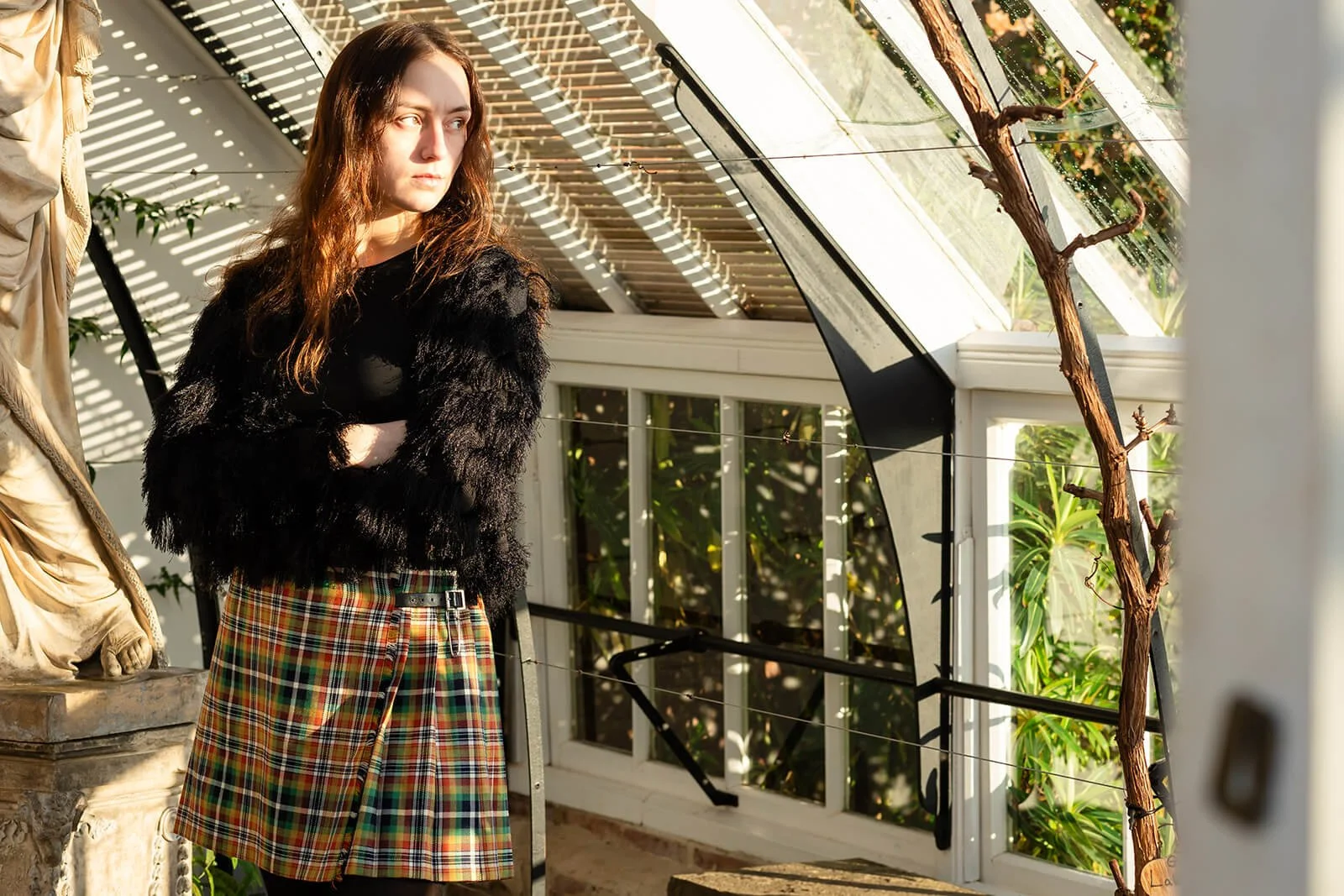
Location Photoshoot at Marchmont House for International Tartans.
When Location Becomes Part of the Story
Beyond the studio and workshop, iTartans’ photography also included two on-location sessions at Marchmont House — one in the main house and one in the Glasshouses.
Here, the emphasis shifted again. These sessions weren’t focused purely on products or process, but on atmosphere and narrative. The setting added scale, heritage, and a sense of place that supported the wider story iTartans wanted to tell.
What mattered just as much was who appeared in the images. Rather than using external models, the makers and students themselves stepped into the frame. For many, this was their first experience being photographed in this way — and it became something more than a shoot. It was a confidence boost, a genuinely enjoyable day out, and a chance to see themselves as part of something bigger.
Using real people in meaningful locations adds depth that can’t be staged. Historic buildings, landscapes, and community spaces quietly reinforce values and purpose — while involving the people behind the work builds connection, pride, and a stronger sense of team..

International Tartans Branding shoot at Marchmont House
Brand Photography vs Studio Photography: What’s the Real Difference?
At first glance, brand photography and studio photography can look quite similar — especially when they’re showing the same products. Both can be used on websites and social media, and both can look professional. But they do very different jobs.
Studio photography is about clarity and consistency. It’s created in a controlled environment, where lighting, background and framing stay the same from image to image. That makes it ideal for products and portraits where accuracy really matters. Studio images tend to feel clean, calm and dependable, which is why they work so well for e-commerce, printed materials and anything that needs to sit neatly within an existing brand.
Brand photography, on the other hand, is about context and connection. It’s photographed in real spaces and shows people, process and place alongside the subject itself. Instead of isolating something from its surroundings, brand photography includes them on purpose. The result feels more human and more informative — it shows not just what you do, but how you do it, the scale of what you make, and what it might feel like to work with you.
Where studio photography creates a solid foundation, brand photography builds on it with story and atmosphere. One provides structure; the other adds depth.
For many organisations, including International Tartans, the most effective approach isn’t choosing one over the other. It’s understanding what each is for — and using them together so your images work harder across different platforms, audiences and moments in time.

International Tartans Queen of Scots Tartan in our Studio in Berwick-Upon-Tweed
Brand Photography vs Studio Portrait Photography: A Simple Comparison
Studio Photography
Controlled lighting
Neutral plain or on brand backgrounds
Ideal for products and portraits
Clean, consistent, and repeatable
Works well for websites, catalogues, and print
Brand Photography
Shot in real locations
Includes people, process, and environment
Adds personality and context
Supports storytelling and connection
Ideal for social media, marketing, and editorial use
For International Tartans, the most effective approach wasn’t choosing one over the other — it was using both together.

Photography of International Tartans Products at Marchmont House
Why Working with a Local Photographer Mattered
International Tartans also made a conscious decision to work with someone local.
There’s a real advantage to working with a photographer who has a studio nearby. It keeps travel costs down, makes it easier to plan shoots at shorter notice, and allows for a more flexible approach overall. A local photographer also understands the area — not just geographically, but culturally too. The way the light behaves along the coast, how quickly the weather can shift, and when it’s best to adapt rather than push on.
Because I’m based in Berwick-upon-Tweed, planning sessions across the studio, Eyemouth and Marchmont House didn’t require rigid schedules or extensive location scouting. We could work with the light, adjust timings, and let the day unfold naturally.
That local knowledge also helped when choosing locations. Rather than relying on generic backdrops, we selected places that genuinely suited iTartans — calm, characterful spaces with a strong sense of place.
For organisations working across Northumberland and the Scottish Borders, this kind of familiarity often makes the whole process feel easier, more relaxed, and far more collaborative.
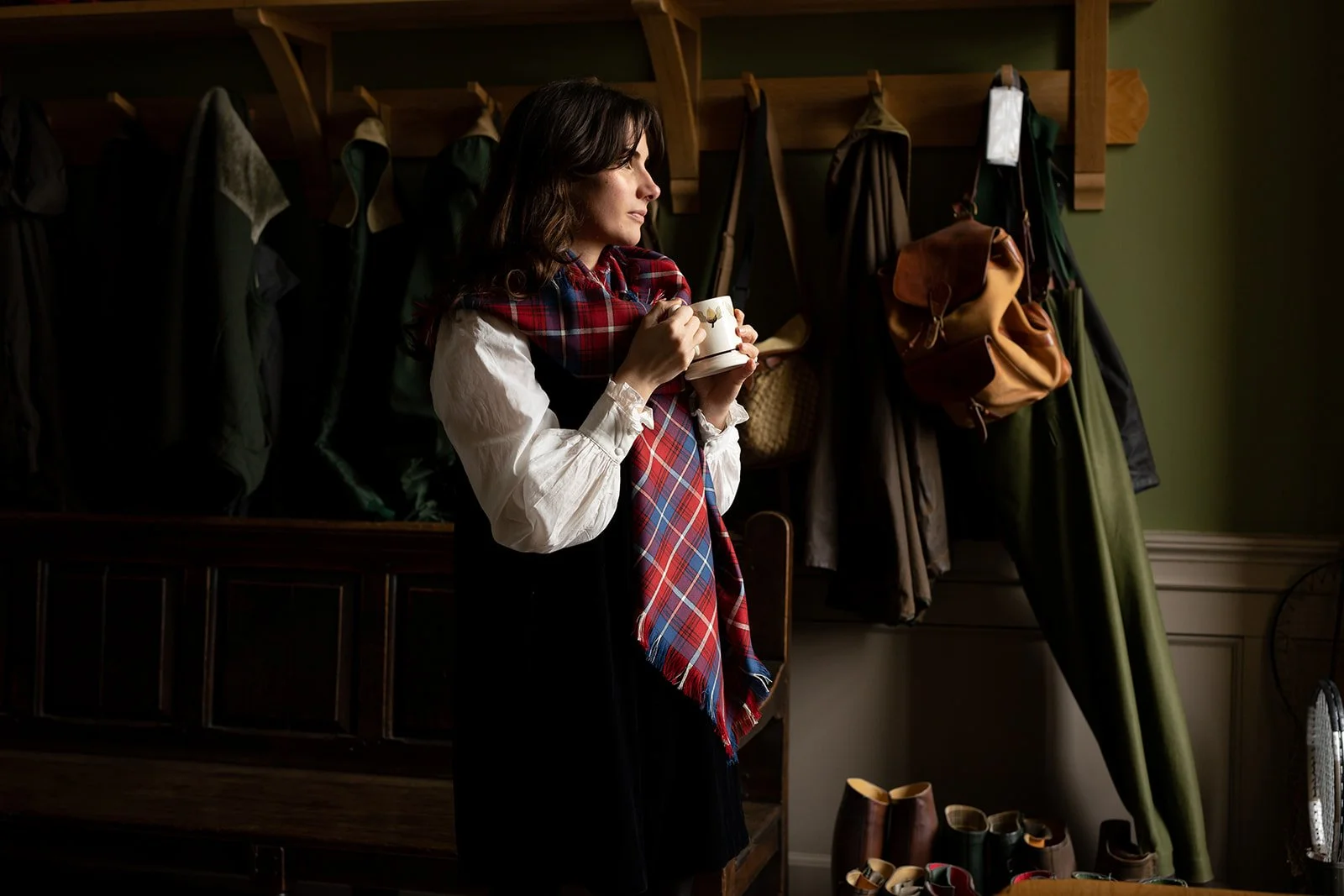
International Tartans Branding shoot inside Marchmont House in The Scottish Borders
How I Work – Quietly, Naturally, and With You in Mind
One thing clients often tell me is how calm the whole process feels — and how little it feels like a photoshoot.
I’ve been behind the camera for nearly two decades, and I’ve learned that the best images tend to happen when people forget they’re being photographed. When there’s no pressure to perform, no stiff posing, and no sense of being “done to”.
My role is to help you feel at ease, keep an eye on the light, and gently guide things as we go — without turning it into a photoshoot with a capital P.
I won’t ask you to force a smile or hold an awkward pose. We’ll chat, move around, take our time, and let things unfold naturally. The aim is always the same: photographs that feel like you, not a version you’ve had to put on.
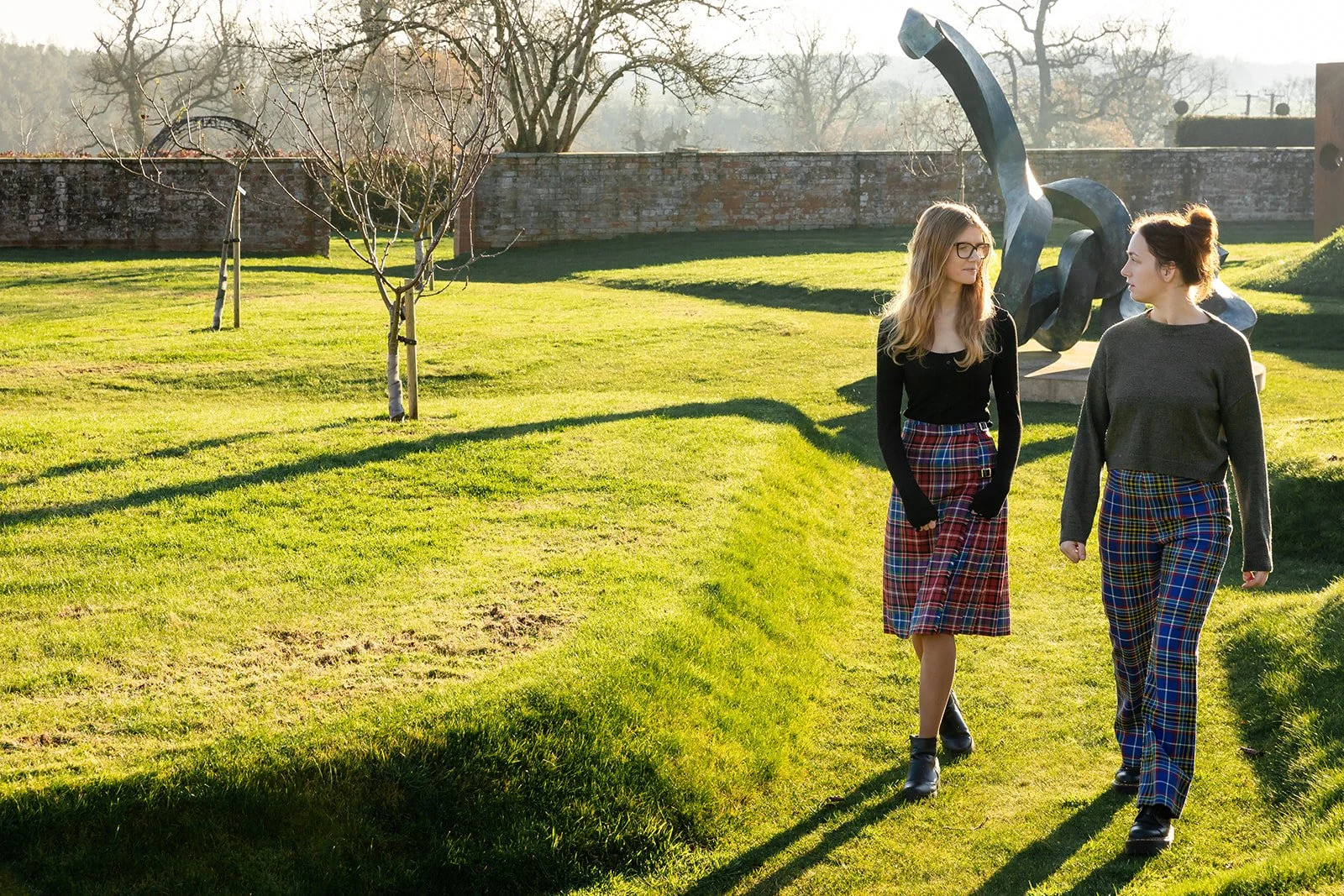
International Tartan Branding shoot at Marchmont House in Greenlaw, Duns
Choosing the Right Approach for Your Organisation
Most organisations don’t fit neatly into one box.
Some need the reliability of studio photography to create a clear, consistent starting point. Others lean more on brand photography to show values, process and personality. Often, the right approach sits somewhere in the middle — and it can shift over time as the organisation grows and changes.
The important thing is being clear about how your images will be used and what they need to do. When photography is planned with purpose, rather than chosen by default, it becomes far more useful and far more effective.
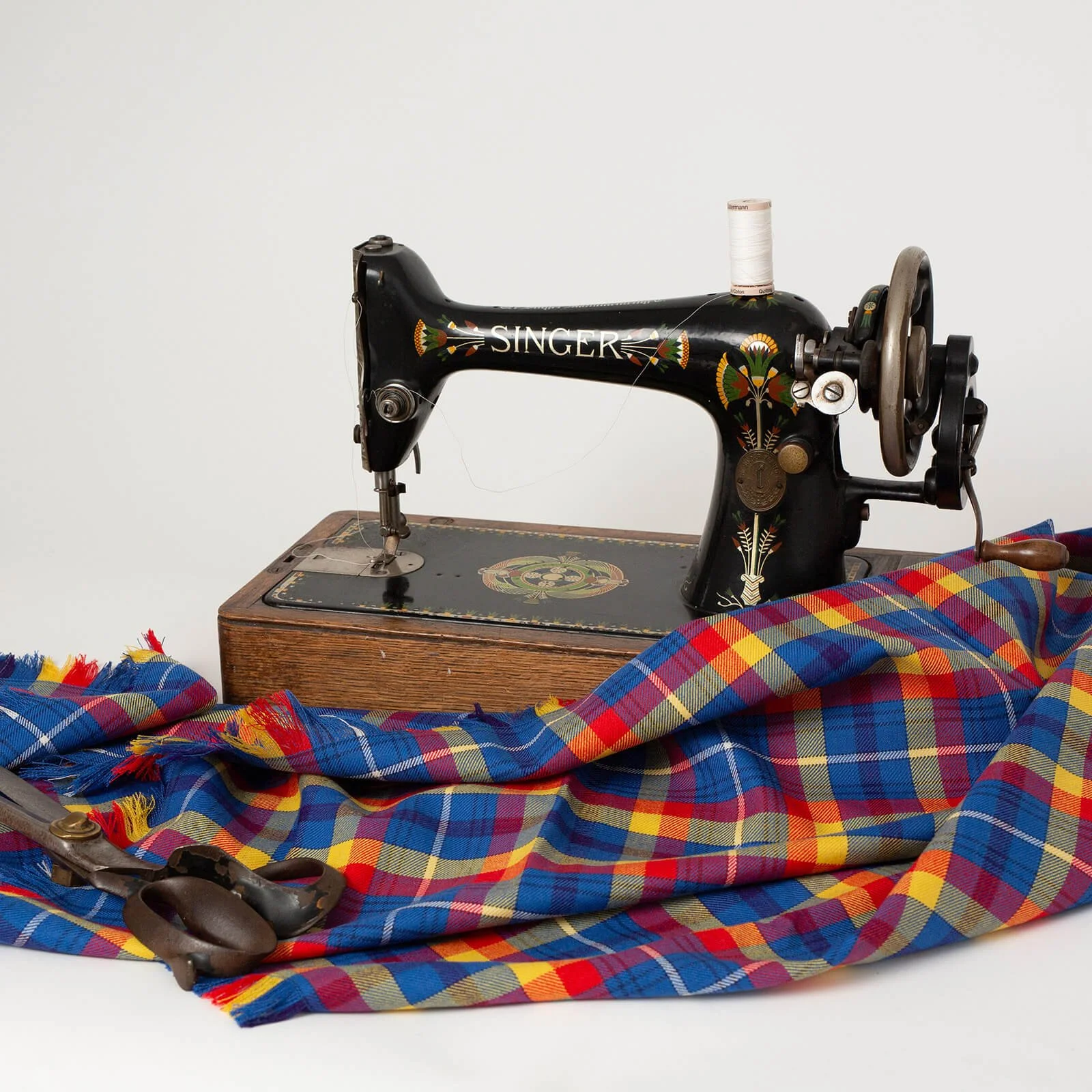
International Tartans Branding Photoshoot in Our Studio in Berwick-Upon-Tweed
Thinking About Booking a Photography Session?
If you’re unsure whether studio photography, brand photography, or a combination of the two would suit your organisation best, a short conversation can really help.
Every project is different. The most useful approach depends on what you need your images to do — now and as your organisation grows.
If you’d like to talk things through, you’re very welcome to book a call here
You may also find this helpful:
How to Prepare for a Branding Shoot
Which of These 7 Types of Product Photography is Best for Your Business?
94% of First Impressions Online Are Visual - Here’s How We Made That Work for Brian.
94% of first impressions online are visual - which means the photos on your website matter more than you might think.
When Brian from Design & Prototype got in touch, he wanted better photos for his business. What began as a simple workshop shoot quickly grew into a full rebrand: new photography, a refreshed logo, and a modern, cohesive website that’s helping him attract the kind of projects he really wants.
Most small business owners don’t see themselves as “brands” - they see the workshop, the tools, the workbench, not the bigger picture. But that’s exactly what brand photography helps reveal.

Here’s Brian in the Design & Prototype workshop. We photographed him at work - surrounded by sawdust, metal shavings and machinery - the kind of authentic detail that stock photos never capture. Later, a few of his finished pieces came into my studio to be photographed under good light and on a plain grey and white background - even large handcrafted items can work beautifully in a controlled product photography setup.


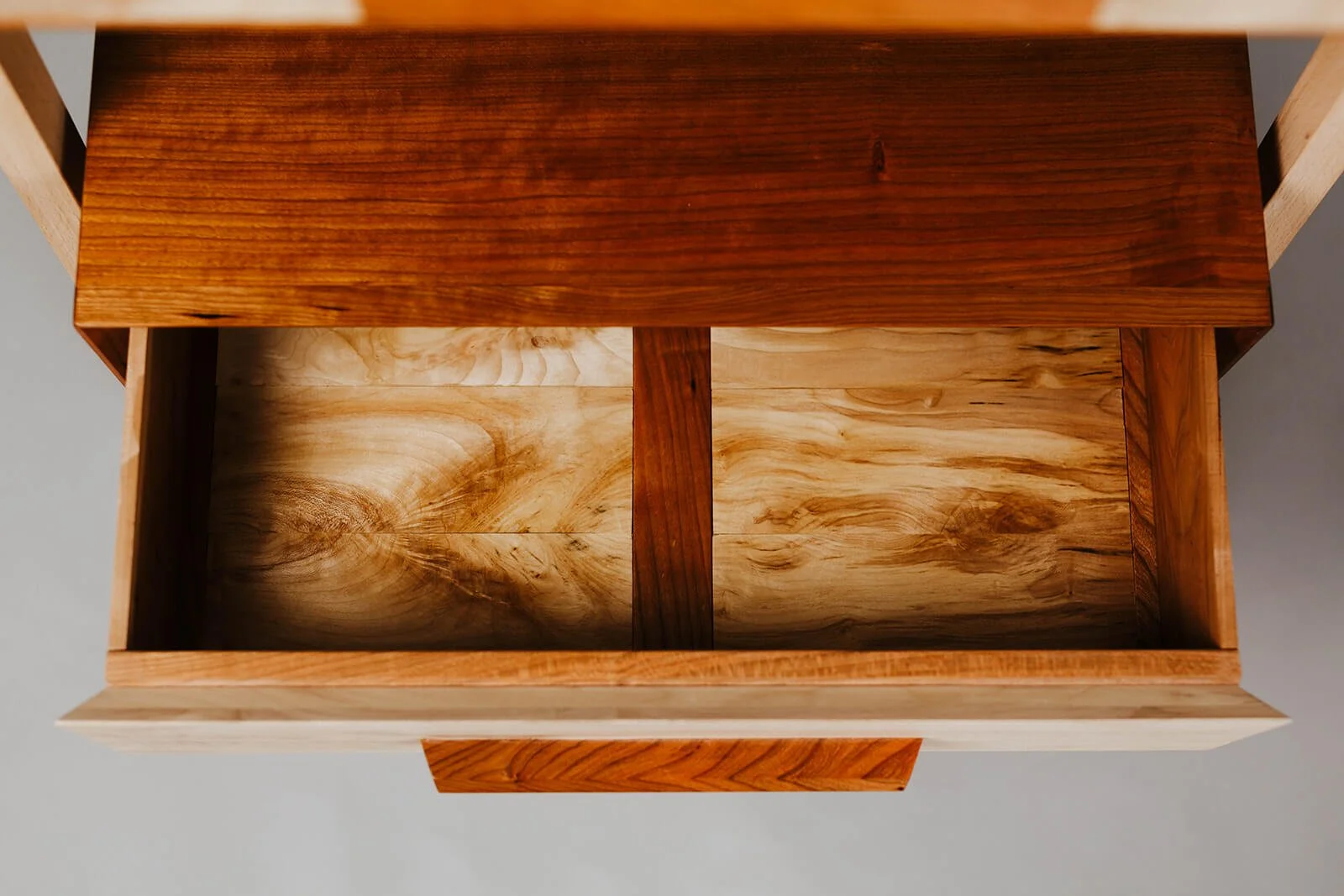


Once the brand and product photography library was in place, we refreshed his logo and website - keeping the clean, modernist feel he liked, but stripping back the bold primary colours that had made the old design tricky to use. The new site uses yellow and grey tones, echoing his machinery and giving a nod to industrial design - modern, timeless, and easy to navigate.
After the website launch, Brian decided to add a Velocette motor repair section. Everything was already in place visually, and the consistency of his new branding helped attract steady work in this niche area.
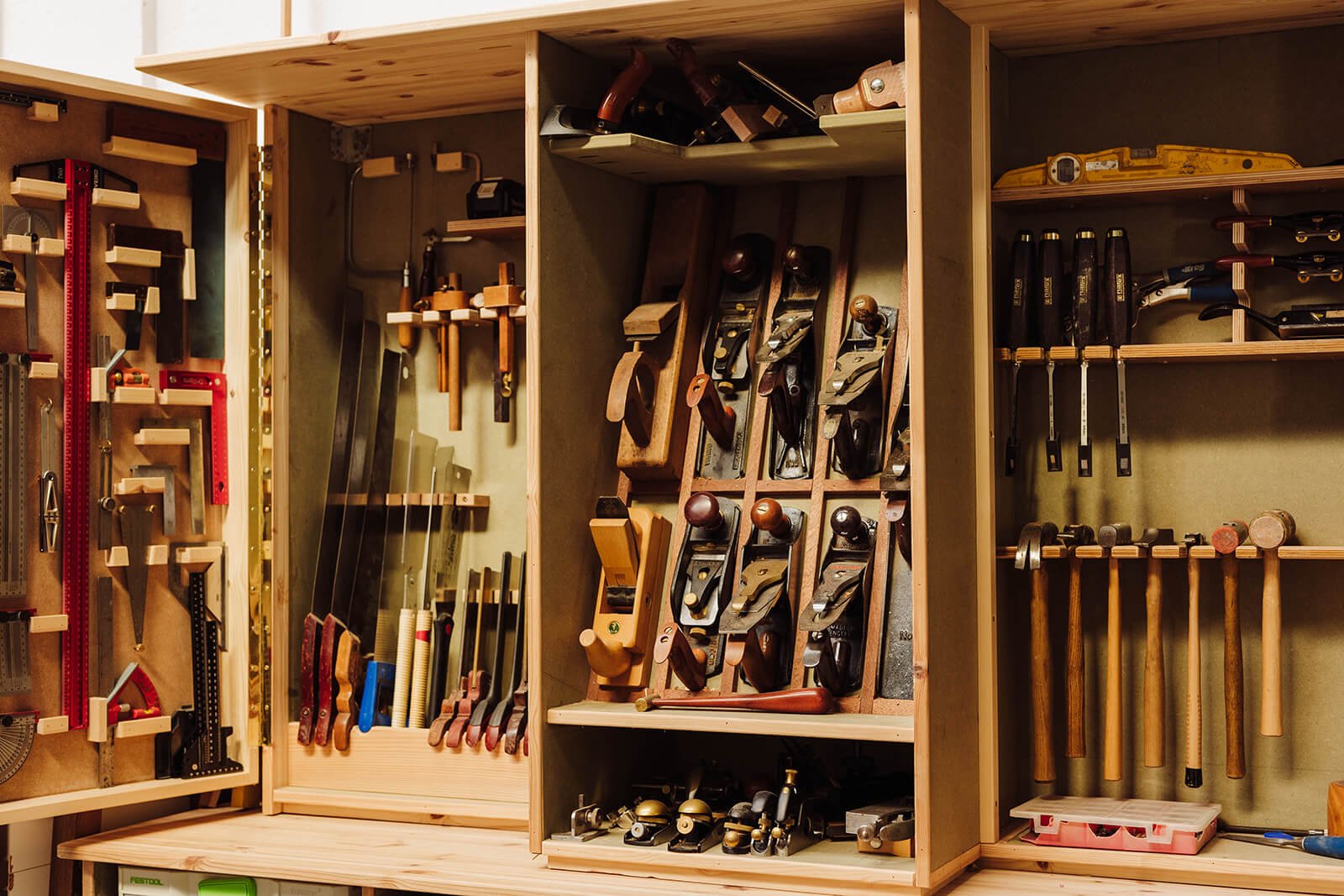
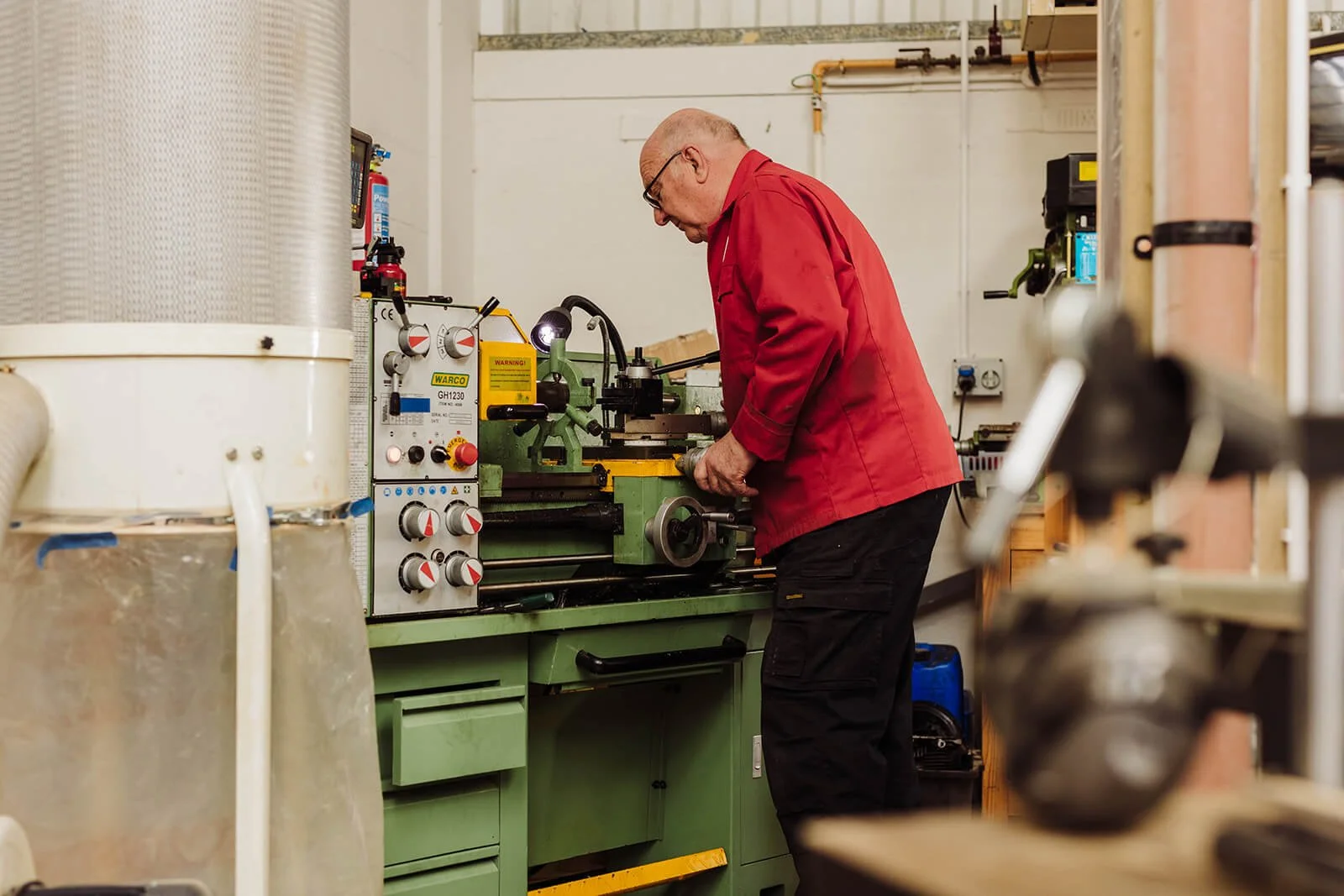

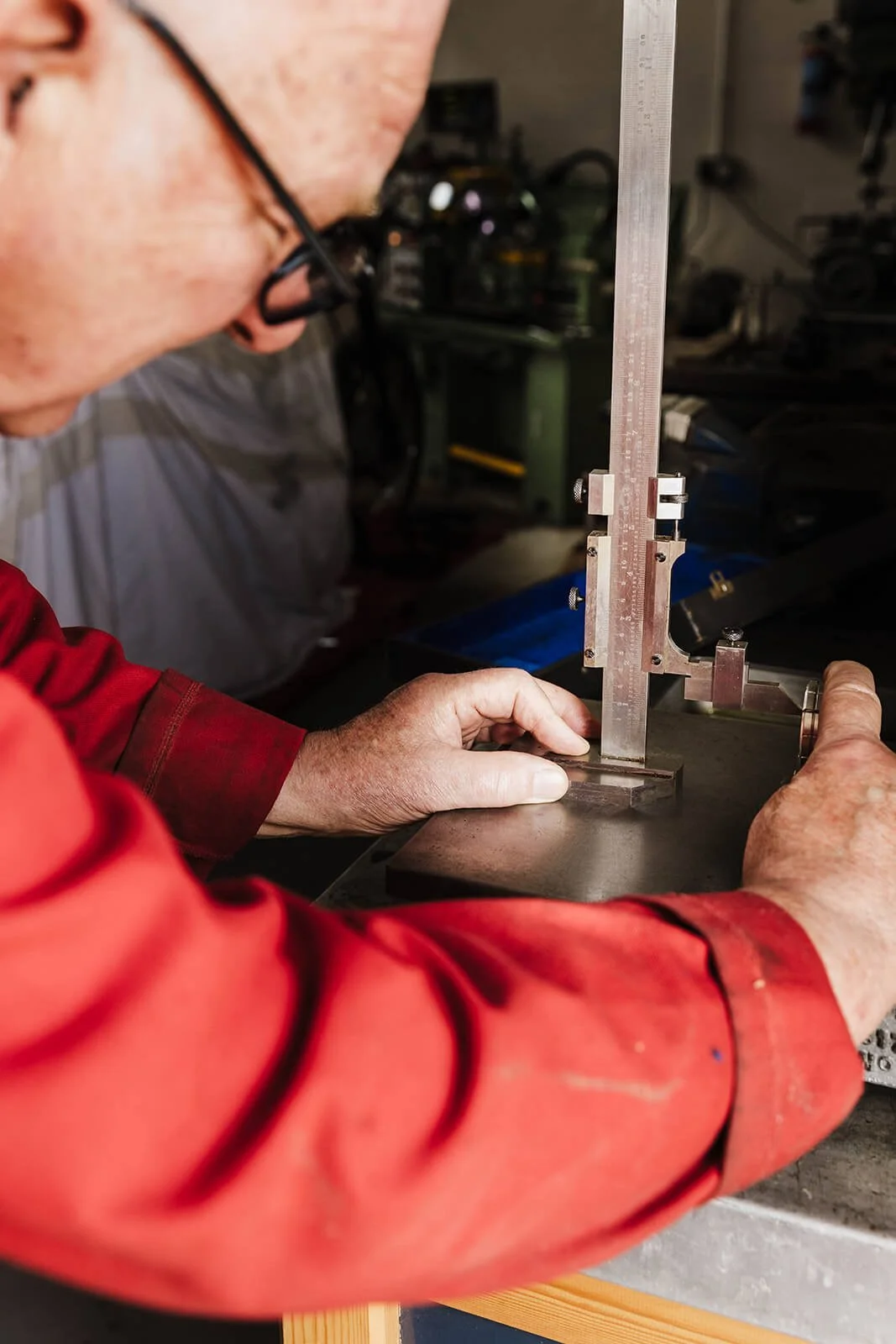

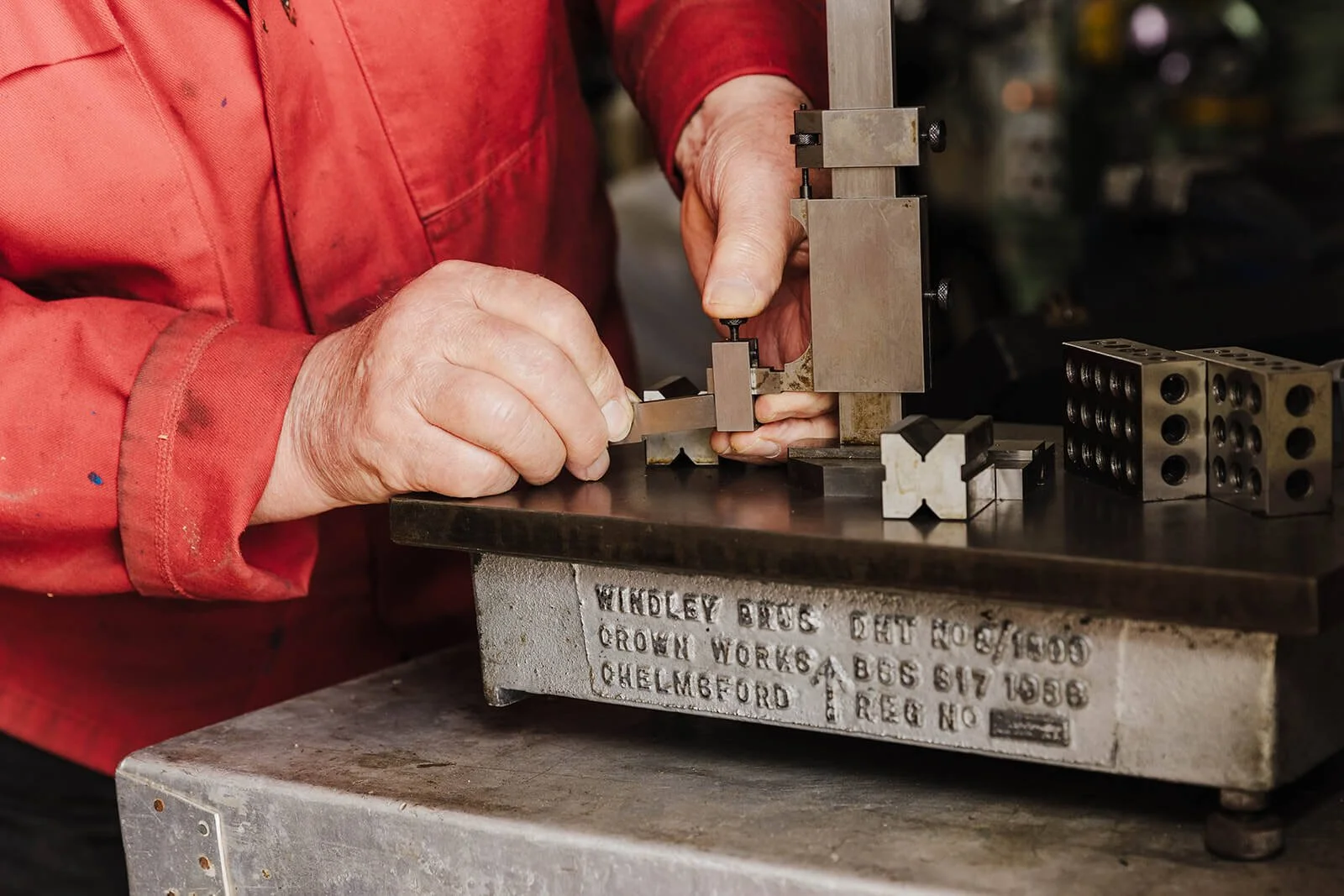
Strong brand imagery doesn’t just look good - it builds trust. For small businesses, it shows the person behind the craft, the hands that make, the pride that keeps a workshop running. Whether you’re a joiner, florist, or designer, photography helps your audience connect the dots between what you do and who you are.
If you’re curious about what brand photography could do for your own business, check out my Brand Photography page. You don’t need a studio-ready brand - just a good story, and I’ll help you show it.

Why Faces (and Hands!) Might Be the Missing Piece in Your Product Photography
When it comes to building a strong brand, product photography is key – but it’s not just about the products. It’s also about the people behind them and the story you tell. Visual content is one of the most powerful tools to convey who you are as a business - 93% of consumers rank visual appearance as a key factor in purchase decisions, and content with relevant images gets 94% more views than content without. In other words, great product photography can make or break your brand’s first impression. More importantly, your ideal customers want to connect with the faces and values behind the brand, not just the products. That’s why showcasing the people and personality behind your products is such a game-changer for brand identity.

Why Visual Content Is Vital for Your Brand
We’re bombarded with images on social media and online shops, so to stand out you need high-quality, story-driven visuals. People remember up to 65% of visual content after three days (versus only about 10% of written content), so strong imagery not only grabs attention but also sticks with your audience. For a small business, scroll-stopping photos can give you an edge over larger competitors.
On social media, posts with images - especially those featuring people get much higher engagement. Instagram photos with human faces receive 38% more likes than those without (according to a Georgia Tech study). This shows customers crave authenticity and human connection, not just pretty product shots. Visuals that include real people help build trust and familiarity; in fact, 86% of consumers say authenticity is important when deciding which brands to support (Stackla survey). By featuring real people (whether your team, customers, or yourself) or even just parts of people (like hands if you’re shy!) in your product photos, you create that authenticity and turn standard catalog shots into a narrative about your brand.
Putting People Behind the Products
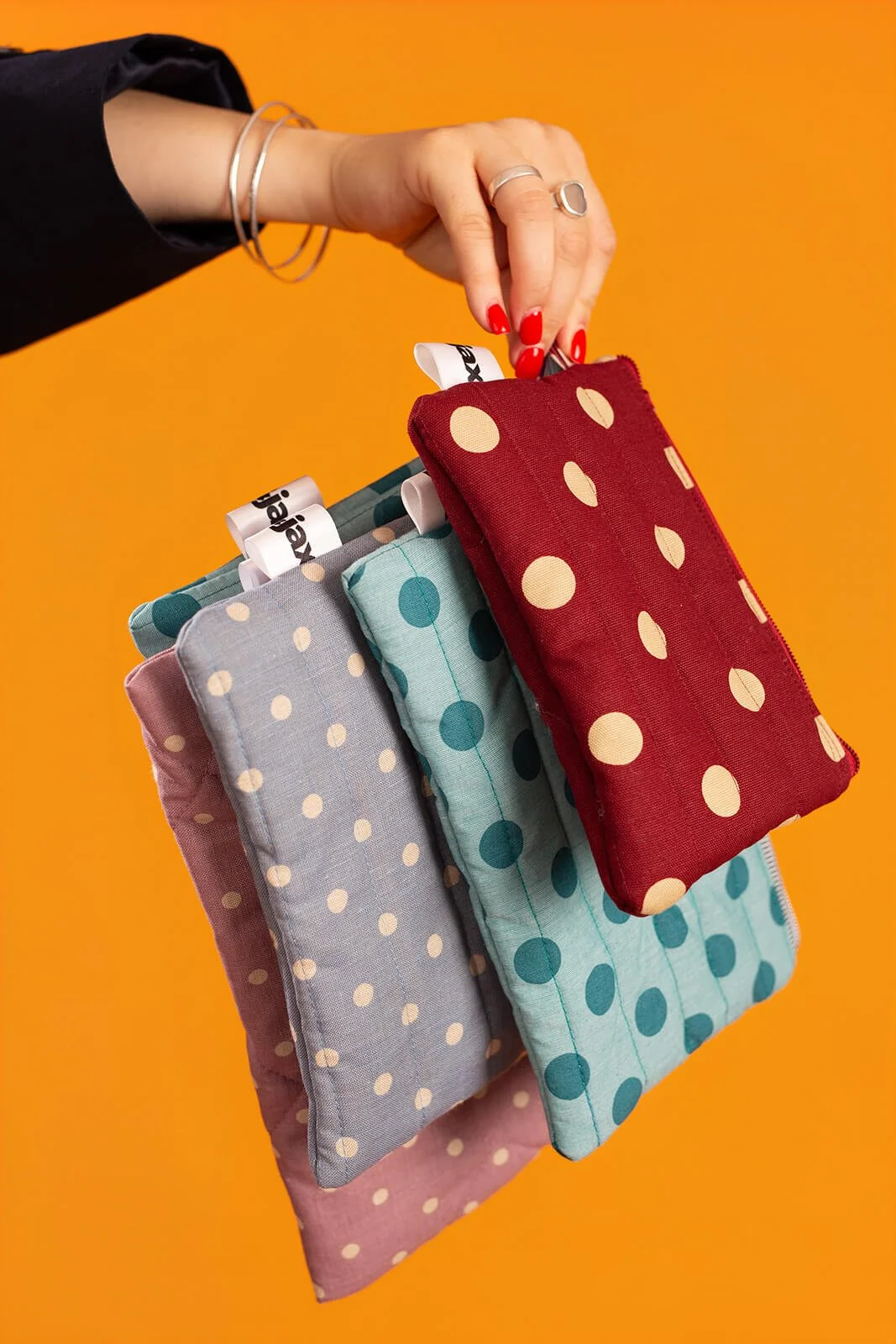
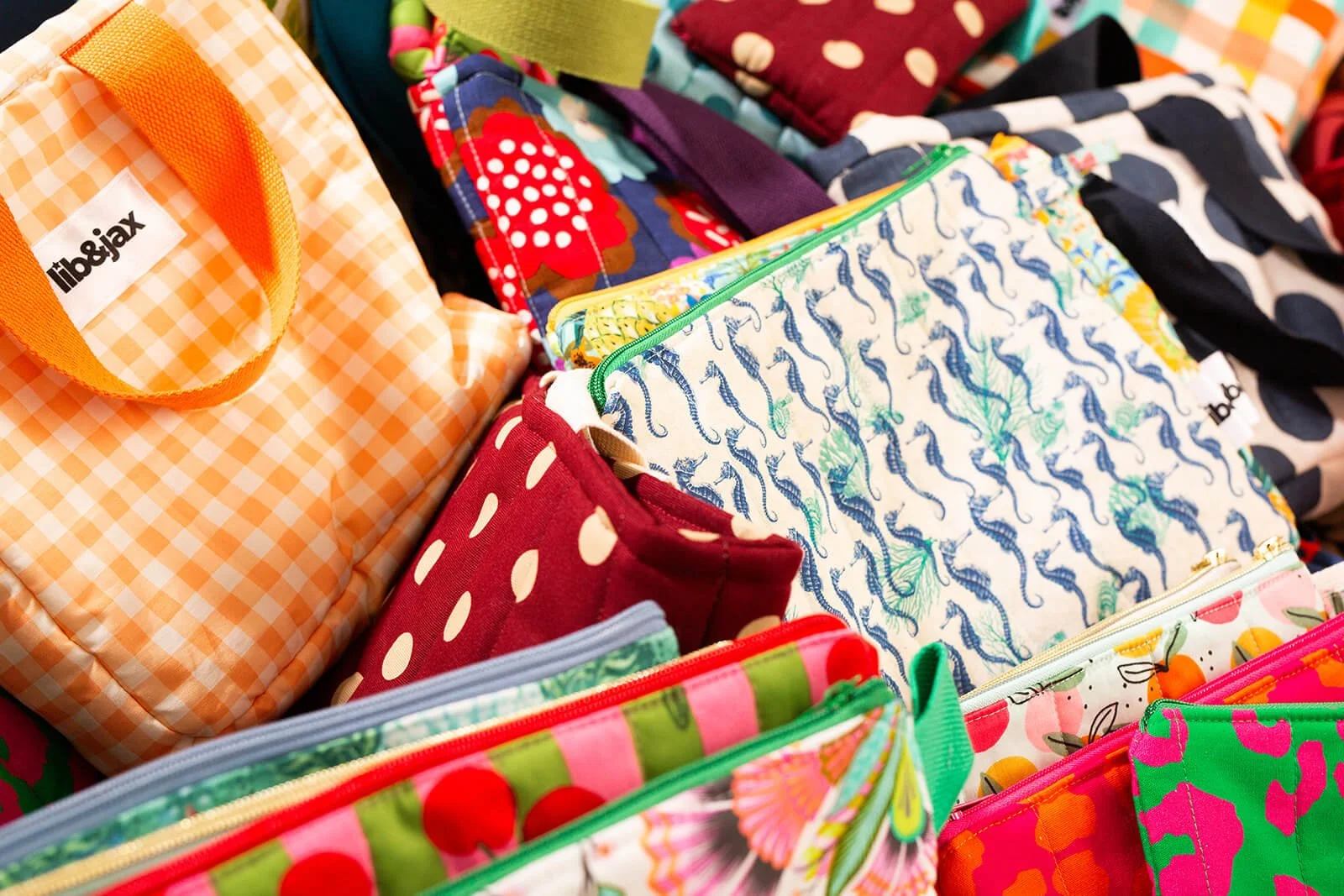
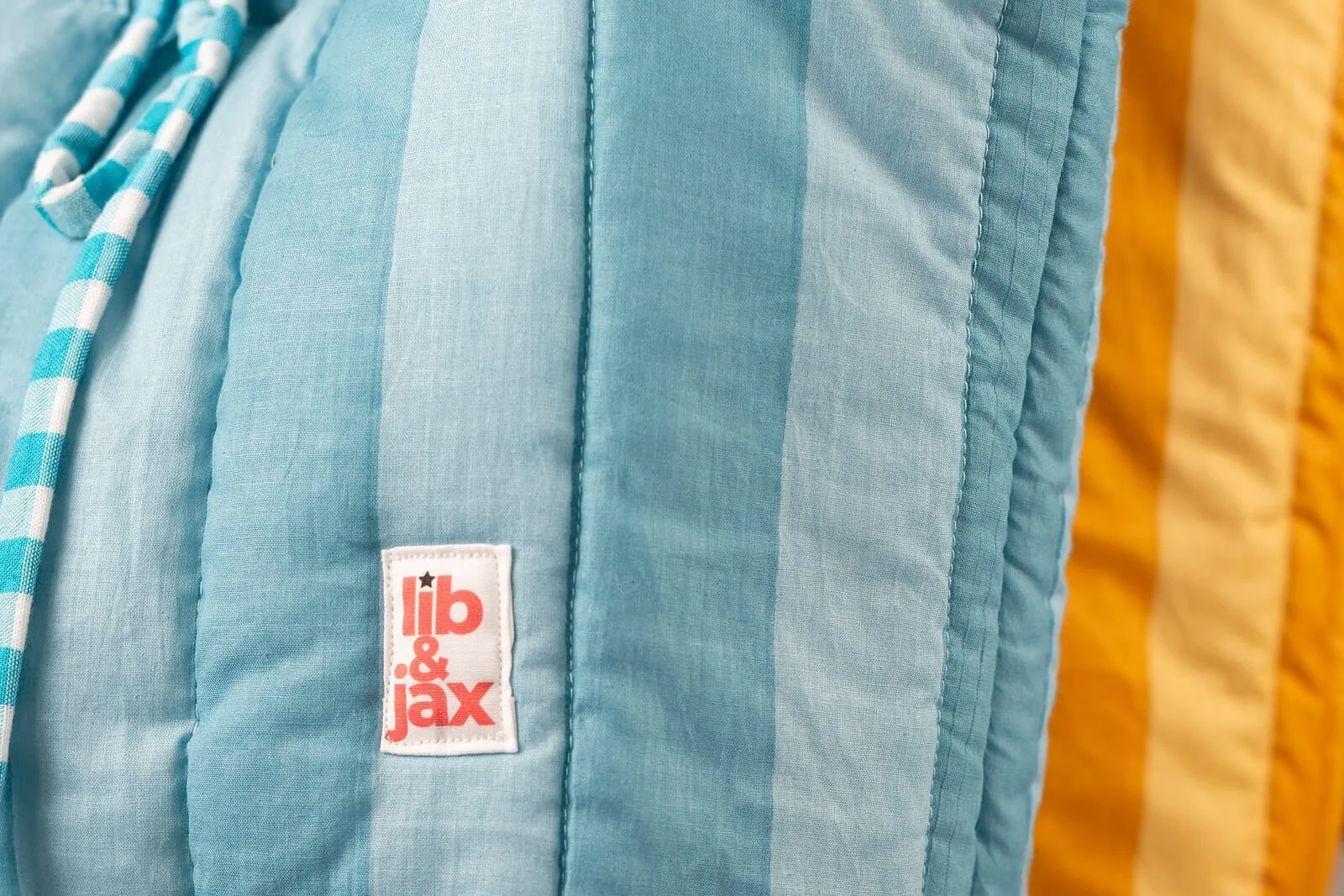
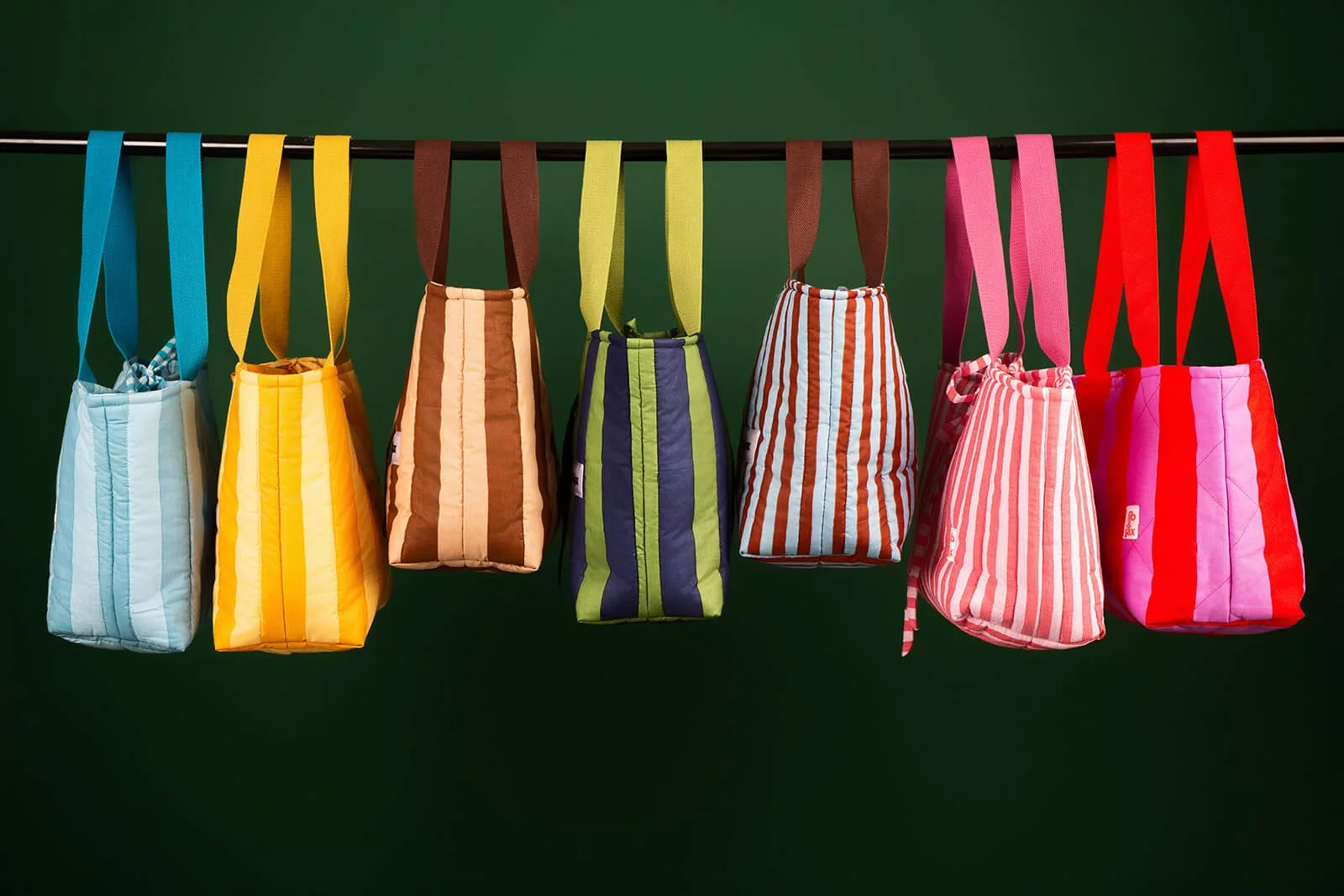
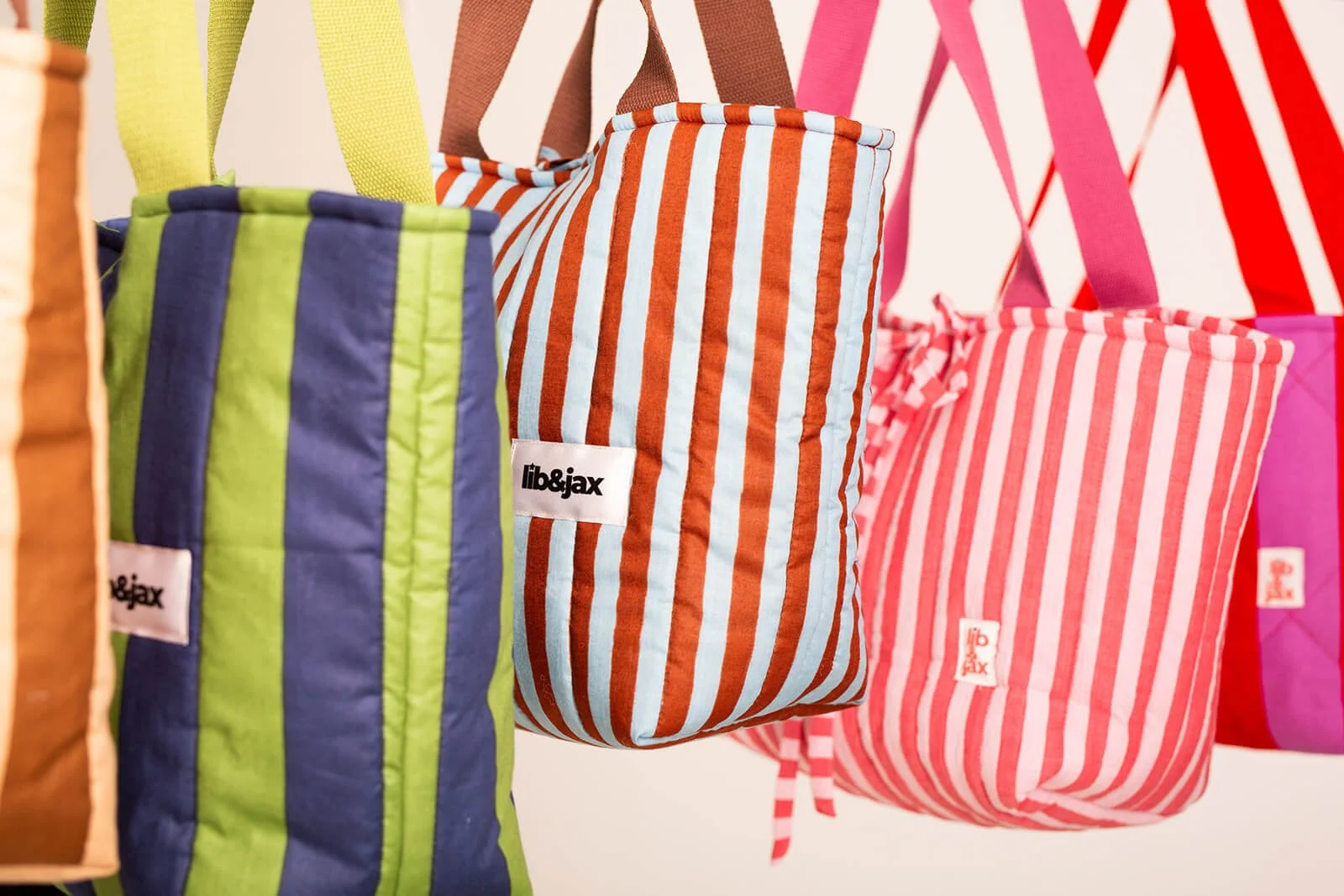
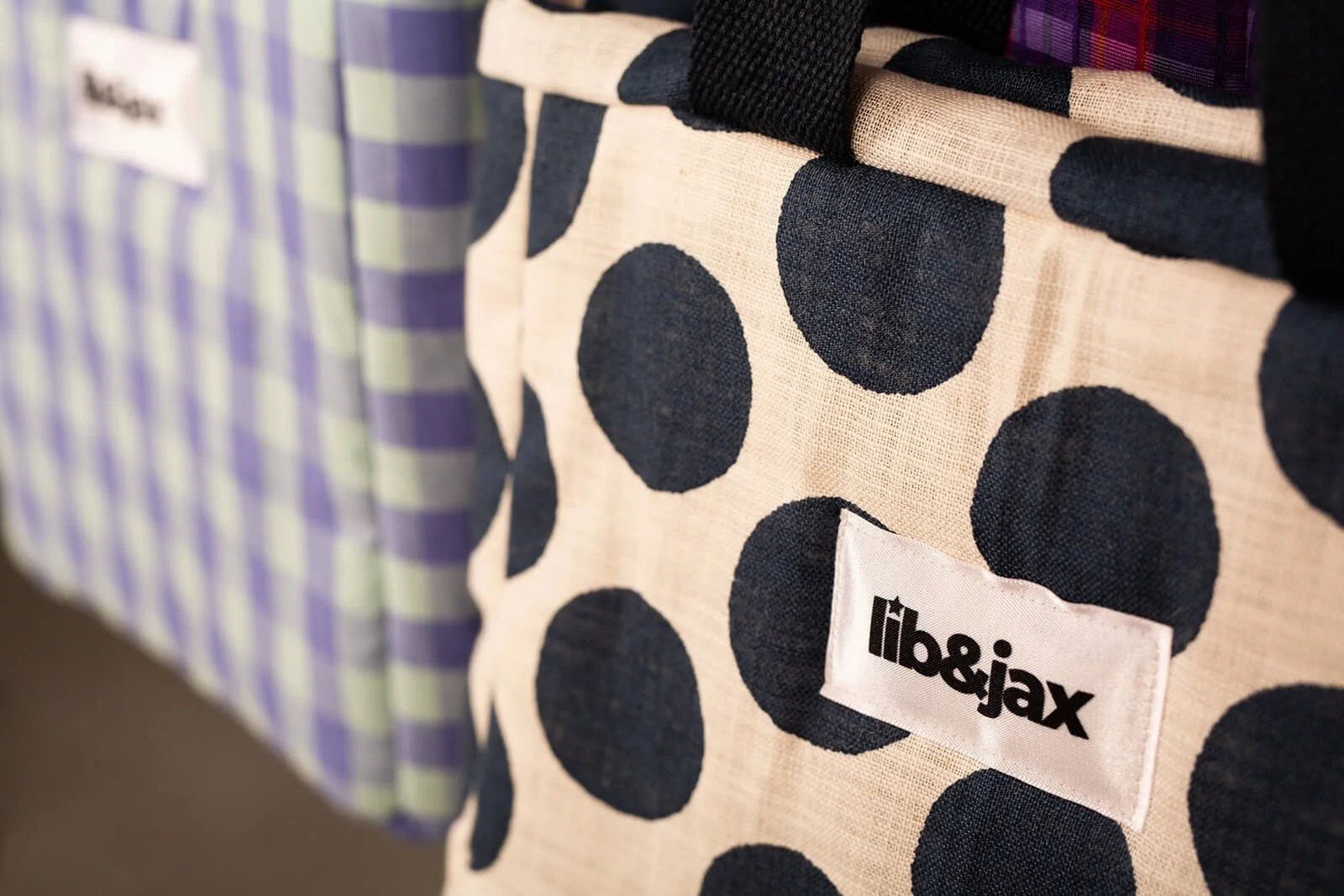
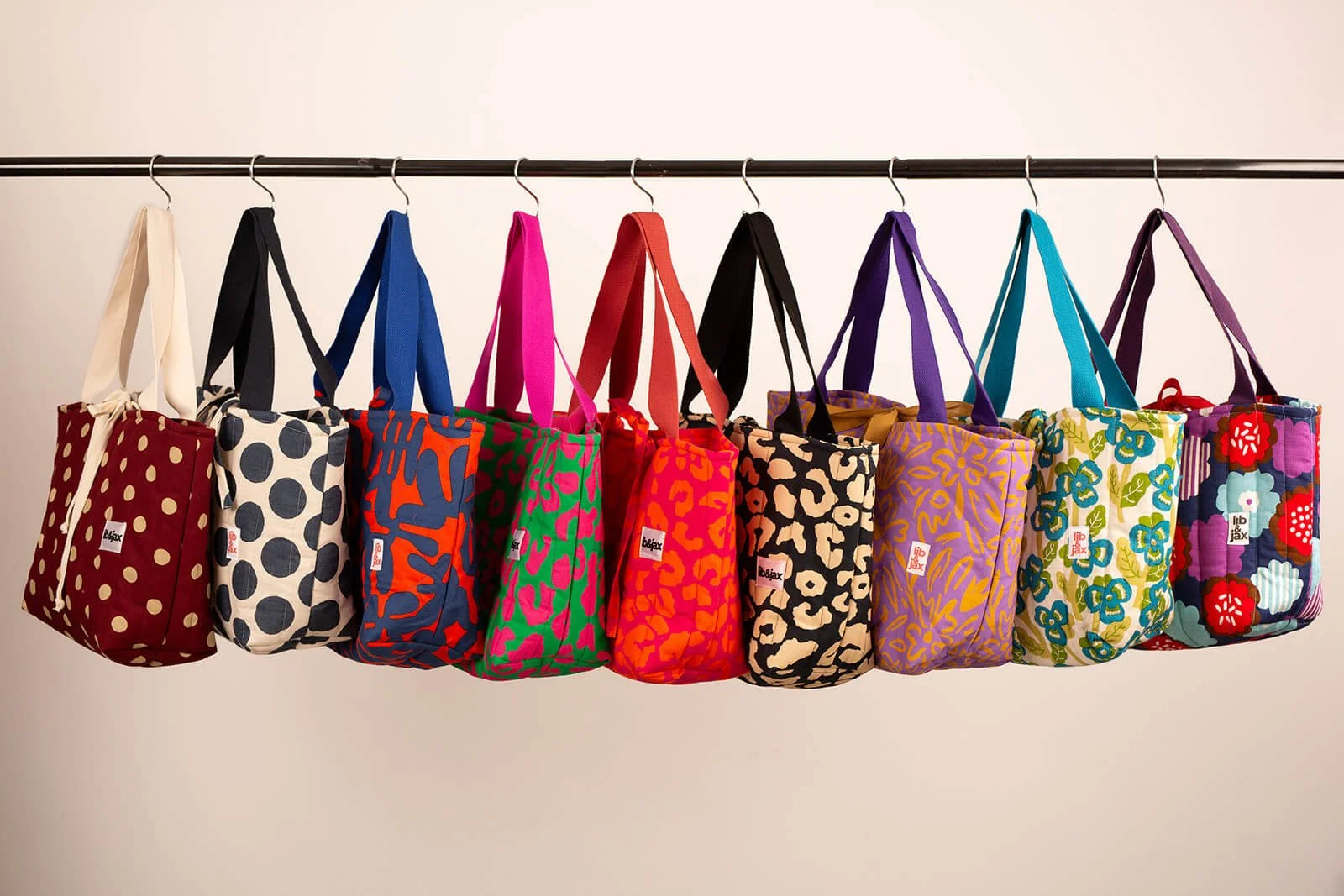
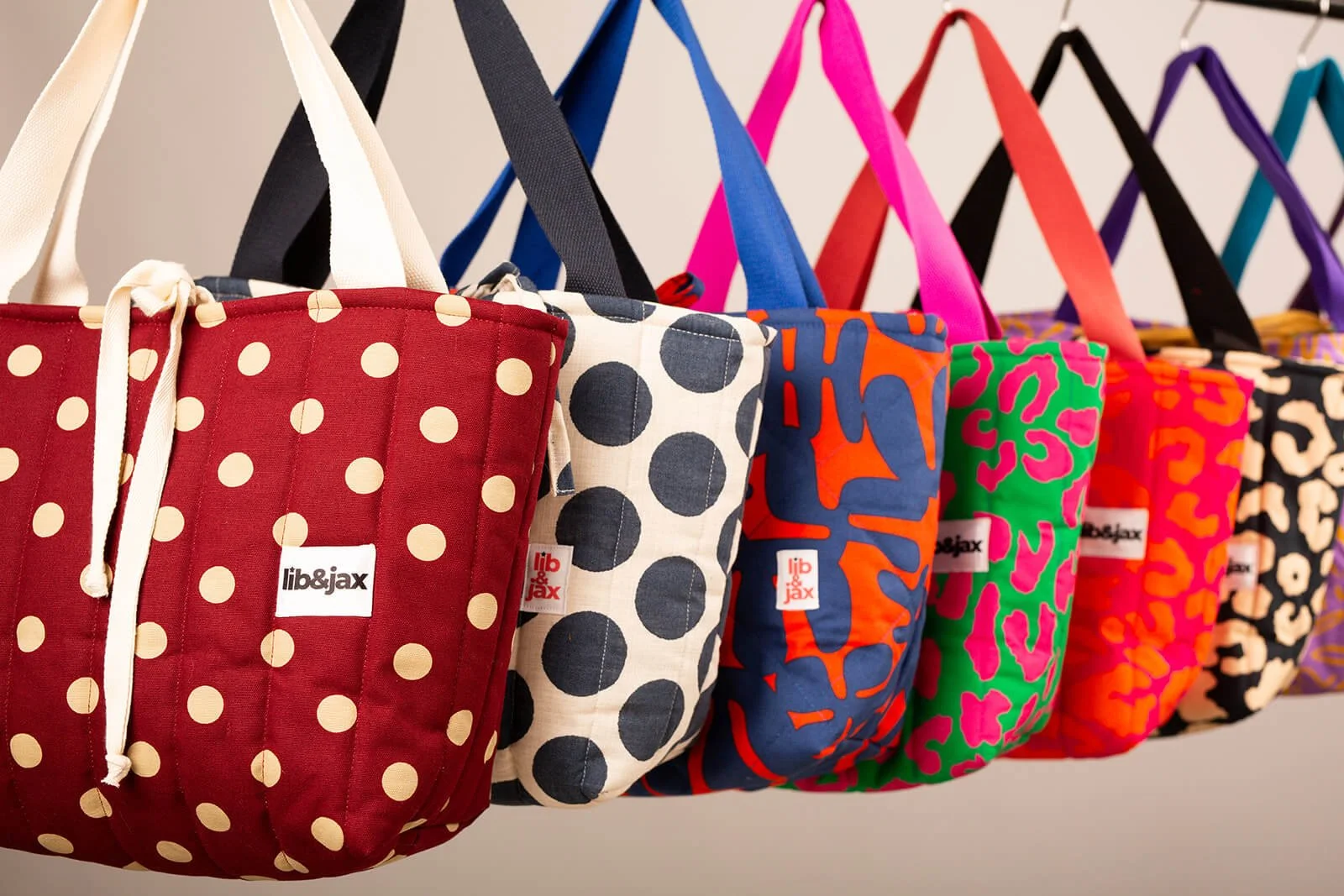
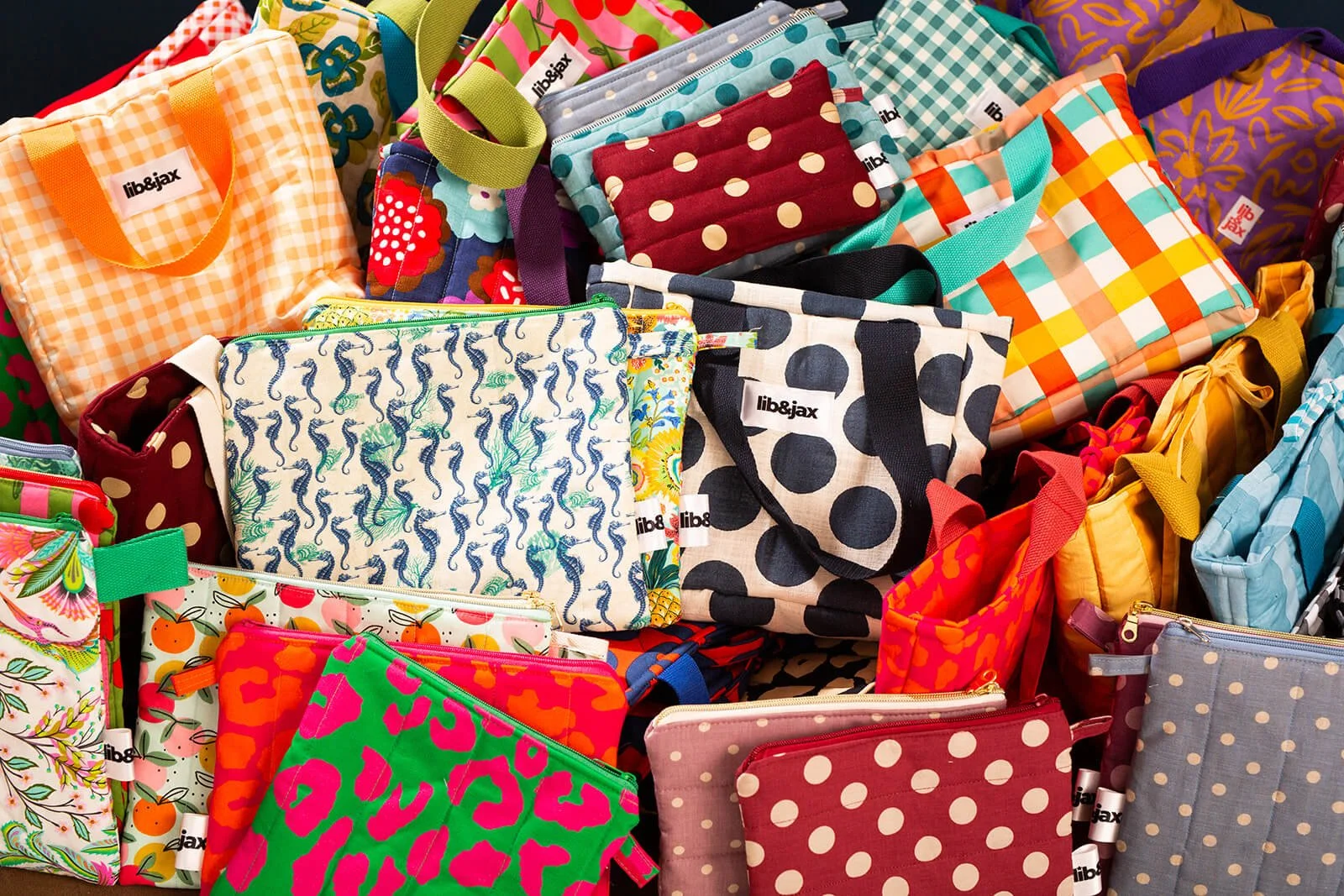
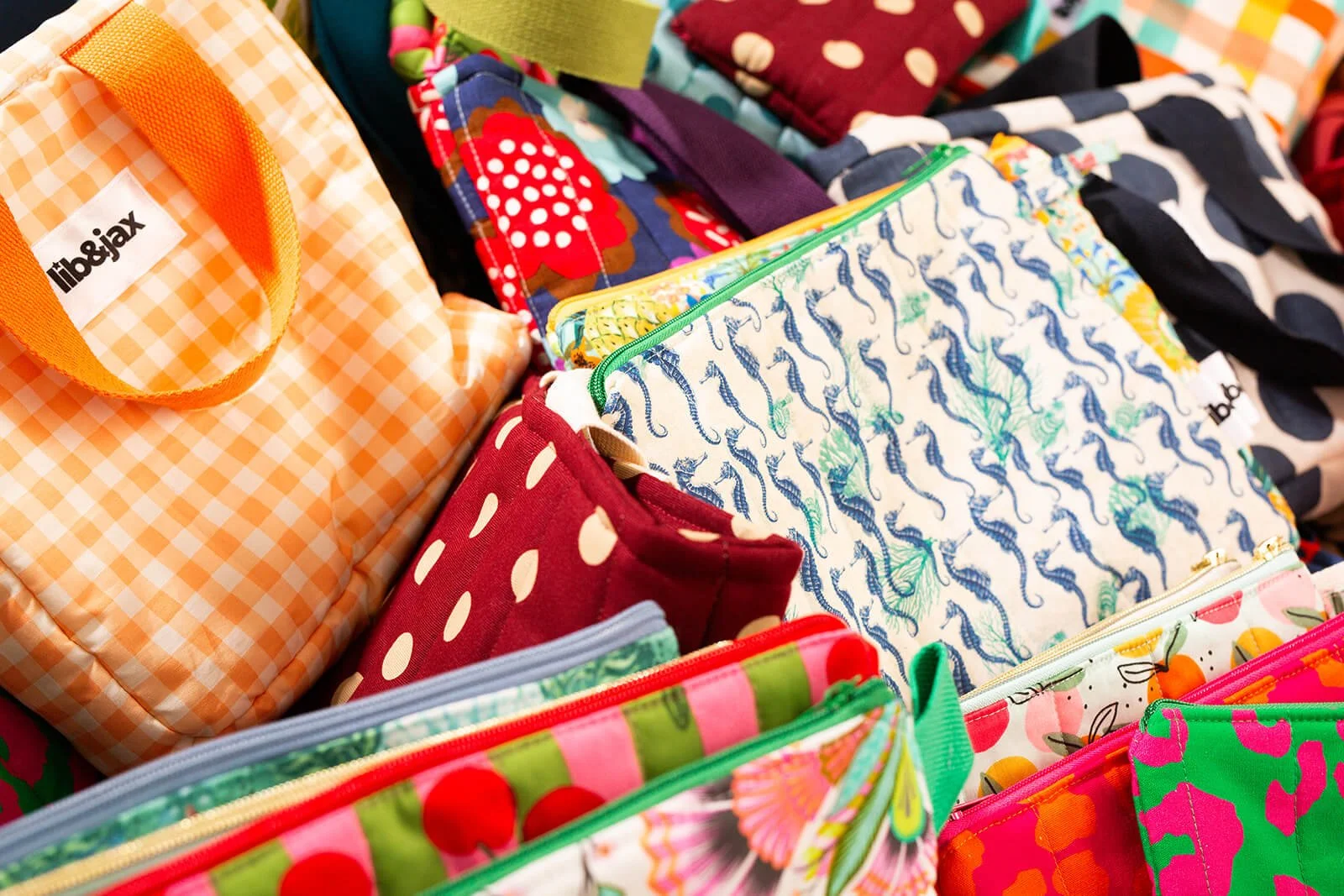
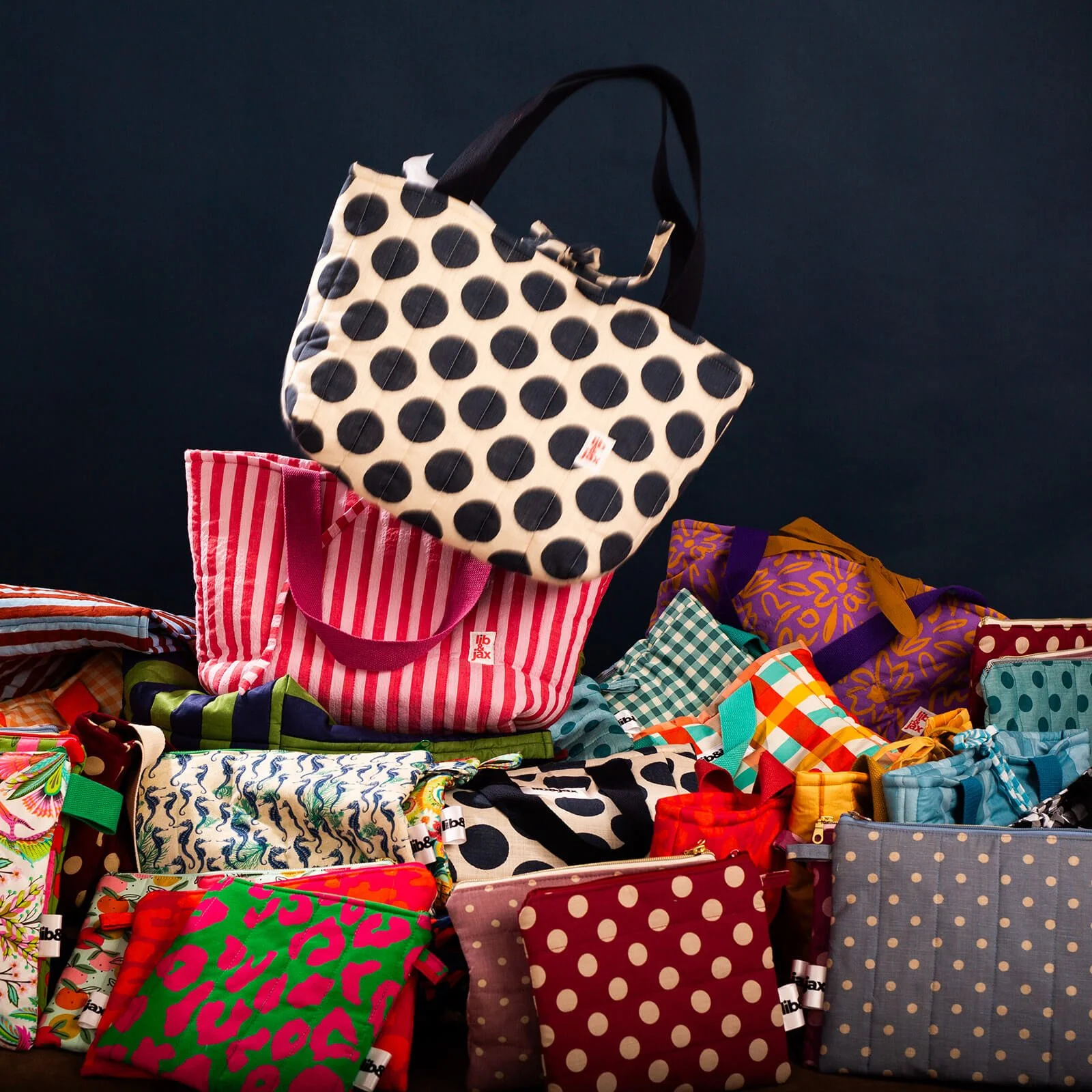
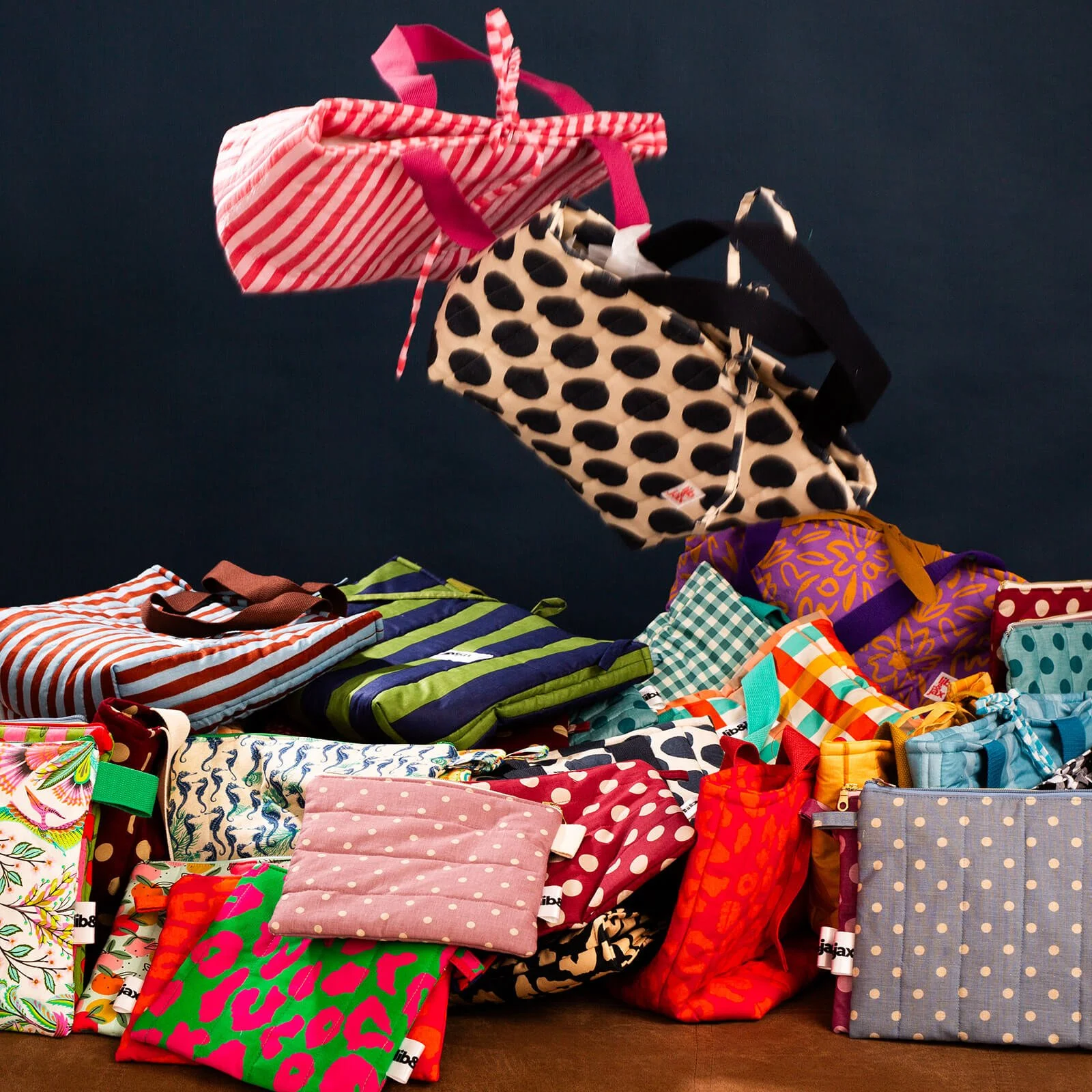
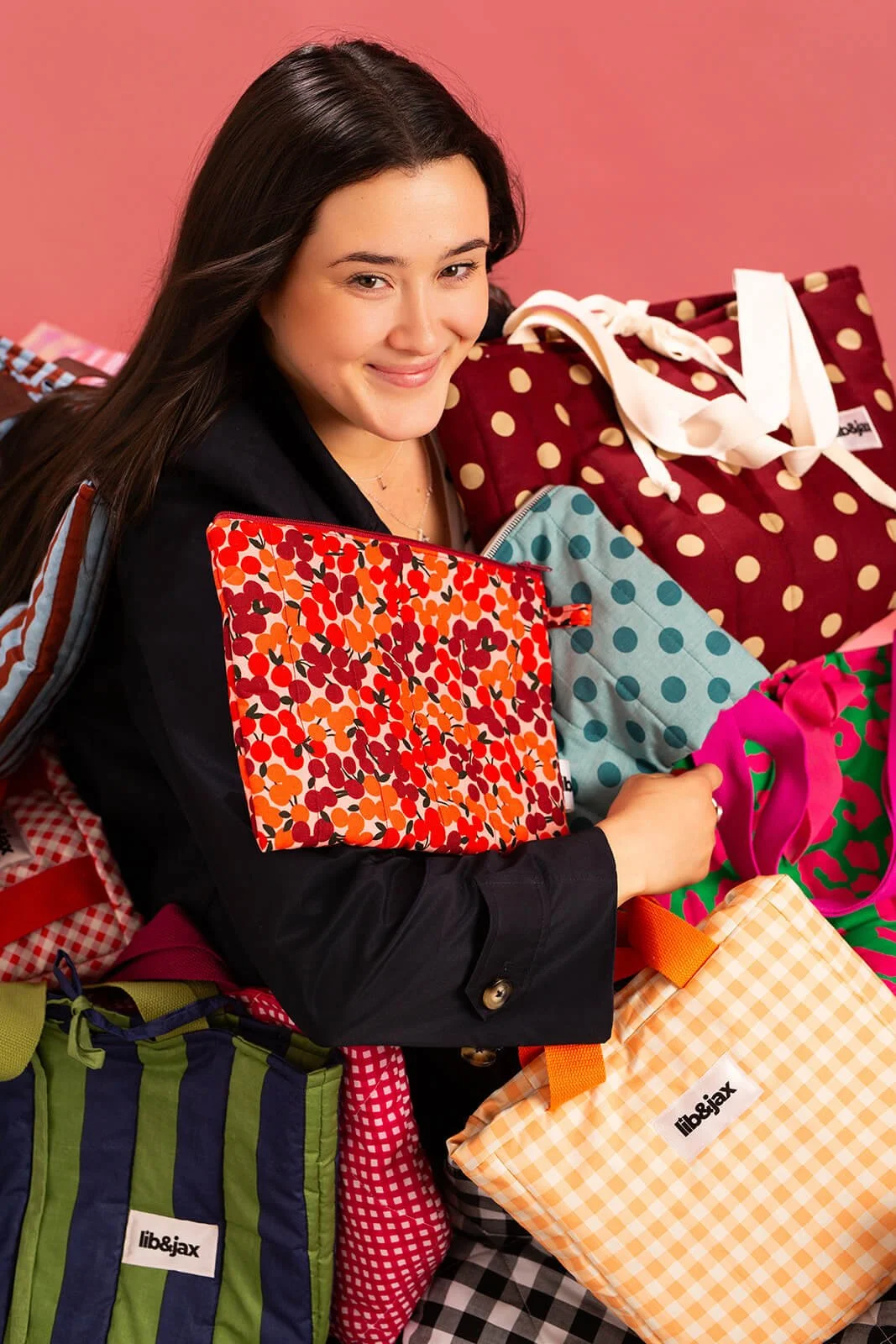
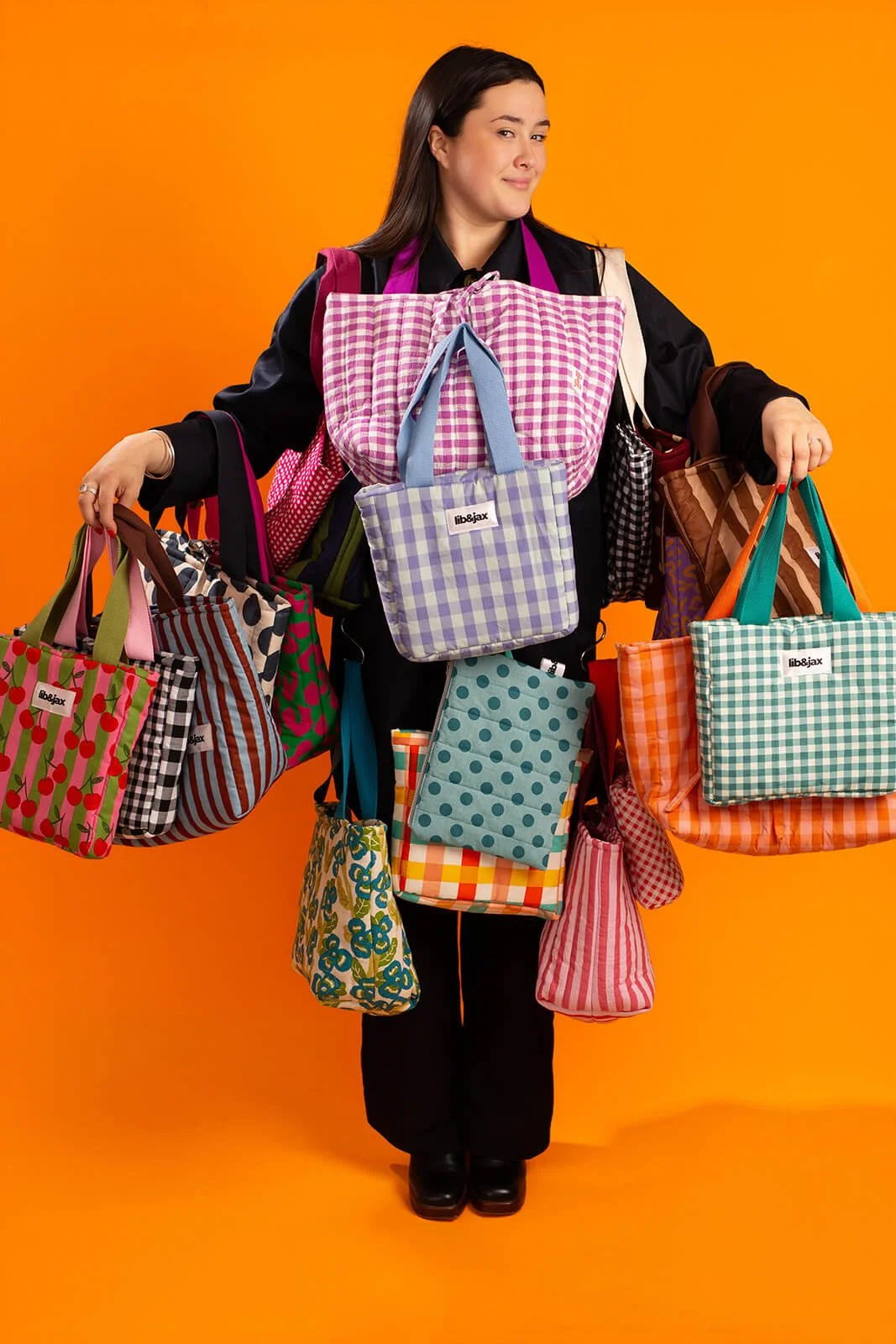
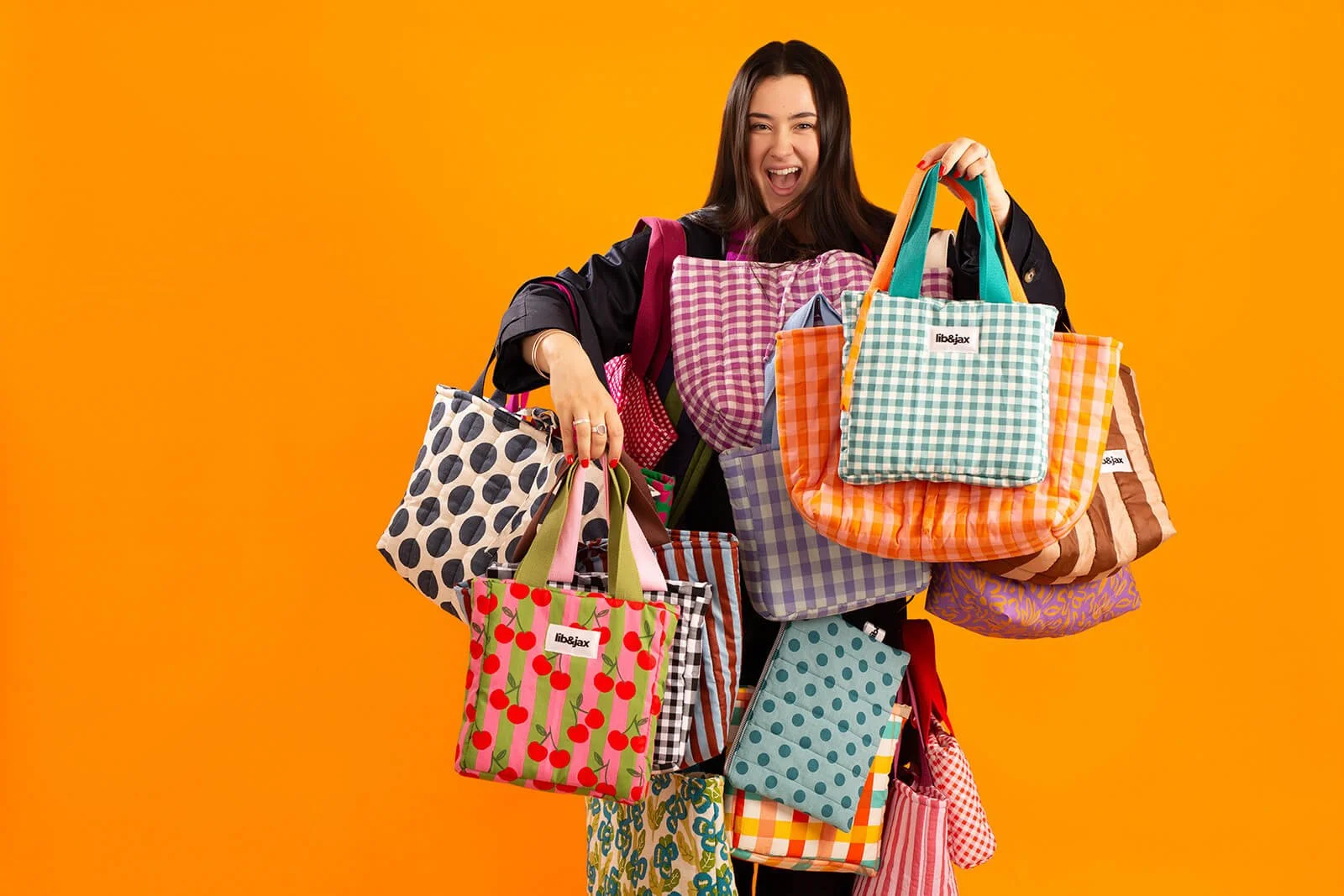
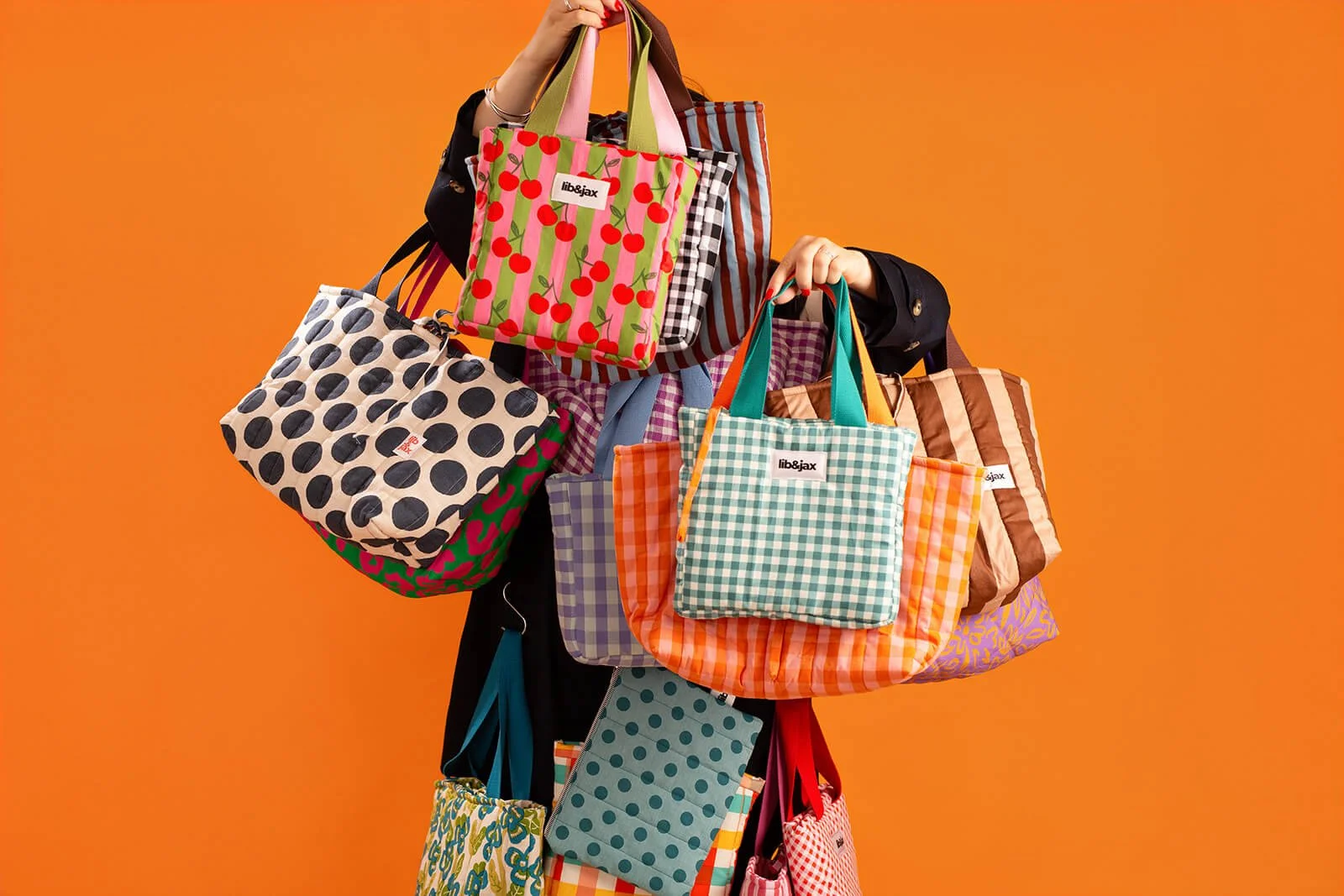
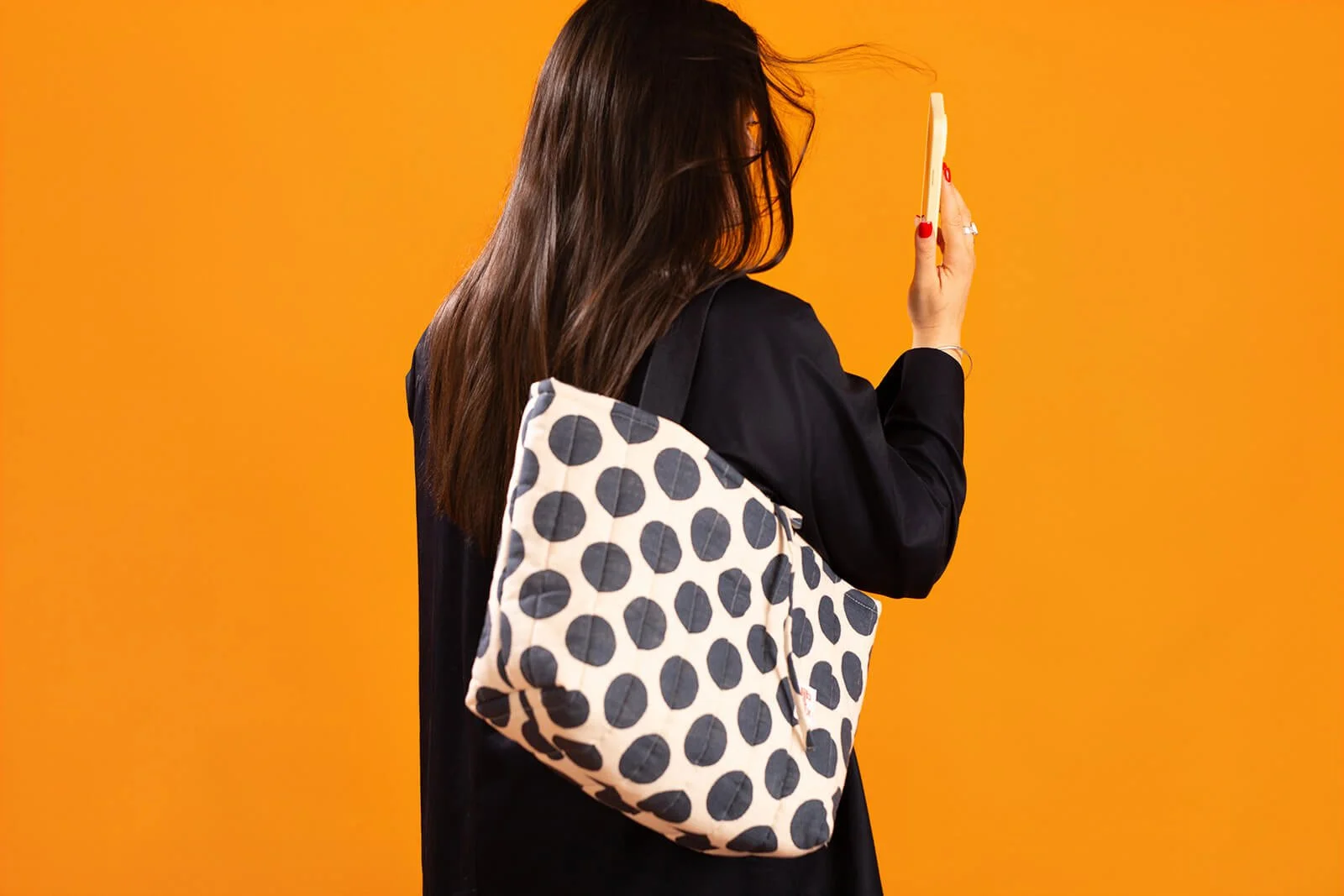
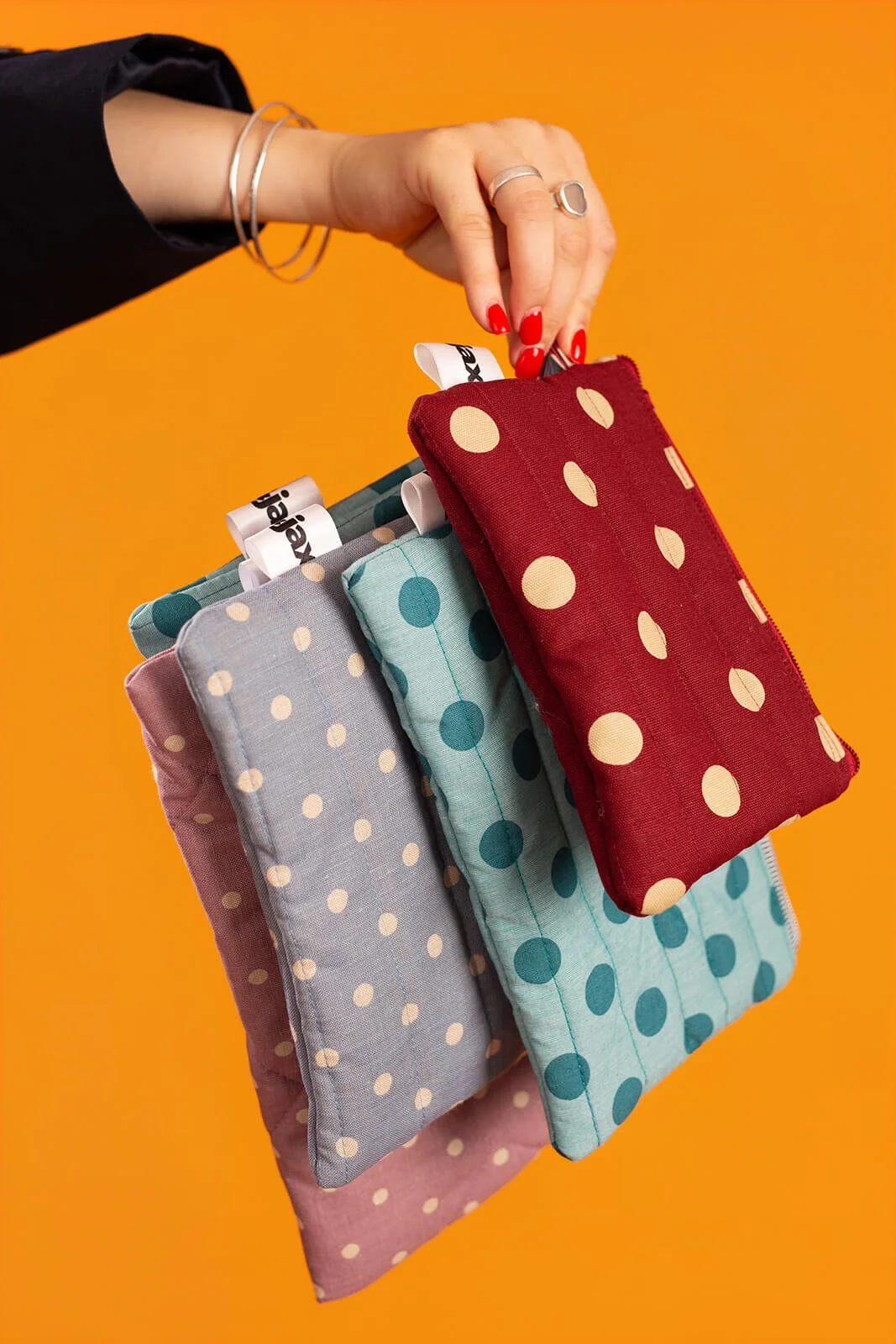
One way to bring authenticity into product photography is by literally putting the person into the picture. For example, I recently did a shoot with Liberty, the founder of Lib&Jax, a local brand that handcrafts colorful bags and cases from reclaimed (deadstock) fabrics. Lib&Jax isn’t just selling bags – they’re selling a story, and showcasing the people behind the products helps bring that story to life.
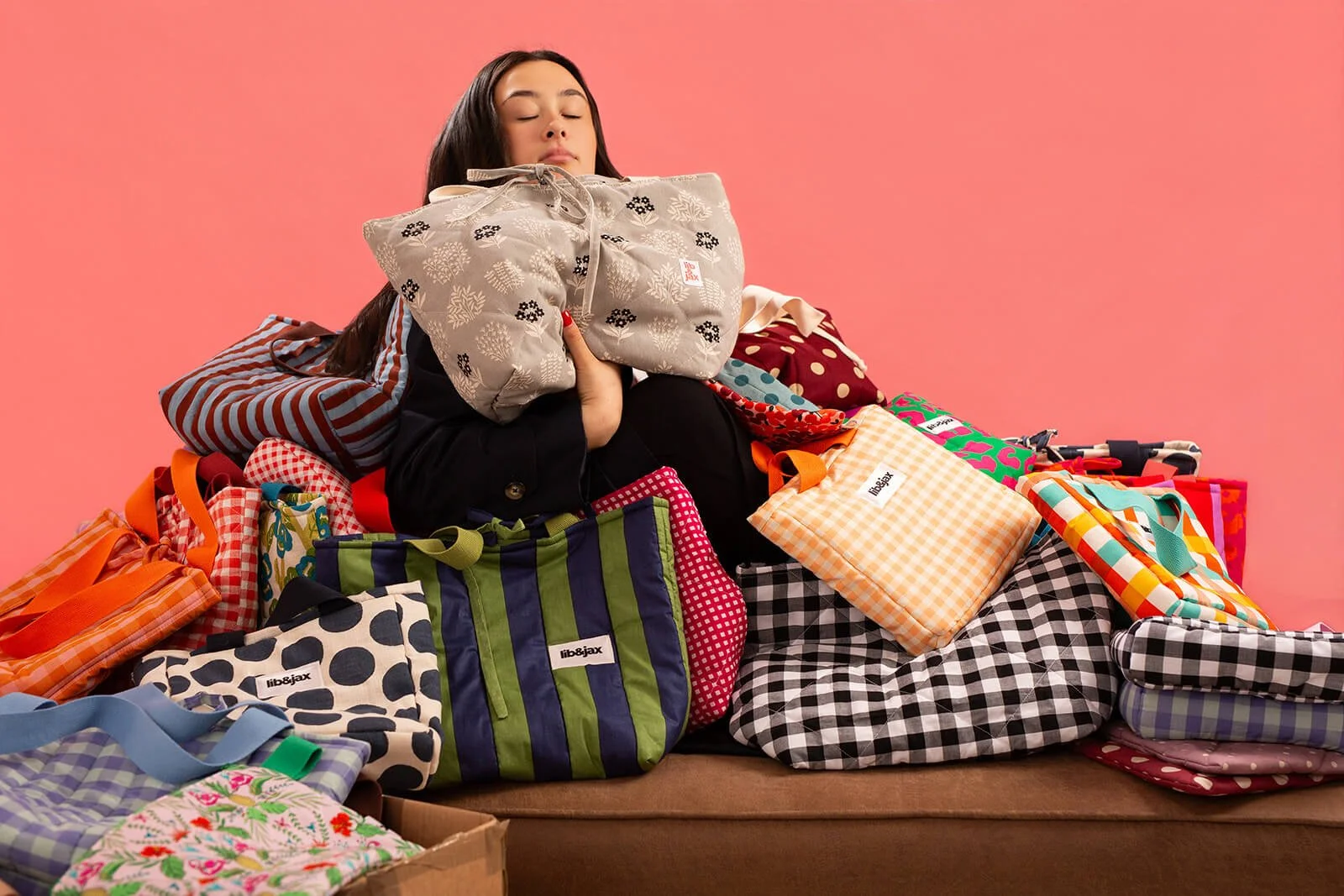
During the shoot, we made sure to capture not only the products, but Liberty herself. We got vibrant shots of her interacting with the bags - holding them, using them, even sitting happily in a pile of them against a bright pink backdrop. Featuring the founder put a face to the brand name. Liberty’s style and energy shine through these images, helping customers connect with her business on a deeper level. In short, it turns Lib&Jax from just a brand into a relatable human story.
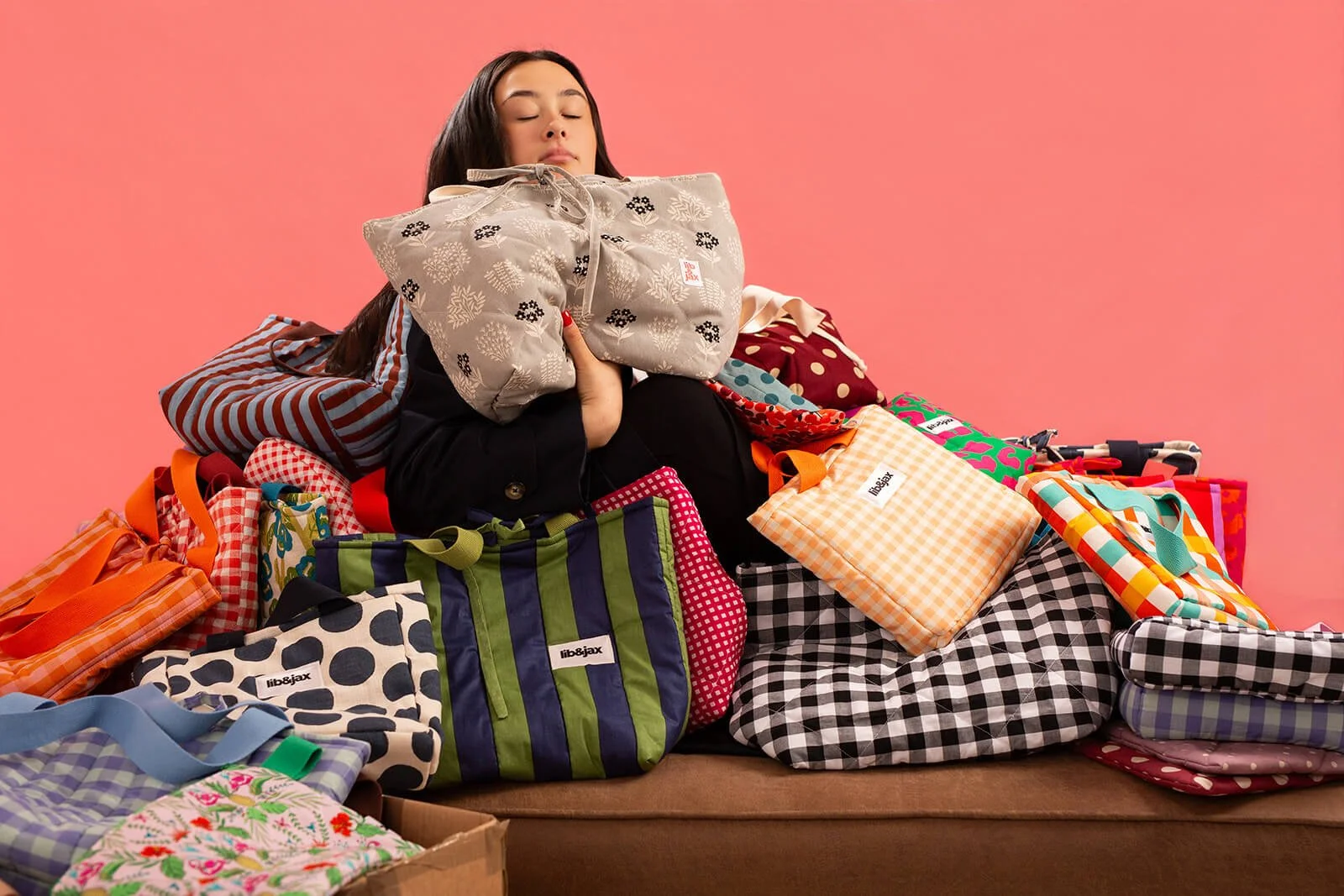
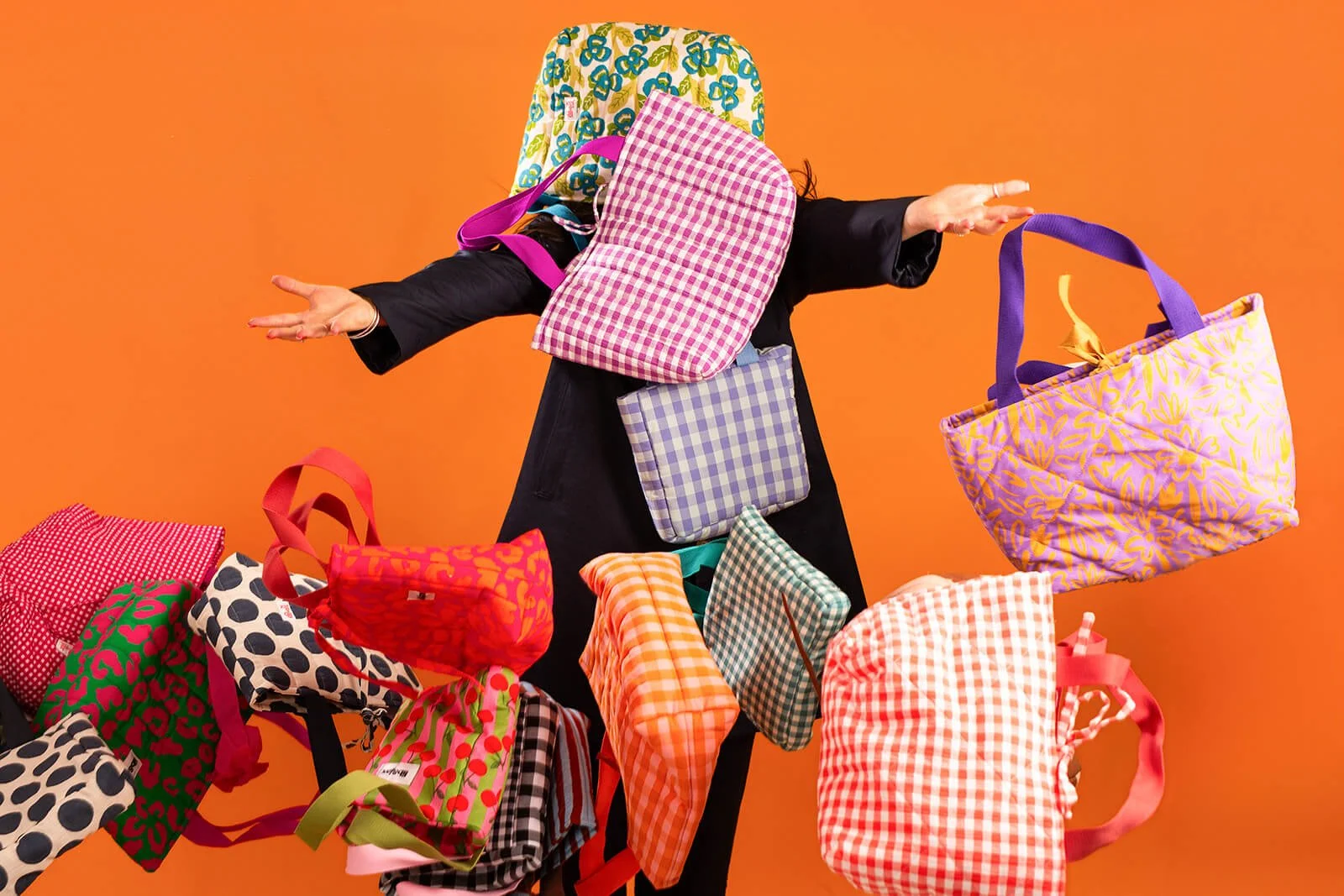
Some of the best shots were the spontaneous, playful ones - like Liberty tossing bags in the air. Those photos are eye-catching and full of life, perfectly reflecting the brand’s bold vibe. In one image, a flying bag even covered her face, adding a fun mystery that draws attention straight to the product. These kinds of shots do double duty: they highlight the product while keeping viewers engaged and curious about the person behind it.
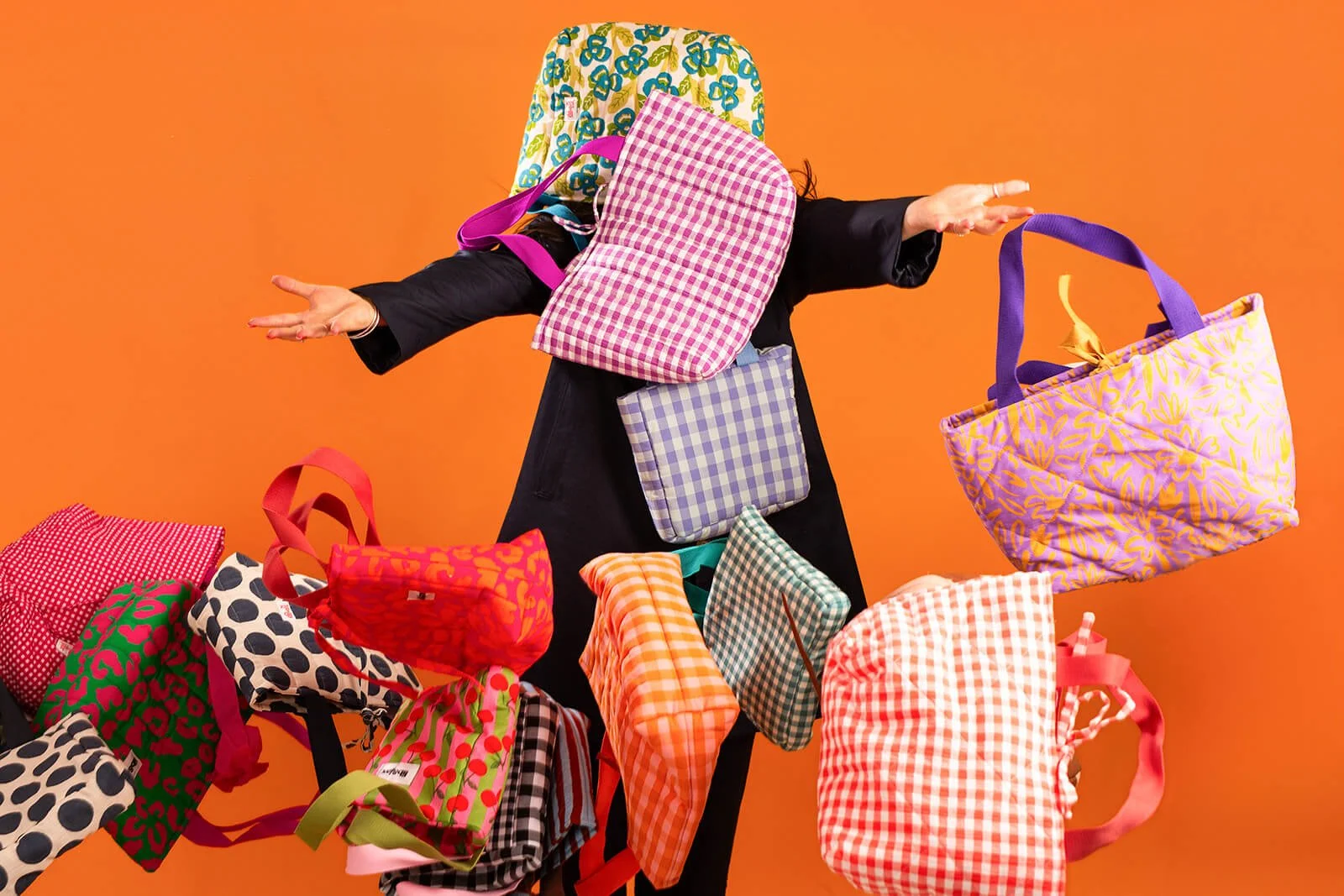
We also captured some behind-the-scenes content. Liberty captures a few quick video clips (just on her phone) to highlight Pictorial Photography on the visit Berwick website (part of a different project) and I gave Liberty some fun peeks of the shoot from my camera to share on Instagram and TikTok. Audiences love seeing how the magic happens, a candid video of makers at work makes people feel like insiders. And with video content now over 80% of all web traffic, those clips are gold for social media. This kind of content isn’t just filler; it brings your brand’s personality to life in ways that polished product photos alone can’t.
Liberty from Lib&Jax brought ALL the colour and chaos to the studio for this shoot. Handmade, one-of-a-kind, and made from deadstock fabric – each bag has it’s own story. 💖 #BTS #ProductPhotography #LibAndJax
Planning a Purposeful (and Fun) Photoshoot
All those creative, people-centric shots might look spontaneous, but they actually take a lot of planning. Before the Lib&Jax session, Liberty put together a Pinterest mood board to nail down the creative vision. Having that visual guide (and some notes from our chats) put us on the same page from the start, with no "what next?" moments during the shoot. The mood board ensured we captured all the must-have shots (like clear product photos on a bright background) and had fun ideas ready that fit the brand’s vibe (like those flying bags!).
Planning ahead also meant thinking about how we’d use the photos. For Lib&Jax, we needed a mix of images for different purposes:
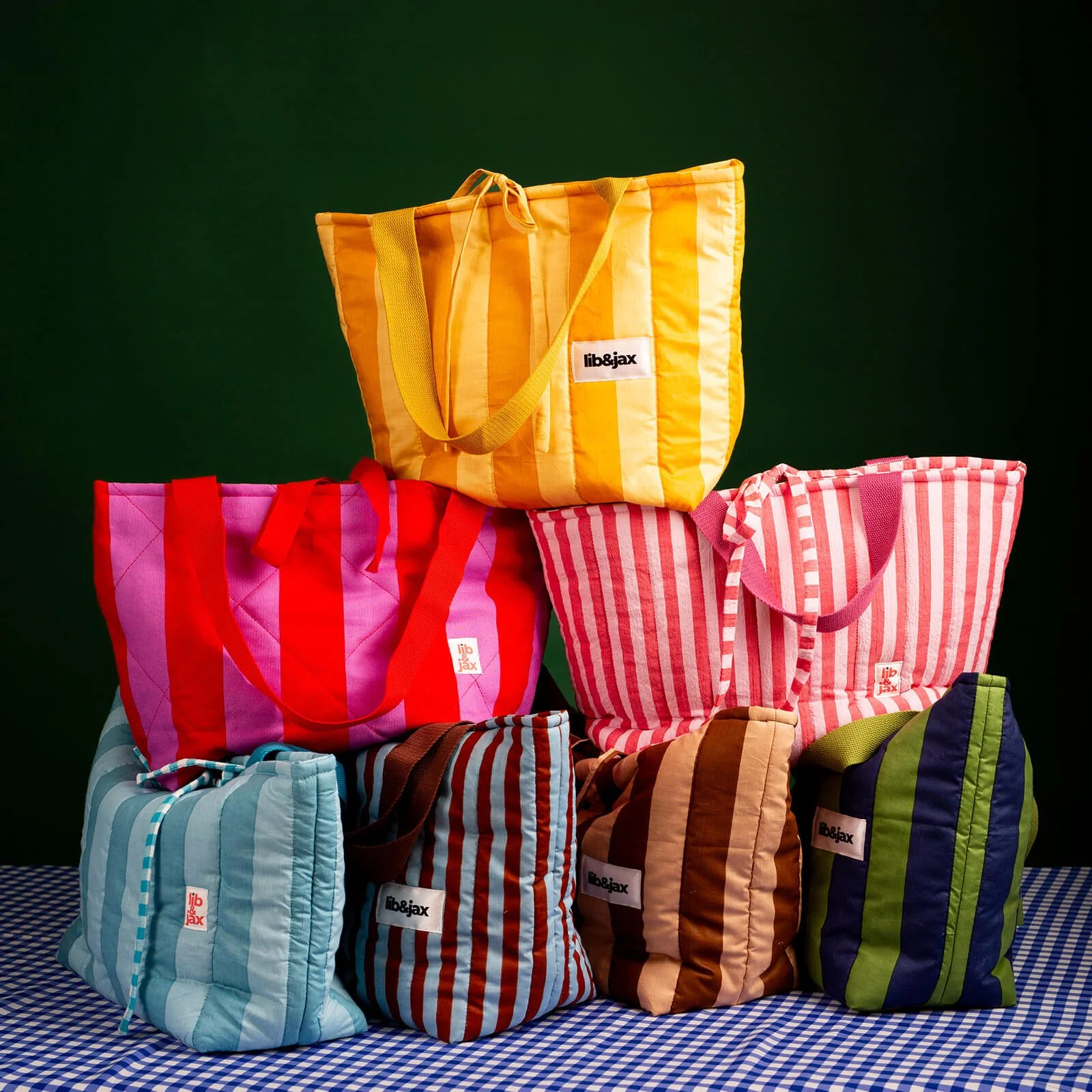
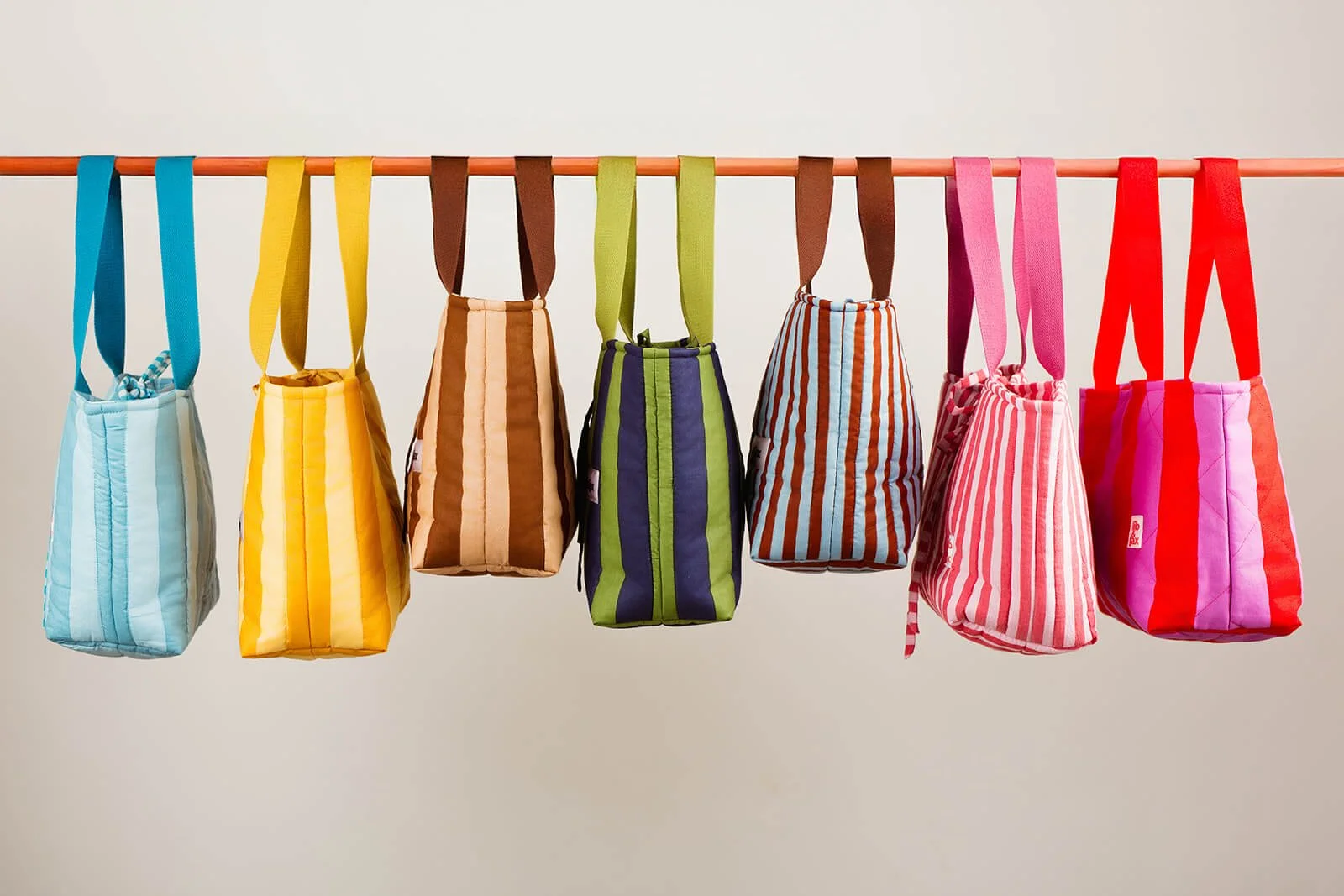
Product shots for the online store (clean, crisp photos of the bags on a railing - also to use on a continuous scroll for an instagram carousel)
Lifestyle shots of Liberty using the bags (to show their scale in real-life use)
Behind-the-scenes content to share on social media (for authenticity and engagement)


Defining these goals early meant we captured a bit of everything during the shoot. It also helped us prep the studio - we set up multiple vibrant backdrops (pink, orange, navy, green and white) to make the colorful bags pop, and arranged professional lighting for a polished look. With solid planning and a spark of creativity, the shoot was both productive and a lot of fun.
Just as important as planning is creating a positive, collaborative atmosphere. We kicked off the shoot by bouncing around ideas and jotting down the best ones to try first. It's great to experiment with wacky concepts (after the ‘key shots’ are in the bag of course) — it leads to unique photos and keeps the session fun. When everyone’s enjoying themselves, that energy shines through in the pictures. Those genuine laughs, unposed moments, and off-the-cuff ideas are exactly how you capture the authenticity we talked about earlier.
Showcasing Your Brand’s Values (Sustainability and Beyond)
Another facet of brand identity we highlighted was Lib&Jax’s commitment to sustainability. Consumers care about what a brand stands for — 66% say they’re willing to pay more to support brands with sustainable practices (Nielsen survey), and that percentage is even higher for millennials. If your brand has a mission or core value like this, think about how we can show it visually - or get in touch for a chat - I love sharing ideas.
For Lib&Jax, that meant drawing attention to the story behind the bags. We made sure to feature the unique upcycled fabrics in the photos, subtly communicating the brand’s eco-friendly ethos. At the same time, we kept the images vibrant and stylish to prove that sustainable can be chic. And of course, we spotlighted Liberty as the passionate founder behind it all. Product, Person, and Purpose - when those three align, that’s branding magic!
From Photoshoot to Brand Narrative
With the right planning and personal touch, product photos become more than a catalog of items - they turn into part of your brand narrative. Each image from the Lib&Jax shoot tells a piece of their story, whether it’s Liberty joyfully tossing bags in the air or carefully arranging a display. This portfolio of usable visuals give the audience a glimpse into her world and invite them to connect on a deeper level.
People connect with people, not just things. Showing the human side of your business builds trust and like-ability. The next time someone sees a Lib&Jax bag at a market or online, they’ll remember the fun, creative spirit from those photos and feel like they know the brand. That kind of familiarity is marketing gold - it can turn casual viewers into loyal followers and then customers.



Ready to Elevate Your Brand Identity?
I’d love to hear your thoughts. Which of Liberty’s colorful bags caught your eye? Do you think these images deliver on style? Share in the comments!
If you’re a business owner looking to bring your own brand’s story to life with vibrant, people-focused product photography, let’s talk. As a specialist in product photography in Berwick, I’m passionate about helping creative brands like yours shine. Get in touch with me at Pictorial Photography to start planning a shoot that showcases your products, along with the people and values behind them. Let’s elevate your brand identity, one photo at a time. If you aren’t quite ready to chat yet - take a look at our product photography page for loads more info.
Oh, and if you loved Liberty’s bags, you can snag one from Lib&Jax. She’ll also have a stall at the Berwick Food Festival this summer - so if you’re in town, be sure to pop by and support some awesome local makers!














Exploring Mill Pond Flower Farm: and A Journey into The Business Of Selling Flowers
I had the amazing opportunity to visit Mill Pond Flower Farm in Foulden, not far from Berwick but just over the border in Scotland. The flower farm, run by Paula Baxter is also the home of The Business Of Selling Flowers run by Paula, and two other dedicated, full-time flower farmers named Carol and Claire, who live elsewhere in the UK but the three come together now and again to help each other out and to discuss their work and have a photoshoot together. Join me as we delve into this charming farm, discover their online courses, and get to know the passionate individuals behind it all.
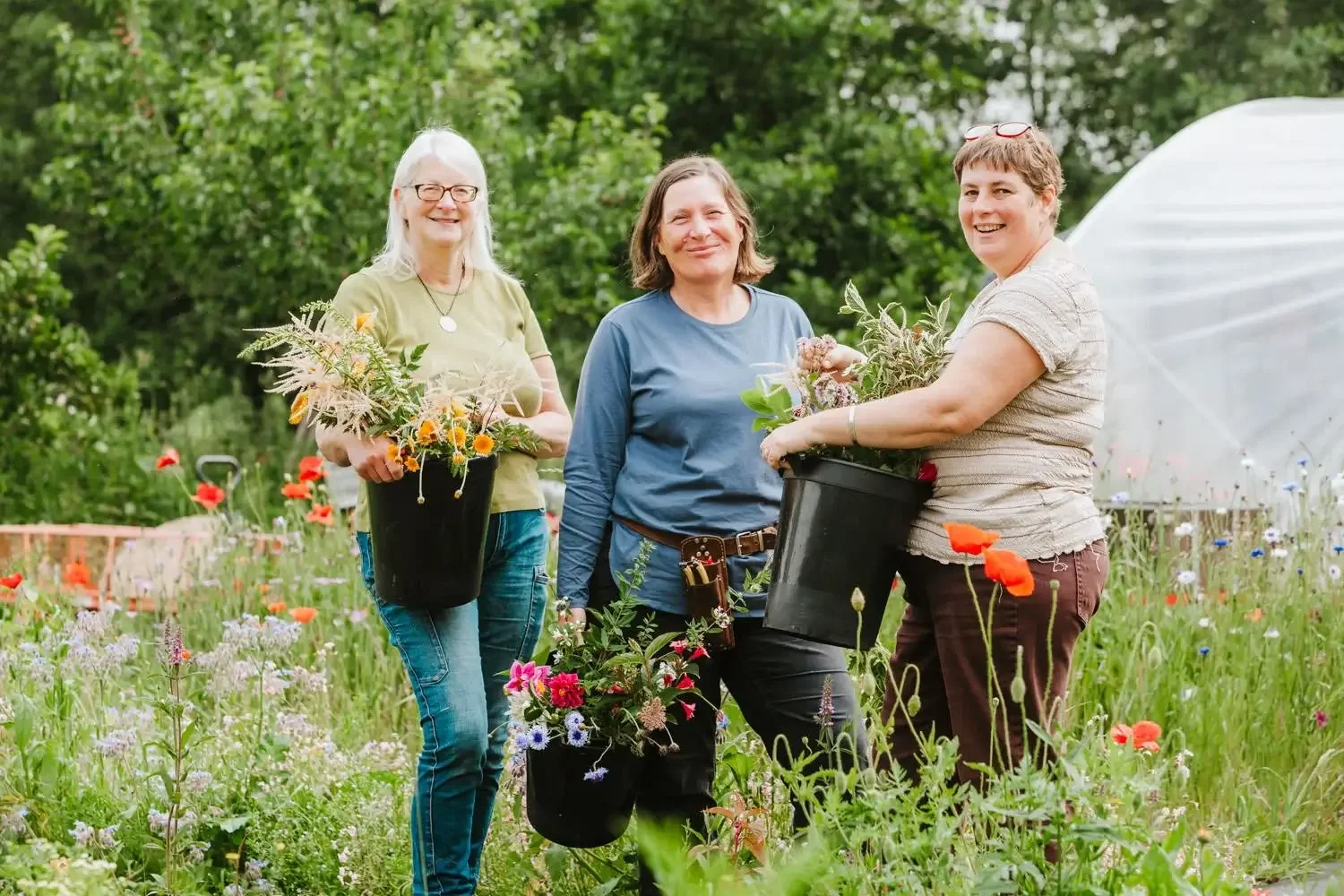
Mill Pond Flower Farm captivates me with its rustic beauty. The picturesque farm, with views of the Cheviots, offers a tranquil haven for flower enthusiasts and nature lovers alike.


Empowering Flower Farmers Through their online courses, Carol, Paula, and Claire's joint venture, The Business Of Selling Flowers, equips flower farmers and sellers with essential knowledge. They offer eight practical and comprehensive courses that cover topics like pricing, profit, selling, and the art of growing flowers. These courses empower individuals to become successful and profitable flower growers.


During my visit, I shared a memorable and lighthearted moment with Carol, Paula, and Claire. As I photographed them for their website and social media, they playfully turned the tables and captured behind-the-scenes shots of me. This experience shows their friendly nature and their desire to authentically represent their work.

Mill Pond Flower Farm, along with The Business Of Selling Flowers, brings together the beauty of nature and the entrepreneurial spirit. With their online courses, Carol, Paula, and Claire encourage aspiring flower farmers to thrive in the industry. My time at the farm was truly special, and I hope that these photographs serve not only as a useful illustrative branding portfolio but also as a testament to their dedication and camaraderie.
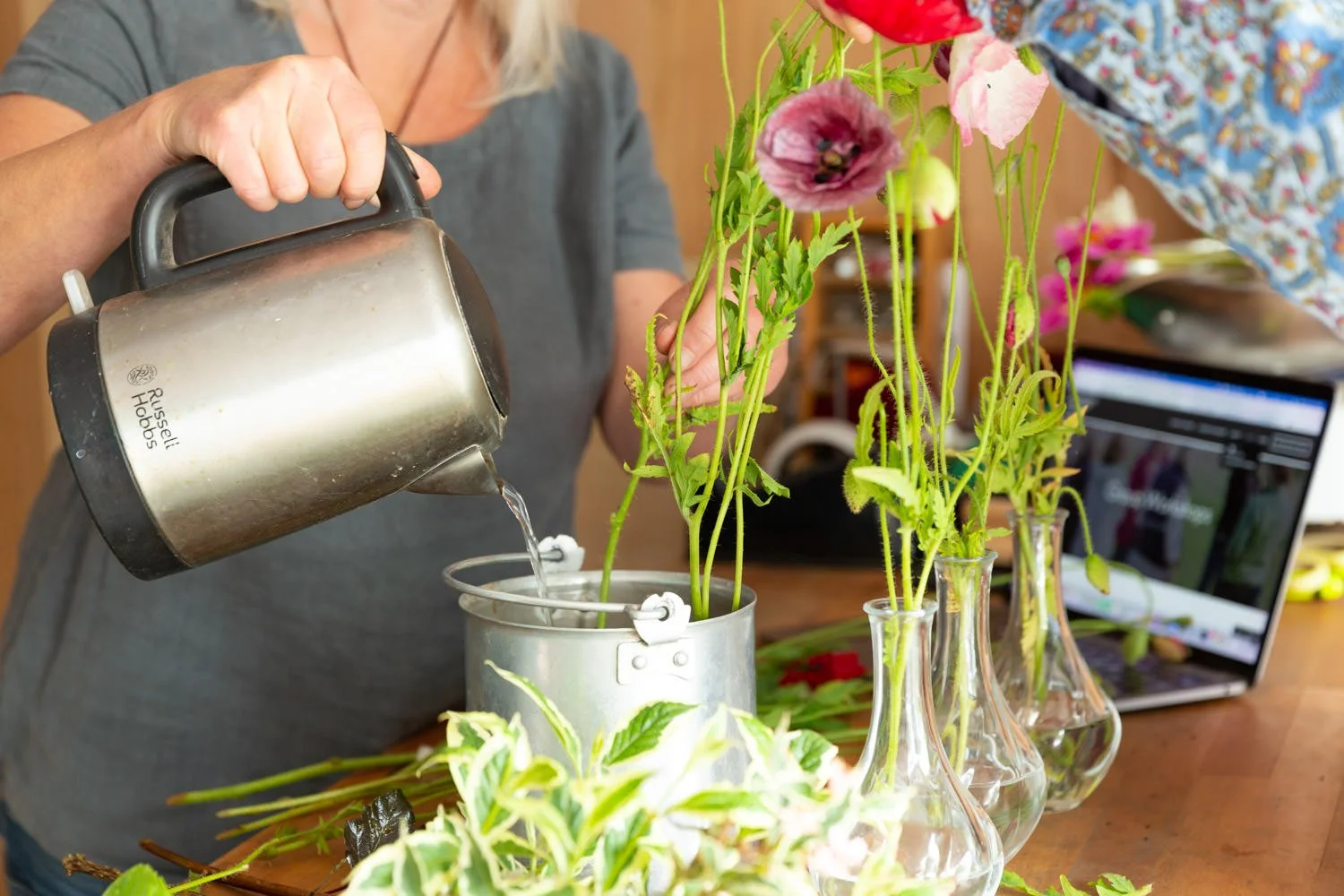
Tricks of the trade!

Taking payments in a rural setting.


Foliage for floristry

Cutting flowers

Potting table
Check out the Business Of Selling Flowers website for more info or check them out on Instagram

Enhancing the Buzz: Professional Studio Product Photography for Chain Bridge Honey Farm
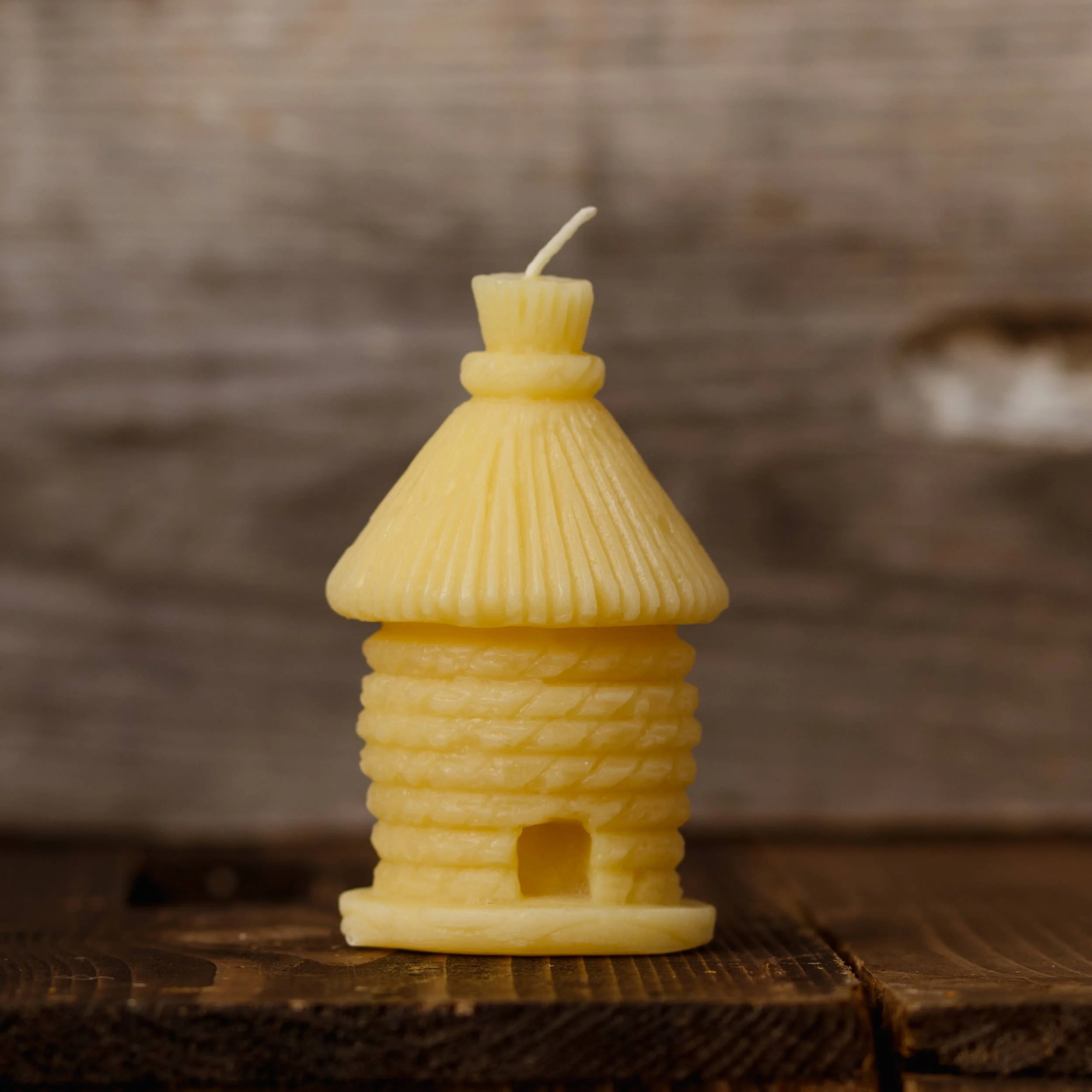
Chain Bridge Honey Farm, located near Berwick upon Tweed, now takes center stage online as the harmonious blend of honey and bee products unfolds. In this article, we will delve into how professional studio product photography has enhanced the website presence of this already exceptionally popular Honey Farm. With a wide range of honey varieties including wildflower, heather, tweedside, and chunk honey, as well as exquisite beeswax candles, cosmetics, and gift sets, the Honey Farm's investment in professional photography has propelled their online brand to new heights.

At Chain Bridge Honey Farm, meticulous attention to detail and a dedication to quality form the very core of their operations. Recognising the significance of visually showcasing their products, the Honey Farm decided to invest in professional studio product photography. Their aim was to offer customers a more immersive experience that truly capture the essence and value of their offerings.

I collaborated with Frances from the Honey Farm and undertook a test shoot with some of the products and different backdrop ideas. We then embarked on a mission to present each item in its best light. Utilising expert studio lighting techniques, we ensured that every photograph exuded a clear and professional appearance while preserving the natural and wholesome qualities of the products.
One unique aspect of this project was the choice to use their wooden bee hives as backdrops. This creative decision established a visual connection between the products and their origins. The organic textures and warm hues of the hives serve as deliciously dark backdrops, fostering a consistent and authentic atmosphere throughout the product imagery.


For the website, we crafted flat-lay compositions for each product section, offering customers an intuitive navigation experience. These visually captivating flat lays now act as guideposts, leading visitors to explore the diverse offerings at Chain Bridge Honey Farm. We went on to capture seasonal shots for Easter and Christmas, showcasing alternative gifting options to chocolate eggs and highlighting the availability of gift hampers during the festive season.
Since they have started using the new professional studio product photography on their website, Chain Bridge has garnered glowing reviews from customers. Francis, the driving force behind the farm, expressed her delight to me at the uptick in online sales. While the impact on social media engagement is still being evaluated, expectations are high, as these captivating visuals are anticipated to attract and captivate a wider audience.

By faithfully representing their diverse range of honey and bee products, emphasising scale, and utilising bee hives as captivating backdrops, they have woven a visual narrative that deeply resonates with customers. The Honey Farm's unwavering commitment to excellence, coupled with our collaborative efforts, has resulted in a remarkable online presence that showcases its products in all their natural splendor.

Don't Upload Any More Photos to Your Website Without Reading This First!
Choosing the best image size and format for your product photos can easily double the speed of your website!
When it comes to choosing between jpeg and png files for your website files and photographs, there are technical pros and cons to consider.
Product pages of an e-commerce website need clear but enticing pictures of the item, and you want it to load fast online, right?
Image Formats
.jpeg
In general, jpegs are widely used online because jpeg images load quickly as they have small file sizes compared to other formats. If you want to use large images on your website you will need to compress the jpeg file. The larger the image in ‘weight’, the slower it loads. Jpeg files use ‘lossy’ compression which means that some of the data is lost each time you save it. Usually you can’t tell, but if you go too far with compression it may end up looking like a poor quality image. Lossy compression is permanent so you can’t get the quality back in a file after it has been compressed.
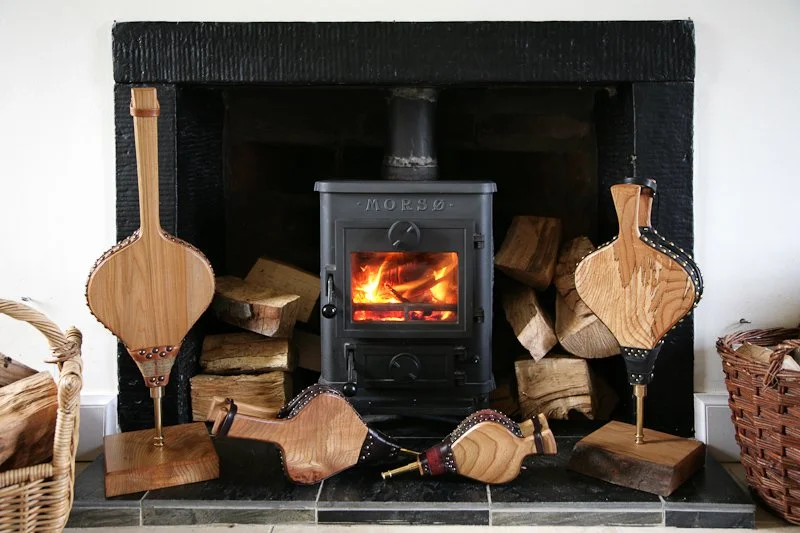
lifestyle product photography in jpeg format - fire bellows by https://www.firebellows.co.uk/bespoke
.jpeg files:
Have small file sizes
Have faster web loading times
Loose quality with compression
Don’t support transparency
Are great for websites with galleries and e-commerce catalogues, mastheads, banners and hero images
.png
They hold more data than a .jpeg and .png compression is ‘lossless’ which means that you can reduce the size of a png image while maintaining the quality. If you use png files online, you may notice longer loading times. png files are good for ‘cutout’ product photography online because the background of a .png file can be completely transparent. This means that you don’t get that dreaded ‘white box’ around your image if you have a coloured background on your website.

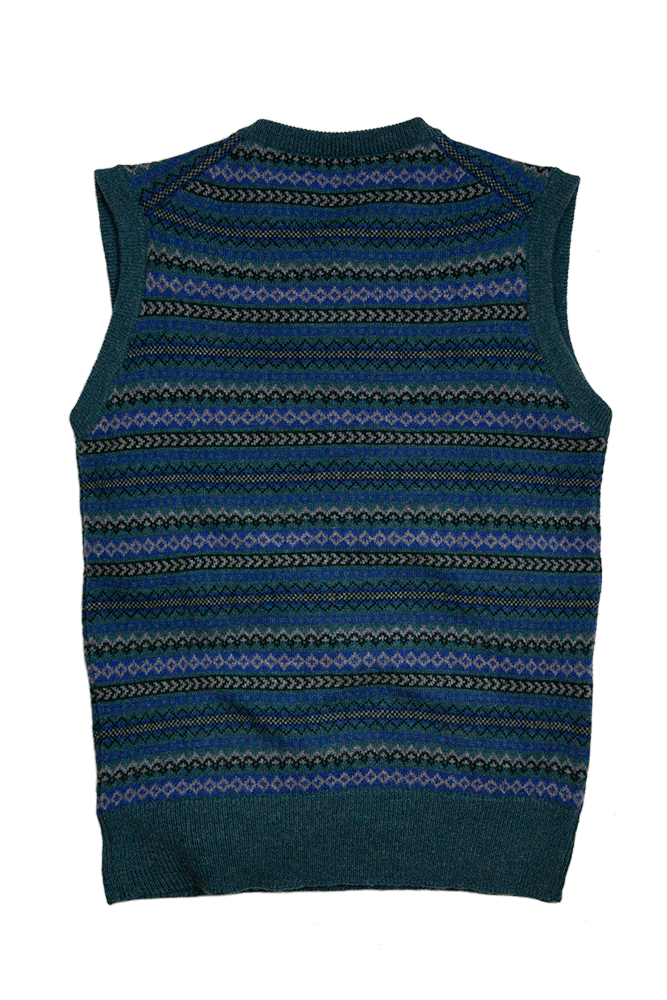
Here I used some padding inside the tank top to make it look 3D, the colours are matched to the garment and it is flat lit to ensure the customer can see the complete detail of the knit and the colours of the wool. This is a .png image with a transparent backgound.
.png files:
Support transparency
Have larger file sizes
Are slower to load
Are clear, high-quality images
Are used for logo files, illustrations, small images that need transparent backgrounds, and images with text as part of a graphic.
Other Popular Image File Formats
.svg
SVG or scalable vector graphics file type is built by mathematical formulas that establish points on a grid which means that you can decrease then increase the size as many times as you like without it becoming blurry.
.gif
GIF files use 256 RGB colours and like PNG files they are lossless so do not lose quality. The colour limit is not ideal for saving photographs but solid colour graphics like logos can work. As you probably know GIFs support animation but it’s not a video you are seeing, more of a flipbook.
.ai and .psd
Adobe Illustrator and Photoshop files don’t render on browsers. You will need to convert these files to something like a jpeg or png to use them on your website.
Free Online Image Compression and Optimisation Tools
You can buy or subscribe to a software that will enable you to resize, compress and optimise your photographs which is great if you are doing this all the time as you can set up presets for different sizes and uses but if you just need to change a few images as a one-off, these websites do the job and are quick and free.
Tiny PNG: https://tinypng.com/
Optimizilla: https://imagecompressor.com/
JPEG Optimizer: http://jpeg-optimizer.com/
Resize Photos: http://www.resize-photos.com/
F.A.Q’s
What is the best image format for my website?
jpegs are best for file size but if you need to have transparency in your image, use png format.
What type of photography would be best for my business website?
Here is a link to an article that shows several different examples of professional photography from one shoot. All of them have the power to elevate your business's online presence and website, but which one would you use?
What are the ideal file sizes for photos on my website?
Use images 500 KB or less to help your site load quickly. The smaller the better! (As a guideline, I try and get my photographs under 300KB)
What file type should I use for my logo?
It depends on your logo. I use a png as I like our logo to have transparency when it is over a coloured background like this.

png file which has a transparent background

jpeg file which is ‘contained’ in a box
Can I use both png and jpeg on the same page?
Yes! I’ve used both formats on this very page!
I hope this guide helps you decide on how to format your website photography. If you have purchased product or commercial photography from Pictorial Photography, you will have received your files labelled HIGHRES and another set labelled LOWRES.
HIGHRES photographs are high resolution and ‘print ready’, these are for use on brochures and physically printed materials.
LOWRES photographs have been optimised for use online. Ready for use on your website and social media channels, we usually aim to keep them under 350KB so they won’t slow your site down. Please let us know if your web designer has specific requirements and we will export them to your preferences.
Did you know that we have a free website photography consultation service?
We can advise you on what images you need to increase your online sales or bookings. Schedule a free, no-obligation call with Sarah below:

Which of These 7 Types of Product Photography is Best for Your Business?
Have you ever wondered how to better showcase your products? Have you tried taking an artsy angle but the focus was in the wrong place? Well here are 7 different examples of professional photography that have the power to elevate your business's online presence and website.
1. Studio Backdrop
Using a simple, carefully chosen backdrop gives your product personality. It adds another bit of information about the product without being distracting. The highlight is still on the product but it is more interesting than a plain white backdrop like a lot of companies use. However a simple background is effective and common in e-commerce.


2. High Key and Cut Outs
High-key photography is just another term for photos of a product with an entirely white background, giving it a polished and professional look. With online shopping growing more common in everyday life, product photography like this is seen more but can make some products seem boring and lifeless.
Cut out photography is very similar to high key in the way the photo is actually shot but instead of keeping the white background, it is digitally removed to create a cut out shape with a see through or transparent background, otherwise called a png. Photos with a clear background like this are able to fit over any webpage seamlessly without any harsh white border making the website seem unprofessional. It does take more time to create this type of product photography but it may be just what your business needs.

3. Detail Shots
When buying online, one of the things a buyer is looking for are the details that they could find easily if they were buying in person like the inside of a drawer or close ups of a coat zipper. It is important to show potential buyers all the details of the product you are trying to sell.
Other details that you can photograph are things like your bespoke packaging if that is something unique to your business. Sometimes even simple but close up shots are wonderful for helping to showcase your designs. Having a detailed close up will highlight the quality of your product.


Groups of static products photographed together to show the variety of the products your business sells or to show bundle offers is also a good idea.
4. Proportions
Knowing what size something is before buying is essential and being able to do that from proportion shots saves time. Being able to show your product's size through proportions and scale helps a potential buyer visualise your product. There are many ways to show proportions in product photography but the most common way is by using a universal object like a human to show the size compared to them. This is even more vital when your business has multiple product sizes so that a customer can make sure they buy the correct size.

5. Lifestyle
Real life photography brings a warmth to your product and gives it a context. Seeing lit candles on a table or someone sat with a bowl of cereal shows the way a customer is intended to use a product and therefore creates a realistic feeling of what actually is being sold. This type of photography is more common within fashion and home ware industries but it is not limited to them! Creating an environment for your product may generate more interest but it could also be unnecessary for a simple product.

6. Using Models
Professional models can be expensive but anyone can be a model for a business as long as they sign a model release form to say they allow the business to use their photographs for marketing and advertising. Because of this, you or people you know can easily be used as models to show off your products. The struggles with this type of photography however lie in human flaws. Attempting to get a group to pose together at the same time can be difficult and only gets more complicated when pets or children are involved. Despite the struggle, using models in product photography creates a genuine atmosphere and lifestyle look.

7. Composed Sets
Having a carefully arranged set can create a story of the product and make connections between your product and how it was made or what it can be used for. A Flat Lay shot is commonly seen and is a good example of a composed set which is when the shot is taken from directly above the product which has been laid flat hence giving it its name.
It can be easy to overcrowd a set and use many additional props that your product is no longer the focus so be cautious about what is included and make sure everything is relevant. It doesn’t need to be complicated to be effective.

Só Madra
All of the product photography examples used in this blog are from a commercial shoot in the summer commissioned by Gillian. She runs Só Madra, her own small Borders based business, where she lovingly creates luxury dog leads and collars with help from her partner, Keith, and their 3 beautiful spaniels. Gillian has worked hard on her branding so it was important that the images provided by Pictorial Photography aligned with how she visualised her brand and its message.
Gillian used our free commercial photography brief template to communicate her brand’s story and her website goals. We then worked together to capture quality photographs at her home; on two dog walks; and in our studio, where we produced several consistent e-commerce photographs, close ups and packaging examples for her online shop.
Take a look at their range of products at www.somadra.co.uk

The Perfect Blend: Behind the Scenes at Fords the Bakers
The Perfect Blend: Behind the Scenes at Ford’s the Bakers
I visited Jim at Ford’s the Bakers (who, by the way, makes the best morning rolls in the world, hands down), to photograph his baking process when he was testing out 6 new secret blends of artisan bread.
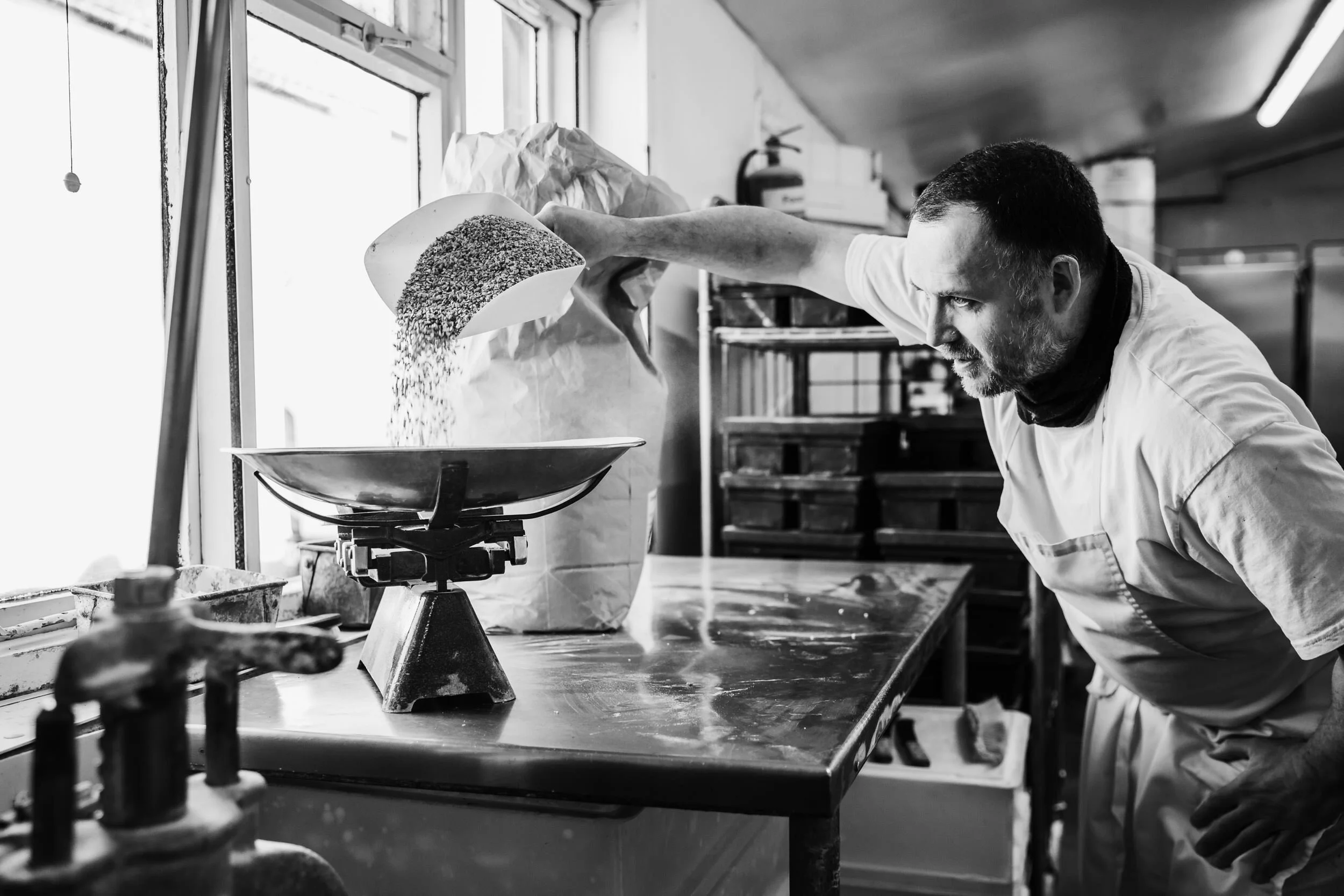

It was fascinating to see what goes on behind the scenes and the work that goes into baking. Jim is working with suppliers to test out the new blends and the photographs will be for the supplier’s wholesale website and agency PR.


The mixing, the proofing, the dough going into the oven, and the bread coming out of the oven were all shot in one day. Then the resulting loaves of bread were brought back and photographed in the studio for product photos which will be useful for things like marketing, illustrating recipes, instructions, and online website descriptions or specifications.

James Ford & Son is a long-standing local family business, established in 1950. Fords have a shop on Hide Hill in Berwick as well as this bakery and shop that are located in the village of Norham, Northumberland, which is only a short drive from Berwick.
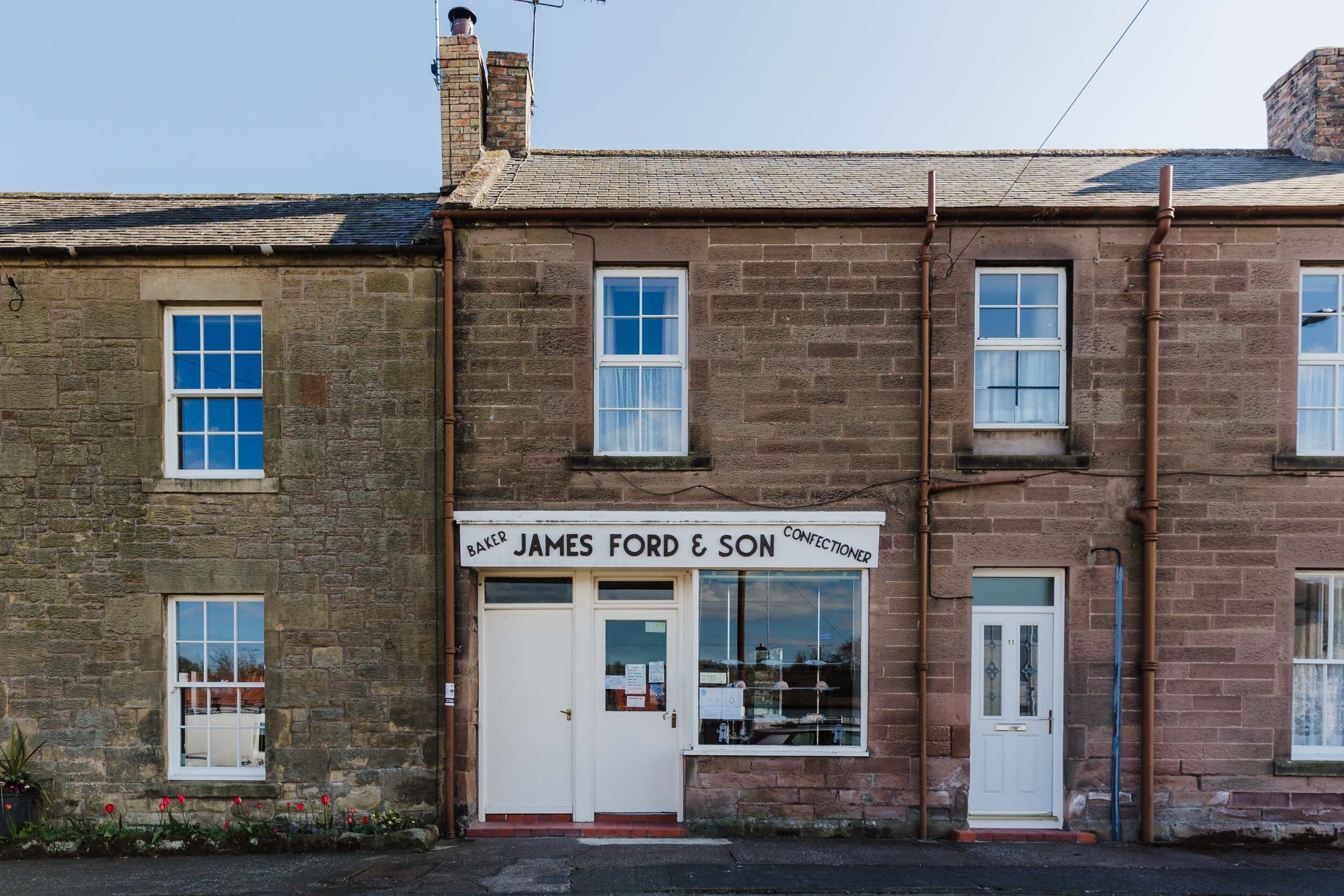
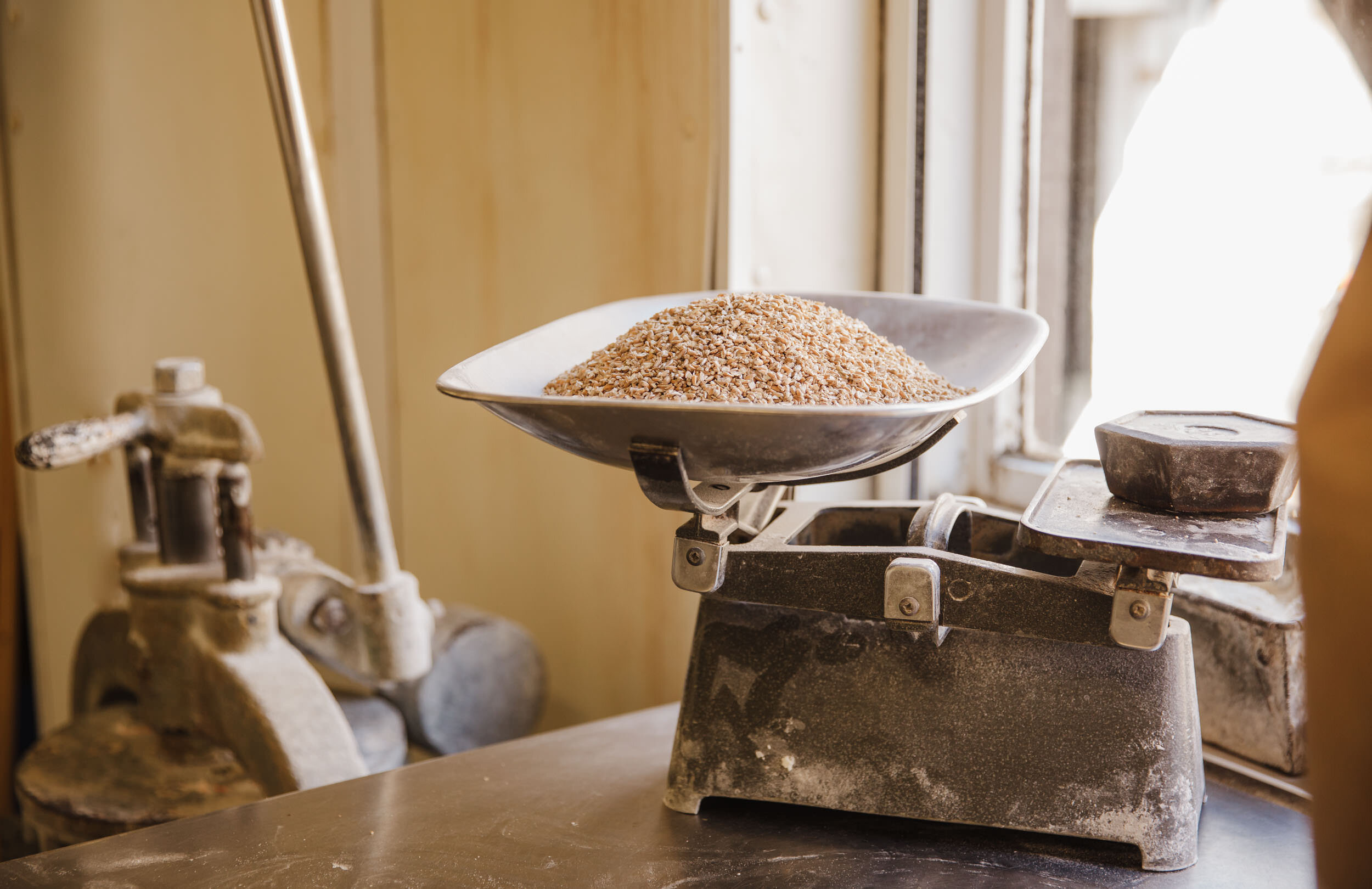
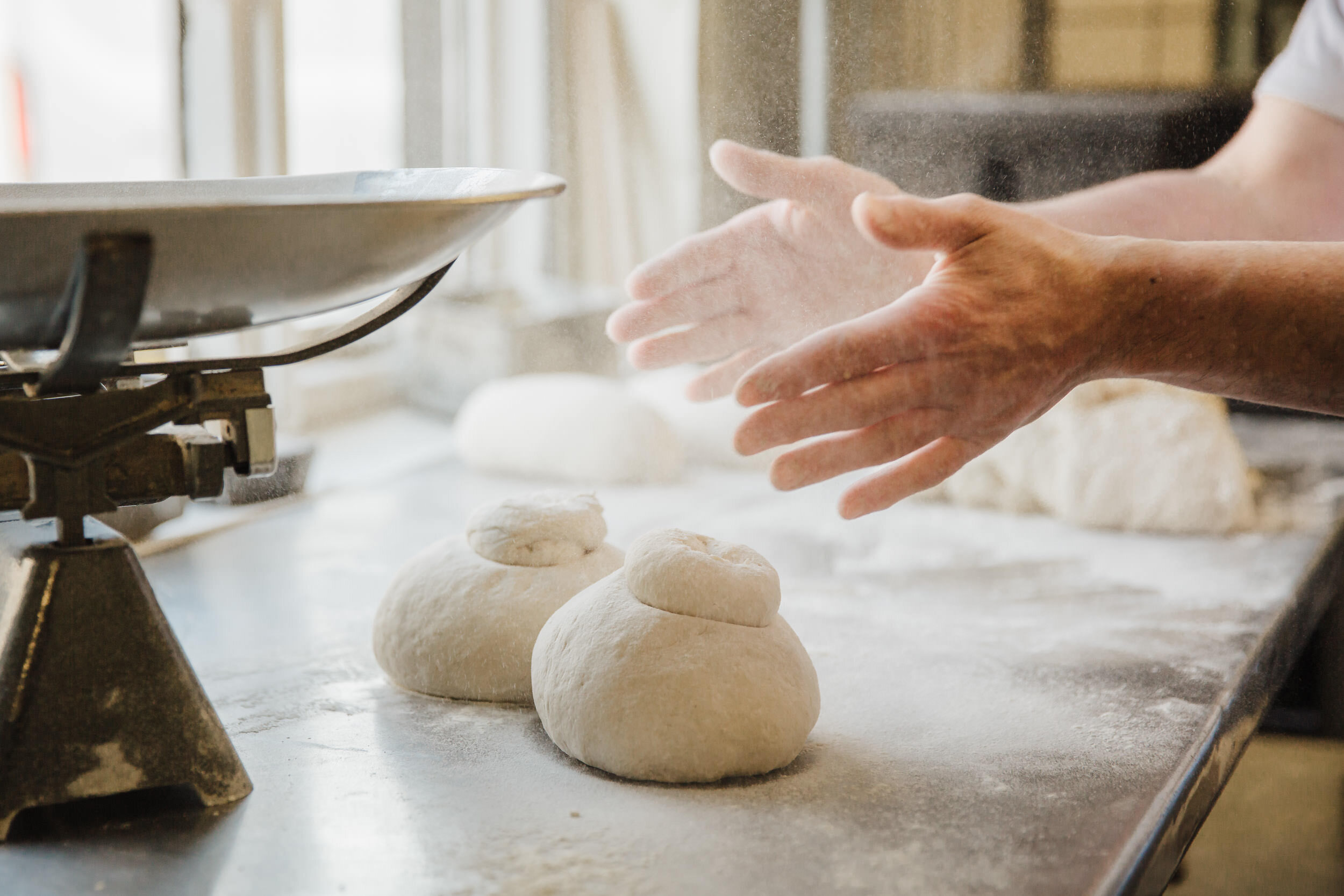
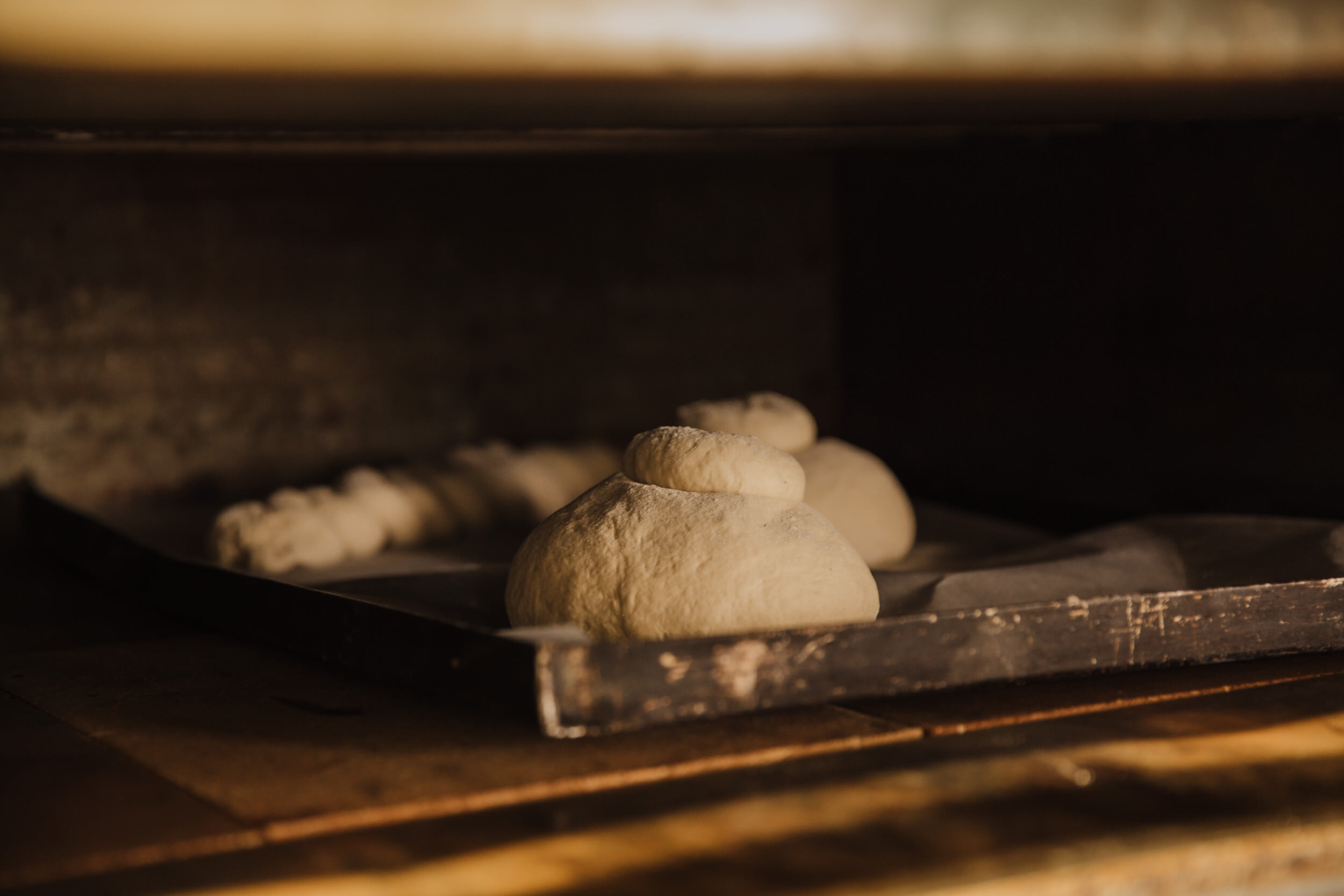
I photographed the Berwick Ford’s shop for the ‘Lockdown Workers’ project in 2020. The photograph below has since been used as the cover of a new novel, ‘Reggie’s Pantry’.

What’s your favourite thing to get from Ford’s?
I’d love to get some new lunchtime inspiration so please leave a comment below!
Written by Sarah
5 Things to Consider before Hiring a Commercial Photographer

Cooperative funeralcare staff, friendly, approachable, professional
1) Insurance
Most professional photographers will have full liability insurance cover for commercial work but it is certainly worth checking with them how much this is for and that it is all up to date before you decide to hire them. Large businesses and most public sector companies require the cover to be at least £5 million for liability.


2) Contracts
A photography contract protects everyone from unexpected surprises as it allows you to understand in detail what you can anticipate from the photographer’s services and exactly what they expect from you. A contract can be provided by either side as long as both sides agree.
A good contract should include:
The anticipated start date of the contract or shoot date
A summary of what each party will deliver: what will be delivered and when by the photographer; the financial total, and payment schedule
A cancellation policy
Copyright ownership and transfer of use rights (permission to use the photographs for a fixed length of time is most common in commercial photography)
Details of property and model releases required
Liability limitations
Post-production, editing, file format, and expected turnaround time
Any extra fees
Co-op Funeralcare Vehicle Range
3) Photography brief
Create a really clear brief. Photographers are amazing in many ways but telepathy is not one of our superpowers. A good creative brief can save everyone a lot of time and ensure you get the very best out of your marketing budget. Outlining and giving as much information to your photographer on the brand, your buyer personas, target audience, project goals, and USP is invaluable. You get bonus points for including visuals (we are photographers after all).
I have created a detailed explanation of what to include in each section and a free photography brief template to help you out and get you started with this.
4) Model releases for commercial publication
A model release is a written form of permission allowing you to publish a person’s image online and in marketing materials without the worry of liability and licensing claims that may arise down the road.

Model releases are not just for ‘models’. Anyone who can be identified in photography used for commercial purposes should be asked for, and give, express written permission by way of filling in a model release form. Yes, that includes happy customers, passers-by in the public domain, your staff, and even your own family members.
Model releases are also needed to use a recognisable part of the person being photographed. (For example a tattoo, a scar, or even a silhouette of someone if they have a recognisable stance or posture.)
Property releases may be required from a property owner if land or property is recognisable in the photography.
Unfortunately, putting a post on social media and sticking signage up to tell people that photography is taking place is not enough; although it is a good idea to make people aware of what is going on on the day.

An impressive fleet
5) Child models
If you are paying professional child models from a modelling agency to be in the photographs, take into consideration that you will need a chaperone to be available and extra time before the shoot to acquire a performance licence approved by the council where the child resides, even if the work is out of school hours.
Every council seems to be different in how they handle these requests but in my experience, the turnaround time is never less than a fortnight and the paperwork and evidence required can be extensive. For more information on child employment permits see here: https://www.gov.uk/child-employment/restrictions-on-child-employment

Funeral home interior


Please be aware that the information provided by this blog is subject to change. We recommend that you do not take any information held within as a definitive guide to the law or the relevant matter being discussed. You are advised to seek legal or professional advice where necessary rather than relying on the content supplied by the author of this blog.
Due to the nature of the matters discussed on this blog, the information contained within it and any pages linked to it are clearly subject to change, without warning. The law, regulations and other forms of legal governance are constantly changing and adapting to meet the needs of the modern world and it is impossible to comprehensively detail the nature of such within the confines of a blog in a concise, up-to-date manner.
Let me know in the comments below if you have any questions about the free photography brief template.
How to Prepare your Holiday Let for Stress Free Interior Photography

The Drawing Office, Berwick
I have worked with hundreds of holiday let owners in Northumberland and The Scottish Borders over the years. Growing up, my mum always had holiday accommodation in Berwick and recently my husband and I renovated the floor above my photography studio so now I even own a holiday apartment. This means that I have a really good understanding of the local tourism business and how I can make life easier for holiday accommodation owners when photographing their holiday lets in a way that fully showcases them.
There’s no need to stress about a photoshoot! The most important thing is to make sure the holiday let looks exactly as it would be when your guests arrive.
Other tips would be:
Turn on all the lights and lamps before the shoot
Have the bed(s) made and ready with clean sheets
Make sure the windows are clean on both the inside and the outside
Close all toilet sets and use fluffy towels on any handrails
If there are any thank you gifts you will regularly be giving to holidaymakers, buy some wine or flowers in advance
Before every shoot, I schedule a consultation call to ensure that we get the best results possible from the session. If like me, you like to be well prepared in advance you can download my property photography prep checklist below for free.
Ideally, you would be there for the photography but if you can't be around I can arrange key collection and get on with your photography with minimum fuss, saving you time away from your busy schedule.


Starting with me taking a short walk around the local area can provide you with a multitude of photos to choose from which will give prospective holidaymakers a feel of the sights and attractions they can expect to enjoy when they visit your place.
So, if you would like to make a huge improvement to your bookings this year my product photography package deal is perfect for holiday cottages, guest houses and hotels.
Or why not book a call?
Written by Sarah
Why You Need a Website for Your Holiday Let

This is The Summerhouse, a newly renovated cottage on a Scottish Borders estate. It has an idyllic lakeside location and is perfect for glorious walks so, of course, I had to take a lovely walk to get some of the photos.
It has a delightful and secluded garden overlooking the lake as well as a private access road and parking immediately outside. A perfect family retreat with total peace and tranquillity!
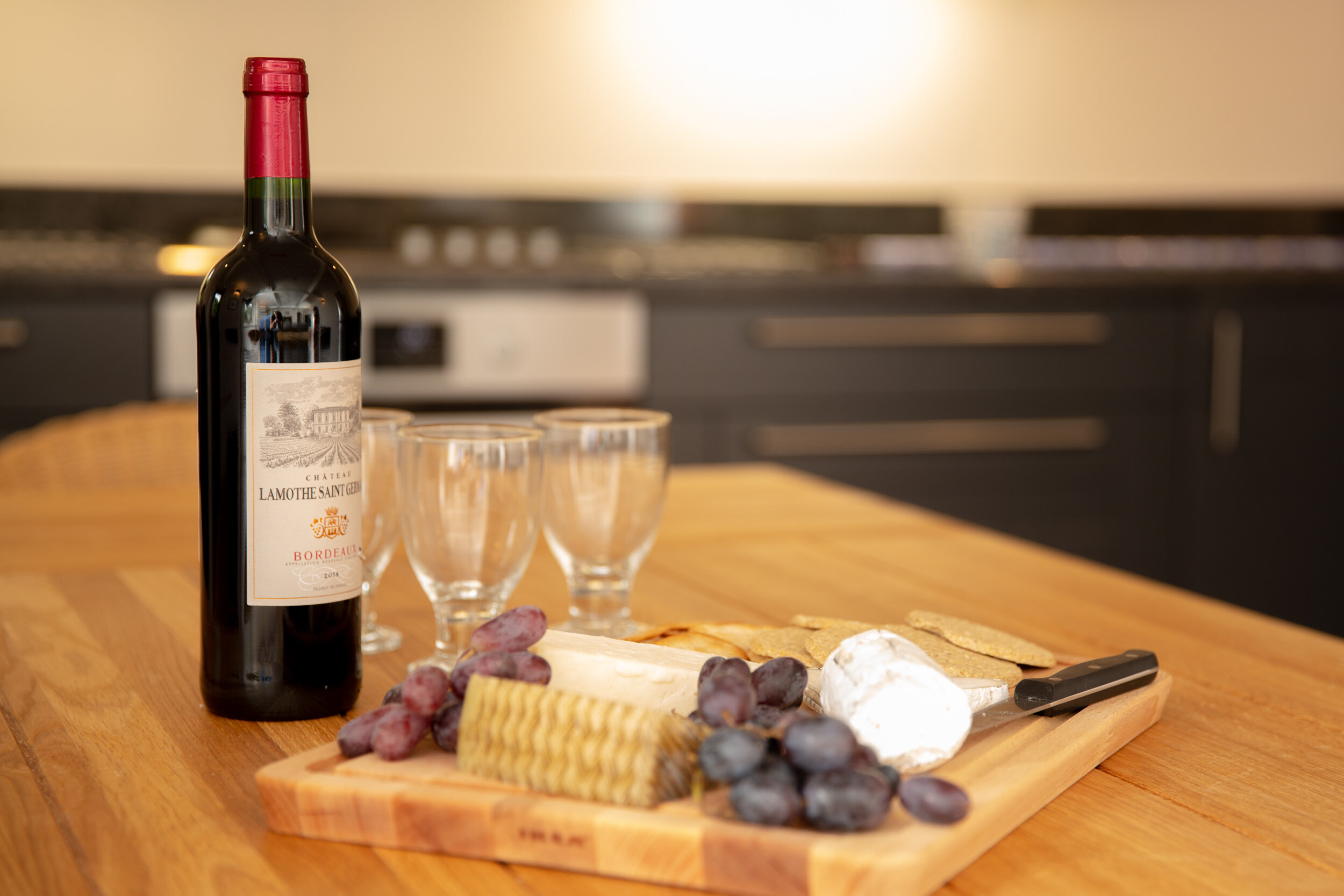
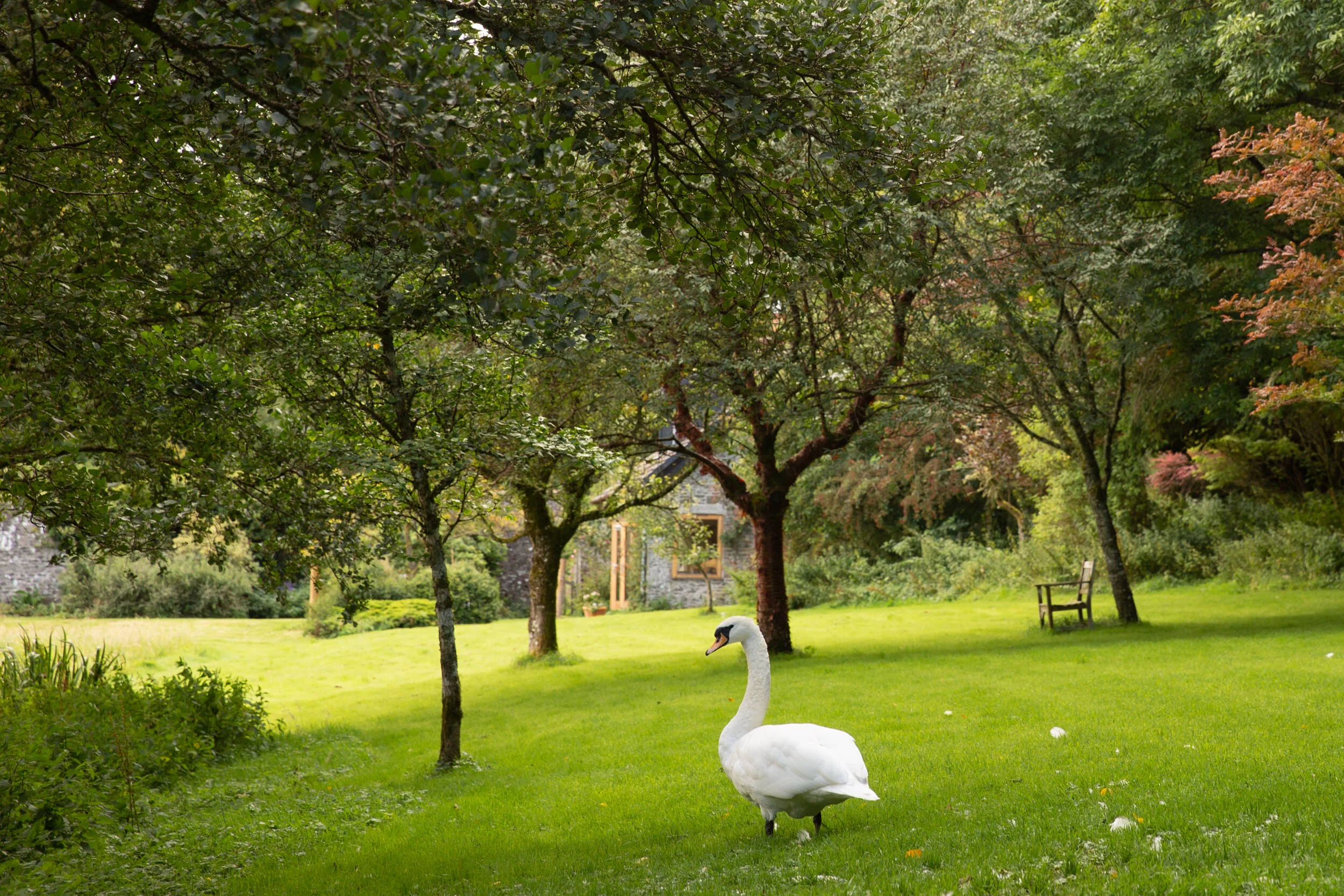
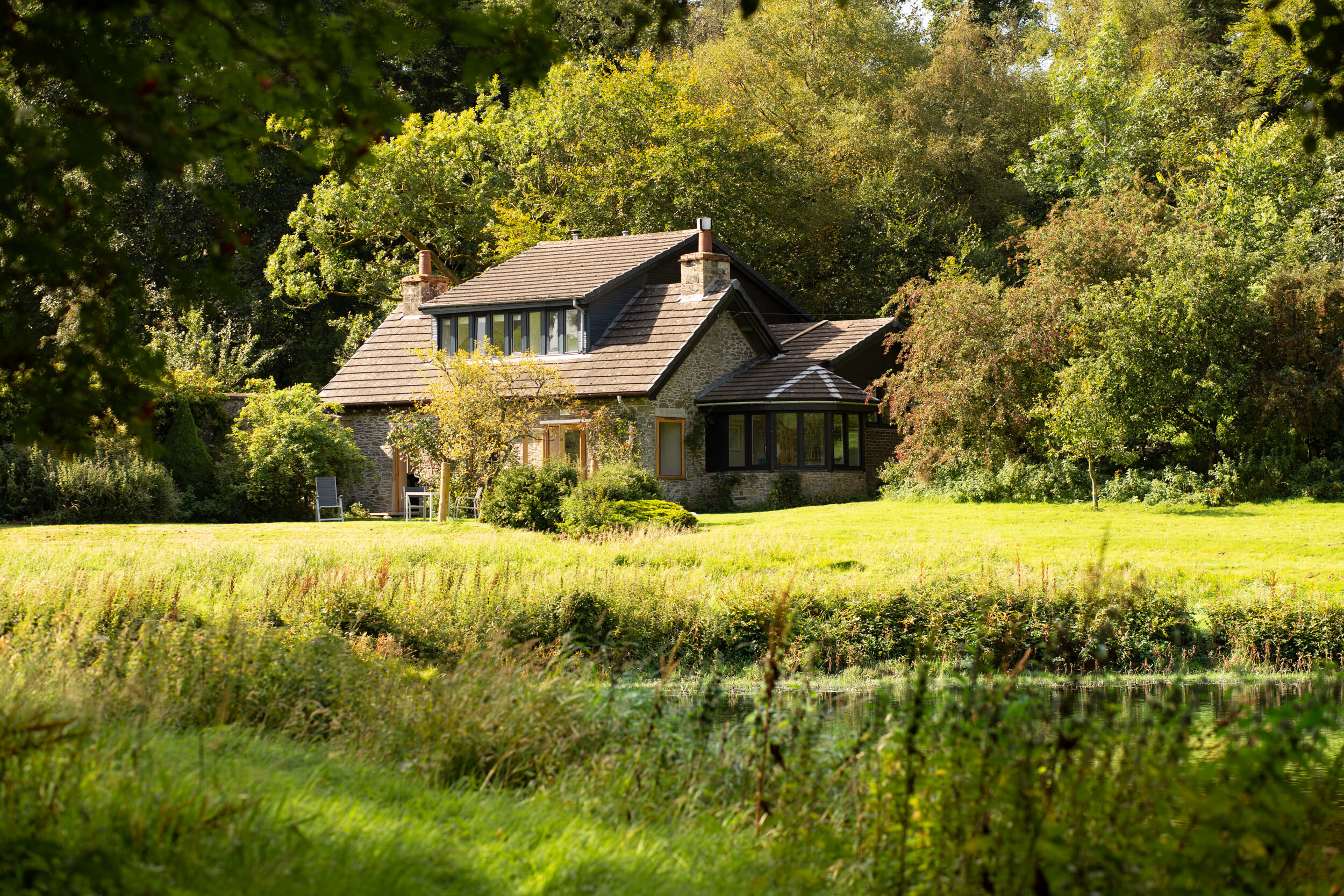
I photographed the holiday cottage just as it was being finished and I am delighted to see that the accommodation has already had loads of bookings for this year. I think the owners may be putting The Summerhouse on other third-party websites, but they do have their own website https://www.summerhousestays.co.uk.
Having your own website for holiday lets is a great idea because you pay no commission on the bookings you receive. Commission on booking sites can be as high as 22% so it is always worth taking your own bookings where possible.
You would also have more control over what your website says and how it looks so you can include as many pictures or stories about the property as you would like without hitting a character limit.

“Sarah has done photos for us for two holiday cottages and for my professional website.
Sarah is a great photographer and a lovely person to work with. She works to a high standard, always supplying well-crafted, lucid and perceptive photos that work really well. She has an eye for unusual angles and details that give her photos extra character. And she is a very approachable person to work with, always ready to go the extra mile (literally!) and very reliable. She is flexible in arranging appointments and prompt in producing work. Definitely our first choice and I would thoroughly recommend her.”
Thinking about having your holiday let professionally photographed, but still have questions? Book a call to discuss what photography would best help you and your business.
Written by Sarah