Types of Brand Photography: Choosing The Right Style For Your Business.

Brand photography of a the barn at Beals staff tasting evening.
If you’ve ever looked into brand photography and felt overwhelmed by all the options, you’re not the only one.
Headshots. Lifestyle images. Product photography. Behind-the-scenes content. Working shots. Personal branding. Team photos. It can start to sound like a lot when what you really want to know is what kind of photographs your business actually needs.
The best place to start is not with what is popular or what other businesses appear to be doing. It is with a much more useful question:
What do I need these photographs to do for my business?
You might want to attract better-fit clients, make your website feel more professional, show what it is like to work with you, sell products more clearly or build trust online. You may simply need enough varied content to market your business without reaching for the same three photographs every month.
Good brand photography is not about ticking boxes. It is about creating images that support your business and work in the places where you need them.
Sarah’s experience can help guide that process and make sure the finished photographs are both successful and genuinely useful. However, it also helps if you have a rough idea of what you want the images to communicate before the shoot.
In this post, we’ll look at the main types of brand photography, how to choose the right approach and how different styles can work together. We’ll also use Barn at Beal as a real example of photography supporting a business across its website, social media and seasonal marketing.

Colourful vegetarian dish captured at Barn at Beal.
Brand Photography Types: Start With What You Need the Images to Do
Before your branding shoot, ask yourself:
Do I want to attract better-fit clients?
Do I want my website to look more professional?
Do I need to show what it feels like to work with me?
Do I need to sell products more clearly?
Do I want to build more trust online?
Do I need enough content for regular marketing?
Your answers will usually point you towards the right type of brand photography, or more often, the right mix of them.

Brand photography at Barn at Beal showing a shared dining and tasting experience.
Types of Brand Photography for Service-Based Businesses
If your business is built around you as a person, personal brand photography is often the best fit.
This works especially well for coaches, designers, photographers, consultants, creatives, and other service-based business owners where trust matters. In these businesses, people are not just buying a service. They’re buying into the person behind it too.
That does not mean every image needs to be a formal portrait or a perfectly posed headshot.Personal brand photography can include portraits, natural working images, details, behind-the-scenes moments and lifestyle content that helps people understand who you are and how you work.
These photographs can be used across your website, social media, blog posts, newsletters, media features, speaking opportunities and online directories. If you are the face of your business, allowing people to see you can make the whole brand feel more familiar and approachable.
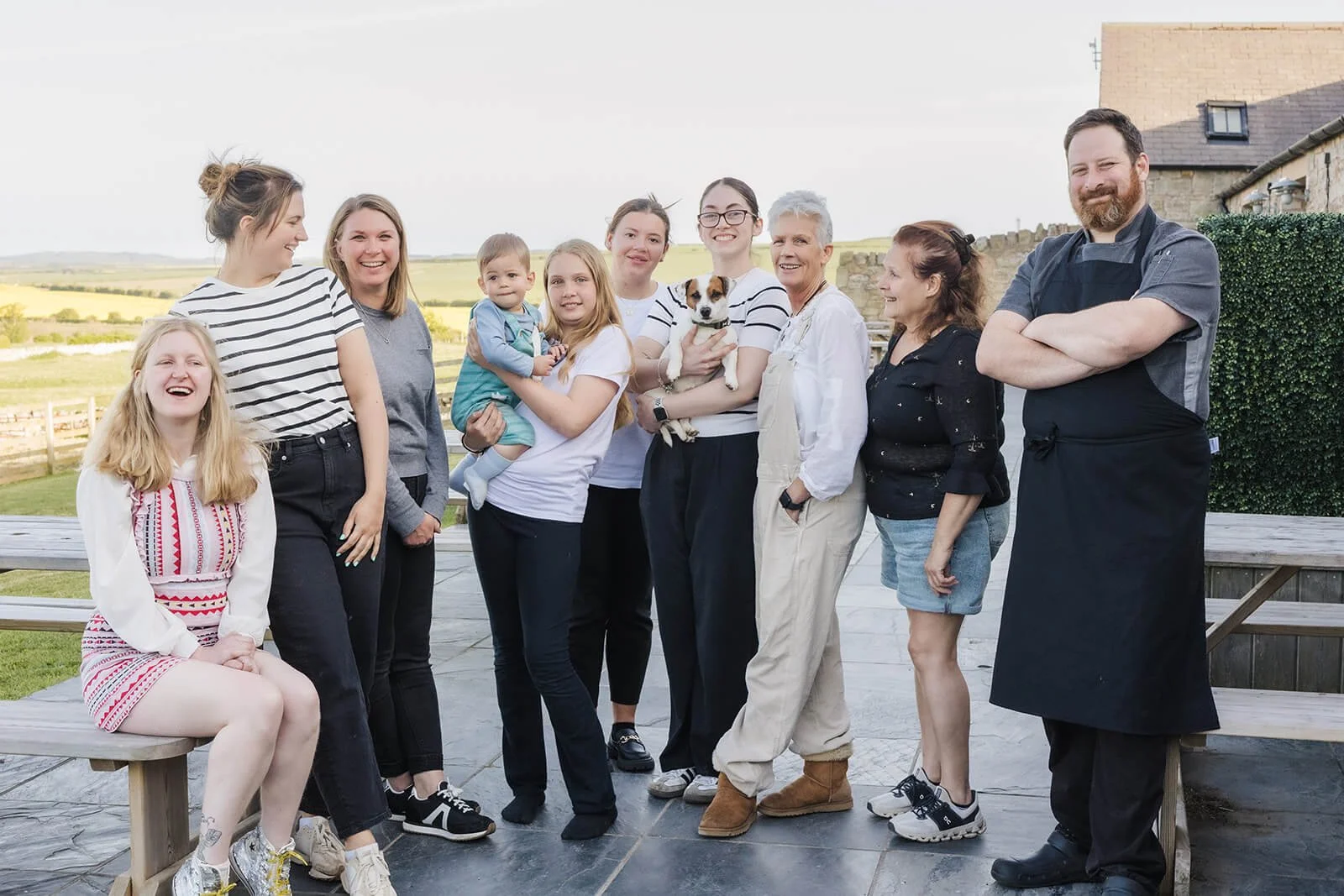
Team photo of The Barn at Beal Staff.
Types of Brand Photography for Product-Based Businesses
If you sell physical products, product photography is usually the priority.
This could mean clean e-commerce style images, styled product photographs, or a combination of both. It depends on where and how you sell.
For example, if you sell online, you may need clear product images on a plain background so customers can properly see what they are buying. If you also use Instagram or email marketing regularly, you might need more styled images that show your products in use or in a more branded setting.
Strong product photography helps you:
sell products more clearly
make your business look more professional
create consistent marketing content
improve trust with potential customers
show quality and detail
This is one of those areas where decent photos really do matter. People cannot pick up your product through a screen, so your images need to do more of the work.
If you’re feeling a bit unsure about the difference between product photography and branding photography, you’re not alone. They often overlap, but they do slightly different jobs. We’ve explained this in more detail in our blog on What’s the Difference Between Brand and Studio Photography?, which is a helpful place to start if you’re figuring out what your business needs.
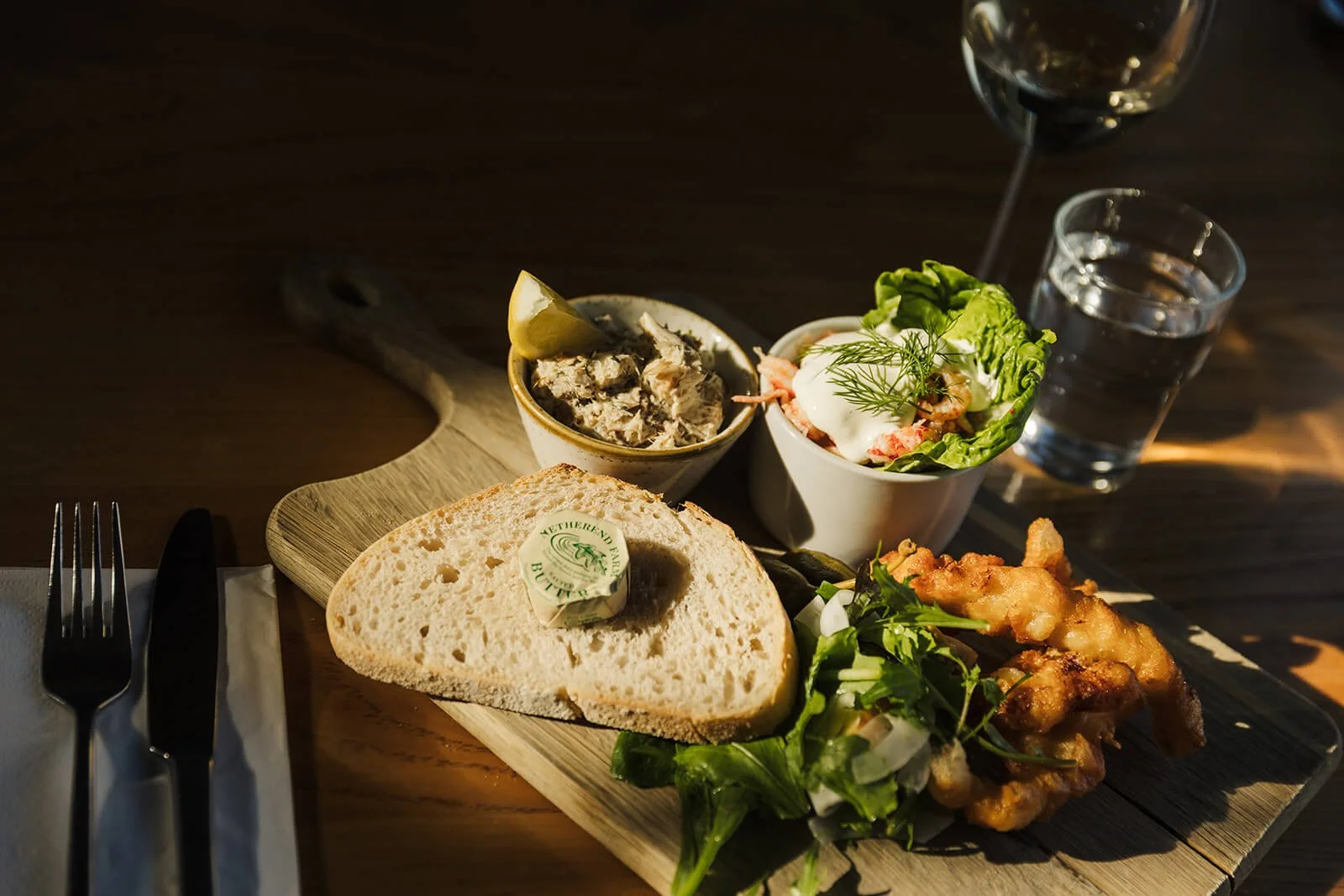
Rustic sharing board served at Barn at Beal photographed on their new menu branding shoot.
Types of Brand Photography for Places, Spaces and Hospitality Businesses
If your business involves a physical space, interiors and environmental photography may matter most.
This is especially true for shops, cafés, salons, studios, holiday lets, restaurants, and venues. Before someone visits in person, your photography is often doing the heavy lifting in helping them imagine the experience.
These images help people get a feel for:
the atmosphere
the quality
the setting
the customer experience
the little details that make your business feel distinctive
For many hospitality and location-based businesses, it’s not just about showing what the place looks like. It’s about showing what it feels like to be there.
That’s often the difference between a business that looks nice online and one that makes people want to book, visit, or recommend it.
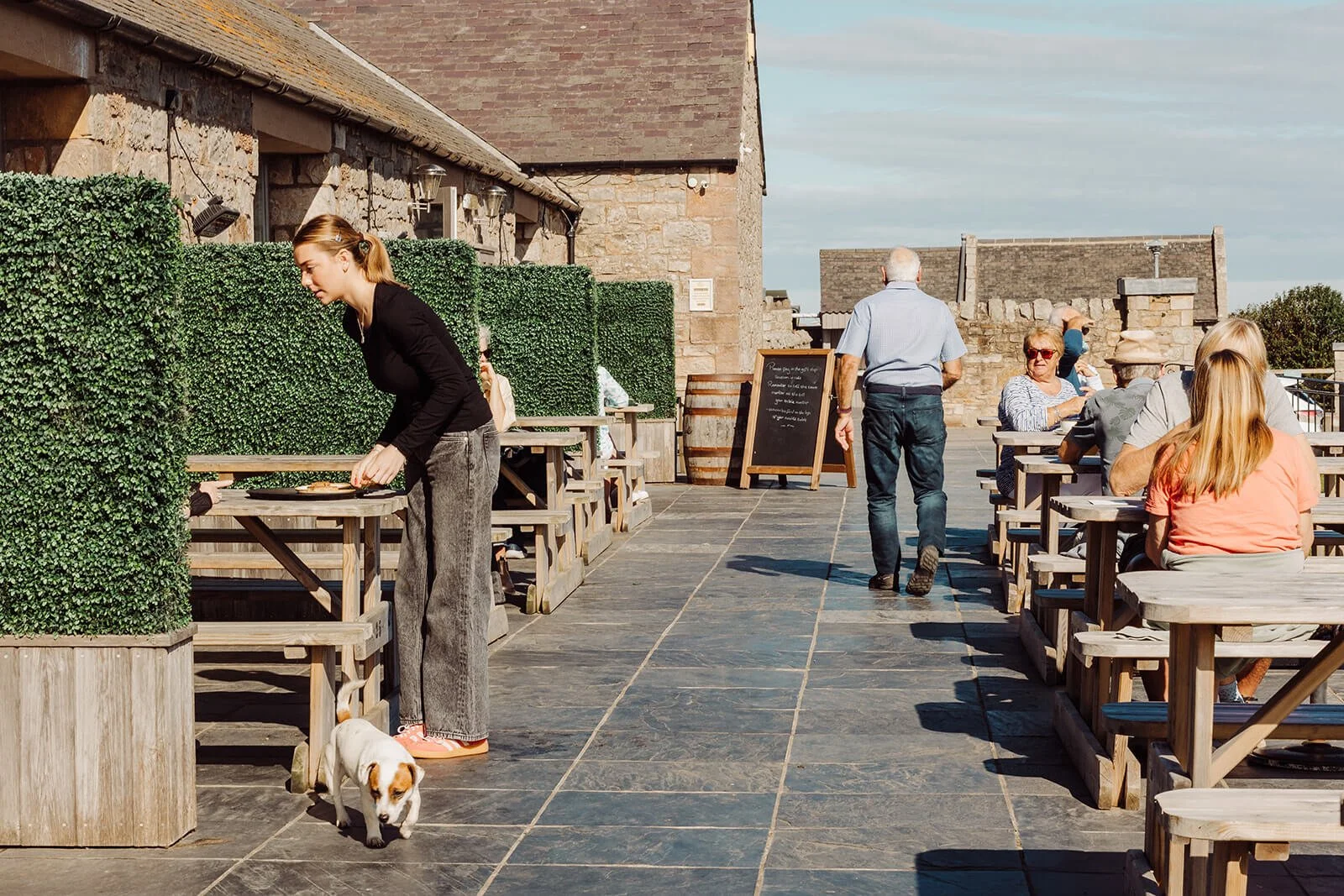
Brand photography at Barn at Beal showing outdoor dining experience and customer atmosphere.
Types of Brand Photography for Teams and Growing Businesses
For some businesses, headshots and team photography are the best place to start.
This is especially useful when you want your website to feel more personal and more professional, or when you want to show the people behind the business rather than just the business name.
A good set of team images can instantly make a brand feel more approachable. People like seeing who they’re dealing with. It builds familiarity and trust, especially for local businesses.
This doesn’t have to mean very formal corporate-style portraits unless that genuinely suits your brand. Team photography can still feel relaxed, warm and natural while looking polished.
If you’re a business with several people involved, even a simple set of updated headshots and a few team interaction images can go a long way.
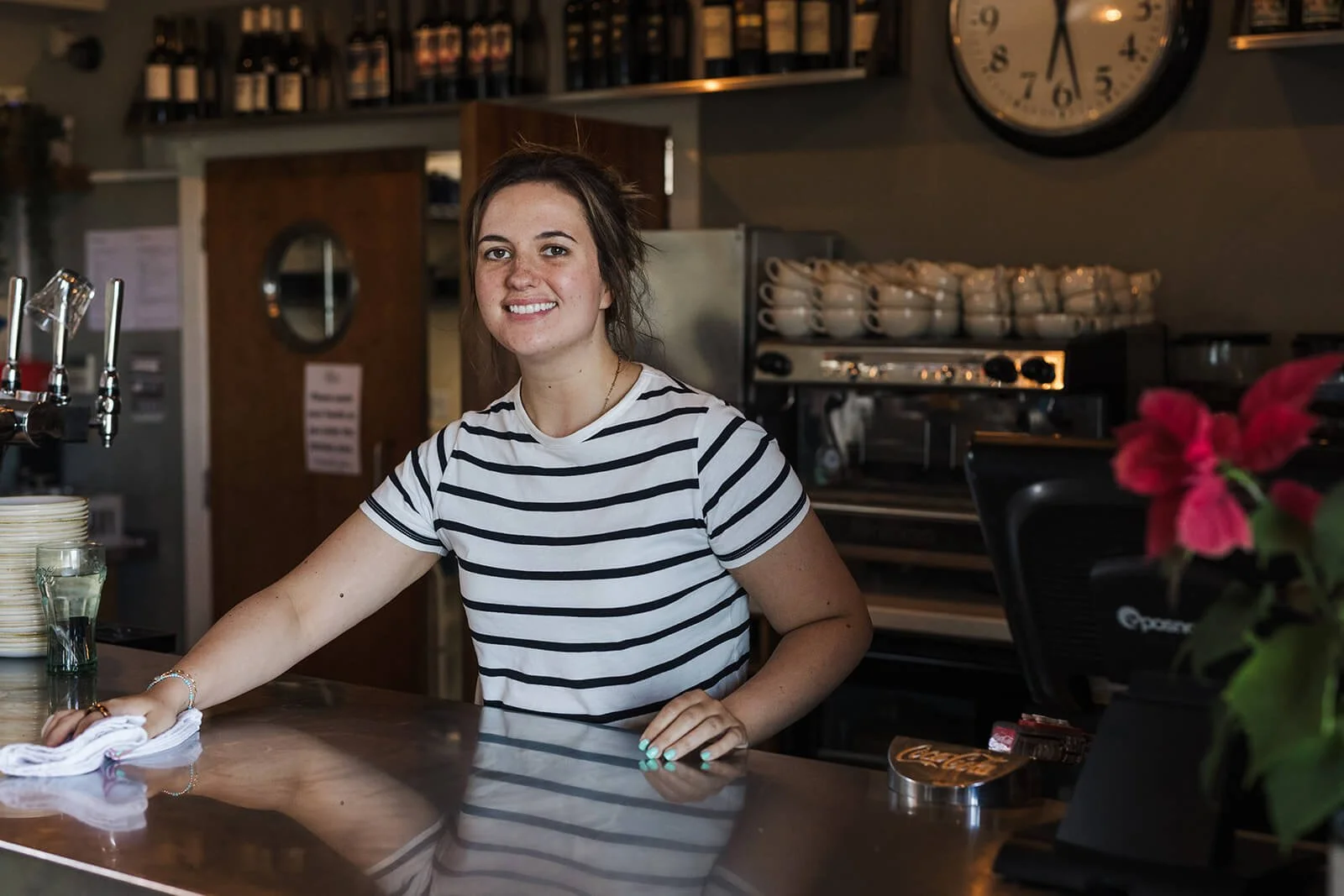
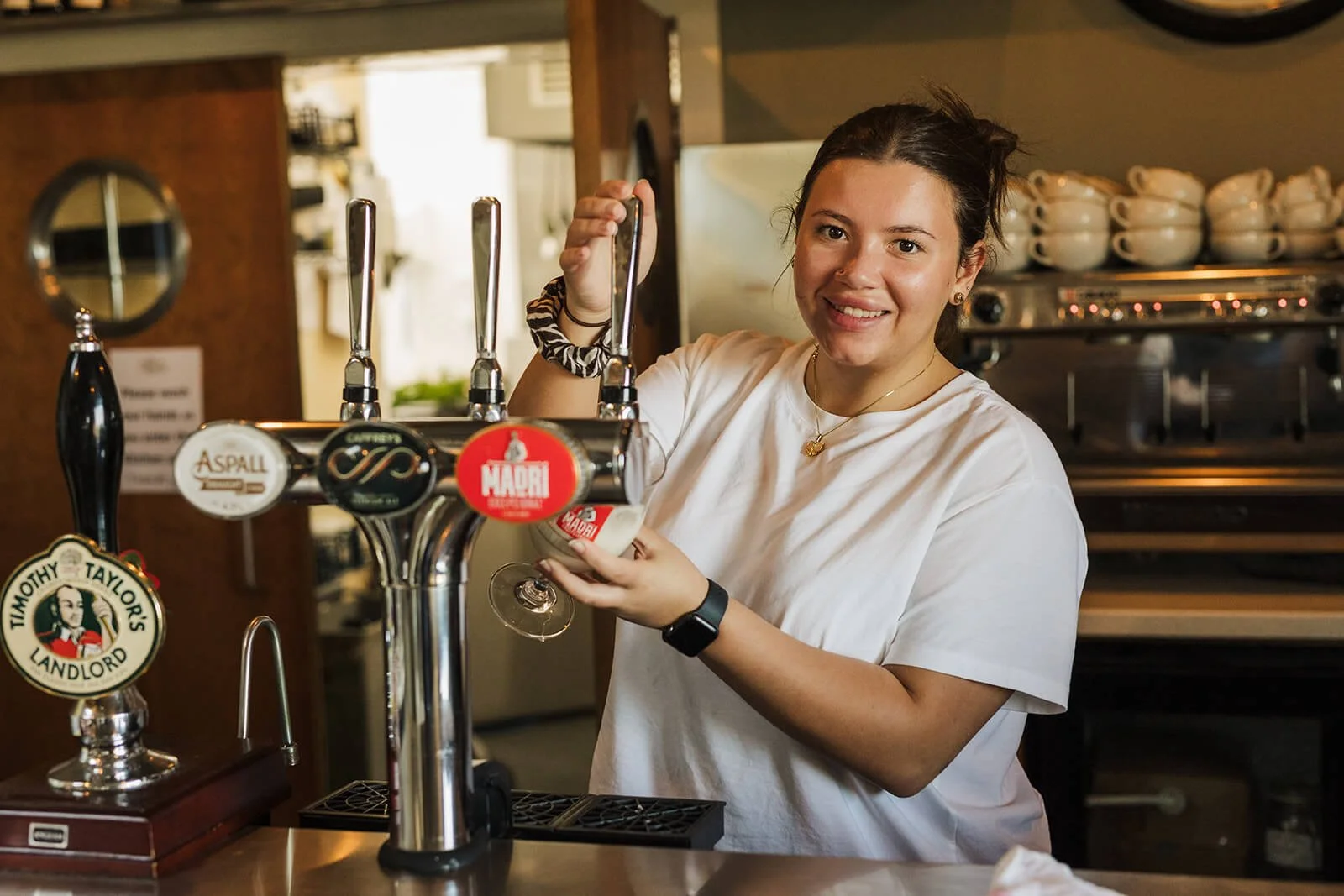
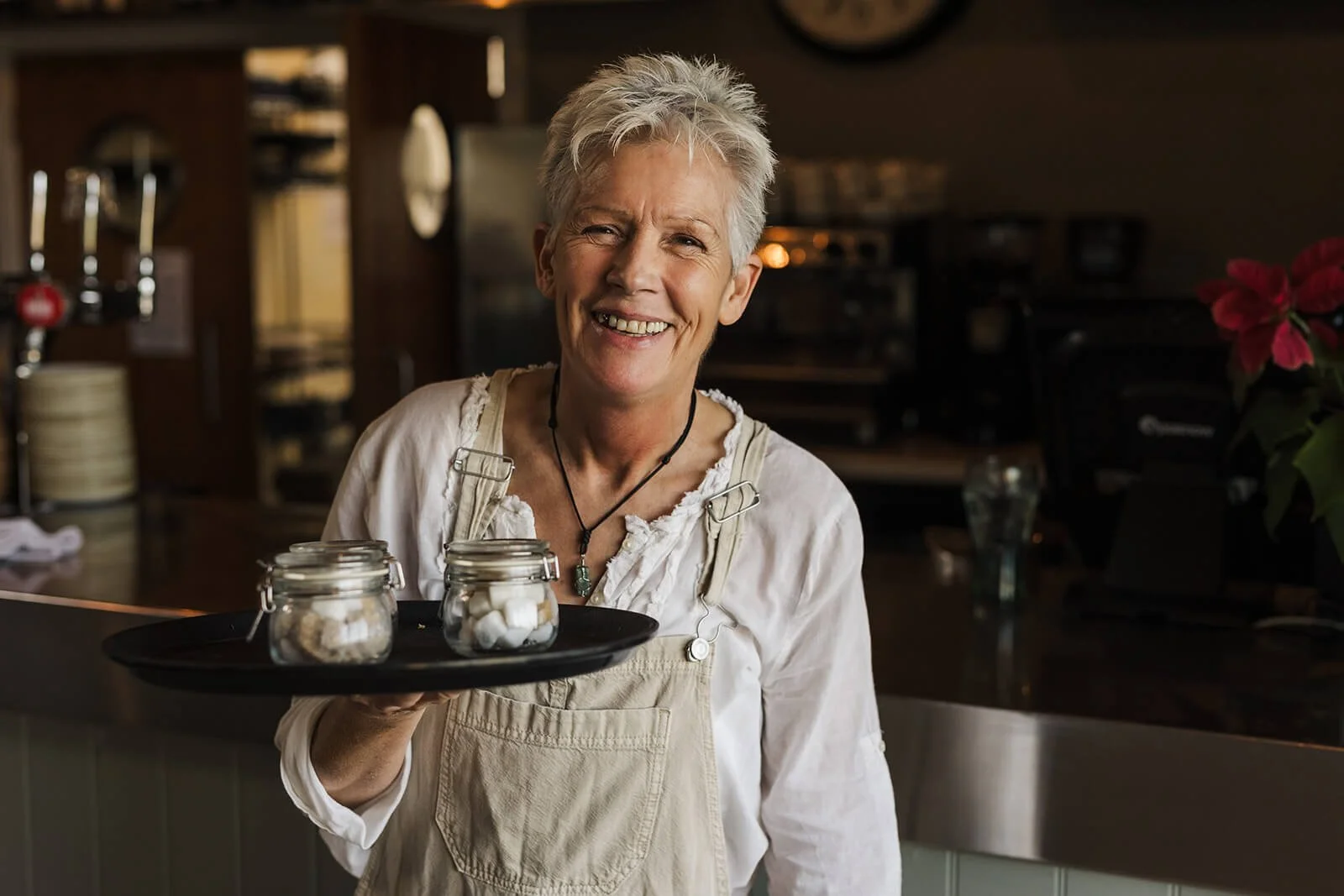
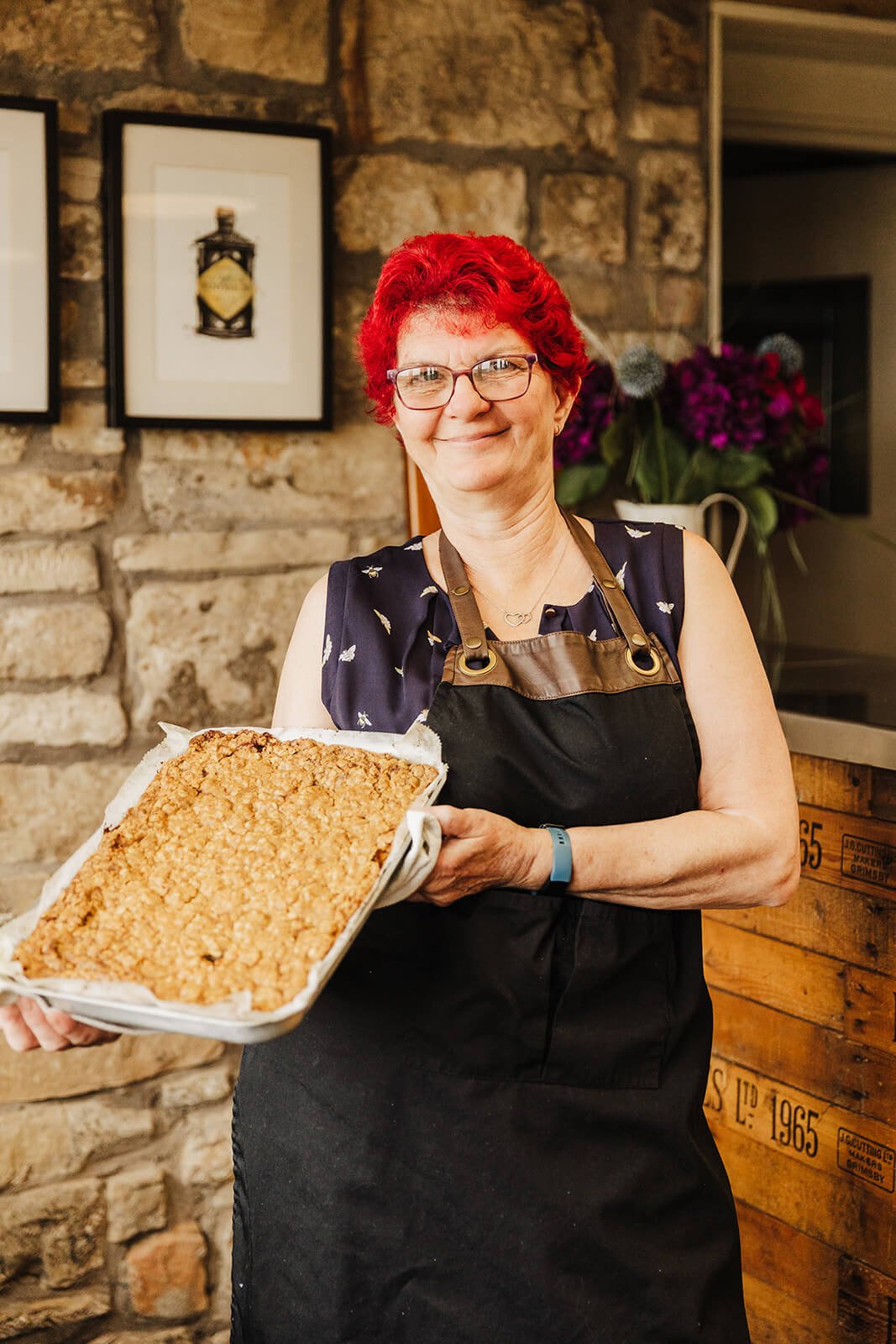
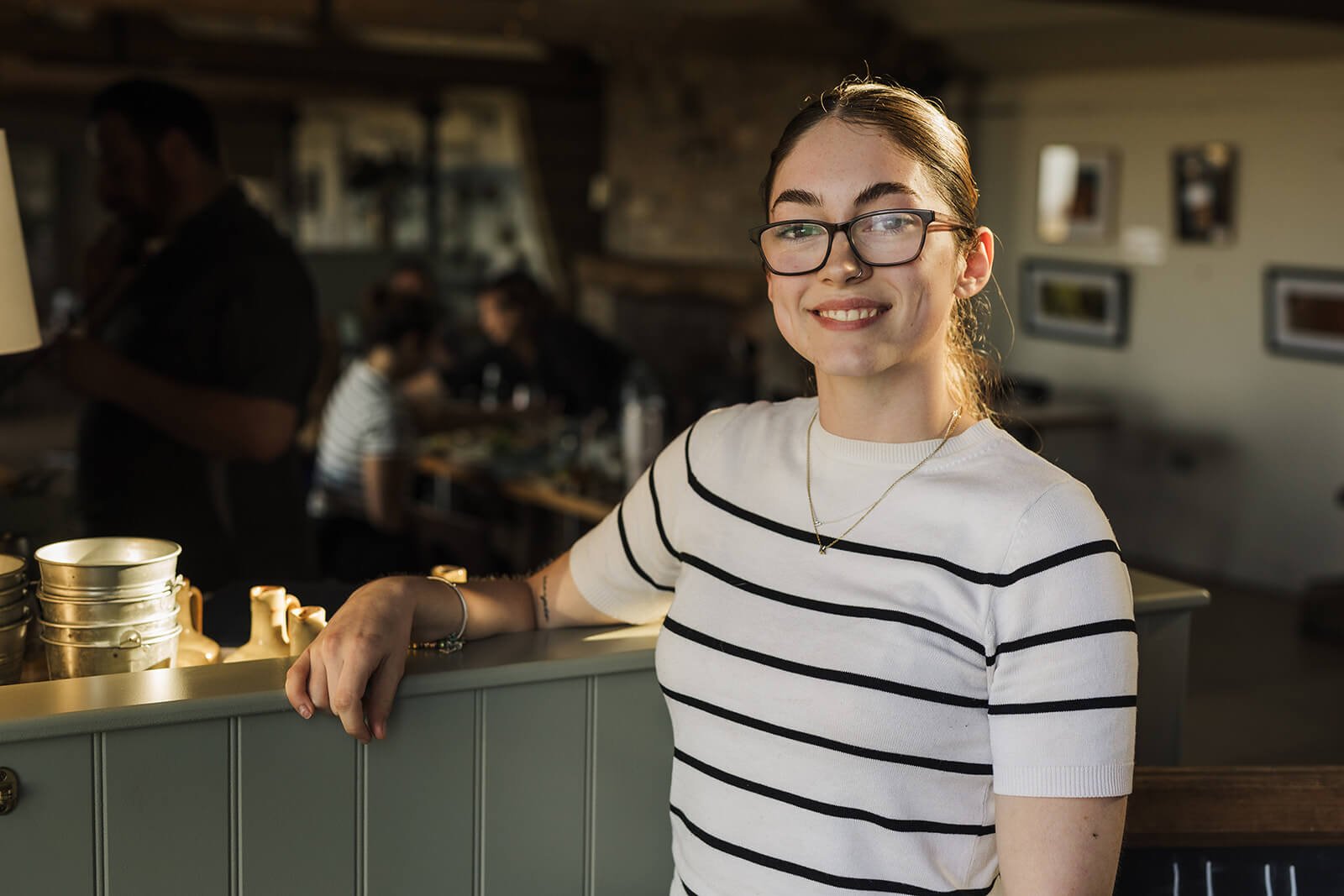
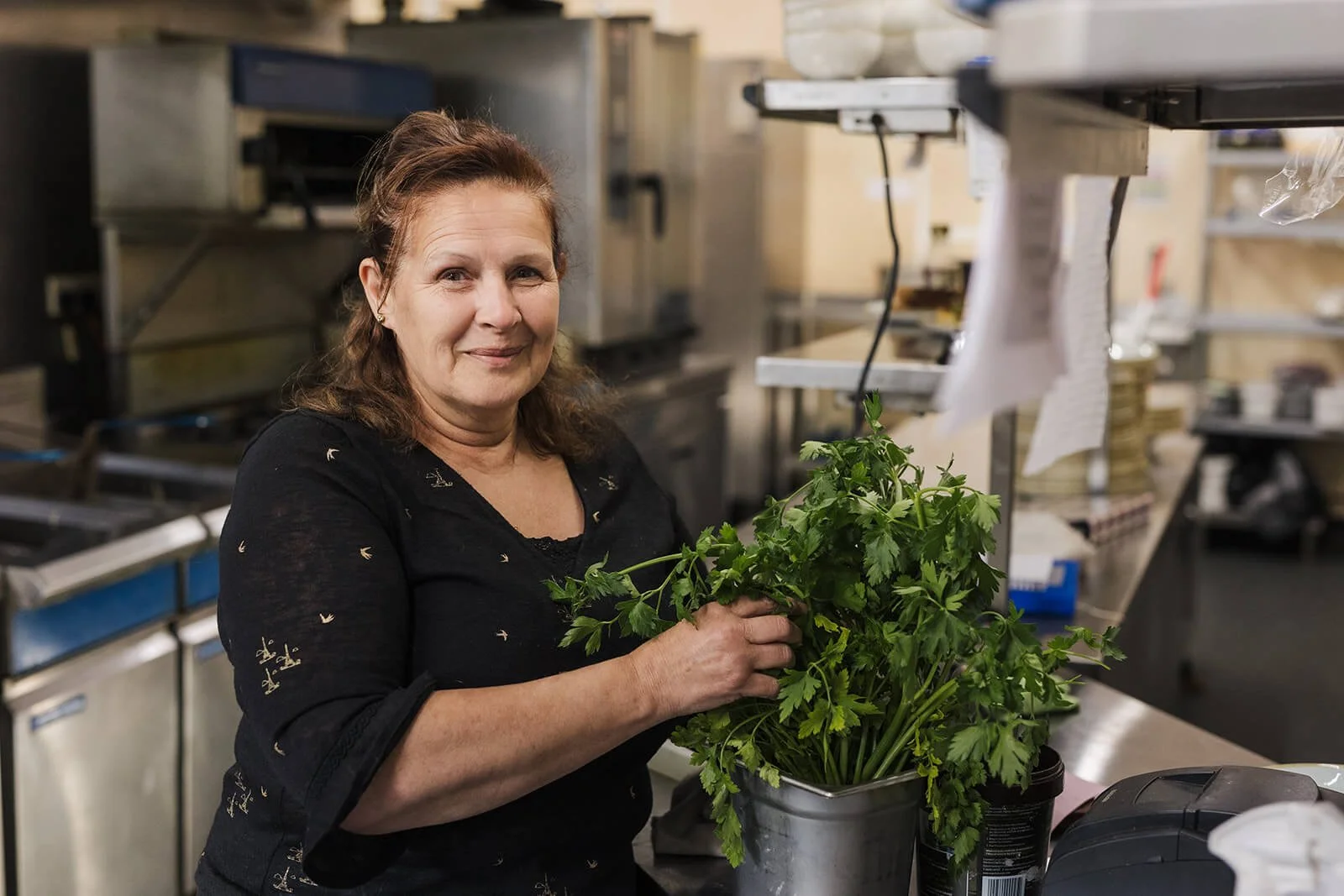
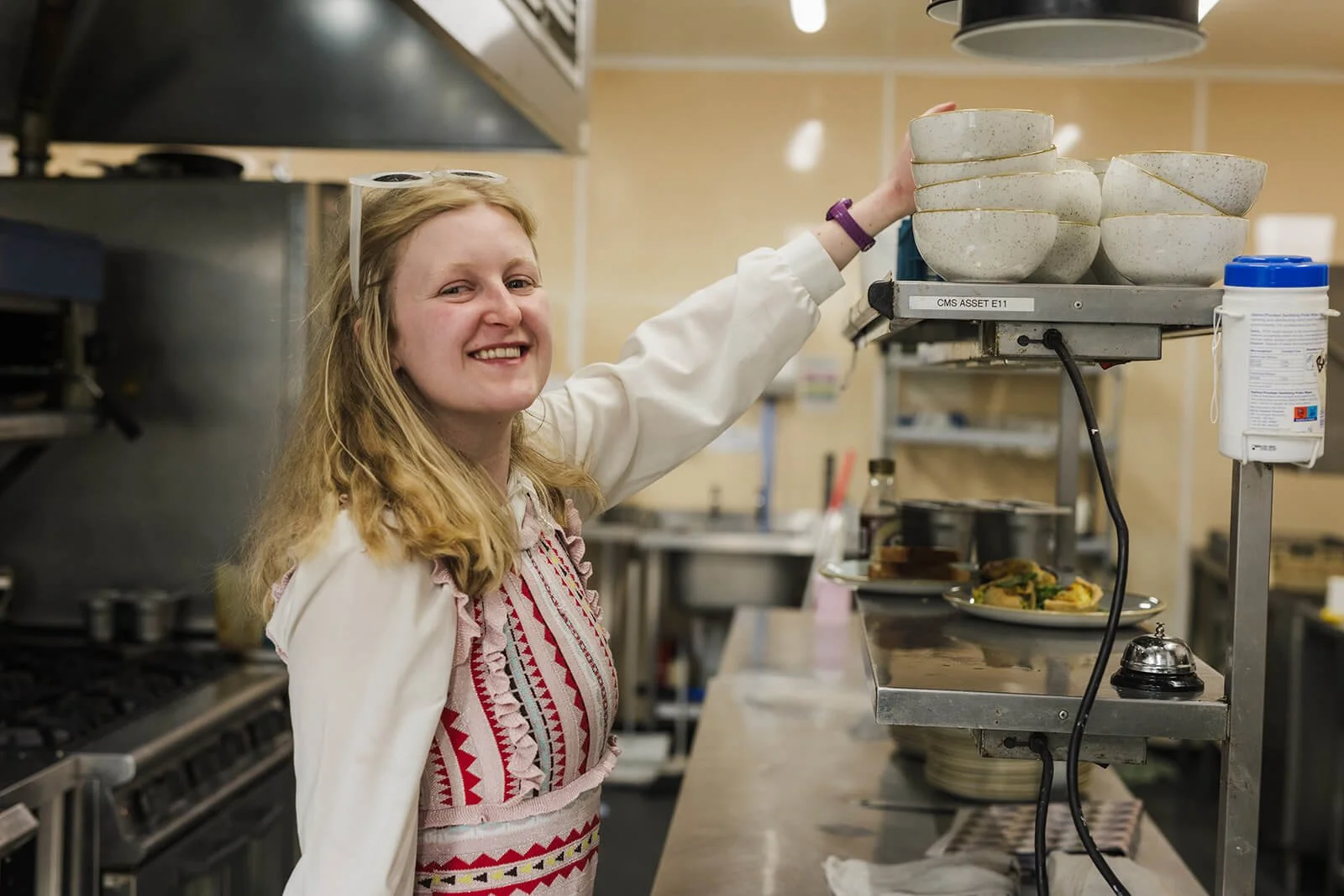
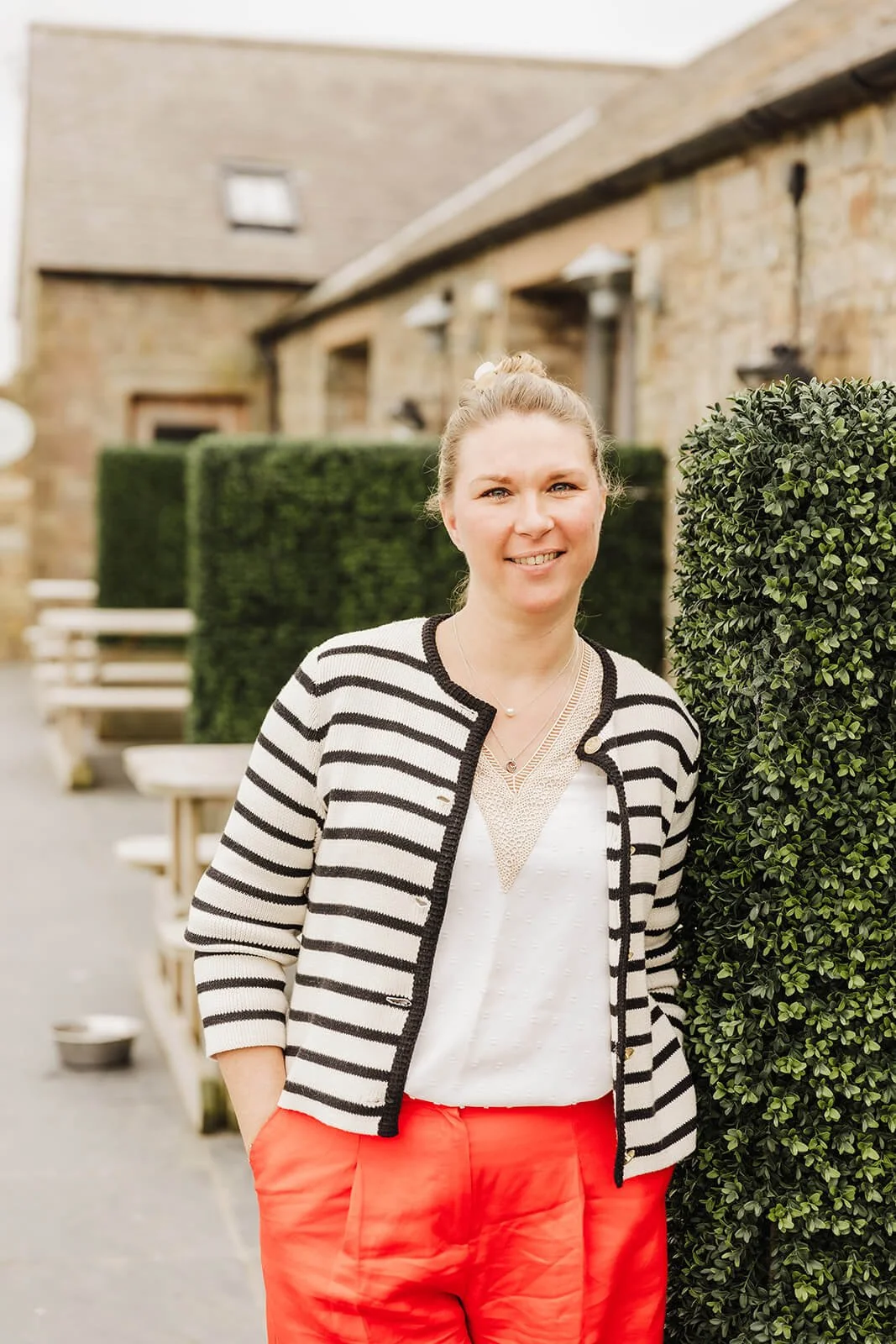
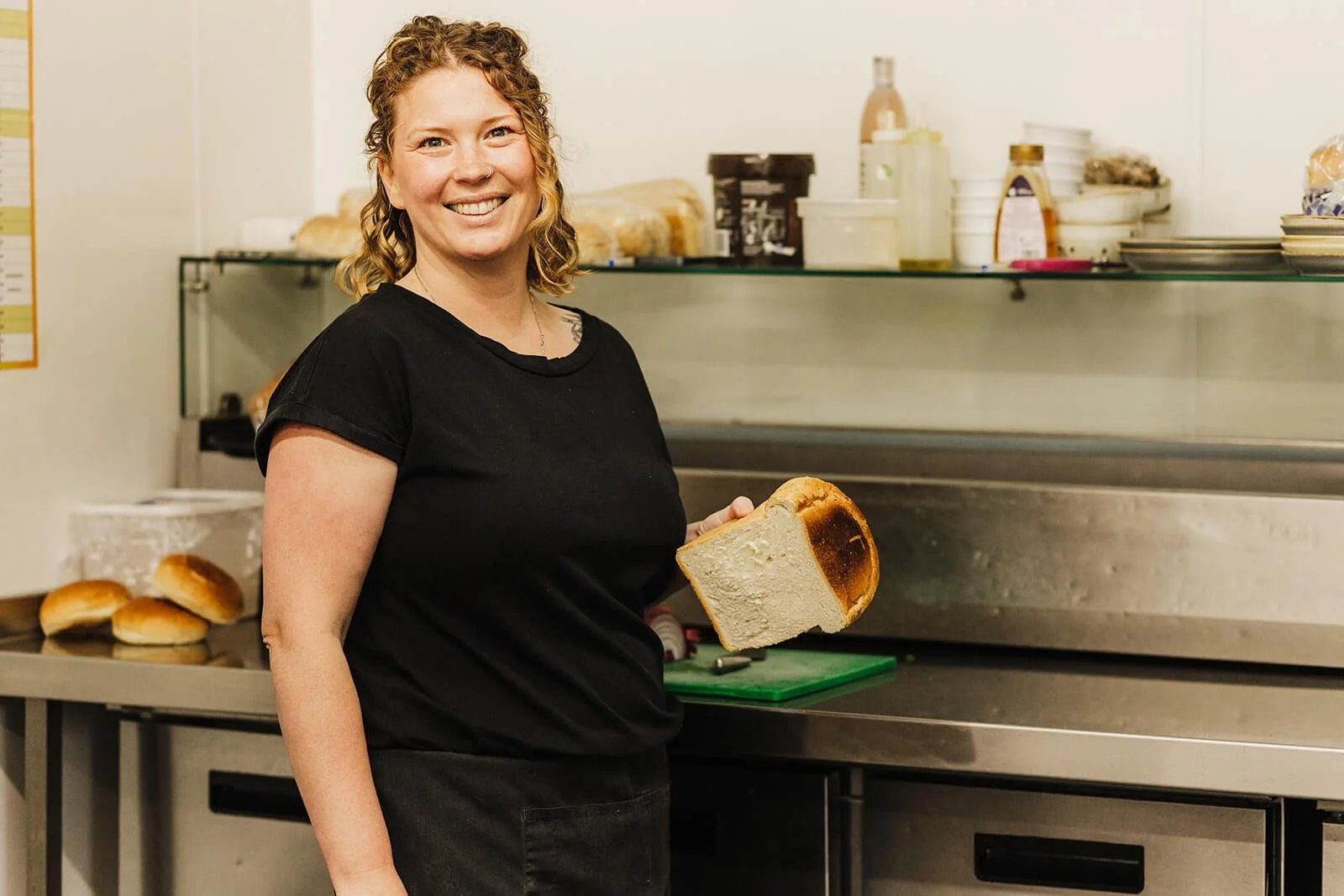
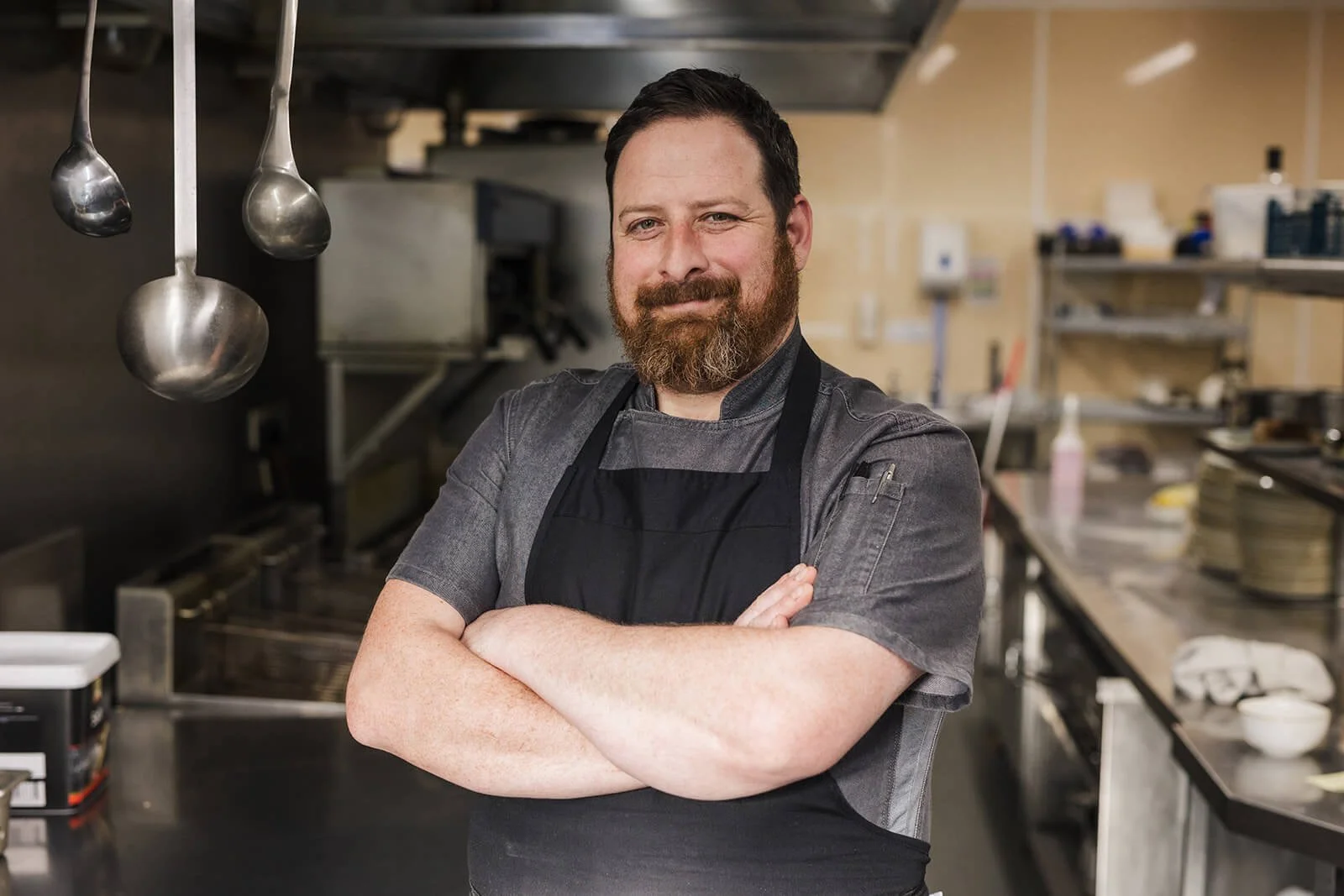
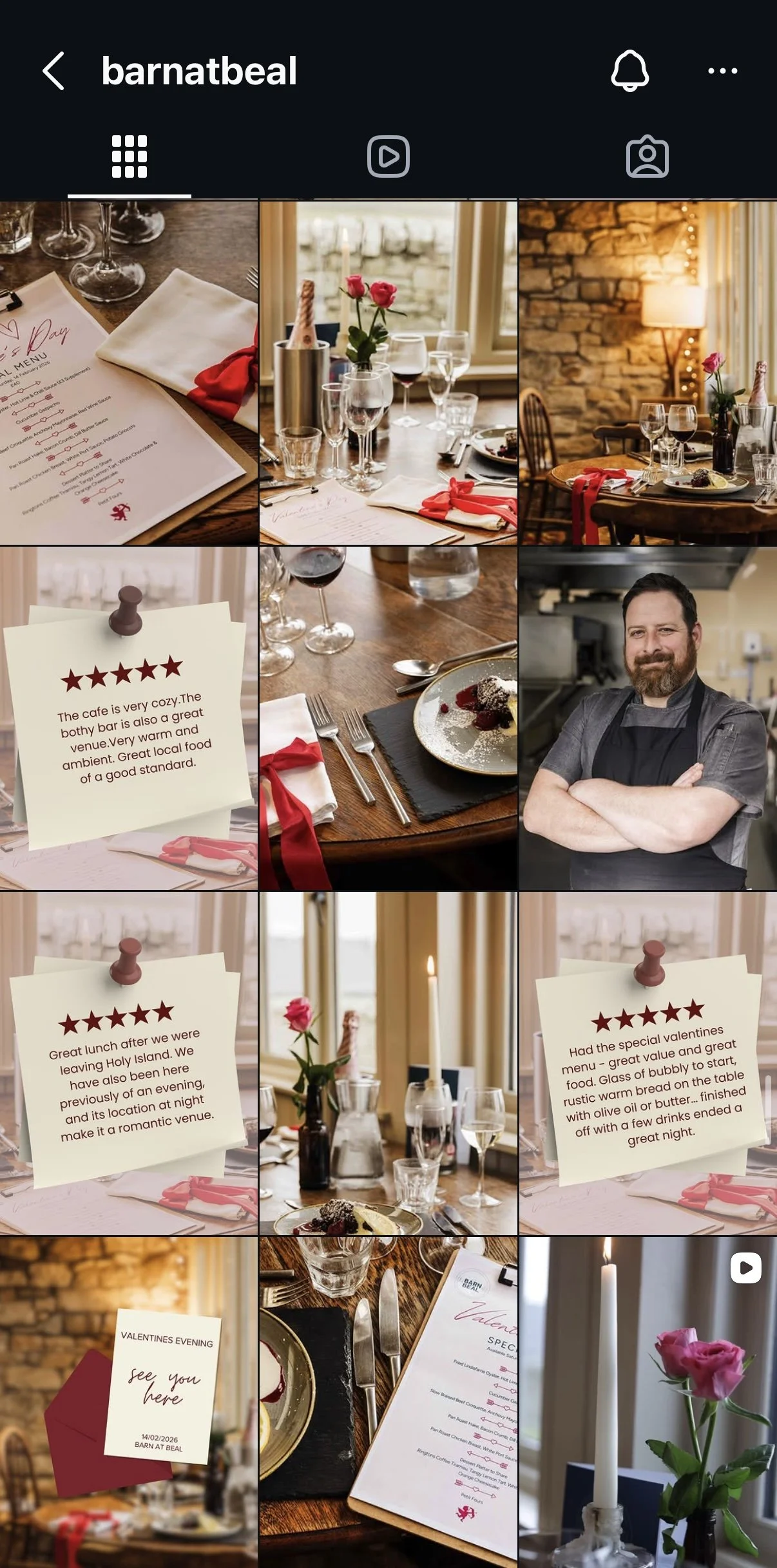
Brand Photography Types in Real Life: Barn at Beal
Barn at Beal is such a good example of why choosing the right types of brand photography matters.
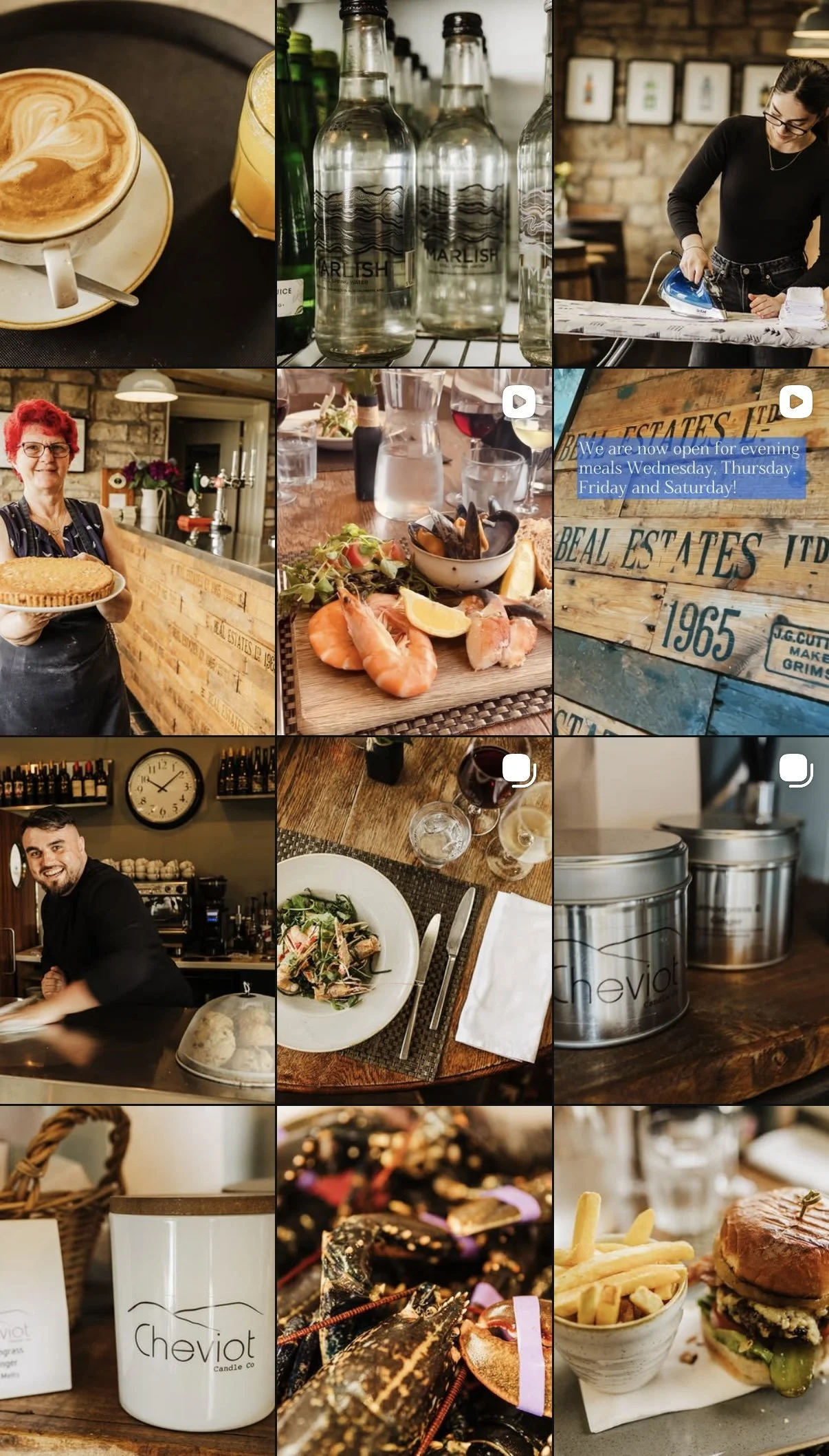
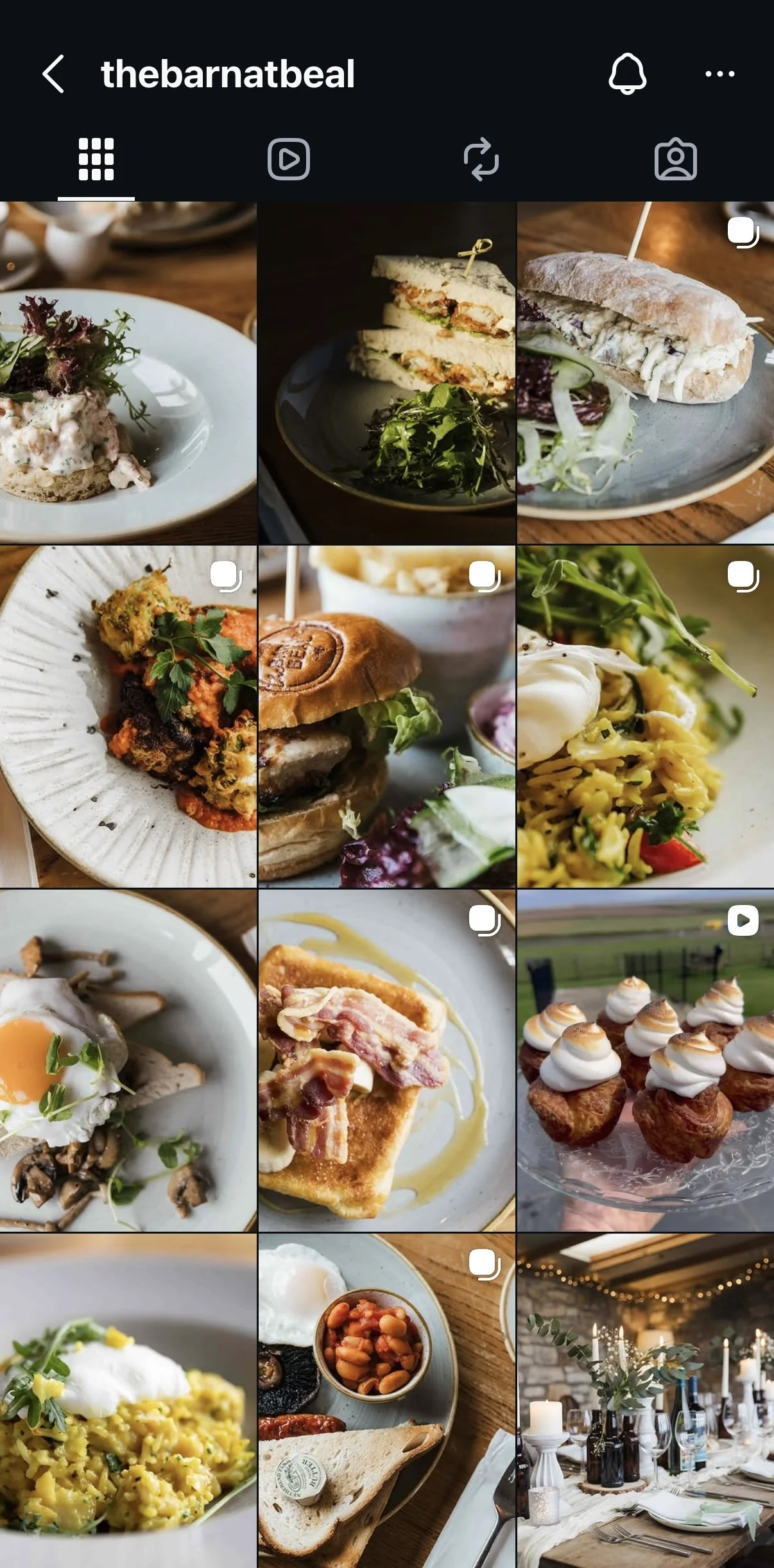
We’ve created a variety of images for them over time, including promotional social media content, product photography of their items and food, and wider brand imagery that supports how they show up across their website and social media.
And that’s exactly why they work so well as a case study here.
They are not relying on one type of image to do every job.
Instead, the photography supports different parts of the business:
product images help show what’s available clearly and attractively
promotional content gives them fresh visuals for social media
brand-led imagery helps create a consistent feel across their online presence
food and item photography helps make what they offer feel tangible and appealing
wider visual storytelling helps people connect with the business before they visit
That mix is often what makes the biggest difference.
Barn at Beal use their images well because the photography is serving a purpose. It is not just there to fill space. It helps support their marketing, website, and day-to-day visibility as a business.
What works especially well is having a thoughtful mix of images that can be used in different places, from social media to website pages to promotional content. When photography is planned with that in mind, it tends to feel much more useful day to day.
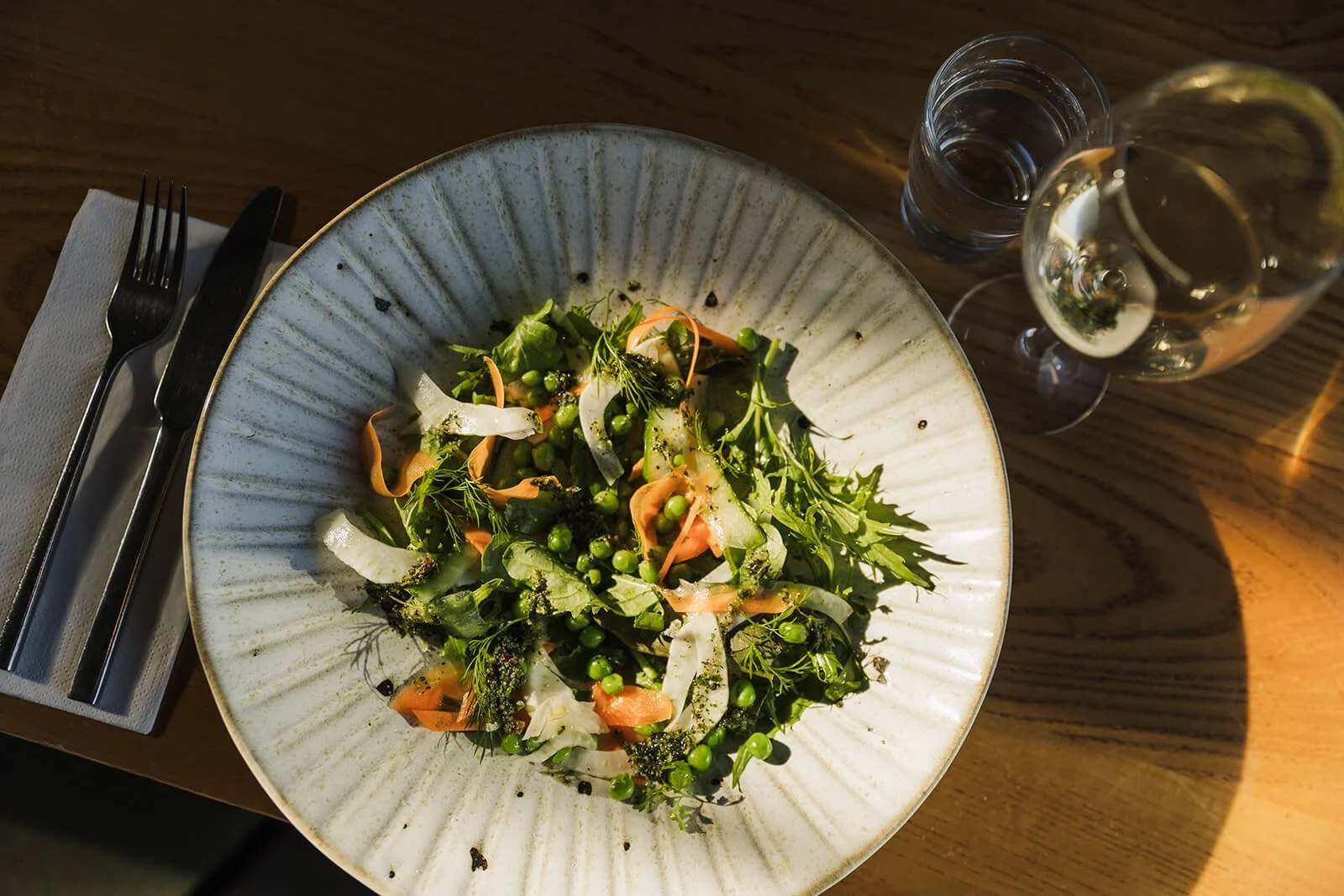
Brand photography capturing a carefully plated dish to showcase menu quality at Barn at Beal.
Barn at Beal Campaign Photography
Another reason Barn at Beal are such a strong example for this is that the photography has not just supported the business in a general, day-to-day way. It has also helped bring specific campaigns and seasonal moments to life throughout the year.
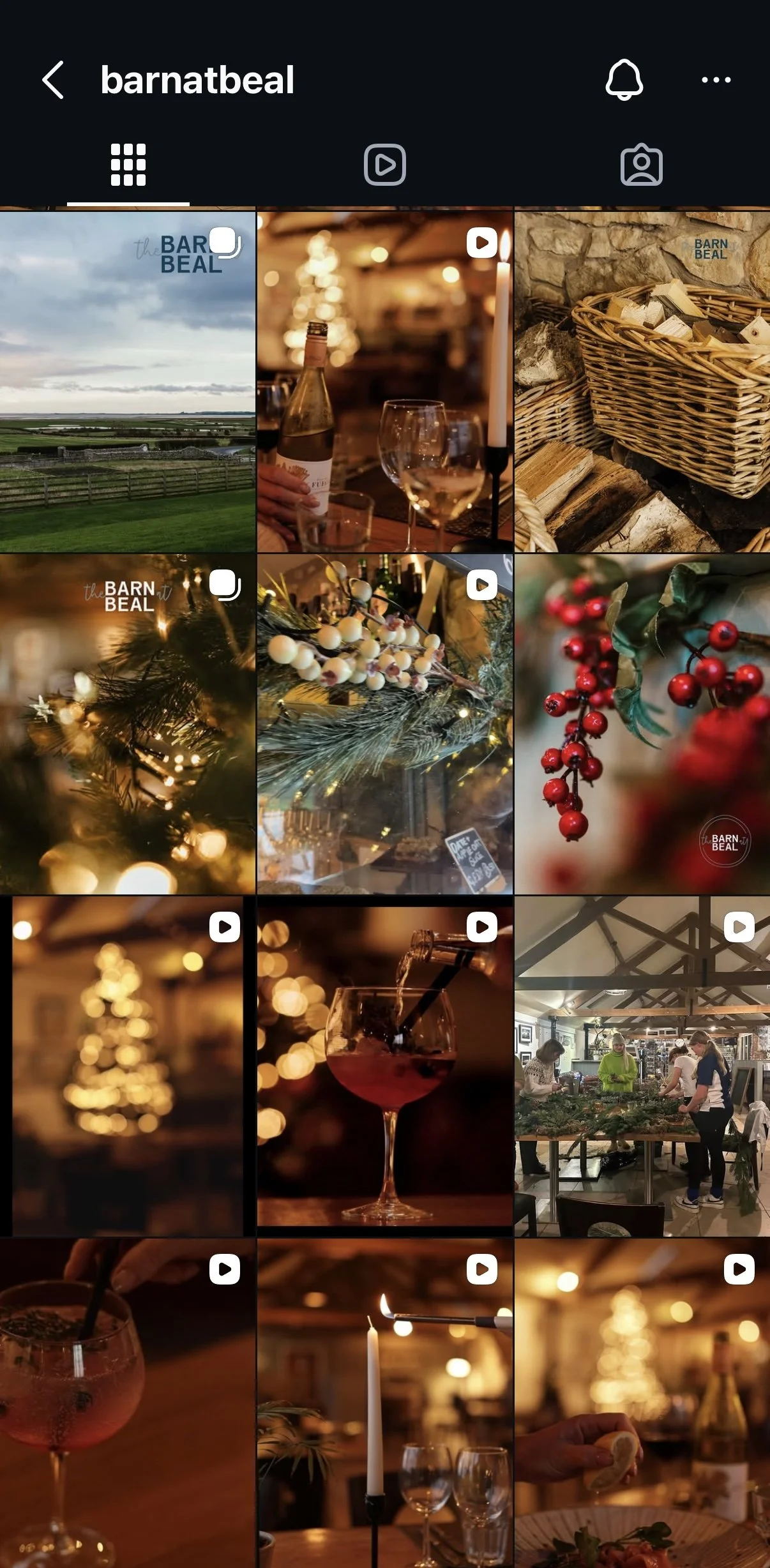
Over time, we’ve created imagery for a range of campaigns including Valentine’s Day, Mother’s Day, weddings, new menu launches, Christmas, tasting evenings, and Easter. Each of these needed something slightly different in terms of mood, message, and how the images would be used.
That’s a really good example of why brand photography is not always one fixed thing. A business often needs different styles of images at different times, depending on what they are promoting.
For Barn at Beal, that has meant creating photography that could support:
seasonal campaigns like Christmas, Easter, Valentine’s Day and Mother’s Day
event promotion for weddings and tasting evenings
launch content for new menu releases
social media content that feels fresh and timely
website and marketing visuals that reflect what is happening in the business right now
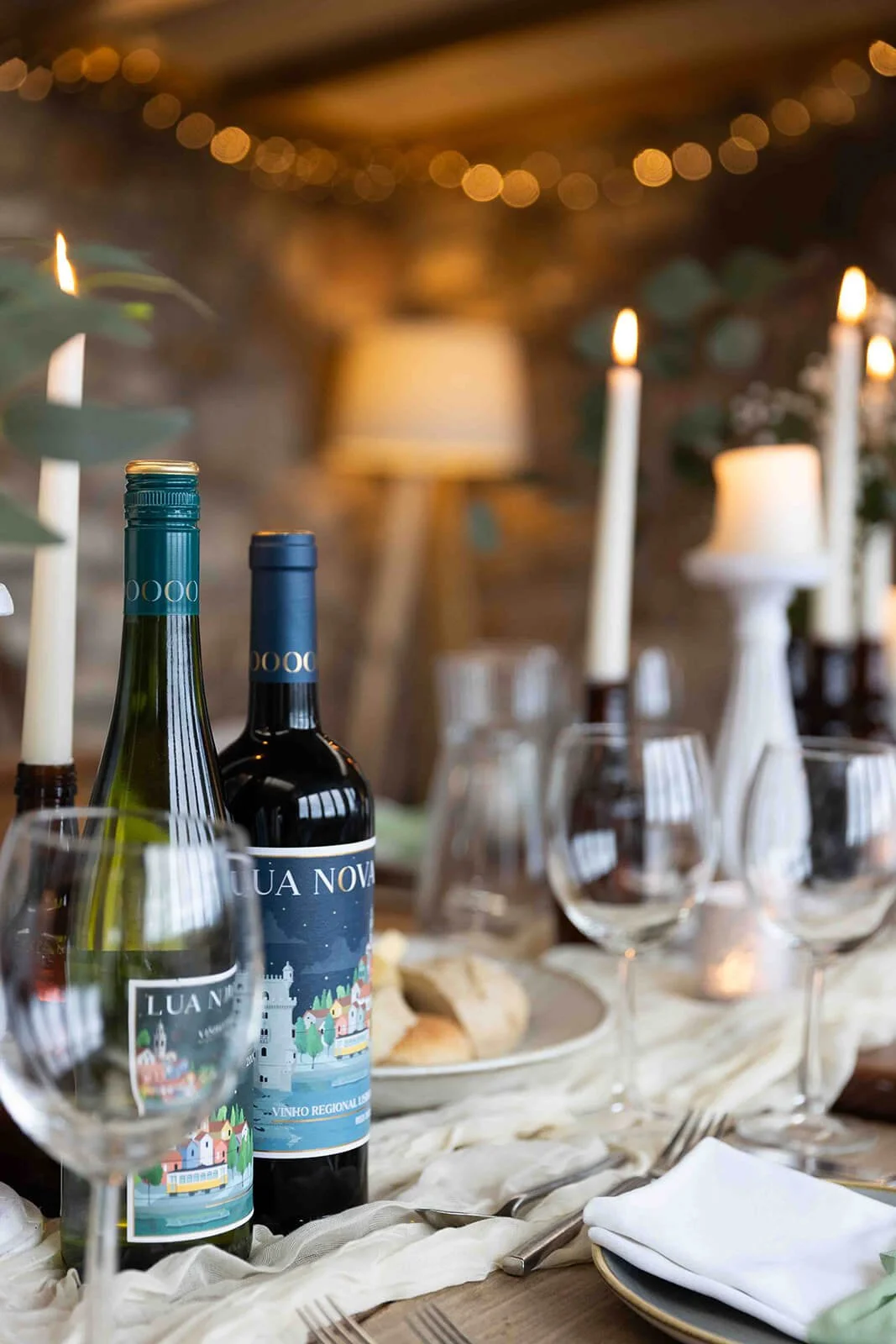
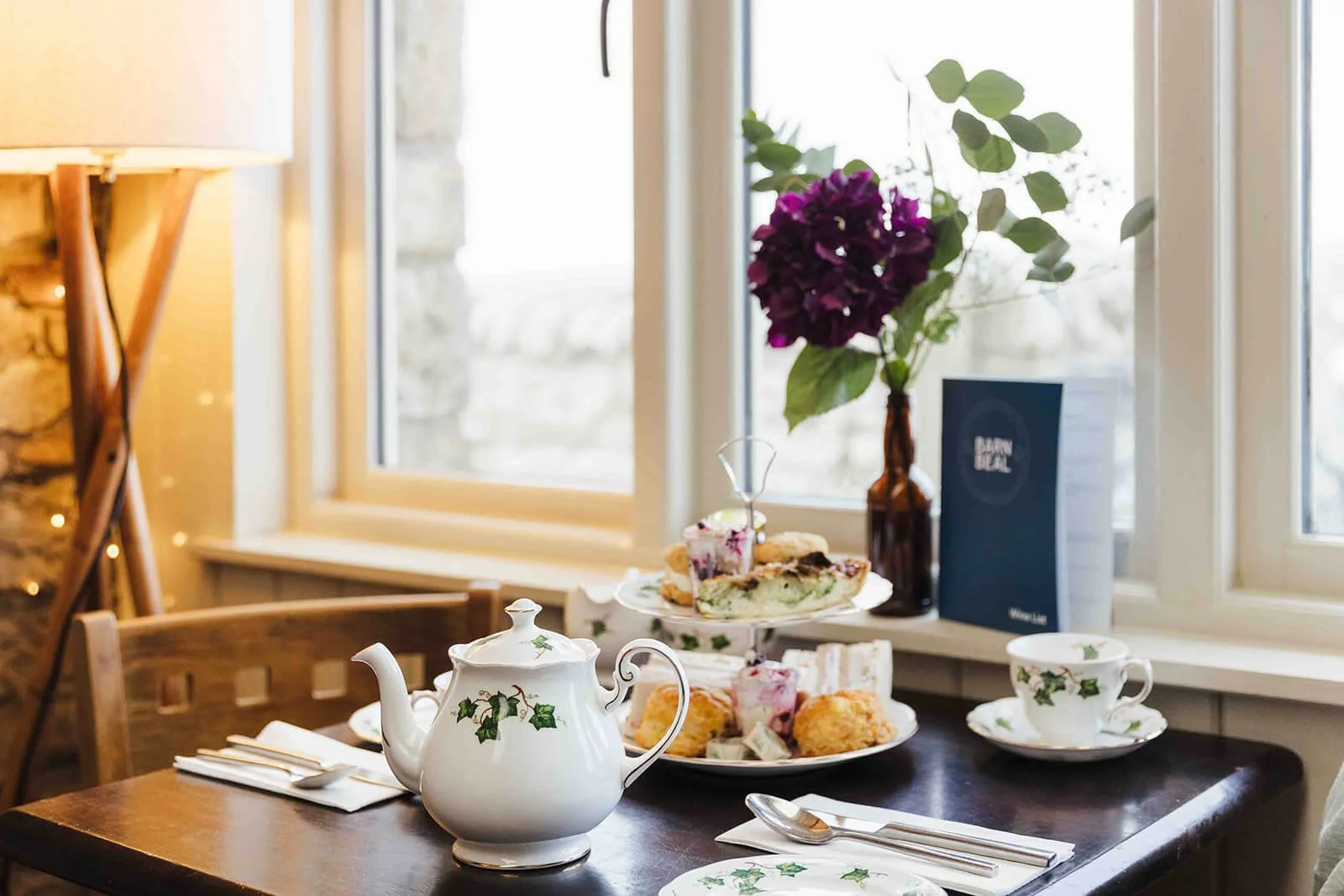
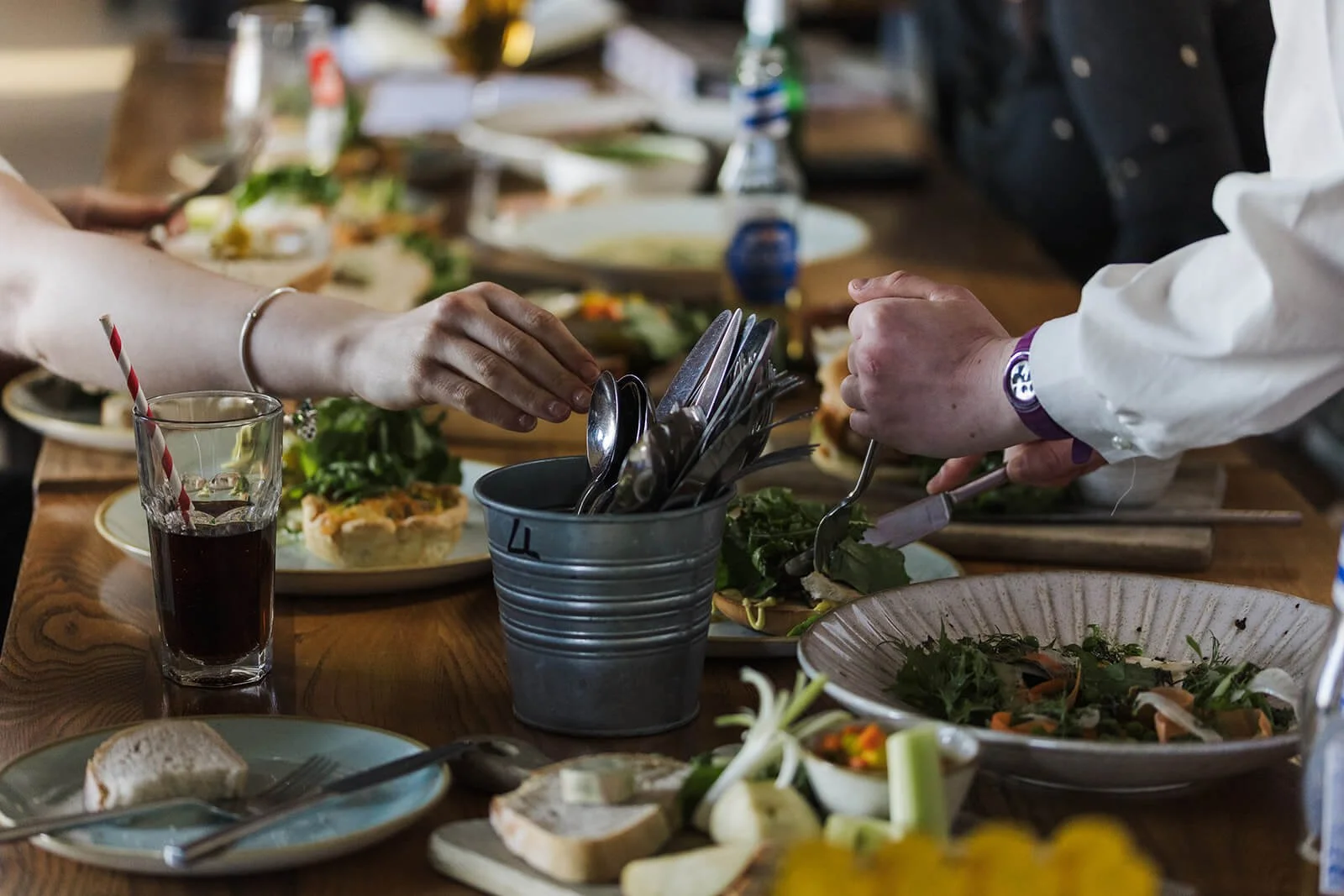
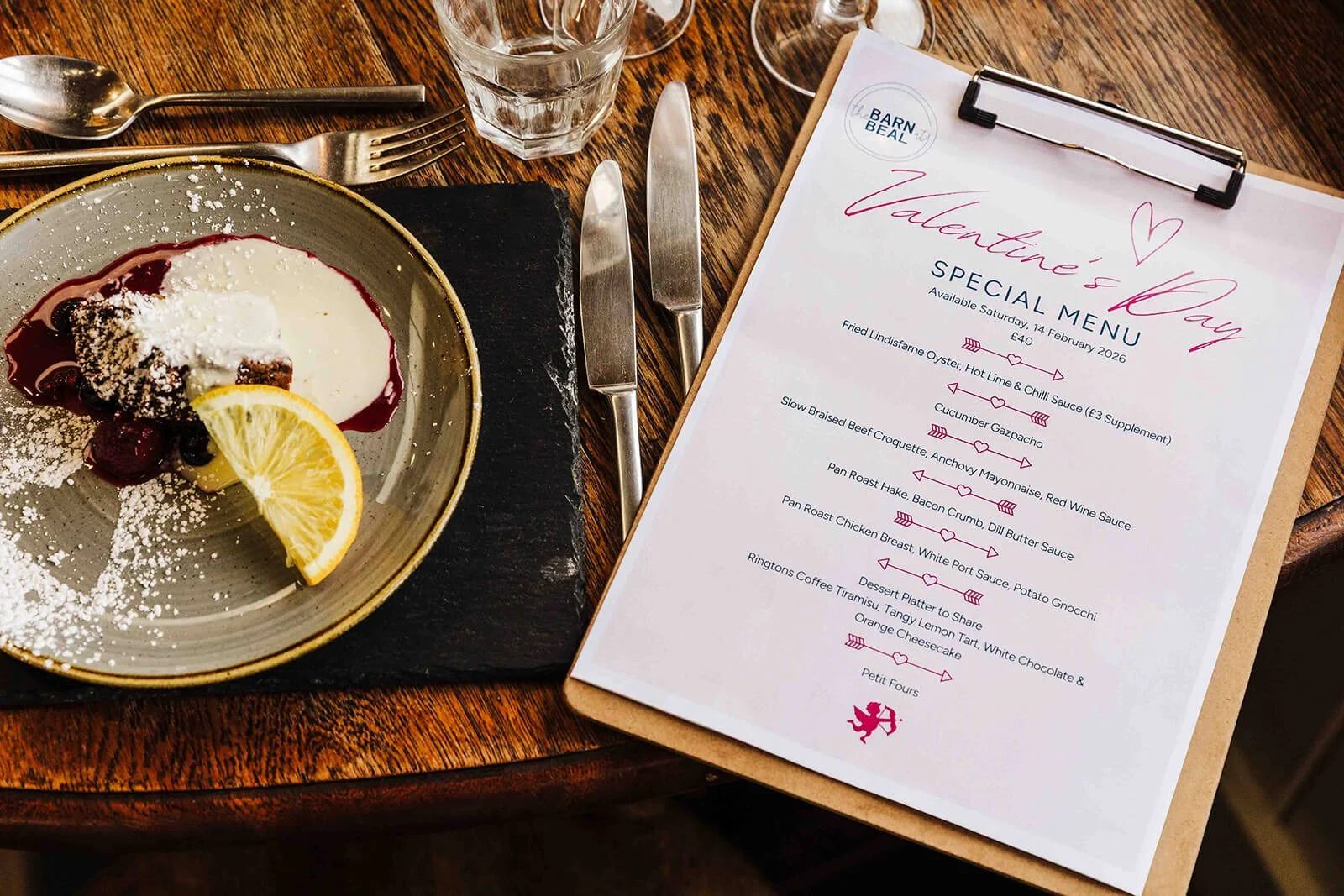
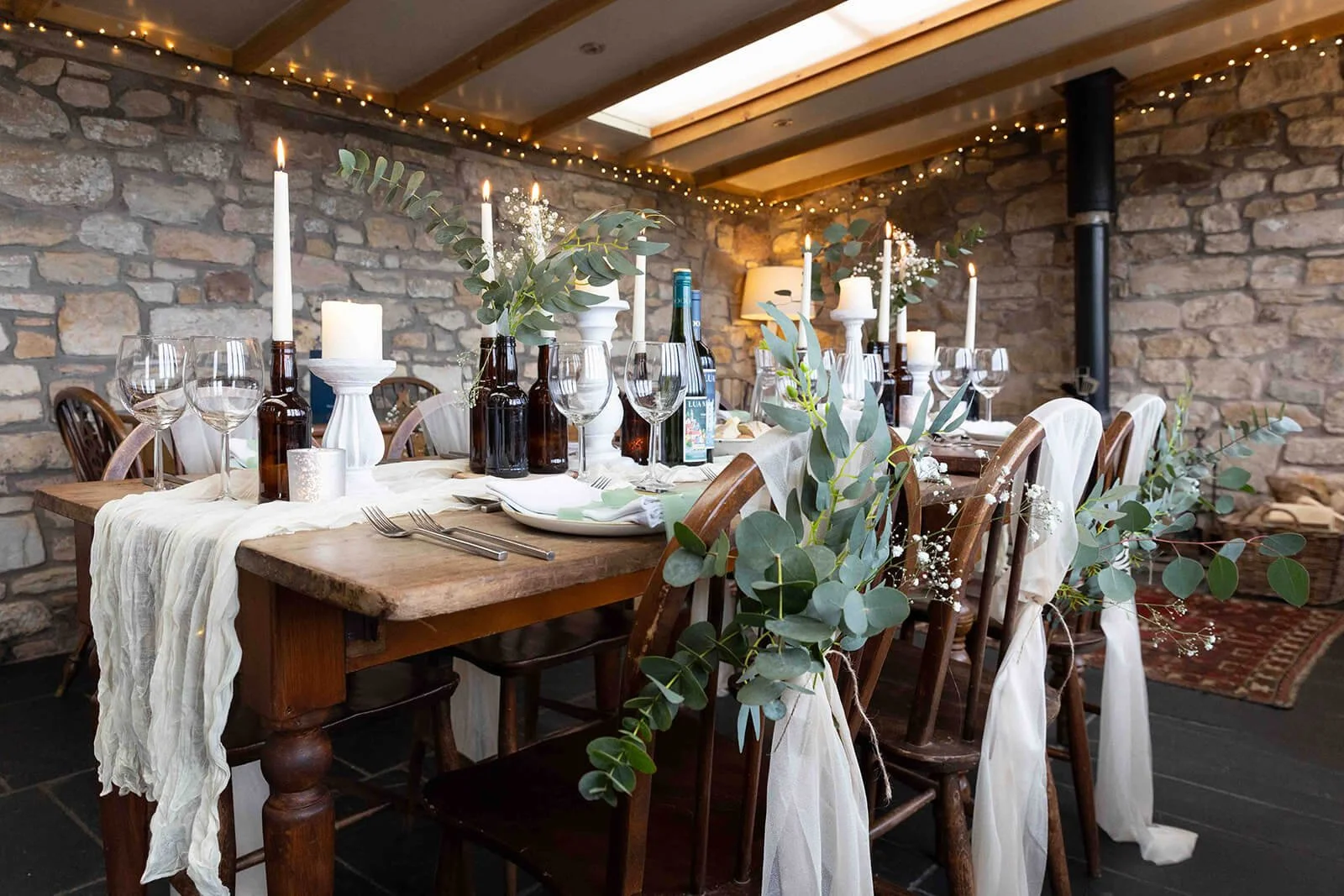
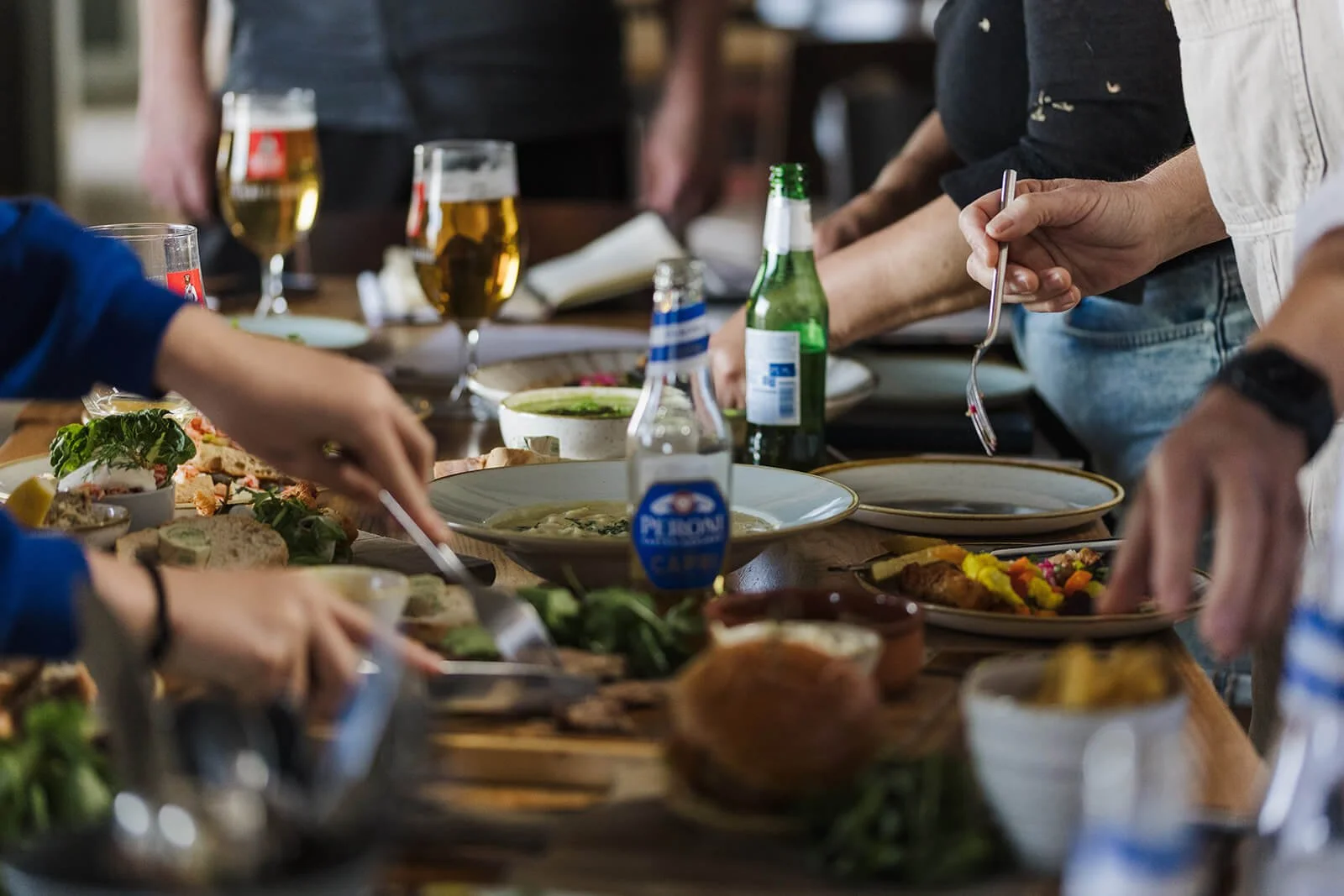
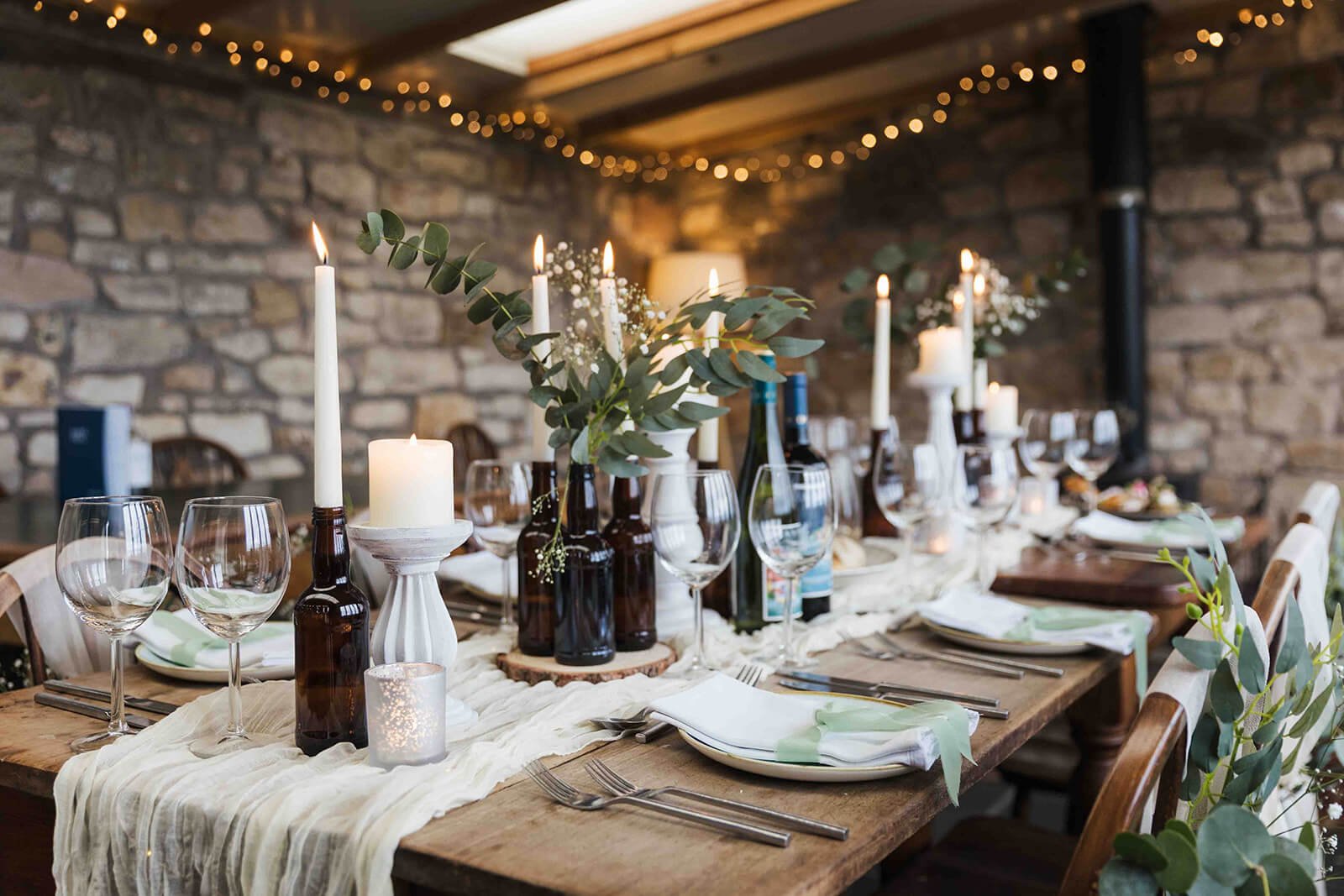
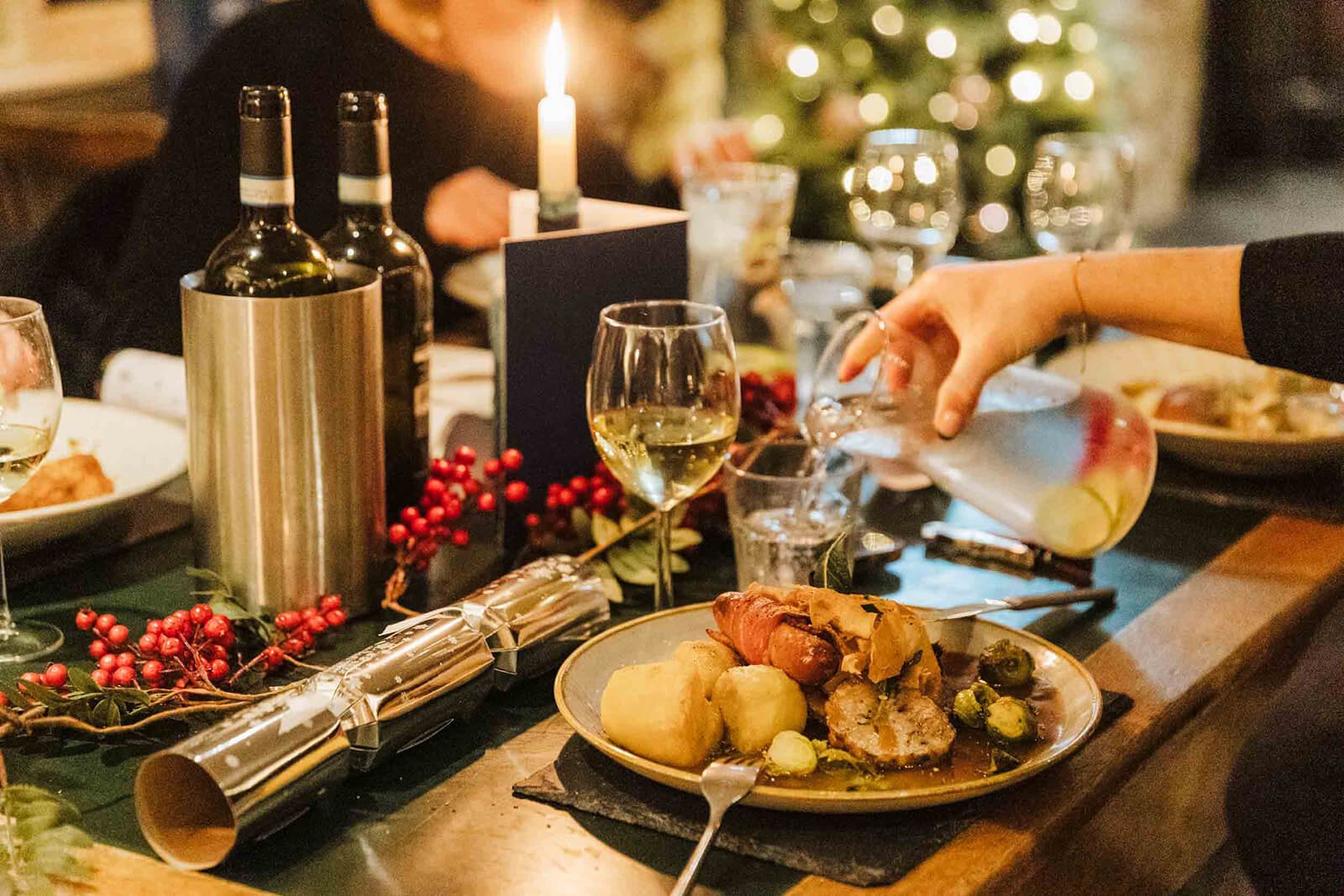
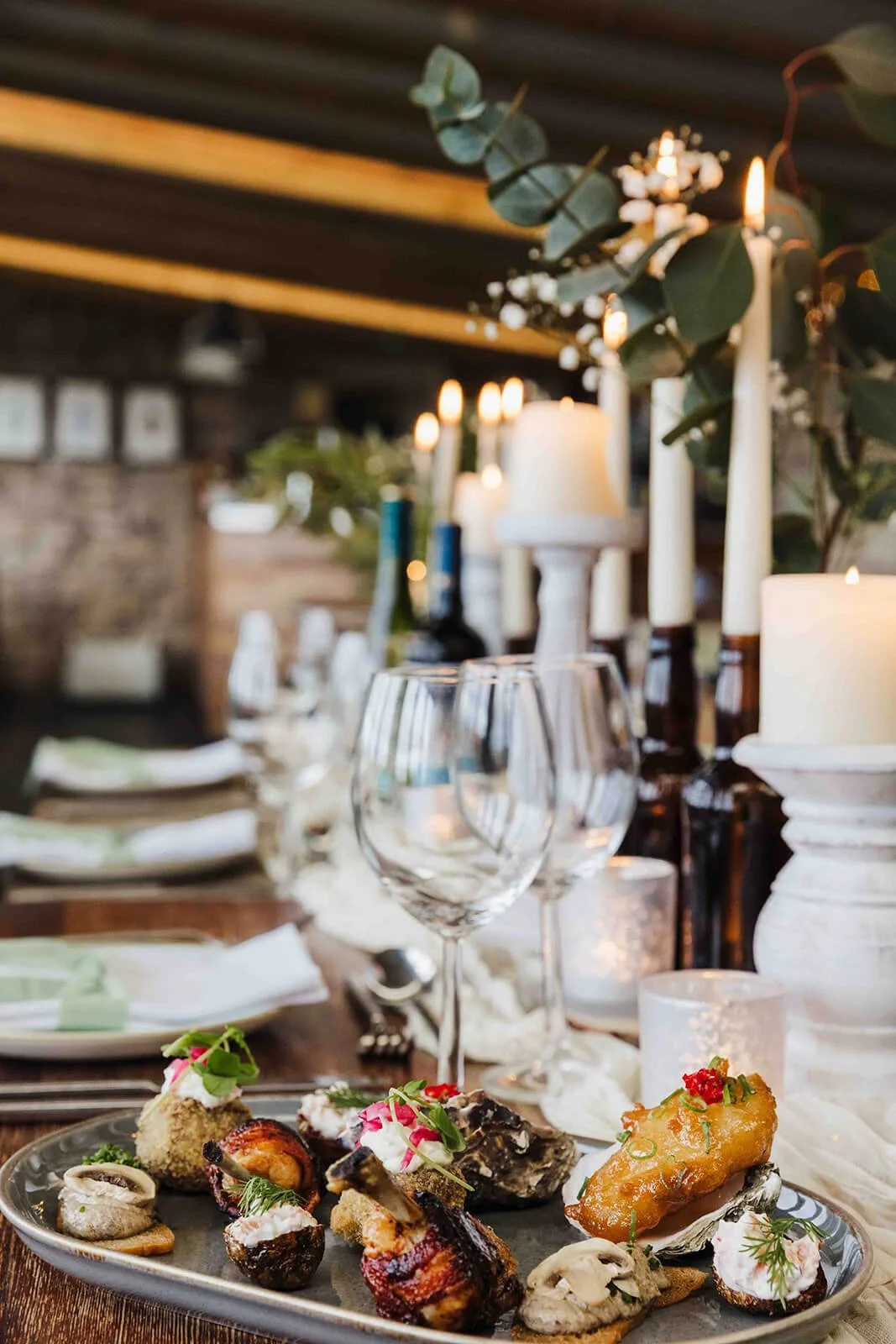
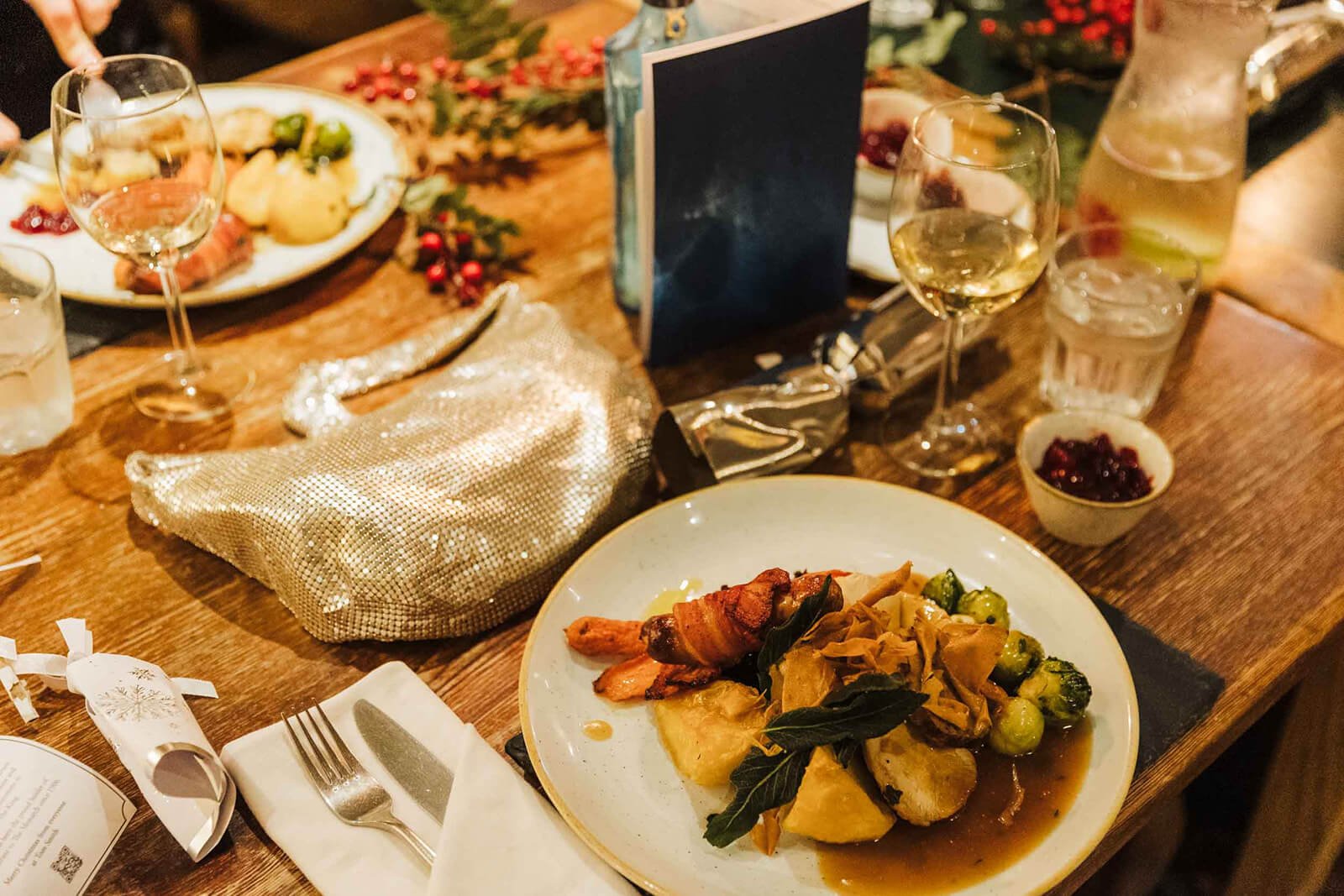
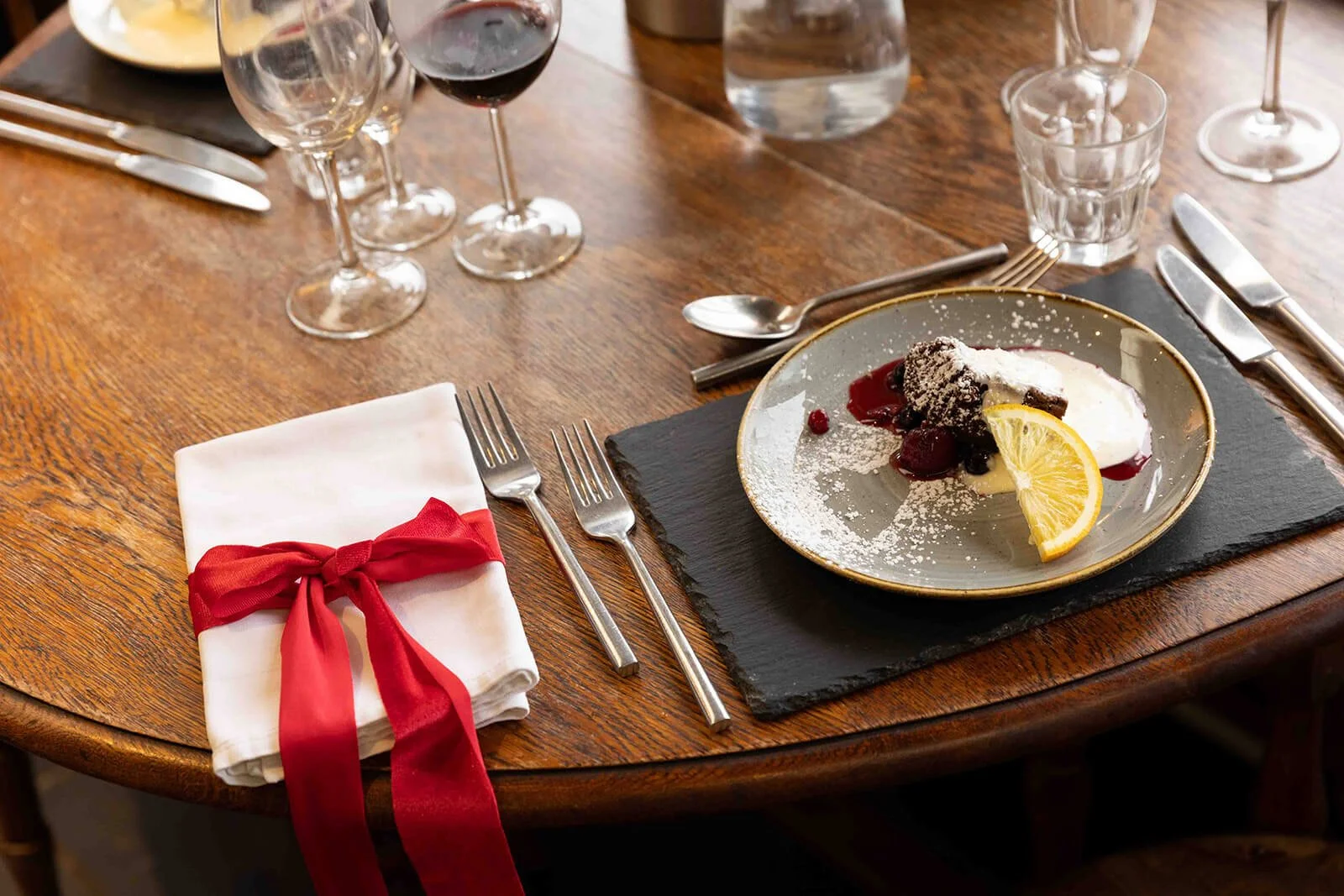
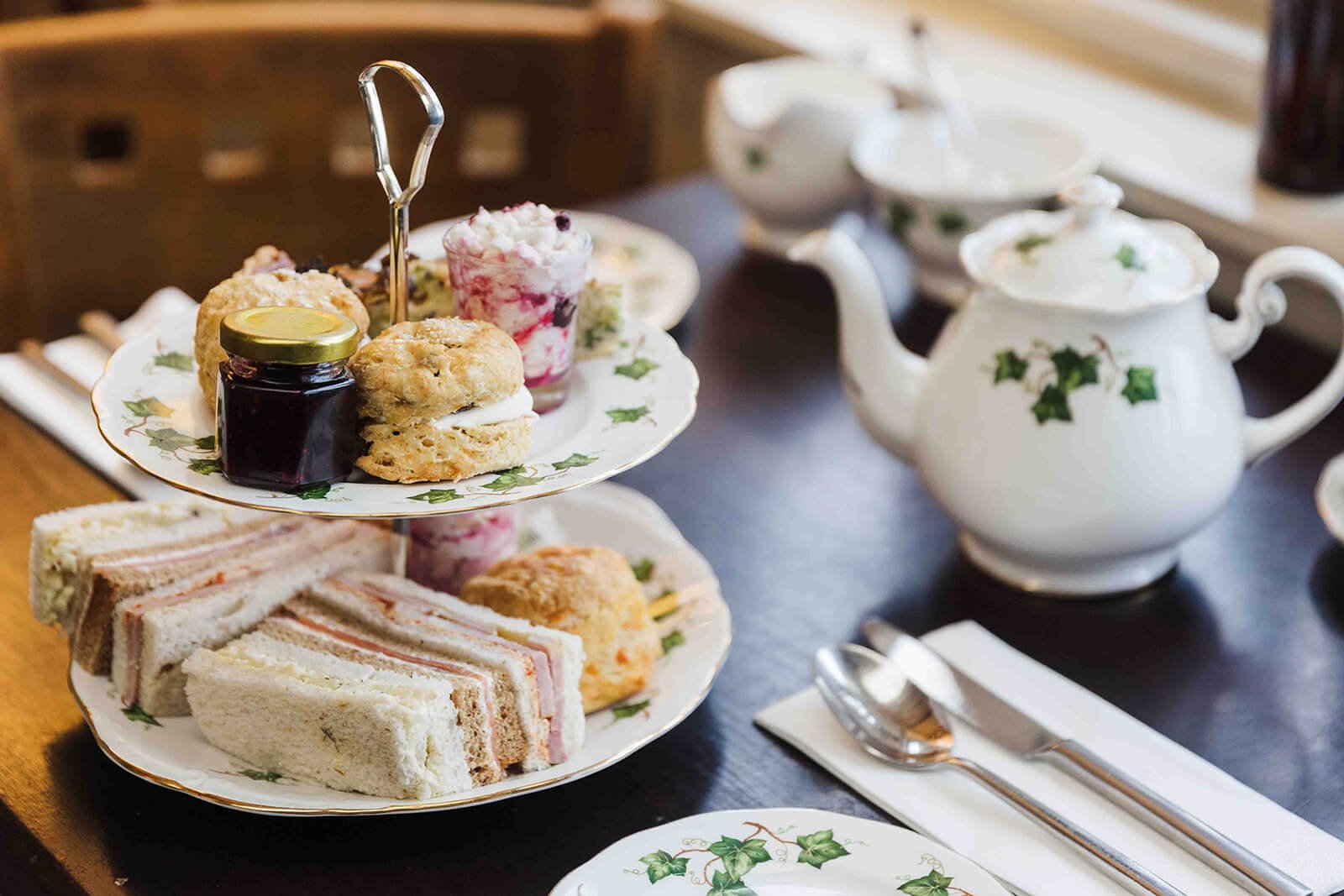
What makes this so valuable is that each campaign gives the business a chance to show another side of what they offer. A Christmas campaign might feel warm and inviting, while a wedding campaign needs to feel thoughtful and experience-led. A new menu release needs images that make the food look appealing straight away, and a tasting evening benefits from capturing atmosphere and detail.
That variety is important because it shows that brand photography can do more than simply give you a bank of images. It can actively support your marketing throughout the year, help you promote different offers and events, and keep your content feeling relevant and current.
Barn at Beal have been a great example of this. The photography has supported a range of campaign styles and seasonal promotions, while still feeling consistent with their wider brand. That balance is often where the strongest brand photography sits.
What works especially well is having a thoughtful mix of images that can be used in different places, from social media to website pages to promotional content. When photography is planned with that in mind, it tends to feel much more useful day to day.
Beyond the Photography: Website and Social Media Content
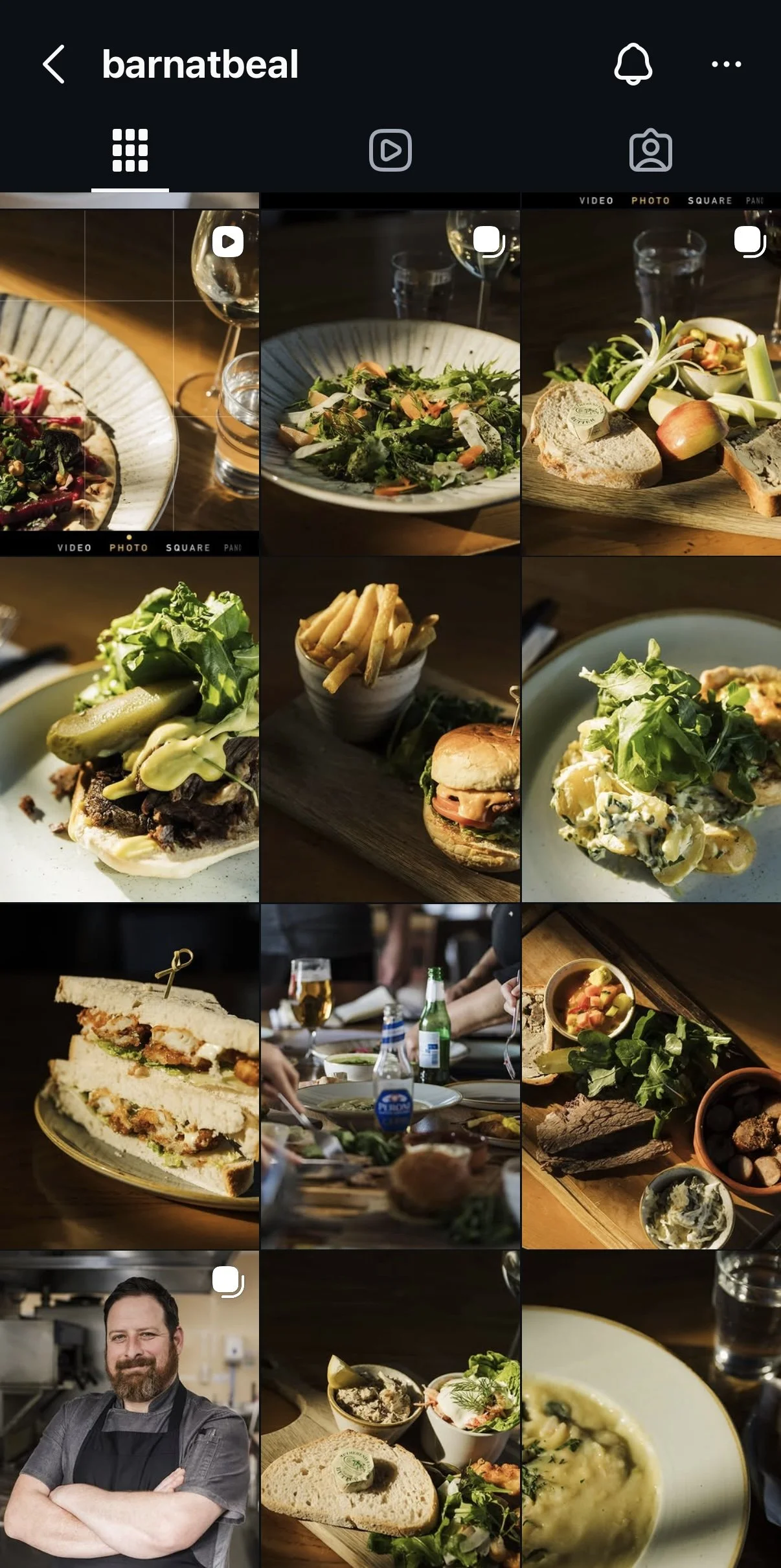
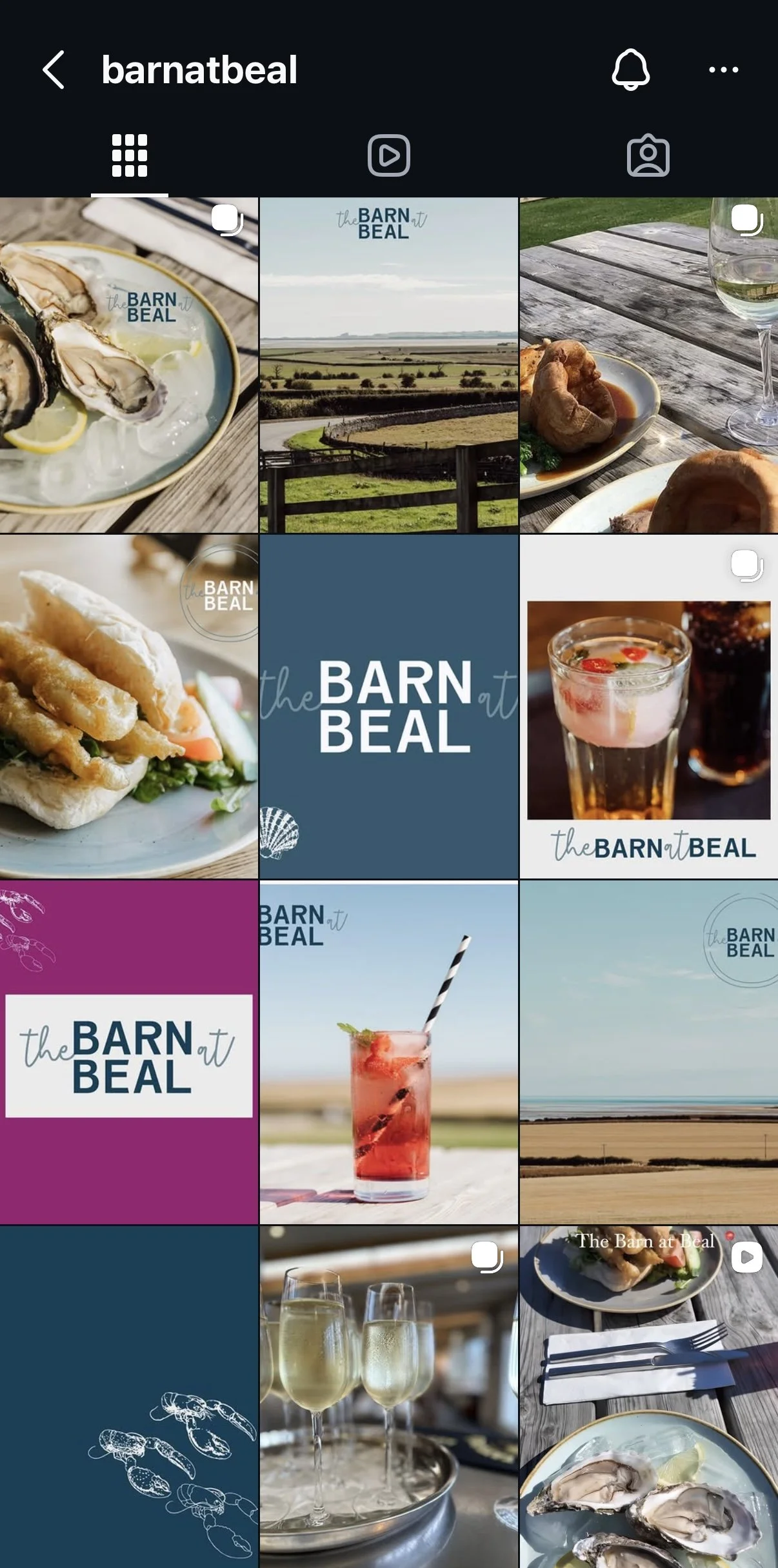
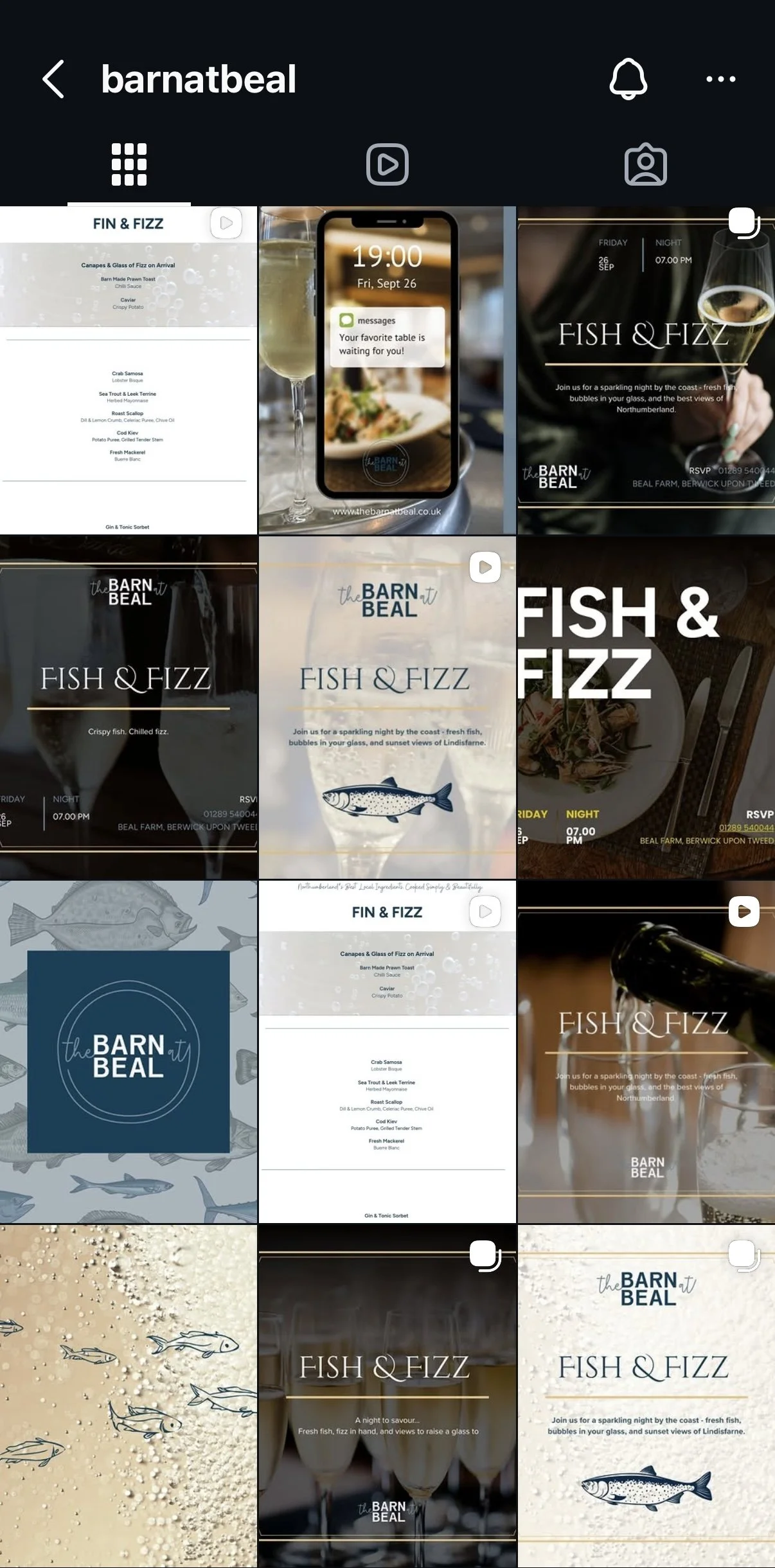
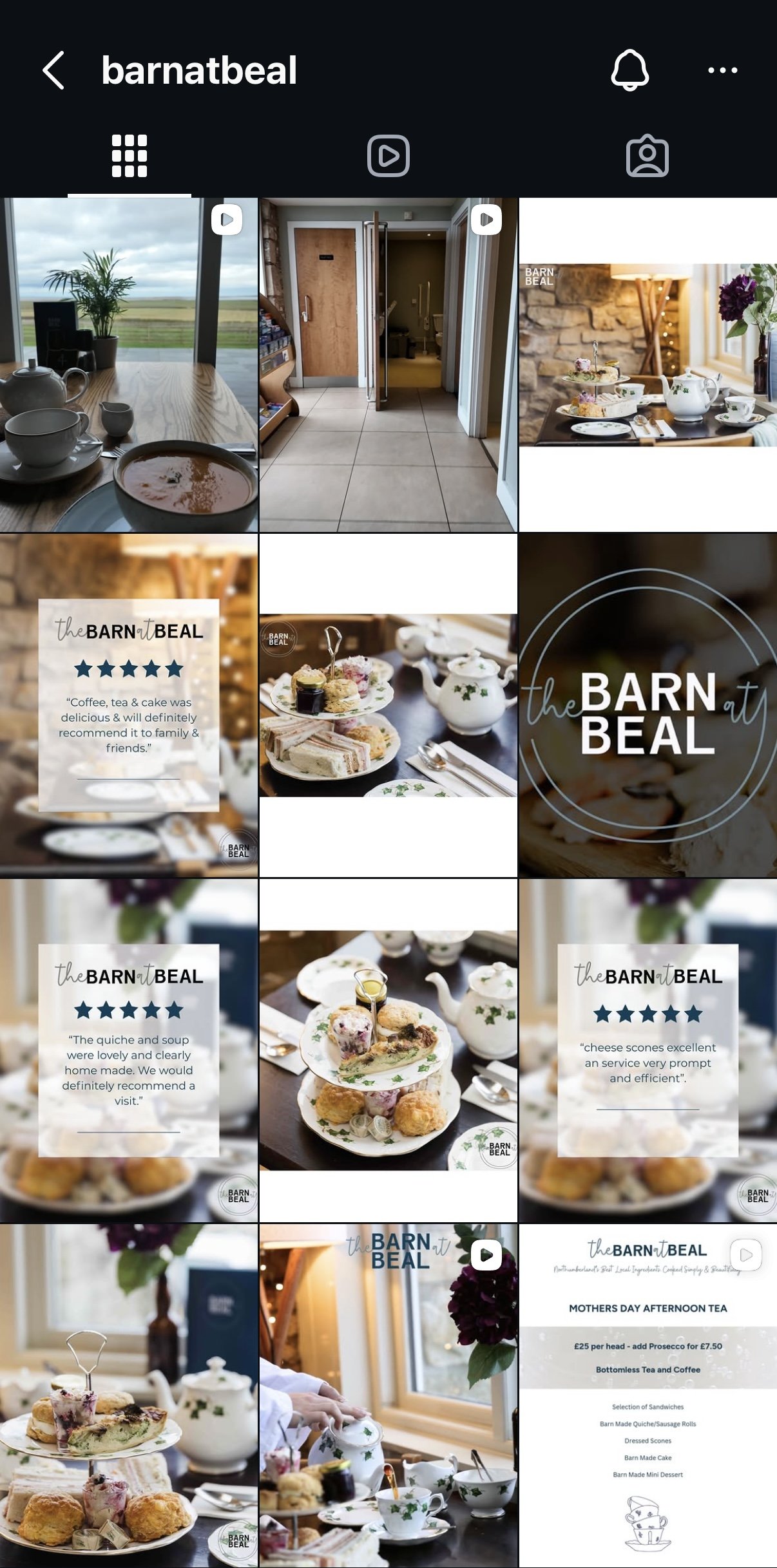
Our work with Barn at Beal goes beyond taking photographs. We also designed and created their website, manage their social media and produce much of the content used across Instagram, Facebook and their wider online marketing.
Working across everything means the photography can be planned with a clear purpose from the beginning. When there is a new menu, event or seasonal campaign coming up, we can plan the website updates, social media posts, captions, photographs and short clips together, rather than trying to make separate pieces of content fit afterwards.
We visit Barn at Beal regularly to capture fresh photographs and short clips as the menus, seasons and events change. This gives them a current and varied collection of content, rather than having to rely on the same photographs throughout the year.
We also update the website whenever needed, whether that means adding a new menu, promoting an event, changing important information or refreshing the photography. Keeping the website current means customers can find the latest information, while social media helps draw attention to what is happening at the restaurant.
For social media, our work includes creating manageable content plans, writing captions, selecting photographs, producing Reels and short clips, and scheduling posts. The result is a much more consistent online presence across the website, Instagram and Facebook.
Barn at Beal is a good example of our complete website design and social media content support service in practice. Photography remains an important part of it, but it works even harder when the website, written content and social media are all planned and updated together.
How to Choose the Right Brand Photography for Your Business
If you’re still not sure what kind of shoot makes sense, this is the simplest way I’d look at it.
If your business is built around you and your expertise, personal brand photography is probably the strongest place to begin.
If you need a wide range of useful content for your website, marketing and social media, a full branding shoot is often the most practical choice.
If you sell physical products, product photography should usually come first.
If your business involves a space or visitor experience, interiors and environment photography may be the priority.
If your business is team-led and you want to show the people behind it, headshots and team photography may be the right starting point.
And quite often, the answer is not one thing. It’s a combination.
That’s why I always think it helps to step back and ask not “what kind of photos should I book?” but “what am I trying to communicate?”
Because once you know that, the style of shoot becomes much easier to figure out.

Vibrant and Colourful Menu dish styled and photographed at Barn at Beal.
Brand Photography Types and Where You’ll Actually Use Them
It’s also worth thinking about where the images are going to live.
Your photography might need to work across:
your website
social media
printed promotional material
blog posts
online press features
newsletters
sales pages
brochures or guides
A beautiful image that only works in one tiny square on Instagram is lovely, but it may not be all that useful if you also need website banners, portrait crops, and content that tells a fuller story.
Versatility matters.
That’s one reason full brand shoots can be so helpful. They give you a broader library of content to use across your website, social media, blogs, and marketing, so your imagery feels more consistent and much easier to use across the different parts of your business.

Barista preparing the coffee behind counter at Barn at Beal on their branding shoot.
What Makes Brand Photography Feel Effective Rather Than Just Nice
This bit matters.
The best brand photography is not just visually nice. It feels aligned with the business. It communicates something. It helps the right people connect with what you do.
That could mean your images feel calm and premium. Or colourful and creative. Or grounded and personal. Or polished and practical.
But they should feel like your brand, not somebody else’s version of what a business should look like online.
That’s why choosing the right type of photography matters so much. Because when the style is right, the images feel useful as well as beautiful.
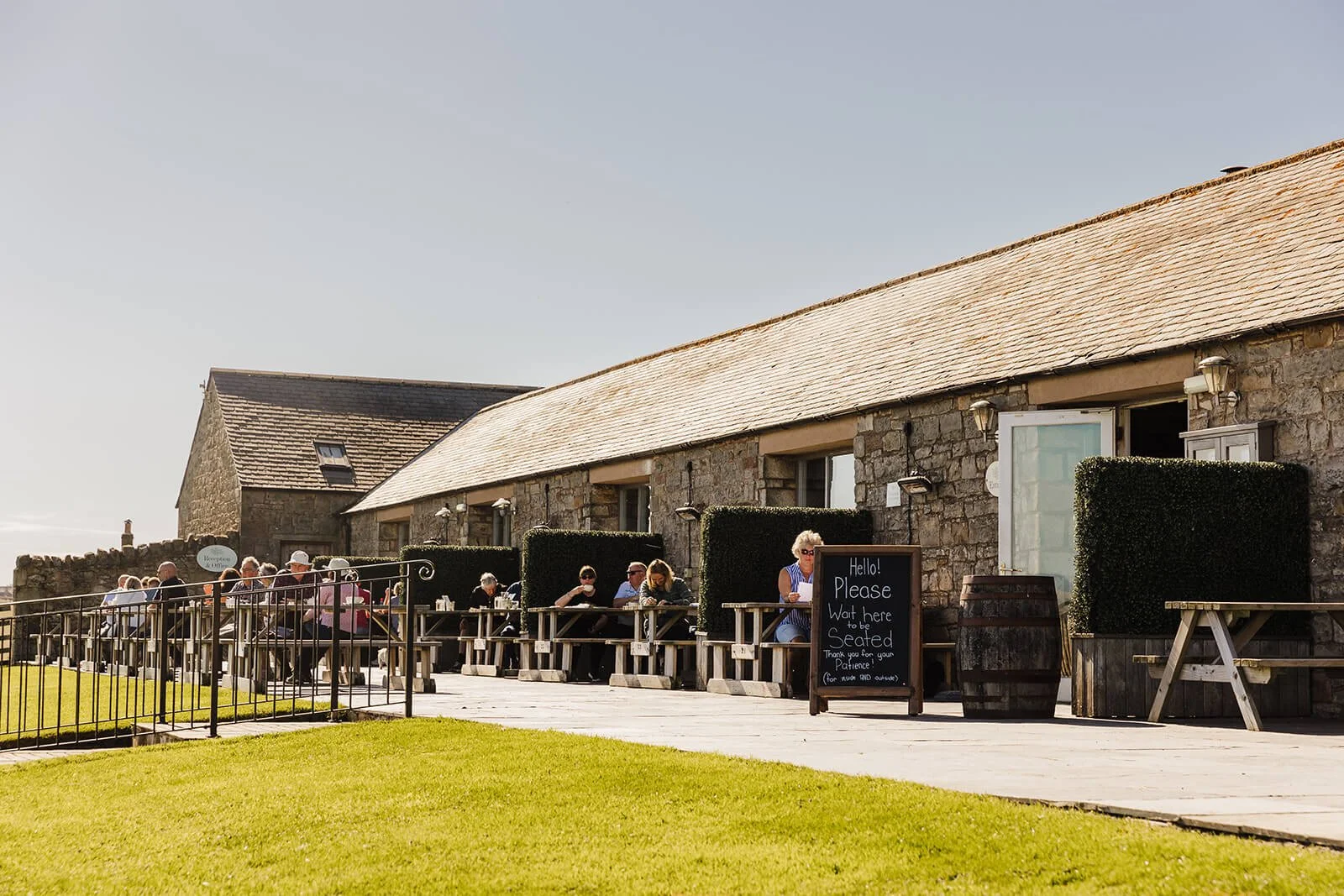
Outdoor photo capturing Barn at Beal location.
Final Thoughts on Brand Photography Types
f you are trying to work out which type of brand photography is right for your business, start with the purpose rather than the label.
Think about what you need the photographs to communicate, where they will be used and what would make your marketing easier. For some businesses, that will mean headshots. For others, it will be product photography, hospitality imagery or a fuller brand shoot covering several needs at once.
Barn at Beal shows how useful that combination can be. Their photography supports the website, social media, menus, events and seasonal campaigns while maintaining a recognisable feel across the business.
Brand photography should not simply look good. It should give you something genuinely useful to work with.
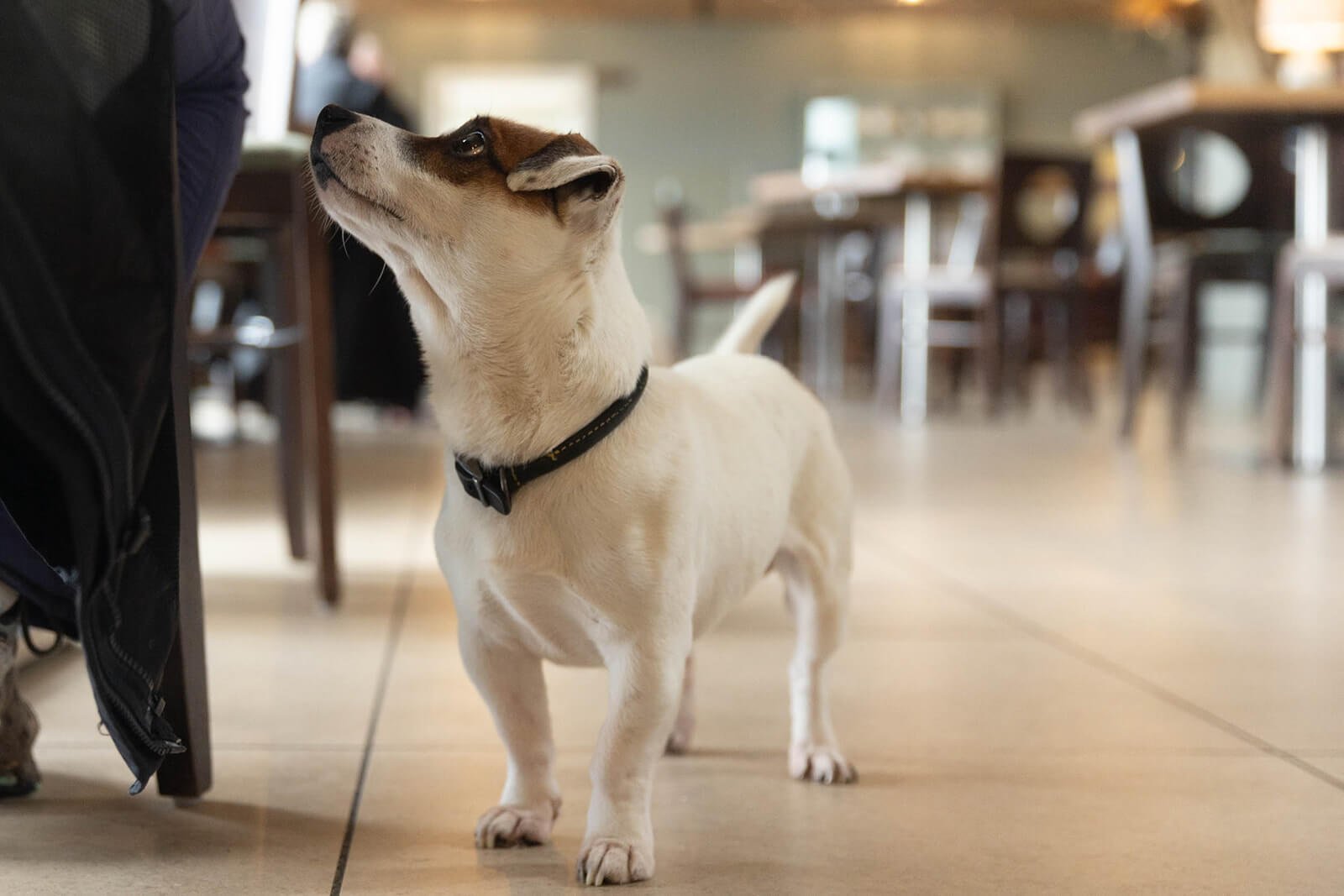
Dog-friendly atmosphere captured at Barn at Beal.
Ready to Talk About Your Brand Photography?
If you’d like to chat through what kind of brand photography would suit your business best, you can book a call with Sarah and start there. Sometimes a quick conversation is the easiest way to work out what you actually need.
Headshots or Branding Photography? A Real Example
from Greenwoods Accountants, Berwick upon Tweed

Mark McLeman, Gillian O'Dea, Gareth Greenwood from Greenwoods Accountants at Marshall Meadows.
A Fresh Take on Professional Headshots
When most people think of accountants, they picture suits, offices, and boardrooms.
But for Greenwoods Accountants, based in North Northumberland, that wouldn’t tell the full story.
Their team works closely with farmers, tradespeople, and rural businesses — alongside larger city-based firms — so they needed professional imagery that felt friendly, grounded, and approachable, without losing credibility or leaning too heavily into a rural stereotype.
Instead of defaulting to a studio backdrop, we chose to photograph their team headshots outdoors, using natural light and a consistent setting to bring warmth and authenticity into their visual identity — while keeping everything polished and professional.
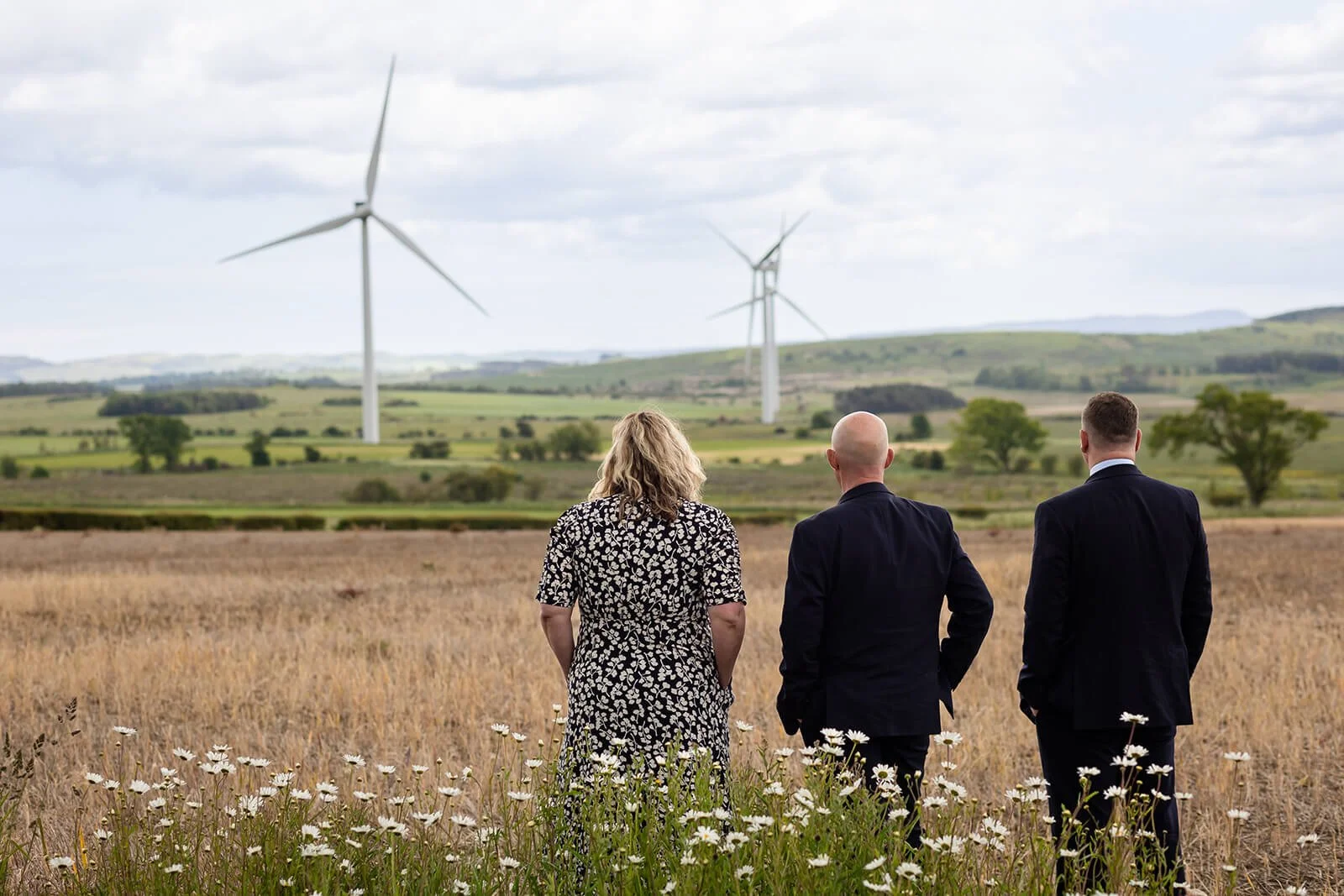
Greenwoods Accountants Directors in the Scottish Borders.
Building Consistency Outdoors
Each partner and staff member was photographed individually, using the same background, lighting, and framing so the images sit seamlessly together across their website and online platforms.
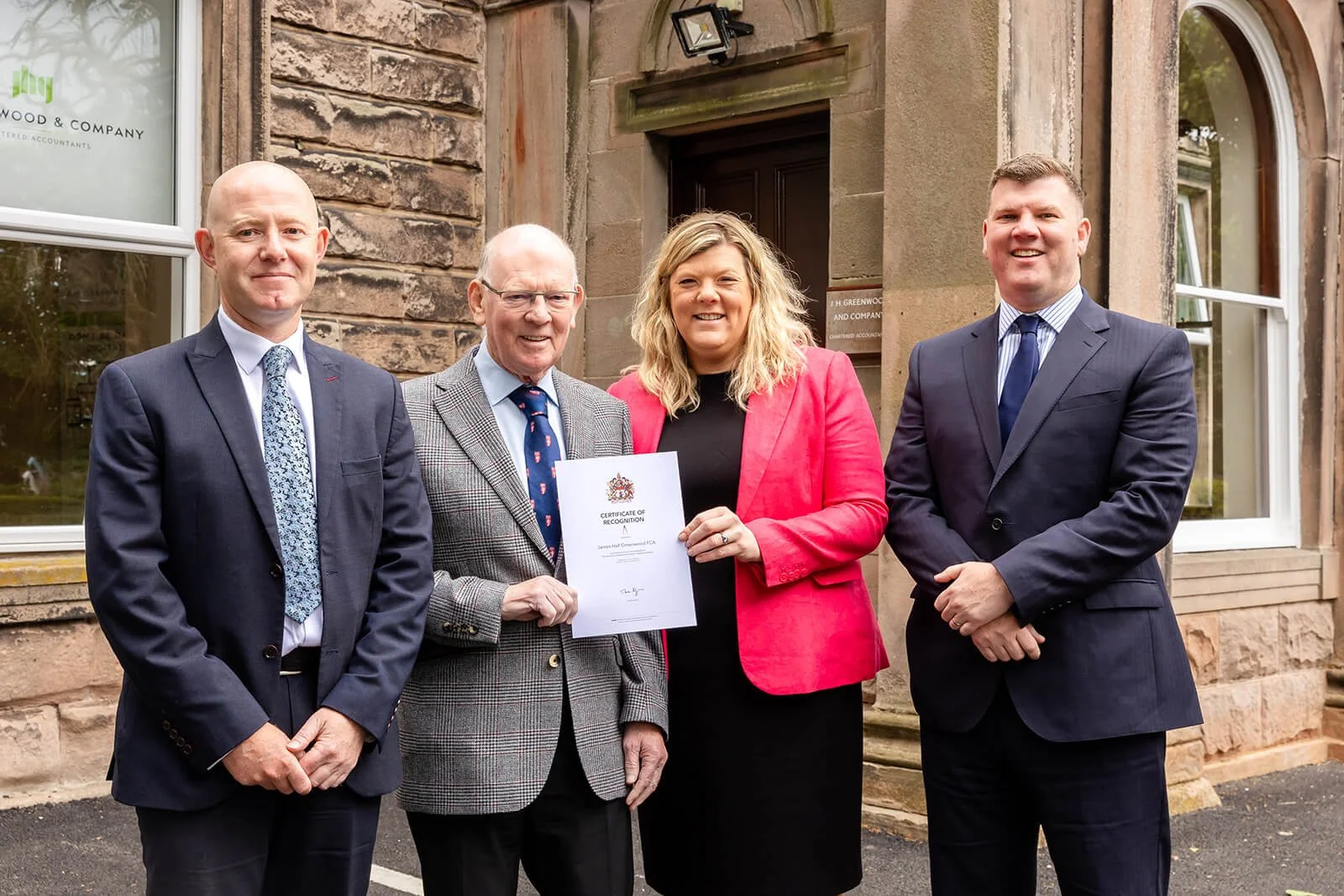
Directors from Greenwoods Accountants outside their office in Berwick-Upon-Tweed.
Consistency like this is essential for professional firms, particularly those that:
Regularly welcome new team members
Share staff achievements or qualifications
Need imagery for press releases and announcements
When photographs align visually, a brand feels established, dependable, and confident.
For Greenwoods, this approach also makes future updates straightforward. When a new qualification is achieved or a team member joins, we can refresh images quickly and seamlessly, keeping everything current across platforms such as LinkedIn and press coverage.
Why Outdoor Headshots Work for Professional Services
There’s a long-held assumption that professional headshots must mean studio lighting and a blank wall. In reality, outdoor business photography can feel just as credible — and often more relatable.
For regionally rooted businesses, being photographed just outside your office subtly reinforces:
Stability
Local presence
Community connection
Accessibility
It quietly says, “We’re here. We’re established. You can find us.”
That sense of place often communicates far more than a generic backdrop ever could, particularly for businesses serving local and rural communities.
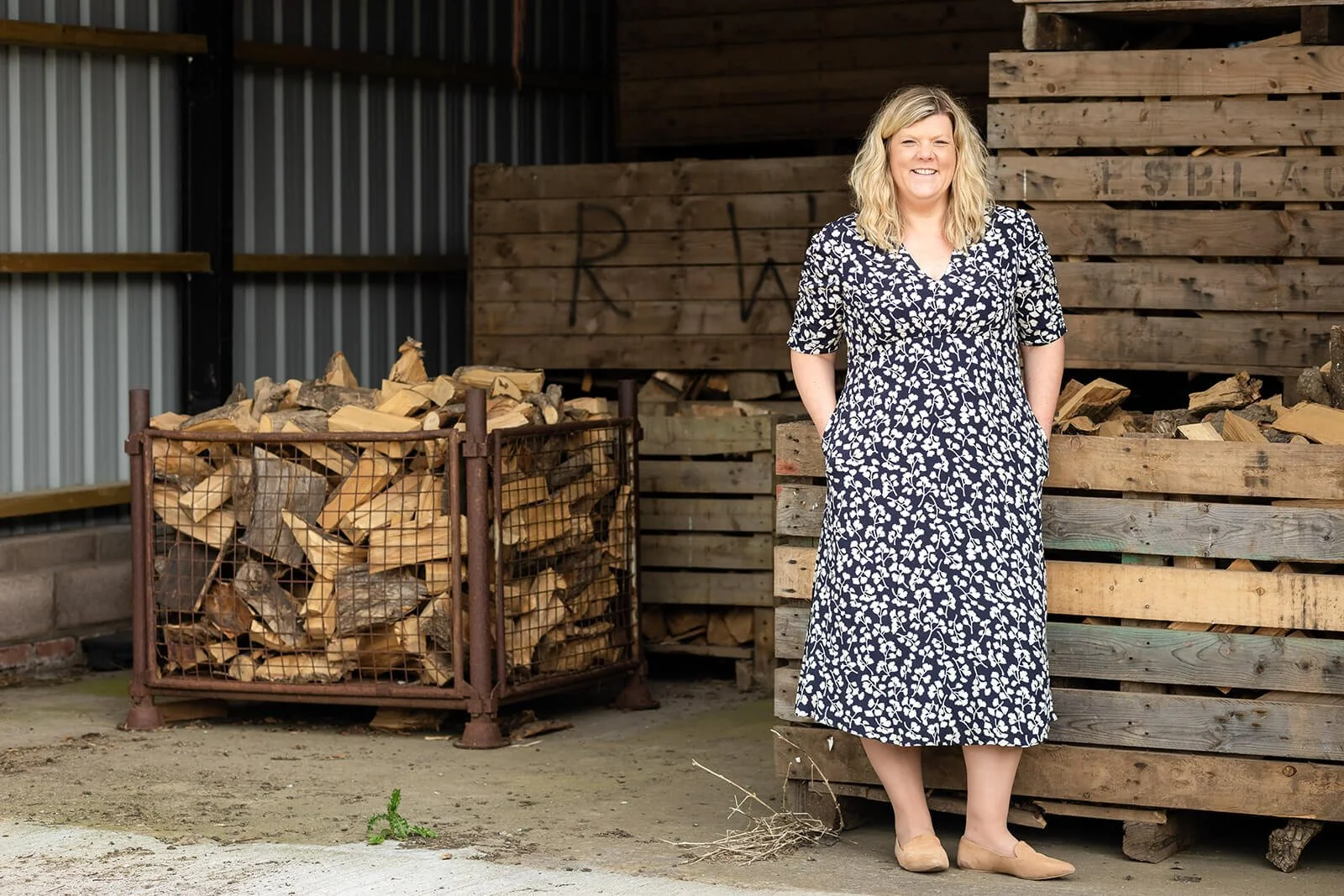
Gillian O'Dea from Greenwoods Accountants.
A Collaborative Brand Approach
Greenwoods’ headshots sit comfortably within their wider brand thanks to a close collaboration with Twist, the Newcastle-based agency managing their website and social media.
When photography, web design, and content strategy work together, the result is a consistent and approachable online presence — one that reflects who a business is and who it serves, rather than simply ticking a professional box.
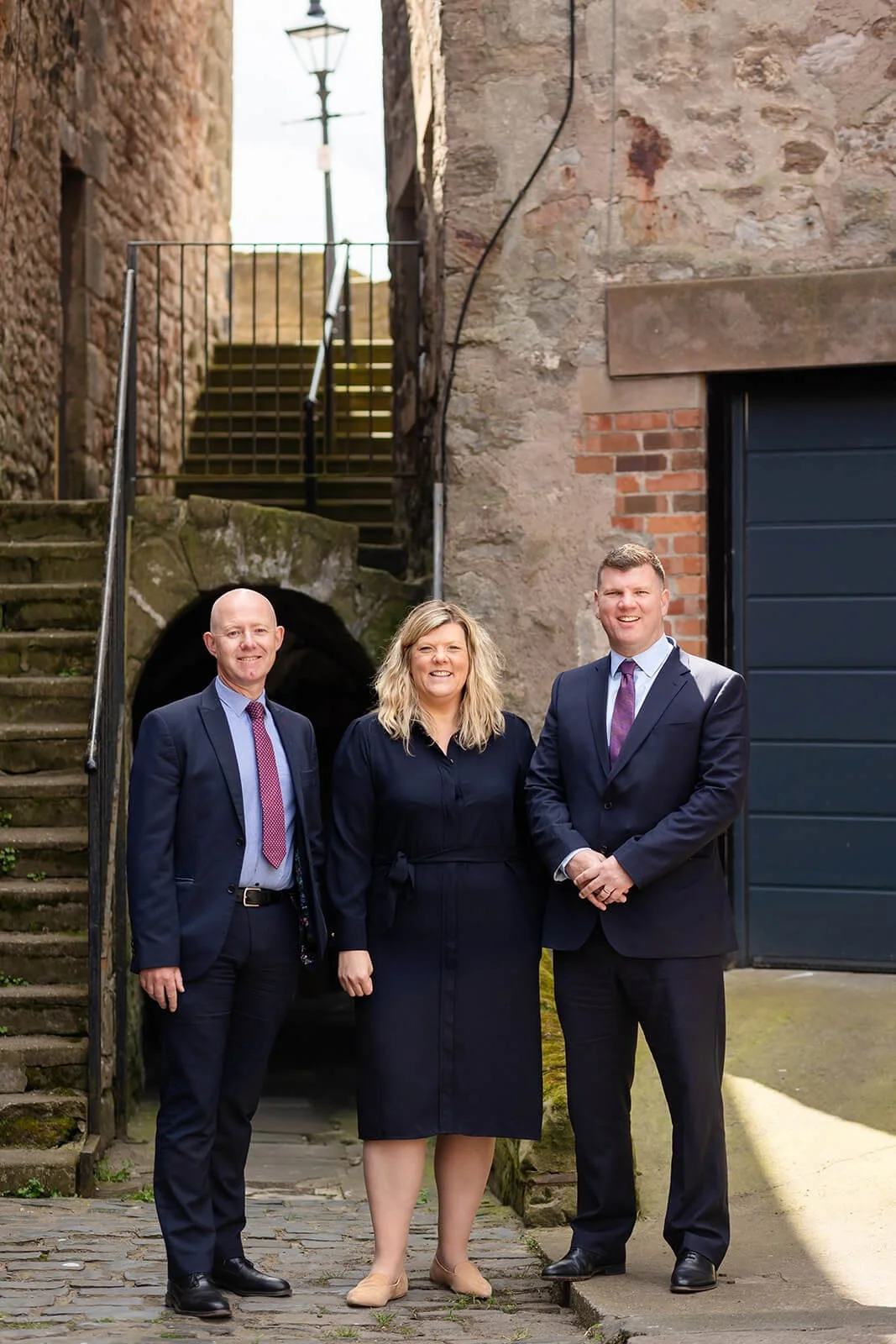
Greenwoods’ Accountants Branding Shoot in Berwick-Upon-Tweed.
Headshots vs Branding Photography: What’s the Difference?
If you’re planning professional photos for your business, it can feel surprisingly confusing.
You know you need something more considered than a cropped holiday photo. You want to look professional — but not stiff. Approachable — but still credible.
And somewhere along the way, you’ll likely come across two terms:
headshot photography and branding photography.
They’re often used interchangeably.
But they are not the same thing.
If you’re searching for a brand photographer in Berwick and wondering which type of session is right for you — or whether you need both — the distinction matters
Let’s break it down properly.
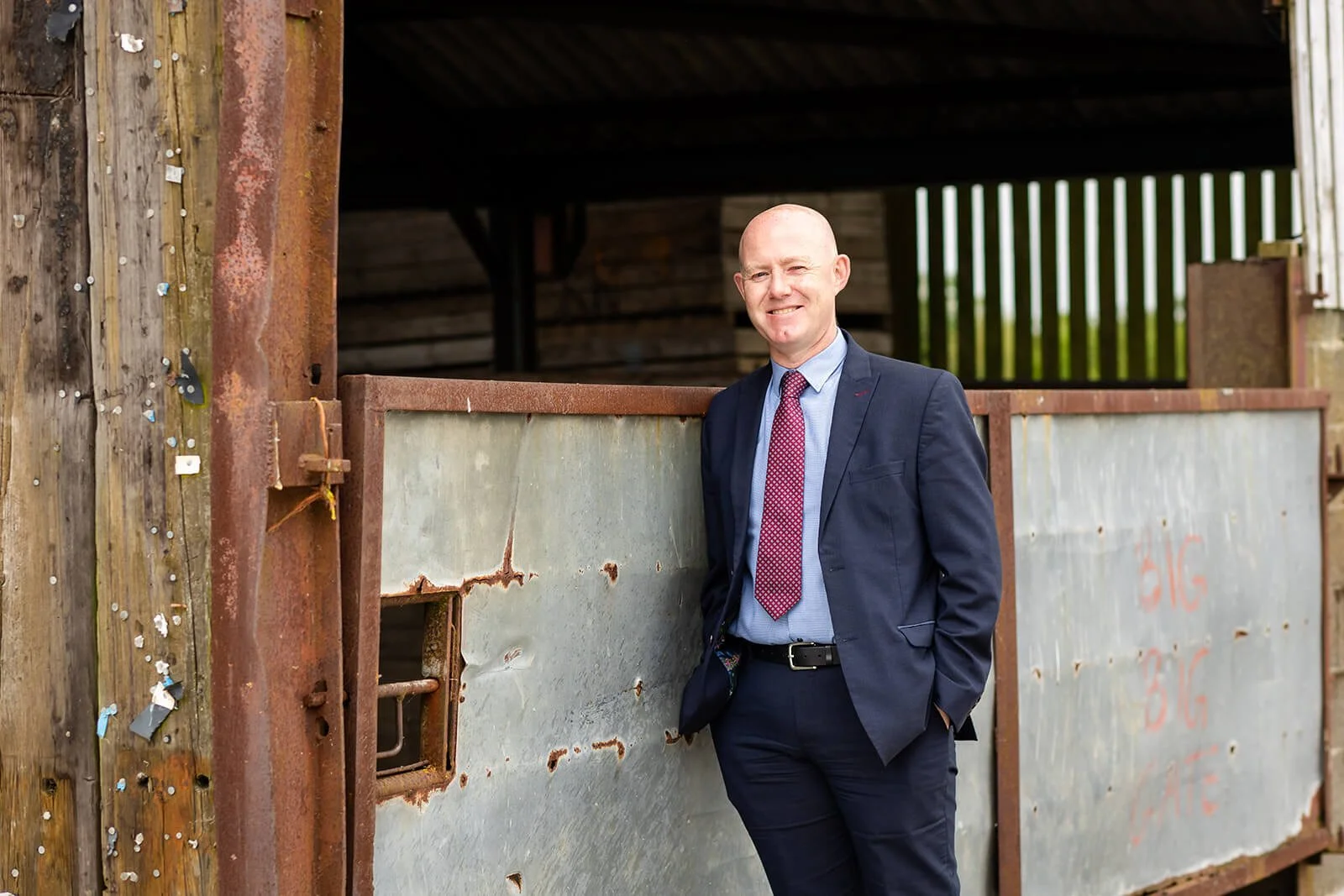
Mark McLeman from Greenwoods Accountants In Berwick-Upon-Tweed.
Professional Headshots with a Brand Photographer
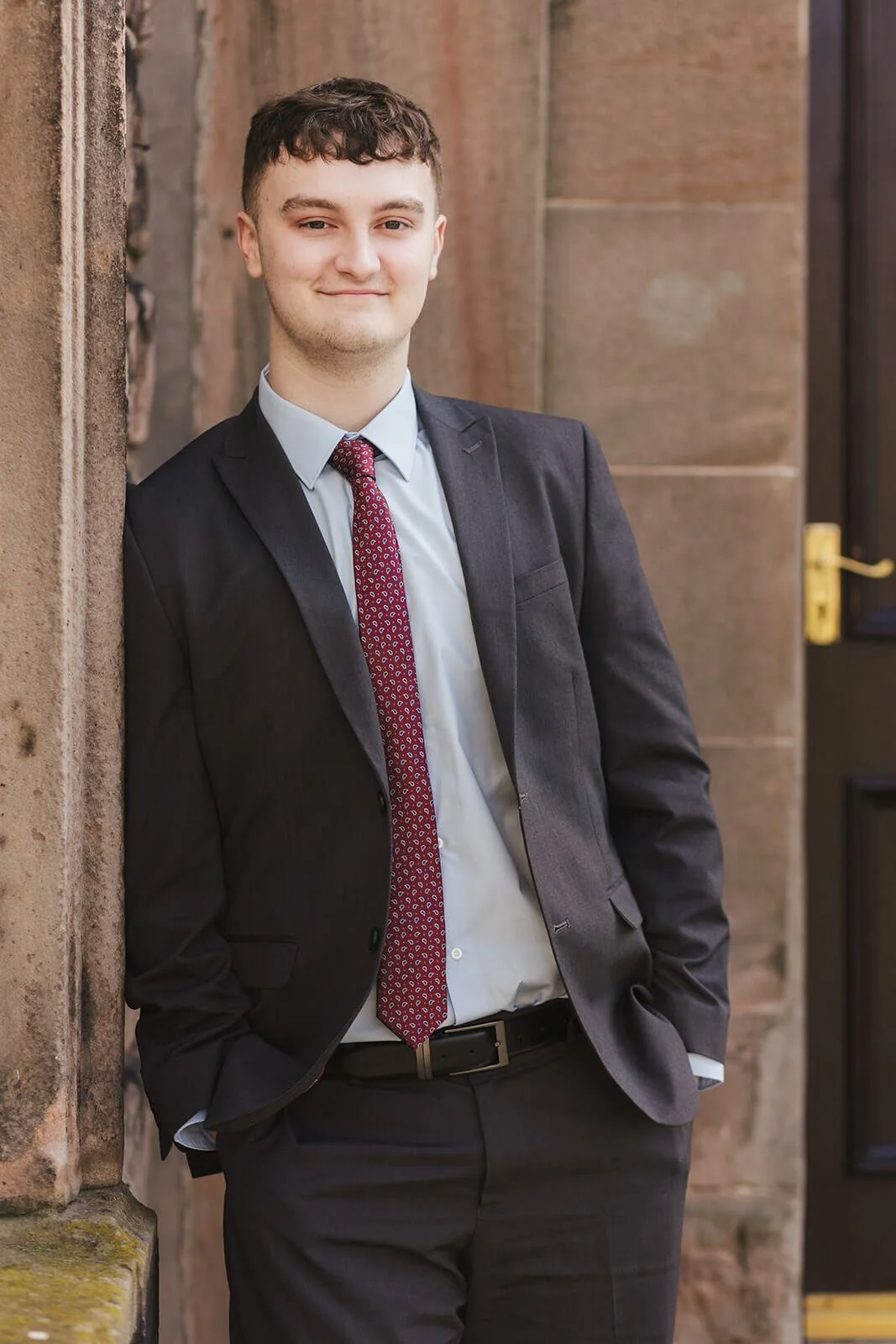
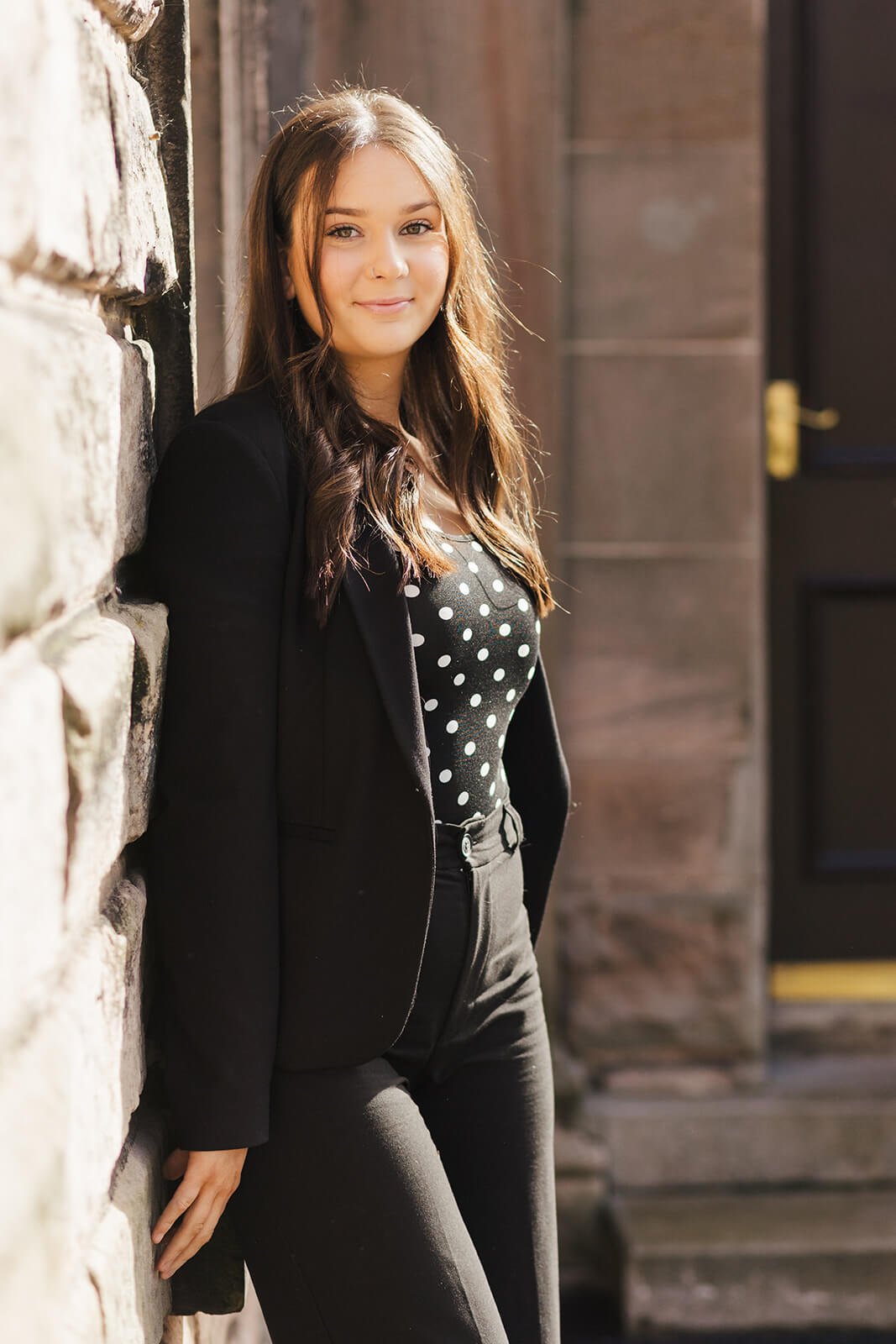
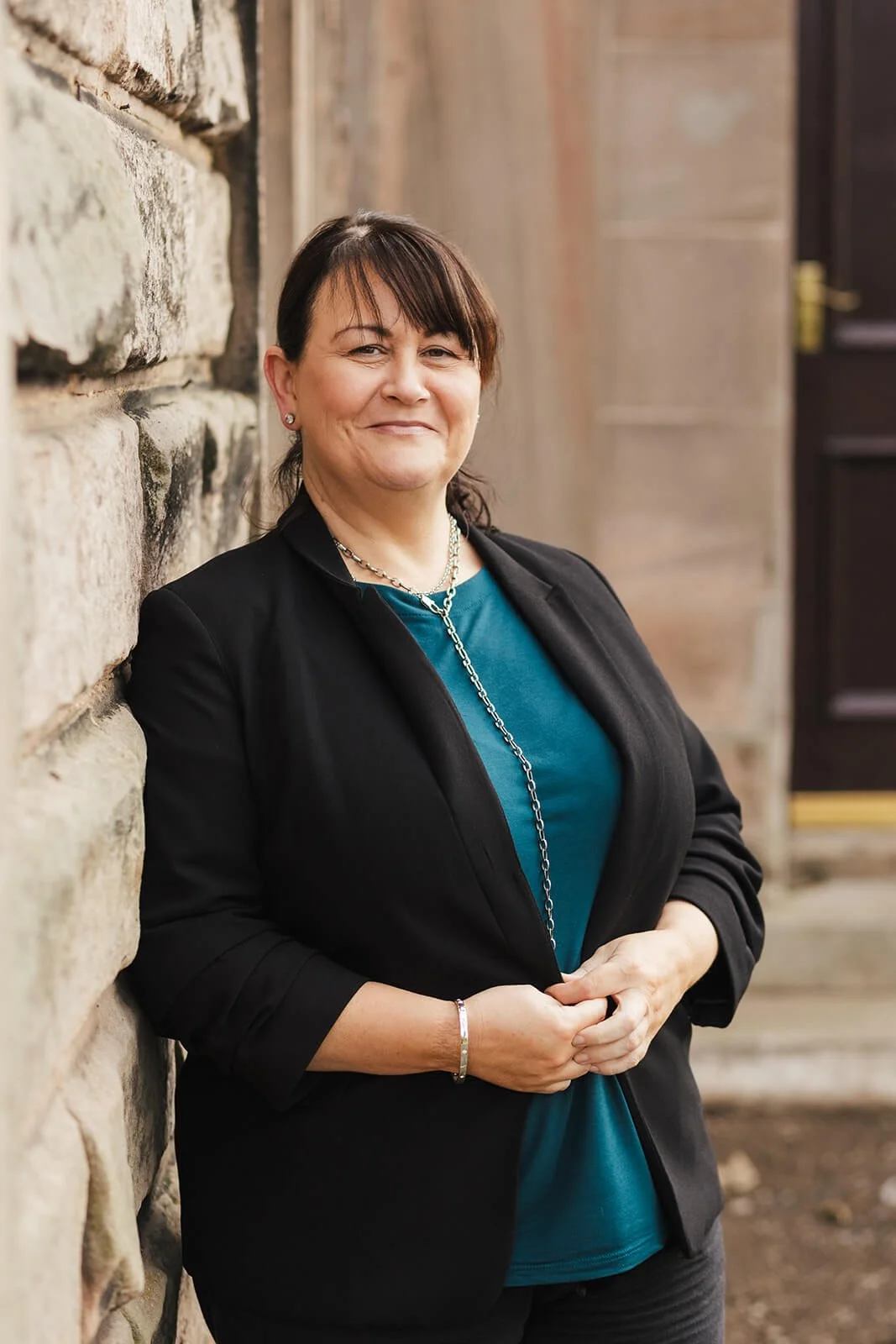
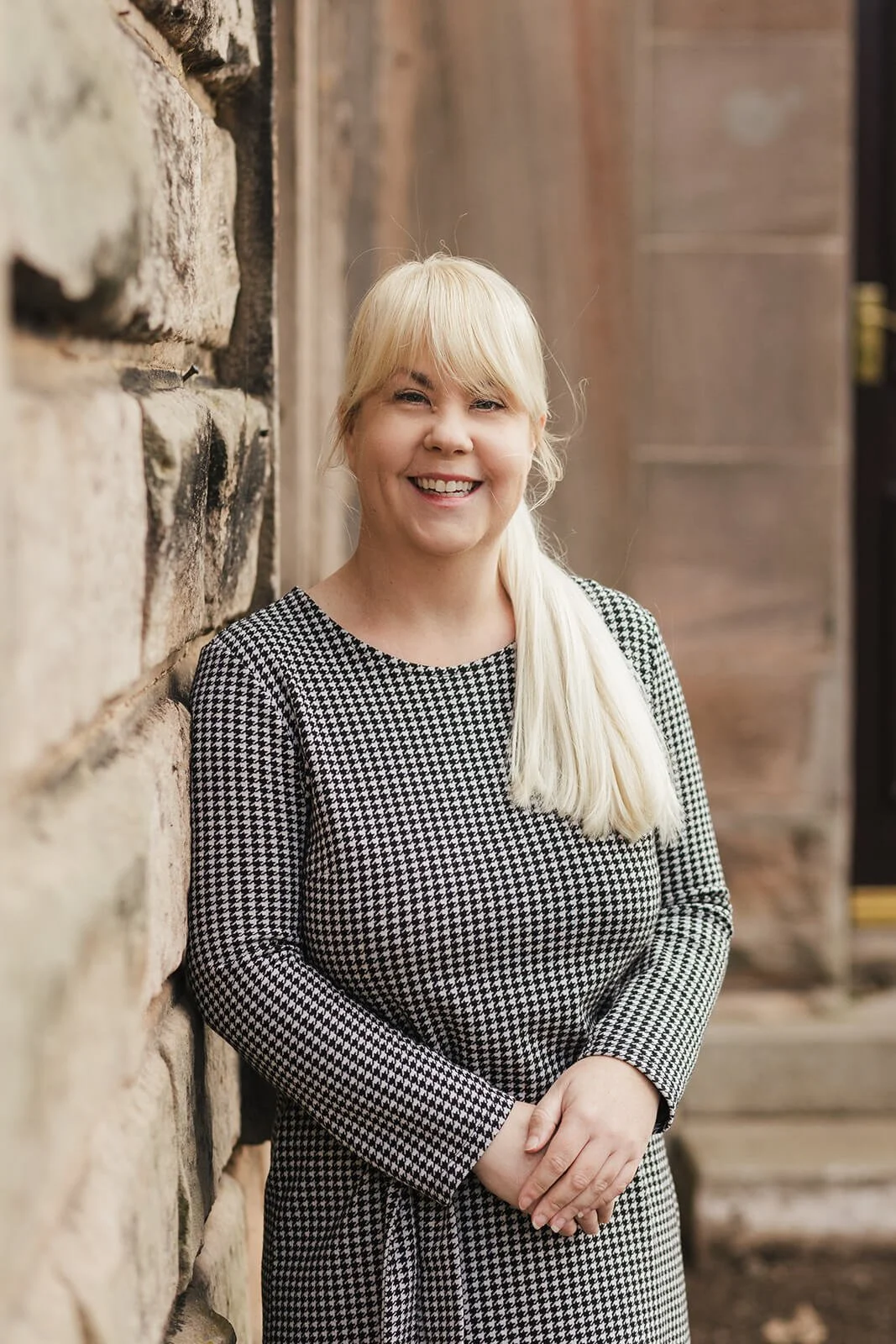
Headshot photography is focused, simple, and intentional.
It’s usually:
One person at a time
Framed from chest or shoulders upwards
Clean, consistent background
Even, controlled lighting
Designed for:
LinkedIn
Websites
Press releases
Professional directories
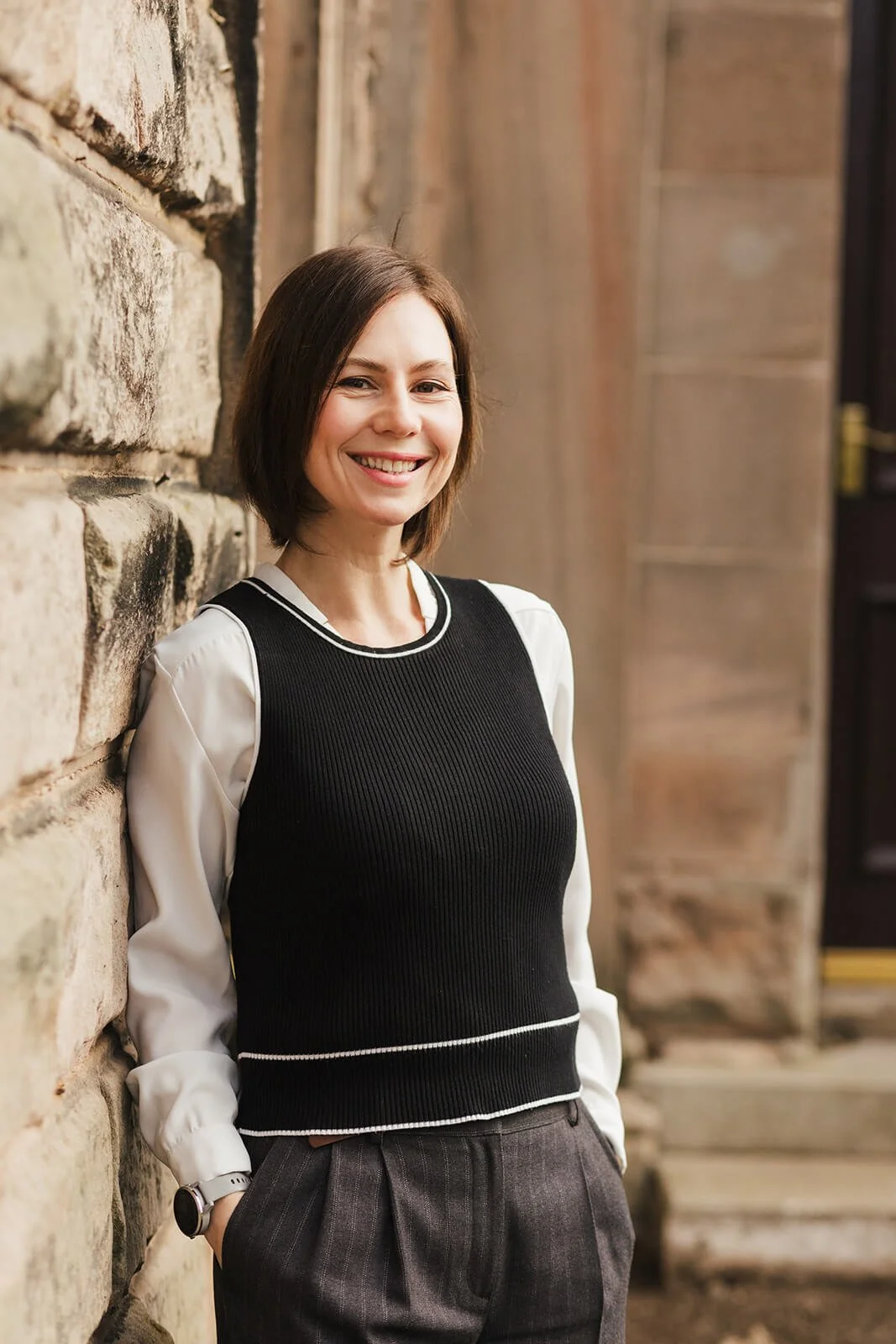
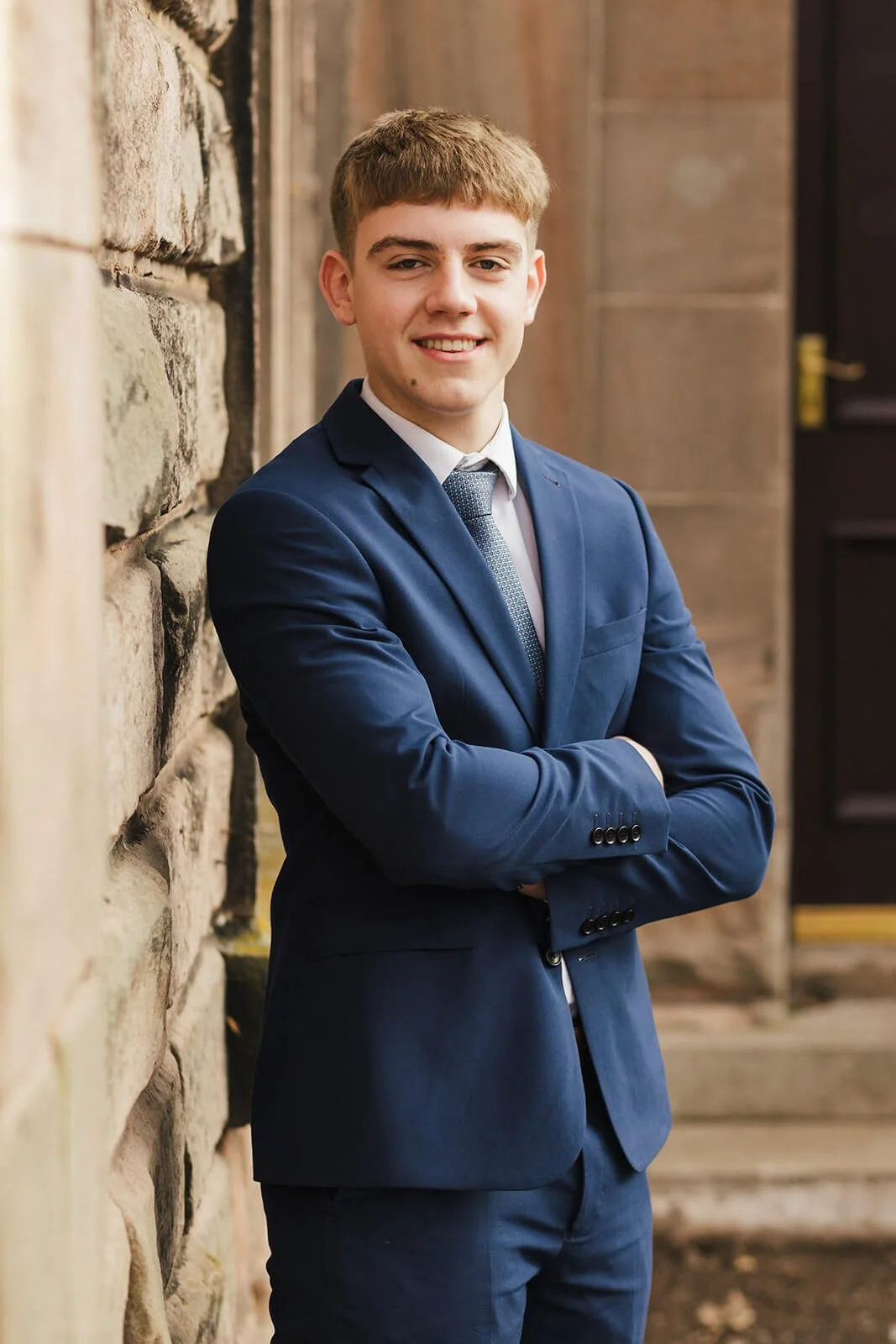
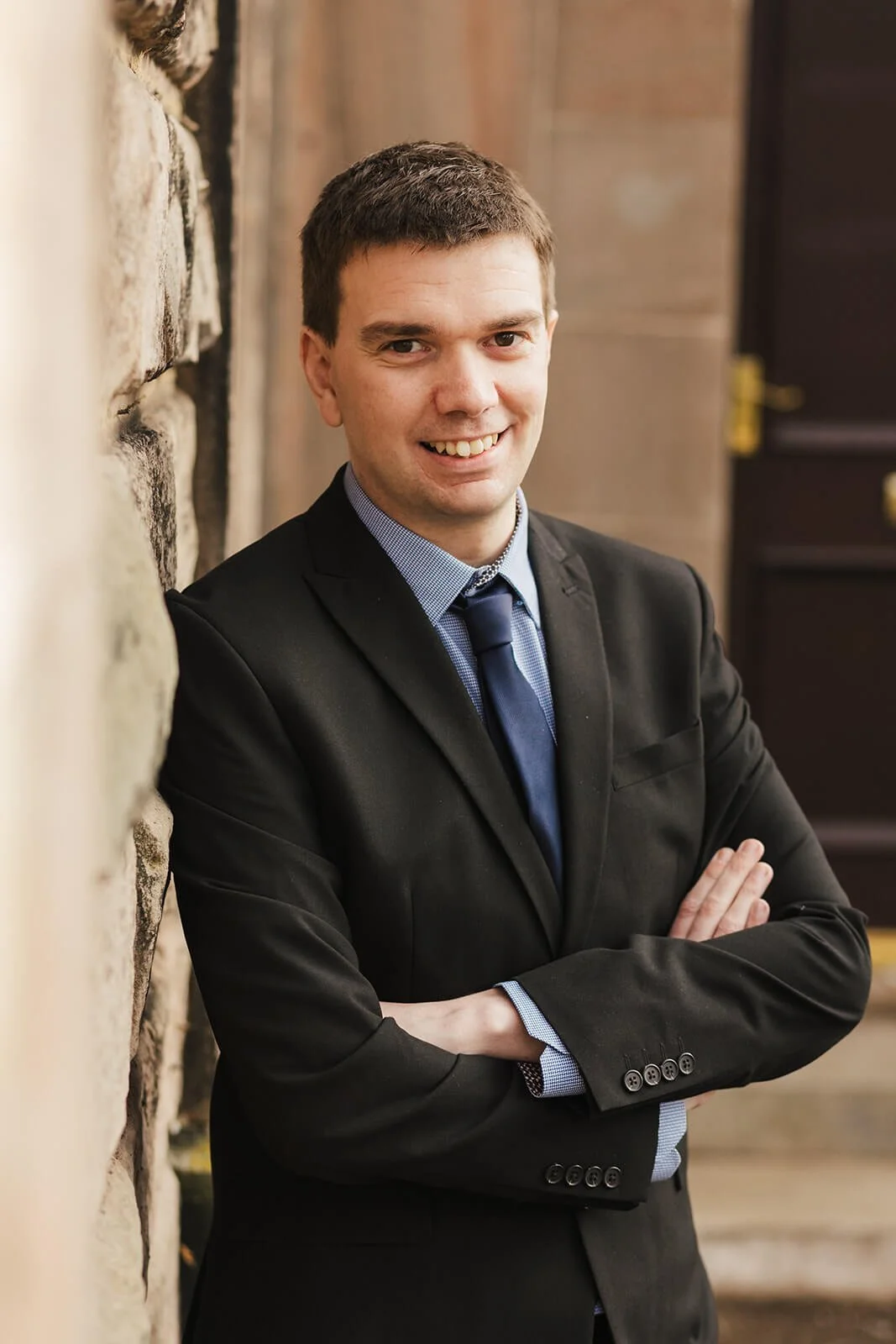
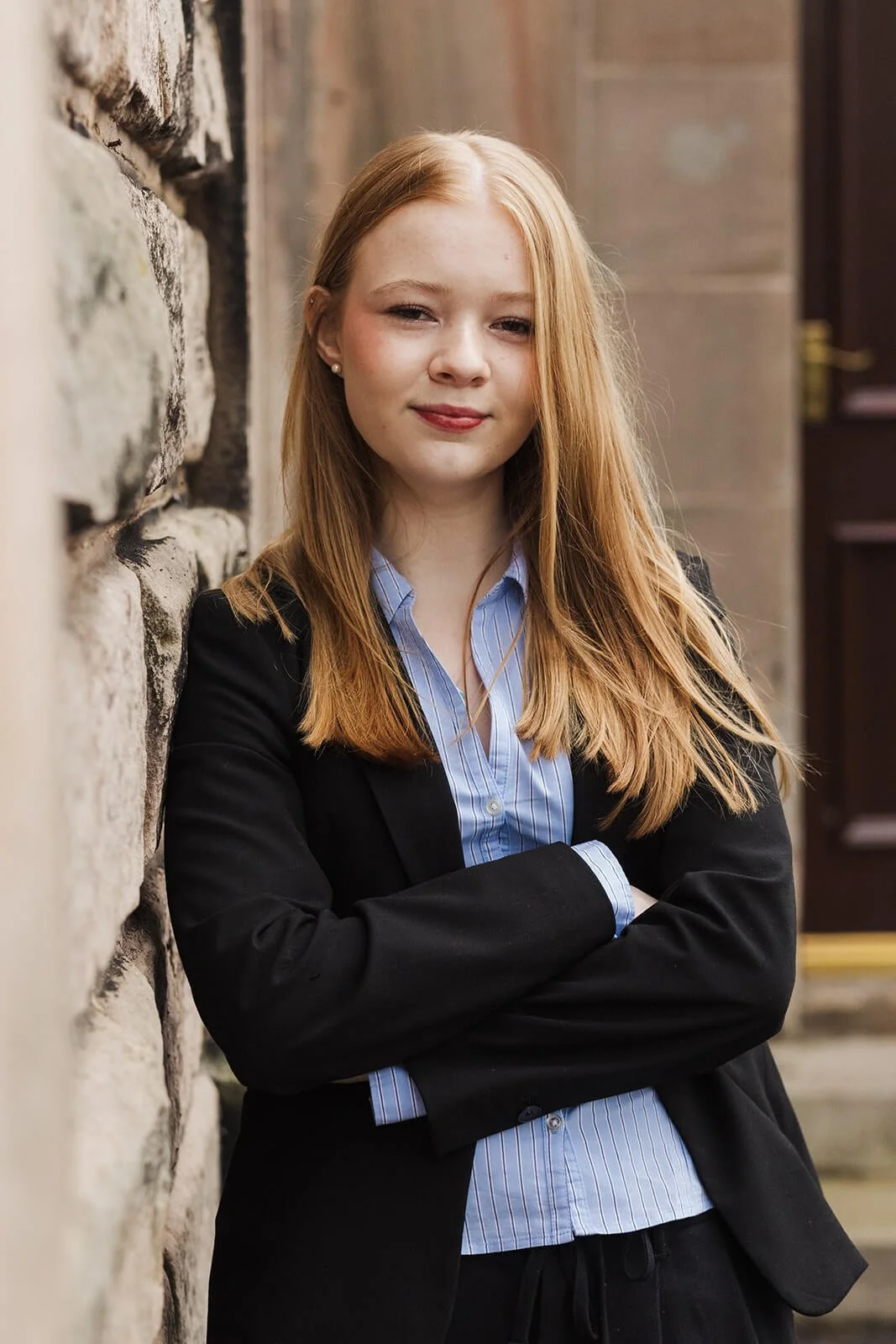
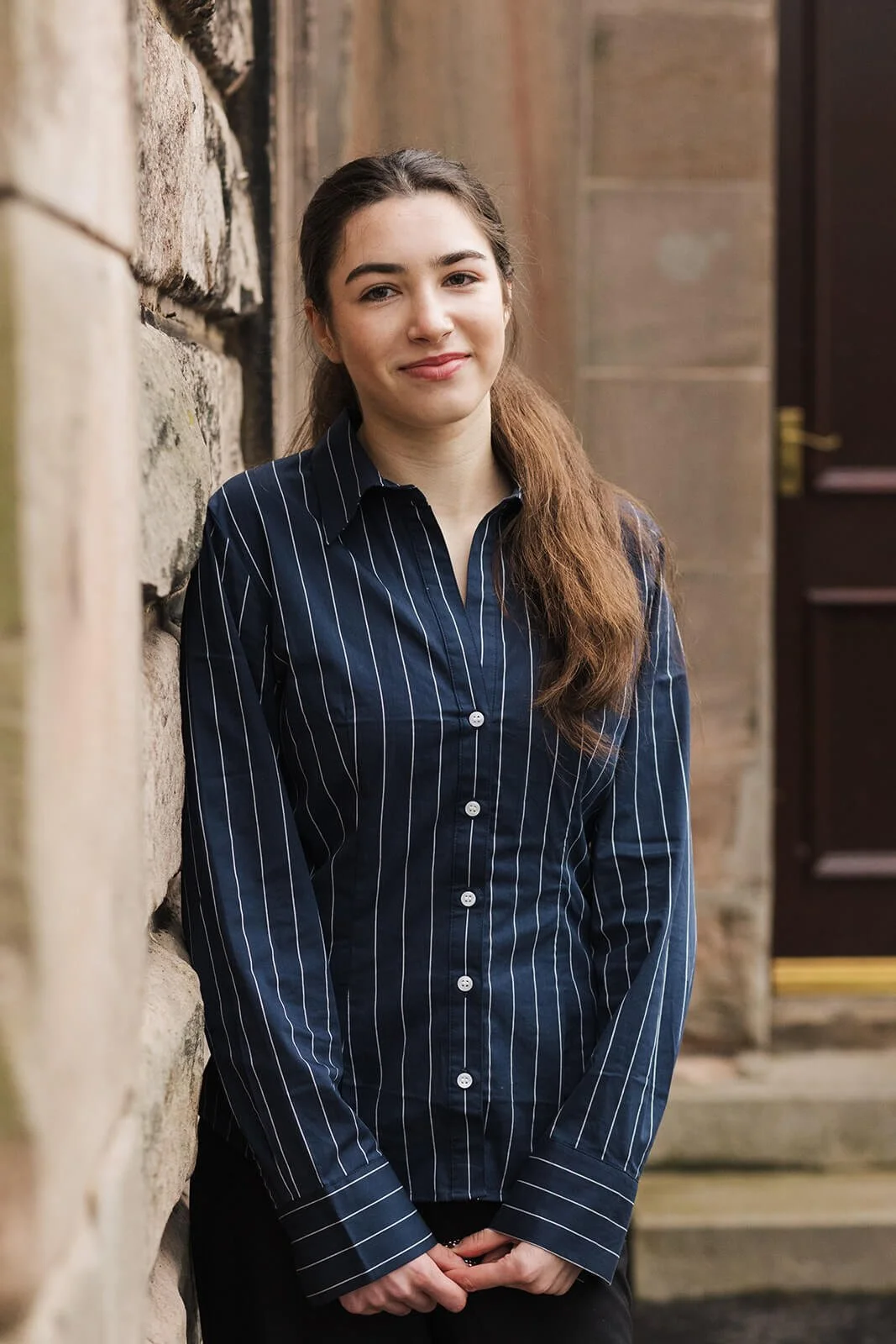
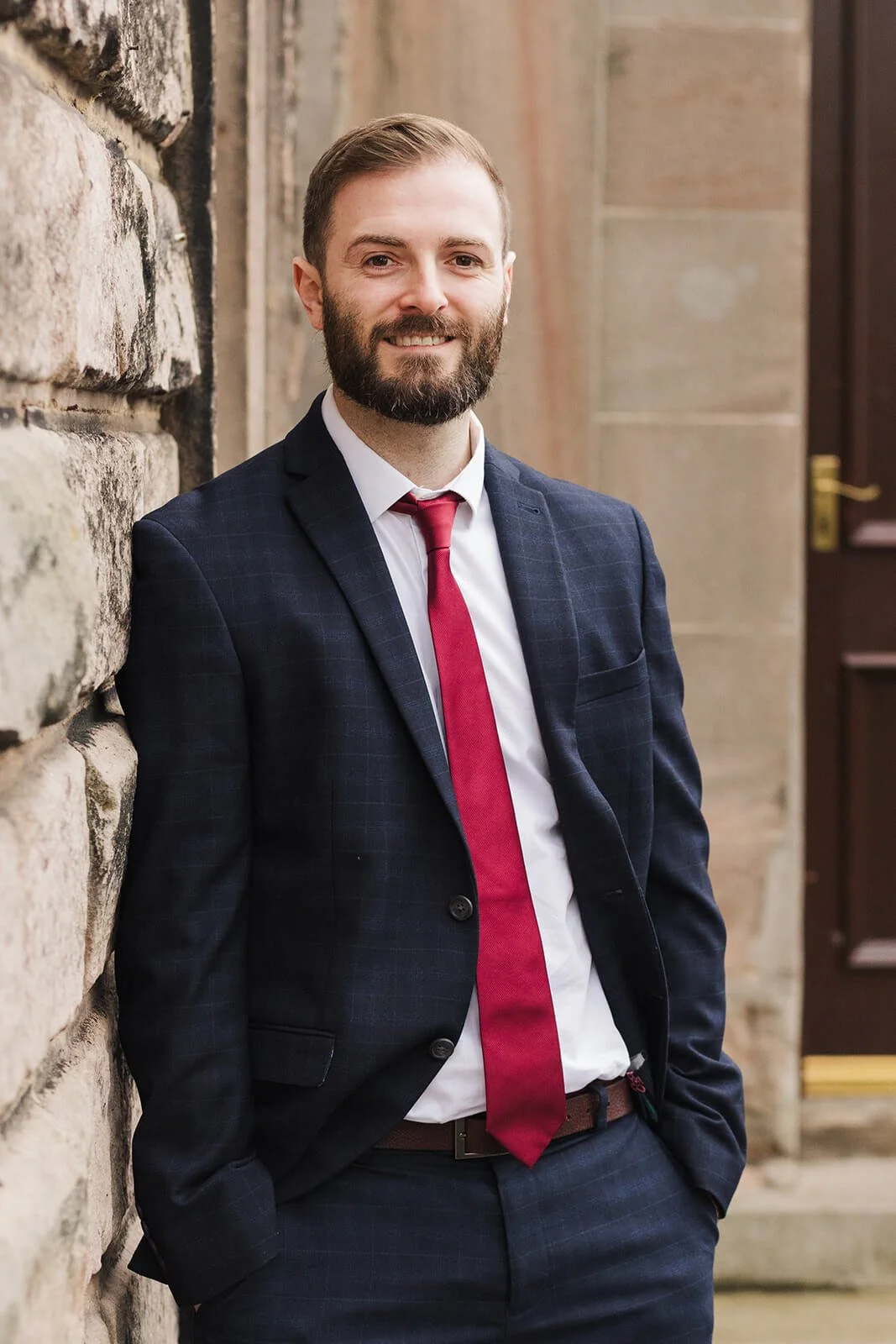
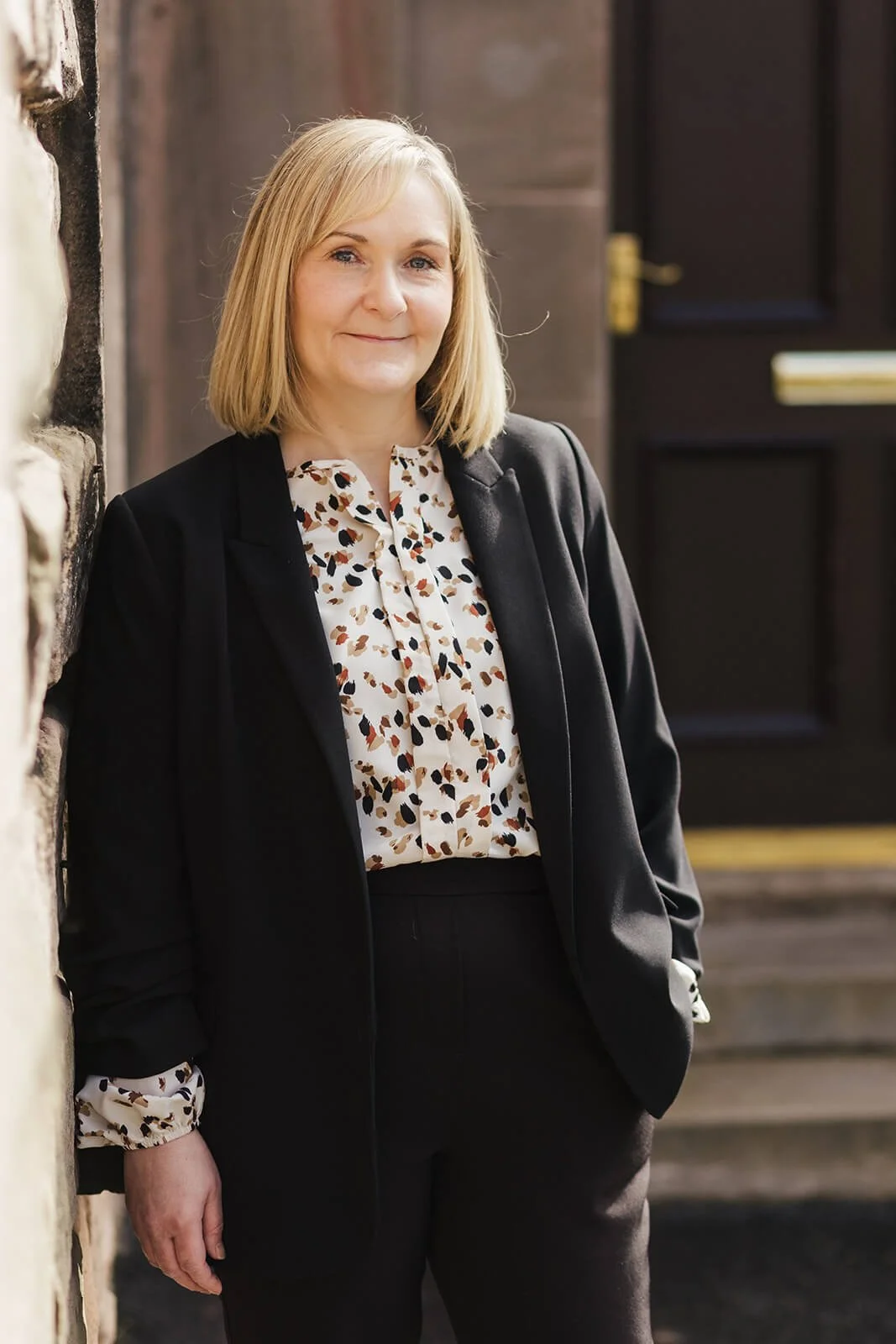
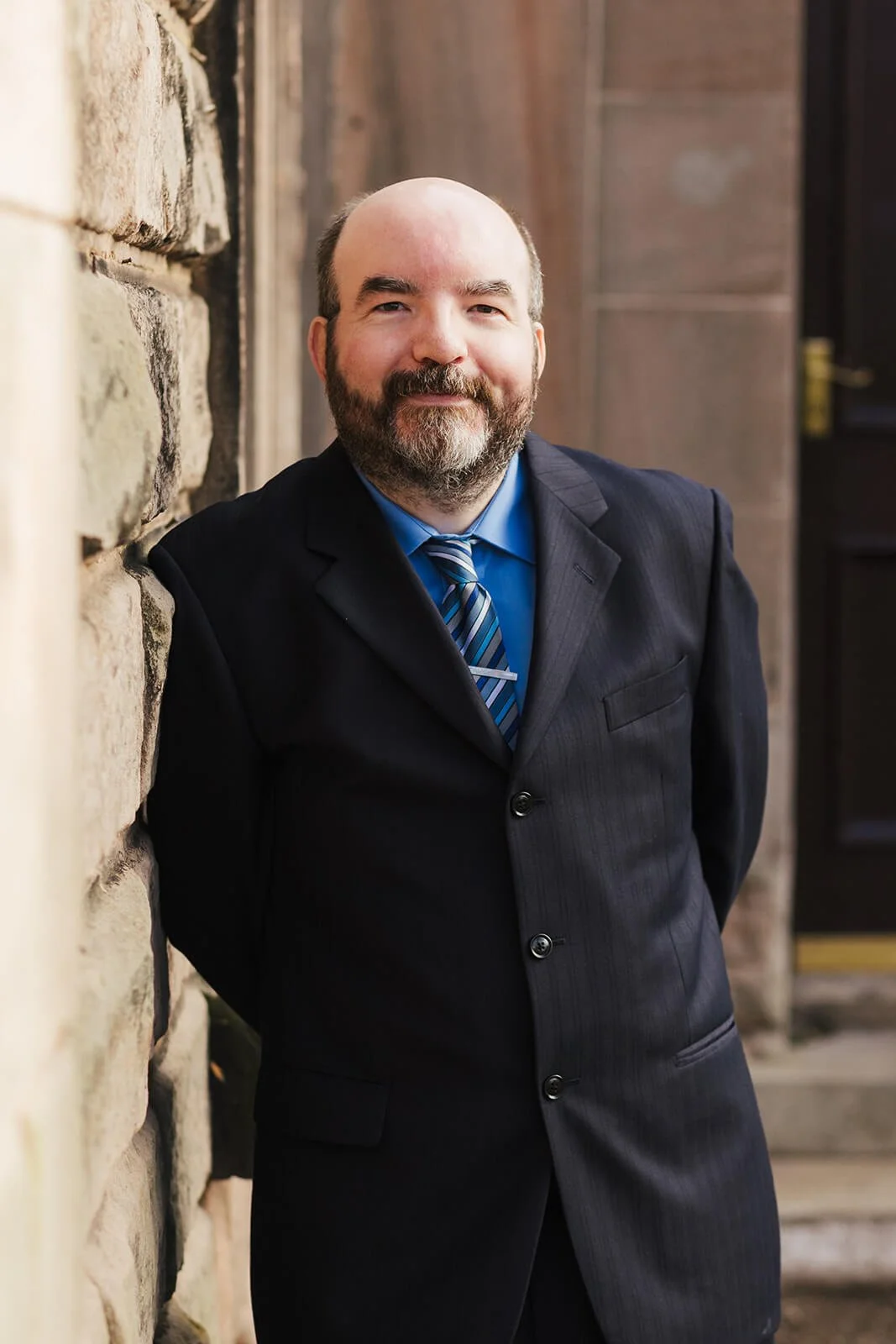
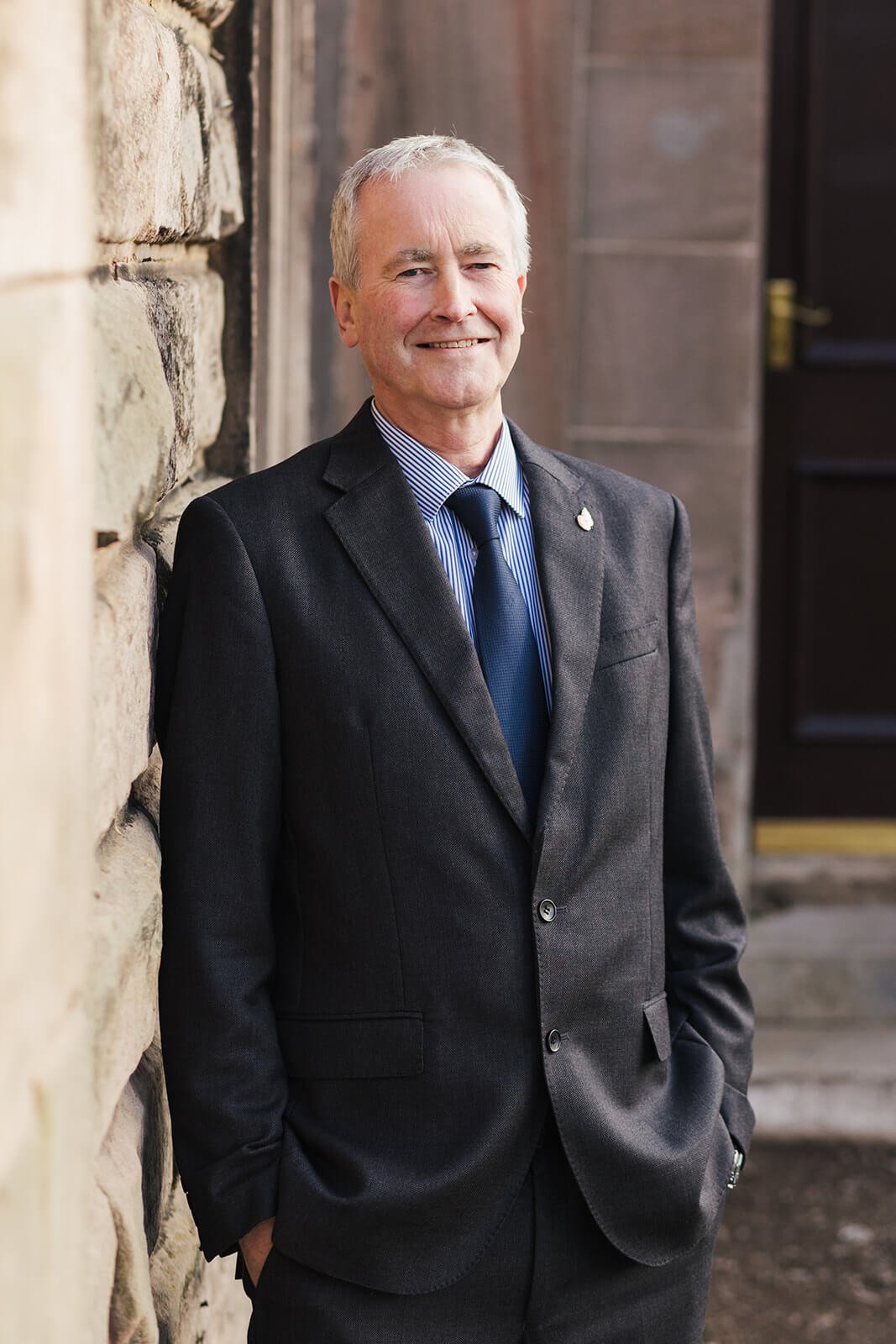
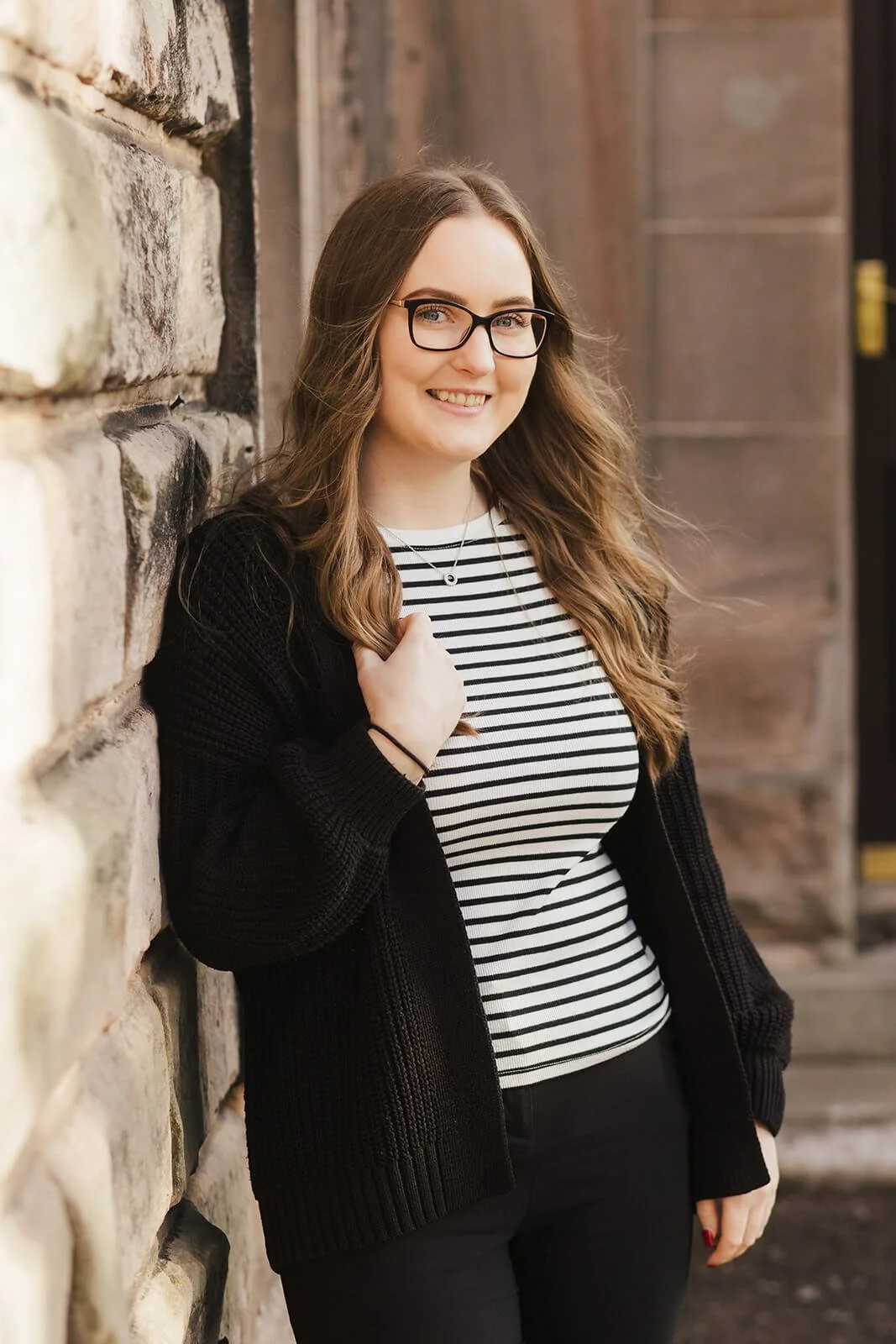
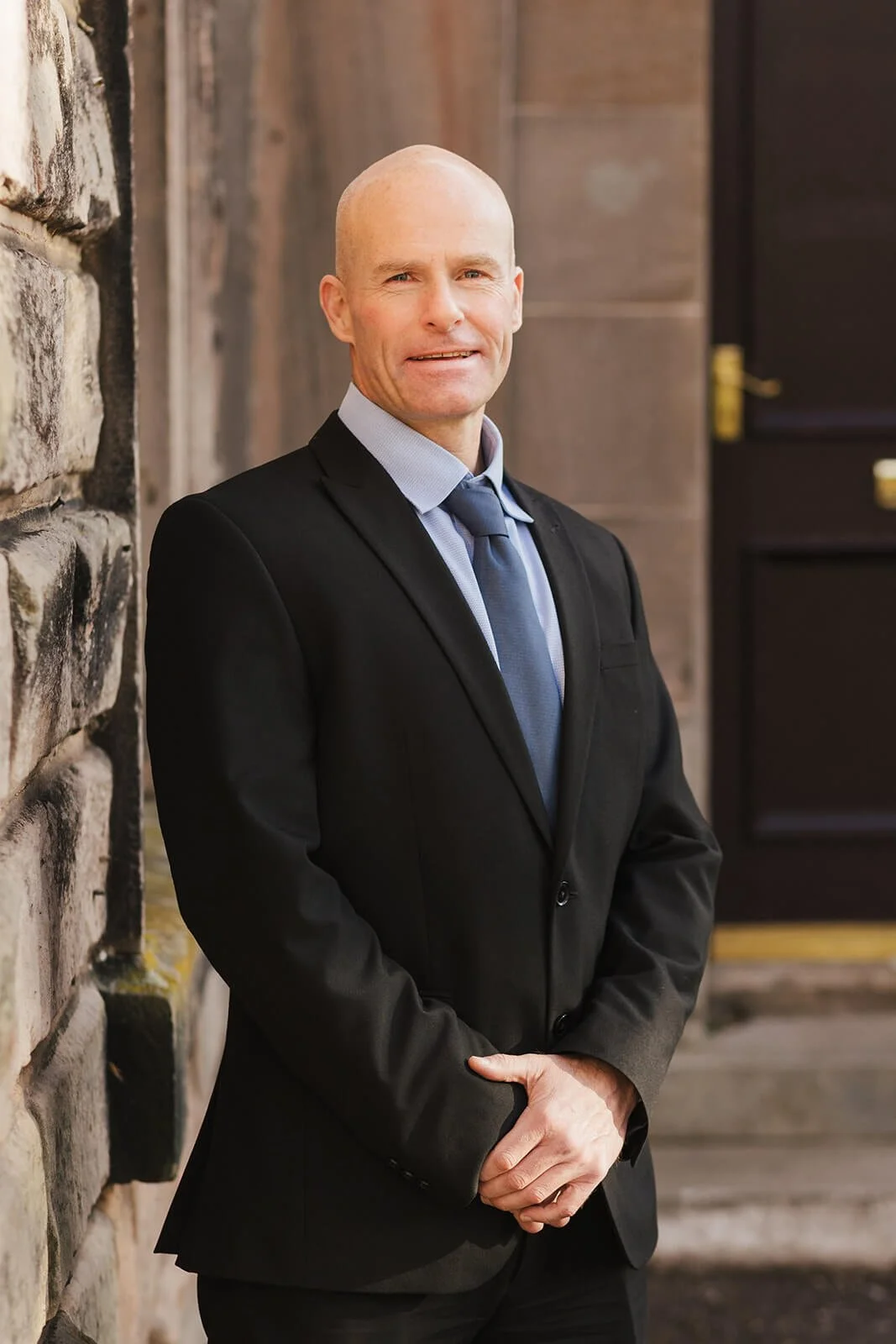
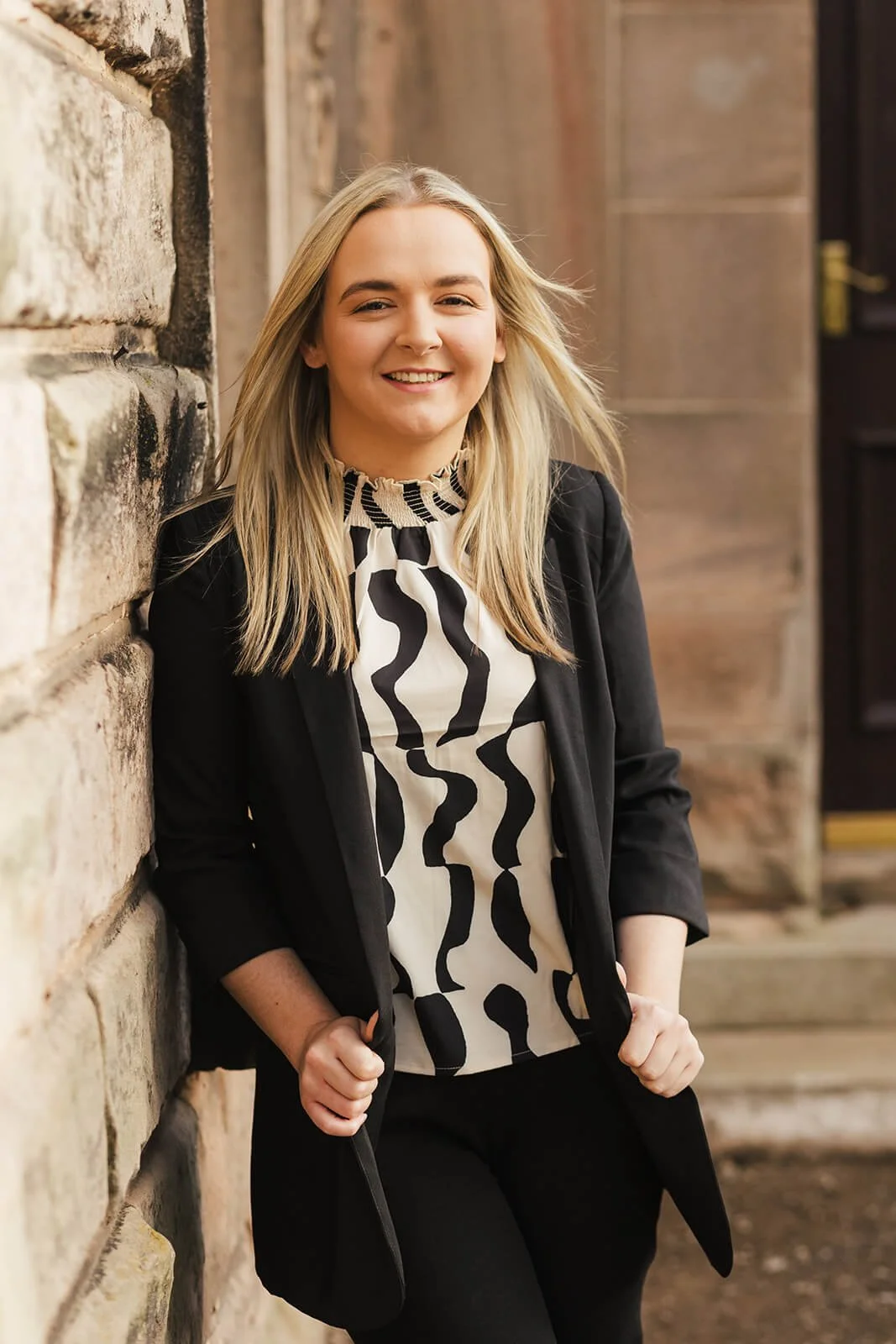
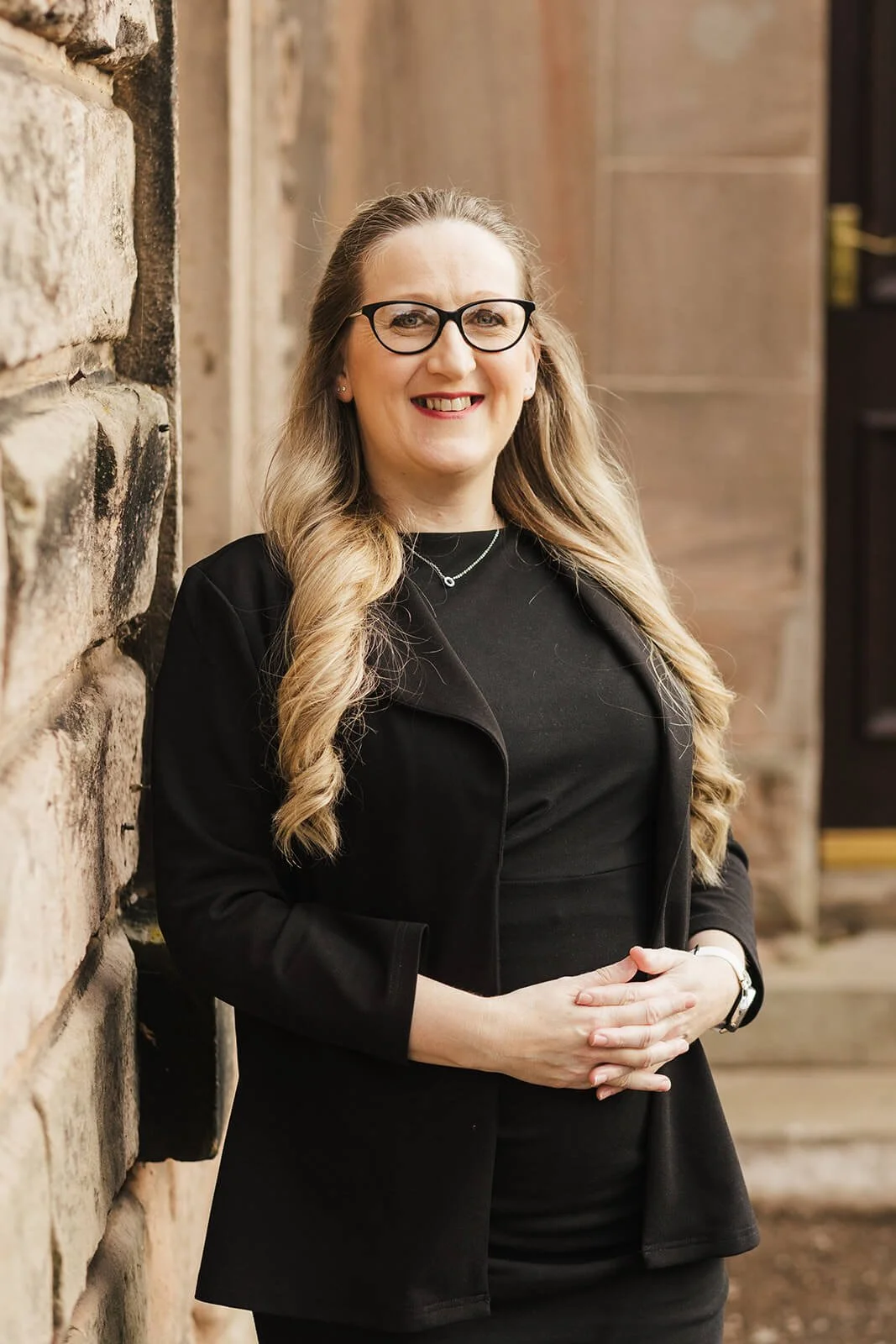
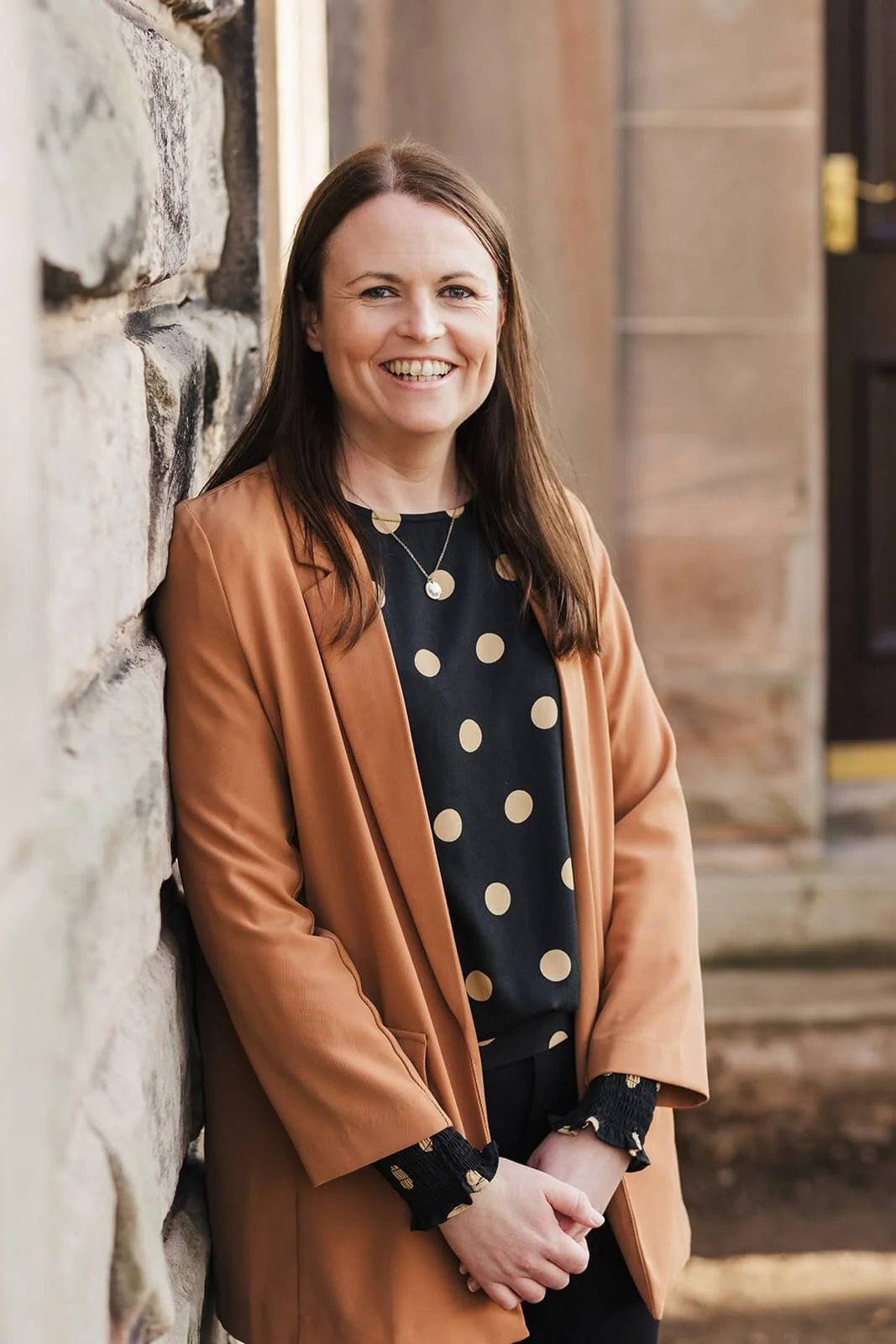
Think of a headshot as your professional introduction.
When Greenwoods needed updated imagery, their priority was clarity and consistency. As a well-established firm serving businesses across North Northumberland (and beyond), they regularly share team updates, qualifications, and press features.
They needed images that were:
Polished
Approachable
Consistent
Easy to update
So their corporate headshots were photographed outdoors, just outside their office in Berwick-upon-Tweed.
Same background. Same framing. Same natural light. Each person photographed individually.
The result was a cohesive team gallery that feels warm and professional — without looking corporate or intimidating.
What Branding Photography Adds
Branding photography takes a wider view.
It’s less about who you are in a single frame, and more about how your business feels.
A branding session might include:
Behind-the-scenes working images
Team interactions
Environmental portraits
Detail shots of tools, materials, or workspace
Story-led imagery for websites and social media
Where headshots introduce you, branding photography tells your story.
If Greenwoods had opted for a full branding session, you might have seen:
Team meetings in progress
Conversations with clients
Wider exterior shots of their office
Candid moments that show personality
Environmental business photography around Berwick
Branding imagery provides context. It answers questions your audience may not consciously ask, such as:
What does it feel like to work with you?
Do you seem established and organised?
Would I feel comfortable contacting you?
This becomes especially important if your website and social media are key drivers of enquiries.

Alison Aitchison and Laura Redfearn from Greenwoods Accountants - new qualifications, photography for PR.
Do You Need Both?
Often, yes — just not always at the same time.
Many businesses start with headshots because:
They’re launching or refreshing a website
New team members have joined
Existing images feel dated
They need press-ready photography
Branding photography often comes later, when businesses:
Refresh their marketing
Develop campaigns
Need ongoing social content
Want stronger visual storytelling
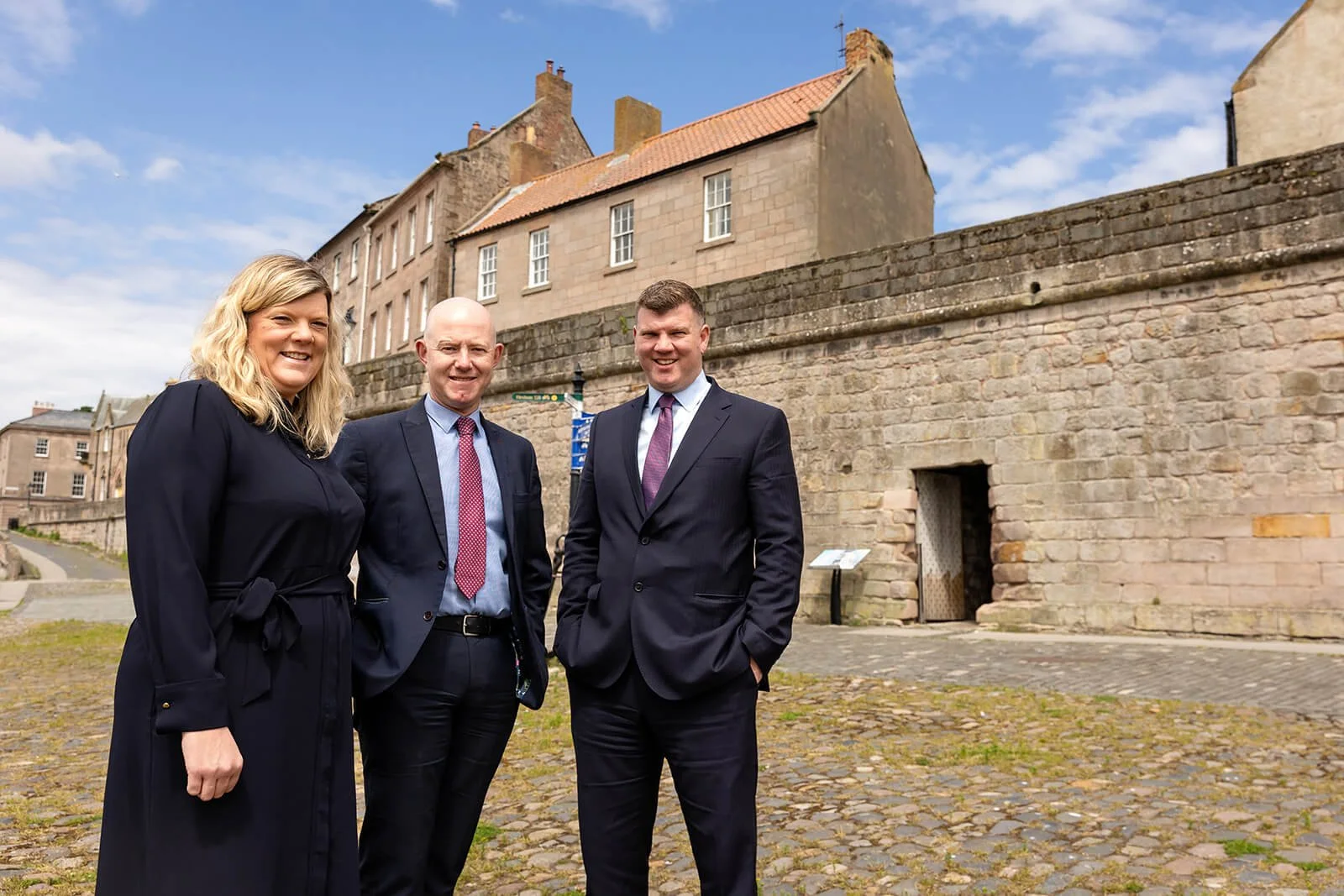
Location shoot with Greenwoods Accountants in Berwick-Upon-Tweed.
The most useful question to ask is simple:
Where will these images be used most?
If the answer is:
LinkedIn
Staff profile pages
Professional directories
Start with headshots.
If the answer is:
Homepage banners
About pages
Instagram
Marketing materials
Branding photography will likely serve you better.
A conversation with a brand photographer should help clarify that — without pressure.
When Headshots Are the Right First Step
For Greenwoods, the priority was:
Team profile pages
Press releases
LinkedIn updates
Qualification announcements
For a newer business building visibility from scratch, branding photography might come first — particularly if your website, social media, or email marketing plays a central role in attracting clients.
There’s no universal answer.
Only the right answer for where your business is now.

Gareth Greenwood from Greenwoods Accountants.
How Greenwoods have used their photos
Greenwoods use their professional brand photography across multiple channels, ensuring a consistent and recognisable visual identity throughout their business.
Their images are used on:
Their website, supporting team profile pages, service pages, and key brand touchpoints
TV screens within the office, creating a welcoming and professional environment for visiting clients
Social media platforms, particularly for team updates, announcements, and ongoing brand visibility
Press releases and professional communications, including staff qualifications and business updates
By using the same photography across both digital and in-person settings, Greenwoods reinforce trust, professionalism, and brand recognition. Clients experience the business in a consistent way whether they encounter it online, in the office, or through external media.
This is where brand photography becomes a long-term asset. When images are created with clear intent, they support marketing, communication, and brand consistency far beyond a single use — making them a practical investment rather than a one-off expense.
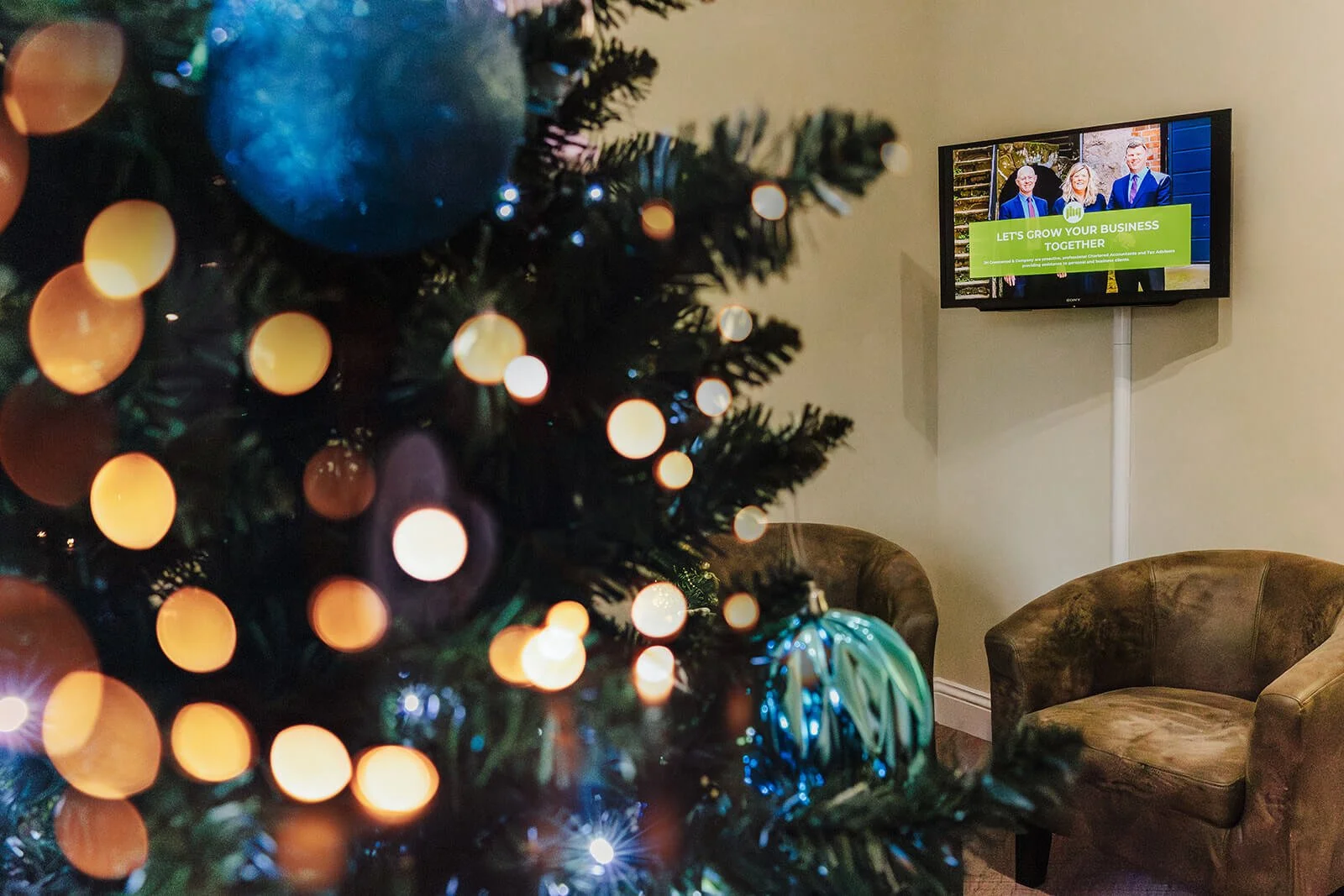
Greenwoods Reception area at their office in Berwick-Upon-Tweed.
Thinking About Booking a Session?
If you’re considering professional headshots or branding photography for your business, the best place to start is a simple conversation.
Every business is at a different stage. Some need clean, consistent headshots as a foundation. Others are ready for wider brand storytelling. A short call allows us to understand what you actually need now — and what will genuinely support your business — rather than pushing you into a one-size-fits-all session.
If you’d like to talk things through, you’re welcome to book a call here
There’s no pressure to decide on the spot. It’s simply an opportunity to ask questions, explore options, and make a confident, informed choice.
If you’re already leaning towards branding photography, you may also find this helpful:
What to Expect (and What to Avoid) Before Your Brand Photo Session

How Often Should You Update Your Headshot?
A conversation with Rebecca from Socially Organised
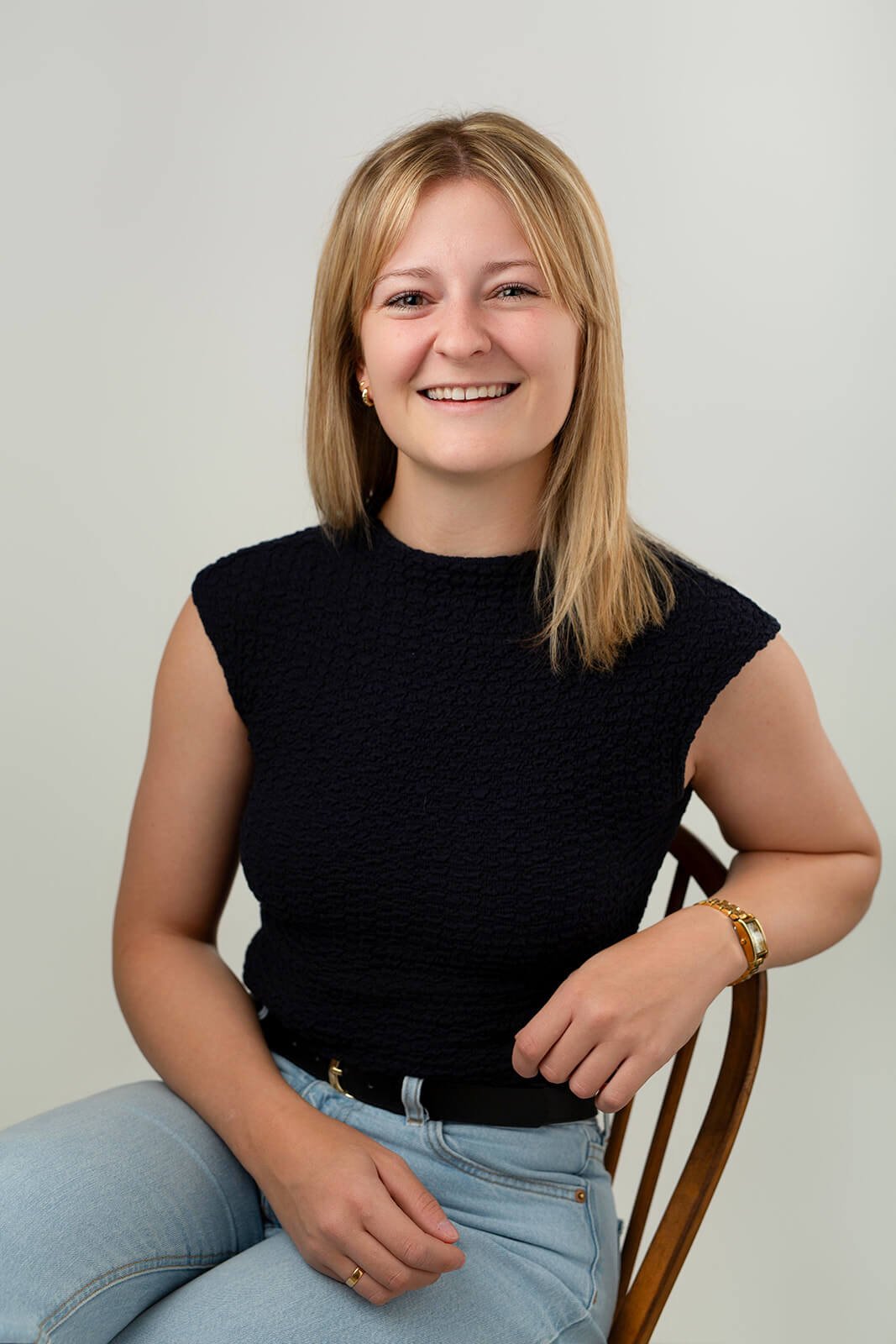
Your headshot works harder than you probably realise. It appears on your website, LinkedIn profile, social media, email signature, press features and booking platforms - often long before anyone meets you in person. For many small business owners and professionals, it’s the first point of recognition.
I’m often asked how frequently people should be updating their headshot, so during a recent headshot session with Rebecca from Socially Organised, it felt like the perfect opportunity to explore the question properly.
Meet Rebecca from Socially Organised
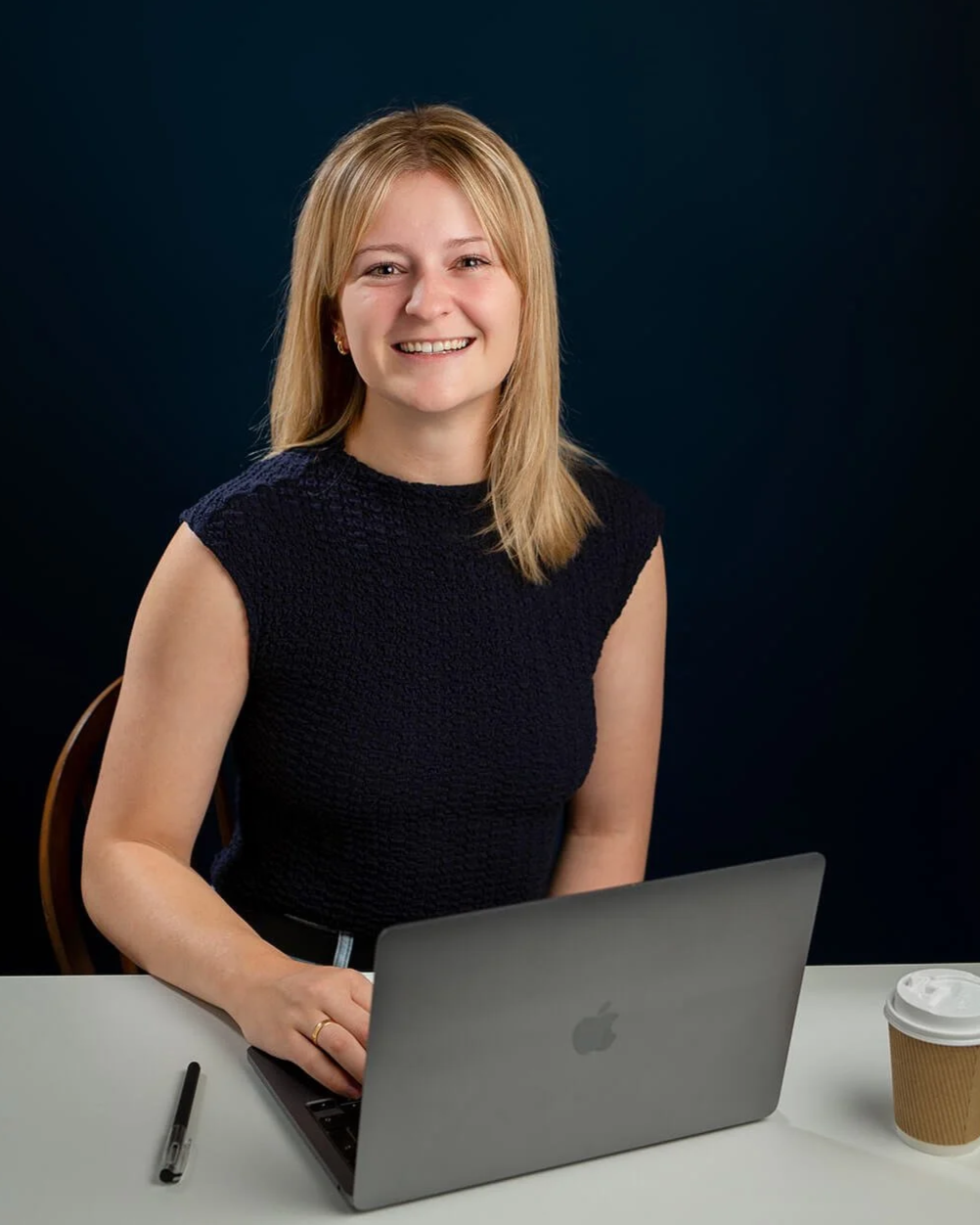
Rebecca set up Socially Organised after encouragement from friends and family during COVID. Although she had already worked in social media and marketing roles locally, it was the nudge from those closest to her that pushed her to start her own business.
Her first day was equal parts exciting and daunting - contracts signed, branding ordered, social media accounts launched and messages sent to friends and family asking them to follow along. Five years on, Socially Organised now supports businesses across Northumberland and Scotland, with Rebecca placing particular value on one-to-one relationships and in-person connection.
That personal approach carries through everything she does, from social media management to her much-loved training sessions, which she’s delivered to businesses across the North and into Scotland. Being invited by Visit Berwick upon Tweed to deliver social media training to local businesses remains a proud milestone.
Why headshots matter more than ever
Rebecca works daily in a world where visibility and credibility matter. She sees first-hand how quickly people form impressions online - often in seconds - and that’s exactly why she chose to update her own headshots.
She’s already refreshed her LinkedIn profile and plans to use her images across her wider online presence. As she explained, keeping headshots current helps people form a realistic impression of who you are, builds trust, and supports consistency across platforms.
From my perspective as a photographer, I regularly see a big shift in confidence. Clients often arrive feeling unsure, especially if they’ve been using the same image for years. After an updated headshot, they tend to show up more confidently online, update profiles they’ve been avoiding, and feel more aligned with how their business has evolved.
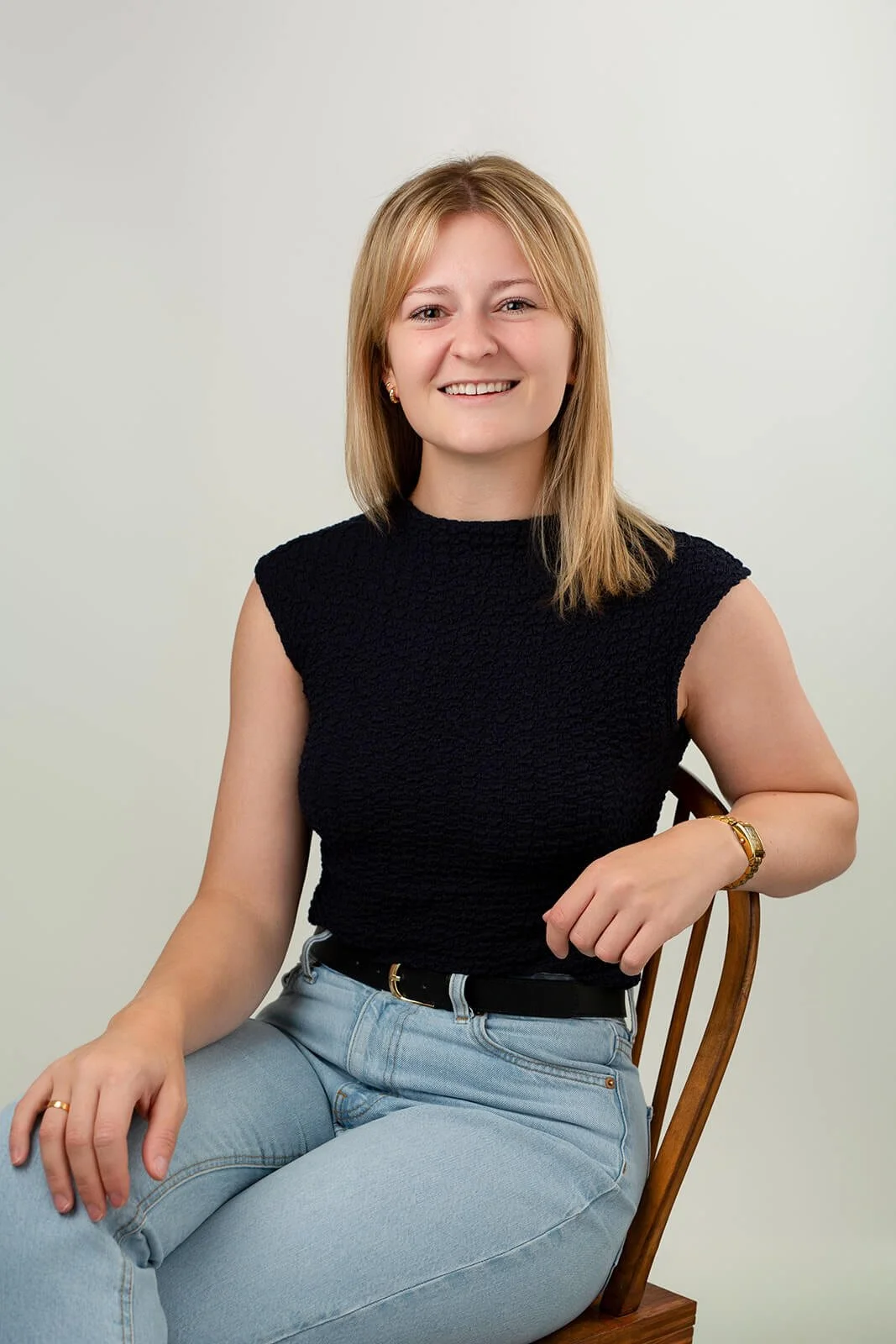
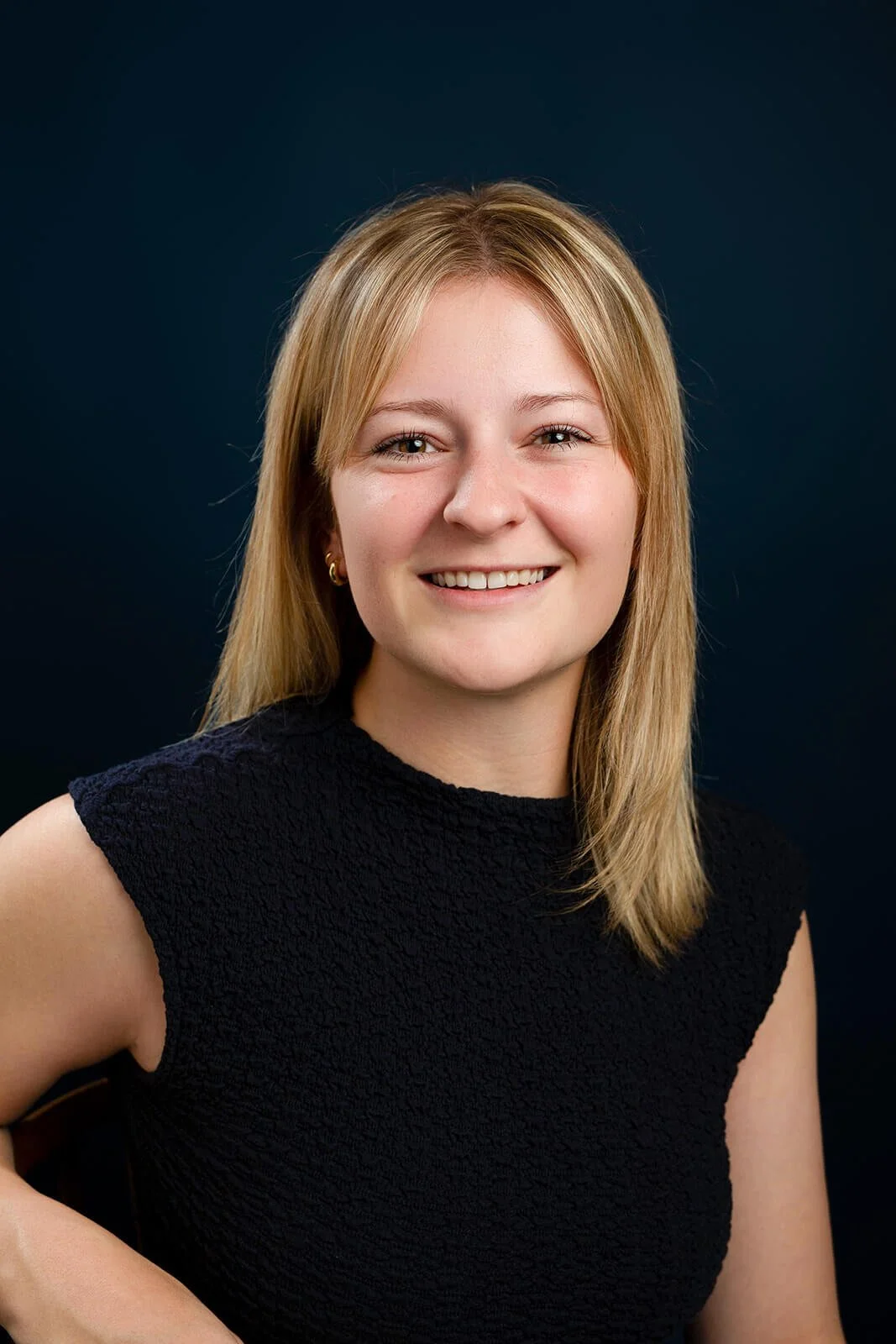
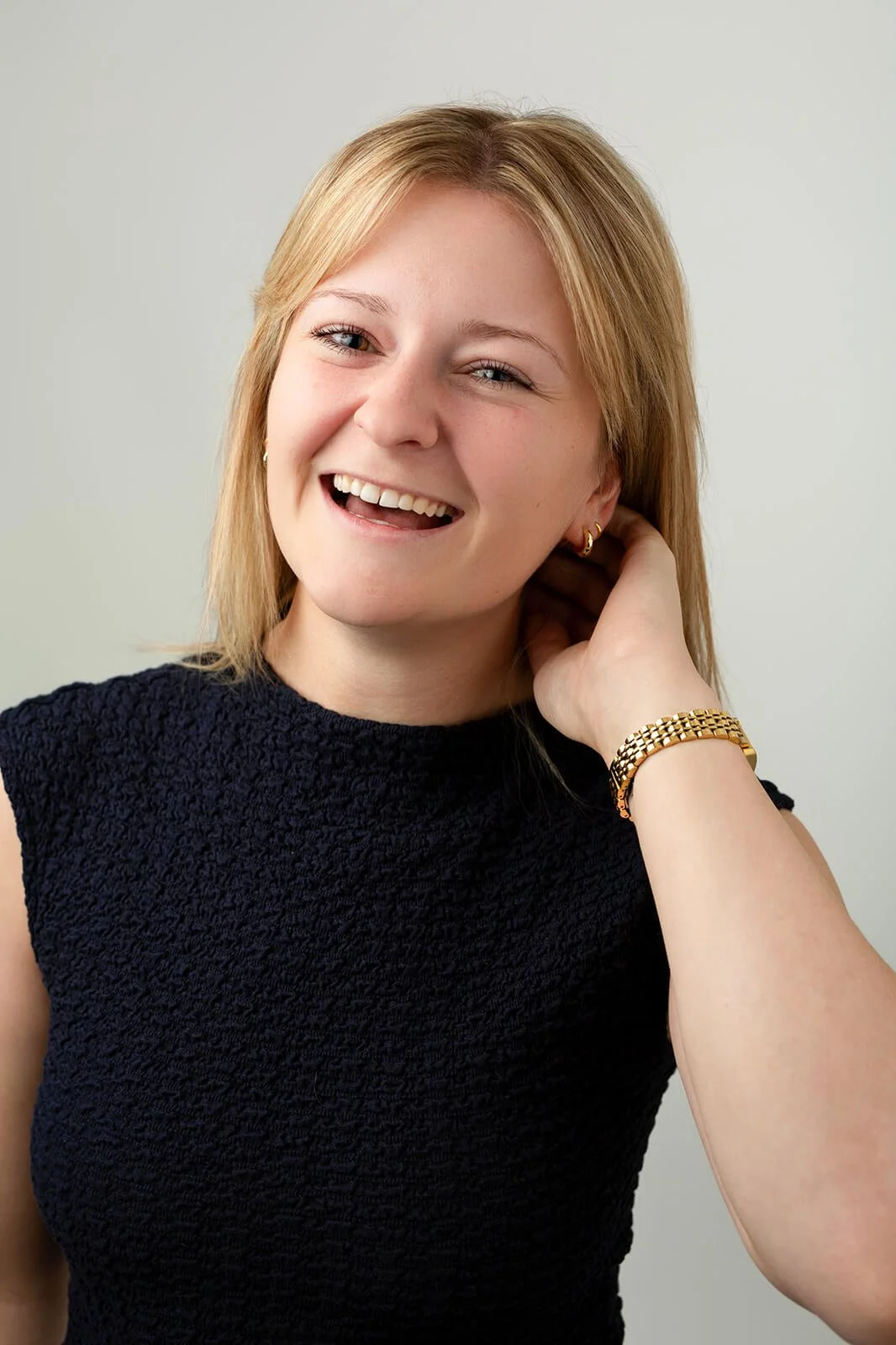
So… how often should you update your headshot?
In most cases, I recommend updating your headshot every one to two years, or sooner if there’s been a noticeable change. In reality, most people only book a new headshot when something prompts them - a rebrand, a new look, a new role, a website refresh, or the realisation that their photo no longer feels like them.
The most common reasons clients come to me are outdated images and rebranding. Changes in hair, personal style, image quality and visual trends all play a part. Even subtle shifts can make an older photo feel disconnected from who you are now.
An outdated headshot doesn’t just date your business visually. It can also lead to mismatched branding, awkward moments where you’re not immediately recognised in person, or a sense that your online presence doesn’t quite reflect your professionalism.
The value of a timeless approach
One reason my headshots tend to last well is that I keep things clean and straightforward. I avoid heavily stylised or trend-led filters and focus instead on good light, considered composition and subtle editing.
This approach creates images that feel current without being tied to a particular moment in time. A well-lit, well-posed headshot with honest expression will always outlast something that leans too heavily into fashion or editing trends.
For business owners and professionals, this means an updated headshot continues to work for you across platforms and over time, rather than feeling quickly outdated.
Headshots as part of business maintenance
While many individuals see headshots as a one-off task, I often see a different mindset with teams and organisations. When I photograph teams, I’m regularly asked back to update images as new people join, keeping everything consistent and professional.
For sole traders and small business owners, the principle is the same - just on a longer cycle. As your business grows and evolves, your visuals should quietly keep pace.
Rebecca’s experience reflects this well. Her business has matured, her confidence has grown, and her updated headshot now mirrors where she is professionally.
A quick check for your own headshot
If you’re unsure whether your current image is still doing its job, it’s worth asking yourself whether it genuinely reflects you as you are now. Would someone recognise you immediately? Does it sit comfortably alongside your current branding? Does it support the way you want to show up online?
If the answer isn’t a confident yes, an updated headshot may be worth considering.
You can find more information about my professional headshot sessions here
You may also find it helpful to explore how headshots fit into wider brand photography
Or, if you’d like to talk it through, you can get in touch here
And if you’re genuinely unsure, I’m always happy to give honest advice - even if that means telling you your current photo is still serving you well.
Rebecca is the founder of Socially Organised, where she works closely with businesses on social media management and training. If you’d like to see more of her work or get in touch, you can find her on Instagram and LinkedIn, or visit her website.
94% of First Impressions Online Are Visual - Here’s How We Made That Work for Brian.
94% of first impressions online are visual - which means the photos on your website matter more than you might think.
When Brian from Design & Prototype got in touch, he wanted better photos for his business. What began as a simple workshop shoot quickly grew into a full rebrand: new photography, a refreshed logo, and a modern, cohesive website that’s helping him attract the kind of projects he really wants.
Most small business owners don’t see themselves as “brands” - they see the workshop, the tools, the workbench, not the bigger picture. But that’s exactly what brand photography helps reveal.

Here’s Brian in the Design & Prototype workshop. We photographed him at work - surrounded by sawdust, metal shavings and machinery - the kind of authentic detail that stock photos never capture. Later, a few of his finished pieces came into my studio to be photographed under good light and on a plain grey and white background - even large handcrafted items can work beautifully in a controlled product photography setup.


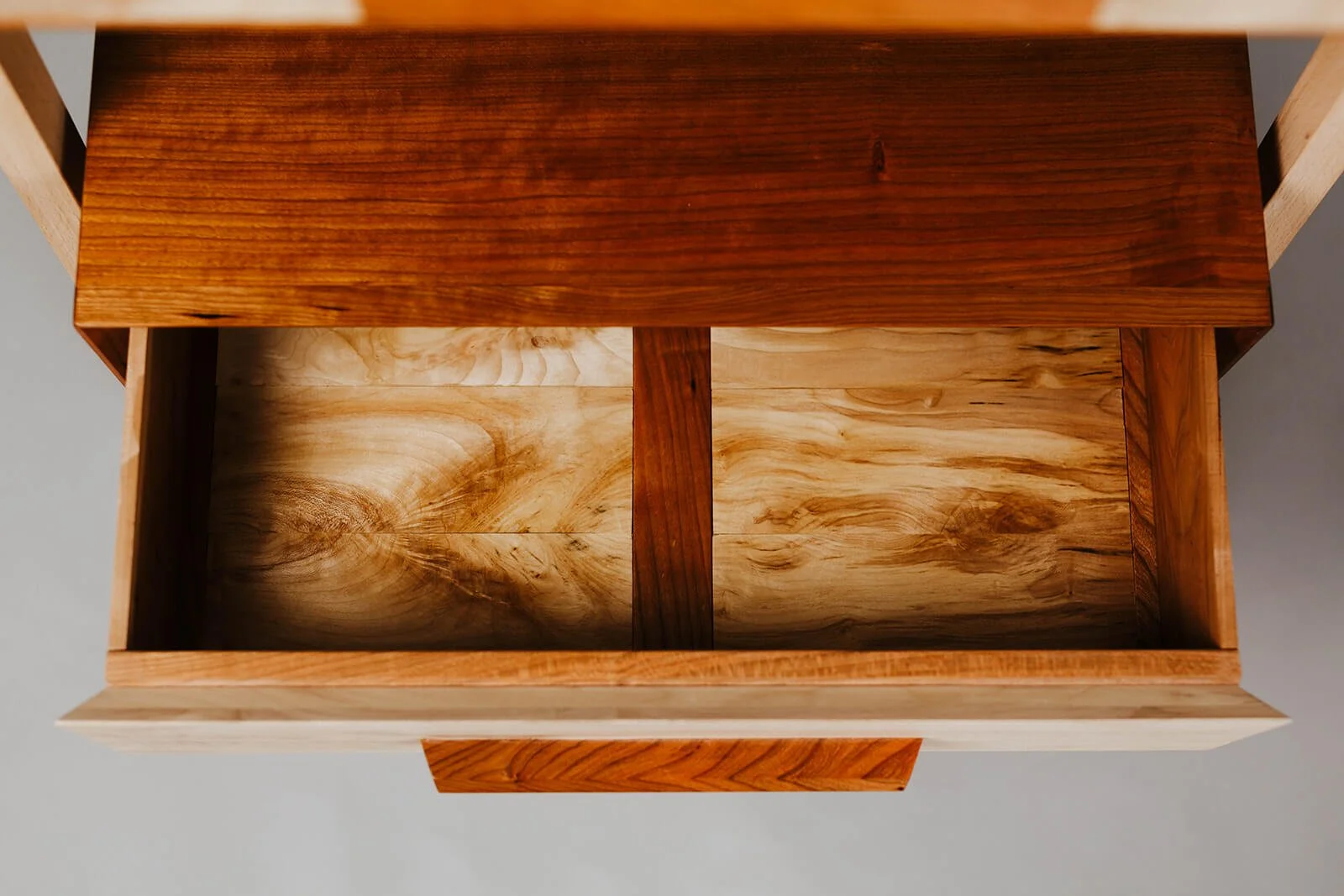


Once the brand and product photography library was in place, we refreshed his logo and website - keeping the clean, modernist feel he liked, but stripping back the bold primary colours that had made the old design tricky to use. The new site uses yellow and grey tones, echoing his machinery and giving a nod to industrial design - modern, timeless, and easy to navigate.
After the website launch, Brian decided to add a Velocette motor repair section. Everything was already in place visually, and the consistency of his new branding helped attract steady work in this niche area.
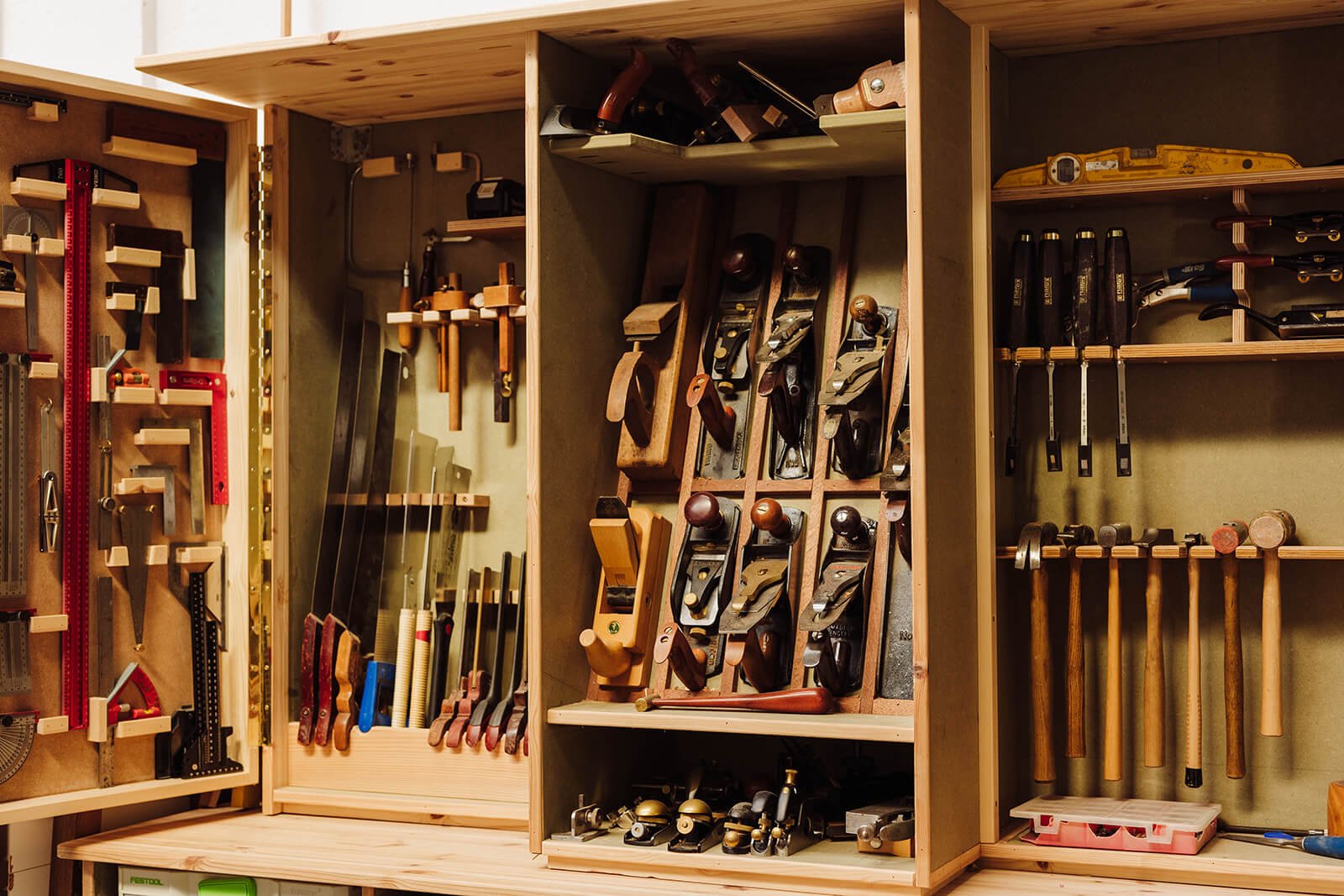
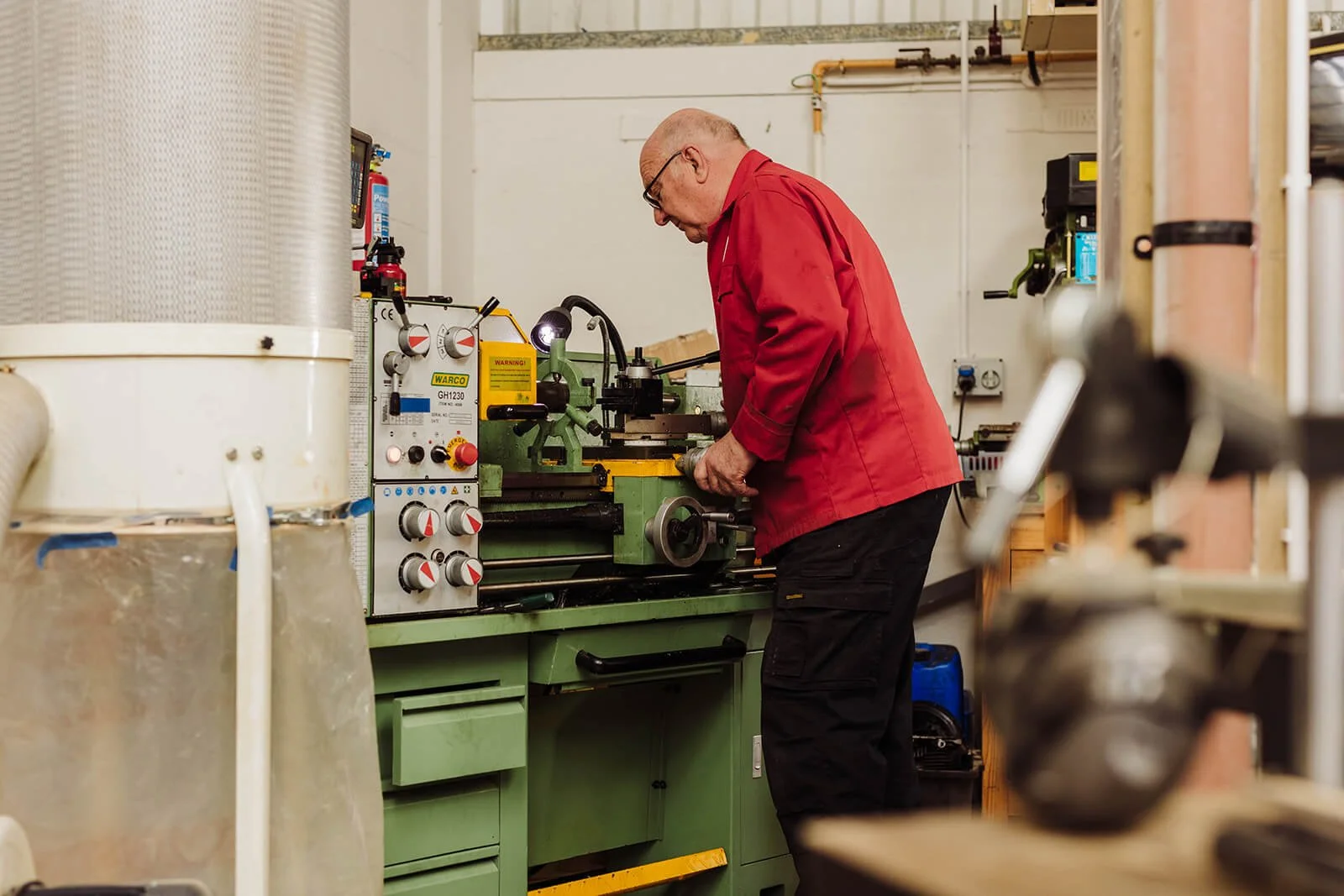

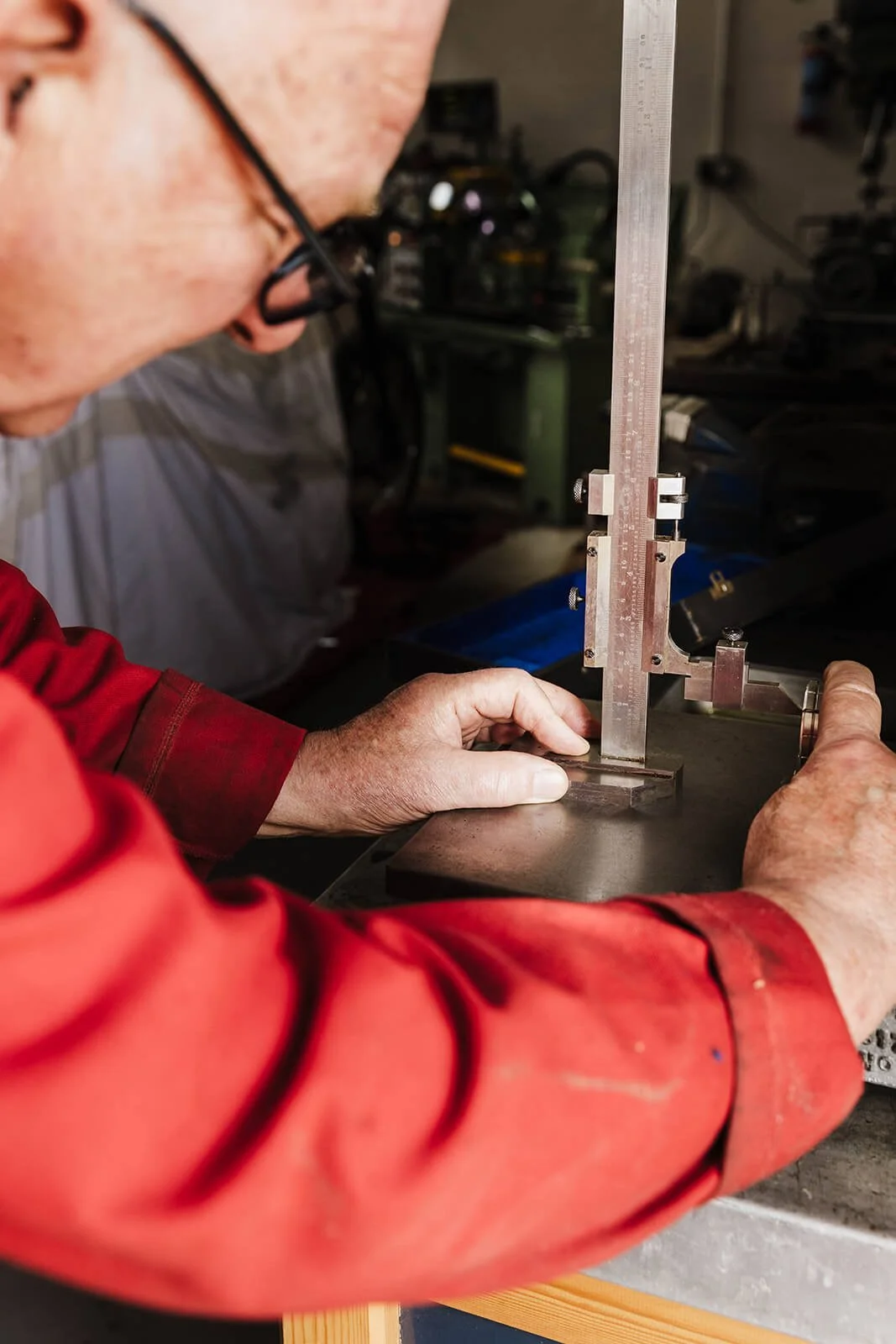

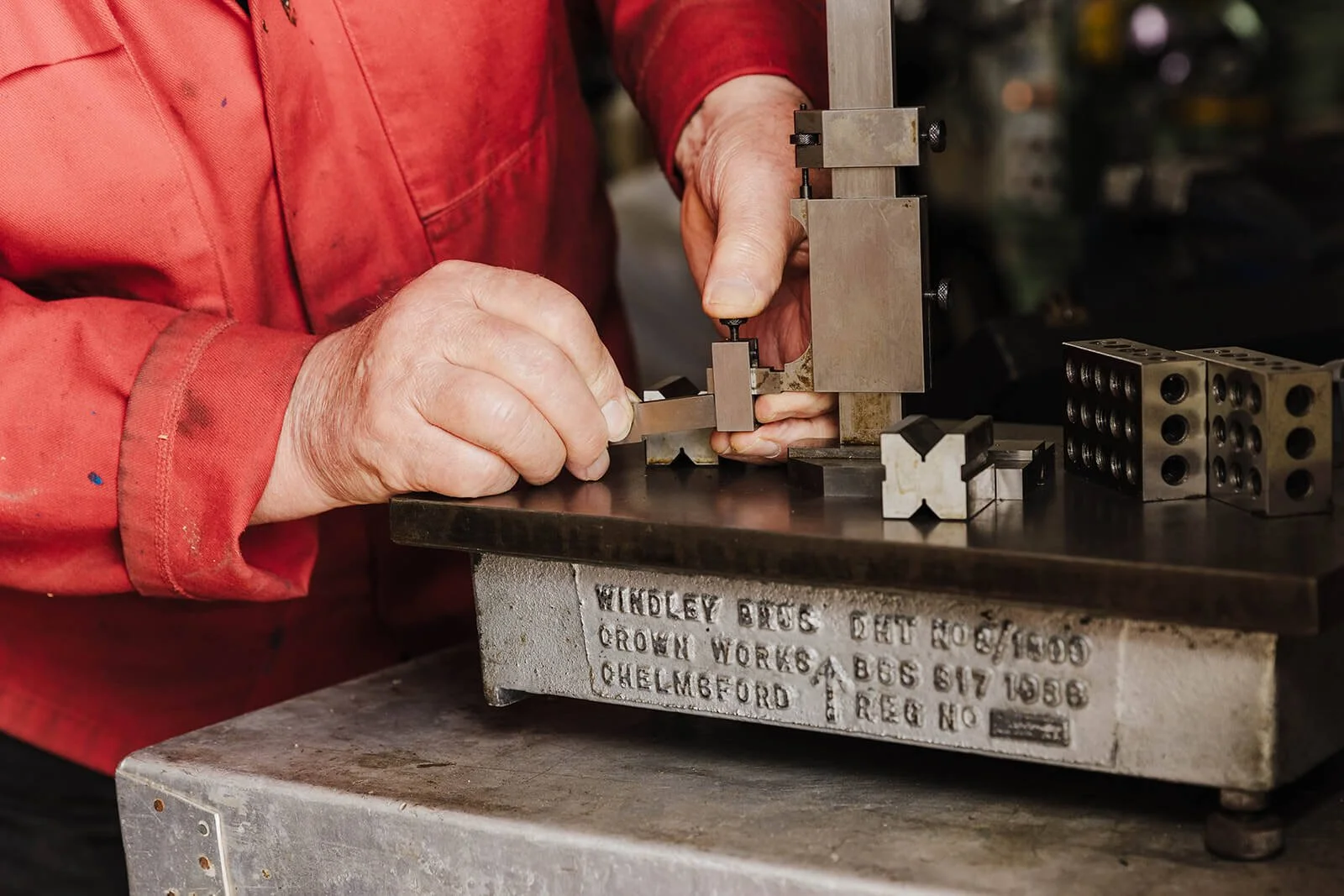
Strong brand imagery doesn’t just look good - it builds trust. For small businesses, it shows the person behind the craft, the hands that make, the pride that keeps a workshop running. Whether you’re a joiner, florist, or designer, photography helps your audience connect the dots between what you do and who you are.
If you’re curious about what brand photography could do for your own business, check out my Brand Photography page. You don’t need a studio-ready brand - just a good story, and I’ll help you show it.
Exploring Mill Pond Flower Farm: and A Journey into The Business Of Selling Flowers
I had the amazing opportunity to visit Mill Pond Flower Farm in Foulden, not far from Berwick but just over the border in Scotland. The flower farm, run by Paula Baxter is also the home of The Business Of Selling Flowers run by Paula, and two other dedicated, full-time flower farmers named Carol and Claire, who live elsewhere in the UK but the three come together now and again to help each other out and to discuss their work and have a photoshoot together. Join me as we delve into this charming farm, discover their online courses, and get to know the passionate individuals behind it all.
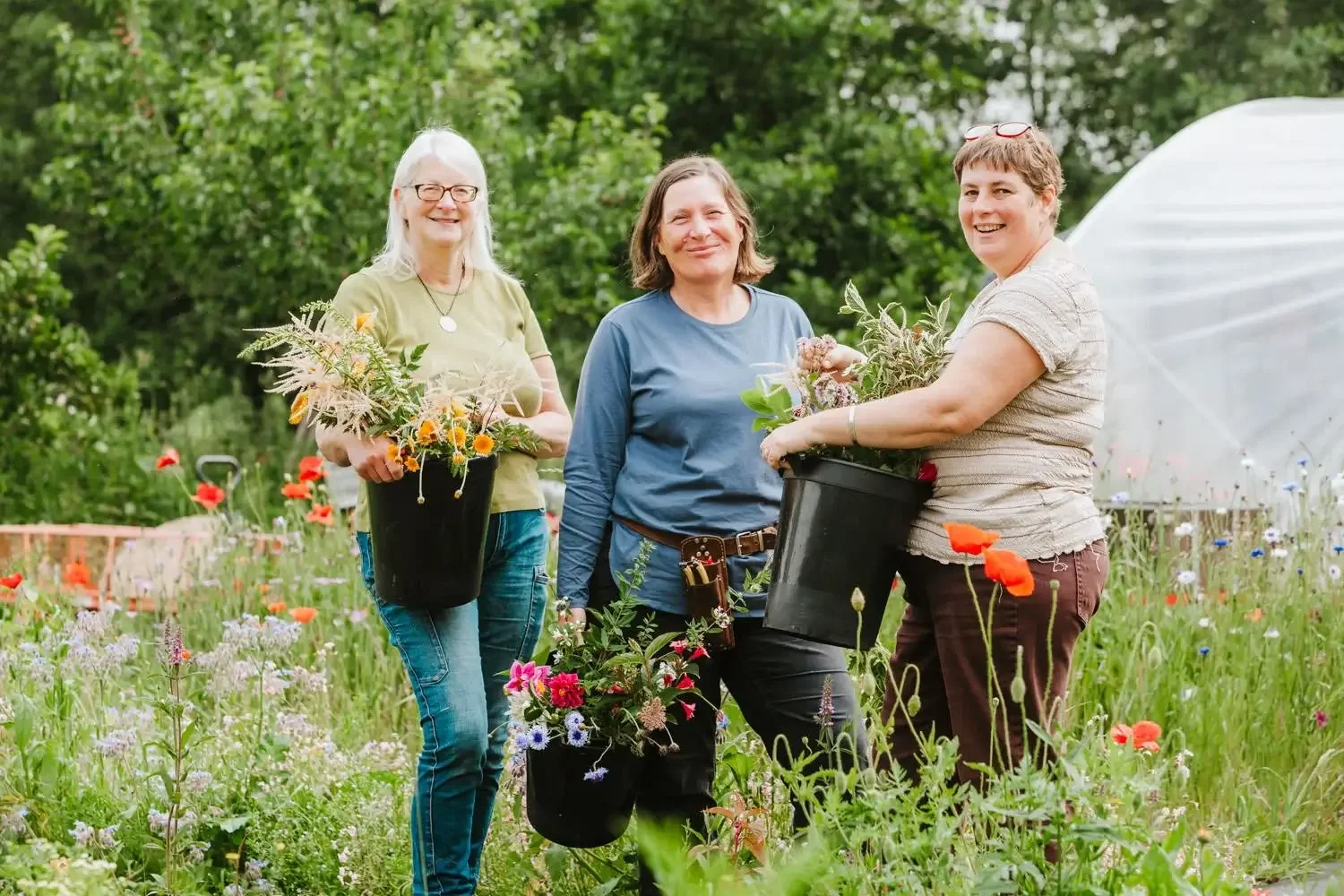
Mill Pond Flower Farm captivates me with its rustic beauty. The picturesque farm, with views of the Cheviots, offers a tranquil haven for flower enthusiasts and nature lovers alike.


Empowering Flower Farmers Through their online courses, Carol, Paula, and Claire's joint venture, The Business Of Selling Flowers, equips flower farmers and sellers with essential knowledge. They offer eight practical and comprehensive courses that cover topics like pricing, profit, selling, and the art of growing flowers. These courses empower individuals to become successful and profitable flower growers.


During my visit, I shared a memorable and lighthearted moment with Carol, Paula, and Claire. As I photographed them for their website and social media, they playfully turned the tables and captured behind-the-scenes shots of me. This experience shows their friendly nature and their desire to authentically represent their work.

Mill Pond Flower Farm, along with The Business Of Selling Flowers, brings together the beauty of nature and the entrepreneurial spirit. With their online courses, Carol, Paula, and Claire encourage aspiring flower farmers to thrive in the industry. My time at the farm was truly special, and I hope that these photographs serve not only as a useful illustrative branding portfolio but also as a testament to their dedication and camaraderie.
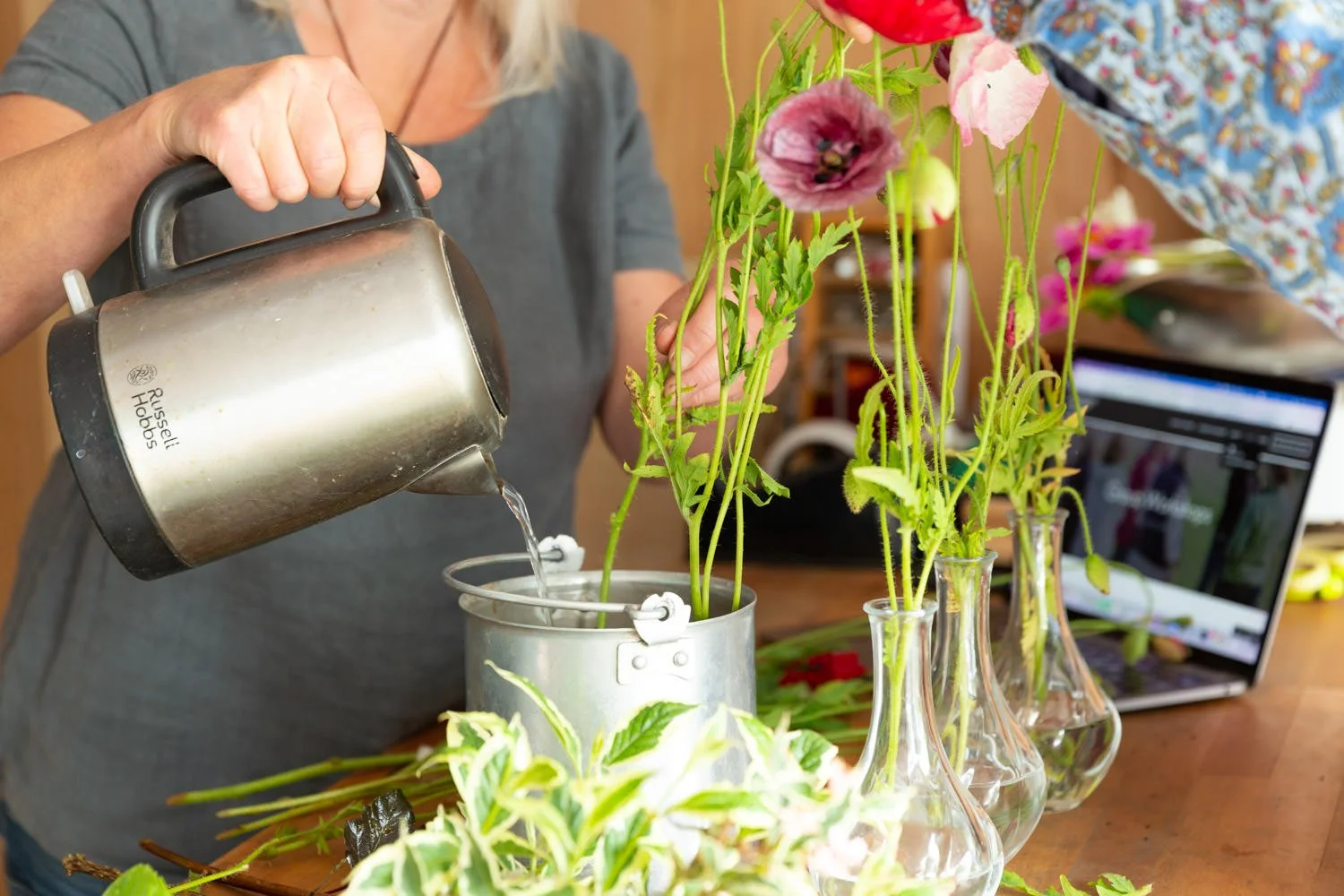
Tricks of the trade!

Taking payments in a rural setting.


Foliage for floristry

Cutting flowers

Potting table
Check out the Business Of Selling Flowers website for more info or check them out on Instagram
22 Years in Business - An Interview with Sarah
(by Sophie, Marketing and Photography Apprentice)

An Interview with Sarah, organised by Sophie (marketing and photography apprentice, Pictorial Photography)
Sarah has been an independent photographer since 2001, growing her business over the years and adapting to life's challenges (such as lockdown). As Sarah's apprentice, learning the way her business works and seeing how much can change in only a year and a half, I asked Sarah some questions about the story of Pictorial Photography.
When did you start the business and why?
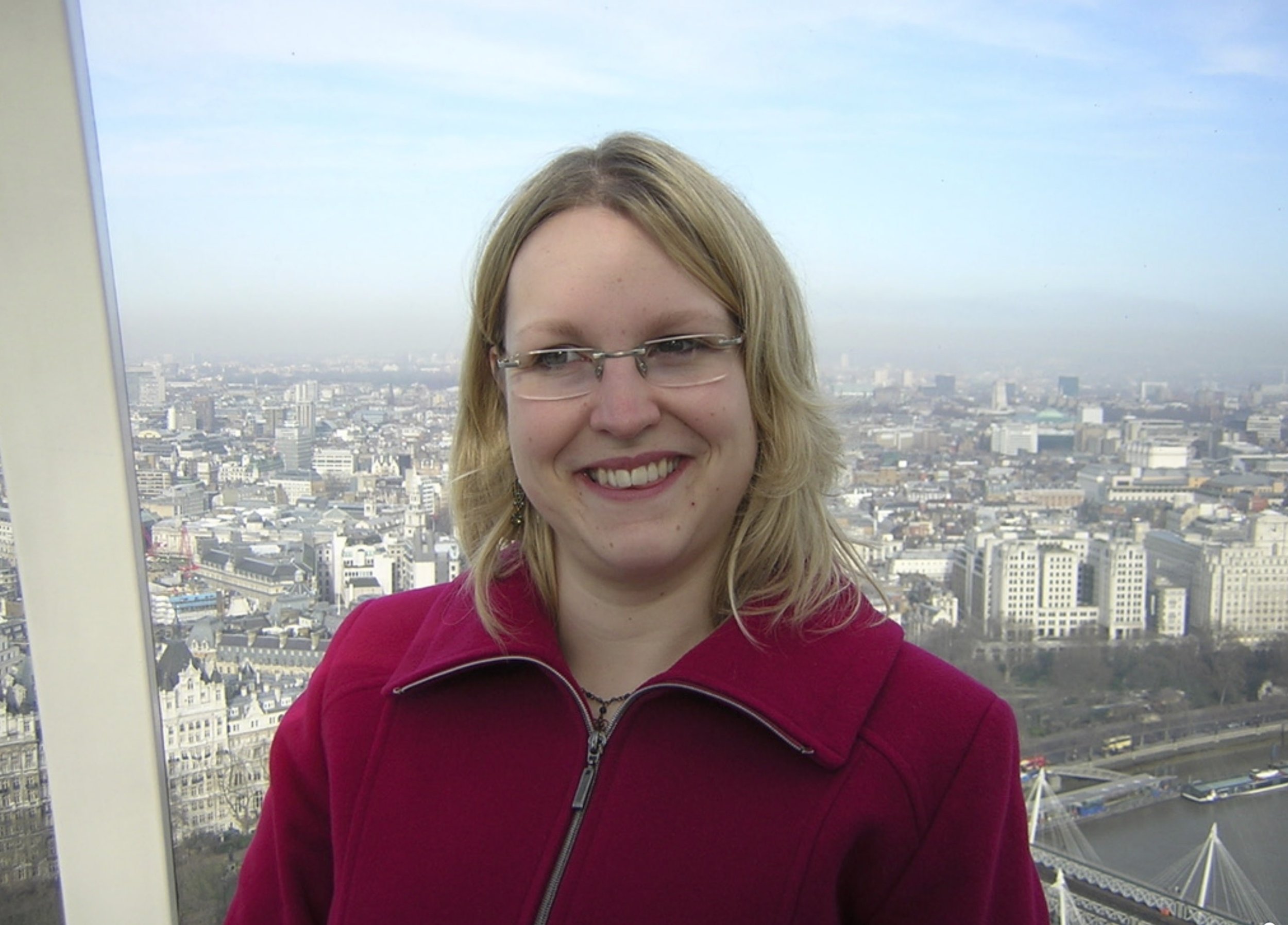
Sarah in 2001
I was asked by a friend to photograph her wedding when I was at university studying Contemporary Photographic Practice. I was only 19 but I knew this was what I wanted to do, so I thought up the business name, registered ‘Pictorial Photography’ with HMRC and got insured. Soon after that, colleagues and friends started asking for photos of their families and children. I also took on a few more weddings in Newcastle - shooting on film! I worked at Northumbria University by then so it was more of a weekend job for the first 5 years.
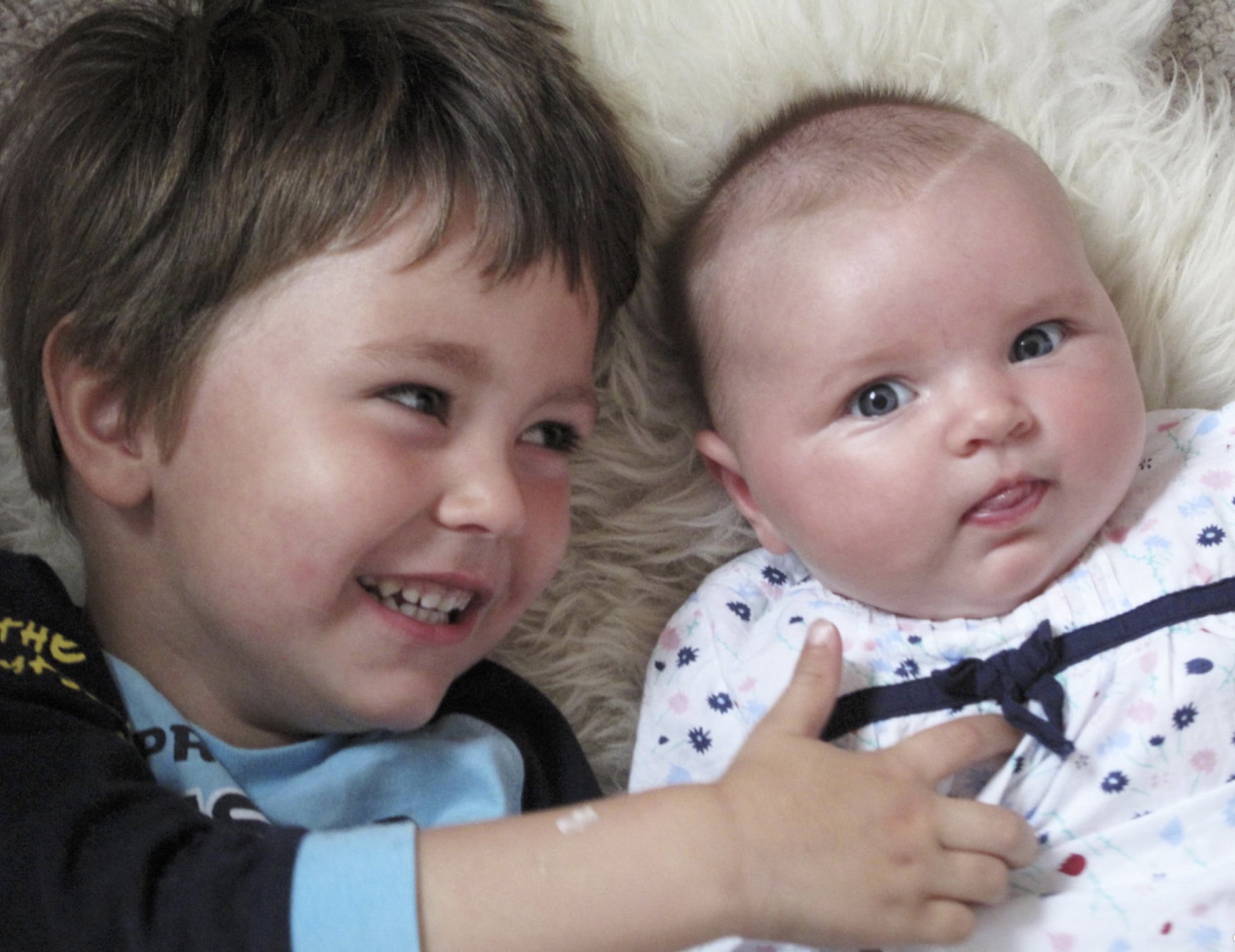
Leo and Stella, Sarah’s children
Over those first 5 years I grew the business and built my website, which meant that when I had my first child, Leo, I could work around him. Leaving employment was less of a choice and more of a necessary decision. Self-employment offers many opportunities and benefits like flexibility, so it was my only option. It was difficult at first, juggling childcare and working when they slept (when I was exhausted), but I have no regrets.
What was your goal for Pictorial then and now?
At the start the weddings were something fun to photograph at the weekends, then my photography grew into a flexible job to be able to work around my babies. I used to photograph a lot of children when mine were young and it fitted in well with school times. Now they have grown into teens, I focus more on business and branding photography, aiming to work less at weekends.

Our old Quayside studio
I guess my business has followed the flow of my life to an extent. I find I have a lot in common with my clients so I must be attracting people at a similar stage in life. I’m very into marketing and business development now and this year we have been working on a better CRM system and a much-improved customer journey for clients. It feels more professional and saves a huge amount of time on a day-to-day basis.
What did you do before?
I used to work at Northumbria University’s Design School, helping students create their vision in the studio and learn Adobe software. I was an Apple Mac demonstrator and a part-time lecturer. I loved working there and although they were flexible and accommodating employers, even after going half-time the long commute didn’t work for me when my children were little.
What was your biggest learning curve?

Sarah working in our new studio and office at the Ramparts
It took me a really long time to feel happy and confident with studio portraits, getting lighting to look natural and flattering in the studio was a challenging skill to master. I used to call myself a ‘natural light’ photographer but that was a total cop-out because I just wasn’t confident with studio lights.
I’m so glad I worked on those skills because I can now shoot with flattering and consistent light in a warm environment at any time of year. Being a ‘natural light photographer’ used to mean that my sessions were often cancelled last minute due to bad weather.
How do you spend your spare time?

Sarah and Marley
Spare time, what’s that? But seriously, I enjoy walking my dog Marley when it’s not windy or raining, I love a bit of DIY, but I’m usually driving the teenage kids around in Mum's Taxi! When we get the chance I love to travel with my husband Aaron, and sometimes the kids. I feel like I have to completely leave the country to properly unwind from work.
What changes have you made to your marketing strategy?
22 years ago, things like having a listing in the ‘yellow pages’, newspaper ads and putting posters up around town were key to getting business. Nowadays most of our marketing activities happen online.
How much time do you spend working on your business each day?

Probably a couple of hours each day, even when I am at home I listen to business podcasts and have a large library of photography books and business training and I love to tweak the website! I sound like a right saddo but I adore it!
Do you remember your first day?
Yes! I remember sitting in my little flat thinking up the name, phoning to ask my mum what she thought about it, and registering it on HMRC, thinking that was all a bit scary. Then I started making a physical ‘mood board’ for my logo. No such thing as Pinterest back then! I remember sticking things on it like a Tunnocks tea cake wrapper and labels from ice cream cartons.
Over the years have you used any exceptional professional services for your business?
Gosh, so so many. I’m a huge advocate for getting help with the things you don’t enjoy or things that aren’t in your skill set. When you are self-employed you do take on a lot of things which push you out of your comfort zone and you have to be quite adaptable. There are certain things that are downright awful to do, for example, I find working with numbers totally mind-numbing so I’ve always had a good bookkeeper and accountant to make sure everything is right in that department. I’m also not a fan of cleaning and would much rather be taking photos, it’s something that I feel is definitely worth paying for and a nice clean environment certainly improves how I feel.

One of the earlier versions of our website
In the early days, I enjoyed working with creative website designers but it was very expensive for such a small business and I knew that it would be something I would enjoy so I learned the skills to create and update my own site. I do get help with SEO (not in my skill set) from online SEO gurus like Lee Fletcher and Menekshe Stewart, whose training is quick, clear and easy to understand.
For the website, I have commissioned local proof-reader Trudi Morrison to check over my words.
I’ve had various headshots taken by lovely photographer friends - Caroline, Alex, and Amber, never an easy task!
I love attending Business Northumberland and Rural Business Growth Service events and still go along to their training days to stay up to date with new business-y things. There’s always something new to learn!
There are a few amazing online services I couldn’t work without now too: my website is built on Squarespace; our new (amazing!!) CRM system is Studio Ninja; and our photo hosting platform is Pic-Time.
How has your job changed?
My first few weddings were shot on film and at the start the competition was mostly older men. That changed when everything went digital and a lot of them retired instead of learning the new technology. Nowadays there are lots more women in photography and it’s a shared market, probably because self-employment ties in well with family life.

Customers know a lot more about photography and take photos every day on fancy mobile phones now. They also have access to constant amazing imagery online which means they have much higher expectations than they did in the past.
When my children were little I worked from the kitchen table (into the wee small hours after they went to bed). Now I only work from my studio and my work/life balance is much better (not perfect, but better).
Why do you think Pictorial Photography has stood out from other businesses and been successful?
I think it’s customer service and trying to think about everything from the clients’ point of view.
I’m always learning and keep up to date with new technology, I love going on courses. I’m currently learning video to create short but beautiful films for websites which I’m really excited about.
What is your proudest business achievement of the last 22 years?
Moving from the kitchen table to my first studio was a really big moment but my proudest achievement is the day I got the keys to my (current) new, bigger studio and was able to start growing the business again after covid. When it seemed like other businesses were shrinking back, we were expanding and optimistic for the future with a lovely new space from which to do it.

The entrance to our lovely new studio and office at the Ramparts Business Park
Where do you see the business in 5 years?
Hopefully still doing what I do but with more branding and product work in the studio. I love working with small business owners. I’d also love to get back into a bit of teaching so have been looking at starting that online too.
If you would like to take a look at our branding and product work, check out the business pages HERE.
Capturing Professionalism: Greaves West & Ayre's Headshot and Team Photo Sessions
In the era of digital marketing and relatable online presence, companies recognise the importance of visually representing their team to establish trust and professionalism. One such company, Greaves West & Ayre, recently asked for my photography services to capture new headshots and team photos for their upcoming website rebrand, their brochures, social media, and emails. I was eager to bring out the unique personalities and expertise of each team member whilst maintaining consistency throughout.
I particularly like how the ‘Our People’ page turned out.
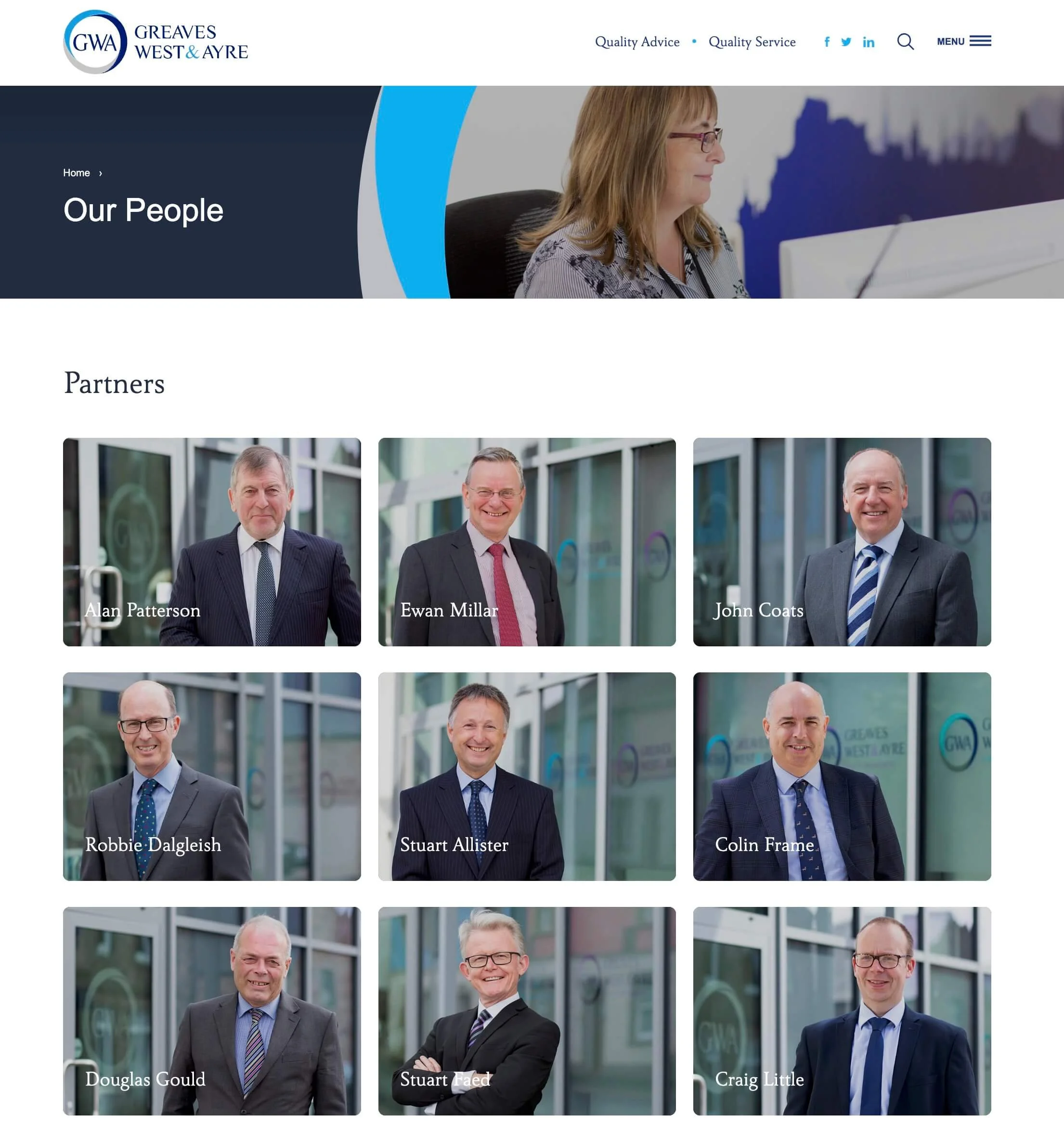
Prior to the photoshoots, I collaborated closely with Lynne from the marketing team at Greaves West & Ayre to understand her vision and objectives. We discussed the desired style and tone that would align with their brand identity. It was important to create a cohesive look that showcased the team's professionalism while keeping their individuality.

I began by focusing on the individual headshots. Each team member took turns in front of the camera, and I provided guidance to help them feel at ease and project their professional image. I paid close attention to their body language, facial expressions, and overall confidence. By providing gentle direction and encouragement, I aimed to bring out their unique qualities and ensure their personalities shone through.
Following the individual headshots, we moved on to capturing the team photos. The objective here was to showcase the unity and collaboration among Greaves West & Ayre's team members.

It was easy to see the true sense of teamwork as the team members interacted and shared their expertise, reflecting the firm's commitment to providing exceptional client service. Through a combination of candid and posed shots, I looked to capture images that conveyed both professionalism and approachability whilst giving the viewer an idea of what to expect when visiting the office.

Greaves West & Ayre's decision to update their branding images for their new website is proof of their commitment to staying relevant online.

By working with the marketing team and maintaining a relaxed atmosphere, we were able to create a series of cohesive headshots and team photos that represent Greaves West & Ayre's expertise, trustworthiness, and dedication to their clients. These visuals will undoubtedly enhance their online reputation and leave a lasting impression on their audience, setting them apart from their competitors.

Are you looking for business branding for your own company website? Check out our website for more info by clicking the button below.

Interview with author Sarah Jackman on moving to Berwick and her new Creative Energy
Interview with author Sarah Jackman on moving to Berwick and her new Creative Energy

Can you tell us about yourself and what inspired you to come live and work in Northumberland?
I am a freelance writer, project facilitator and author. I work with individuals and organisations on their writing needs and creative projects. I am the author of four novels and my short fiction has appeared in a number of anthologies.
I have moved many times in my life but more recently thought, until the pandemic, that I was settled. My plans had to change, but so did my perspective. I came to Berwick-upon-Tweed to be closer to family and to live by the sea again. It has surprised me how quickly I have felt at home - I love it! - and living here has given me a new creative energy too.
Which part of your job do you feel most passionate about?
Writing fiction feels essential to me and I think lockdown really showed that creativity is important for everyone. For our well-being and for connecting to others.
I love working with individuals and organisations on their creative journeys and projects. Supporting them to move forward or helping to bring creative ideas into being is exciting and a privilege.

What tips would you give to someone starting out in fiction writing?
Read as widely as possible and keep writing. There is no right or wrong so just be yourself.
What is the best feedback you have ever had?
When a reader says they have re-read a novel of mine, there is nothing better. For me, fiction has always been a way of navigating the world and if one of my novels helps someone else do that, I couldn’t be happier.
Who do you admire most in the world and why?
I admire anyone who, despite dealing with their own challenges and struggles, still finds the time to be kind and offer hope to others.

Do you have a favourite quote that you turn to for inspiration?
The American poet, Mary Oliver, is always good for a quote. This one helps me get through those moments of self-doubt:
“The most regretful people on earth are those who felt the call to creative work, who felt their own creative power restive and uprising and gave to it neither power nor time.”
And for those tricky moments in life, writer Haruki Murakami’s:
“And once the storm is over, you won’t remember how you made it through, how you managed to survive. You won’t even be sure whether the storm is really over, but one thing is certain. When you come out of the storm, you won’t be the same person who walked in. That’s what this storm’s all about.”

What is the biggest challenge you face in business and in being an author?
Writing can be a very solitary business. That is why I like working with others; it is inspiring, often fun, and helps restore my creative energies.

How will you use your headshots and how do you feel they have or will benefit your business?
I wanted the images to look approachable so that people would like to work with me! I also wanted them to reflect my creativity and values. Sarah really understood what I was hoping for; the fact that she made the experience enjoyable was a bonus!
What does a typical workday look like for you?
I dedicate a block of time to fiction writing (usually in the morning) and in the afternoon I work on writing and projects for others as well as my research and marketing. If I take a break in the garden at lunchtime and a walk on the beach in the evening, that is a perfect workday!

What are your future plans?
My most immediate plan is to finish my next novel before the end of the year! During 2020, I took a printmaking course and my current passion project is creating an artists’ book using images and text.
The creative sector has been hit hard by the pandemic and I am hoping I can soon be part of some creative and community projects as organisations ‘open up’ again.

Finally, where can people find you online?
My website and LinkedIn are:
www.sarahjackman.com
https://www.linkedin.com/in/sarah-jackman-writer/
Archivist: Cameron Robertson, Conservation Photographer
In the ever-evolving digital landscape, a compelling website is a gateway to success for professionals across various domains. One crucial element that often goes unnoticed is the power of captivating headshots.
As a headshot photographer, I had the honour of collaborating with Cameron Robertson, an exceptional conservation and research photographer. Through a series of carefully crafted headshots, we aimed to showcase Cameron's unique personality and his love of the history of Berwick upon Tweed.
Cameron’s remarkable work in conservation and research has not only conserved local history but has brought back to life some of the compelling stories of the Berwick people.
These photographs were taken in a space where Cameron had been completing a project documenting the restoration of a group of Georgian properties in Berwick upon Tweed. He worked on this ‘Cockle Cows’ project over a period of 3 years, you can find out more about it by visiting Berwick Archives.
In the digital era, where attention spans are fleeting, headshots play a crucial role in leaving a lasting impact. Through our collaboration, I had the pleasure of capturing Cameron Robertson's true essence and showcasing it to the world through a series of headshots. These images show his passion, professionalism, and expertise, while also enhancing his website's visual appeal and overall user experience. By investing in high-quality photography, Cameron has harnessed the benefits of headshots to forge a deeper connection with his audience, solidify his brand, and amplify the impact of his remarkable conservation and research photography.
Interview with illustrator Lizzie Vaughan-Knight
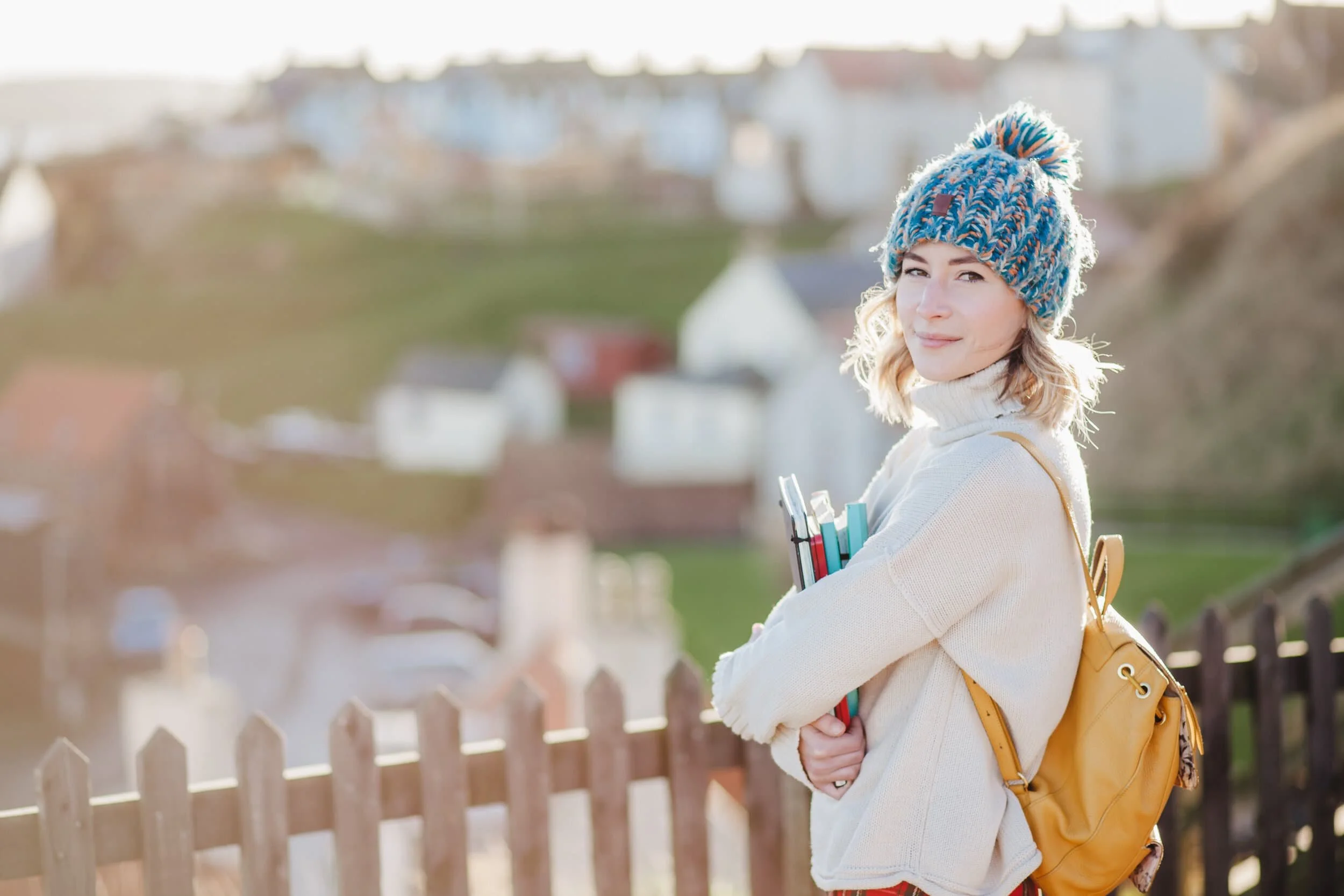
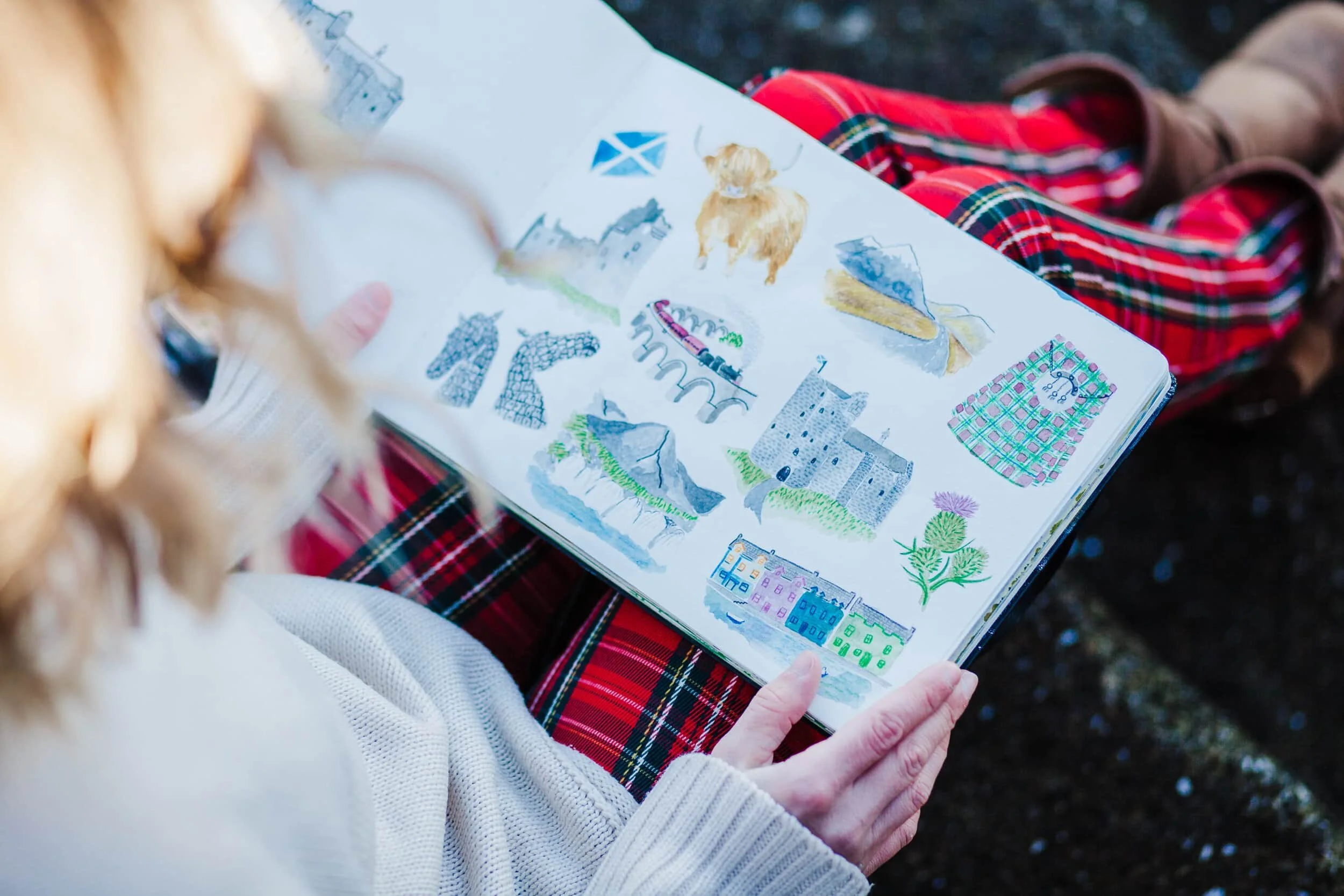
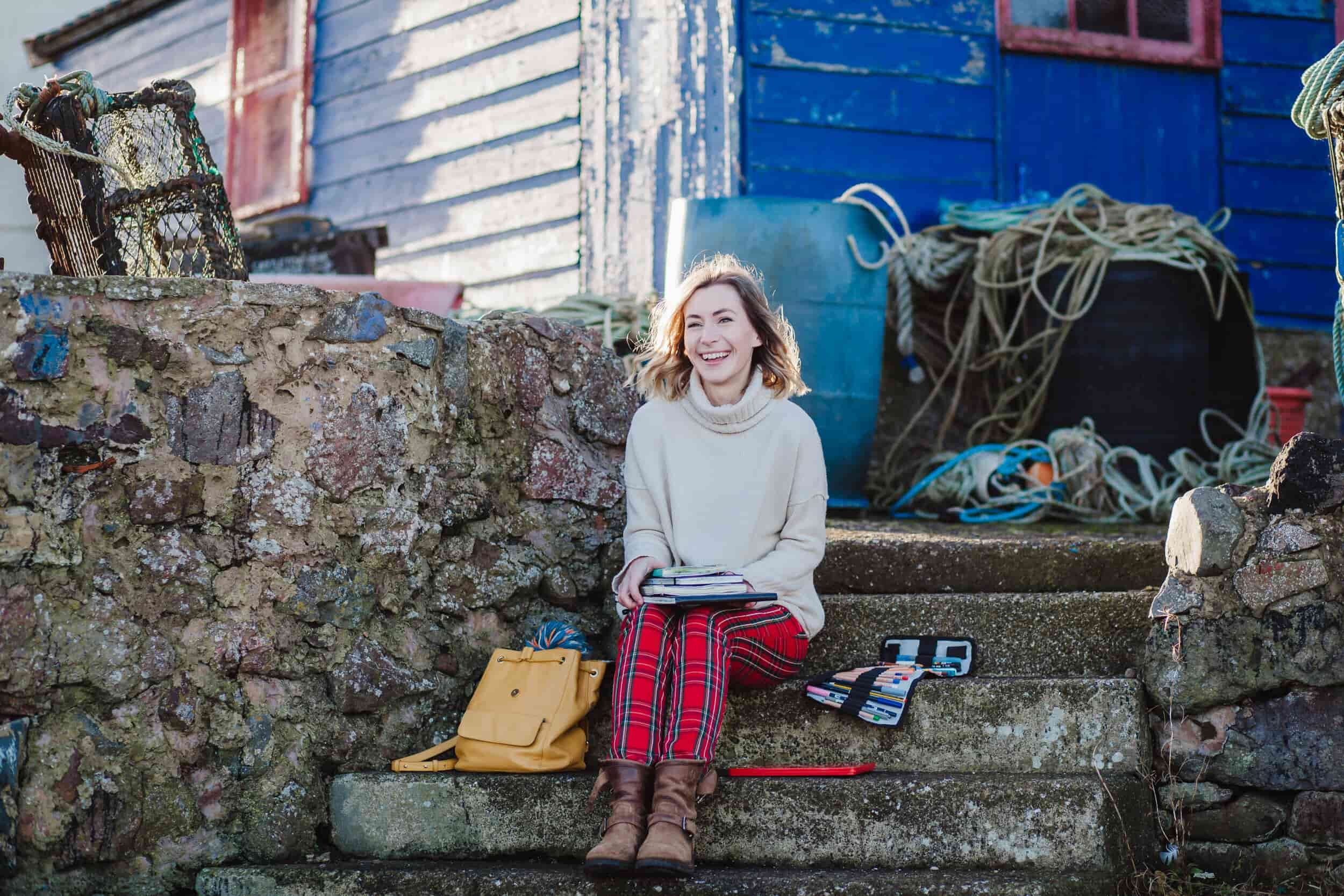
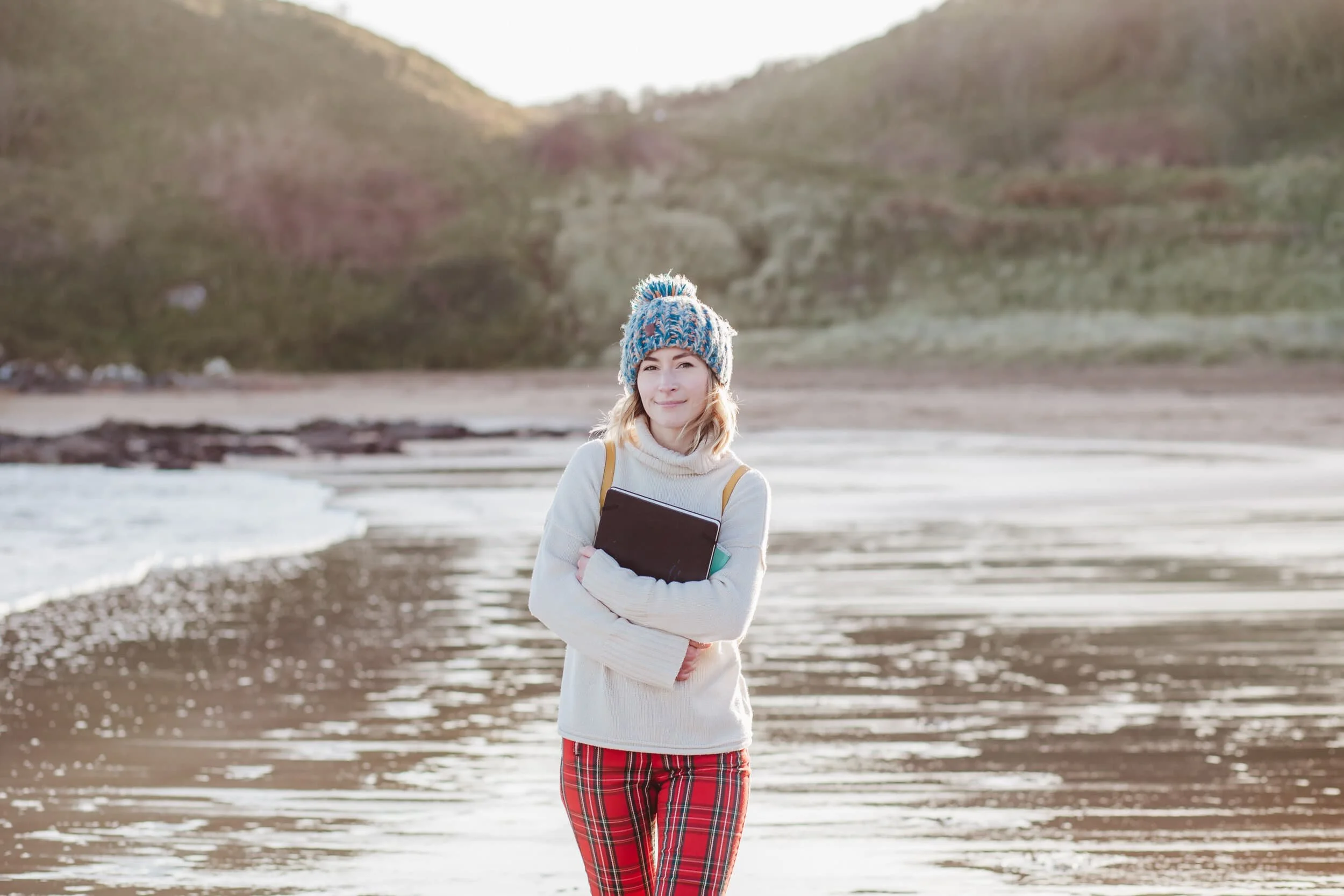
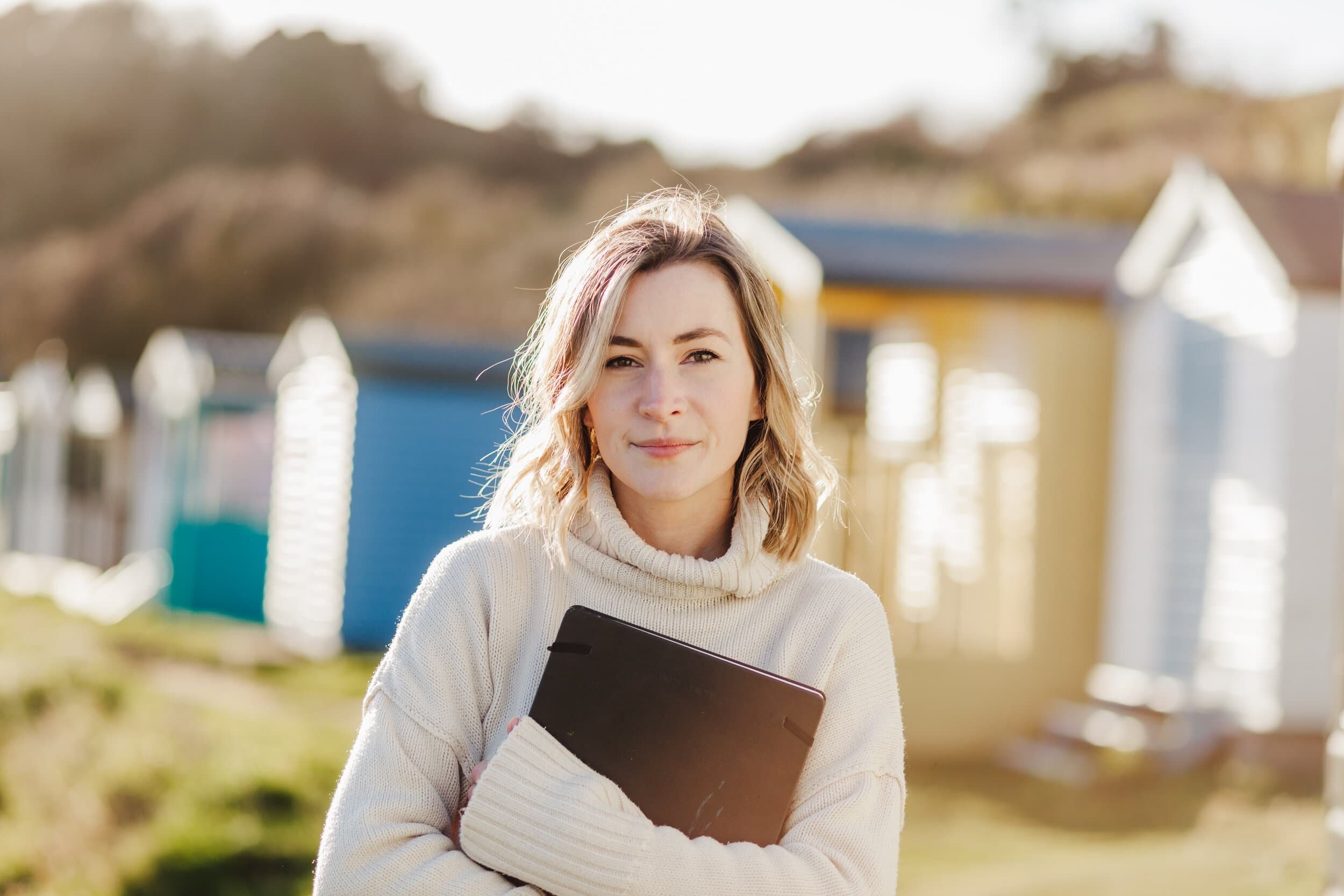
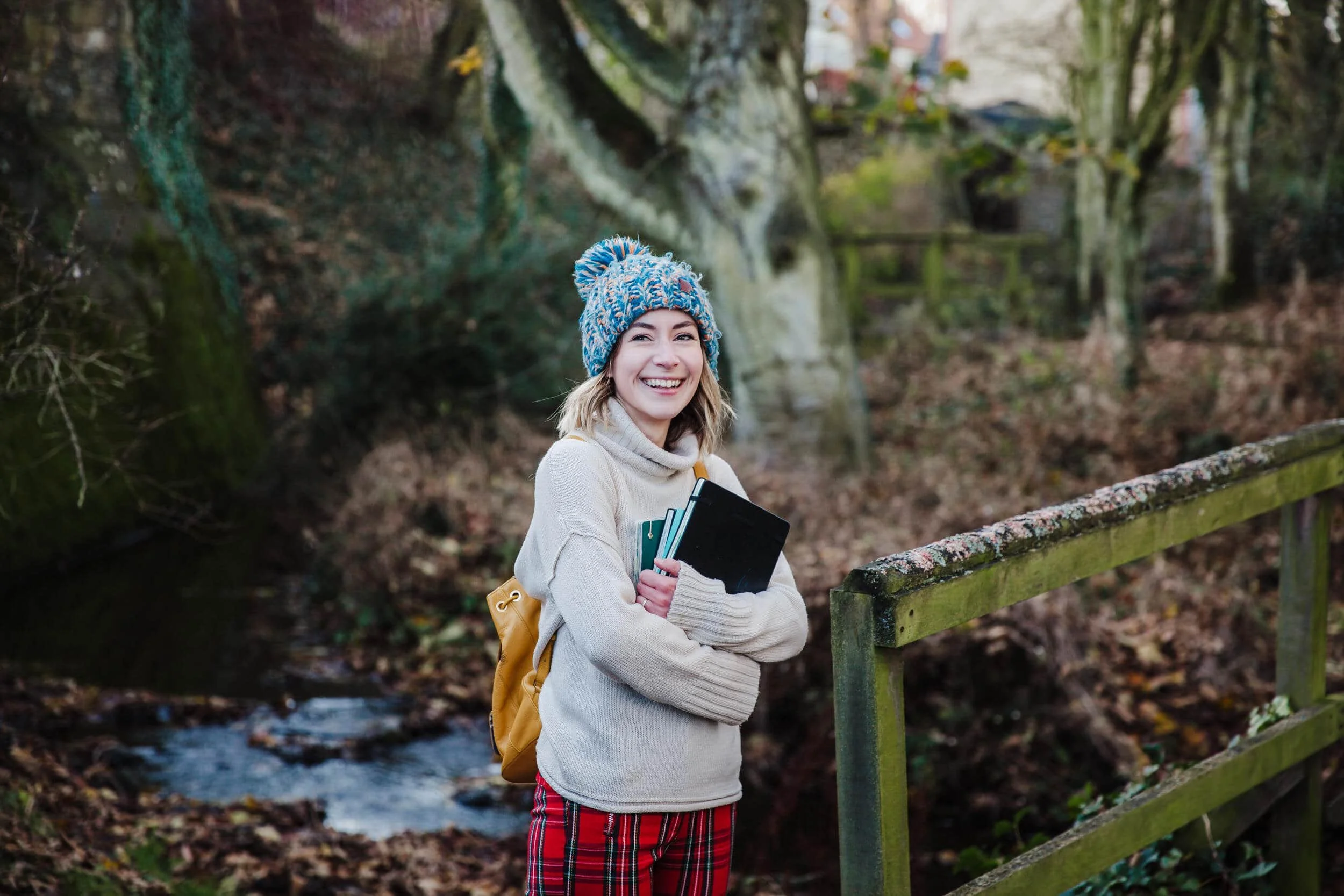
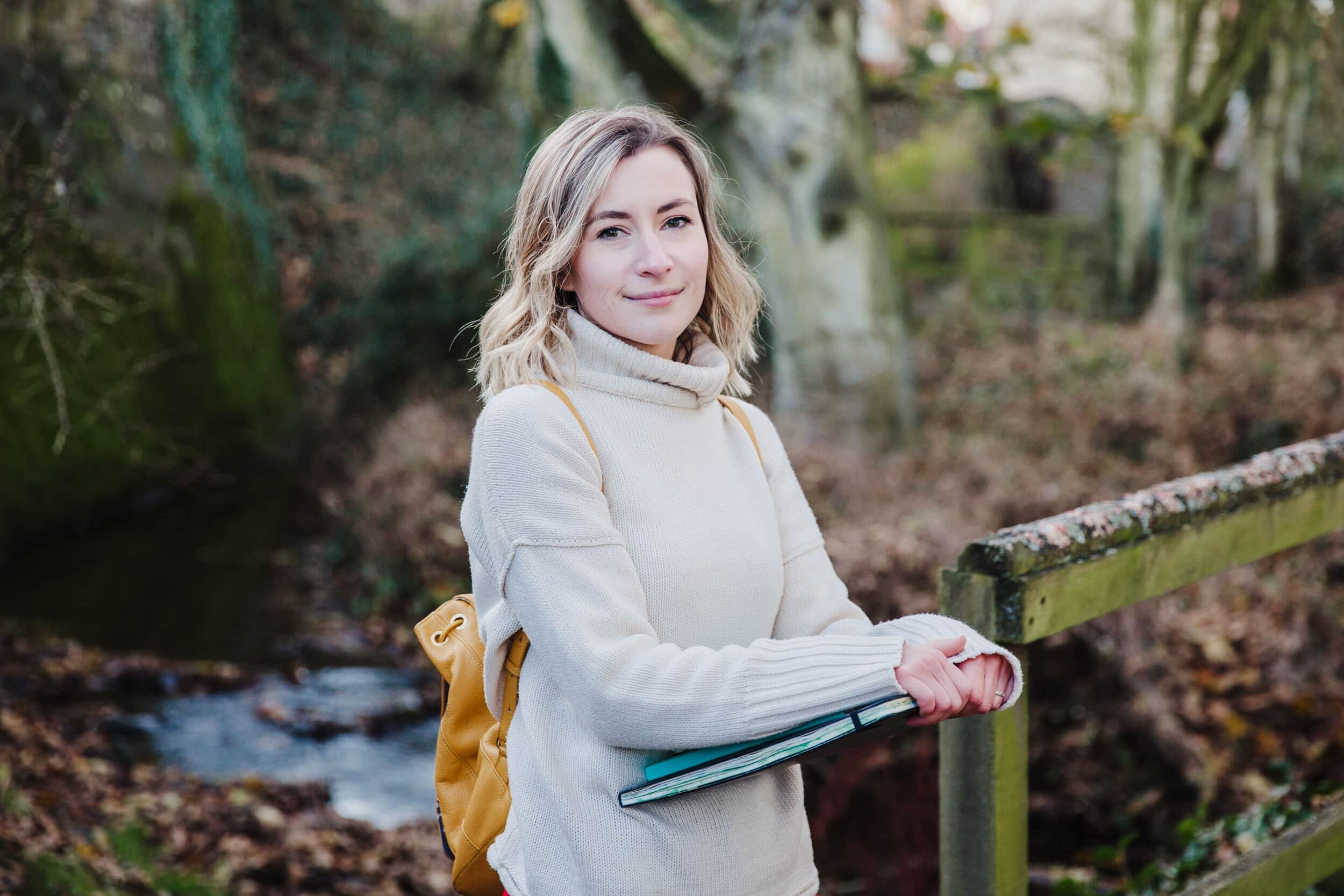
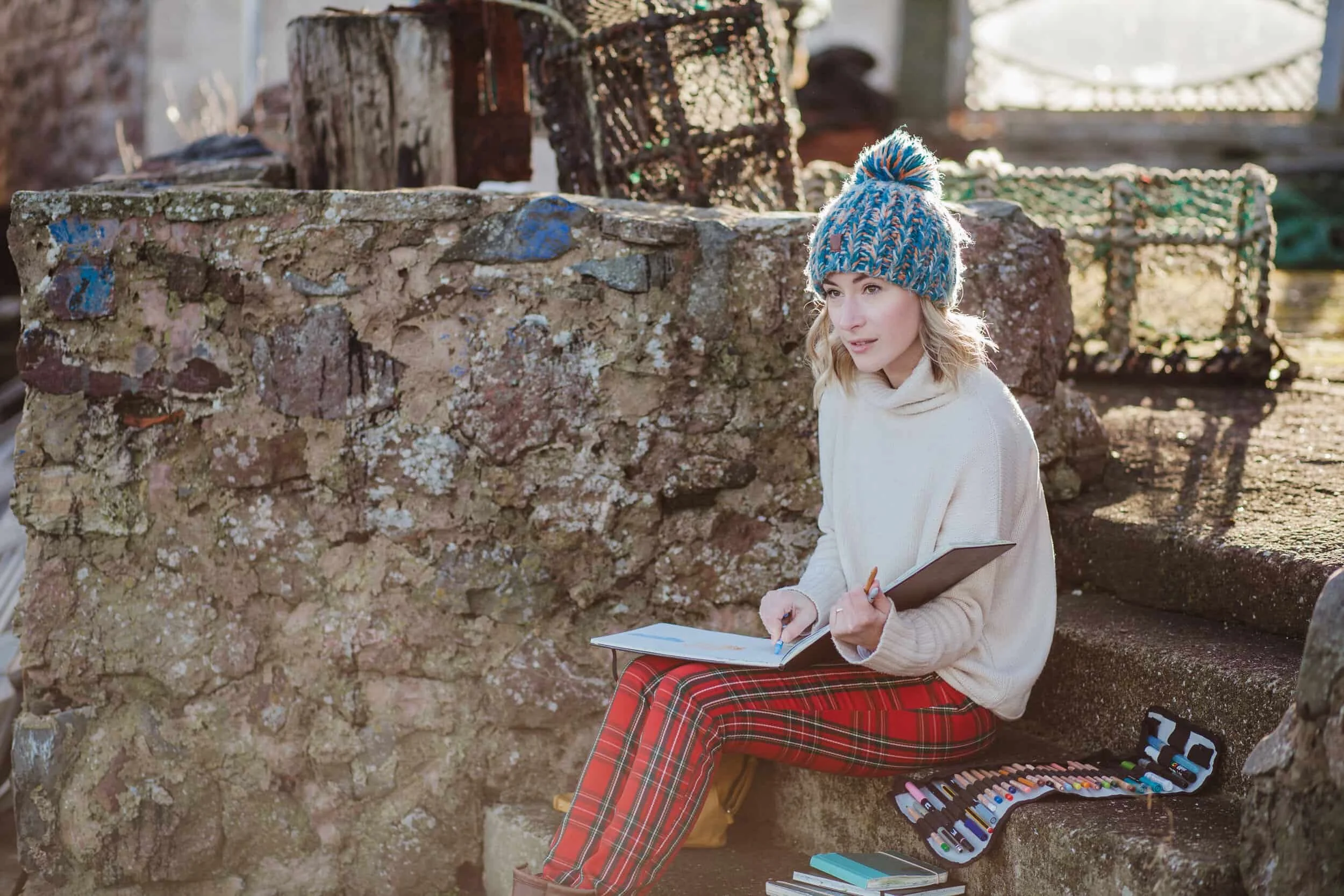
After a personal branding photography session we did at St Abbs back in December I caught up with Lizzie (The Tartan Trailburner) to ask some questions about her new illustration and art print/product business was going.
Can you tell us a bit about yourself and what inspired you to set up your business?
I’ve been working as a tour guide around Scotland since 2017 and love showing off the stunning landscapes this country has to offer. When the pandemic hit I was unable to continue my job, so instead began making art inspired by Scotland. I have a passion for colourful landscapes and historic landmarks; and by sharing my artwork and stories through social media, I have been able to reach out to people who can't be here in person. When people began to engage with my work and ask about buying it, I saw an opportunity to grow it into a business. I now have an online shop selling prints, postcards, and original paintings worldwide.
So what does a typical workday look like for you?
There’s no such thing as a typical workday for me! The advantage of running a business from home is that I can fit it around my family life, but I’m still finding the balance. I love a checklist and try to carve out time for creative work and product photography early in the day while leaving admin tasks until the kids are in bed.
Which part of your work do you feel most passionate about?
Connecting with people around the world and helping them feel closer to Scotland is something I’m very passionate about. It’s humbling that people care about my artwork enough to bring it into their lives and put it up on their walls. I don’t think I’ll ever get used to that feeling!
What tips would you give to someone starting out?
Ignore the self-doubt and just keep on going, you’ll pick things up as you go. Also, try not to compare yourself to other people's success; you don't know their whole story.
What is the best feedback you have ever had from a customer?
A customer recently left me a glowing 5-star review that ended with “Such an unusual design, I was pleased to find [the Scottish Kelpies], even if they do give me the willies”. It made me laugh out loud!
Who do you admire most in the world and why?
I admire anyone who uses their creative energy to inspire and motivate others. One example is the Good Ship Illustration crew led by Katie Chappell, Helen Stephens, and Tania Willis. They use their combined artistic experience to offer support and encouragement to creatives and I know I wouldn’t be making art every day if it wasn’t for them!


Where do you turn to for inspiration?
I love to get outdoors and draw from real life in my sketchbook, especially when my kids are with me. They never keep still and it forces me to be in the moment and draw without overthinking.
What are your future plans?
To keep creating! I am working on some exciting projects at the moment and can’t wait to see the finished result. The last year has been full of uncertainty yet opportunities have come along, so I’m going to keep going with the flow and see what happens.
Why did you commission the headshots?
One of my favourite things about small businesses is getting to know the person behind them and great photos help to tell that story. Sarah really understood what my brand is about and helped to create a visual narrative for my website and social media. I would absolutely recommend Pictorial Photography to anyone looking to strengthen their brand or to celebrate a landmark moment in their business or life; It’s great fun too!
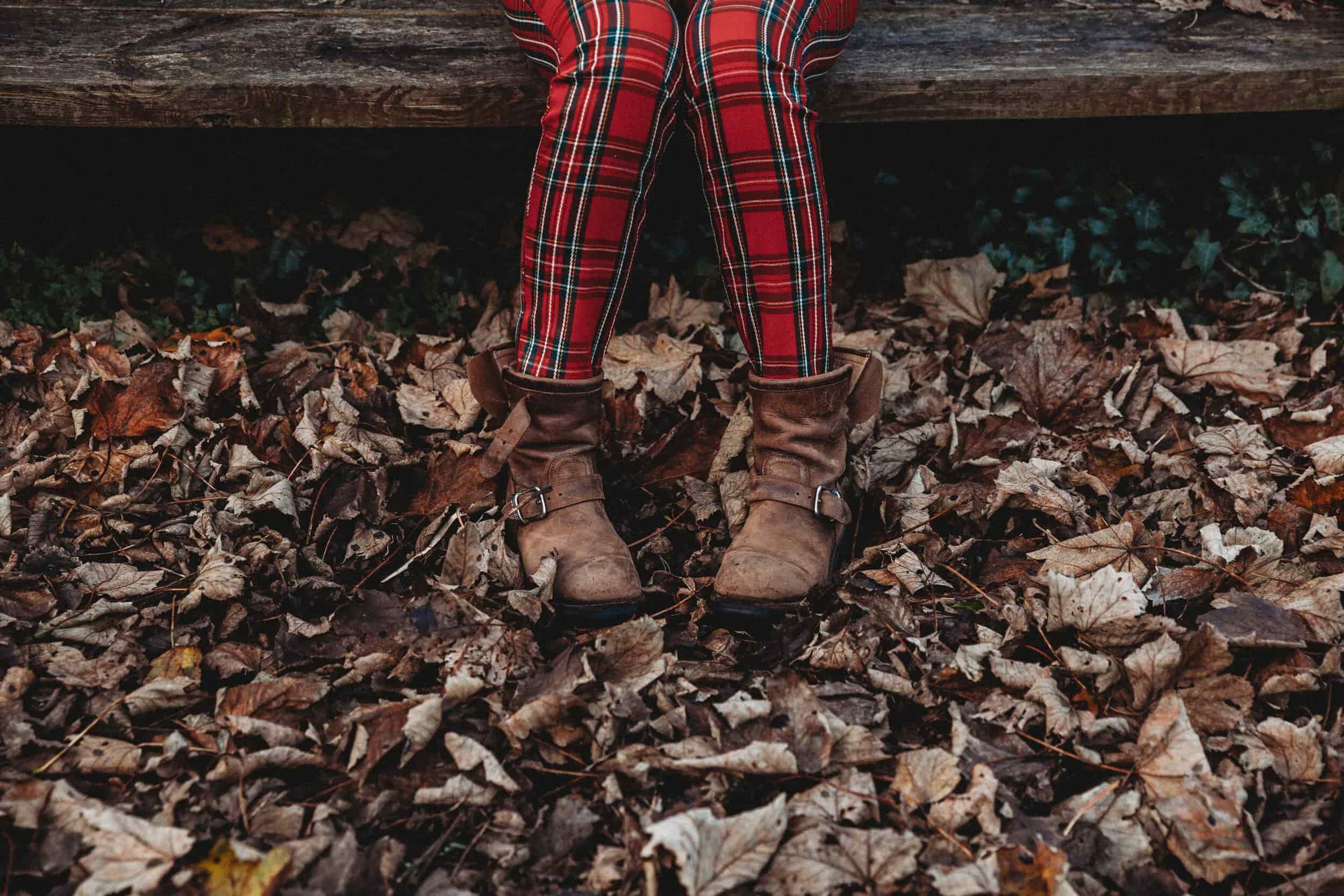
Check out more of Lizzie’s work on etsy
Also, check out our Personal Branding photography service by clicking the button below.
5 Things to Consider before Hiring a Commercial Photographer

Cooperative funeralcare staff, friendly, approachable, professional
1) Insurance
Most professional photographers will have full liability insurance cover for commercial work but it is certainly worth checking with them how much this is for and that it is all up to date before you decide to hire them. Large businesses and most public sector companies require the cover to be at least £5 million for liability.


2) Contracts
A photography contract protects everyone from unexpected surprises as it allows you to understand in detail what you can anticipate from the photographer’s services and exactly what they expect from you. A contract can be provided by either side as long as both sides agree.
A good contract should include:
The anticipated start date of the contract or shoot date
A summary of what each party will deliver: what will be delivered and when by the photographer; the financial total, and payment schedule
A cancellation policy
Copyright ownership and transfer of use rights (permission to use the photographs for a fixed length of time is most common in commercial photography)
Details of property and model releases required
Liability limitations
Post-production, editing, file format, and expected turnaround time
Any extra fees
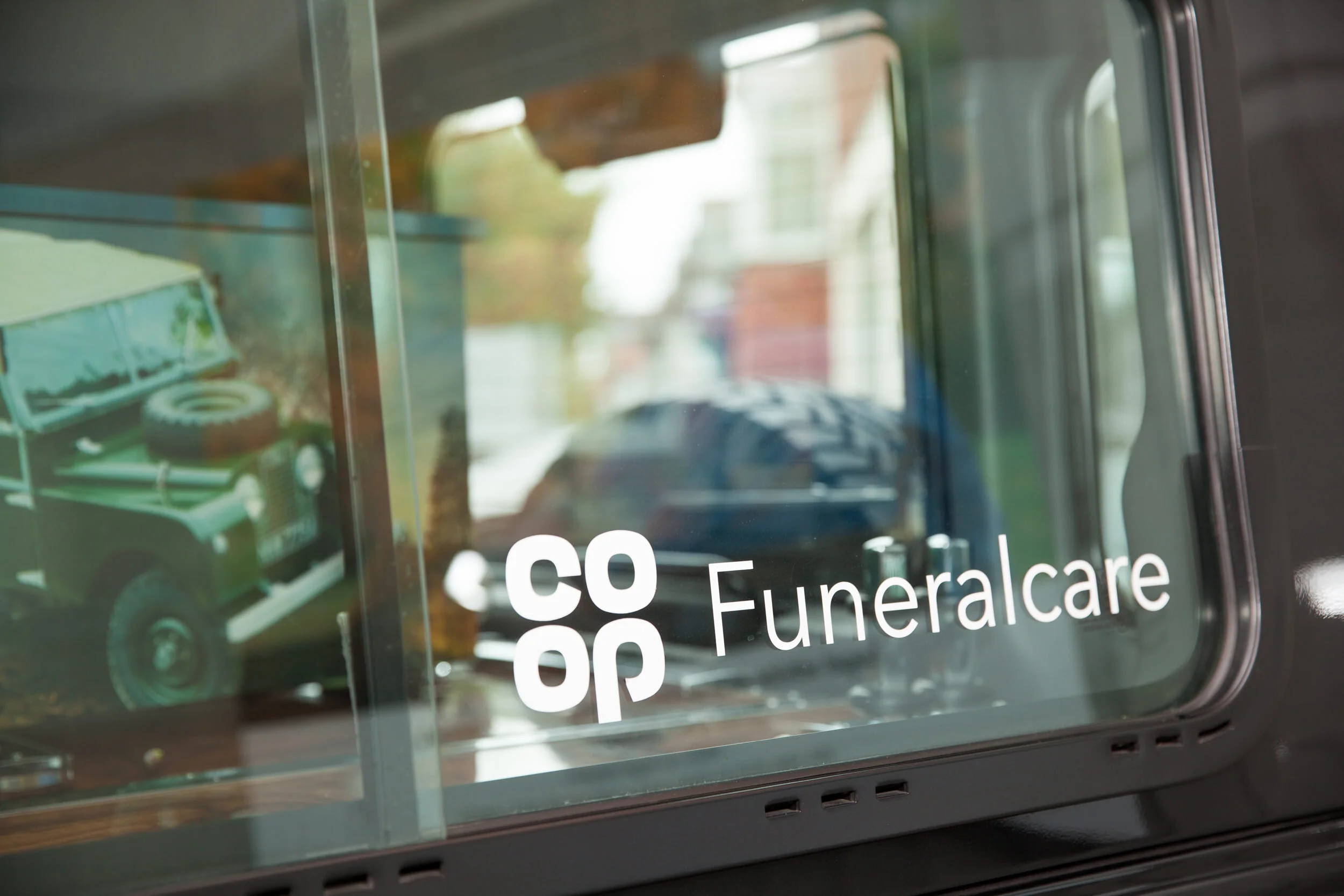
Co-op Funeralcare Vehicle Range
3) Photography brief
Create a really clear brief. Photographers are amazing in many ways but telepathy is not one of our superpowers. A good creative brief can save everyone a lot of time and ensure you get the very best out of your marketing budget. Outlining and giving as much information to your photographer on the brand, your buyer personas, target audience, project goals, and USP is invaluable. You get bonus points for including visuals (we are photographers after all).
I have created a detailed explanation of what to include in each section and a free photography brief template to help you out and get you started with this.
4) Model releases for commercial publication
A model release is a written form of permission allowing you to publish a person’s image online and in marketing materials without the worry of liability and licensing claims that may arise down the road.

Model releases are not just for ‘models’. Anyone who can be identified in photography used for commercial purposes should be asked for, and give, express written permission by way of filling in a model release form. Yes, that includes happy customers, passers-by in the public domain, your staff, and even your own family members.
Model releases are also needed to use a recognisable part of the person being photographed. (For example a tattoo, a scar, or even a silhouette of someone if they have a recognisable stance or posture.)
Property releases may be required from a property owner if land or property is recognisable in the photography.
Unfortunately, putting a post on social media and sticking signage up to tell people that photography is taking place is not enough; although it is a good idea to make people aware of what is going on on the day.

An impressive fleet
5) Child models
If you are paying professional child models from a modelling agency to be in the photographs, take into consideration that you will need a chaperone to be available and extra time before the shoot to acquire a performance licence approved by the council where the child resides, even if the work is out of school hours.
Every council seems to be different in how they handle these requests but in my experience, the turnaround time is never less than a fortnight and the paperwork and evidence required can be extensive. For more information on child employment permits see here: https://www.gov.uk/child-employment/restrictions-on-child-employment

Funeral home interior


Please be aware that the information provided by this blog is subject to change. We recommend that you do not take any information held within as a definitive guide to the law or the relevant matter being discussed. You are advised to seek legal or professional advice where necessary rather than relying on the content supplied by the author of this blog.
Due to the nature of the matters discussed on this blog, the information contained within it and any pages linked to it are clearly subject to change, without warning. The law, regulations and other forms of legal governance are constantly changing and adapting to meet the needs of the modern world and it is impossible to comprehensively detail the nature of such within the confines of a blog in a concise, up-to-date manner.
Let me know in the comments below if you have any questions about the free photography brief template.
2020 Vision Project: A Tribute to the Heroes of the Covid-19 Pandemic
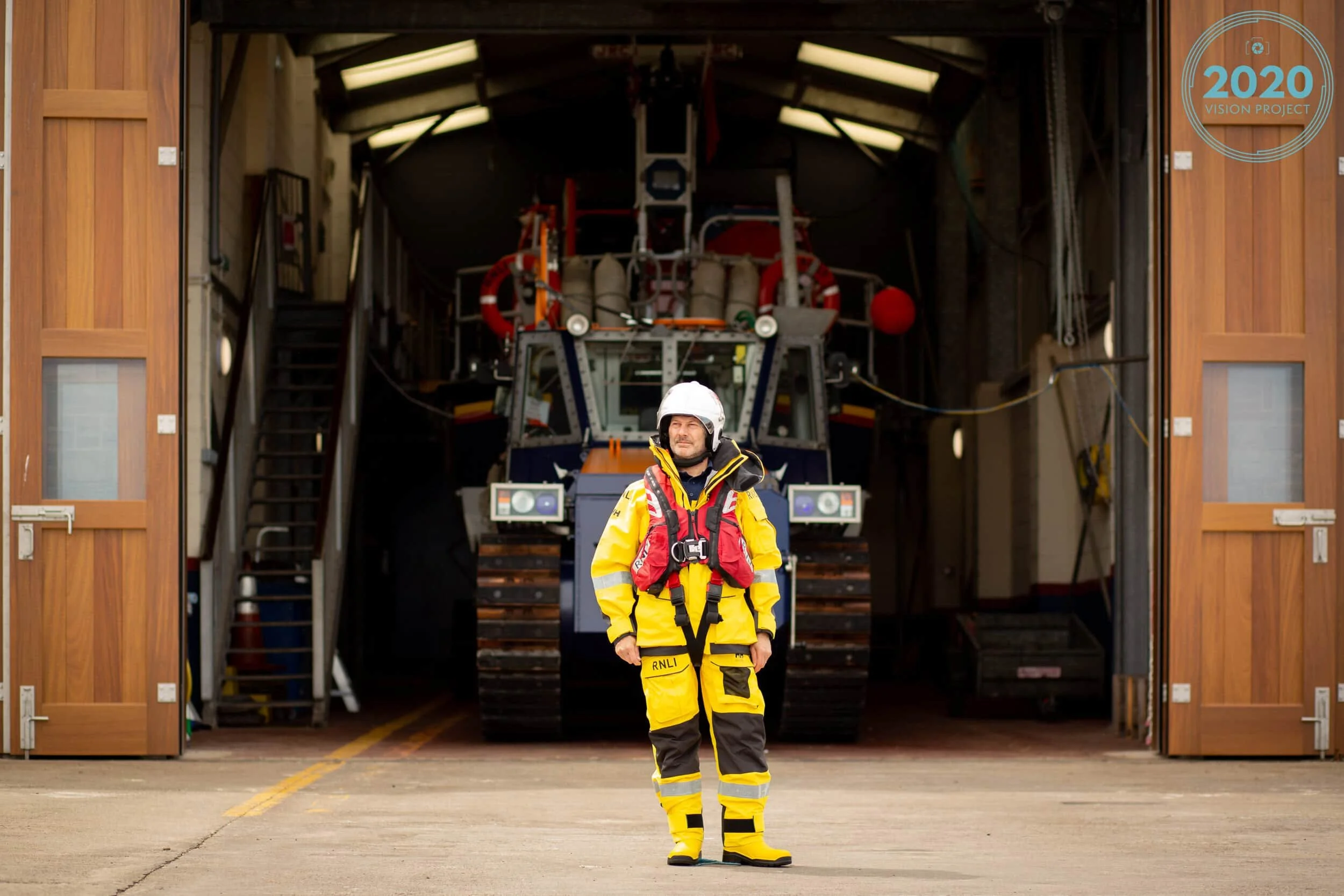
Jeremy Evans GP
I was delighted to have been chosen as one of the photographers to take part in this UK-wide project creating a tribute to honour the NHS workers and heroes of the Covid-19 pandemic.
My brief included showing the individuals ‘behind the mask’ so after a bit of research, I found 2 NHS workers who also choose to save lives in their spare time. Jeremy and Claire both work for NHS and volunteer for the RNLI which is an essential service for those who live on the coast.
I am now able to share some of the work that I created as part of the ‘2020 Vision Project’ as their 'Behind The Mask' showcase exhibition was held in London at the weekend.
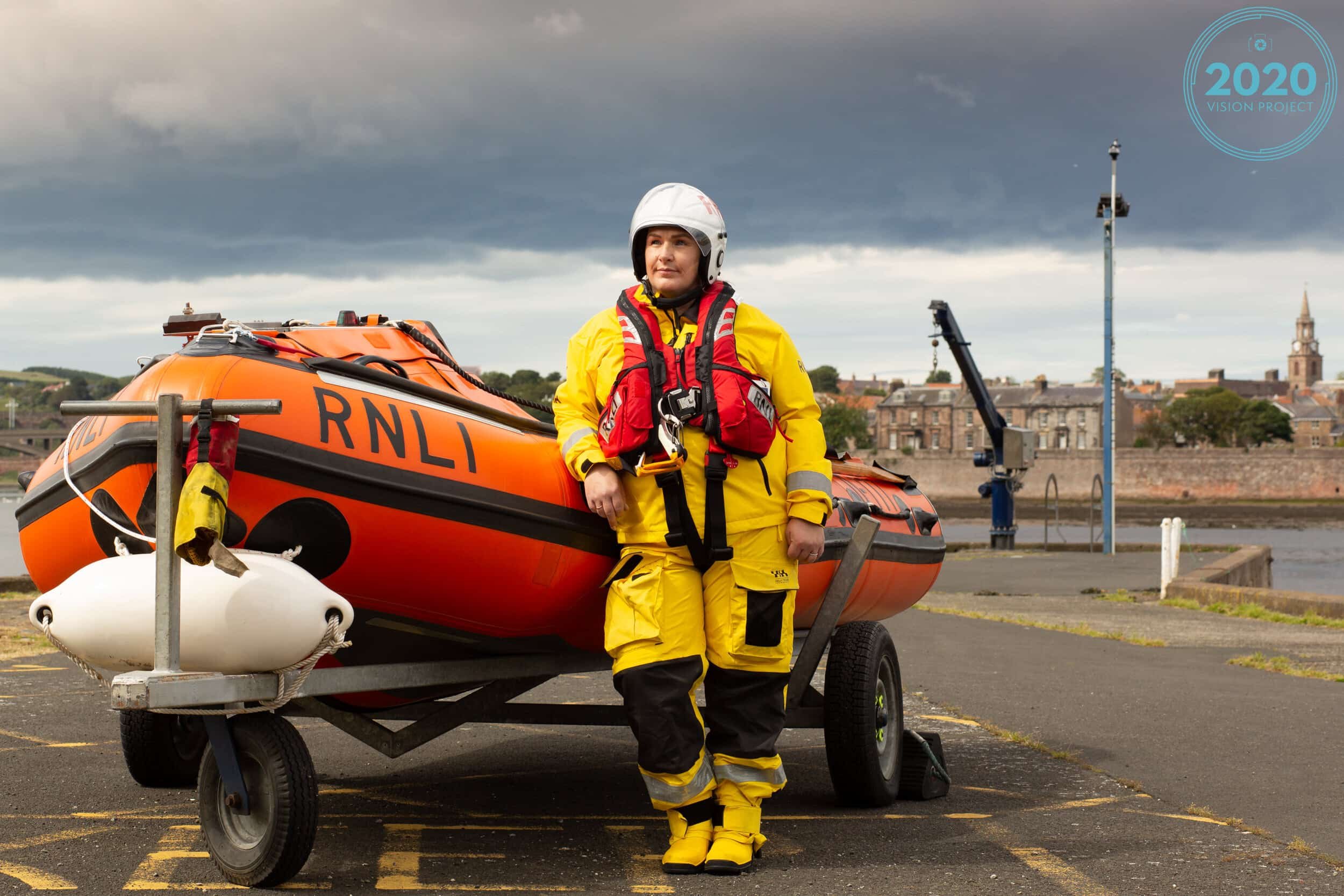
Claire Mabon Ward Clerk
A Great Blend of PR, Headshots, and Product Photography for Innovative Local Firm, Silvery Tweed Cereals
Over the last few years, we have completed quite a variety of photography work for Silvery Tweed Cereals, from Headshots of lab technicians and managers to new machinery and facilities, and large fleet vehicles.
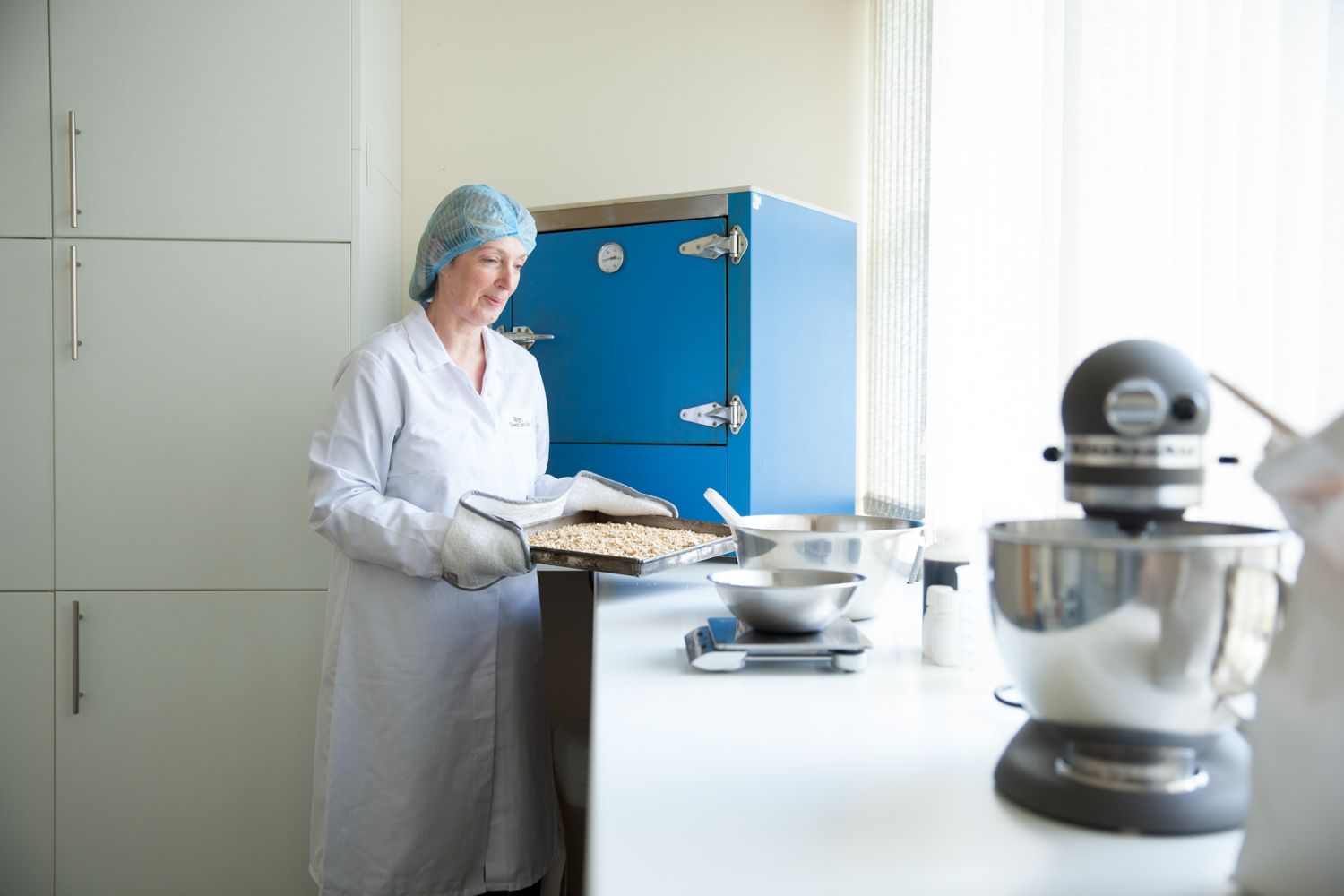
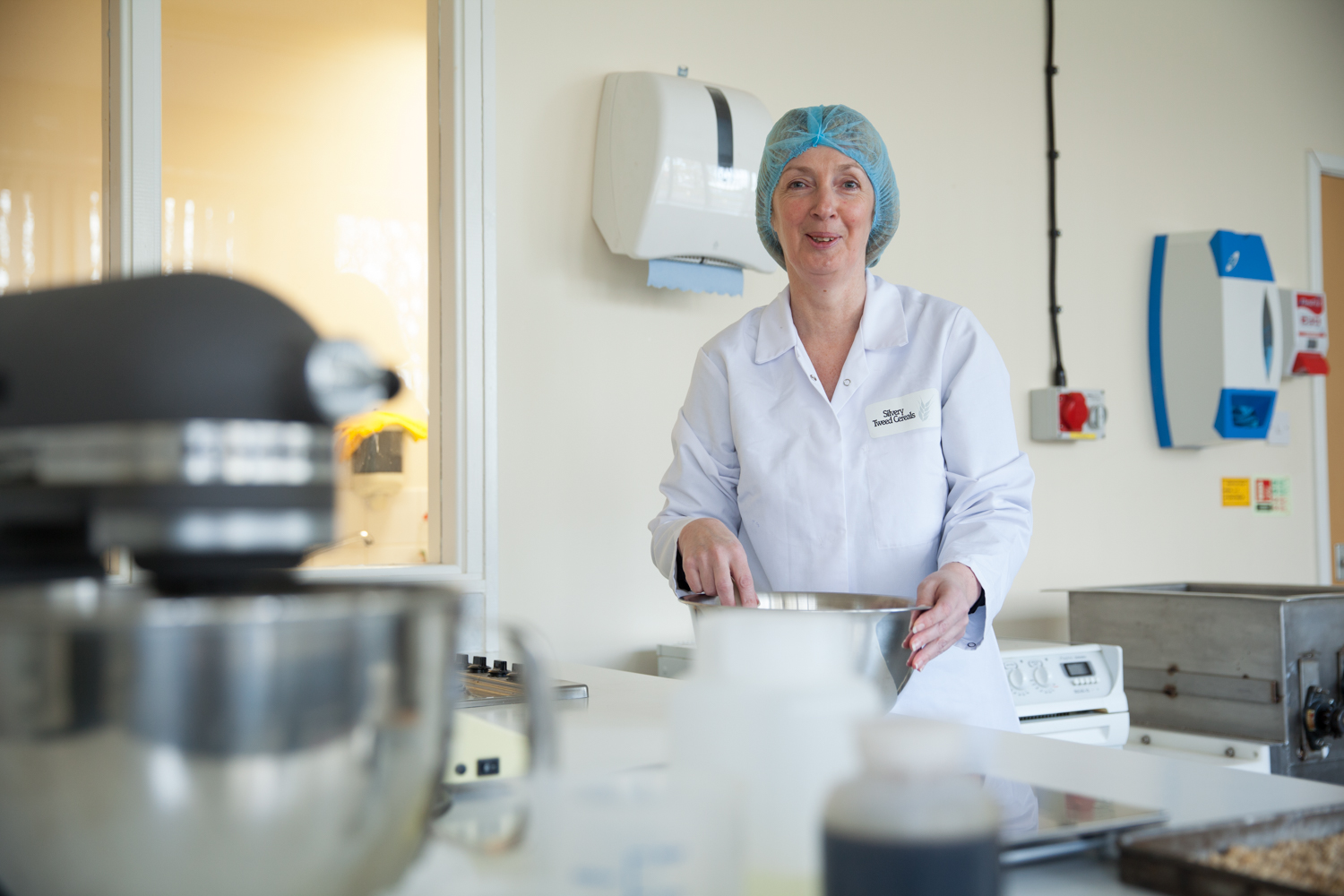
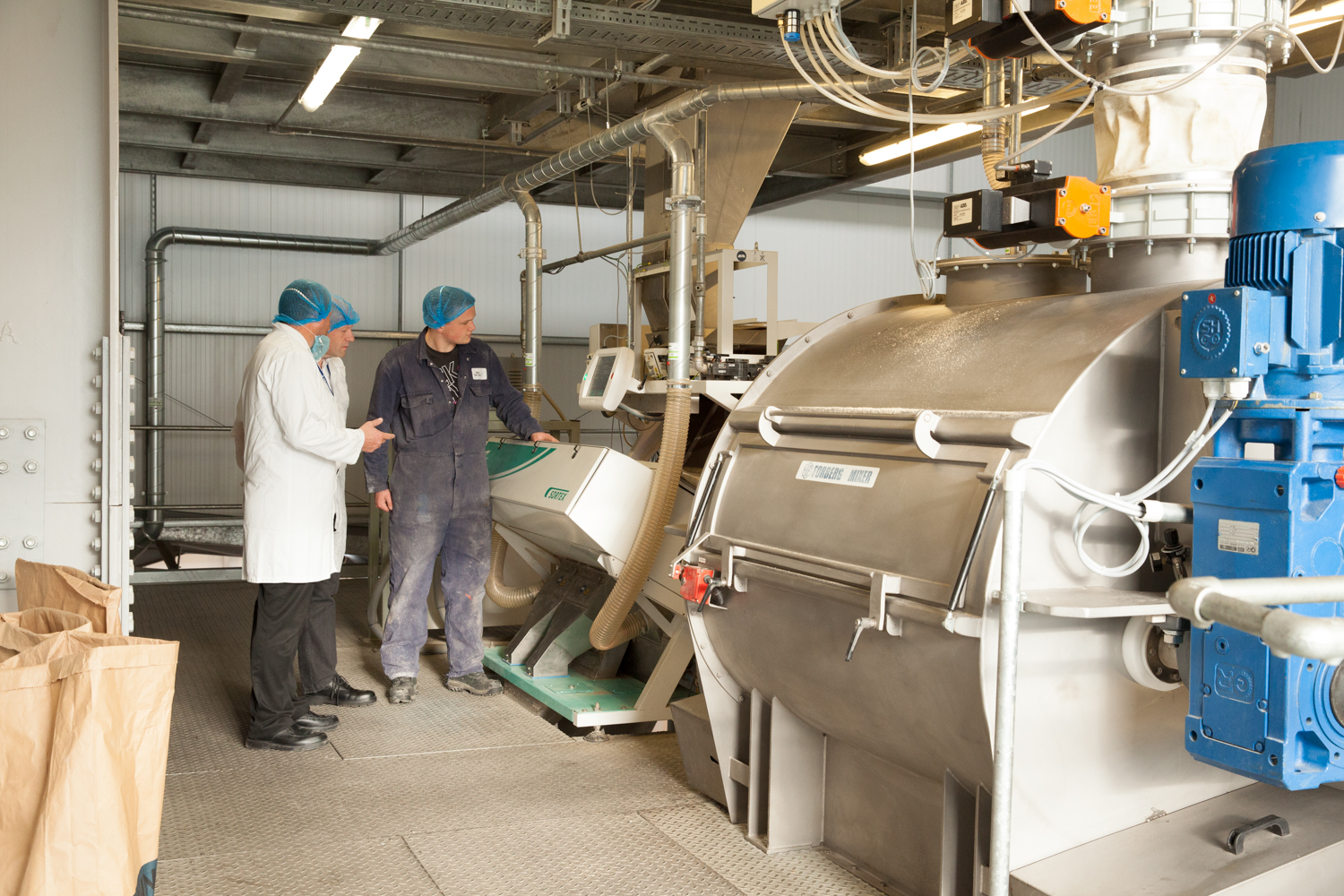
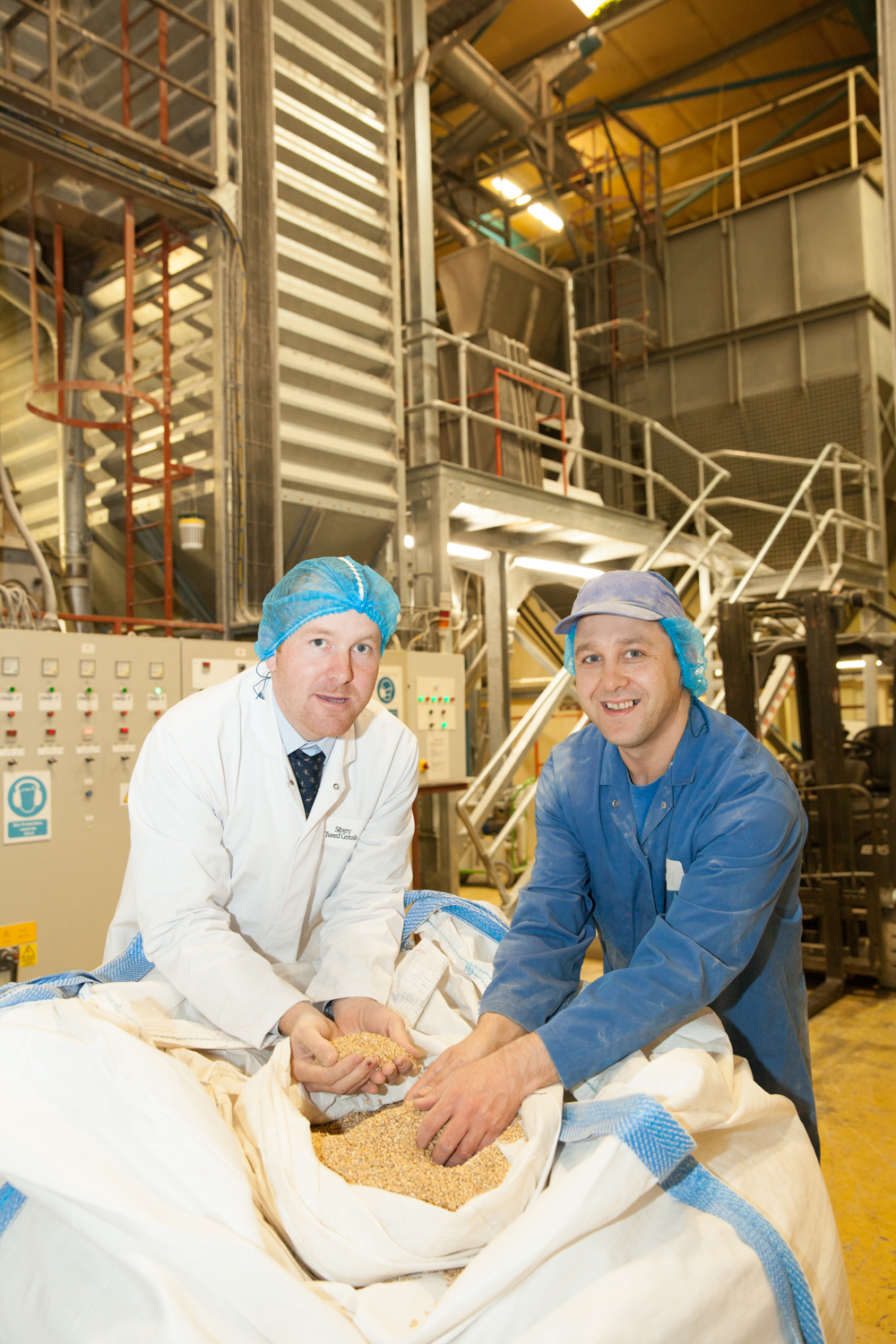
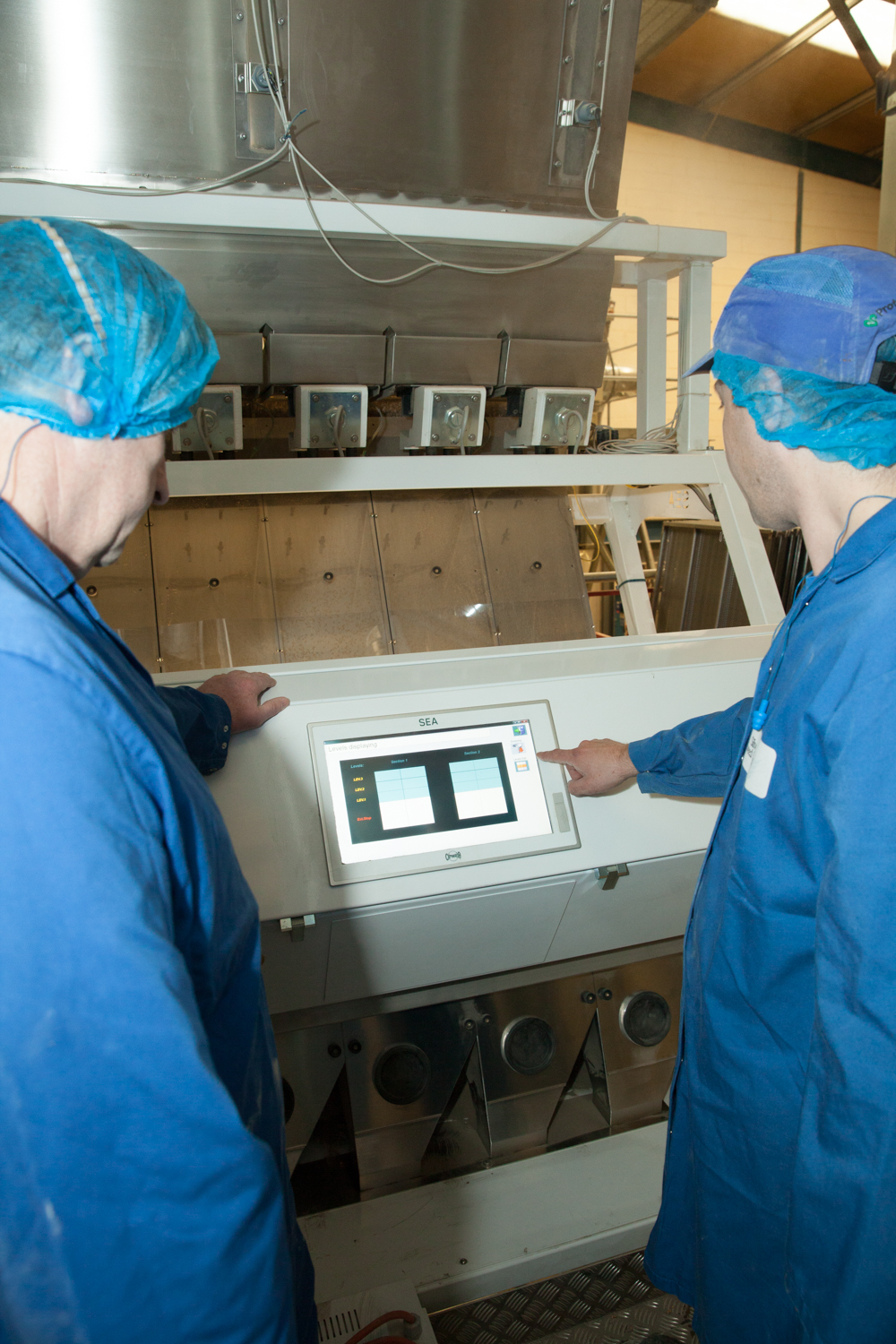


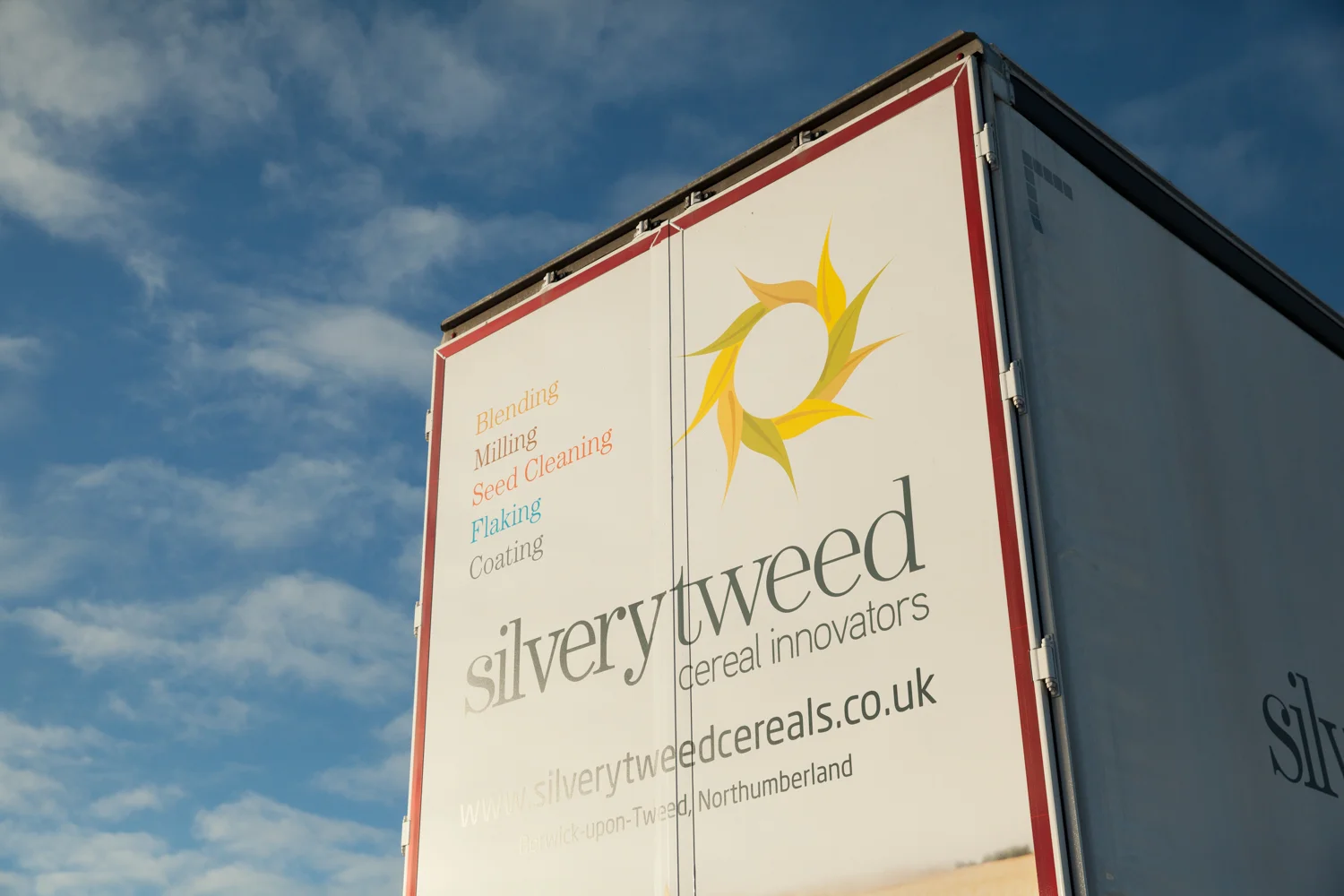
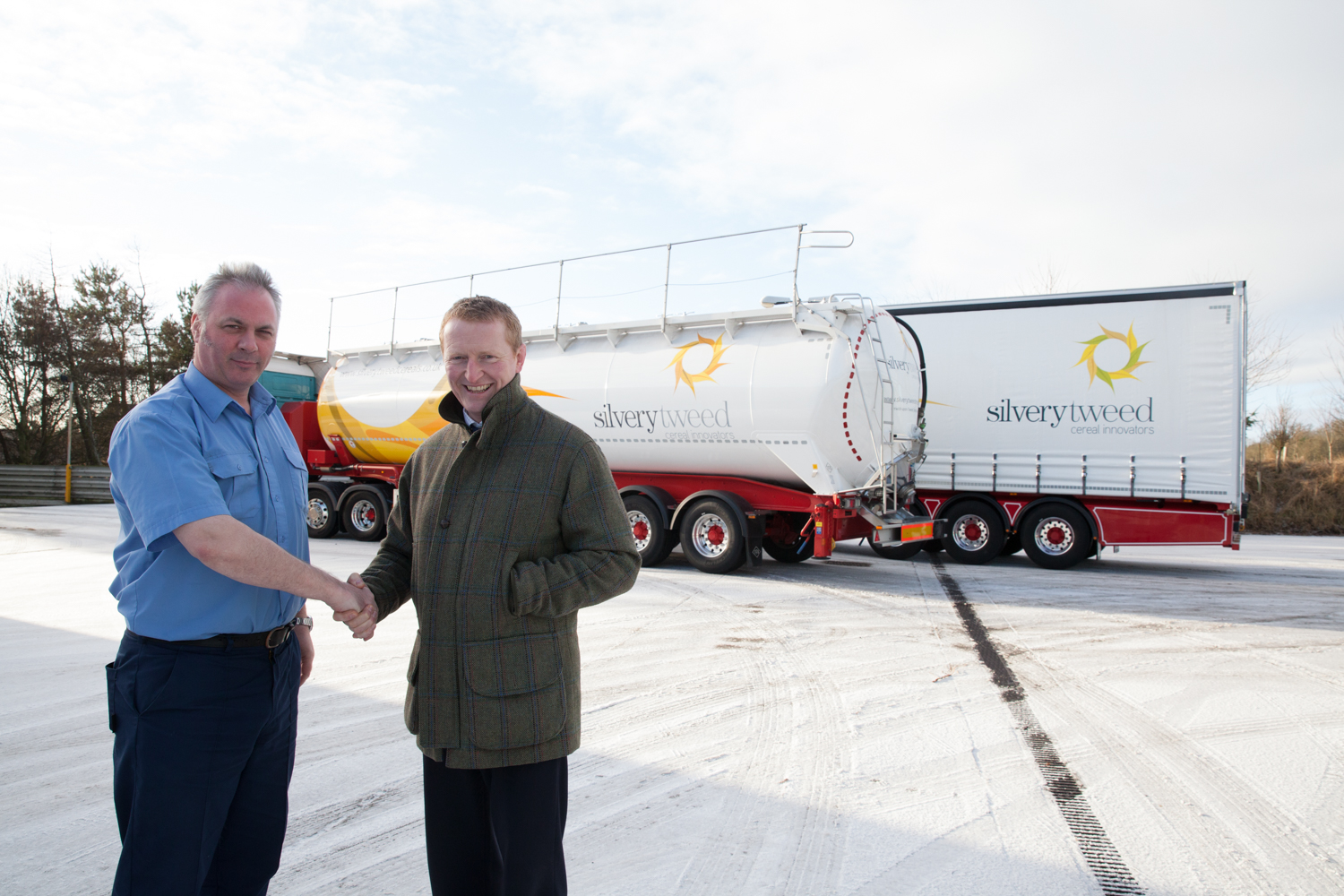
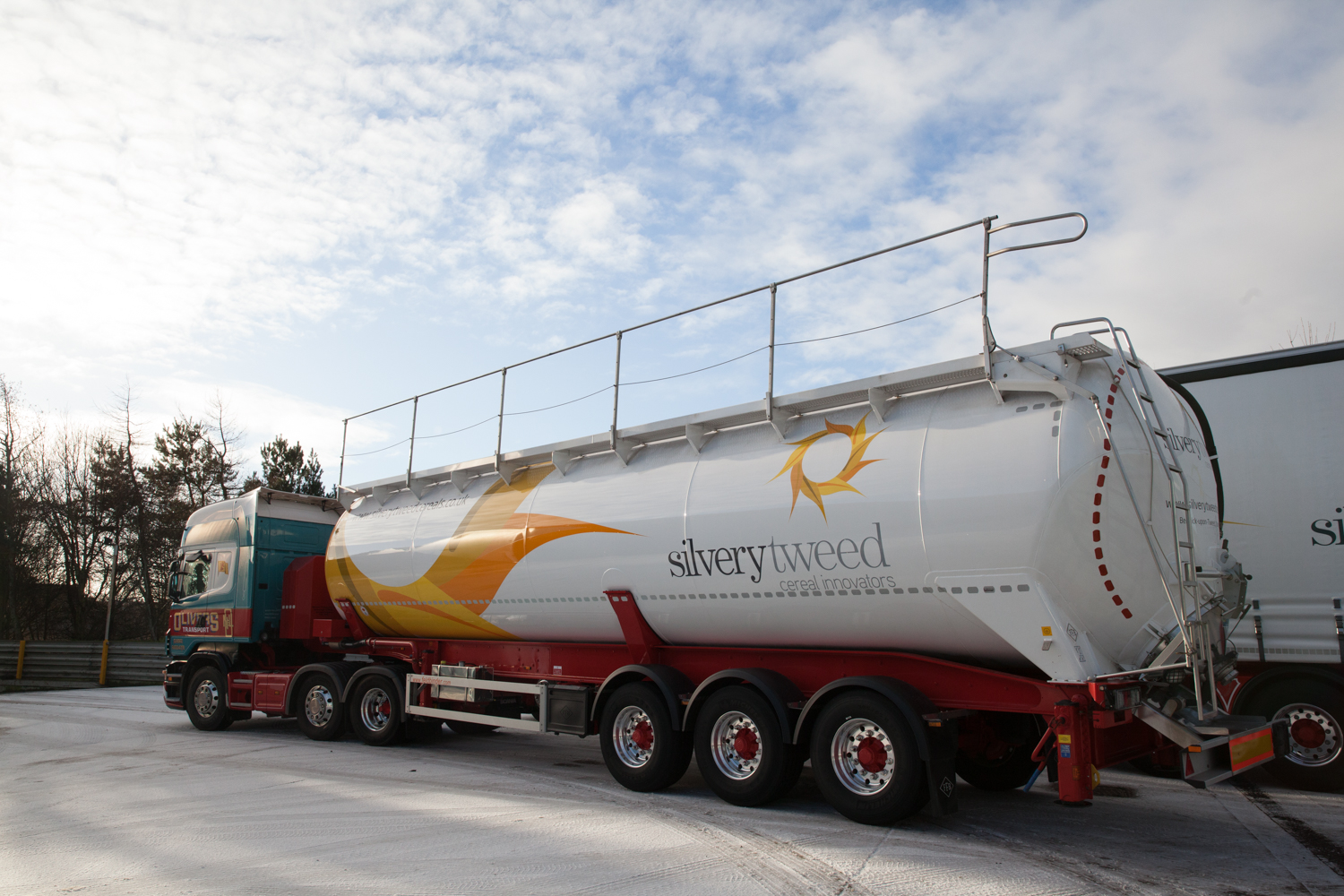
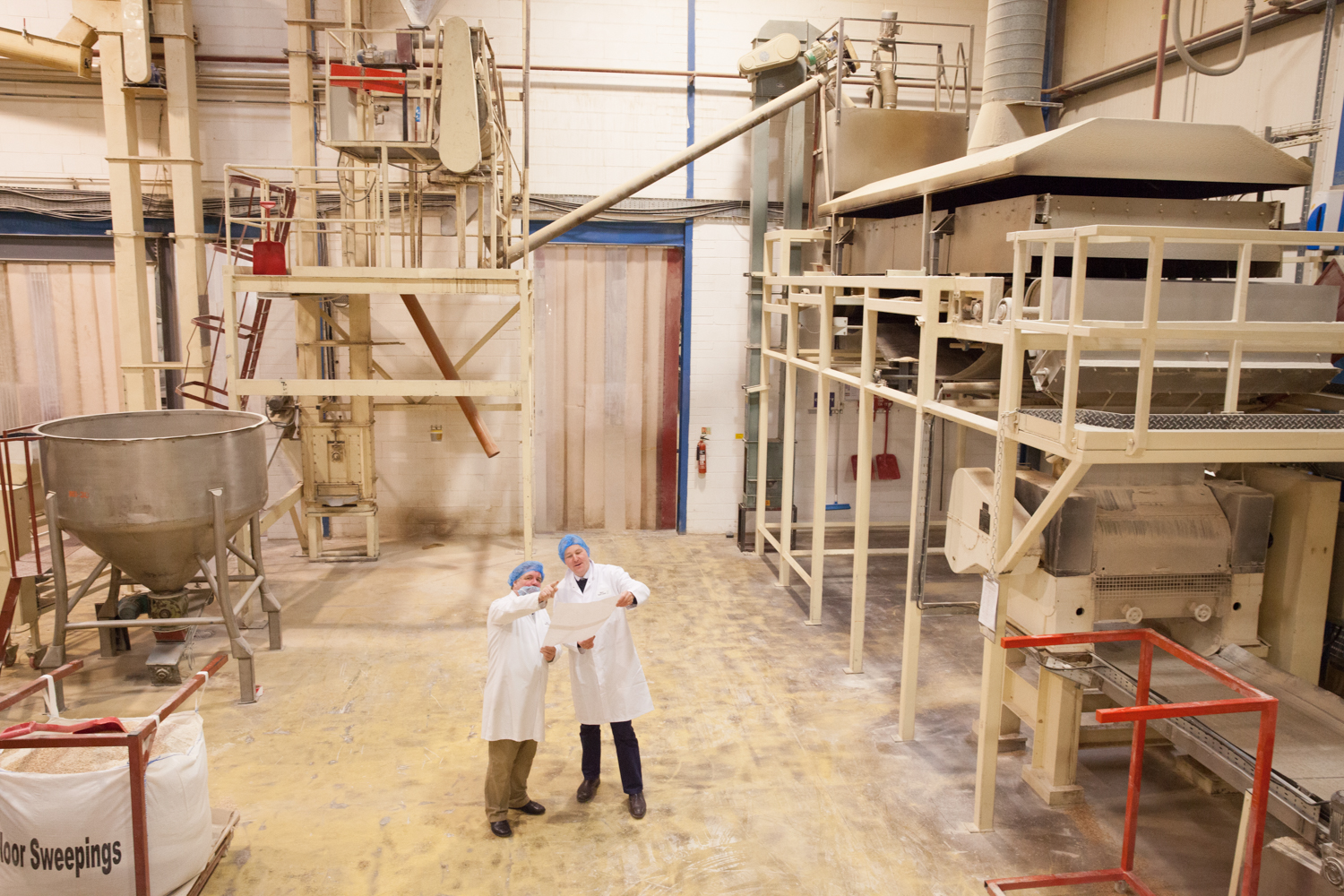
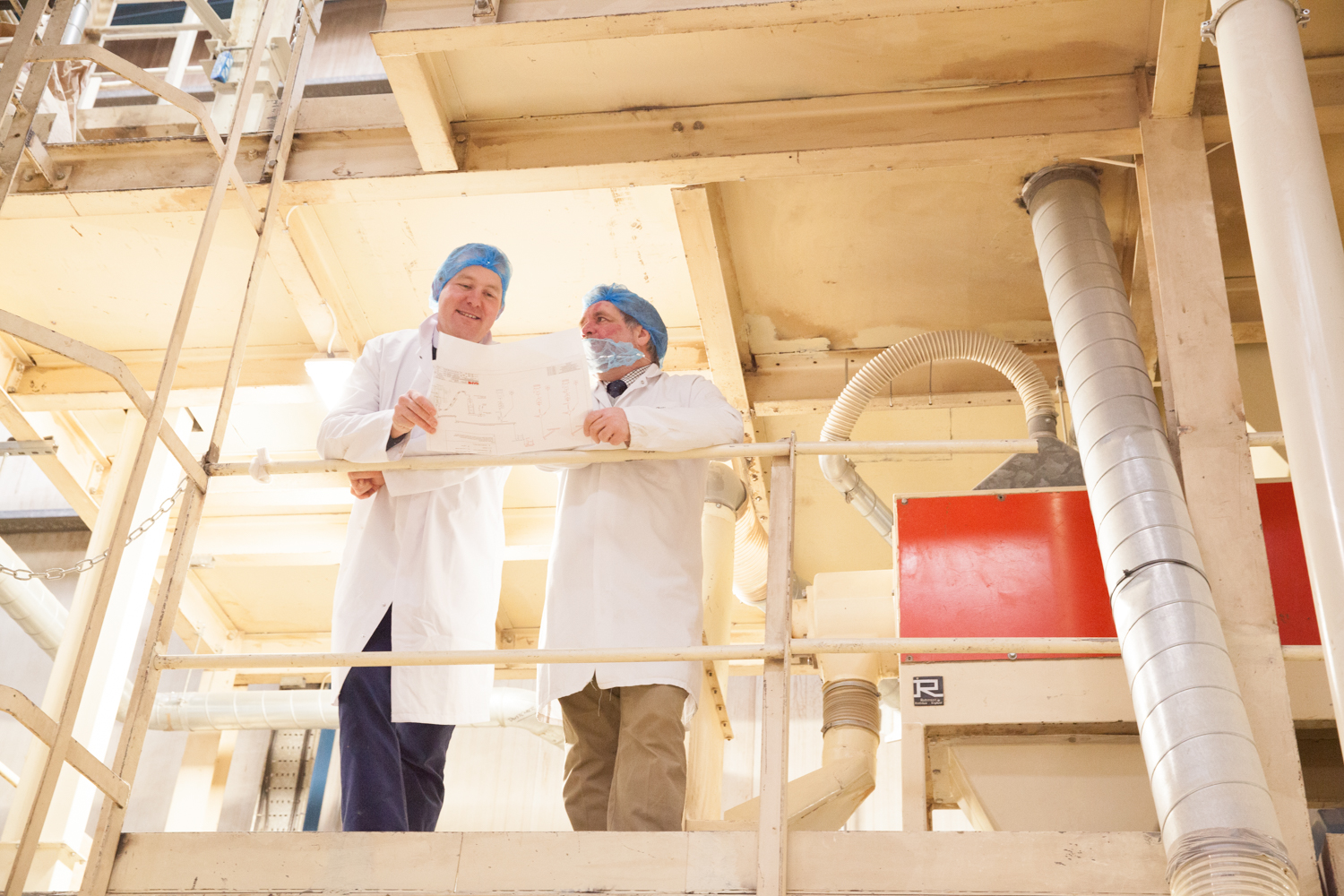
We have also covered events and charitable activities for STC who have been celebrating their 175th anniversary. One event that sticks in my mind was a great summer fete for their staff. The fete raised £1500 which was donated to local charities; Berwick Lifeboats, Berwickshire Riders for the Disabled Association, The Grove School, and Berwick Cancer Cars.
Another charitable activity we covered was the new ‘Silvery Tweed Technical Centre’ at Berwick Middle School. STC funded a school kitchen refurbishment, which included six new ovens, pasta machines, a barbecue, UV bacteria lights, chopping boards and utensils, nutritional analysis software, as well as a new lighting system and painting. https://www.silverytweedcereals.co.uk/News-and-Updates/
More recently we completed a project with Silvery Tweed and Fords the Bakers who tested out 6 new blends for artisan bread. You can read about it on the blog, or on British Baker Magazine or in the local press, Northumberland Gazette.
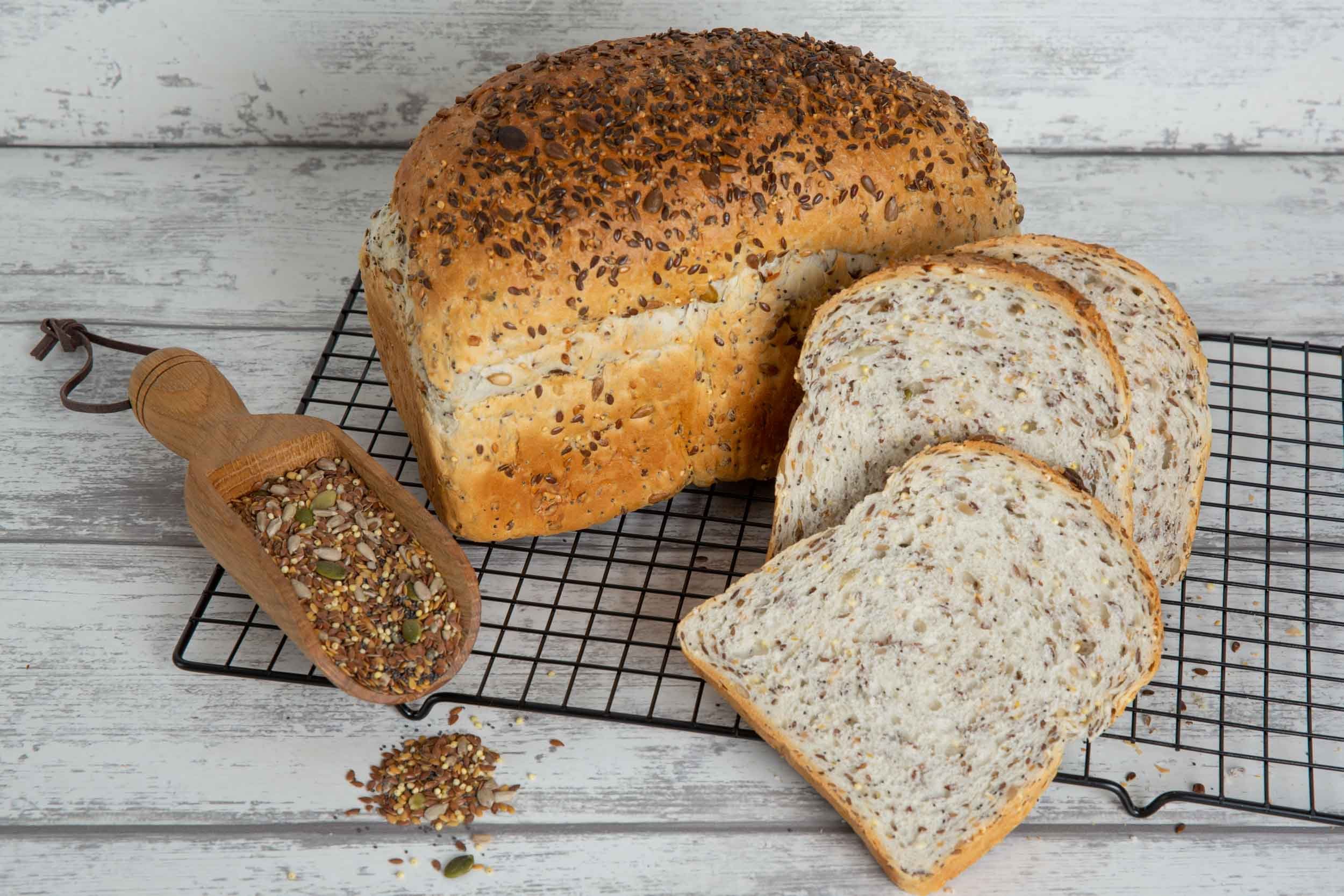
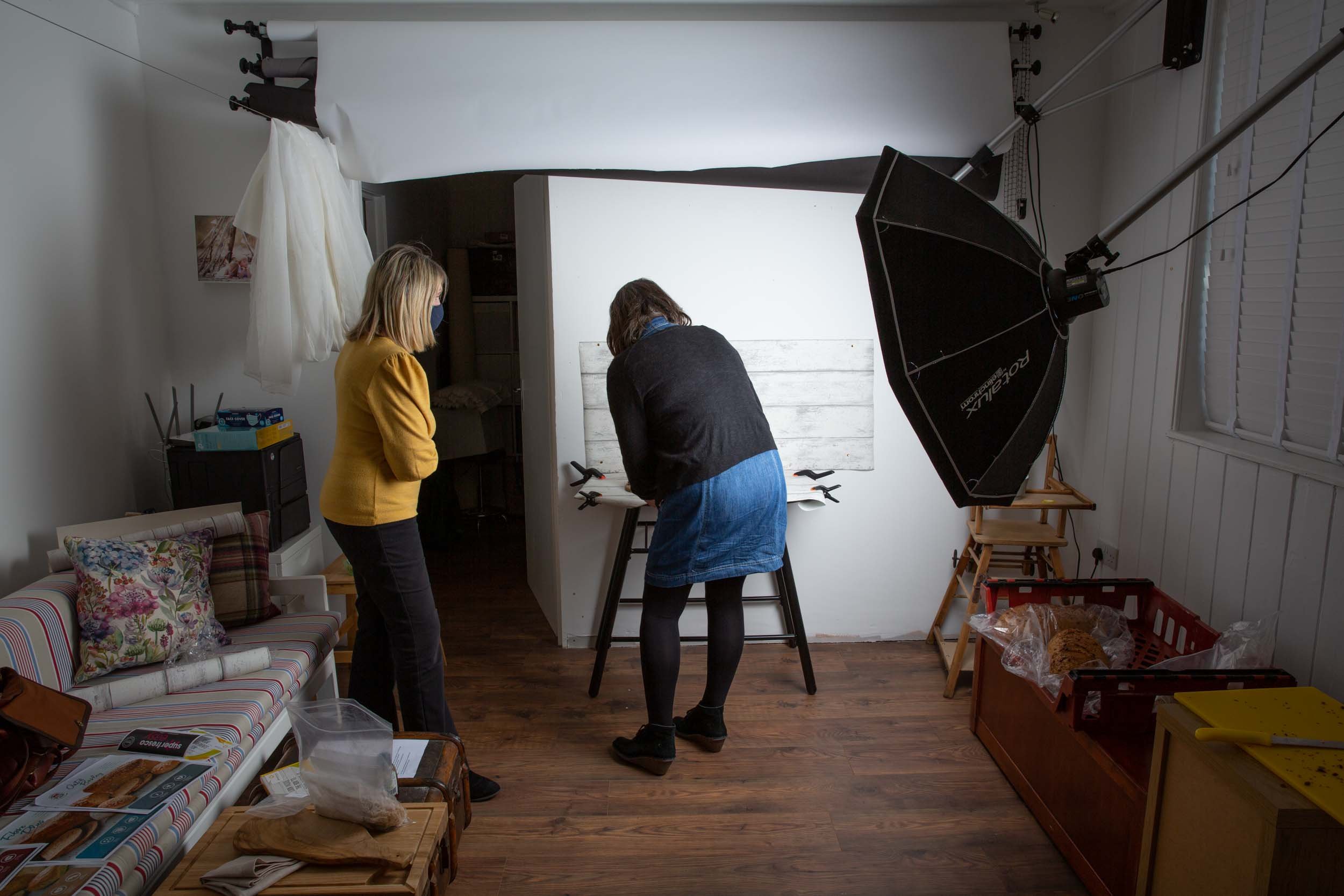
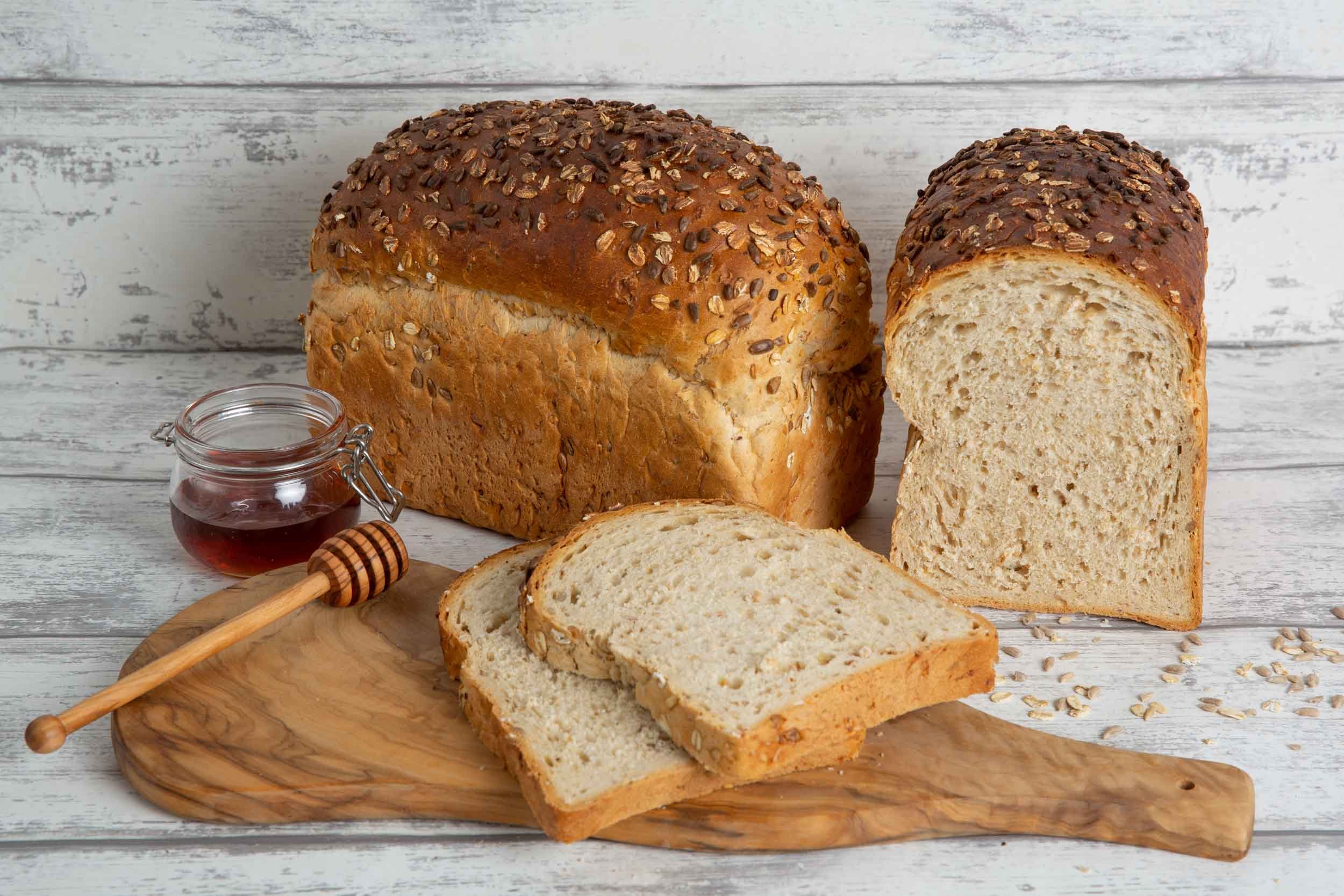
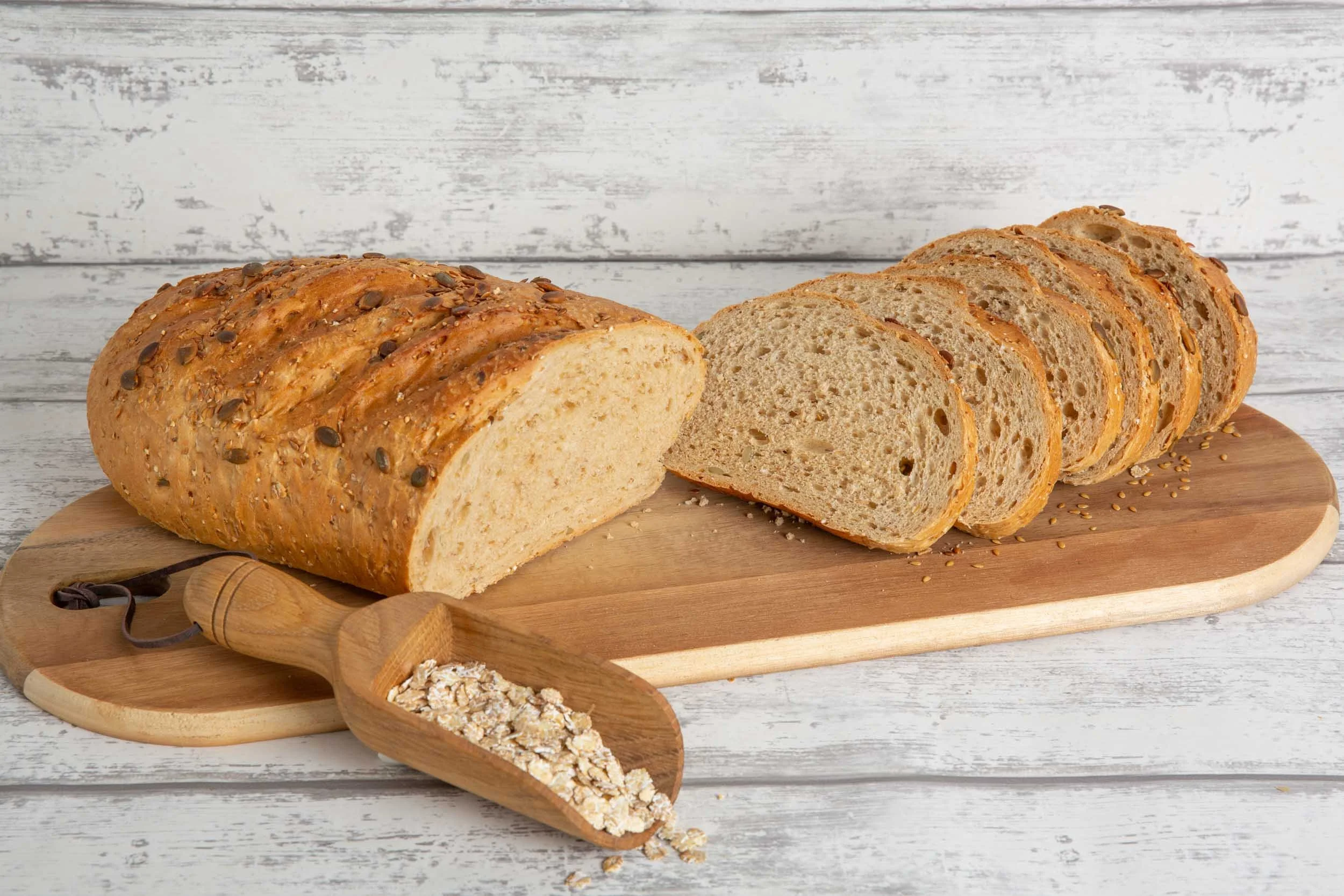
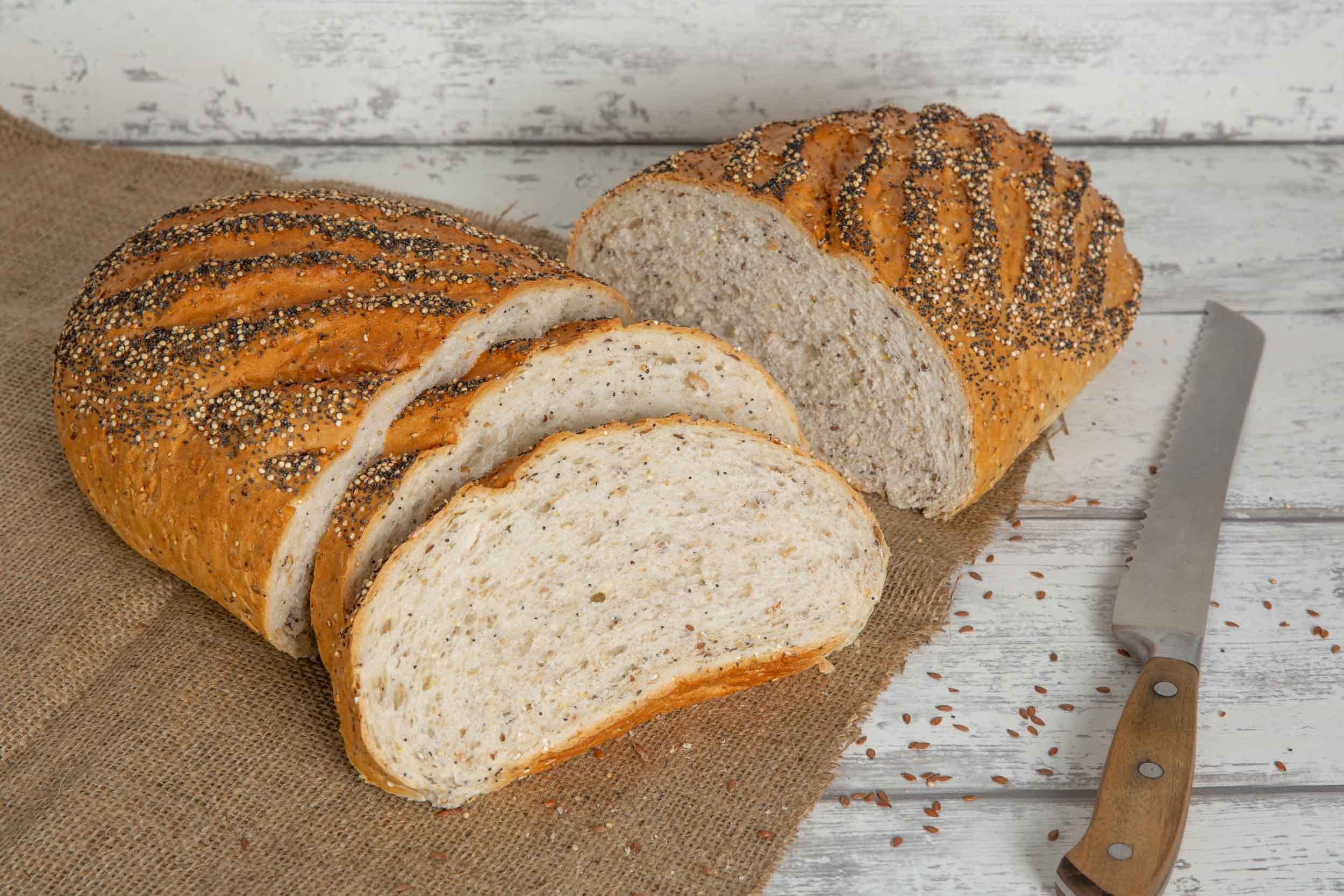
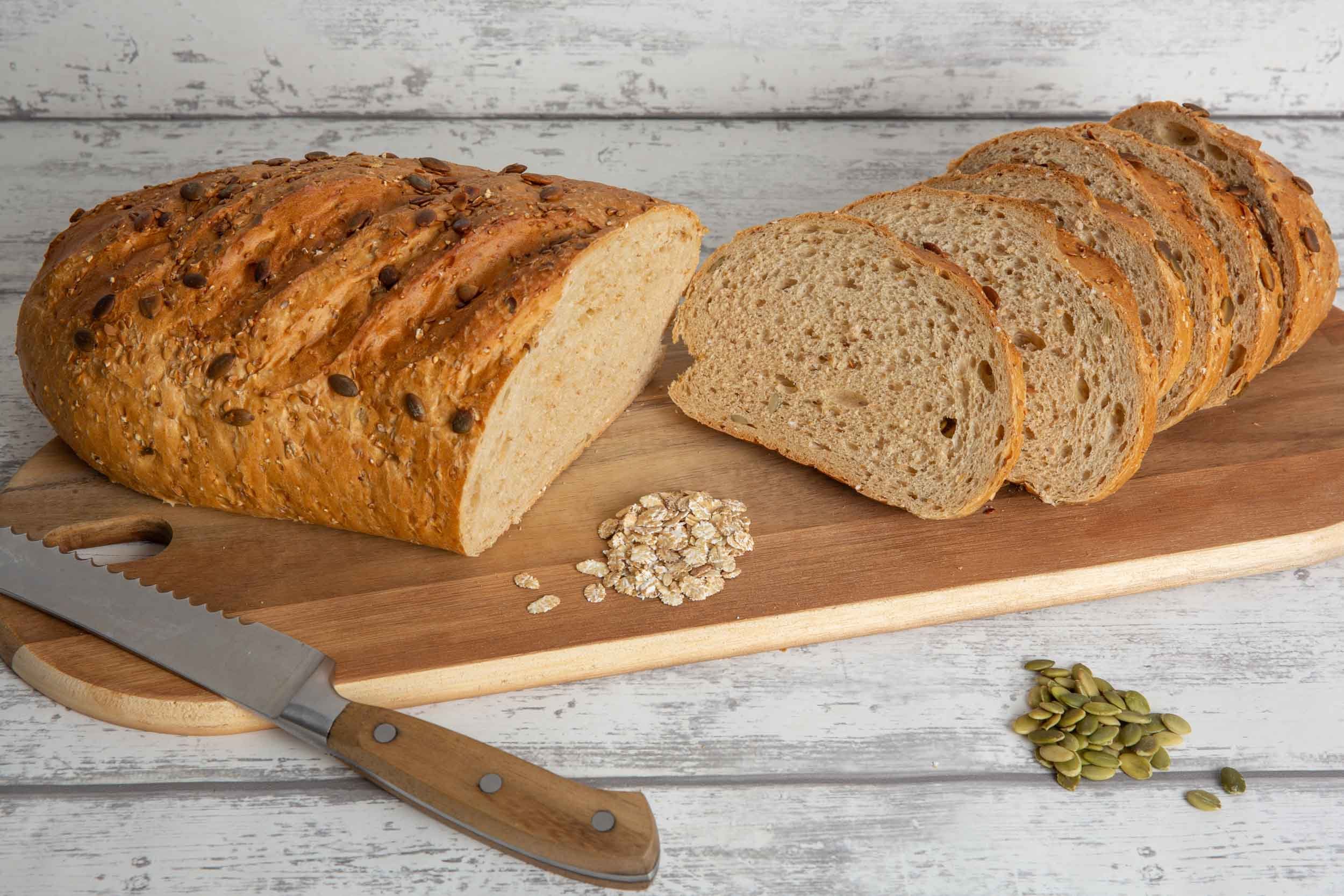
These are the beautiful breads made from the blends by Fords the Bakers. I spent an afternoon photographing the loaves of bread in the studio with technicians from STC. These photos will be used: to advertise the new blends; as product photography for their brochures and website; and in sales catalogs.
9 Easy Peasy Tips for Non-Cringy Conference Calls
How to Stop Cringing through your FaceTime, Zoom, Google Hangouts and Skype Team Calls
Whether you are working from home and chatting with your colleagues, doing professional client meetings, or just meeting up in Houseparty with friends, I have a few simple and easy tips to help you look and feel your best on screen for little or no cost.
You might be wondering with all that is going on in the world right now, is looking your best on camera really so important? Well, I think it is and, especially for work, if you look and feel your best you will feel confident and perform at your best.
Just a few small tweaks can give you that confidence and you will no longer be distracted by that little awkward thumbnail in the corner with your face on.
Light: The most important thing is light. Natural light is always best so try to schedule your calls during the day and have the window in front of you (behind the camera). Switch off room lights as they can create a colour cast which is that awful yellow glow lights give.
Evening Calls: If there is no natural light available, you can use small LED lights or buy a cheap desktop ‘ring light’ from Amazon for around £20.
If you are working from a desktop PC, a free alternative is to turn up the screen brightness to full and make your desktop background white then shrink the video call window and place it in the middle of your screen. This will act like a big white light right in front of you!

Plain white desktop picture with brightness up

Normal desktop picture
Filters/Make-up: There are filters on video apps but they can make you look fake, blurry or like a potato! It’s more professional and honest to just look naturally well-lit and like yourself. If you don’t want to look tired, make-up is recommended. You can wear more make-up on camera than you usually would for a meeting as it doesn’t show up as much as in real life; blusher or bronzer are good as they give a warm and healthy look.
I’m no expert on make-up, so I spoke to Jenny Ross, a professional make-up artist. She said: “A touch of concealer under the eyes and on the lid will waken up the eye if it’s been a long day, then just some mascara to open up the eyes. Lip balms are great for just adding a soft sheen to the lips without it looking like you’ve gone overboard with makeup but still need some hydration on your lips. Warm up the face with bronzer on the cheeks and forehead. Powder any shiny bits if you are using lighting in the evening. A tiny bit of pressed or loose powder will do for the nose, cheeks, and forehead.”
Wardrobe: Wear what you would normally wear to meet your client, colleagues, employer or friends. Unfussy collars, block colours and large print work well. Small patterns or checks can make the camera go fuzzy so it’s best to avoid those. When the warmer weather starts, be sure to avoid strapless tops as you run the risk of looking naked on camera!
Camera Position: If you are using a laptop, pop it on a stand or use some books as you will find the angle unflattering. I’m sure you don’t want clients looking up your nose! Desktop PCs usually have a good camera position. If you are using a mobile phone, try and prop it up at slightly above eye-level height. A small mobile tripod or clamp can help since hand-holding causes camera movement which can be distracting to the viewer and will get tiresome for your arm very quickly.
Orientation: Phone users tend to use portrait orientation and PC or laptop users tend to use landscape orientation. Look at what the others on your call screen are using, and if you are on a phone when everyone is on a desktop, think about turning the phone to the side to fit in with the rest. Most people will be new to this so don’t worry about changing it up; practice makes perfect.
Distance: Think about how far away you would usually sit from a client or friend. Too close to the camera feels over-familiar and uncomfortable but too far away is distracting and can affect your audio.
Background: Your background will depend on where in the room you are positioned for the best light. Declutter your background as much as possible; less is more. Make sure nothing is moving behind you (like a fan) and close doors to deter pets and children from entering and running around behind you.
One last thought; make sure you are not too far away from your internet router. After all this set up, the last thing you would want is for the call to drop out.
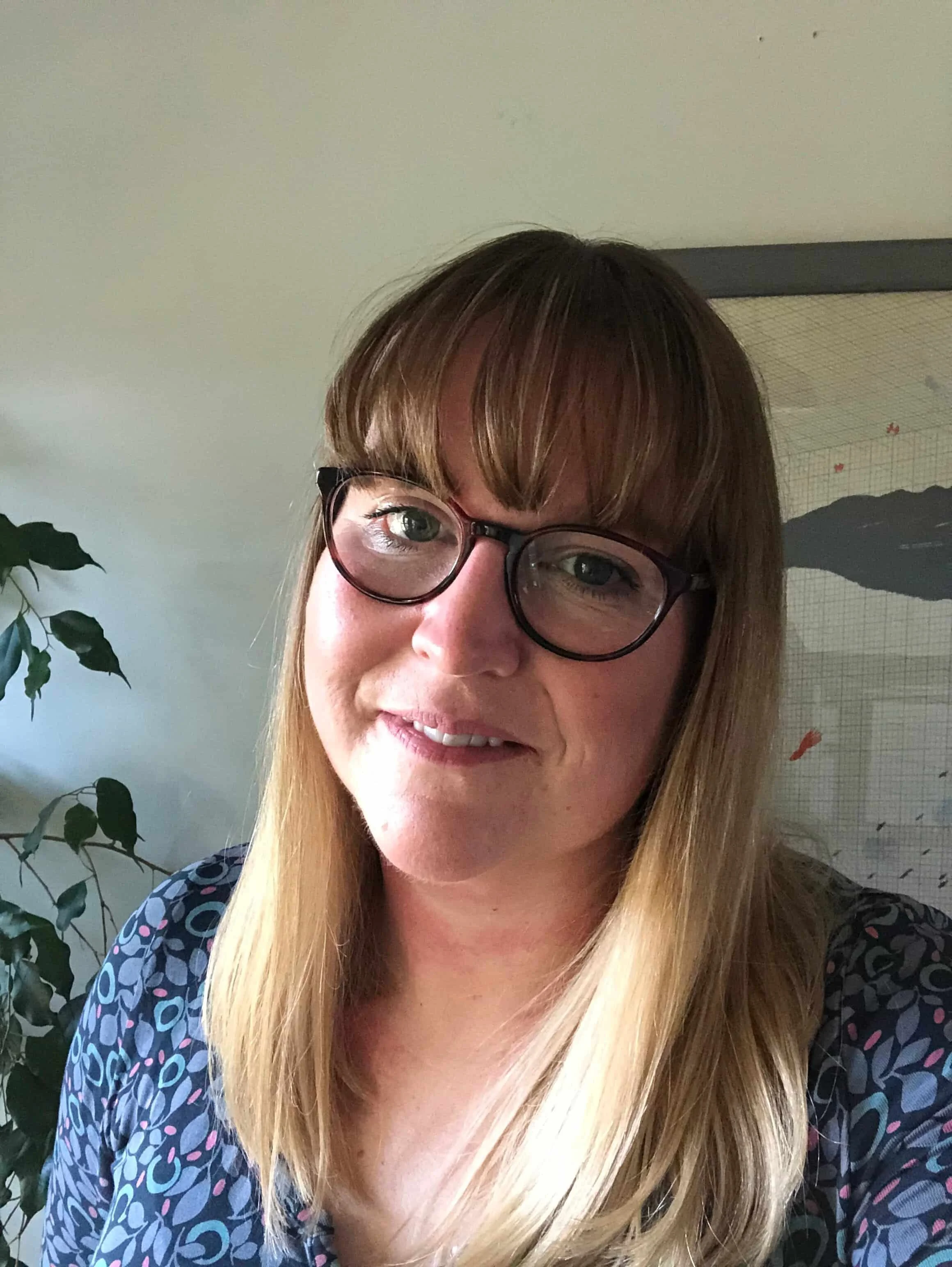
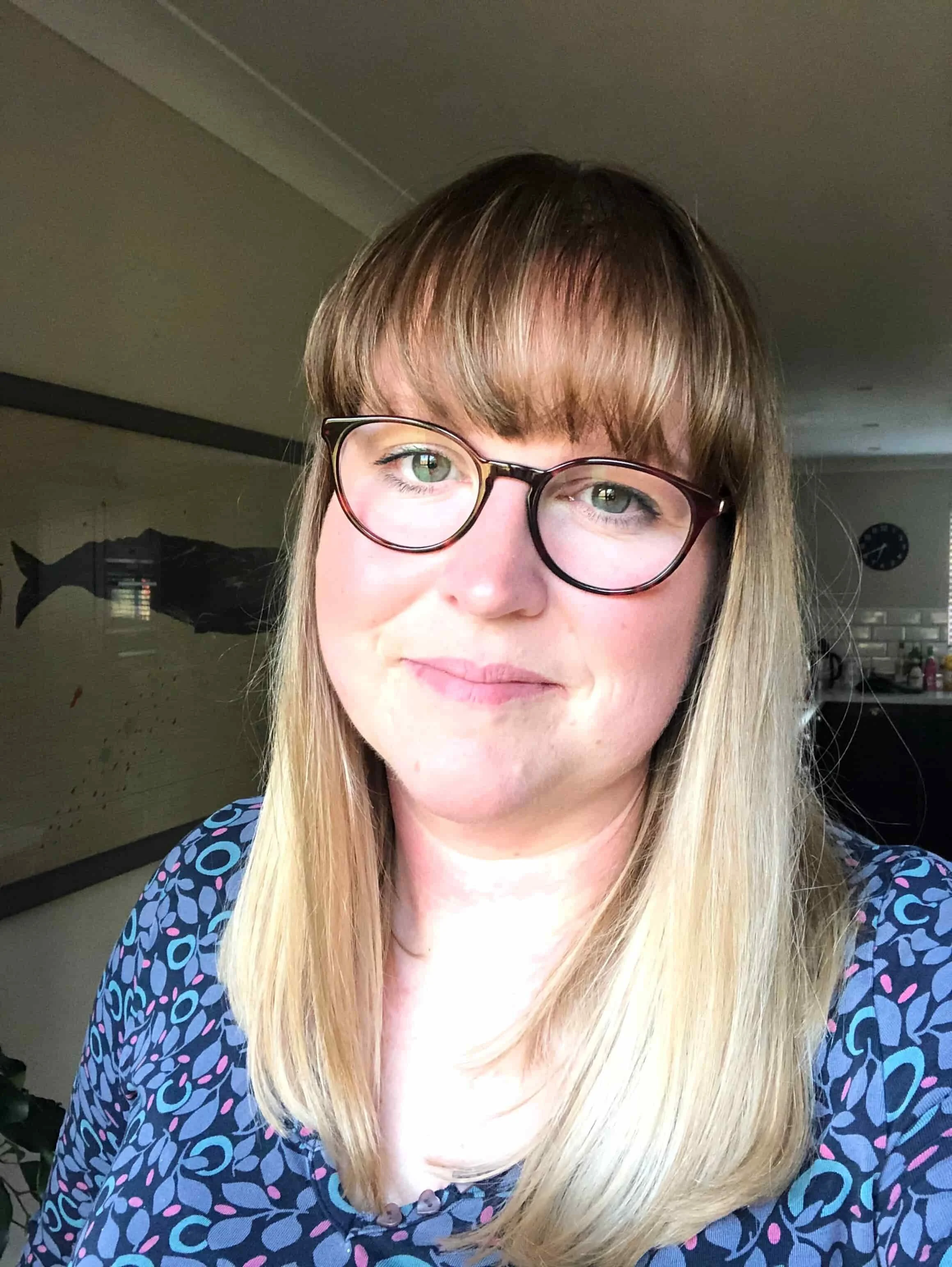

That’s it! 9 top tips for non-cringe video calls. Please let me know in the comments below which of these tips has helped you the most. Enjoy your chats!
Written by Sarah

Craig Connor, Social Media Influencer and Model
Craig popped up to Berwick today to update his modelling portfolio, and it was such a lovely shoot to work on. Craig is a social media influencer, represented by @buzz_talent_ and managed by @my.influencers., so the aim of the session was to create a varied set of images that he could use across his portfolio, agency profile and social media.
For a modelling portfolio shoot, variety is really important. Agencies and brands need to see more than one angle, one expression or one outfit. They need a clear idea of how someone photographs, how they move, and how their personality comes across on camera. With Craig, we wanted to create a useful mix of full-length images, mid-length portraits, closer headshots and a few different expressions, from relaxed and natural through to something a little more editorial.
We used both the studio and a few locations around Berwick-upon-Tweed to give the final gallery more range. Studio portraits are great for clean, simple portfolio images where the focus is completely on the person, while outdoor location photographs can add a bit more character, movement and atmosphere. Using both meant Craig had a strong selection of images that felt consistent, but not repetitive.
This kind of shoot is ideal for models, actors, performers, influencers and anyone building a personal brand online. A good portfolio does not need to feel stiff or overly posed. The best images usually come from giving enough direction to make someone feel confident, while still leaving room for natural expression.
Craig was brilliant to photograph and really easy to work with. I’m excited to see how far he goes. You can follow @craigconnor on Instagram to follow along with me.
If you are looking for modelling portfolio photography, actor headshots, influencer images or personal branding photography in Berwick-upon-Tweed, my studio can be used on its own or combined with outdoor locations to create a wider range of images.