
What’s the Difference Between Brand and Studio Photography?
If you’ve ever wondered whether you need brand photography or studio photography, you’re not alone. It’s a question I get asked a lot.
Both can look professional. Both can sit happily on a website or social media. But they do very different jobs — and choosing the right approach can change how your business is perceived.
Using International Tartans as an example, this blog looks at how studio photography and brand photography work separately, and why combining the two often gives businesses the most flexible and useful image library.
For iTartans, the brief covered several settings: clean studio product shots, portraits in real working environments, and wider location photography. Each had its place. Together, they told a much fuller story — not just what the business makes, but who is behind it and how it works day to day.
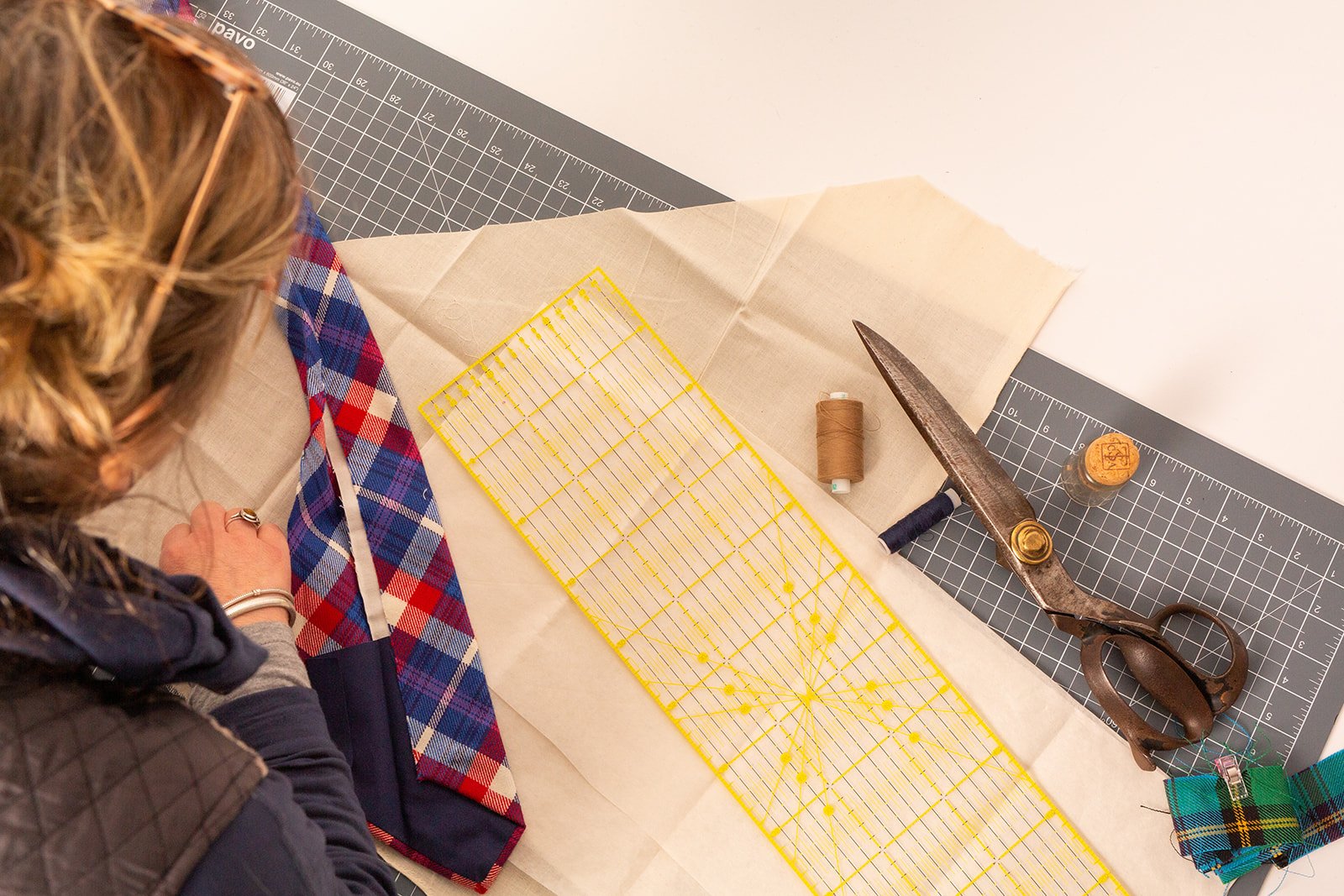
International Tartans in our Studio for Product Photography
Starting in the Studio: Clarity, Control and Consistency
Studio photography is often the most practical place to begin, particularly when products or fine details need to be shown clearly.
For iTartans, studio sessions were used to photograph products with accuracy and consistency. Working in a controlled environment meant lighting could be kept even, colours true, and backgrounds clean. This allowed the focus to stay firmly on the craftsmanship itself, without visual distraction.
Studio photography is especially valuable when images need to be reused across different platforms or formats. These images tend to age well, slot neatly into websites and print, and provide a reliable visual foundation that can be returned to as new products are introduced.
That consistency is powerful — but on its own, it doesn’t always show how an organisation feels.

Shoot with International Tartans at our Studio in Berwick-Upon-Tweed.
Brand Photography on Location: Showing the Work in Context
Brand photography shifts the focus from control to context.
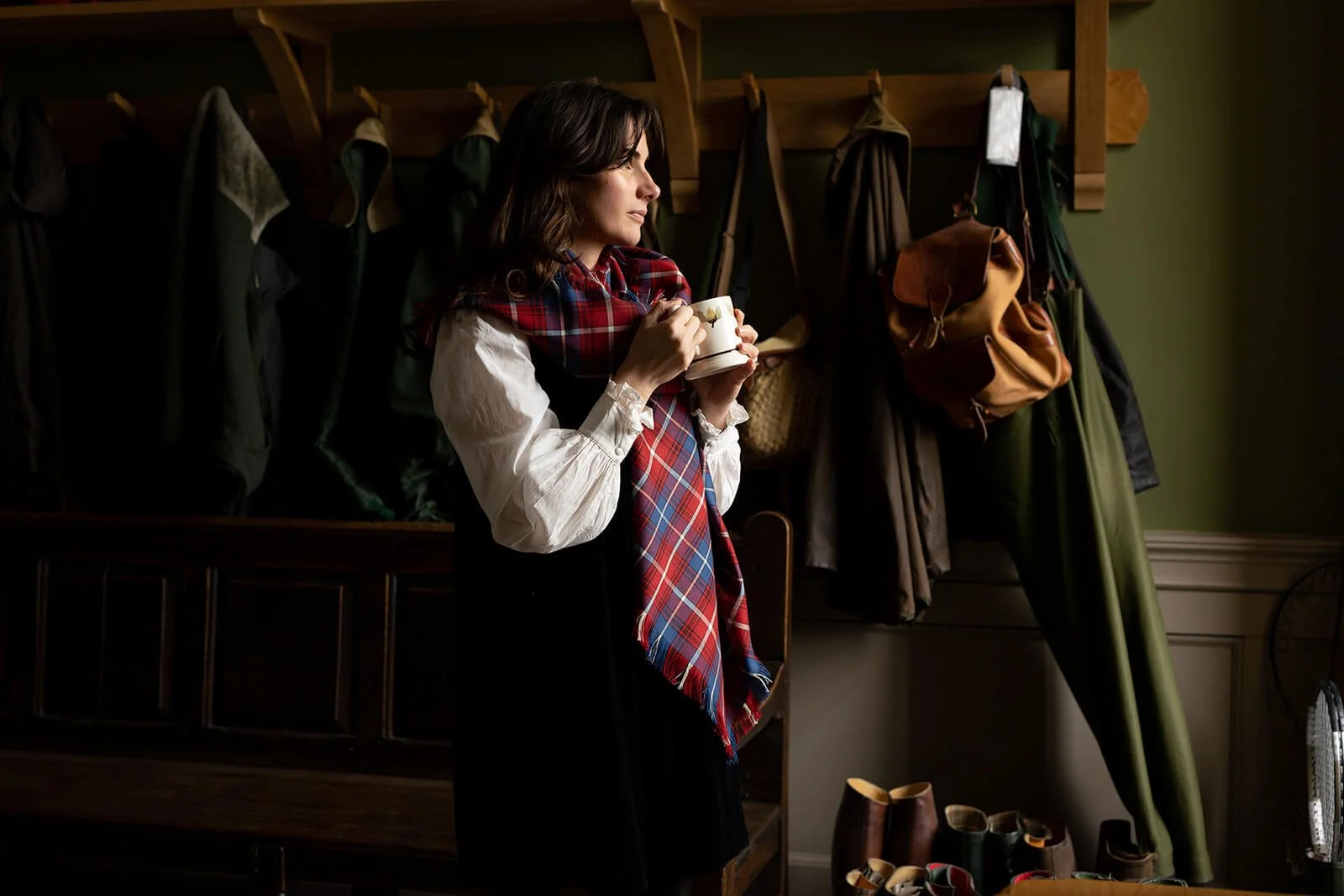
For International Tartans, this meant photographing their workshop in Eyemouth, capturing the environment where the work actually happens. These sessions weren’t about perfect backdrops or polished poses. They were about people, process, and the everyday rhythm of making in a workshop setting.
Photographing in real working spaces adds depth. It shows how tools are used, how materials move through hands, and how the organisation operates day to day. This kind of imagery helps audiences connect more easily, because it answers questions they may not even realise they’re asking — what it’s like to work with you, how your work comes together, and what sits behind the finished product.
For community-led and craft-based organisations, that sense of authenticity matters deeply.
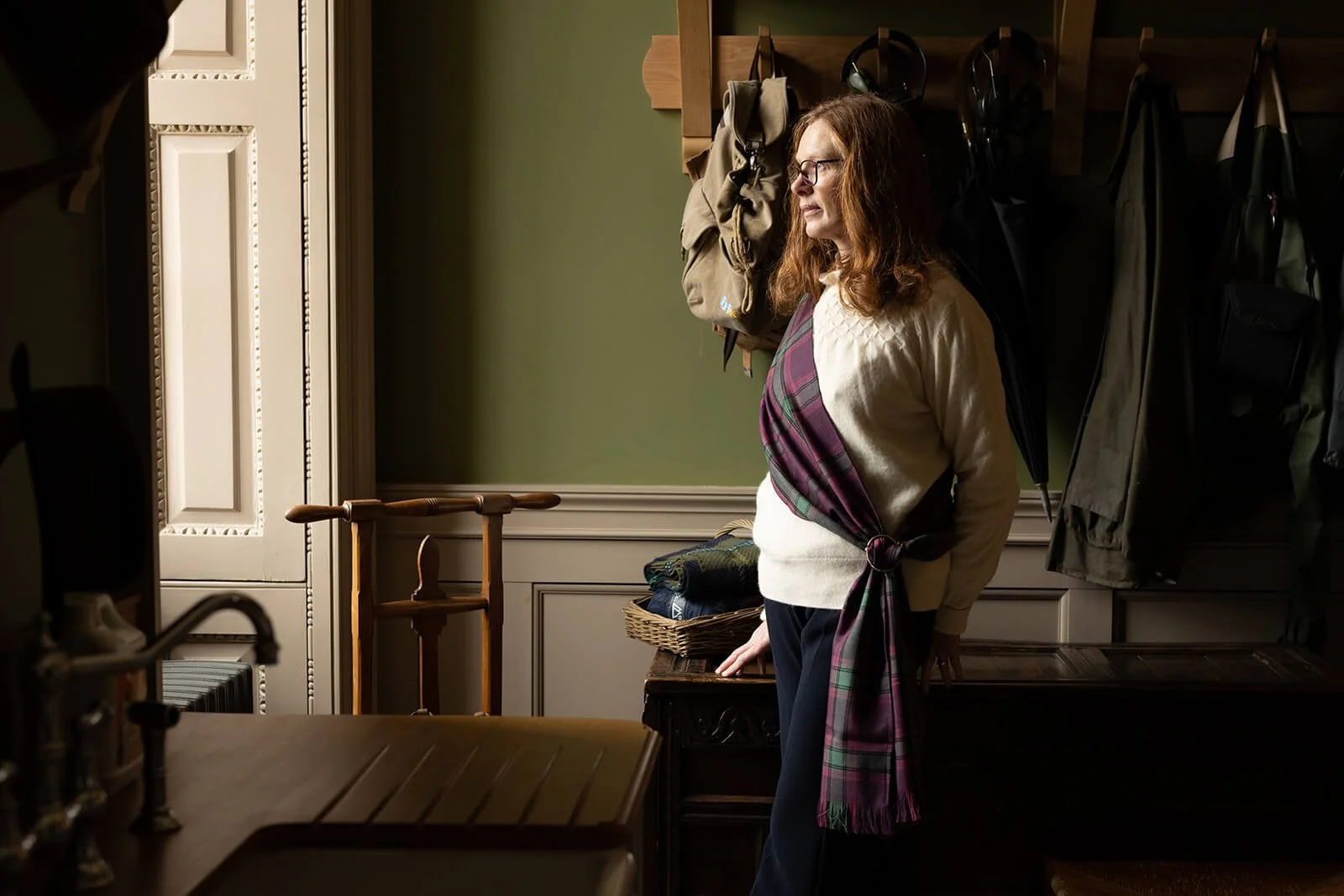
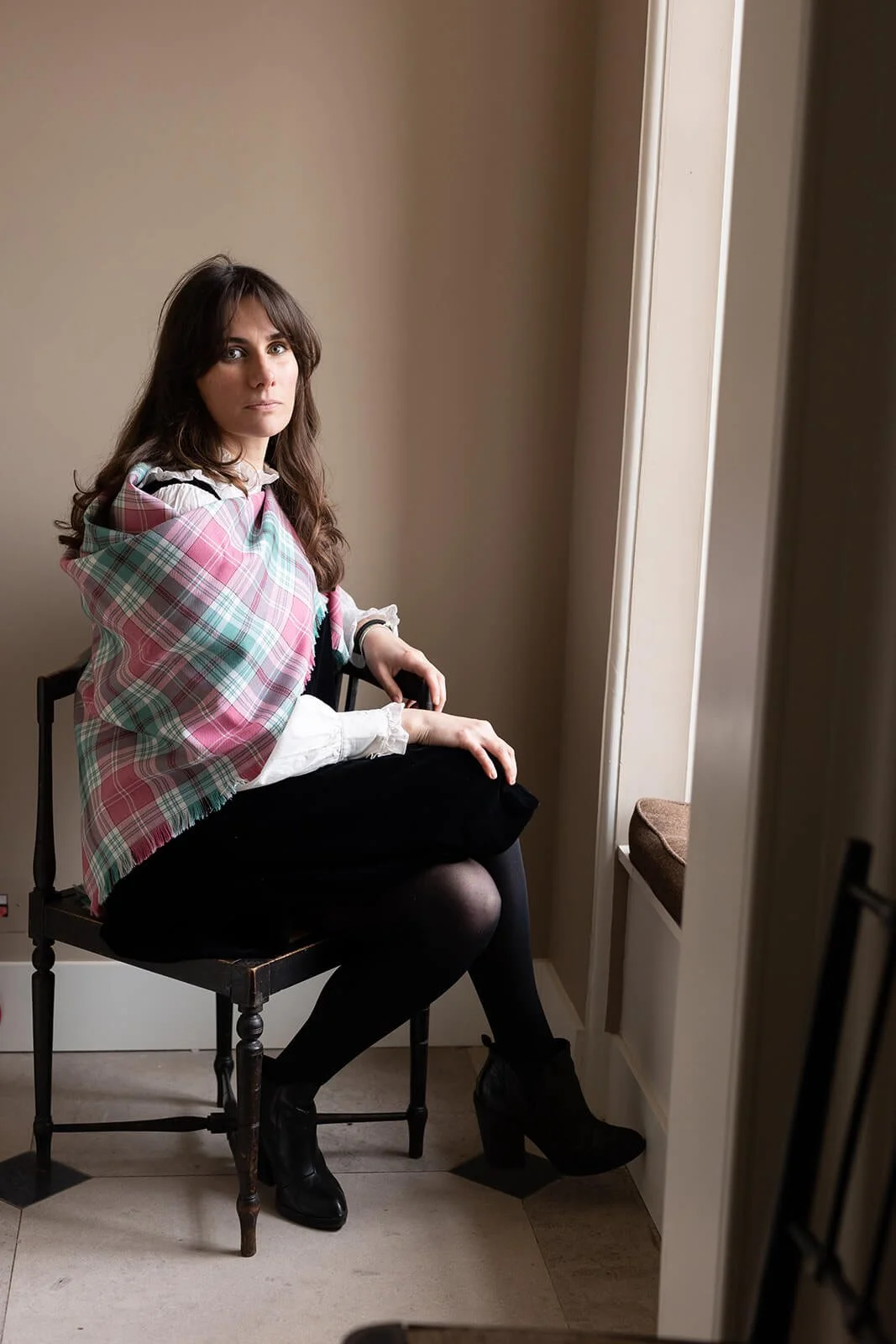
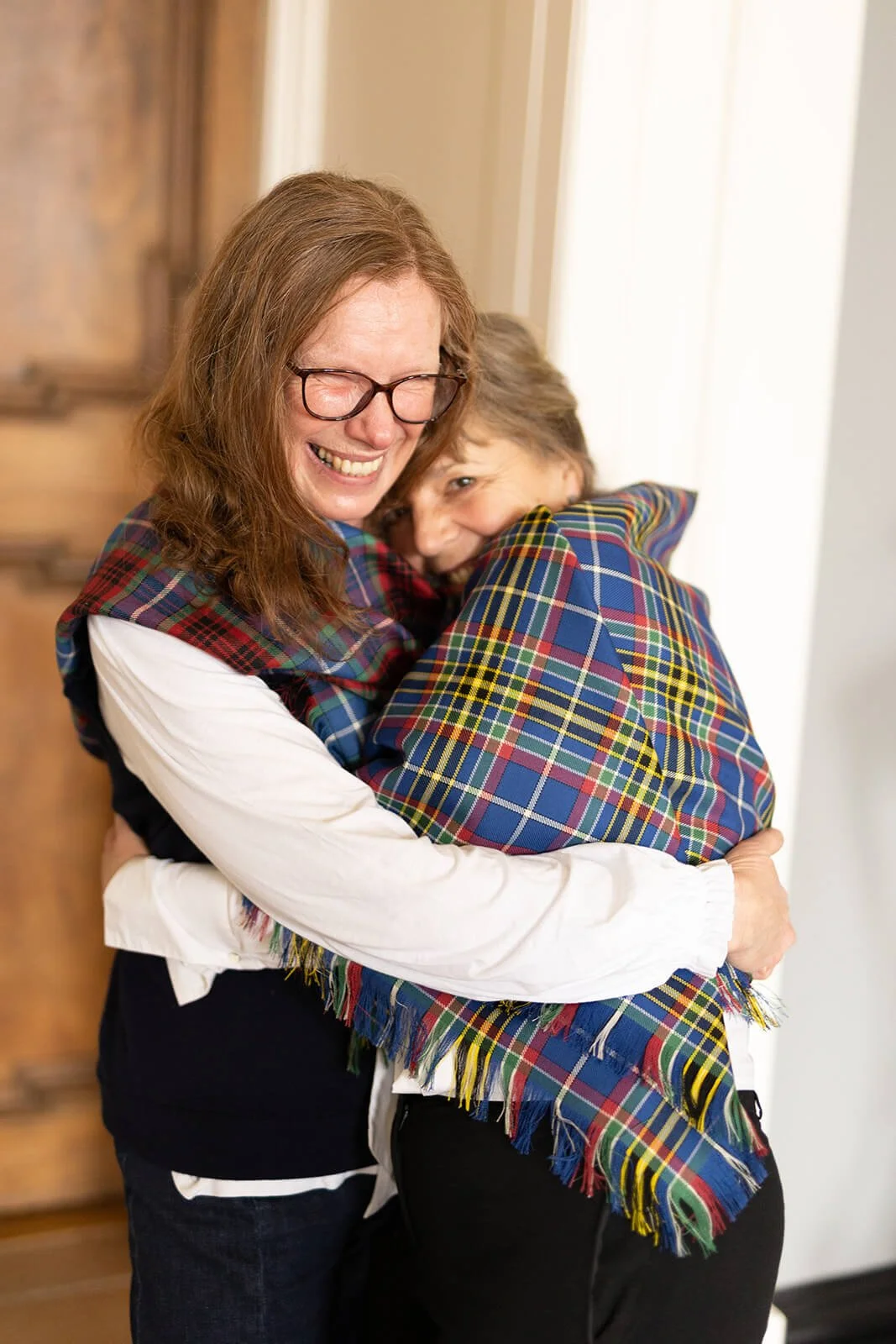
A Case Study Film That Goes Beyond the Images
Alongside the photography at Eyemouth, I also created a short case study film for International Tartans — one that follows Kayleigh’s journey into the organisation.
Without giving too much away, the film focuses on what happens when the right opportunity meets the right support. Kayleigh’s story begins at ReTweed, a social enterprise in Eyemouth that supports women to build skills and confidence through sewing and making. From there, with funding in place, she moved into employment at International Tartans.
The film doesn’t spell everything out. Instead, it lets Kayleigh speak for herself — about learning new skills, finding stability, and how work that fits around family life can quietly change everything. It’s a reminder that behind every product, every workshop, every tartan, there are real people and real lives being shaped.
This kind of film is incredibly powerful for organisations like International Tartans. It’s been shared with funders and decision-makers, including at the Scottish Parliament, to show the human impact of the work — something that words and statistics alone can’t always do.
For me, it’s a good example of how photography and film can work together: still images to show the craft and environment, and film to carry the deeper story.
Location Photoshoot at Marchmont House for International Tartans.
When Location Becomes Part of the Story
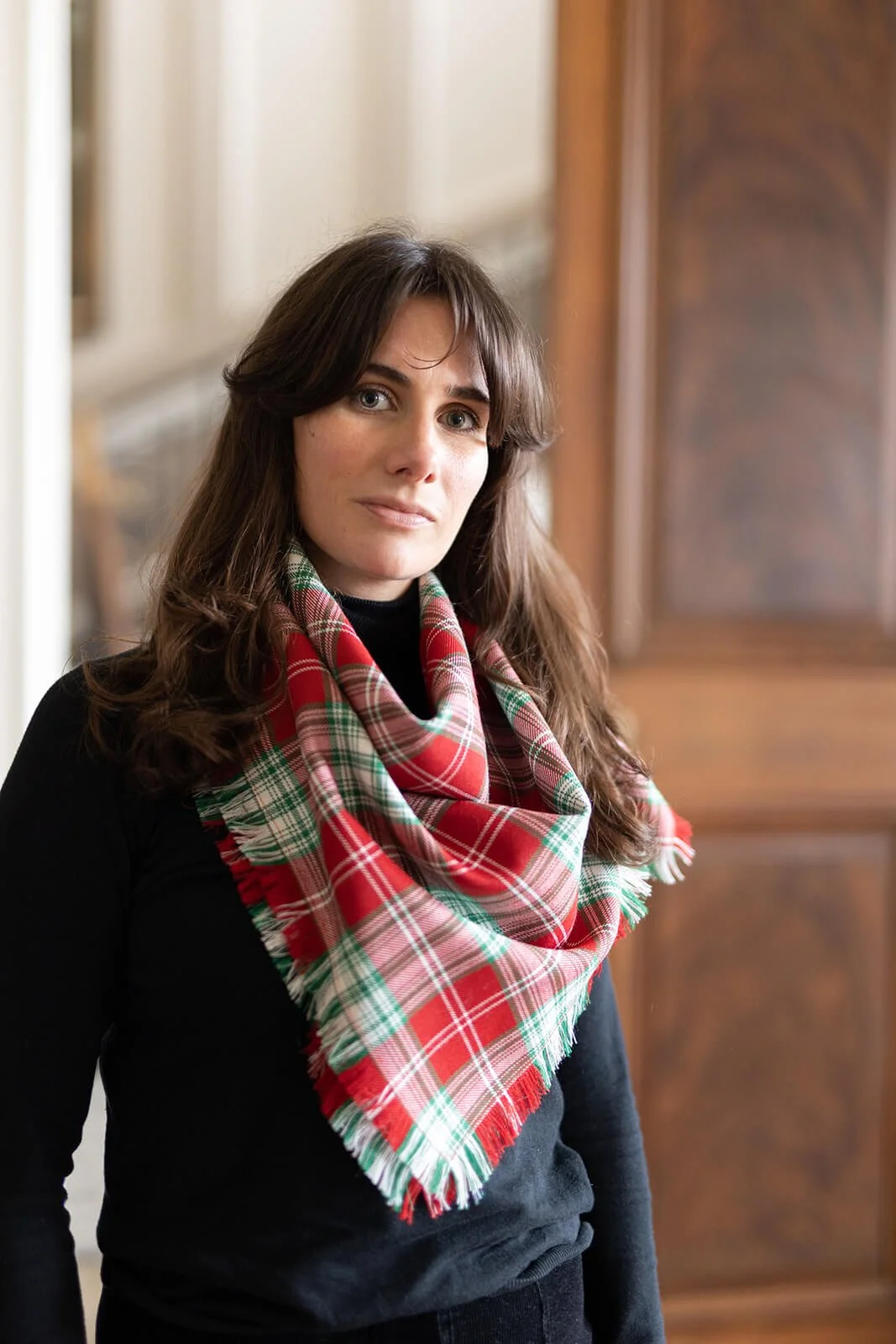
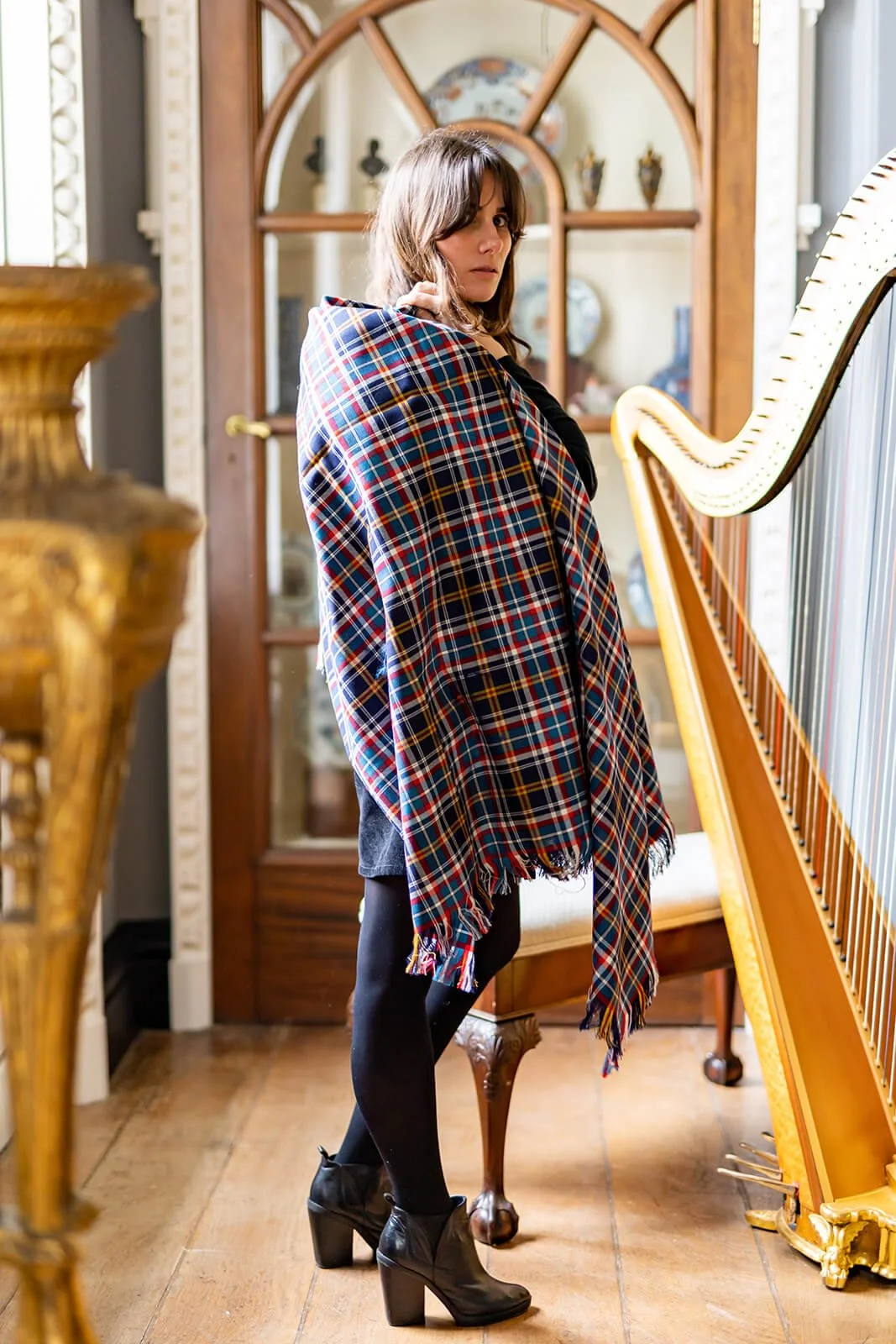
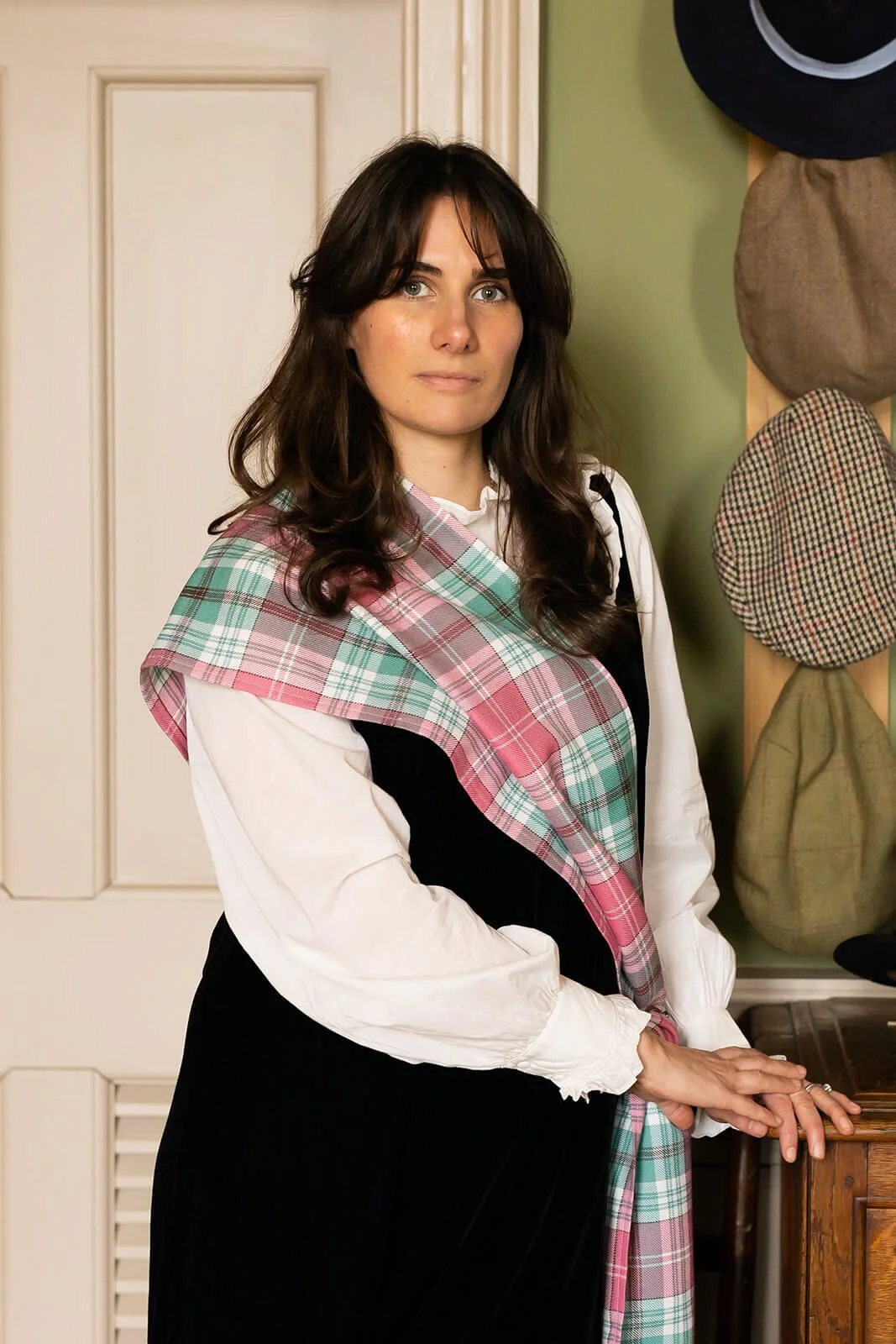
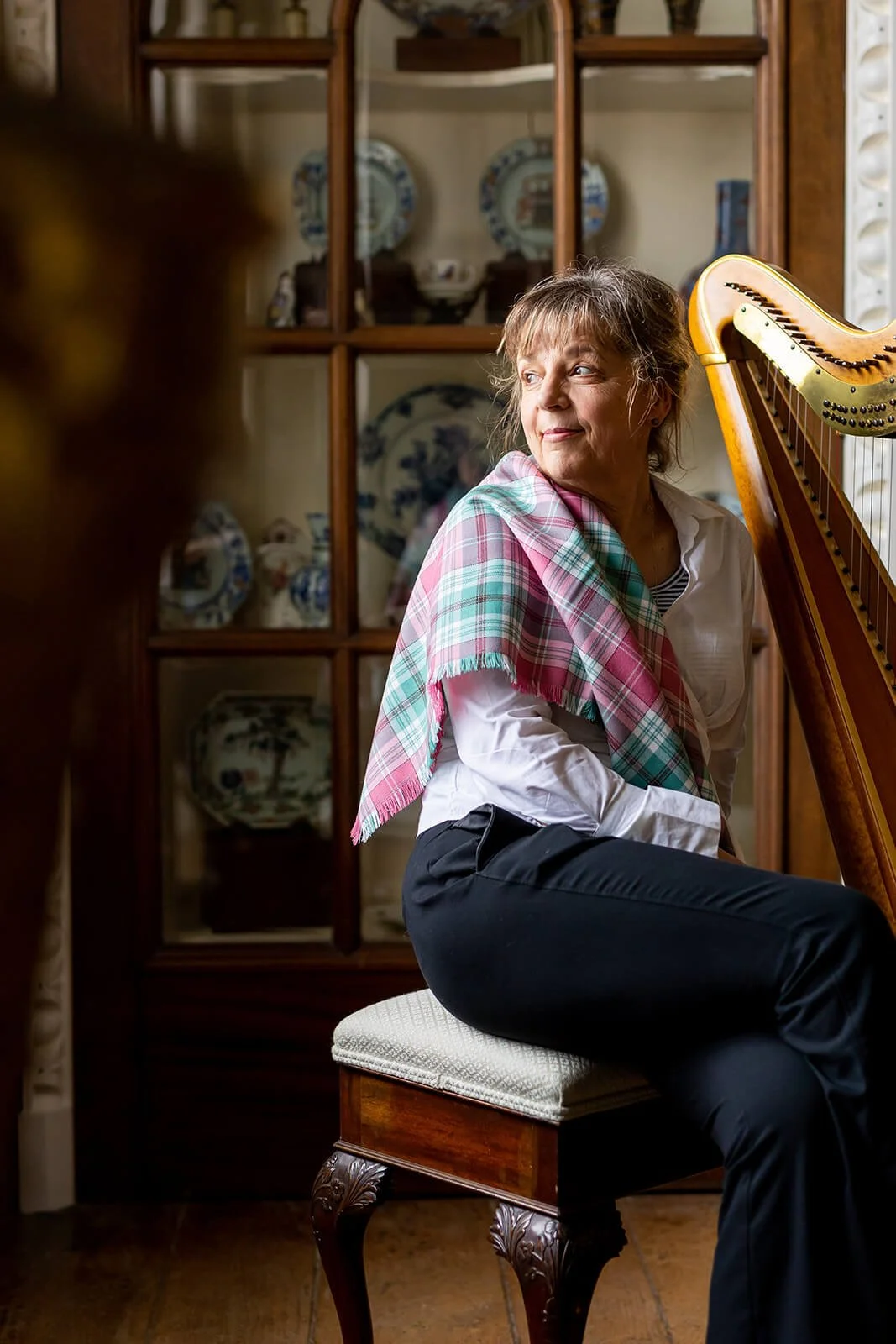
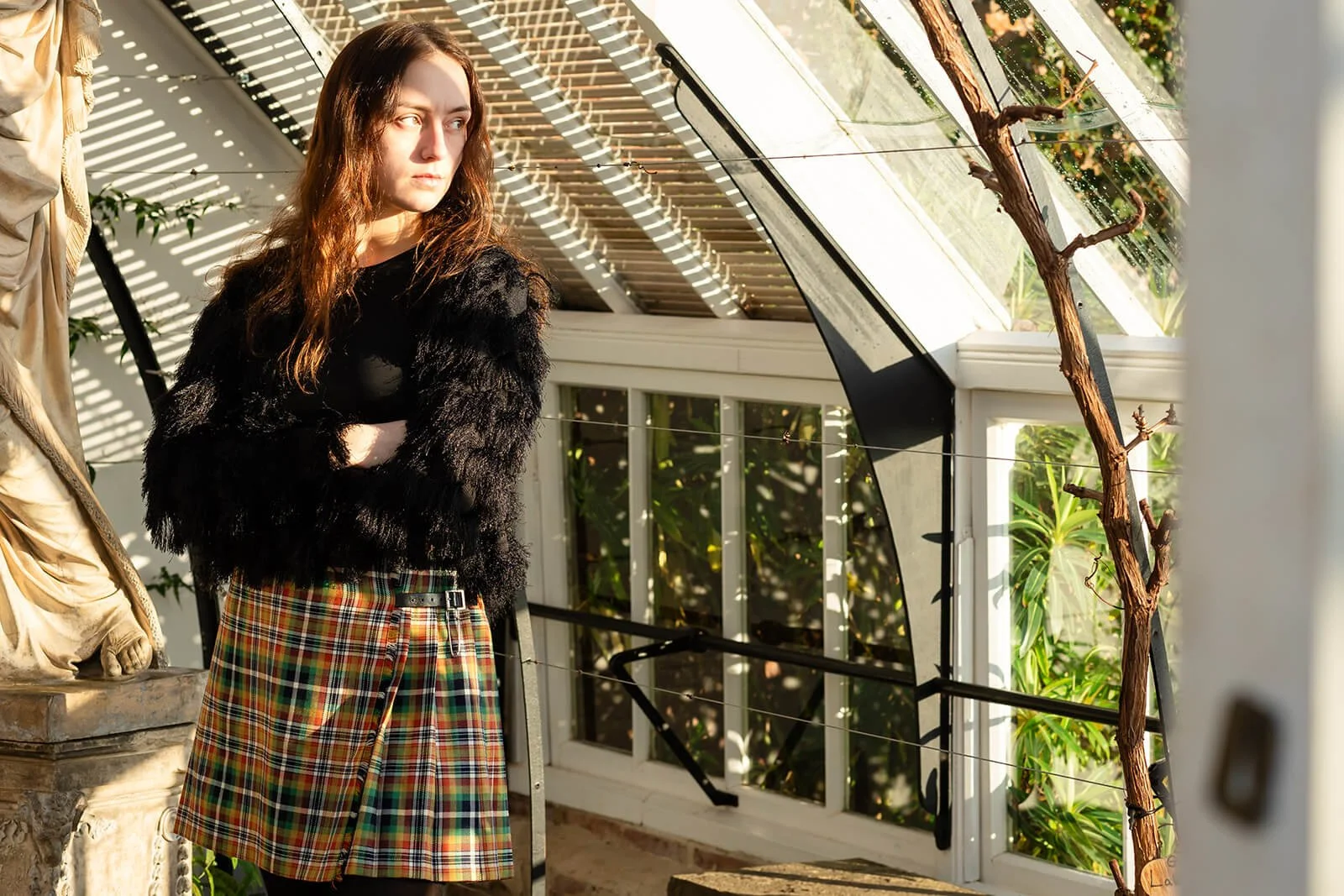
Beyond the studio and workshop, iTartans’ photography also included two on-location sessions at Marchmont House — one in the main house and one in the Glasshouses.
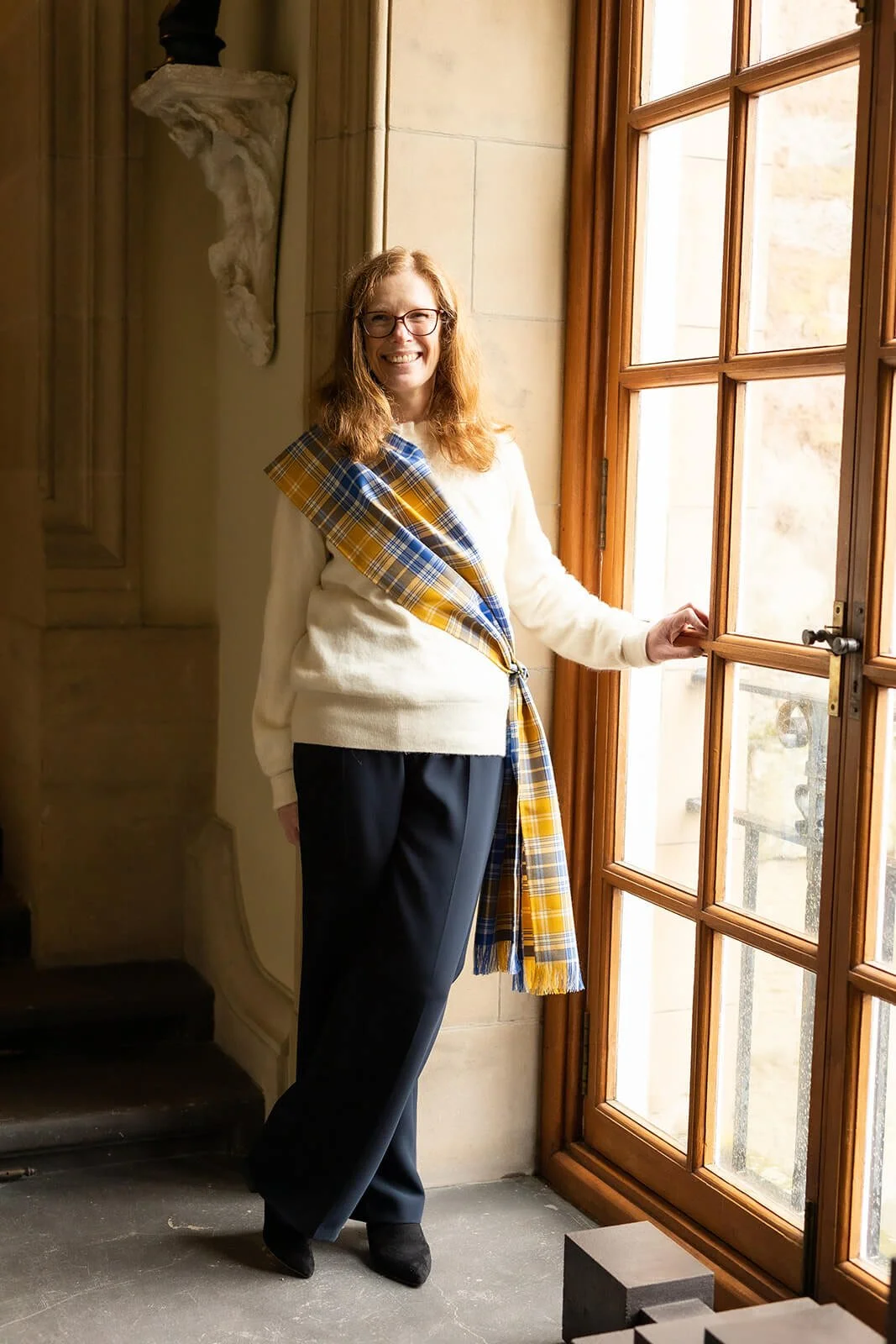
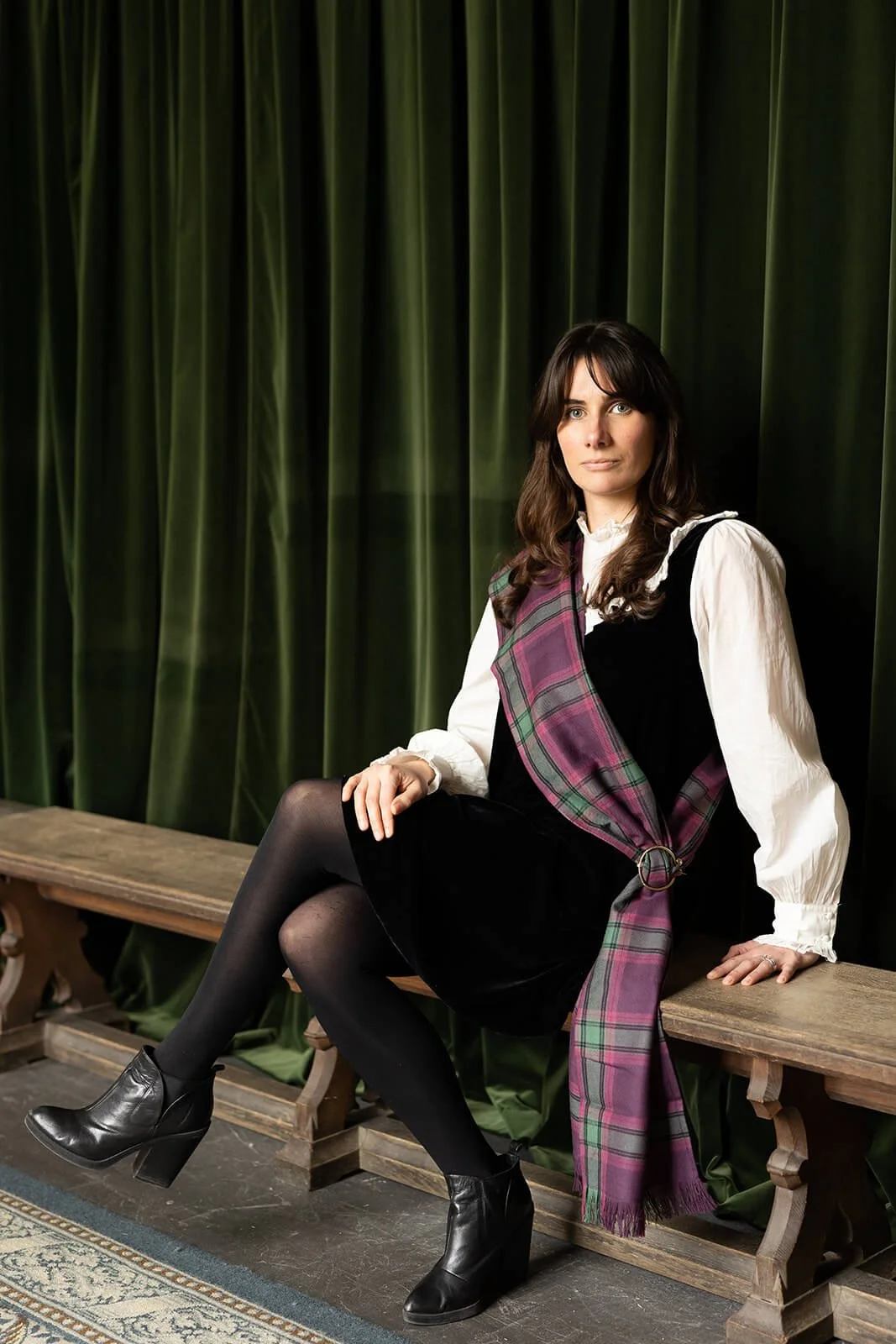
Here, the emphasis shifted again. These sessions weren’t focused purely on products or process, but on atmosphere and narrative. The setting added scale, heritage, and a sense of place that supported the wider story iTartans wanted to tell.
What mattered just as much was who appeared in the images. Rather than using external models, the makers and students themselves stepped into the frame. For many, this was their first experience being photographed in this way — and it became something more than a shoot. It was a confidence boost, a genuinely enjoyable day out, and a chance to see themselves as part of something bigger.
Using real people in meaningful locations adds depth that can’t be staged. Historic buildings, landscapes, and community spaces quietly reinforce values and purpose — while involving the people behind the work builds connection, pride, and a stronger sense of team..

International Tartans Branding shoot at Marchmont House
Brand Photography vs Studio Photography: What’s the Real Difference?
At first glance, brand photography and studio photography can look quite similar — especially when they’re showing the same products. Both can be used on websites and social media, and both can look professional. But they do very different jobs.
Studio photography is about clarity and consistency. It’s created in a controlled environment, where lighting, background and framing stay the same from image to image. That makes it ideal for products and portraits where accuracy really matters. Studio images tend to feel clean, calm and dependable, which is why they work so well for e-commerce, printed materials and anything that needs to sit neatly within an existing brand.
Brand photography, on the other hand, is about context and connection. It’s photographed in real spaces and shows people, process and place alongside the subject itself. Instead of isolating something from its surroundings, brand photography includes them on purpose. The result feels more human and more informative — it shows not just what you do, but how you do it, the scale of what you make, and what it might feel like to work with you.
Where studio photography creates a solid foundation, brand photography builds on it with story and atmosphere. One provides structure; the other adds depth.
For many organisations, including International Tartans, the most effective approach isn’t choosing one over the other. It’s understanding what each is for — and using them together so your images work harder across different platforms, audiences and moments in time.

International Tartans Queen of Scots Tartan in our Studio in Berwick-Upon-Tweed
Brand Photography vs Studio Portrait Photography: A Simple Comparison
Studio Photography
Controlled lighting
Neutral plain or on brand backgrounds
Ideal for products and portraits
Clean, consistent, and repeatable
Works well for websites, catalogues, and print
Brand Photography
Shot in real locations
Includes people, process, and environment
Adds personality and context
Supports storytelling and connection
Ideal for social media, marketing, and editorial use
For International Tartans, the most effective approach wasn’t choosing one over the other — it was using both together.

Photography of International Tartans Products at Marchmont House
Why Working with a Local Photographer Mattered
International Tartans also made a conscious decision to work with someone local.
There’s a real advantage to working with a photographer who has a studio nearby. It keeps travel costs down, makes it easier to plan shoots at shorter notice, and allows for a more flexible approach overall. A local photographer also understands the area — not just geographically, but culturally too. The way the light behaves along the coast, how quickly the weather can shift, and when it’s best to adapt rather than push on.
Because I’m based in Berwick-upon-Tweed, planning sessions across the studio, Eyemouth and Marchmont House didn’t require rigid schedules or extensive location scouting. We could work with the light, adjust timings, and let the day unfold naturally.
That local knowledge also helped when choosing locations. Rather than relying on generic backdrops, we selected places that genuinely suited iTartans — calm, characterful spaces with a strong sense of place.
For organisations working across Northumberland and the Scottish Borders, this kind of familiarity often makes the whole process feel easier, more relaxed, and far more collaborative.
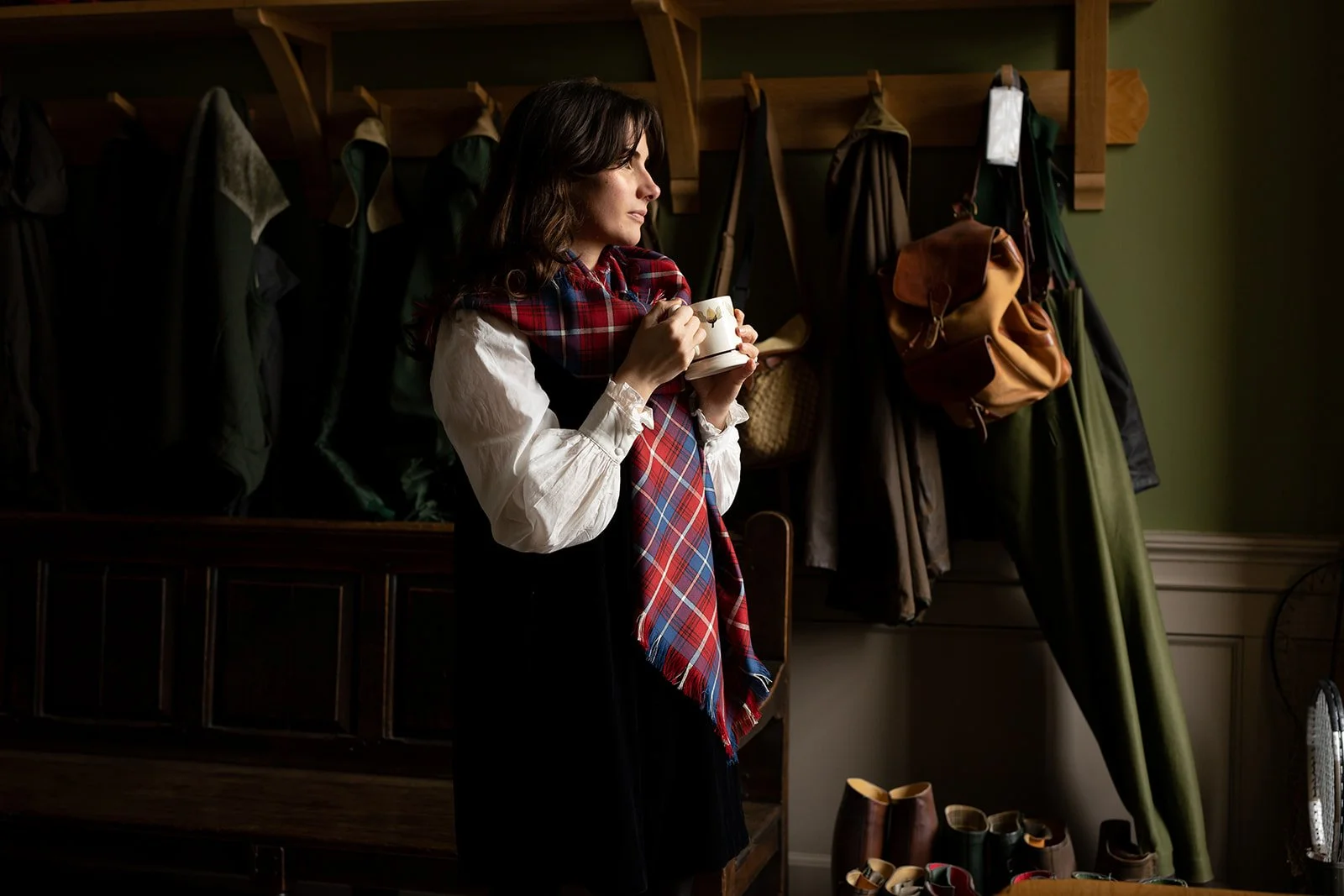
International Tartans Branding shoot inside Marchmont House in The Scottish Borders
How I Work – Quietly, Naturally, and With You in Mind
One thing clients often tell me is how calm the whole process feels — and how little it feels like a photoshoot.
I’ve been behind the camera for nearly two decades, and I’ve learned that the best images tend to happen when people forget they’re being photographed. When there’s no pressure to perform, no stiff posing, and no sense of being “done to”.
My role is to help you feel at ease, keep an eye on the light, and gently guide things as we go — without turning it into a photoshoot with a capital P.
I won’t ask you to force a smile or hold an awkward pose. We’ll chat, move around, take our time, and let things unfold naturally. The aim is always the same: photographs that feel like you, not a version you’ve had to put on.
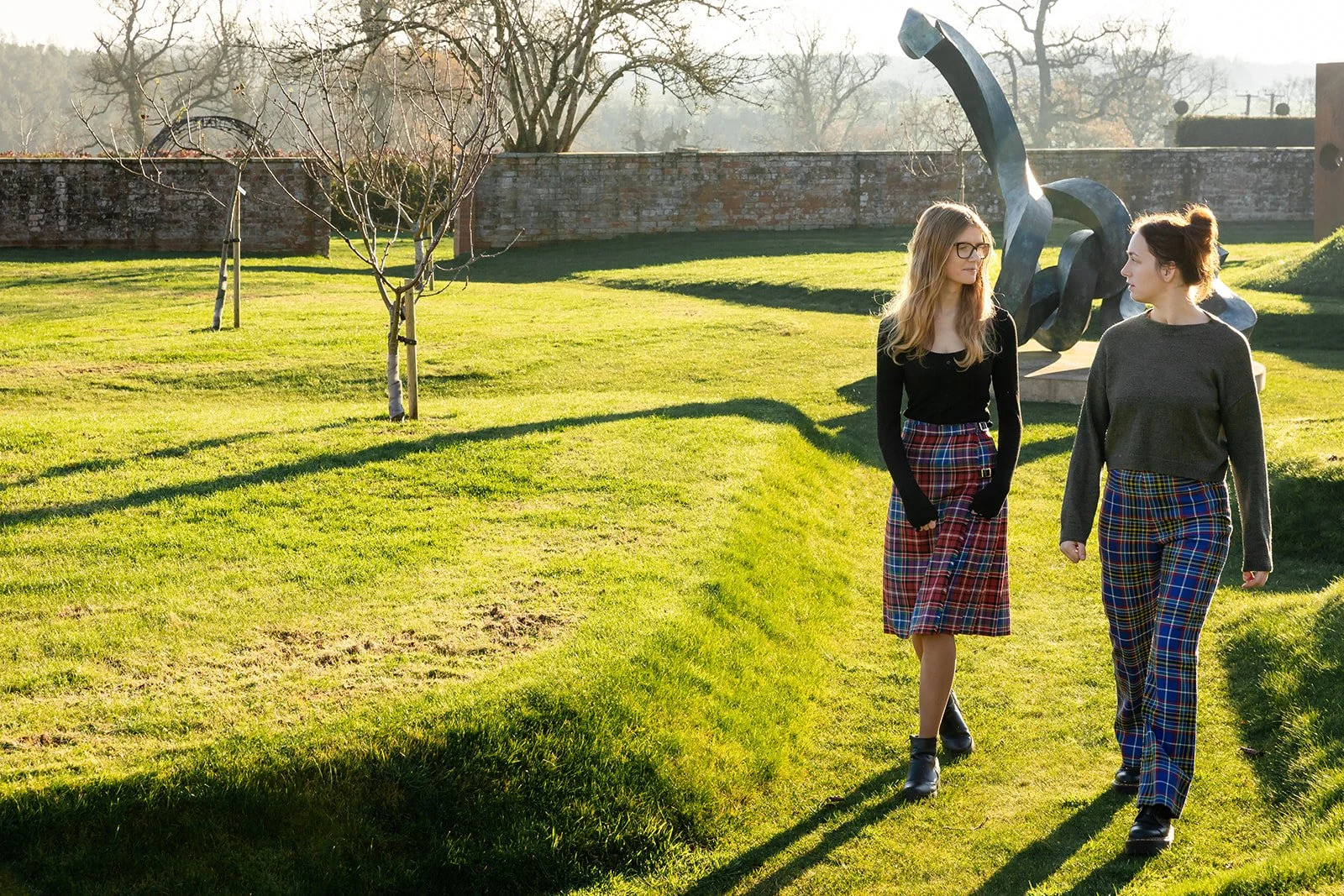
International Tartan Branding shoot at Marchmont House in Greenlaw, Duns
Choosing the Right Approach for Your Organisation
Most organisations don’t fit neatly into one box.
Some need the reliability of studio photography to create a clear, consistent starting point. Others lean more on brand photography to show values, process and personality. Often, the right approach sits somewhere in the middle — and it can shift over time as the organisation grows and changes.
The important thing is being clear about how your images will be used and what they need to do. When photography is planned with purpose, rather than chosen by default, it becomes far more useful and far more effective.
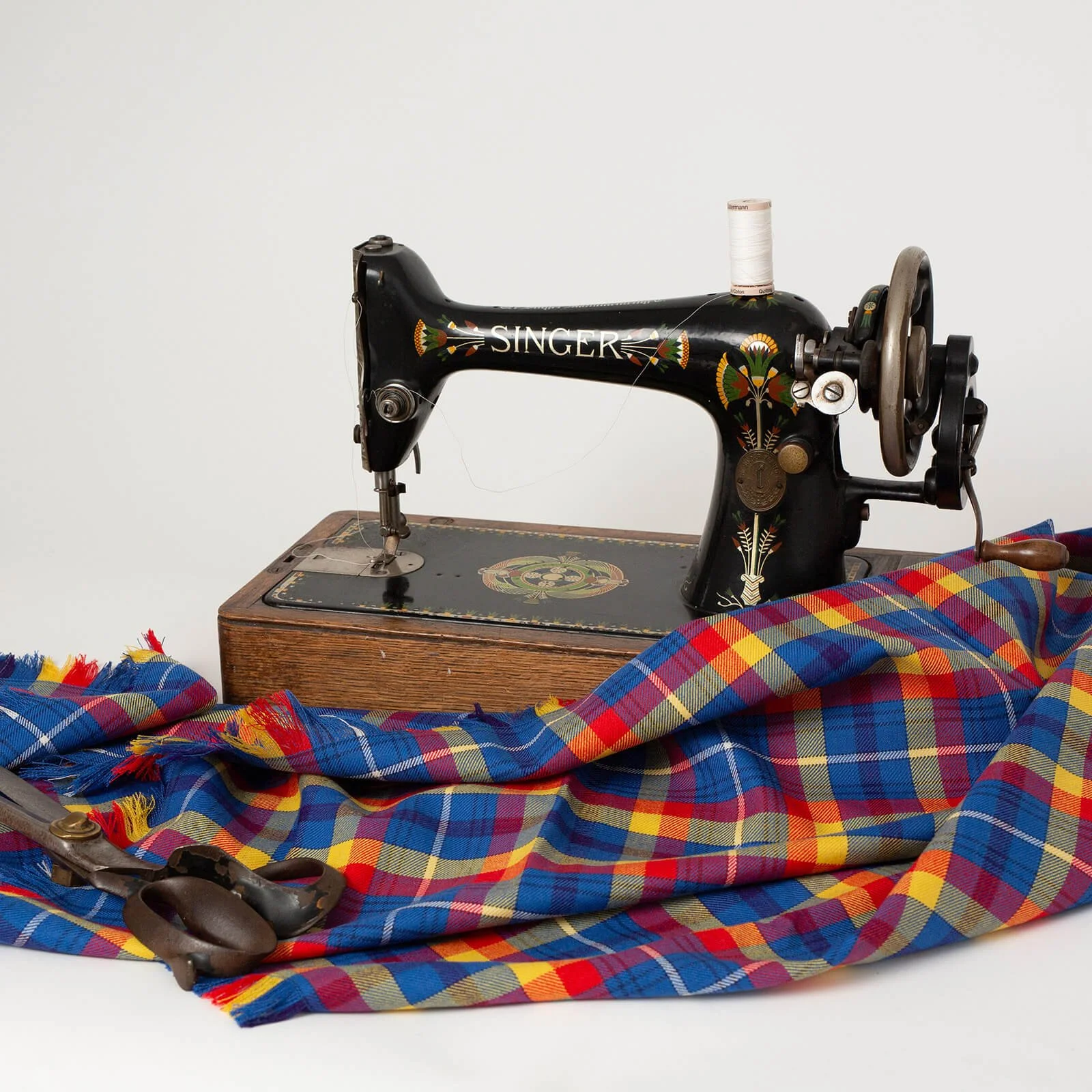
International Tartans Branding Photoshoot in Our Studio in Berwick-Upon-Tweed
Thinking About Booking a Photography Session?
If you’re unsure whether studio photography, brand photography, or a combination of the two would suit your organisation best, a short conversation can really help.
Every project is different. The most useful approach depends on what you need your images to do — now and as your organisation grows.
If you’d like to talk things through, you’re very welcome to book a call here
You may also find this helpful:
How to Prepare for a Branding Shoot
Which of These 7 Types of Product Photography is Best for Your Business?