Photography Copyright UK Explained: Who Owns Your Photos and How Image Licences Work.
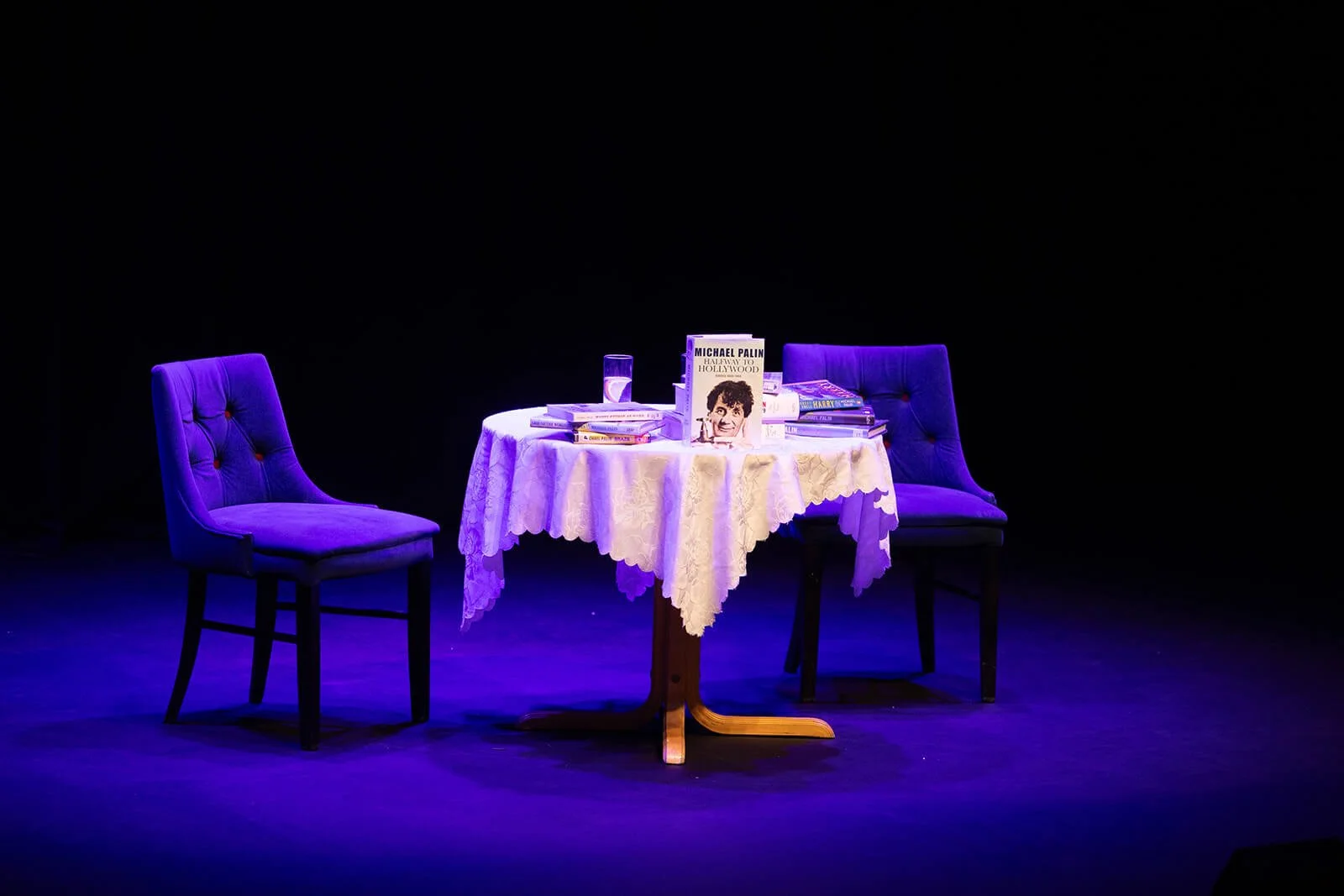
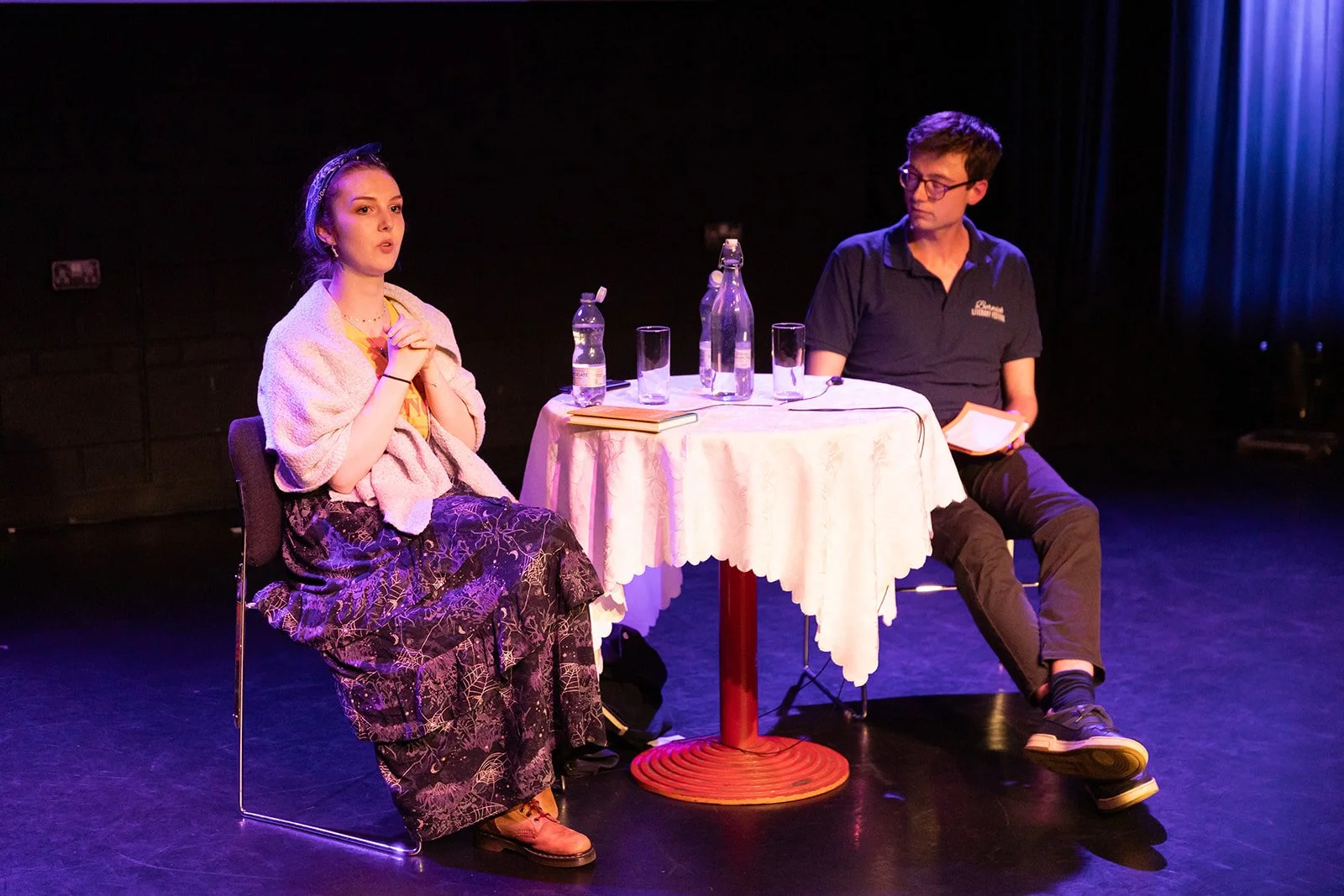
Interview setup at The Maltings for Berwick Literary Festival
If you’ve ever commissioned professional photography for your business or event, you may have wondered something surprisingly common:
Who actually owns the photos?
It’s a question that comes up regularly with brand photography clients here in Northumberland and Berwick-upon-Tweed. You’ve invested in the shoot, the planning, and the final images - so naturally, it can feel like the photos should belong to you completely.
But under UK copyright law, things work a little differently.
Understanding photography copyright in the UK doesn’t have to be complicated. Once you understand the basics - particularly what an image licence means - it becomes much clearer how you can use your photos confidently across your website, marketing, and social media.
Photography Copyright UK: Who Owns the Photos?
Under UK copyright law, the photographer automatically owns the copyright to the images they create. This happens the moment the photograph is taken — no paperwork required.
A simple way to think about it is like buying a book. When you purchase a book, you own the physical copy, but you don’t own the copyright to the story. The author still controls how it can be reproduced or distributed.
Photography works in much the same way.
When you hire a photographer:
You receive the images themselves
But the copyright remains with the photographer
This is standard practice across the creative industries and is written into UK copyright law.
Rather than transferring copyright entirely, photographers provide something called a licence.
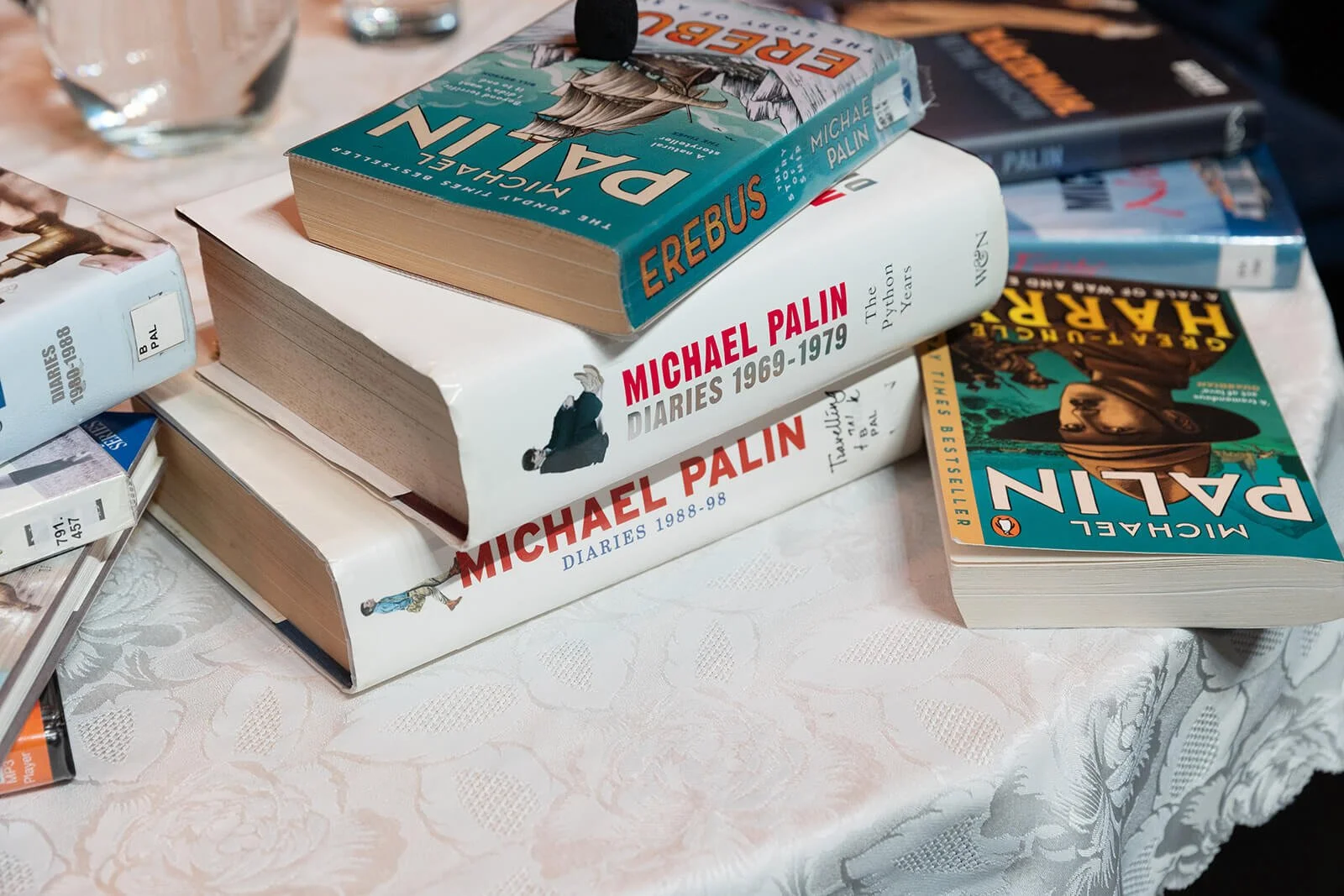
Berwick Literary Festival event photography used under commercial photography copyright UK
Photography Copyright UK: What an Image Licence Means
An image licence simply sets out how you’re allowed to use your photos.
For business clients, this usually covers things like:
Website use
Social media
Press features
Marketing materials
Print advertising
Brochures or packaging
The licence gives you legal permission to use the images for your business, while the photographer retains copyright as the creator.
Photography Copyright UK: What You Can Do With Your Images
With a typical commercial photography licence, businesses can comfortably use their images in most marketing contexts.
For example, you can usually:
Add photos to your website
Share them on social media
Include them in press coverage
Use them in brochures, advertising, or marketing materials
Print them for office displays or promotional materials
In practice, this means your portfolio of images becomes a core visual asset for your brand.
If you’ve invested in professional photography for your website,headshots, or product photography, the licence allows you to use those images wherever your business needs them.
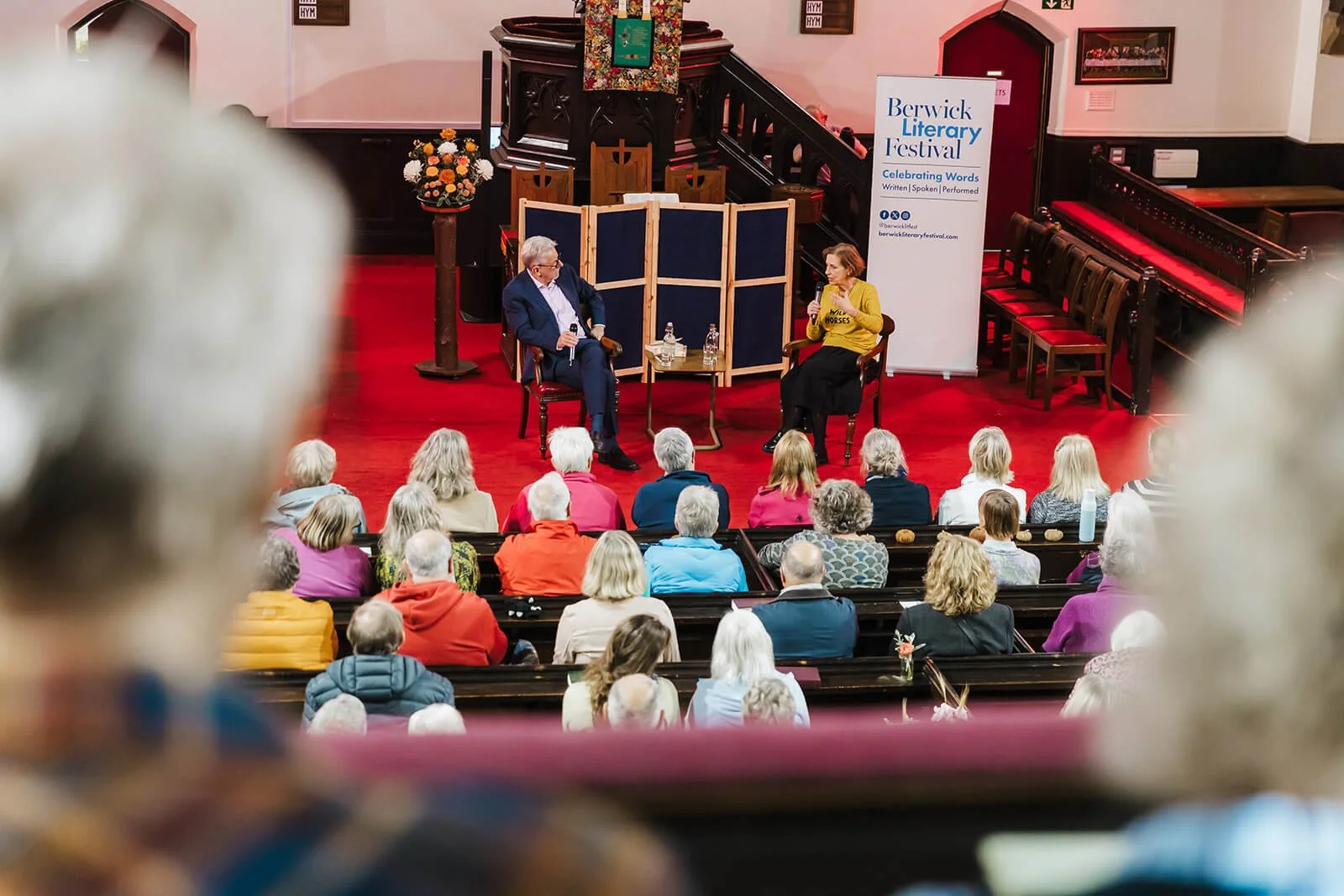
Images photographed for Berwick Literary Festival and used across marketing, press, and editorial with clear licensing agreements in place.
Photography Copyright UK: What You Can’t Do Without Permission
While licences are usually very flexible, there are a few things that typically require additional permission.
These include:
Selling the images to third parties, for example:
Stock photography libraries
Media outlets not connected to your business
Other companies wanting to advertise with the image
Allowing another business to use your images
If another company wants to use one of your photos for their own marketing, they would need permission from the copyright holder.
Editing or significantly altering the images
This is a common question. Small practical adjustments may be fine, but heavier edits — such as strong filters or changes that alter the look of the original photograph — should always be discussed first.
Professional photography is a creative work, and maintaining the integrity of that work helps protect both the photographer’s reputation and the quality of your brand imagery.
Photography Copyright UK: Why Copyright Protects Both Photographer and Client
Copyright isn’t about restricting how you use your photos.
In reality, it protects both sides of the creative process.
For photographers, copyright ensures their work isn’t reused or sold without permission.
For clients, licences provide something equally important: clarity.
You know exactly:
what you can use the images for
where they can appear
how long you can use them for
For businesses investing in professional brand photography, that clarity and security are incredibly valuable.
Real-World Example: How Image Licensing Works in Practice
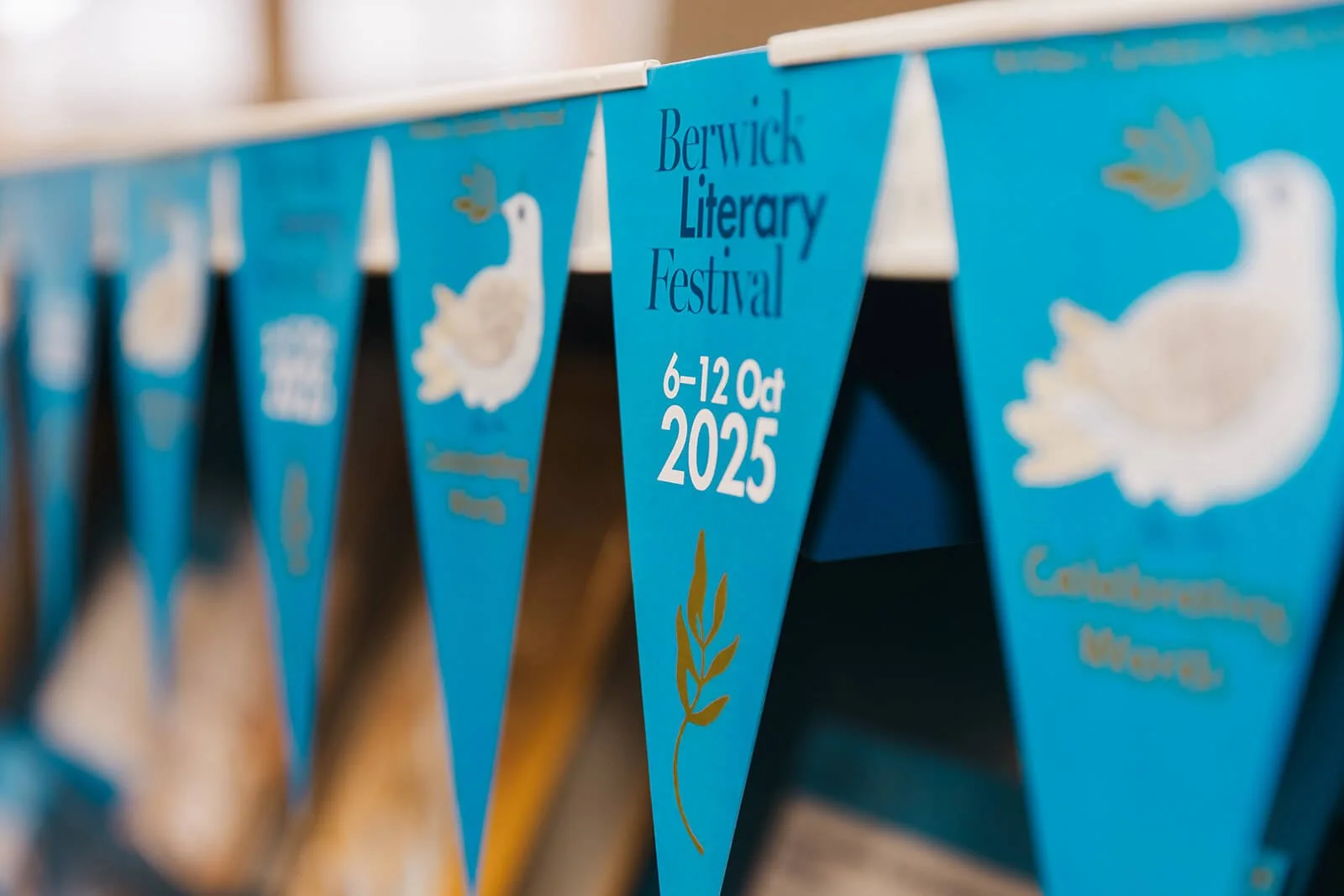
Festival bunting during Berwick Literary Festival events
Working with events like Berwick Literary Festival each year is a good example of how image licensing works in practice.
Across the festival, I’ve photographed a range of speakers and events, including conversations with Michael Palin, Kirsty Wark, and Damian Barr, as well as previous work with the Poet Laureate and Len Pennie.
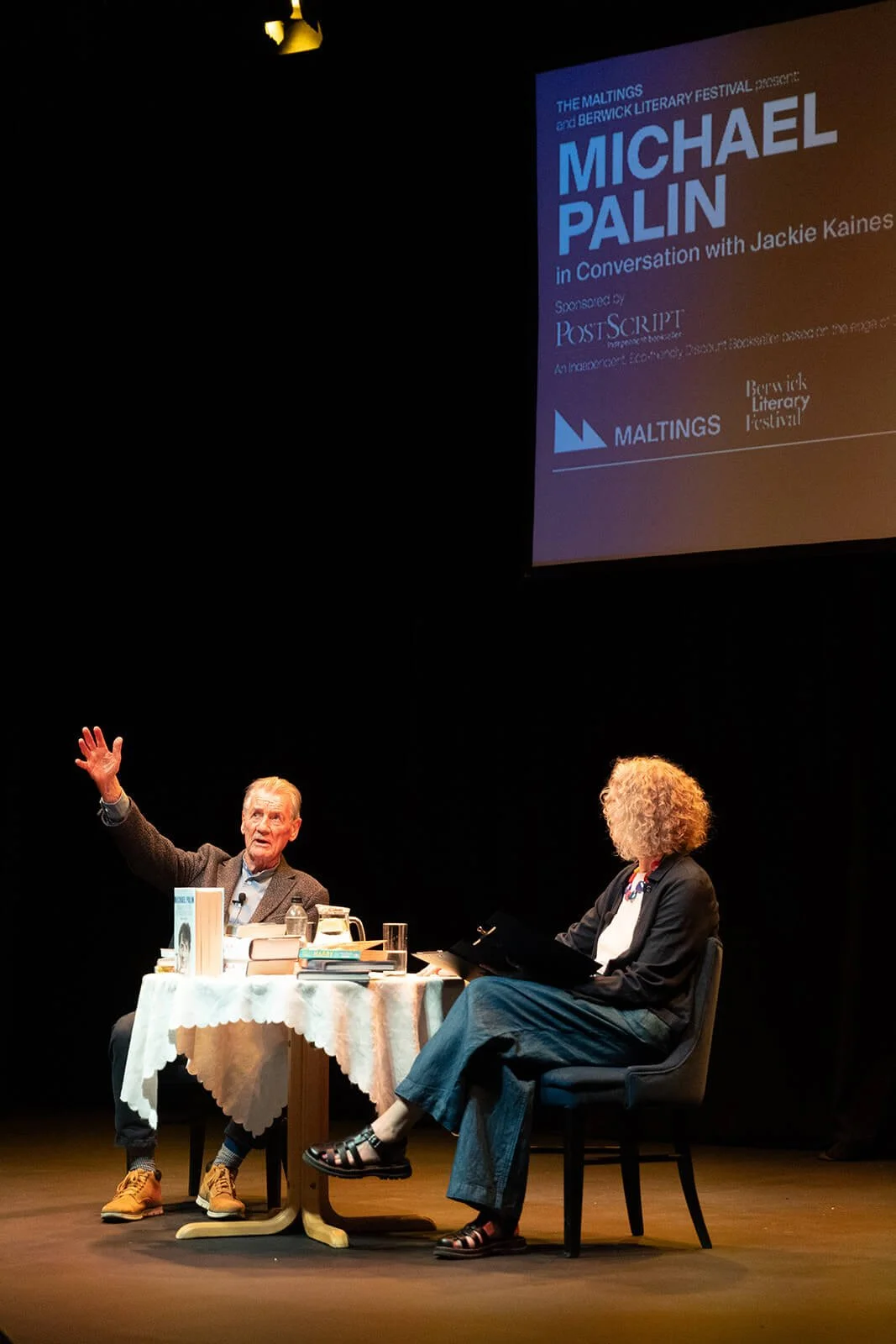
Michael Palin in conversation at The Maltings
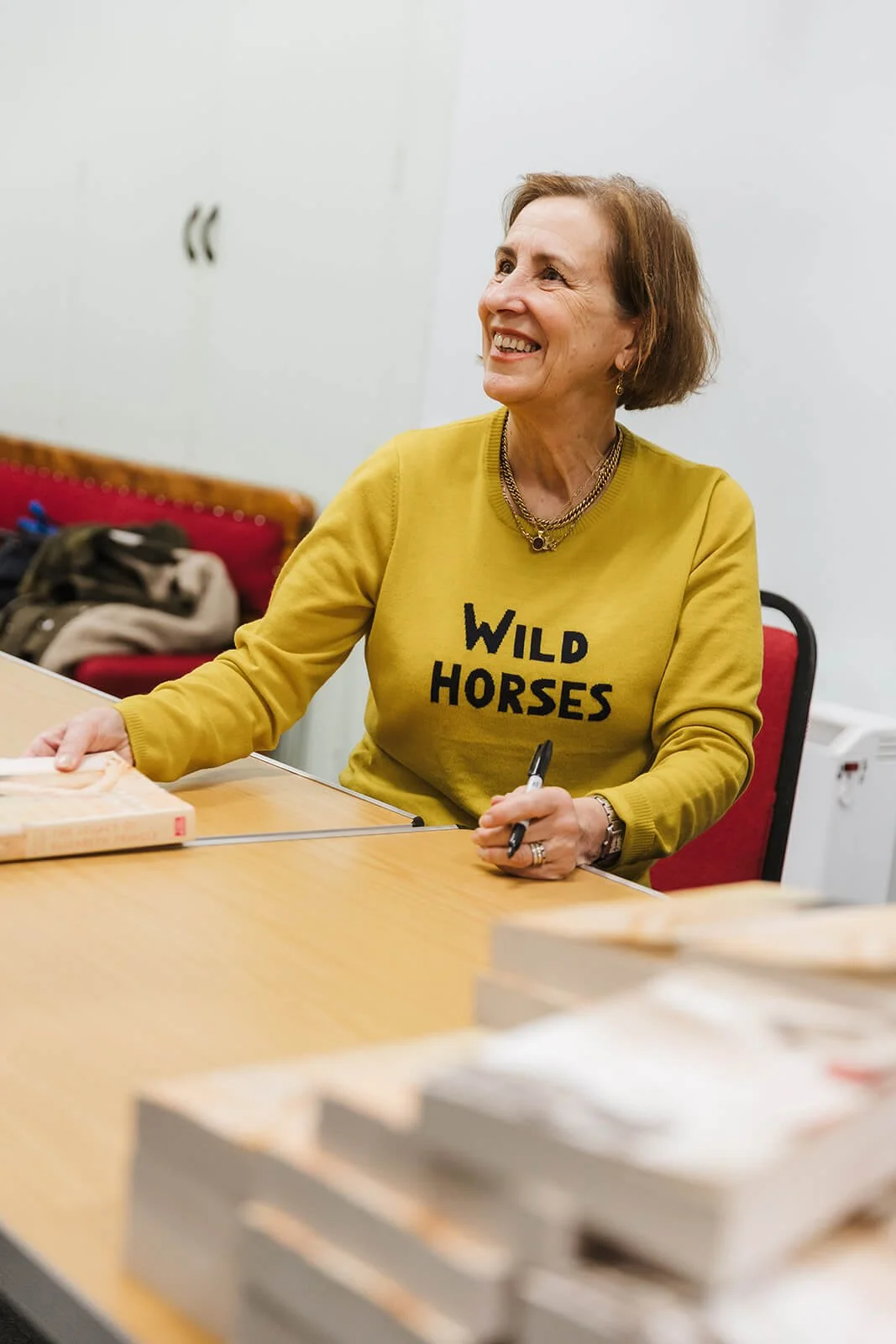
Kirsty Wark book signing at Berwick Literary Festival
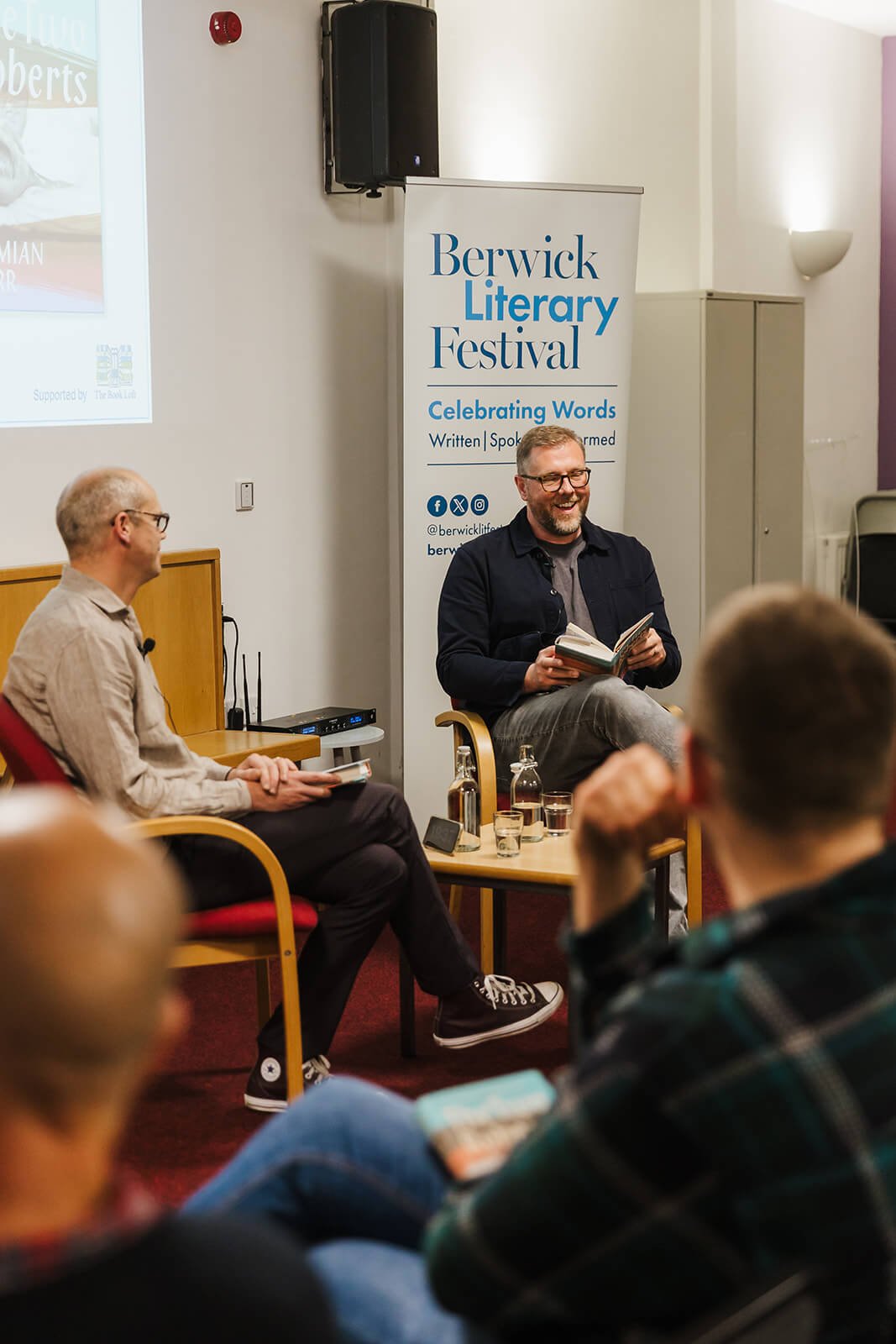
Damian Barr discussing his work at Berwick Literary Festival
Each of these situations involves slightly different considerations when it comes to image use.
For example:
Images may be used for festival marketing and promotion
Shared with press and media outlets
Included in editorial coverage or future campaigns
Because of this, clear licensing and contracts are essential. They ensure everyone understands how the images can be used, where they can appear, and who has permission to share them.
From the client’s perspective, this means they can confidently use the images across multiple platforms without uncertainty. From a photographer’s perspective, it ensures the work is used appropriately and professionally.
It’s a good example of how photography copyright in the UK works in real-world situations — not as a restriction, but as a way of creating clarity for everyone involved.
Len Pennie poetry reading photographed for festival marketing under photography copyright UK
Maltings
Photography Copyright UK: FAQs
Can I print my photos myself?
Yes.
Your licence allows you to print images for your business, whether that’s marketing materials, framed prints, or promotional displays.
Can my designer use the photos in a brochure or website?
Yes.
If a designer is working on behalf of your business, they can use the images within your licence for brand materials such as websites, brochures, or advertising.
Can the photographer sell my images to someone else?
No.
Professional photographers will not license your commissioned images to another business without permission. Your images remain connected to your brand and project.
Do I need to credit the photographer?
Credit is required as part of the licence. Where images are reproduced in print or online, credit should be given to Pictorial Photography, ideally with a hyperlink back to the website.
This helps support creative work and ensures images are used professionally.
Can I edit the photos myself?
Generally, it’s best to discuss edits first.
This helps ensure any changes still reflect the intended look and quality of the original photography. Most photographers are happy to help with adjustments when needed.
A Final Thought on Photography Copyright UK
Understanding photography copyright in the UK doesn’t need to feel complicated.
In reality, photography copyright in the UK is simply about making sure that:
photographers retain ownership of their creative work
clients receive clear, flexible rights to use their images
And that makes professional photography a much stronger long-term investment.
Have Questions About Image Licensing?
If you’re planning brand photography or want to understand how image licensing works for your business, feel free to get in touch.
Questions about copyright and image usage are always welcome - and it’s always better to clarify things before a shoot.