Consistent product photos: how to make your product photos cohesive.

Jarvis Pickle Pies at the Edinburgh fringe festival
There’s something instantly reassuring about a brand that looks put together.
You might not always be able to explain why one product stands out over another, but more often than not, it comes down to how consistent the visuals feel. The lighting, the colours, the setting… it all quietly works together.
If your product photos currently feel a little mismatched or “different every time”, you’re not alone. It’s one of the most common things I see when working with food sellers and handmade businesses.
And the good news is, it’s very fixable.
In this blog, I’ll walk you through what consistent, cohesive product photos actually mean, why they matter, and how you can start creating them in a way that feels natural and achievable for your business.
Consistent, cohesive product photos: what are they?
At its simplest, consistent, cohesive product photos are images that feel like they belong together.
They don’t look like they’ve been taken on completely different days, in different rooms, with different lighting and moods. Instead, they tell one clear visual story.
That consistency usually comes from a few key elements:
Lighting that feels the same across every image
Colour tones that don’t clash or shift dramatically
Backgrounds and surfaces that stay within the same style
Styling choices that reflect your brand (not just what’s available at the time)
One of the biggest things I always recommend is keeping your shoots in the same room or location wherever possible. It might sound simple, but it makes a huge difference.
Natural light behaves differently in every space. Even moving from one room to another can completely change the feel of your images. By keeping things in one consistent environment, you remove that variation straight away.
I also tend to steer clients away from very bright or harsh backgrounds. Softer, more neutral tones are much easier to keep consistent and tend to let the product do the talking rather than competing with it.

Consistent, cohesive product photos: how do they benefit both the photographer and the client?
When your imagery is consistent, everything becomes easier. Not just visually, but practically too.
For you as a business owner, consistent, cohesive product photos help build trust without you having to say a word. When someone lands on your website or Instagram, they immediately get a sense that your brand is thoughtful and established.
It creates:
Stronger brand recognition
A more professional first impression
A smoother customer journey (nothing feels disjointed or confusing)
More confidence in your product quality
From my side as a photographer, consistency means I can create a much more refined and intentional set of images for you.
When we shoot in the same location where your product is made or sold, everything feels more authentic. It’s your environment, your light, your space. That naturally brings a level of honesty to the images that’s hard to replicate elsewhere.
It also means we can build on previous shoots. Instead of starting from scratch each time, we’re evolving your visual identity in a way that still feels familiar.
And honestly, that’s where the magic tends to happen.
Consistent, cohesive product photos: real-life examples
Jarvis Pickle Pies
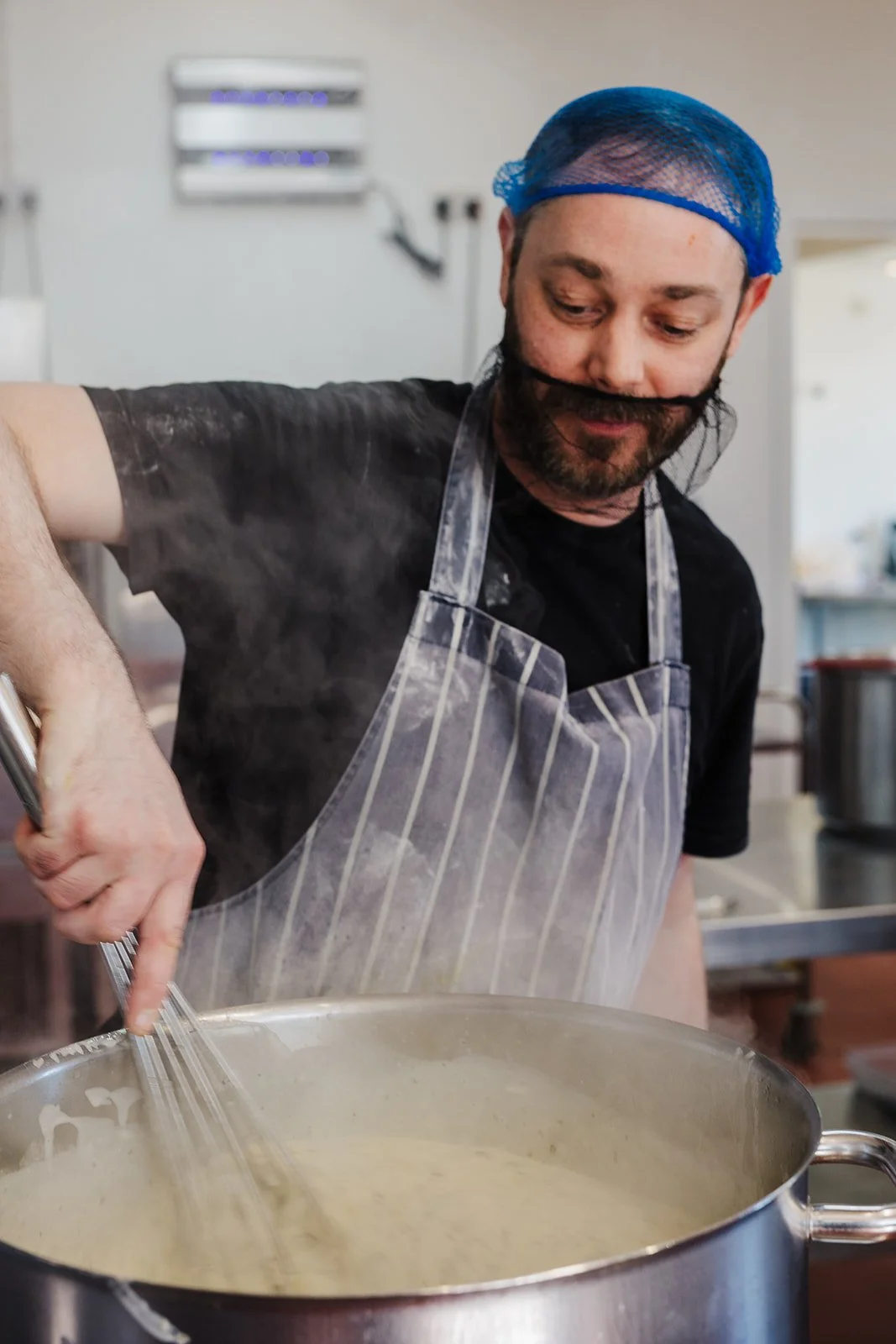
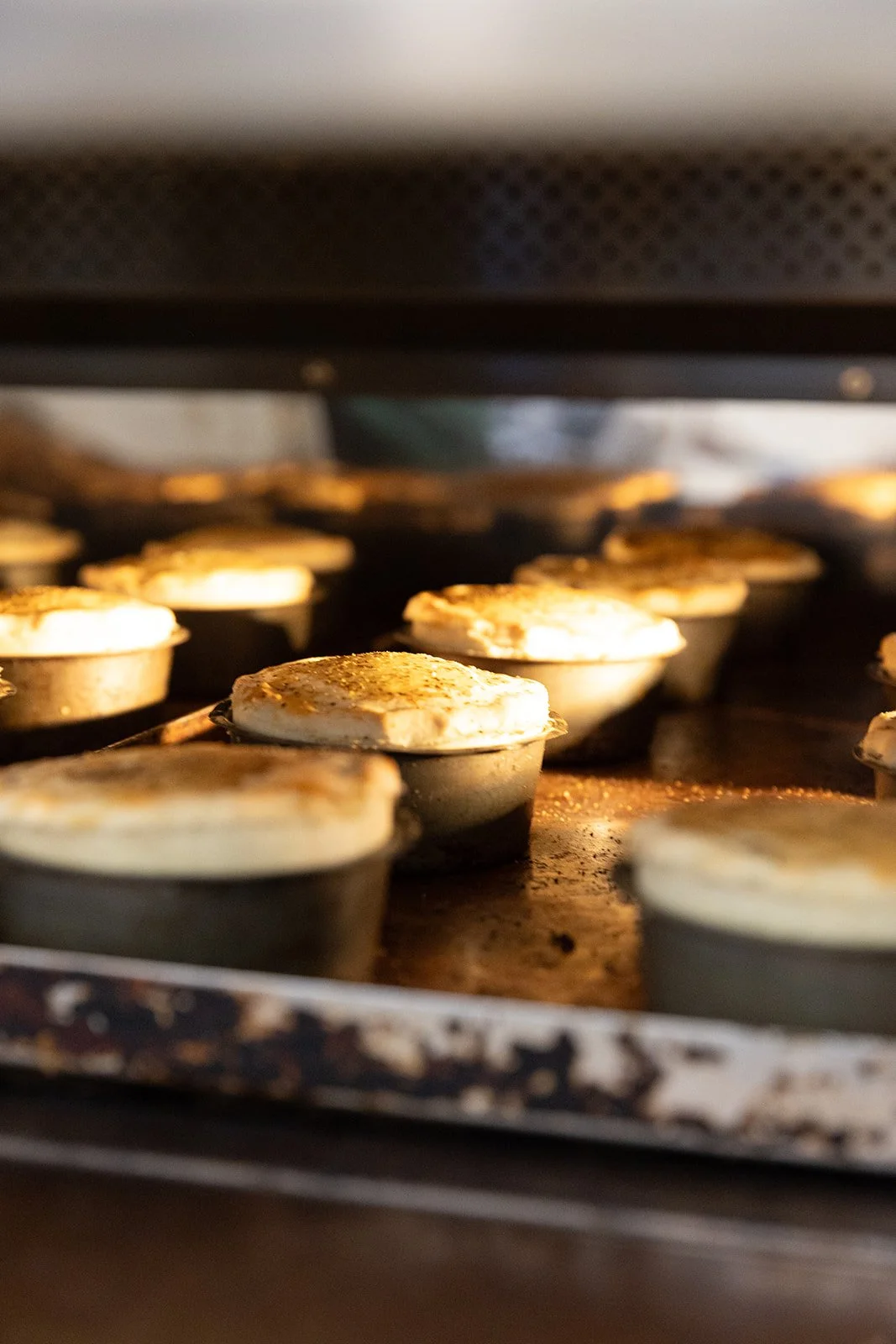
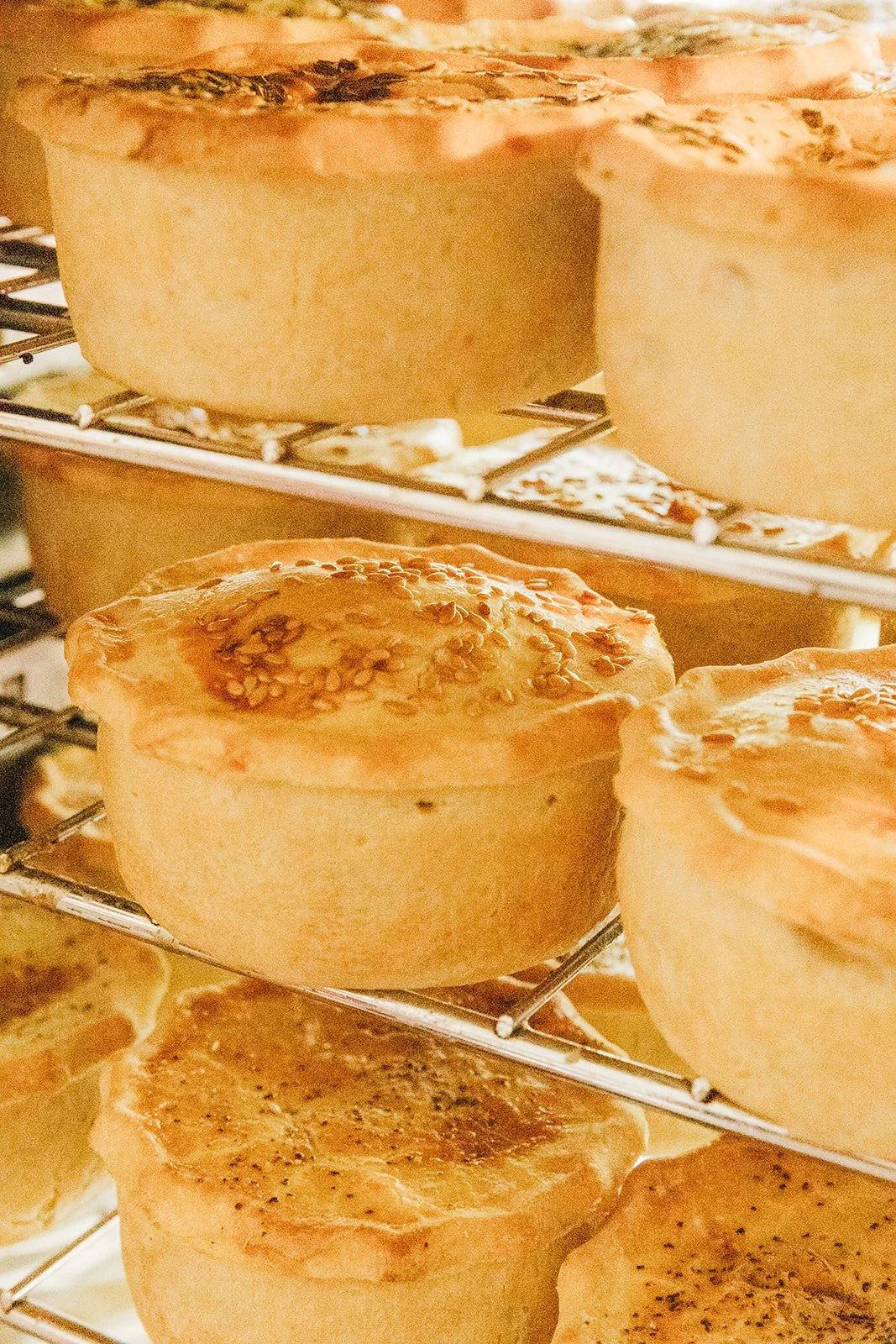
Working with Jarvis Pickle Pies was a really good example of how consistency can shape a brand’s visual identity.
Because the shoot took place where the products are actually made, everything felt grounded from the start. The textures, the surfaces, even the natural light all reflected the reality of the business.
We kept the styling simple and avoided anything too bright or distracting. Softer tones allowed the pies themselves to stand out, while still keeping everything visually connected across the full set of images.
The result was a collection of photos that didn’t just look good individually, but worked together as a whole.
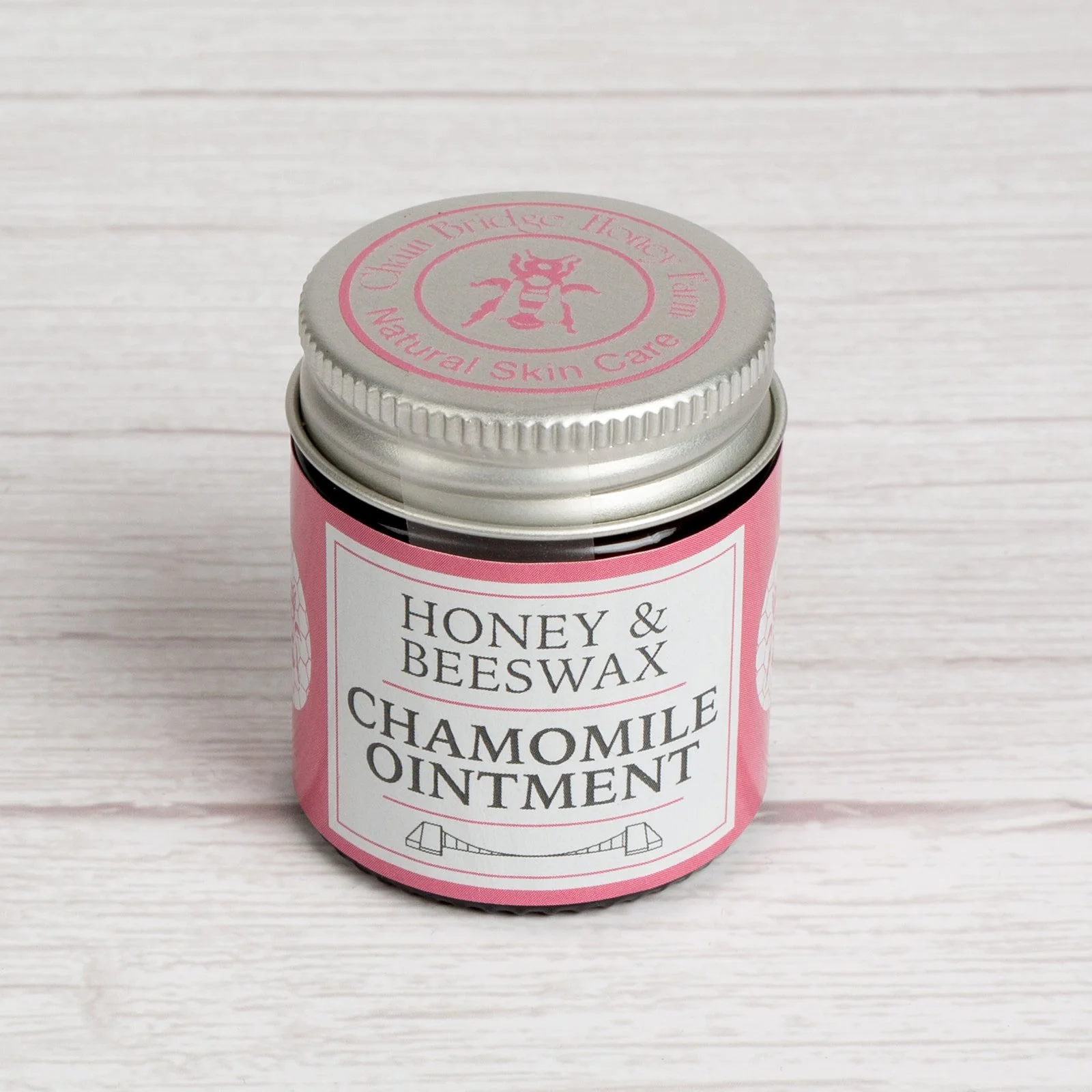
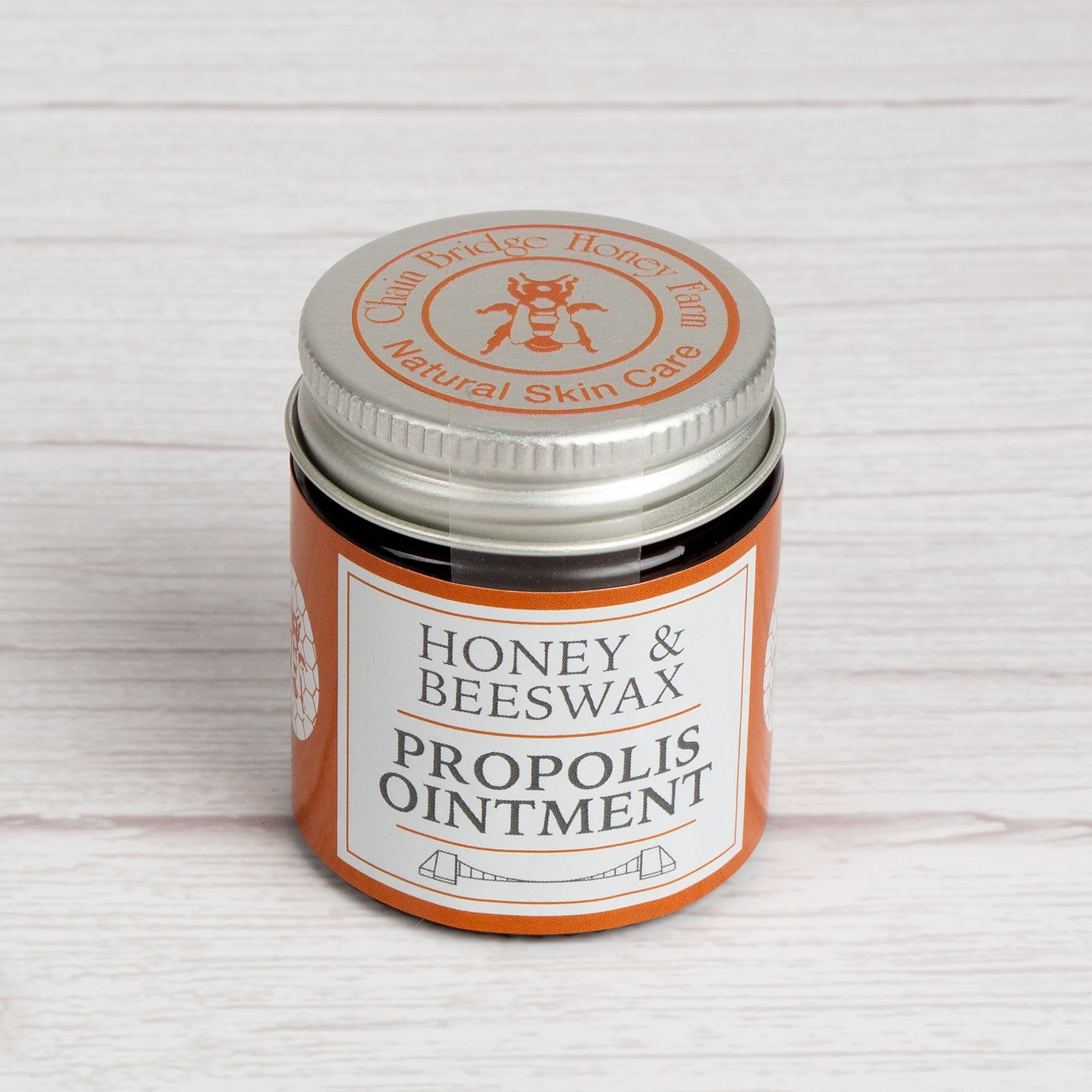
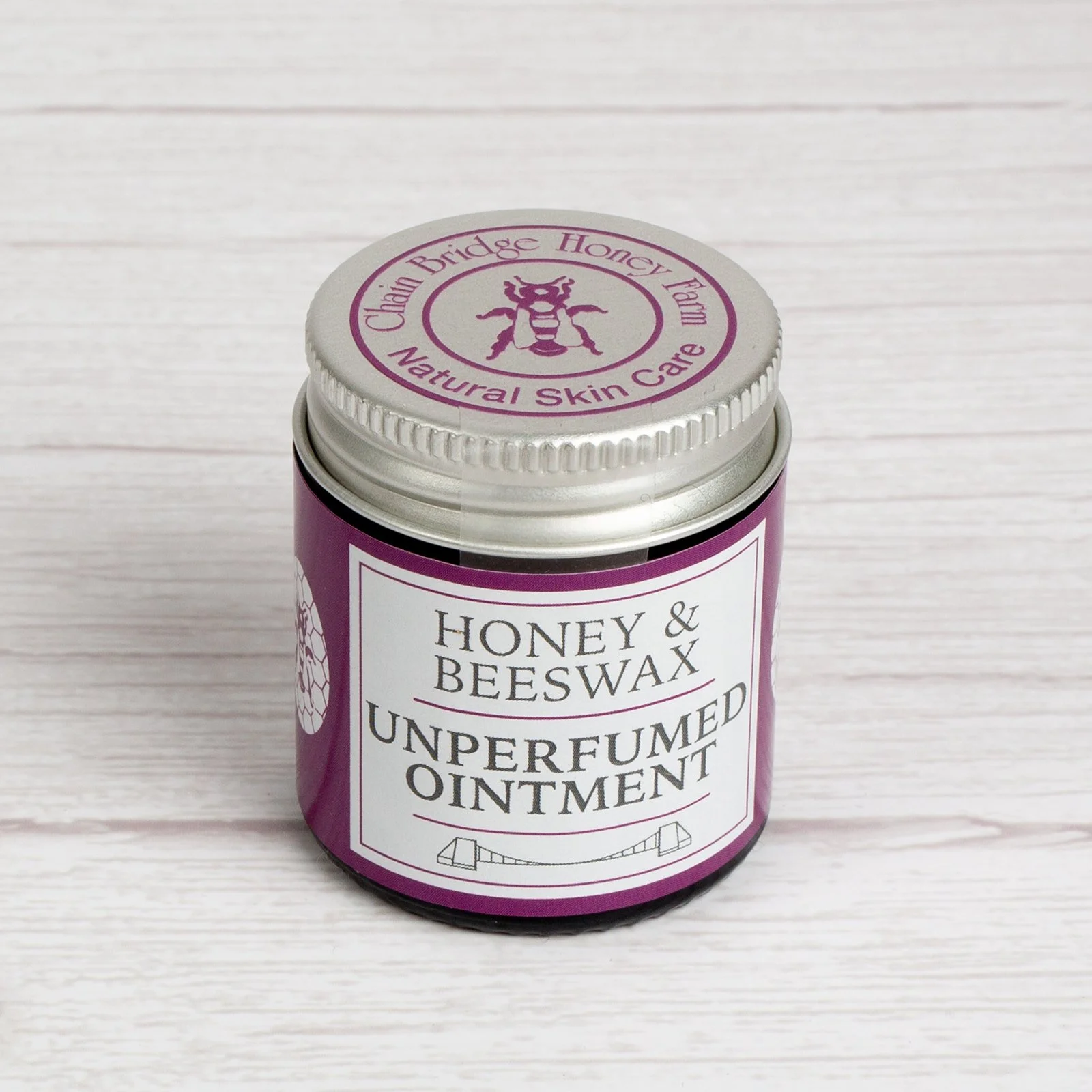
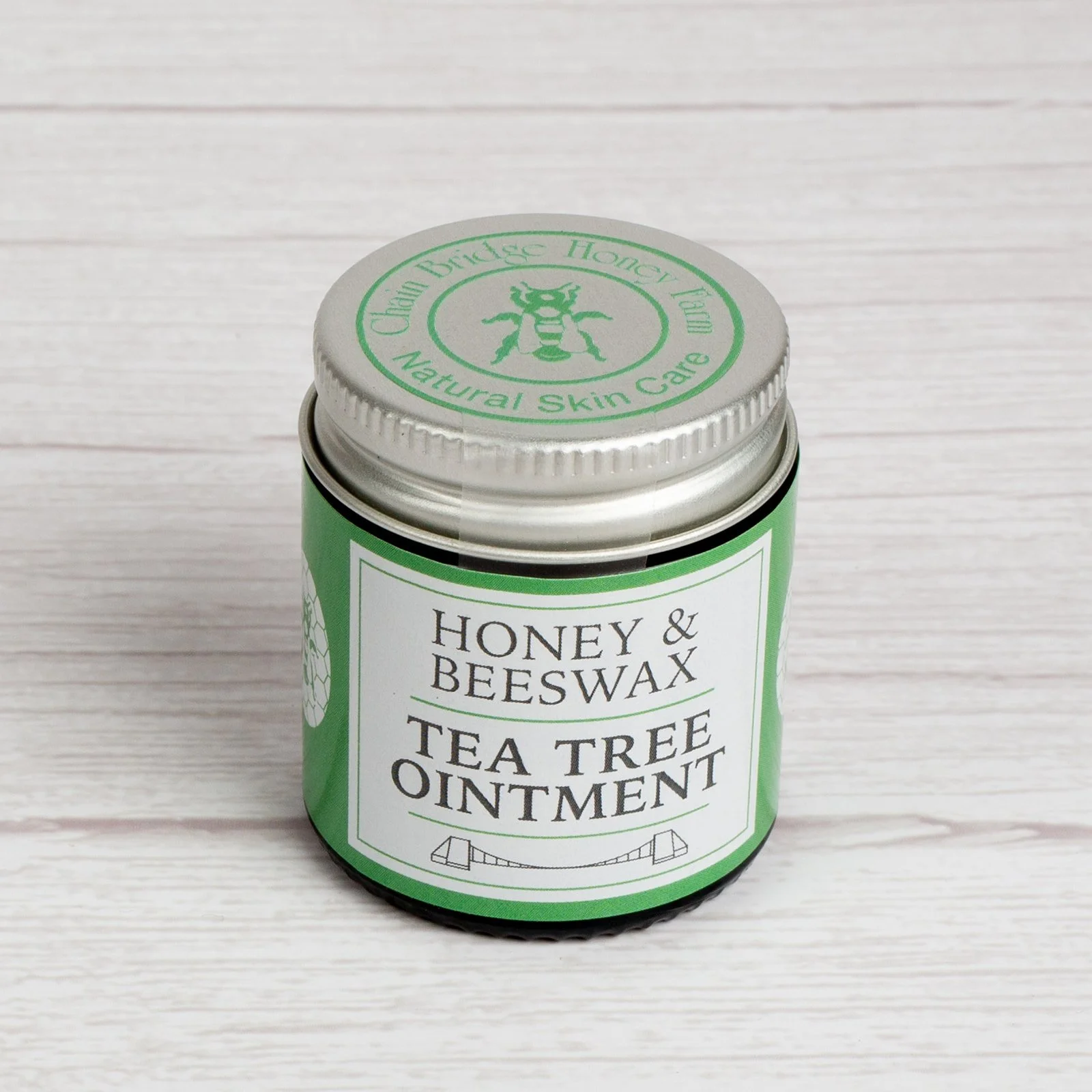
Chain Bridge Honey Farm
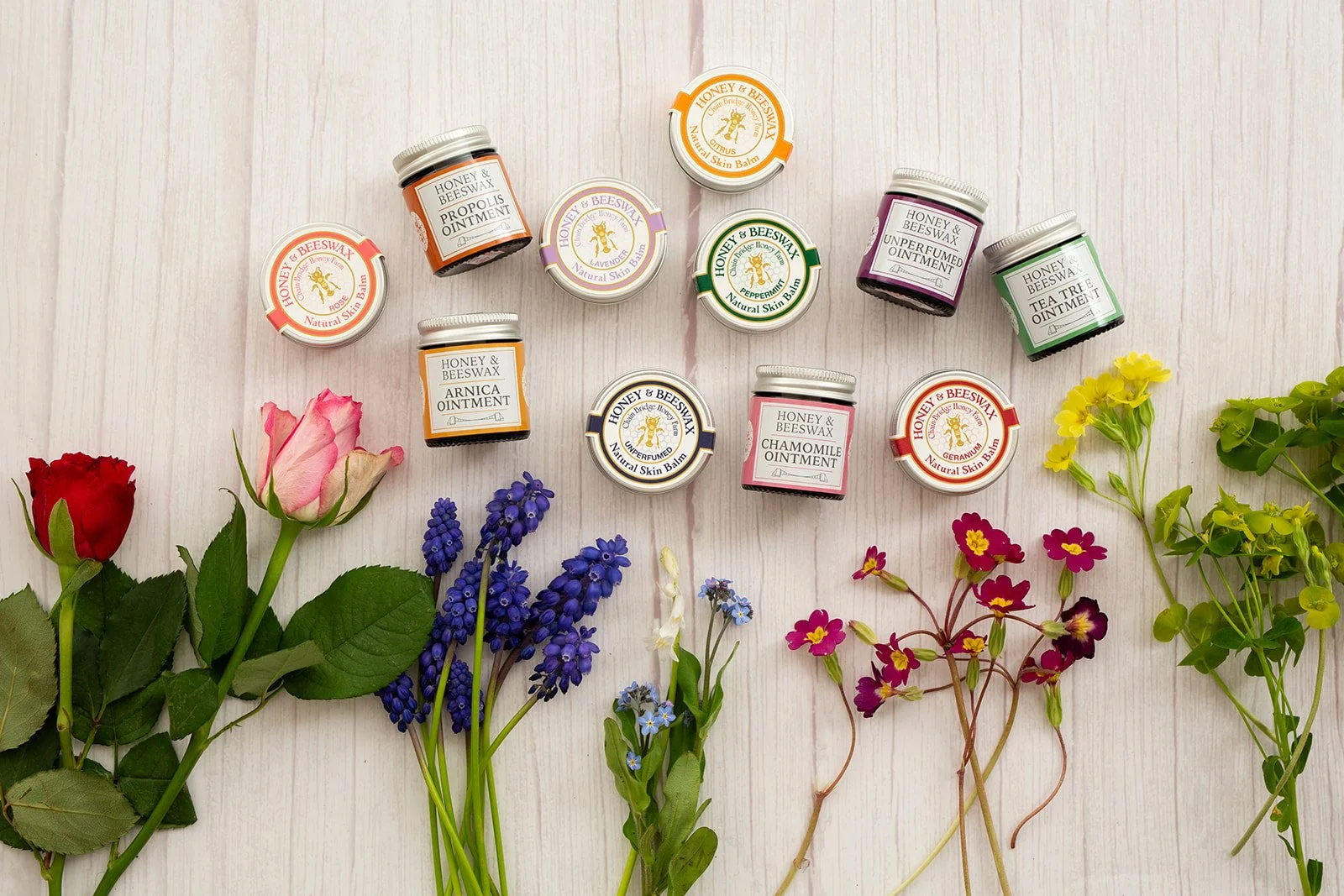
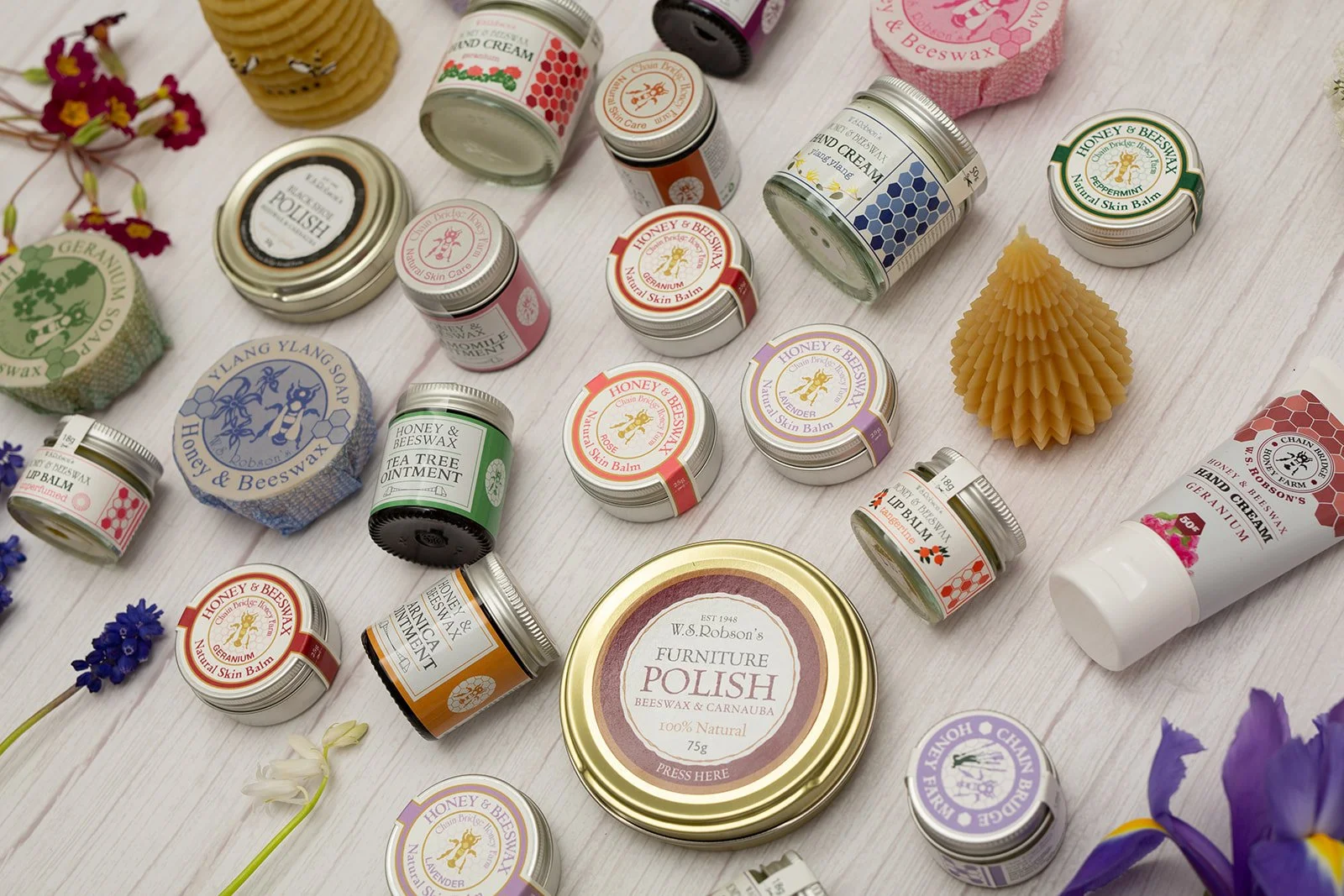
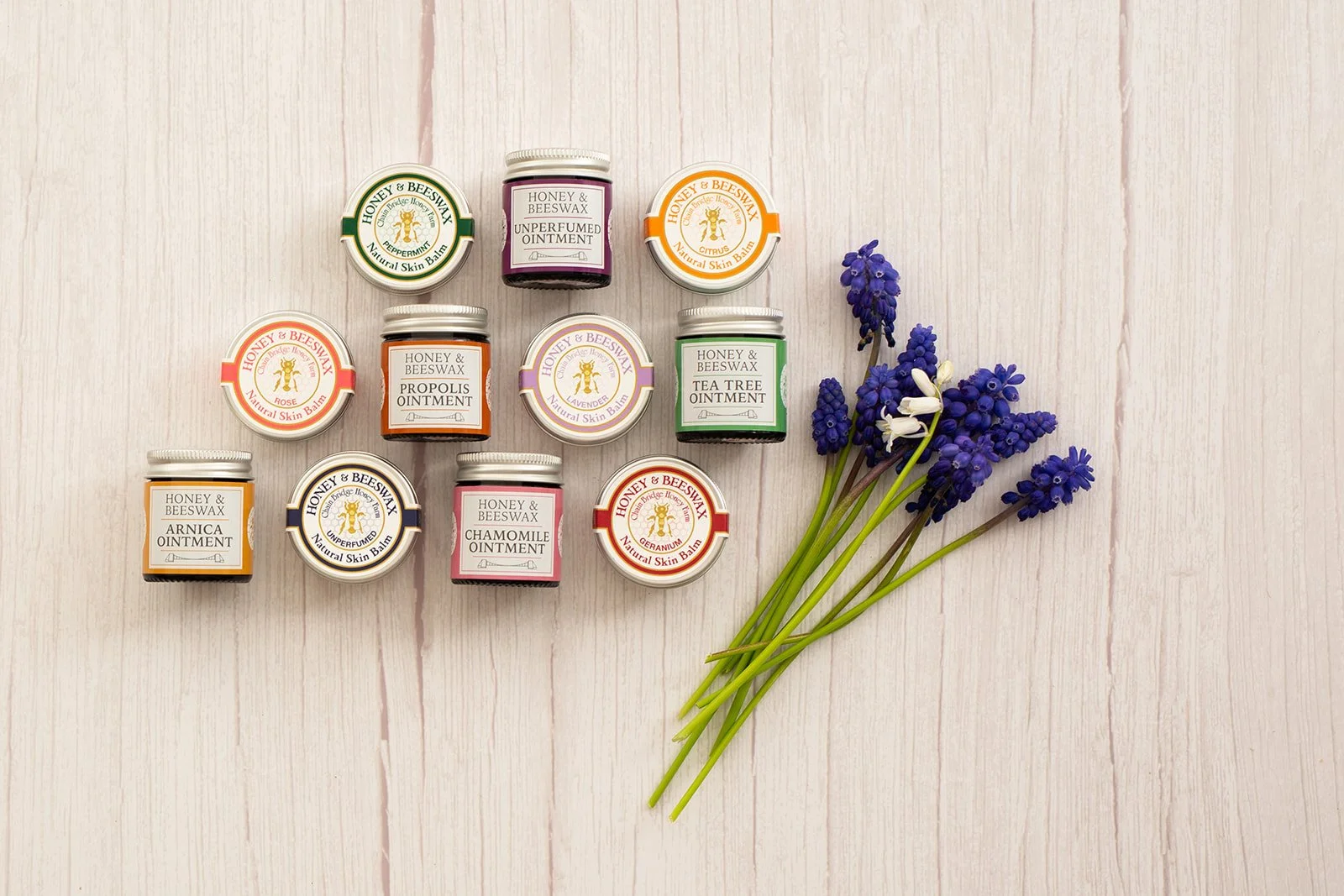
With Chain Bridge Honey Farm, the approach was similar but tailored to their products.
Again, everything was photographed on location, which helped keep that sense of authenticity. The tones were kept warm and natural, reflecting the product itself, and the backgrounds stayed within a soft, neutral palette.
There was no need for anything overly styled or artificial. The consistency came from keeping things simple and intentional.
Across both of these shoots, the key wasn’t doing anything complicated. It was about making deliberate choices and sticking to them.
Consistent, cohesive product photos: how to start creating your own
If you’re looking at your current images and thinking they feel a bit all over the place, here are a few simple starting points.
First, choose one location and stick to it. Ideally, this is where your product is made or sold. It instantly grounds your imagery and removes unnecessary variation.
Next, think about your colour palette. You don’t need anything complicated. In fact, simpler is usually better. Soft, neutral tones tend to work well across most products and are much easier to keep consistent over time.
Then, pay attention to your lighting. Natural light is brilliant, but it does need to be used consistently. Shooting at similar times of day and in the same spot will help keep everything aligned.
And finally, be mindful of your background choices. Bright, bold colours might feel eye-catching in the moment, but they can quickly make your images feel disjointed when placed next to each other.
Consistency isn’t about making everything identical. It’s about making sure everything feels connected.
Consistent, cohesive product photos: common mistakes to avoid
A few things I often see that can break that sense of cohesion:
Switching locations between shoots
Using completely different props or styling each time
Choosing bright or clashing backgrounds
Shooting in inconsistent lighting conditions
Trying to follow too many trends at once
None of these are “wrong” on their own, but when combined, they can make your brand feel a bit scattered.
Keeping things simple and repeatable will always give you a stronger result.
Ready to create consistent, cohesive product photos?
If you’re feeling like your product imagery could be more aligned, you don’t need to overhaul everything overnight.
Start small. Choose your space. Simplify your styling. Pay attention to your light.
And if you’d rather have someone guide you through it properly, that’s exactly what I do.
I specialise in product photography for food and handmade businesses, creating images that feel natural, consistent, and true to your brand.
If that sounds like what you’re looking for, you’re very welcome to get in touch and enquire about a shoot. We can create something that not only looks good, but actually works for your business long term.
Photography Copyright UK Explained: Who Owns Your Photos and How Image Licences Work.

Interview setup at The Maltings for Berwick Literary Festival
If you’ve ever commissioned professional photography for your business or event, you may have wondered something surprisingly common:
Who actually owns the photos?
It’s a question that comes up regularly with brand photography clients here in Northumberland and Berwick-upon-Tweed. You’ve invested in the shoot, the planning, and the final images - so naturally, it can feel like the photos should belong to you completely.
But under UK copyright law, things work a little differently.
Understanding photography copyright in the UK doesn’t have to be complicated. Once you understand the basics - particularly what an image licence means - it becomes much clearer how you can use your photos confidently across your website, marketing, and social media.
Photography Copyright UK: Who Owns the Photos?
Under UK copyright law, the photographer automatically owns the copyright to the images they create. This happens the moment the photograph is taken — no paperwork required.
A simple way to think about it is like buying a book. When you purchase a book, you own the physical copy, but you don’t own the copyright to the story. The author still controls how it can be reproduced or distributed.
Photography works in much the same way.
When you hire a photographer:
You receive the images themselves
But the copyright remains with the photographer
This is standard practice across the creative industries and is written into UK copyright law.
Rather than transferring copyright entirely, photographers provide something called a licence.
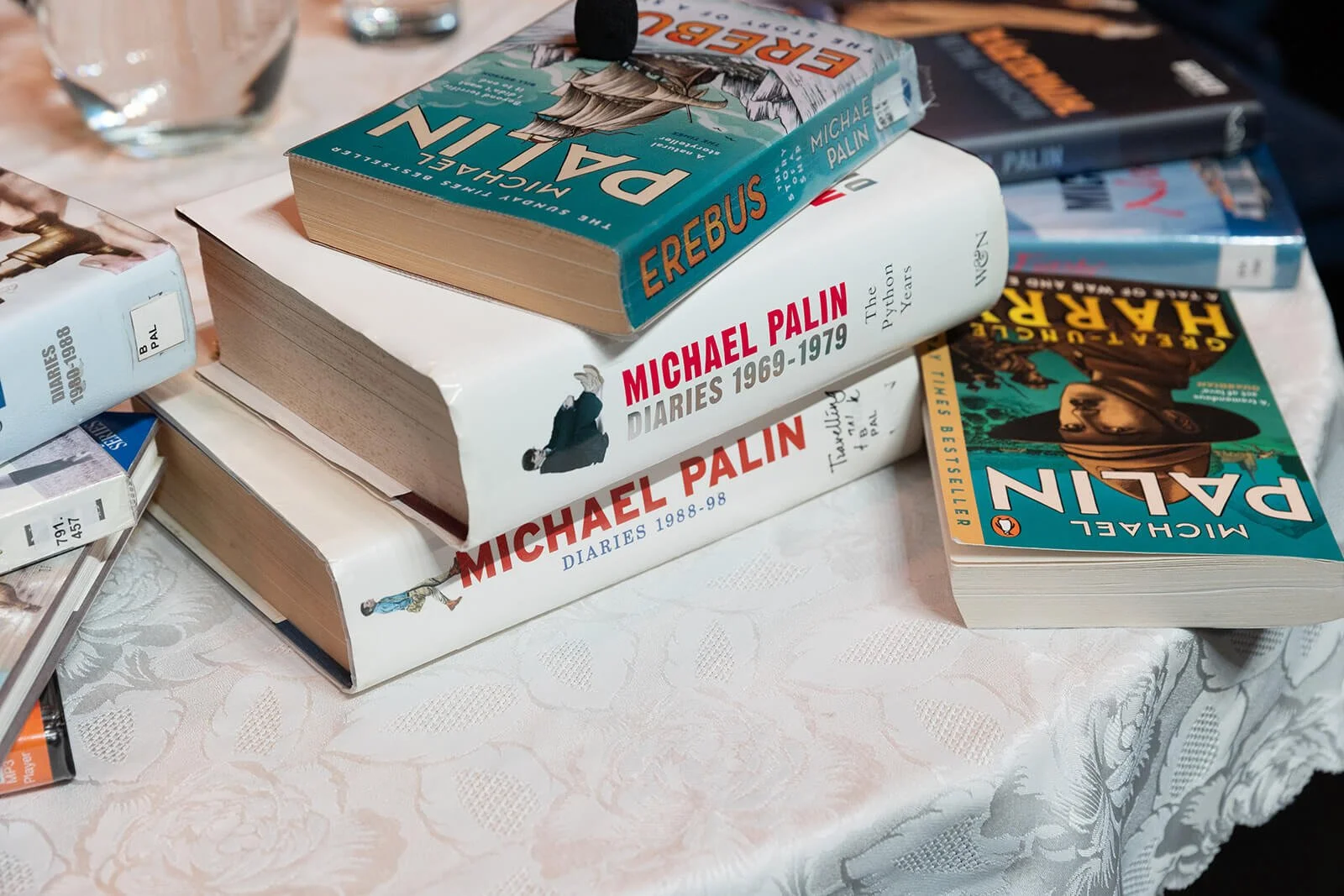
Berwick Literary Festival event photography used under commercial photography copyright UK
Photography Copyright UK: What an Image Licence Means
An image licence simply sets out how you’re allowed to use your photos.
For business clients, this usually covers things like:
Website use
Social media
Press features
Marketing materials
Print advertising
Brochures or packaging
The licence gives you legal permission to use the images for your business, while the photographer retains copyright as the creator.
Photography Copyright UK: What You Can Do With Your Images
With a typical commercial photography licence, businesses can comfortably use their images in most marketing contexts.
For example, you can usually:
Add photos to your website
Share them on social media
Include them in press coverage
Use them in brochures, advertising, or marketing materials
Print them for office displays or promotional materials
In practice, this means your portfolio of images becomes a core visual asset for your brand.
If you’ve invested in professional photography for your website,headshots, or product photography, the licence allows you to use those images wherever your business needs them.
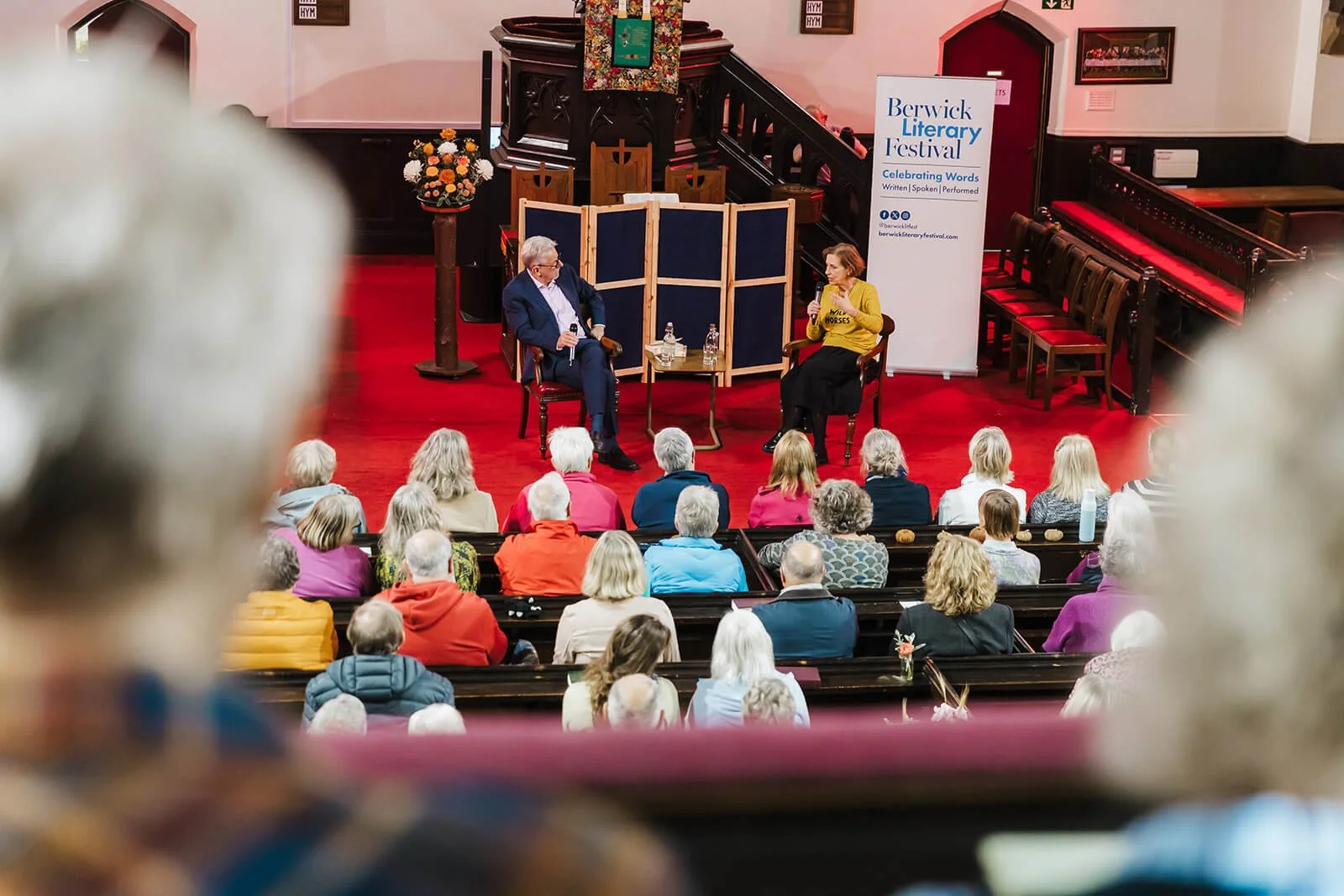
Images photographed for Berwick Literary Festival and used across marketing, press, and editorial with clear licensing agreements in place.
Photography Copyright UK: What You Can’t Do Without Permission
While licences are usually very flexible, there are a few things that typically require additional permission.
These include:
Selling the images to third parties, for example:
Stock photography libraries
Media outlets not connected to your business
Other companies wanting to advertise with the image
Allowing another business to use your images
If another company wants to use one of your photos for their own marketing, they would need permission from the copyright holder.
Editing or significantly altering the images
This is a common question. Small practical adjustments may be fine, but heavier edits — such as strong filters or changes that alter the look of the original photograph — should always be discussed first.
Professional photography is a creative work, and maintaining the integrity of that work helps protect both the photographer’s reputation and the quality of your brand imagery.
Photography Copyright UK: Why Copyright Protects Both Photographer and Client
Copyright isn’t about restricting how you use your photos.
In reality, it protects both sides of the creative process.
For photographers, copyright ensures their work isn’t reused or sold without permission.
For clients, licences provide something equally important: clarity.
You know exactly:
what you can use the images for
where they can appear
how long you can use them for
For businesses investing in professional brand photography, that clarity and security are incredibly valuable.
Real-World Example: How Image Licensing Works in Practice
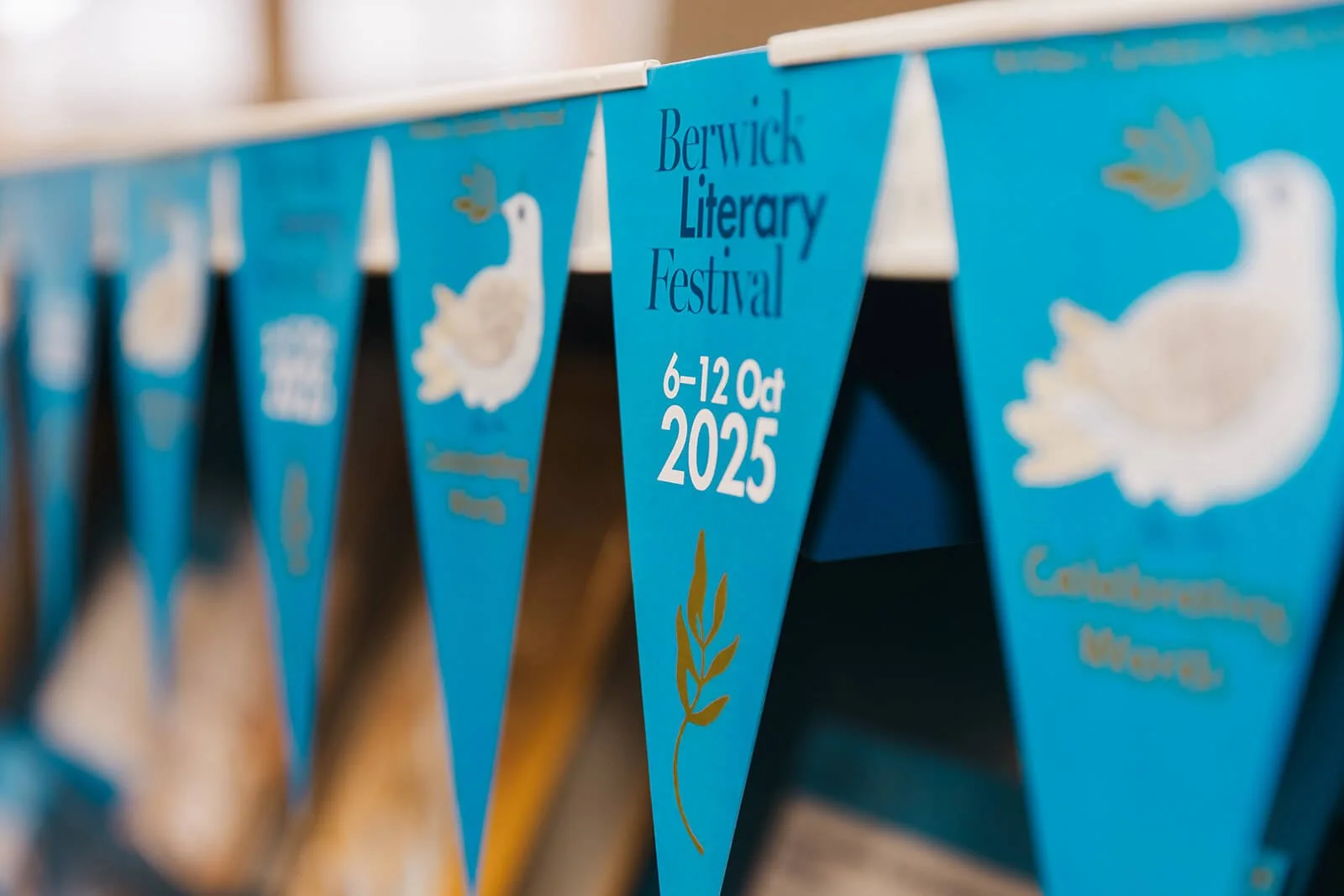
Festival bunting during Berwick Literary Festival events
Working with events like Berwick Literary Festival each year is a good example of how image licensing works in practice.
Across the festival, I’ve photographed a range of speakers and events, including conversations with Michael Palin, Kirsty Wark, and Damian Barr, as well as previous work with the Poet Laureate and Len Pennie.
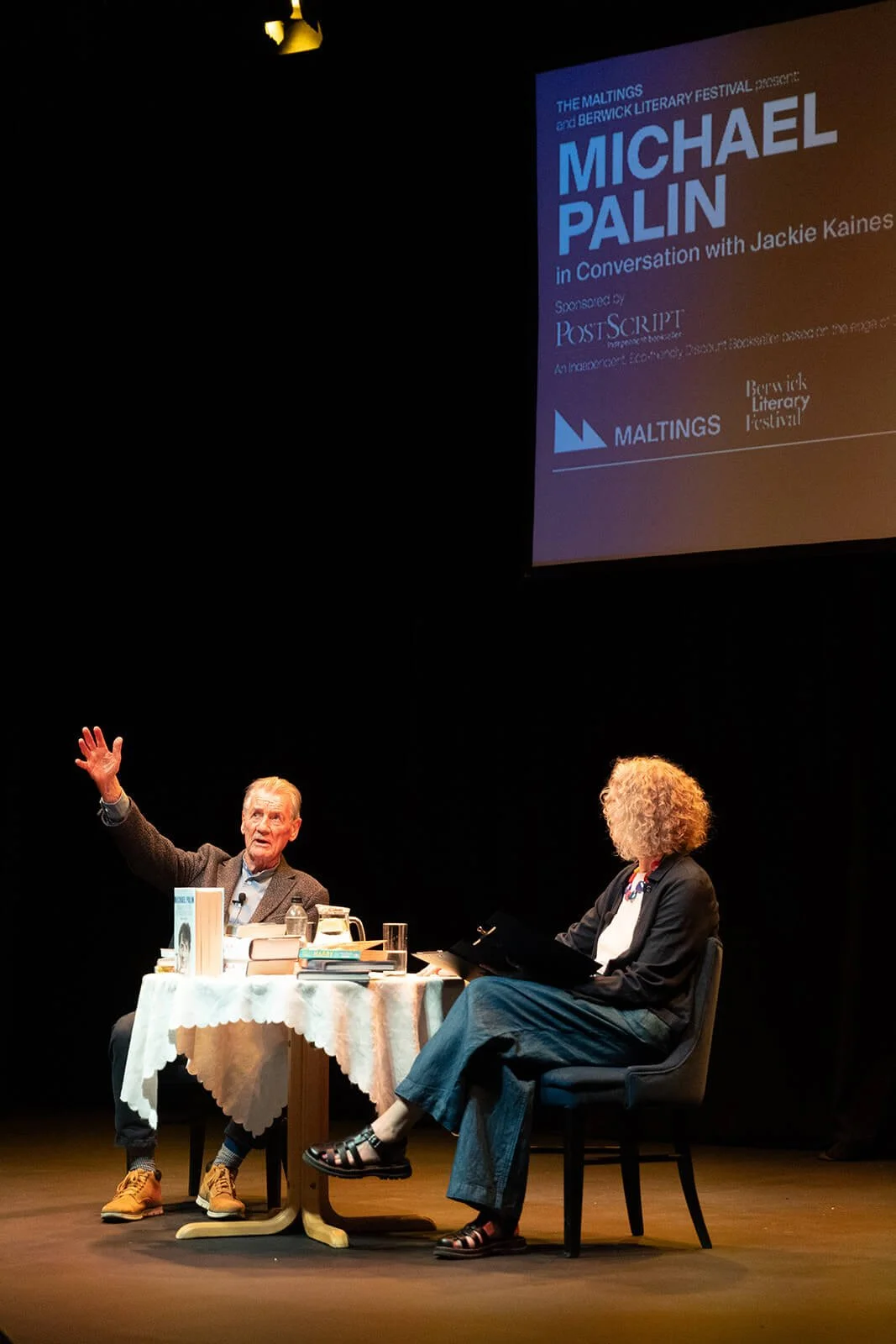
Michael Palin in conversation at The Maltings
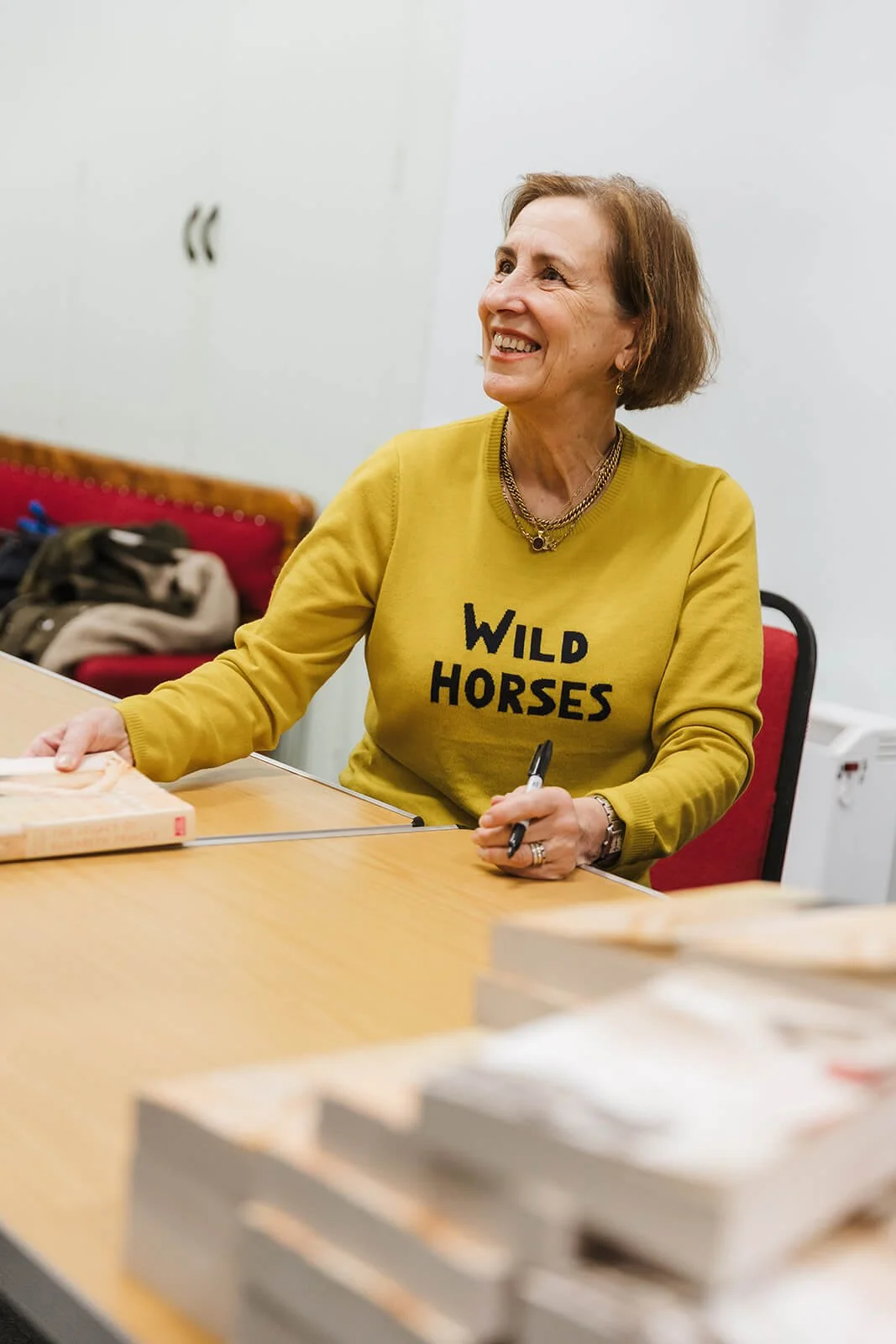
Kirsty Wark book signing at Berwick Literary Festival
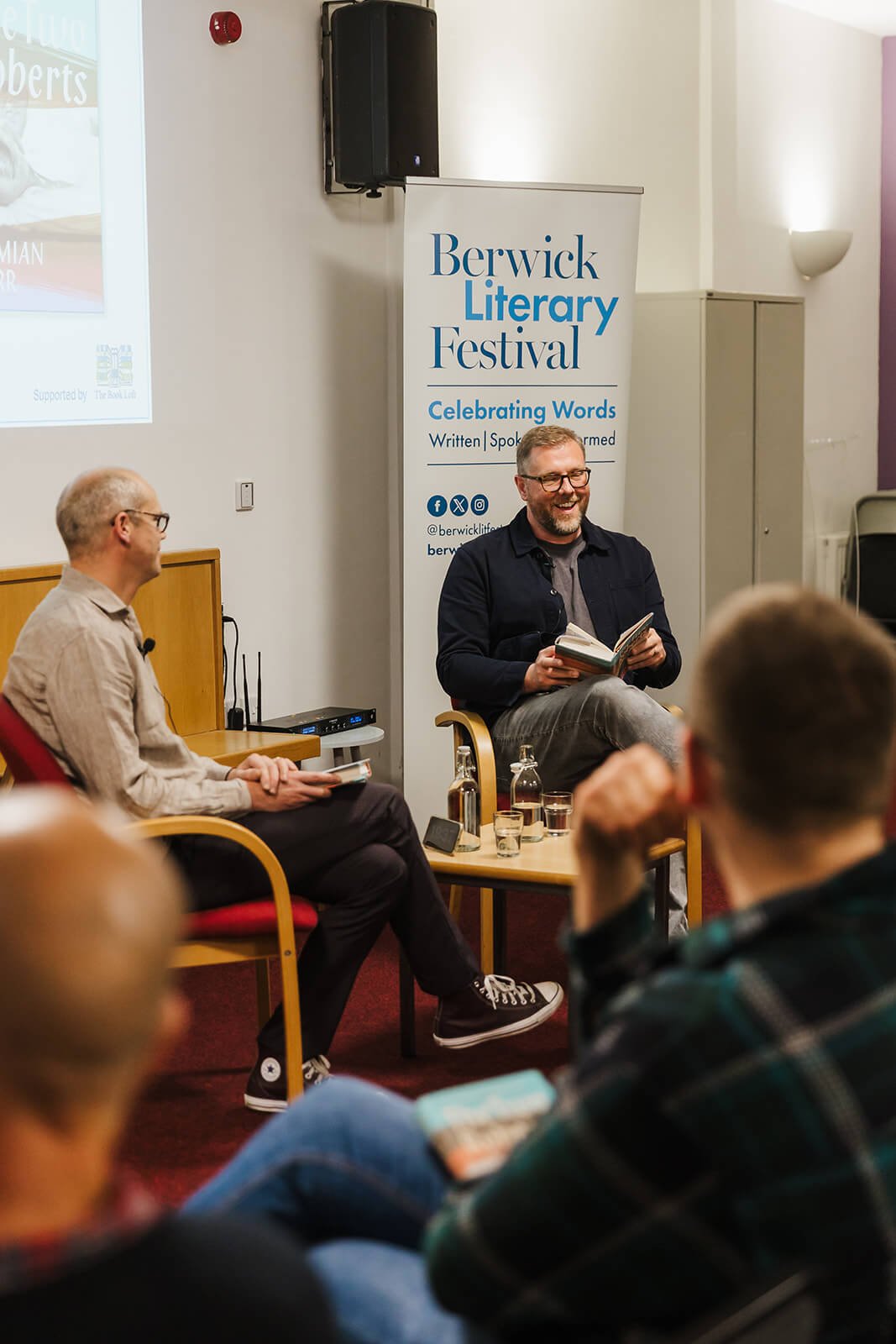
Damian Barr discussing his work at Berwick Literary Festival
Each of these situations involves slightly different considerations when it comes to image use.
For example:
Images may be used for festival marketing and promotion
Shared with press and media outlets
Included in editorial coverage or future campaigns
Because of this, clear licensing and contracts are essential. They ensure everyone understands how the images can be used, where they can appear, and who has permission to share them.
From the client’s perspective, this means they can confidently use the images across multiple platforms without uncertainty. From a photographer’s perspective, it ensures the work is used appropriately and professionally.
It’s a good example of how photography copyright in the UK works in real-world situations — not as a restriction, but as a way of creating clarity for everyone involved.
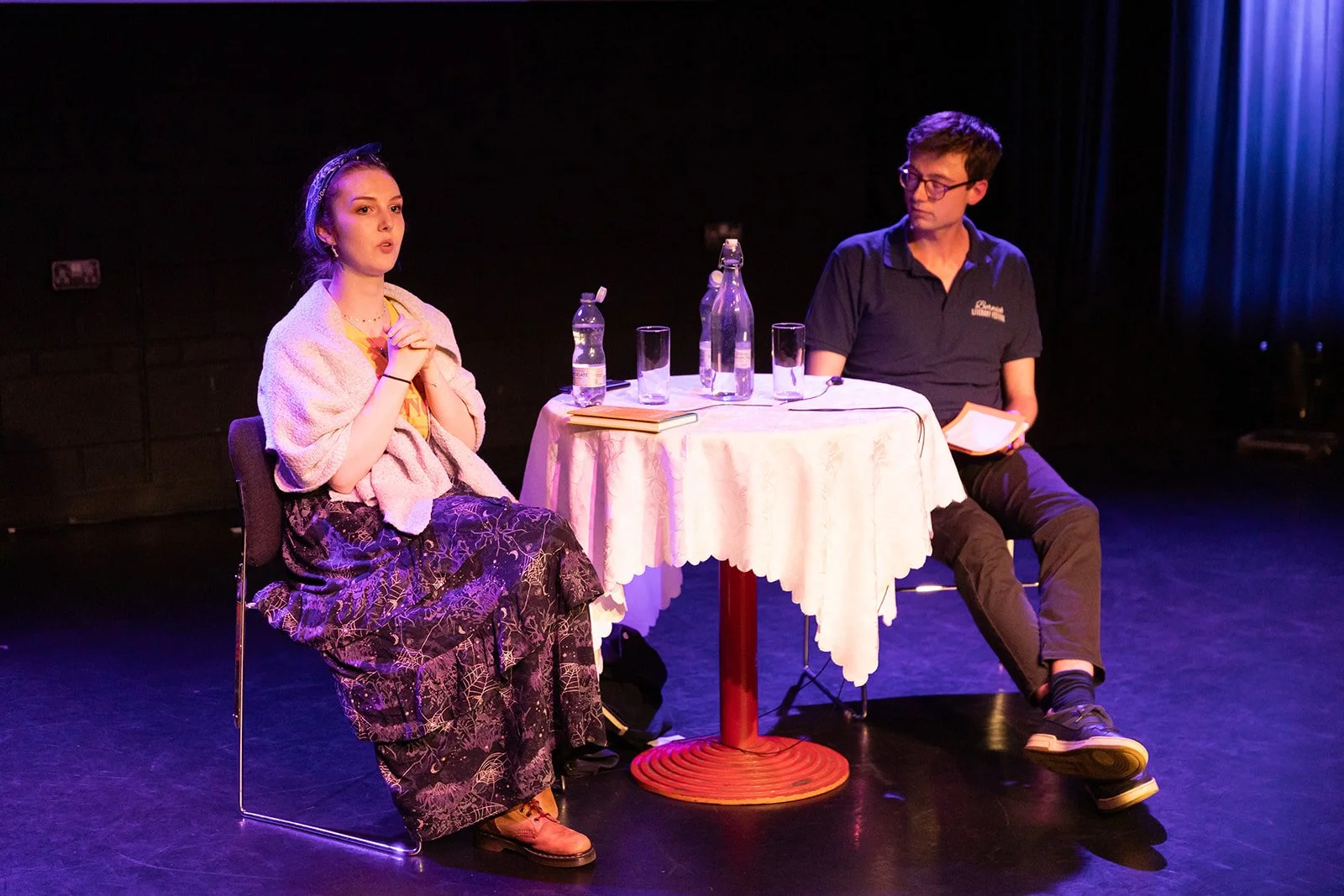
Len Pennie poetry reading photographed for festival marketing under photography copyright UK
Maltings
Photography Copyright UK: FAQs
Can I print my photos myself?
Yes.
Your licence allows you to print images for your business, whether that’s marketing materials, framed prints, or promotional displays.
Can my designer use the photos in a brochure or website?
Yes.
If a designer is working on behalf of your business, they can use the images within your licence for brand materials such as websites, brochures, or advertising.
Can the photographer sell my images to someone else?
No.
Professional photographers will not license your commissioned images to another business without permission. Your images remain connected to your brand and project.
Do I need to credit the photographer?
Credit is required as part of the licence. Where images are reproduced in print or online, credit should be given to Pictorial Photography, ideally with a hyperlink back to the website.
This helps support creative work and ensures images are used professionally.
Can I edit the photos myself?
Generally, it’s best to discuss edits first.
This helps ensure any changes still reflect the intended look and quality of the original photography. Most photographers are happy to help with adjustments when needed.
A Final Thought on Photography Copyright UK
Understanding photography copyright in the UK doesn’t need to feel complicated.
In reality, photography copyright in the UK is simply about making sure that:
photographers retain ownership of their creative work
clients receive clear, flexible rights to use their images
And that makes professional photography a much stronger long-term investment.
Have Questions About Image Licensing?
If you’re planning brand photography or want to understand how image licensing works for your business, feel free to get in touch.
Questions about copyright and image usage are always welcome - and it’s always better to clarify things before a shoot.

What’s the Difference Between Brand and Studio Photography?
If you’ve ever wondered whether you need brand photography or studio photography, you’re not alone. It’s a question I get asked a lot.
Both can look professional. Both can sit happily on a website or social media. But they do very different jobs — and choosing the right approach can change how your business is perceived.
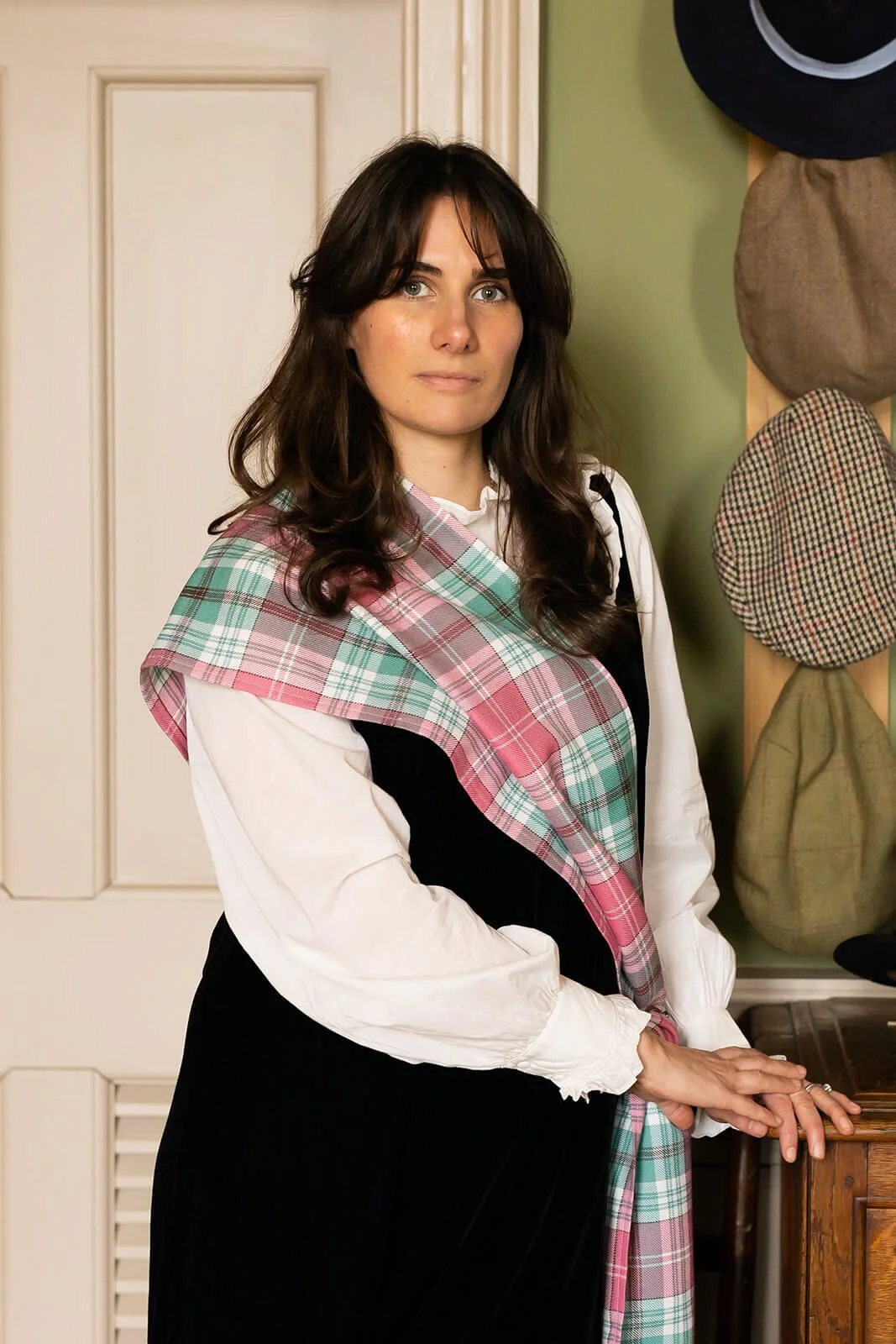
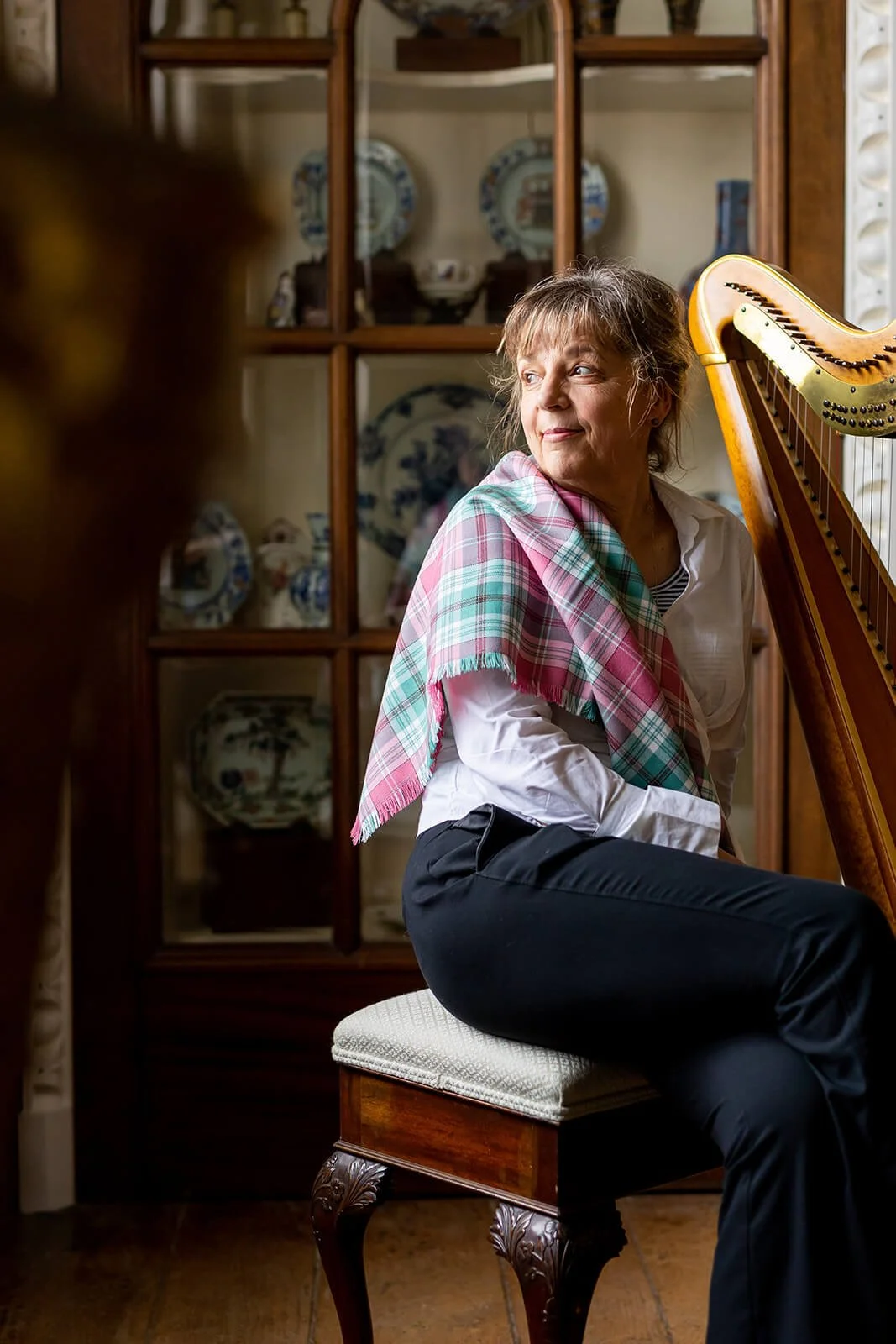
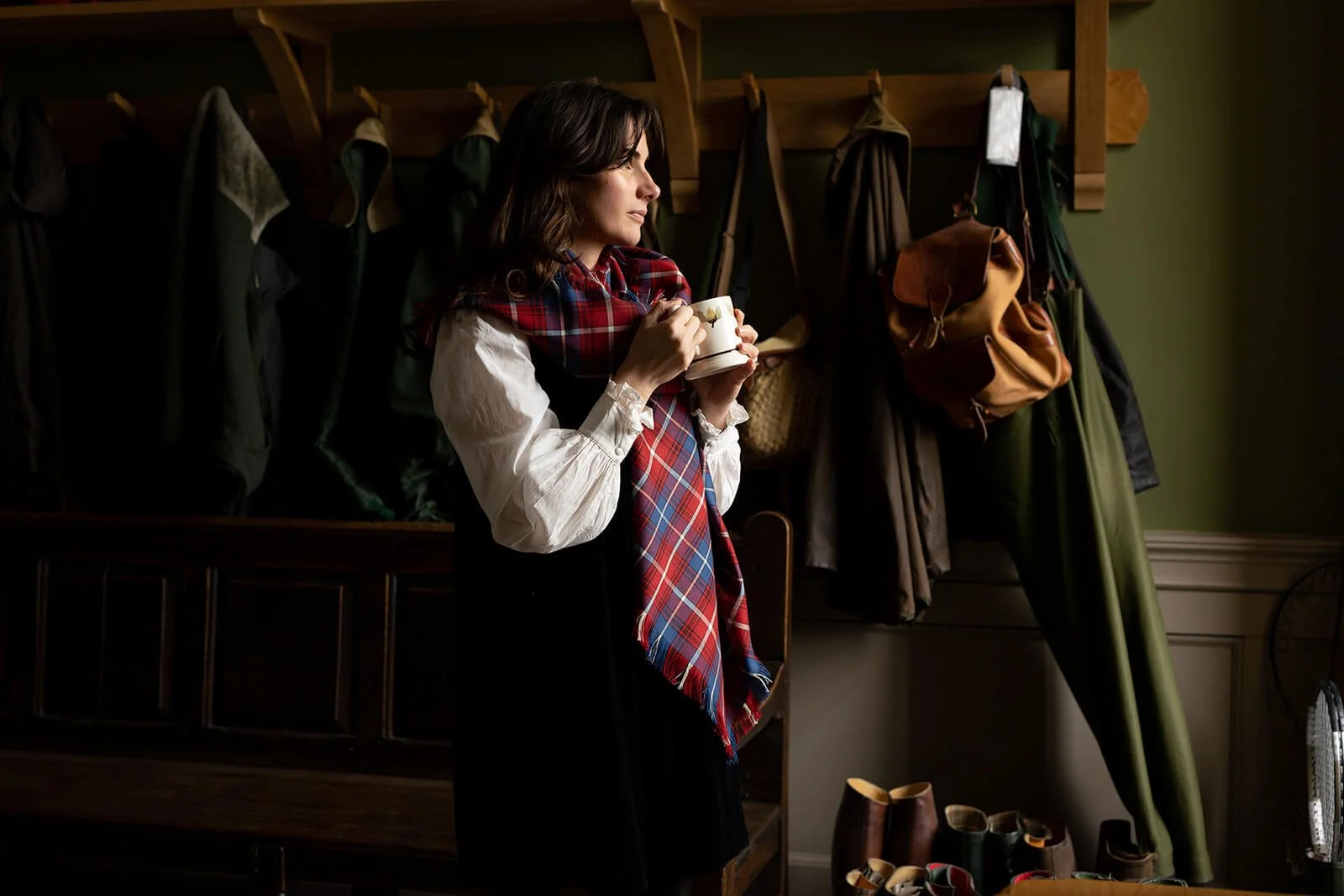
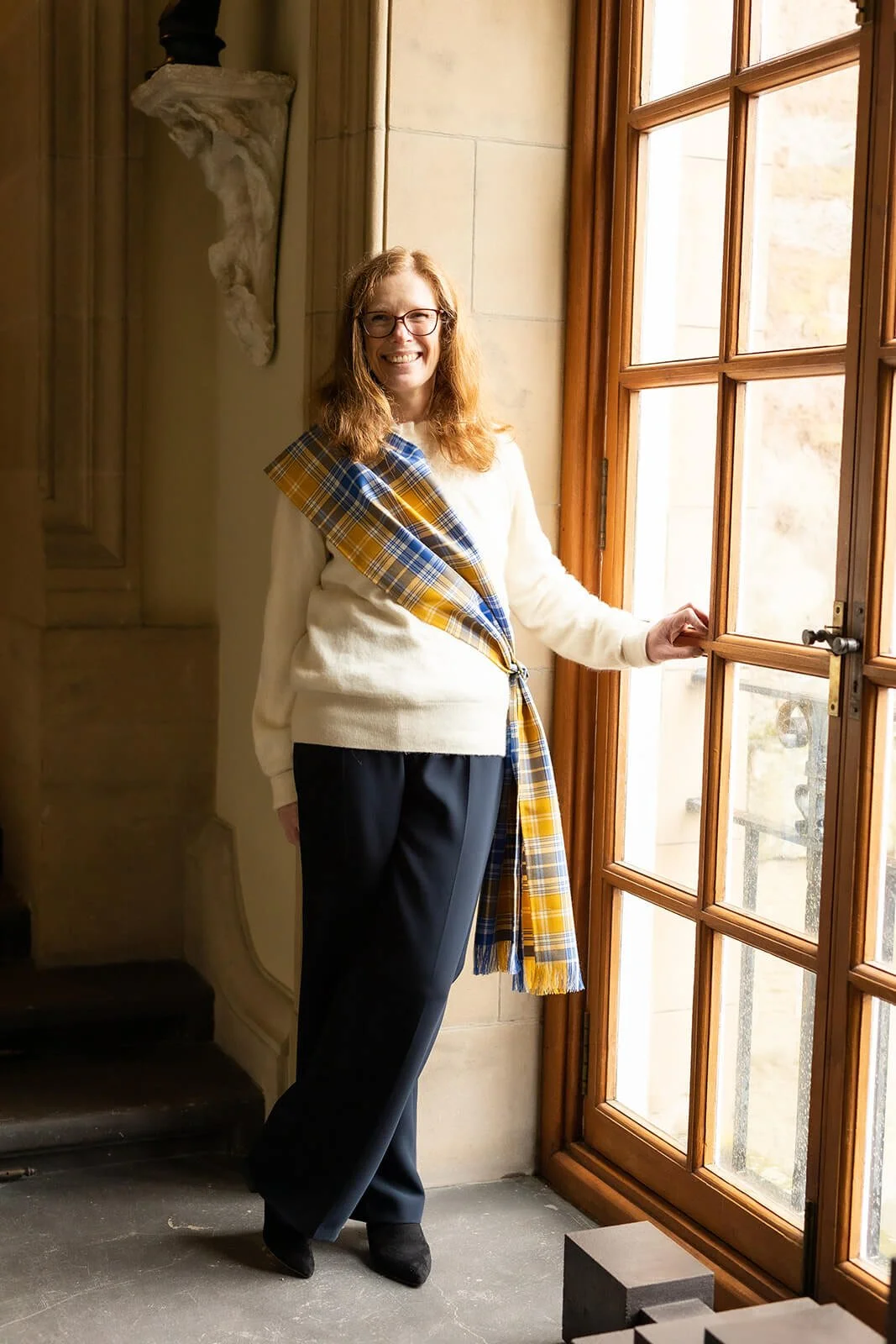
Using International Tartans as an example, this blog looks at how studio photography and brand photography work separately, and why combining the two often gives businesses the most flexible and useful image library.
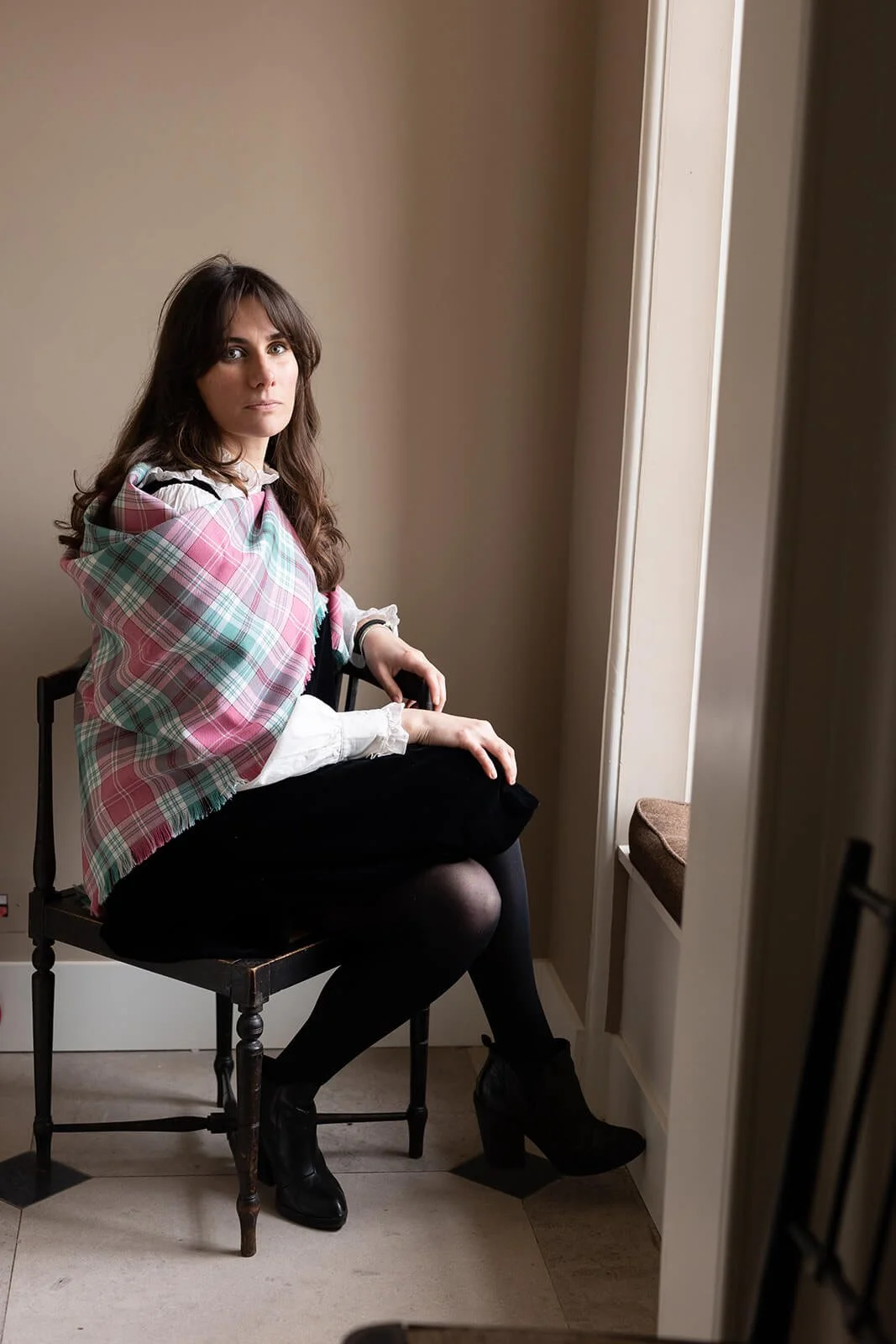
For iTartans, the brief covered several settings: clean studio product shots, portraits in real working environments, and wider location photography. Each had its place. Together, they told a much fuller story — not just what the business makes, but who is behind it and how it works day to day.
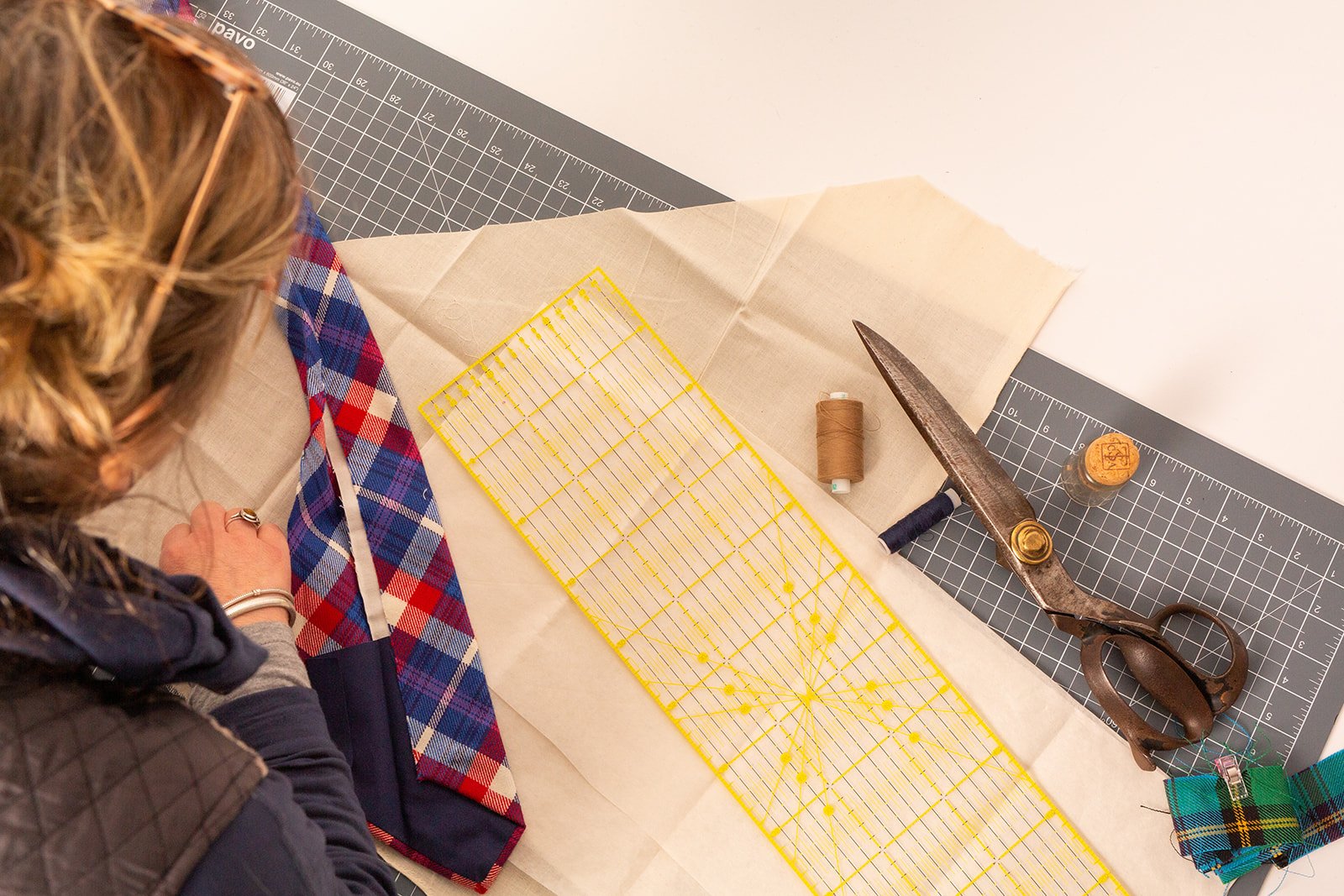
International Tartans in our Studio for Product Photography
Starting in the Studio: Clarity, Control and Consistency
Studio photography is often the most practical place to begin, particularly when products or fine details need to be shown clearly.
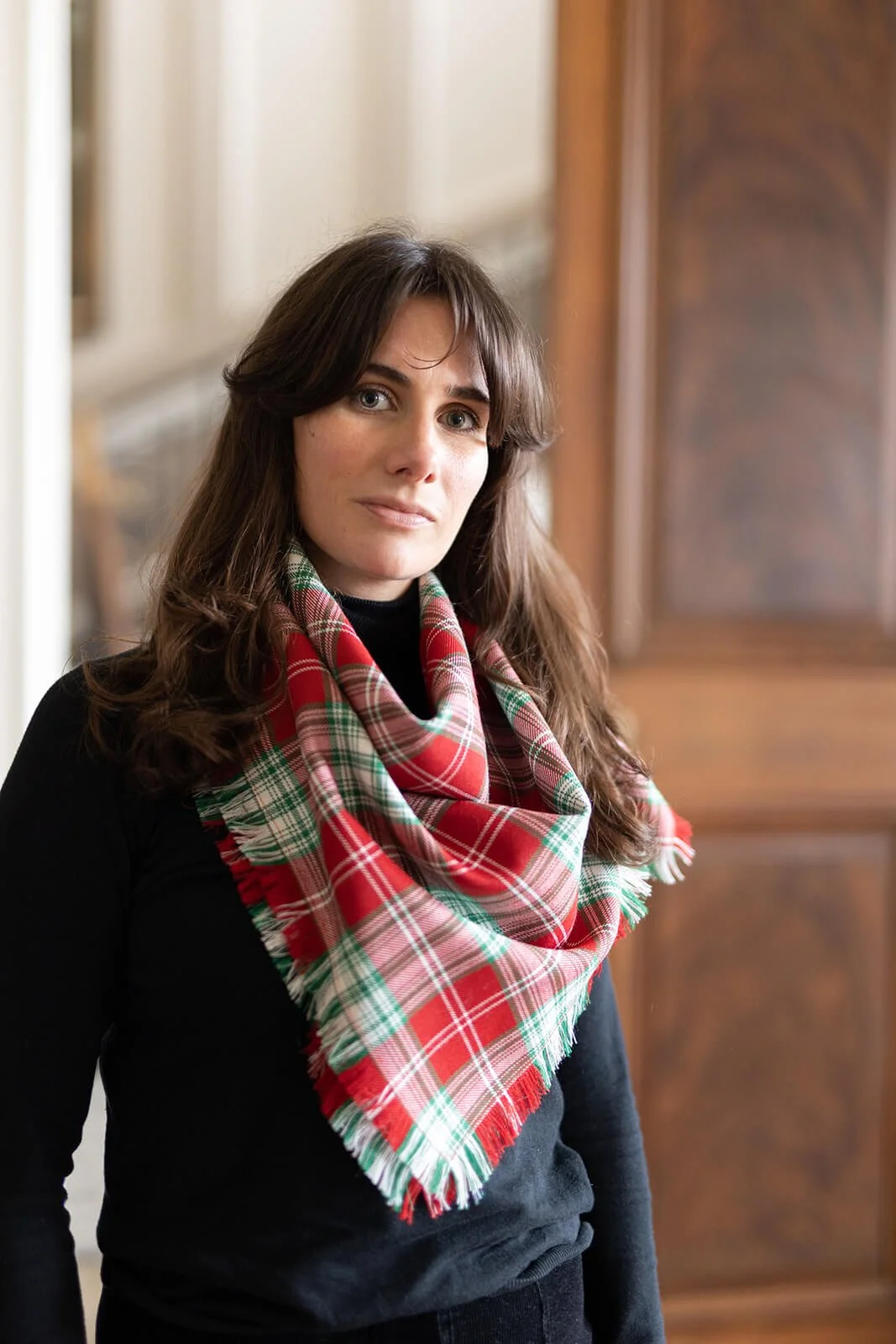
For iTartans, studio sessions were used to photograph products with accuracy and consistency. Working in a controlled environment meant lighting could be kept even, colours true, and backgrounds clean. This allowed the focus to stay firmly on the craftsmanship itself, without visual distraction.
Studio photography is especially valuable when images need to be reused across different platforms or formats. These images tend to age well, slot neatly into websites and print, and provide a reliable visual foundation that can be returned to as new products are introduced.
That consistency is powerful — but on its own, it doesn’t always show how an organisation feels.

Shoot with International Tartans at our Studio in Berwick-Upon-Tweed.
Brand Photography on Location: Showing the Work in Context
Brand photography shifts the focus from control to context.
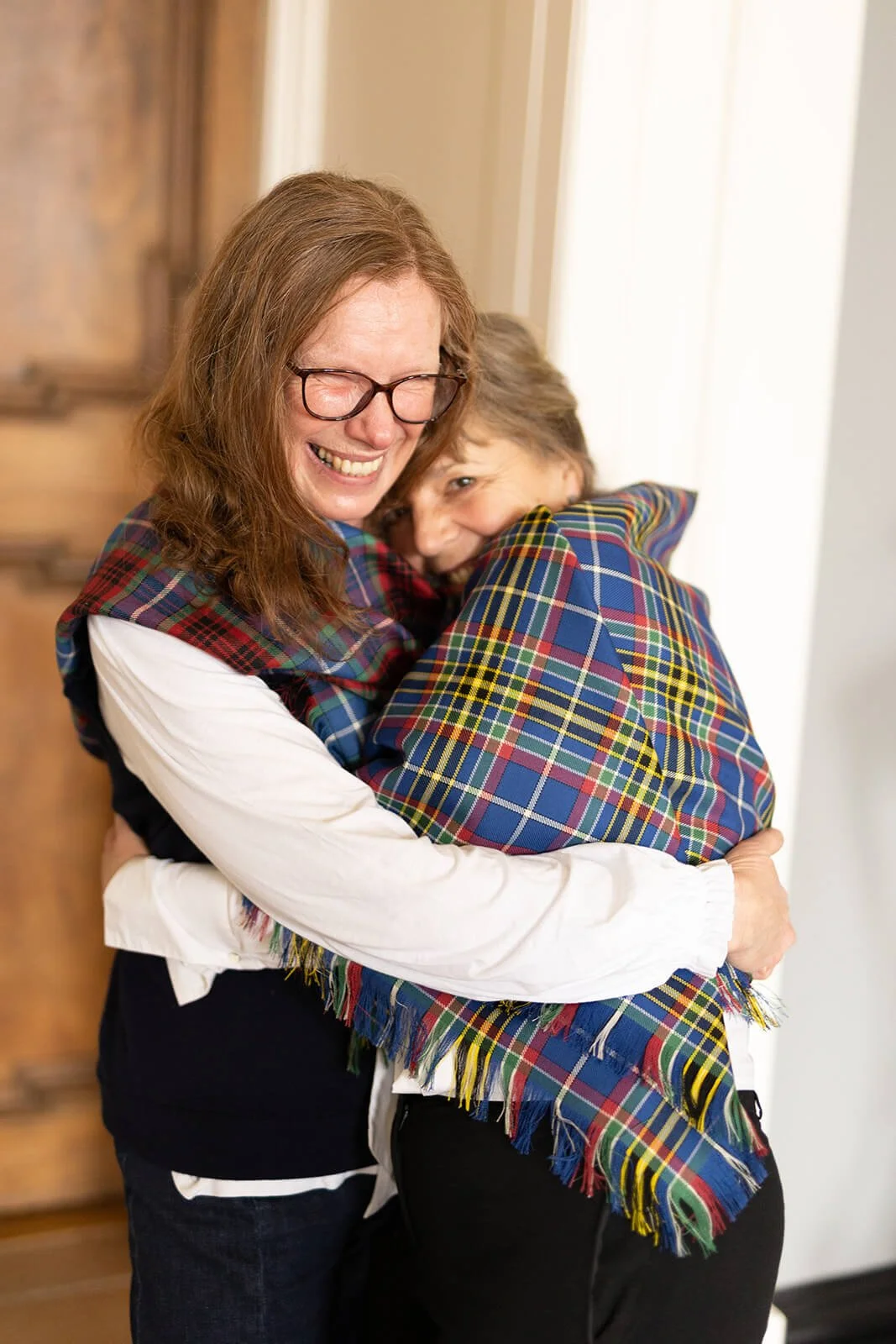
For International Tartans, this meant photographing their workshop in Eyemouth, capturing the environment where the work actually happens. These sessions weren’t about perfect backdrops or polished poses. They were about people, process, and the everyday rhythm of making in a workshop setting.
Photographing in real working spaces adds depth. It shows how tools are used, how materials move through hands, and how the organisation operates day to day. This kind of imagery helps audiences connect more easily, because it answers questions they may not even realise they’re asking — what it’s like to work with you, how your work comes together, and what sits behind the finished product.
For community-led and craft-based organisations, that sense of authenticity matters deeply.
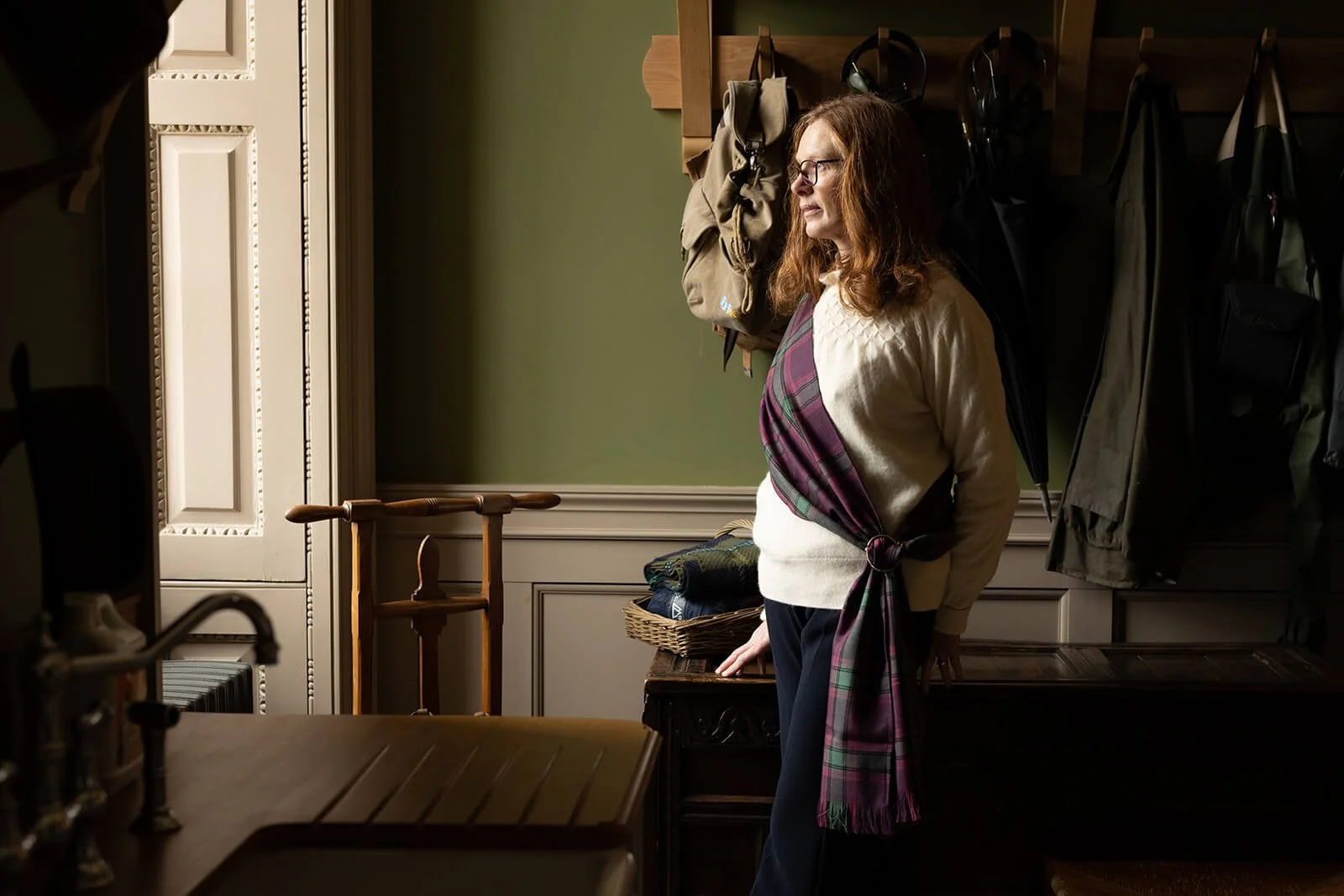
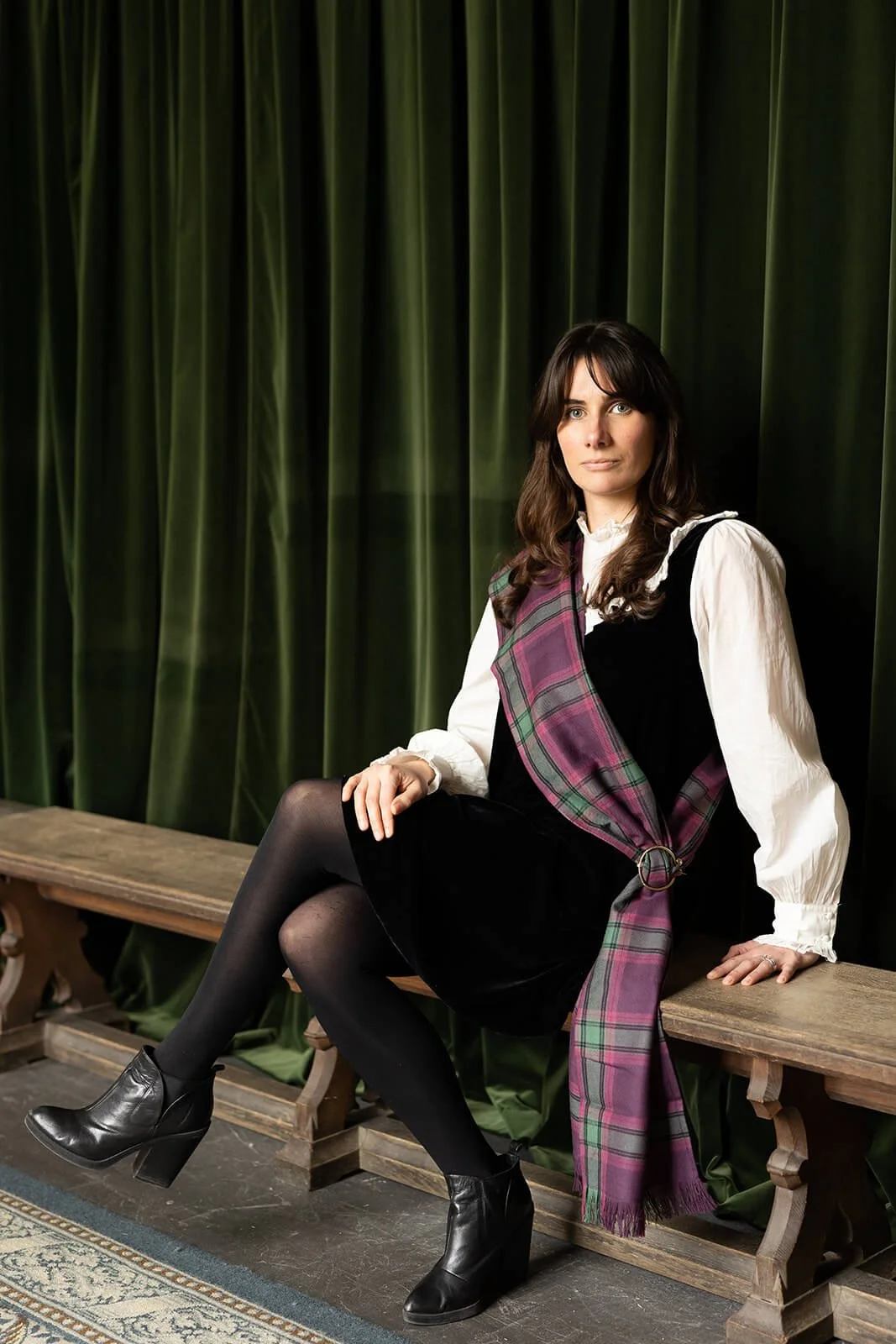
A Case Study Film That Goes Beyond the Images
Alongside the photography at Eyemouth, I also created a short case study film for International Tartans — one that follows Kayleigh’s journey into the organisation.
Without giving too much away, the film focuses on what happens when the right opportunity meets the right support. Kayleigh’s story begins at ReTweed, a social enterprise in Eyemouth that supports women to build skills and confidence through sewing and making. From there, with funding in place, she moved into employment at International Tartans.
The film doesn’t spell everything out. Instead, it lets Kayleigh speak for herself — about learning new skills, finding stability, and how work that fits around family life can quietly change everything. It’s a reminder that behind every product, every workshop, every tartan, there are real people and real lives being shaped.
This kind of film is incredibly powerful for organisations like International Tartans. It’s been shared with funders and decision-makers, including at the Scottish Parliament, to show the human impact of the work — something that words and statistics alone can’t always do.
For me, it’s a good example of how photography and film can work together: still images to show the craft and environment, and film to carry the deeper story.
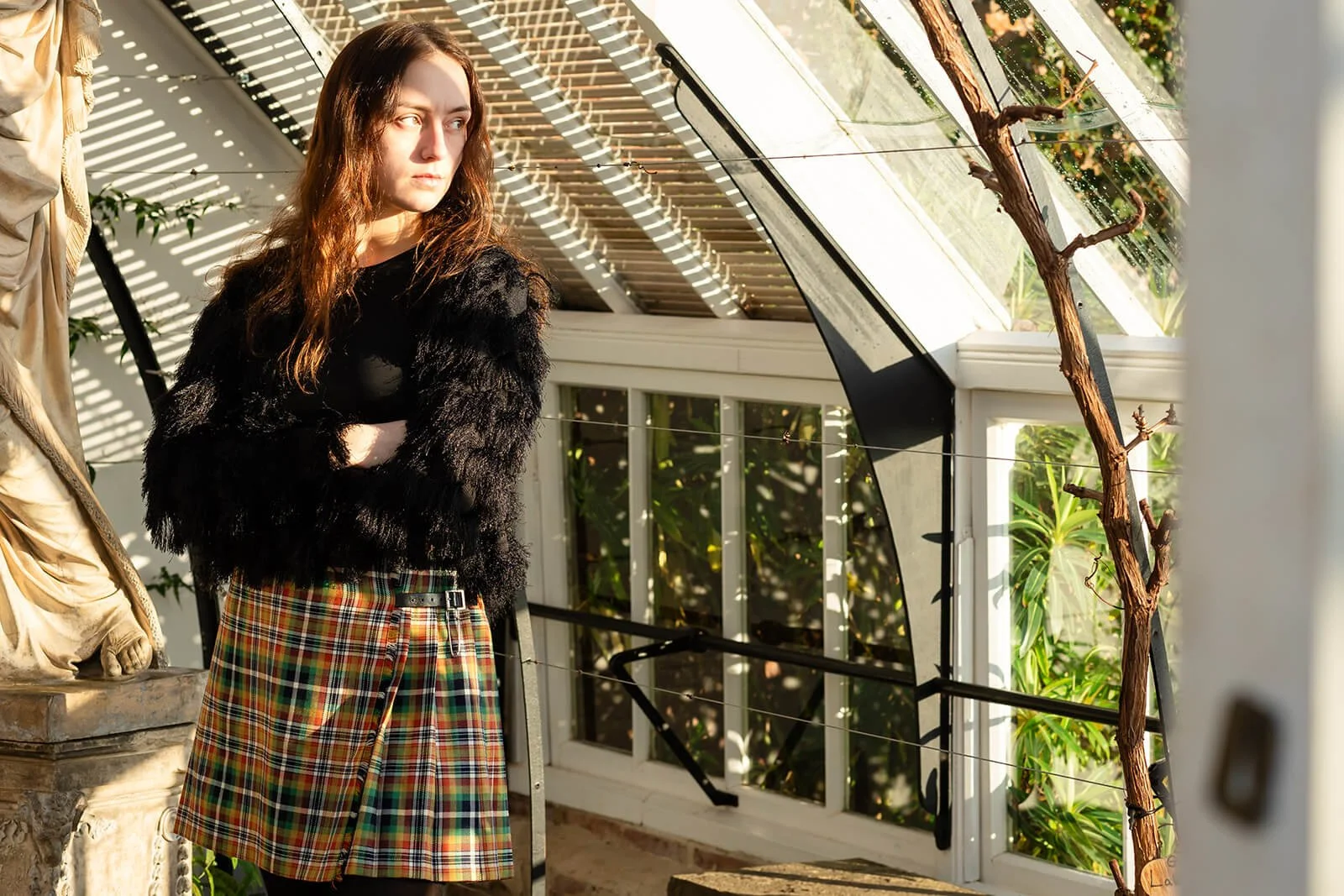
Location Photoshoot at Marchmont House for International Tartans.
When Location Becomes Part of the Story
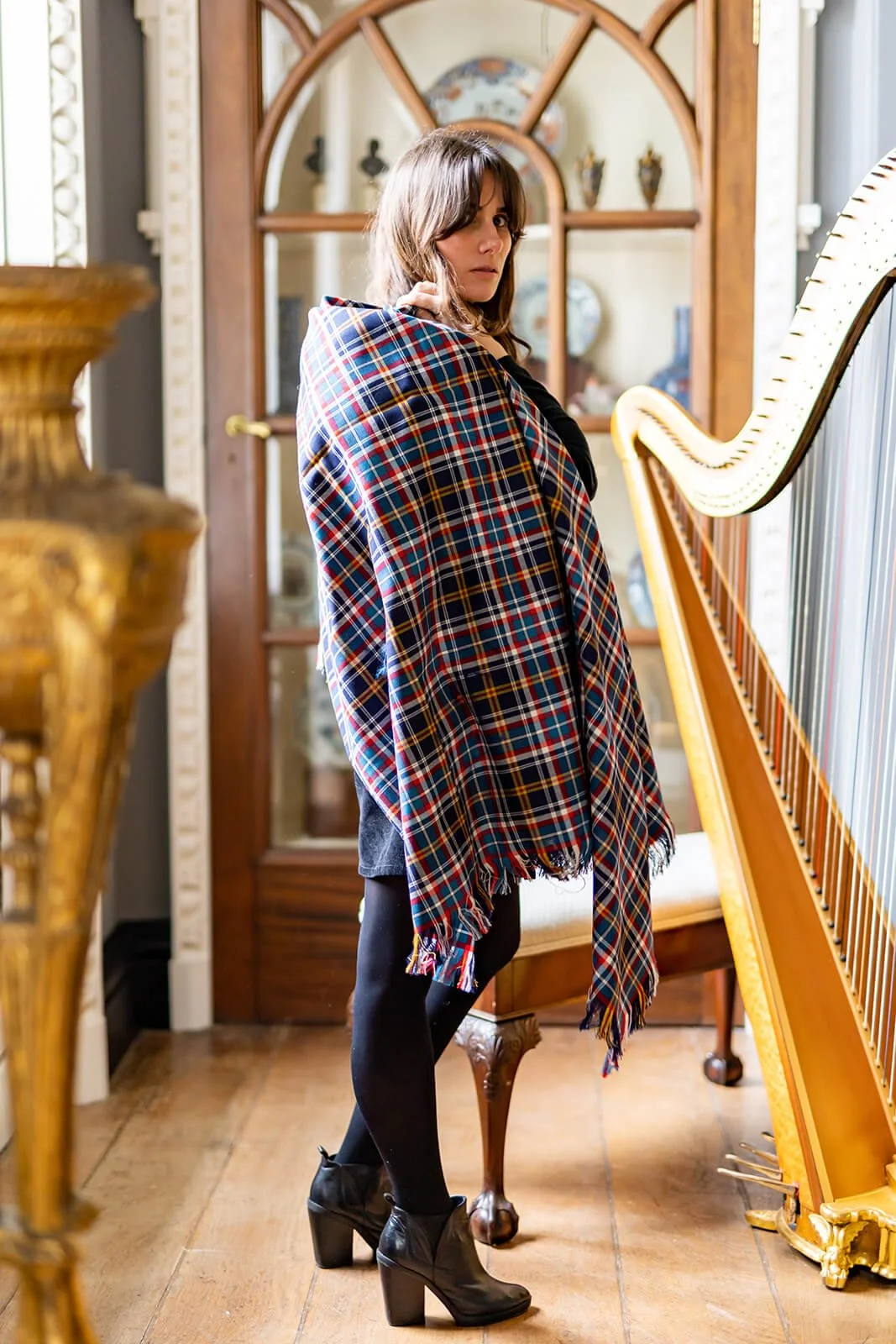
Beyond the studio and workshop, iTartans’ photography also included two on-location sessions at Marchmont House — one in the main house and one in the Glasshouses.
Here, the emphasis shifted again. These sessions weren’t focused purely on products or process, but on atmosphere and narrative. The setting added scale, heritage, and a sense of place that supported the wider story iTartans wanted to tell.
What mattered just as much was who appeared in the images. Rather than using external models, the makers and students themselves stepped into the frame. For many, this was their first experience being photographed in this way — and it became something more than a shoot. It was a confidence boost, a genuinely enjoyable day out, and a chance to see themselves as part of something bigger.
Using real people in meaningful locations adds depth that can’t be staged. Historic buildings, landscapes, and community spaces quietly reinforce values and purpose — while involving the people behind the work builds connection, pride, and a stronger sense of team..

International Tartans Branding shoot at Marchmont House
Brand Photography vs Studio Photography: What’s the Real Difference?
At first glance, brand photography and studio photography can look quite similar — especially when they’re showing the same products. Both can be used on websites and social media, and both can look professional. But they do very different jobs.
Studio photography is about clarity and consistency. It’s created in a controlled environment, where lighting, background and framing stay the same from image to image. That makes it ideal for products and portraits where accuracy really matters. Studio images tend to feel clean, calm and dependable, which is why they work so well for e-commerce, printed materials and anything that needs to sit neatly within an existing brand.
Brand photography, on the other hand, is about context and connection. It’s photographed in real spaces and shows people, process and place alongside the subject itself. Instead of isolating something from its surroundings, brand photography includes them on purpose. The result feels more human and more informative — it shows not just what you do, but how you do it, the scale of what you make, and what it might feel like to work with you.
Where studio photography creates a solid foundation, brand photography builds on it with story and atmosphere. One provides structure; the other adds depth.
For many organisations, including International Tartans, the most effective approach isn’t choosing one over the other. It’s understanding what each is for — and using them together so your images work harder across different platforms, audiences and moments in time.

International Tartans Queen of Scots Tartan in our Studio in Berwick-Upon-Tweed
Brand Photography vs Studio Portrait Photography: A Simple Comparison
Studio Photography
Controlled lighting
Neutral plain or on brand backgrounds
Ideal for products and portraits
Clean, consistent, and repeatable
Works well for websites, catalogues, and print
Brand Photography
Shot in real locations
Includes people, process, and environment
Adds personality and context
Supports storytelling and connection
Ideal for social media, marketing, and editorial use
For International Tartans, the most effective approach wasn’t choosing one over the other — it was using both together.

Photography of International Tartans Products at Marchmont House
Why Working with a Local Photographer Mattered
International Tartans also made a conscious decision to work with someone local.
There’s a real advantage to working with a photographer who has a studio nearby. It keeps travel costs down, makes it easier to plan shoots at shorter notice, and allows for a more flexible approach overall. A local photographer also understands the area — not just geographically, but culturally too. The way the light behaves along the coast, how quickly the weather can shift, and when it’s best to adapt rather than push on.
Because I’m based in Berwick-upon-Tweed, planning sessions across the studio, Eyemouth and Marchmont House didn’t require rigid schedules or extensive location scouting. We could work with the light, adjust timings, and let the day unfold naturally.
That local knowledge also helped when choosing locations. Rather than relying on generic backdrops, we selected places that genuinely suited iTartans — calm, characterful spaces with a strong sense of place.
For organisations working across Northumberland and the Scottish Borders, this kind of familiarity often makes the whole process feel easier, more relaxed, and far more collaborative.
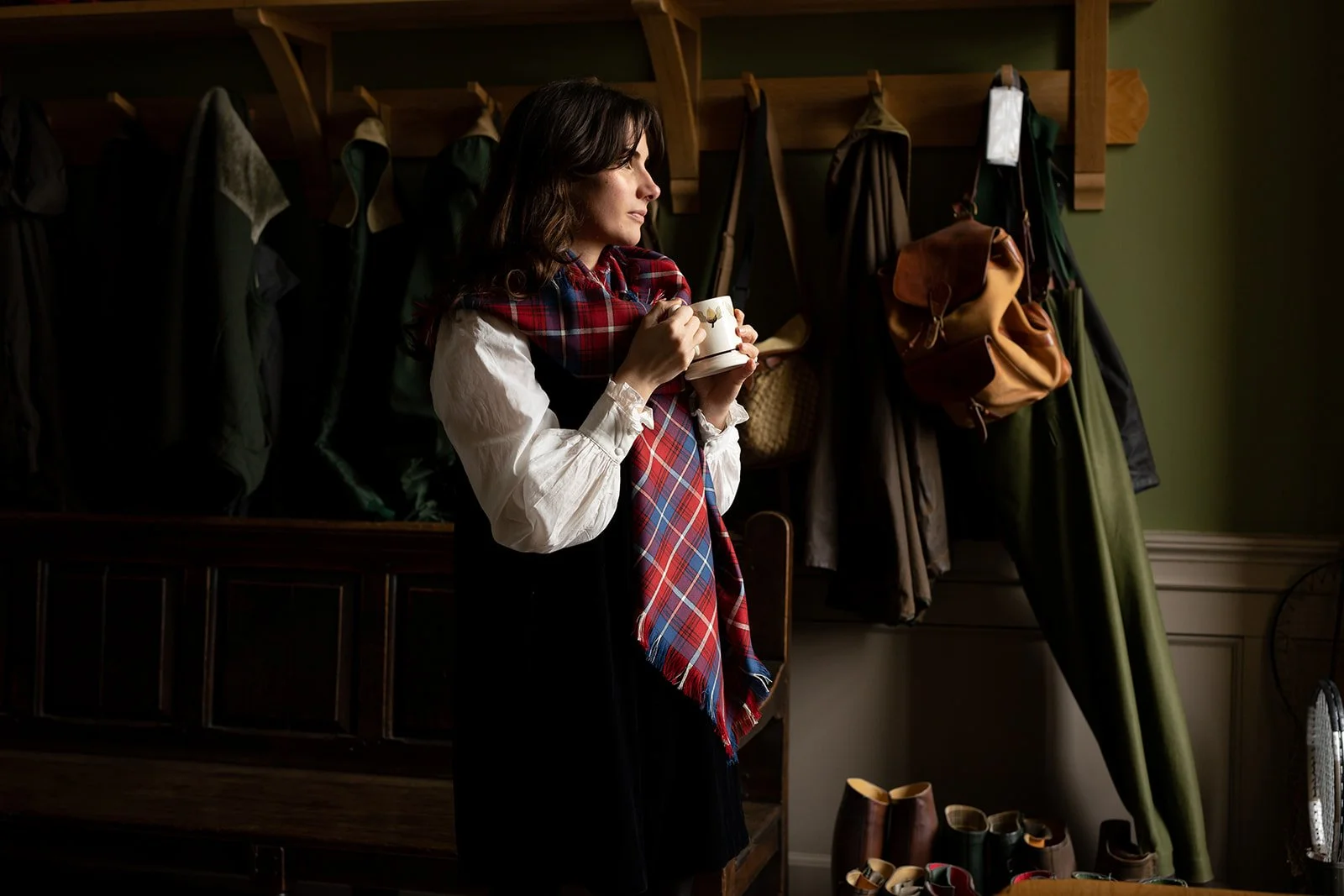
International Tartans Branding shoot inside Marchmont House in The Scottish Borders
How I Work – Quietly, Naturally, and With You in Mind
One thing clients often tell me is how calm the whole process feels — and how little it feels like a photoshoot.
I’ve been behind the camera for nearly two decades, and I’ve learned that the best images tend to happen when people forget they’re being photographed. When there’s no pressure to perform, no stiff posing, and no sense of being “done to”.
My role is to help you feel at ease, keep an eye on the light, and gently guide things as we go — without turning it into a photoshoot with a capital P.
I won’t ask you to force a smile or hold an awkward pose. We’ll chat, move around, take our time, and let things unfold naturally. The aim is always the same: photographs that feel like you, not a version you’ve had to put on.
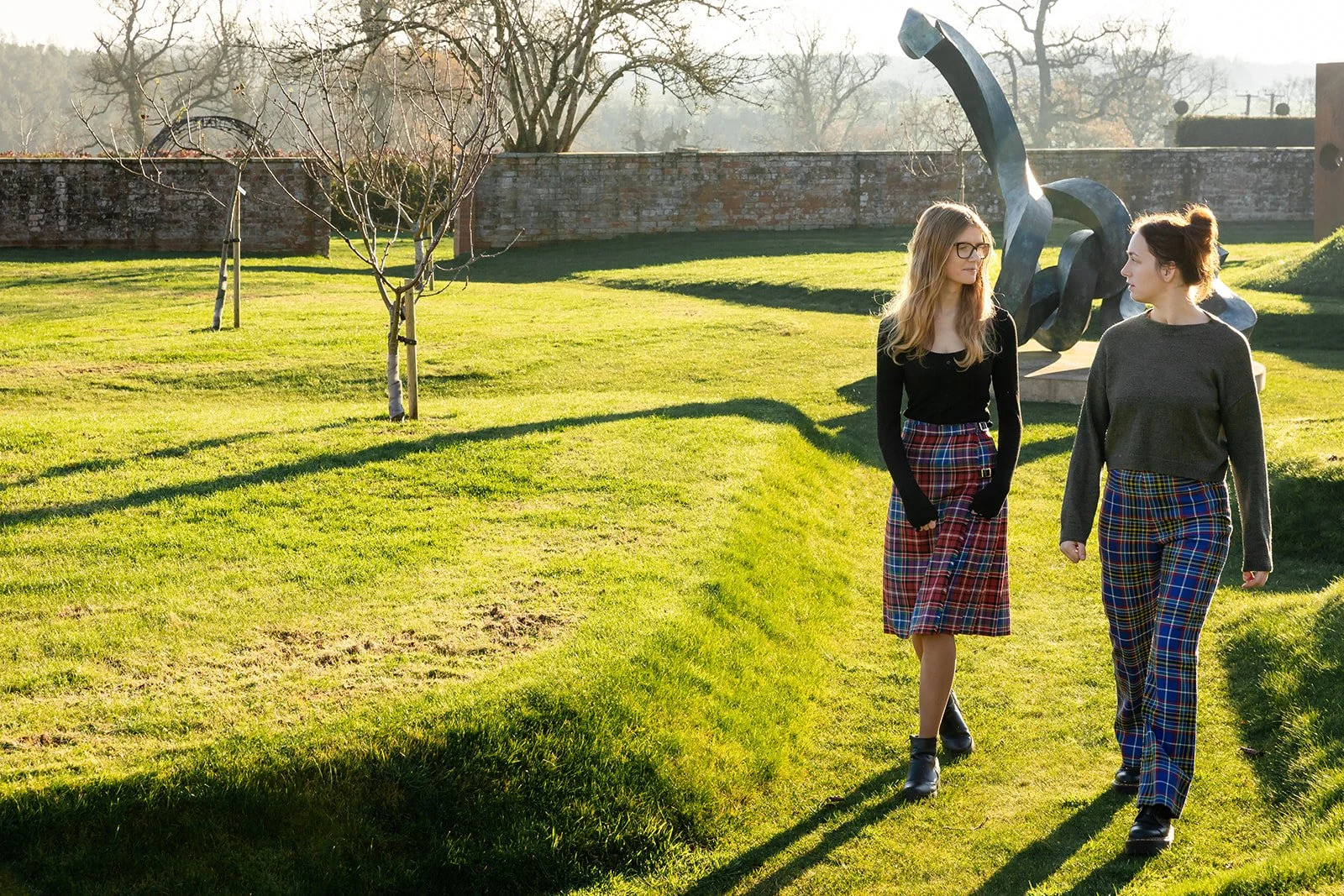
International Tartan Branding shoot at Marchmont House in Greenlaw, Duns
Choosing the Right Approach for Your Organisation
Most organisations don’t fit neatly into one box.
Some need the reliability of studio photography to create a clear, consistent starting point. Others lean more on brand photography to show values, process and personality. Often, the right approach sits somewhere in the middle — and it can shift over time as the organisation grows and changes.
The important thing is being clear about how your images will be used and what they need to do. When photography is planned with purpose, rather than chosen by default, it becomes far more useful and far more effective.
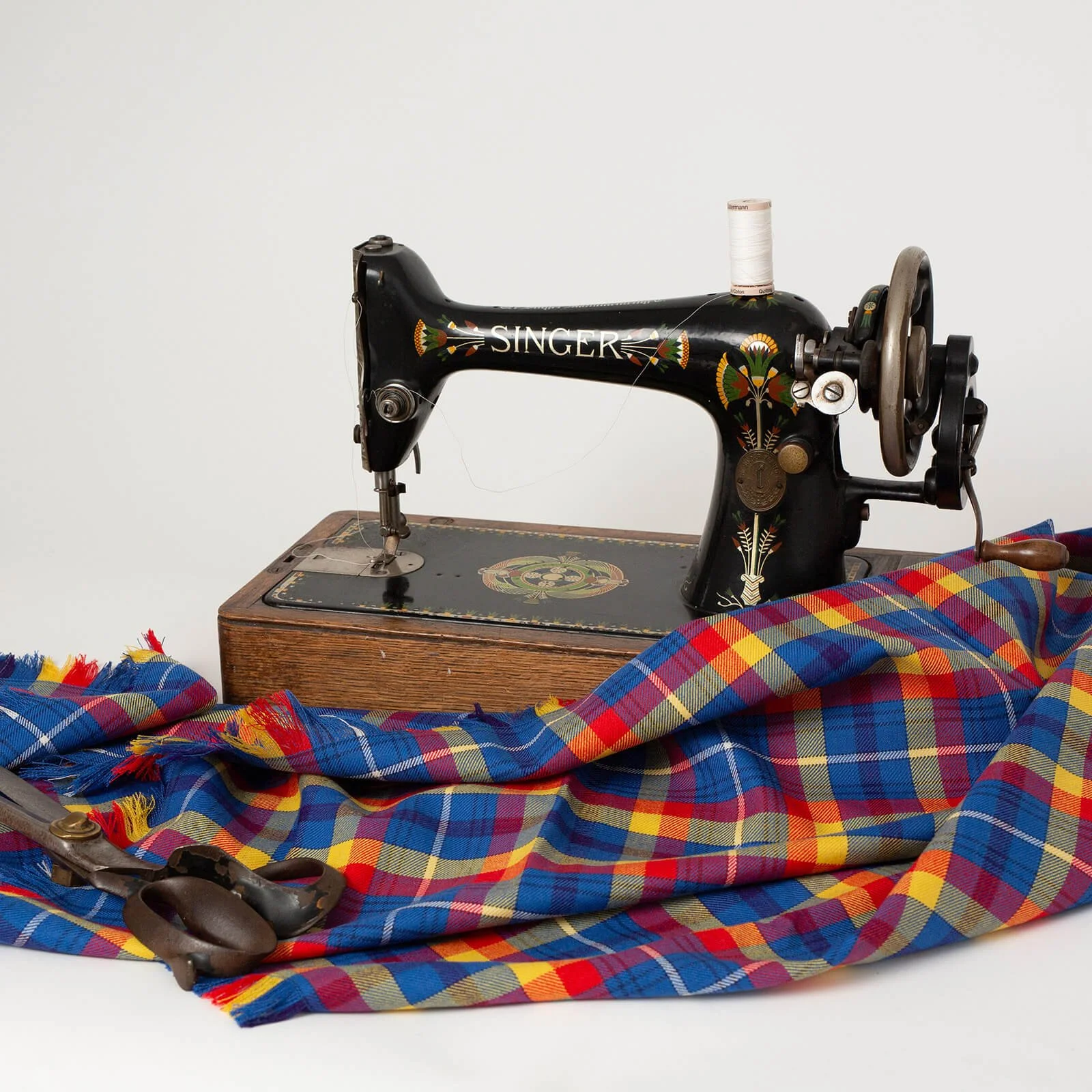
International Tartans Branding Photoshoot in Our Studio in Berwick-Upon-Tweed
Thinking About Booking a Photography Session?
If you’re unsure whether studio photography, brand photography, or a combination of the two would suit your organisation best, a short conversation can really help.
Every project is different. The most useful approach depends on what you need your images to do — now and as your organisation grows.
If you’d like to talk things through, you’re very welcome to book a call here
You may also find this helpful:
How to Prepare for a Branding Shoot
Which of These 7 Types of Product Photography is Best for Your Business?
Studio vs On-Location Photography for Bands: Choosing the Right Style (and Why It Matters More Than You Think)
Case Study: The Blame - Berwick-upon-Tweed
Written By: Lucas Weightman - Digital Marketing & Photography Assistant, Northumberland
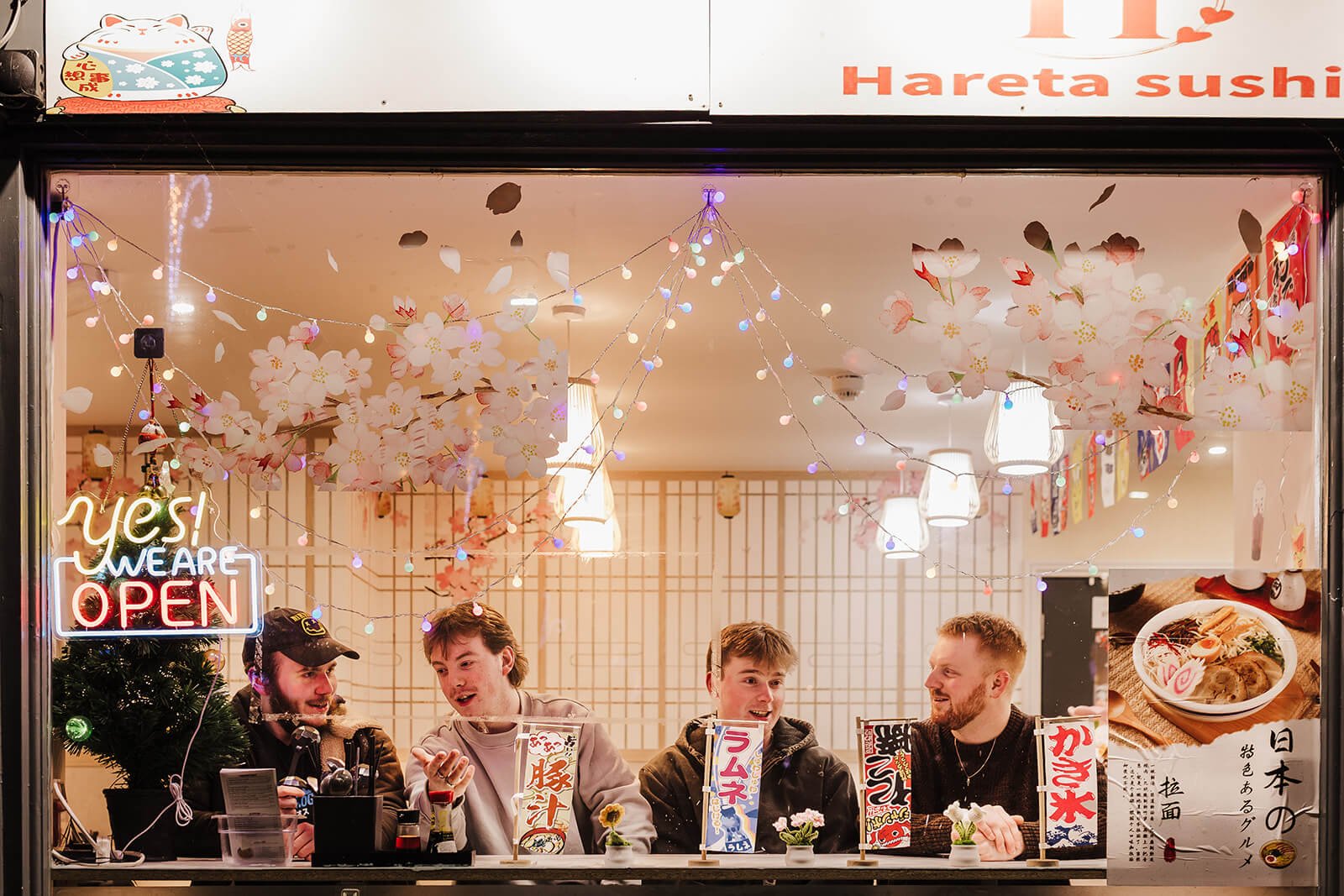
The Blame on location in Hareta Sushi, Berwick upon Tweed
Why Studio vs On-Location Photography Matters for Bands
Band photography is often the first visual introduction people have to your music. Before anyone hears a track, they may see your press image, album artwork, Spotify profile, Apple music, Amazon music or a social post promoting a gig. Those images communicate who you are, what you sound like, and what kind of experience you offer.
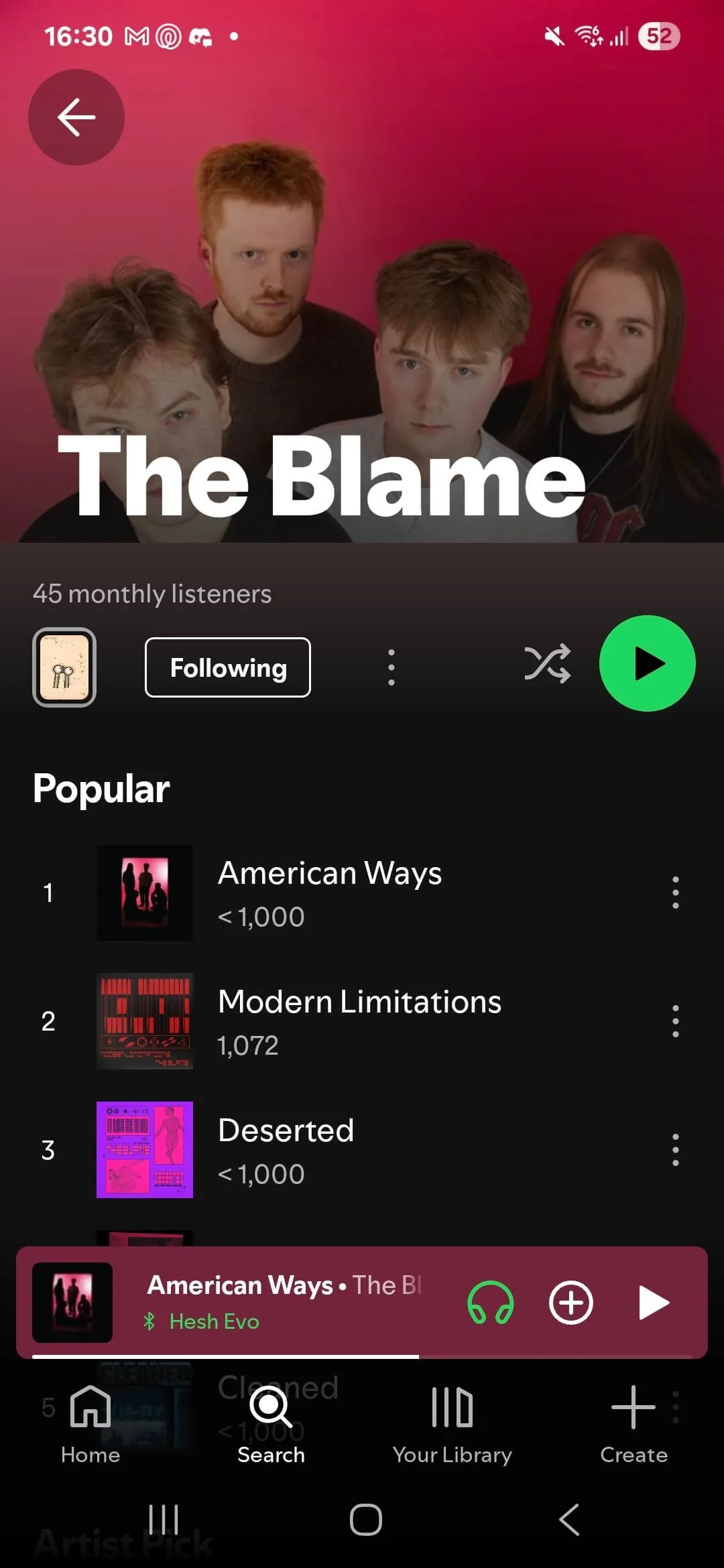
The Blame - Spotify
That’s why the decision between studio vs on-location photography matters more than many bands realise. It isn’t simply about where photos are taken, it’s about how your band wants to be perceived. Studio photography can feel bold, graphic and intentional. On-location photography can feel atmospheric, raw and rooted.
Neither approach is better than the other. The strongest band photography comes from choosing a style that aligns with your sound, your identity, and how you want to connect.
This blog explores studio vs on-location photography for bands, using a real case study from Berwick-upon-Tweed to show how different settings can create very different results, and how both can work beautifully.
One Band, Two Shoots, Two Very Different Vibes
When we photographed The Blame, a Berwick-upon-Tweed based band, we deliberately split the work across two sessions: one in the studio and one on location around town.
The contrast between the two approaches was immediate.
The studio photographs were vibrant, minimal and controlled. Every light, shadow and reflection was intentional, creating a clean, confident look that felt polished and deliberate. With no distractions in the background, the focus stayed firmly on the band and their presence.
The on-location images, by contrast, had a looseness and character that felt completely different. That unmistakable Berwick atmosphere added depth and context - things you simply can’t recreate indoors.
Interestingly, the band preferred the studio images. I was more drawn to the outdoor ones. And that highlights an important point, there is no right or wrong choice. The best approach depends entirely on your band’s identity and how you want to be seen.
Studio Photography: Clean, Controlled, Consistent
Studio band photography offers complete control over the environment. Nothing is left to chance, from lighting and colour to background and framing.
This level of control makes studio photography a strong choice for bands who want clarity, consistency and a bold visual statement.
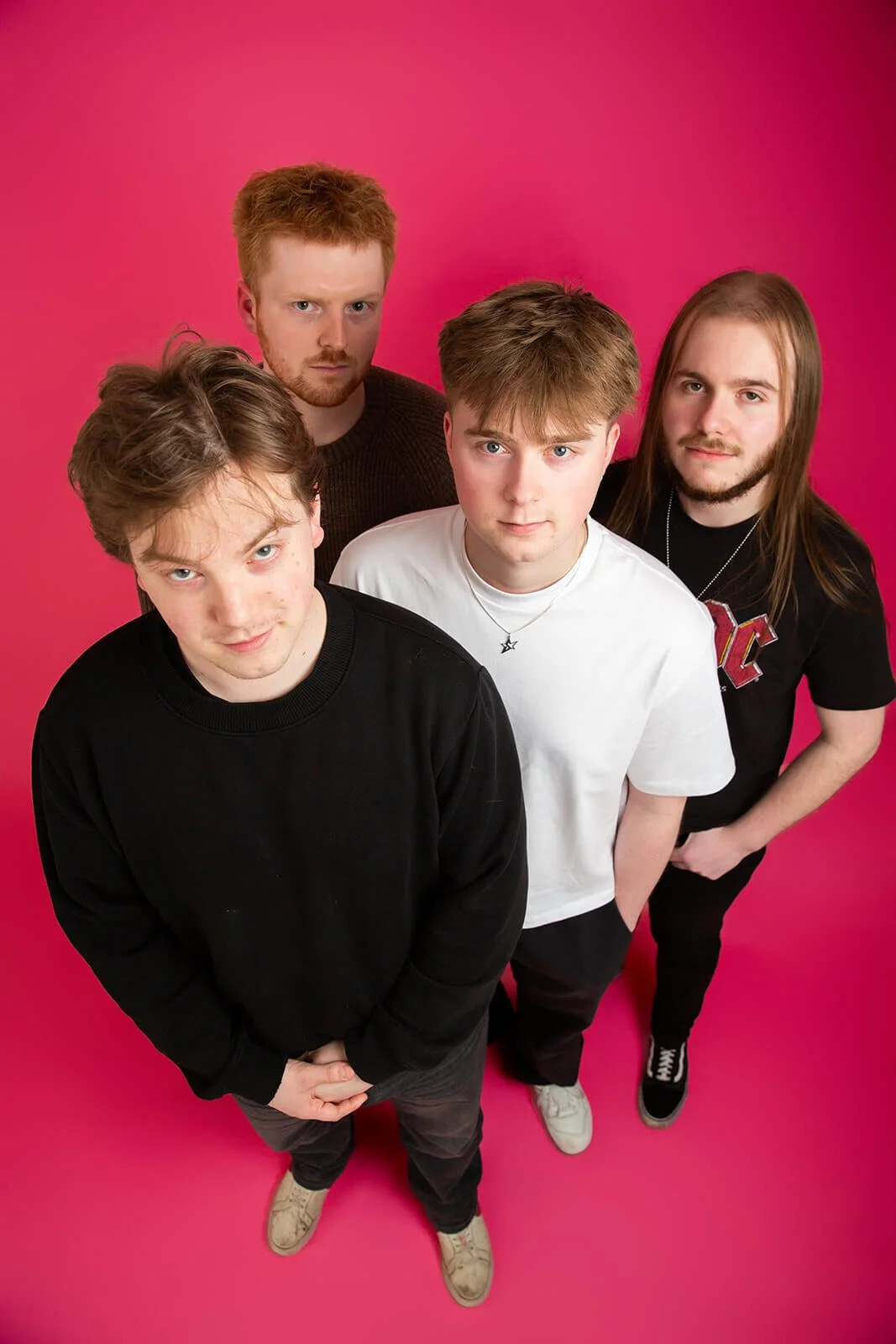
The Blame in our photography studio - hot pink!
Studio photography work particularly well for:
Bands creating album artwork or press imagery
Musicians wanting a strong, graphic visual identity
Projects that need consistency across campaigns and releases
Pros
Clean, distraction-free backgrounds
Precise, repeatable lighting
Easy to match images across platforms and future shoots
Cons
Less environmental storytelling
Can feel formal if styling and direction aren’t carefully considered
It’s worth noting that studio photography doesn’t have to mean neutral or safe. For The Blame, a studio shoot using a bold hot-pink background created a striking, contemporary look that suited their energy. The studio simply becomes a blank canvas and shows expression and character, depending on how it’s used.
On-Location Photography: Real, Atmospheric, Story-Driven
On-location band photography brings context into the frame. Rather than removing the environment, it allows the setting to become part of the story.

Blame Band outside a commercial unit in Berwick
For The Blame, shooting outdoors introduced texture, scale and a sense of place. The images felt more spontaneous and grounded less about perfection, more about presence. Weather, light and surroundings all played a role in shaping the final photographs.
On-location photography is ideal for:
Bands wanting a strong sense of identity or place
Artists with a raw, narrative or expressive sound
Projects where atmosphere matters as much as polish
Pros
Ambient light, texture and depth
Unique, character-filled backdrops
Strong emotional connection for the viewer
Cons
Weather and light are unpredictable (it was super cold that evening!)
More planning required for timing and logistics
While on-location photography can feel less controlled, that unpredictability is often what gives the images their edge.

Another band: Muzzle on location in Berwick
How Bands Use Studio and On-Location Photography Differently
Understanding how images will be used can help guide the choice between studio vs on-location photography.
Studio images are often well-suited to:
Press kits and media submissions
Album or single artwork
Website headers and profile images
Promotional materials needing a clean, professional look
On-location images often shine when used for:
Social media content (check out the Blame’s insta page here)
Editorial features and interviews
Gig promotion and posters
Story-led branding and visual storytelling
Many bands find that combining both approaches gives them the most flexibility. A mix of studio and on-location photography creates a varied image library that can be used across multiple platforms without feeling repetitive.
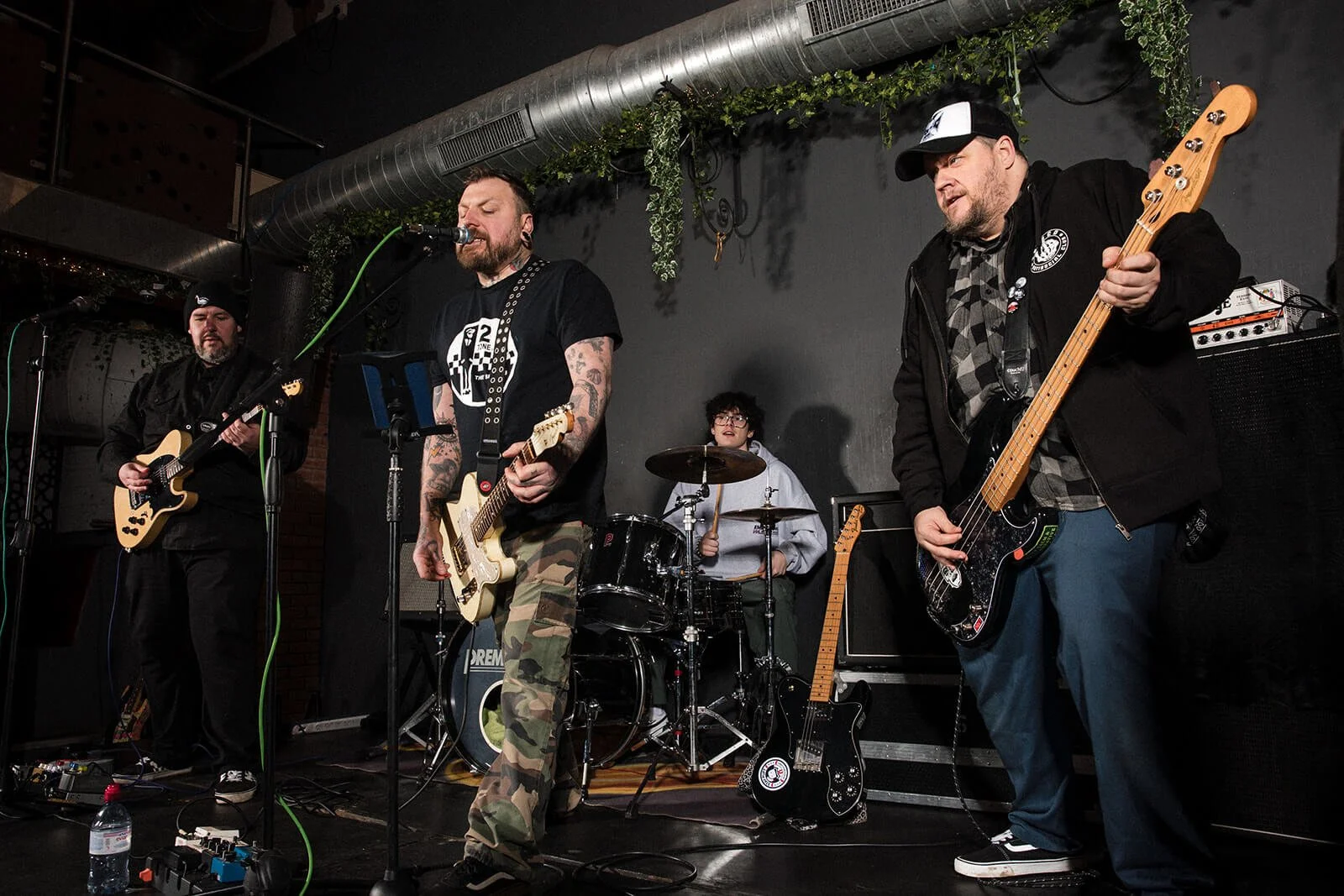
I.O.D. gig photography (on location)
So… Which Should You Choose?
If you value consistency, control and a polished finish, studio photography may be the right fit.
If you’re drawn to emotion, movement and storytelling, on-location photography can bring your visuals to life.
Or, like The Blame, you may decide to do both. Combining studio and on-location images gives you the best of both worlds: a versatile set of photos that work across social media, press features, artwork and promotion.
After the Shoot: Using Your Band Photography Properly
Once the shoot is complete, how you use your images is just as important as how they were created.
After band photoshoots, images are delivered via a private online gallery, allowing bands to easily view, download and organise their photographs for different uses.

High-Resolution vs Web-Resolution Images - What’s the Difference?
High-resolution images are designed for print use, where image quality and detail matter most. These are the files you would supply to:
Magazines and newspapers
CD and vinyl artwork
Posters and physical promotional materials
Web-resolution images are optimised for digital platforms. They load quickly and display correctly online, making them ideal for:
Music blogs and online features
Band websites
Streaming platforms such as Spotify
Social media platforms like Instagram and Facebook
Which Images Should Your Band Use - and When?
If your band is featured in a magazine or printed publication, always supply high resolution images.
For online features, websites and social media, web-resolution images are usually preferred. Using the correct version ensures your images look professional wherever they appear and prevents issues with image quality or loading speed.
Thinking About a Brand or Band Photoshoot?
The most successful band photoshoots aren’t about choosing the “right” location, they’re about choosing what aligns with your sound, personality and visual identity (brand).
Whether working in the studio or out in Northumberland’s changing light, thoughtful planning ensures your images feel considered, confident and true to you.
Explore Brand Photography Options → click here
Book a Chat with Sarah → here
4 Easy Steps to a Stress Free Children’s Photo Shoot
Outfit planning
Coordinate colours and patterns for siblings as if you were choosing one outfit
Make changing easy. Changing a full outfit is sometimes not possible and can upset a child; however, quickly changing a top is usually fine
Avoid logos and busy colourful patterns. Simple is timeless!

Set the mood
Make sure you and your child/children get plenty of rest the night before. A good night’s sleep works wonders
Ensure everyone is fed and hydrated beforehand
Avoid screen time before your session; it can affect your child’s behaviour and mood (and seem like a punishment when it's taken away)
Try to arrive on time (not early) to your session to save little ones from becoming bored and restless

Pack a bag
Arrive with your child/children dressed but pre-pack any changes of clothing and cherished teddies or favourite toys the day before
Don't worry about matching shoes! Bare feet are super cute in mini shoots
If you feel that treats are necessary, we advise white chocolate buttons (which don't make much mess and won't take a lot of chewing)

Relax
Talk to your child/children in a positive way about the shoot in the days beforehand
It can be helpful to discuss a treat that will happen after the session
Even after following these tips you may still experience tantrums, shyness and hiding behind mummy’s legs but we know every trick in the book to get a giggle and a few shots that will make your heart sing. So just sit back and relax!


In summary
Plan outfits in advance
Prep for good moods
Have everything ready
Relax and let us do our thing

It always takes a little time to ‘warm up’ but we have all the tricks of the trade to get your little one happy and confidently smiling within minutes!

White Studio Sessions: Timeless Beauty and Emotion
The studio has been adapted for our White Studio Sessions. A simple and timeless look featuring a soft and flattering false window light (which means that these sessions are available regardless of the weather or time of day).
The White Studio Sessions are ideal for capturing milestones between pregnancy to around age 4. I use delicate muted textures in the set and advise you to dress simply in white or cream clothing to ensure all the focus is on baby and you, not on your outfit choices.
These sessions are made to tell a story and capture the beauty and emotion between the baby and you. I can also capture siblings together or the family in the White Studio.

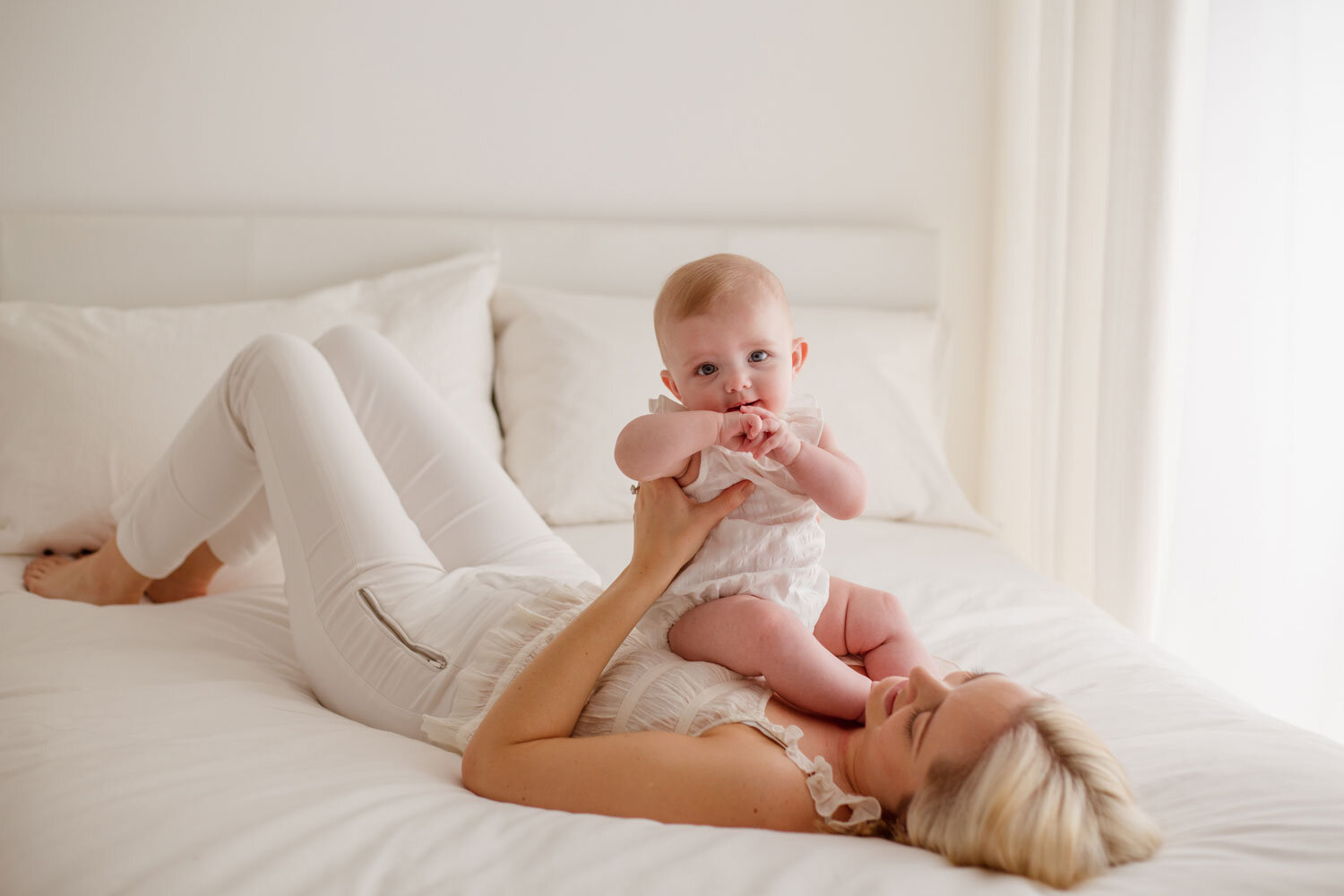
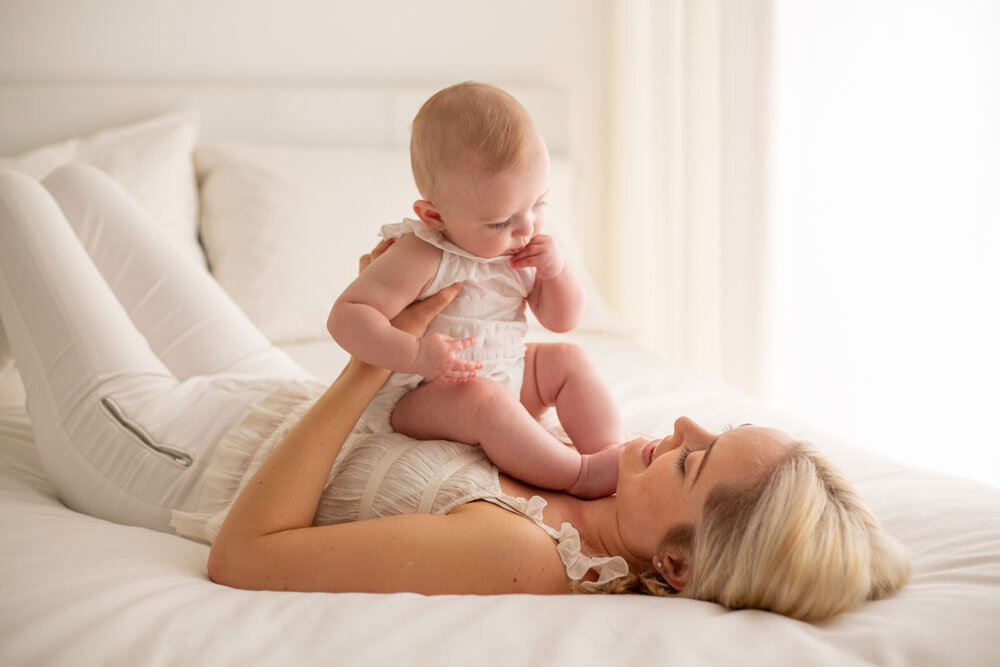
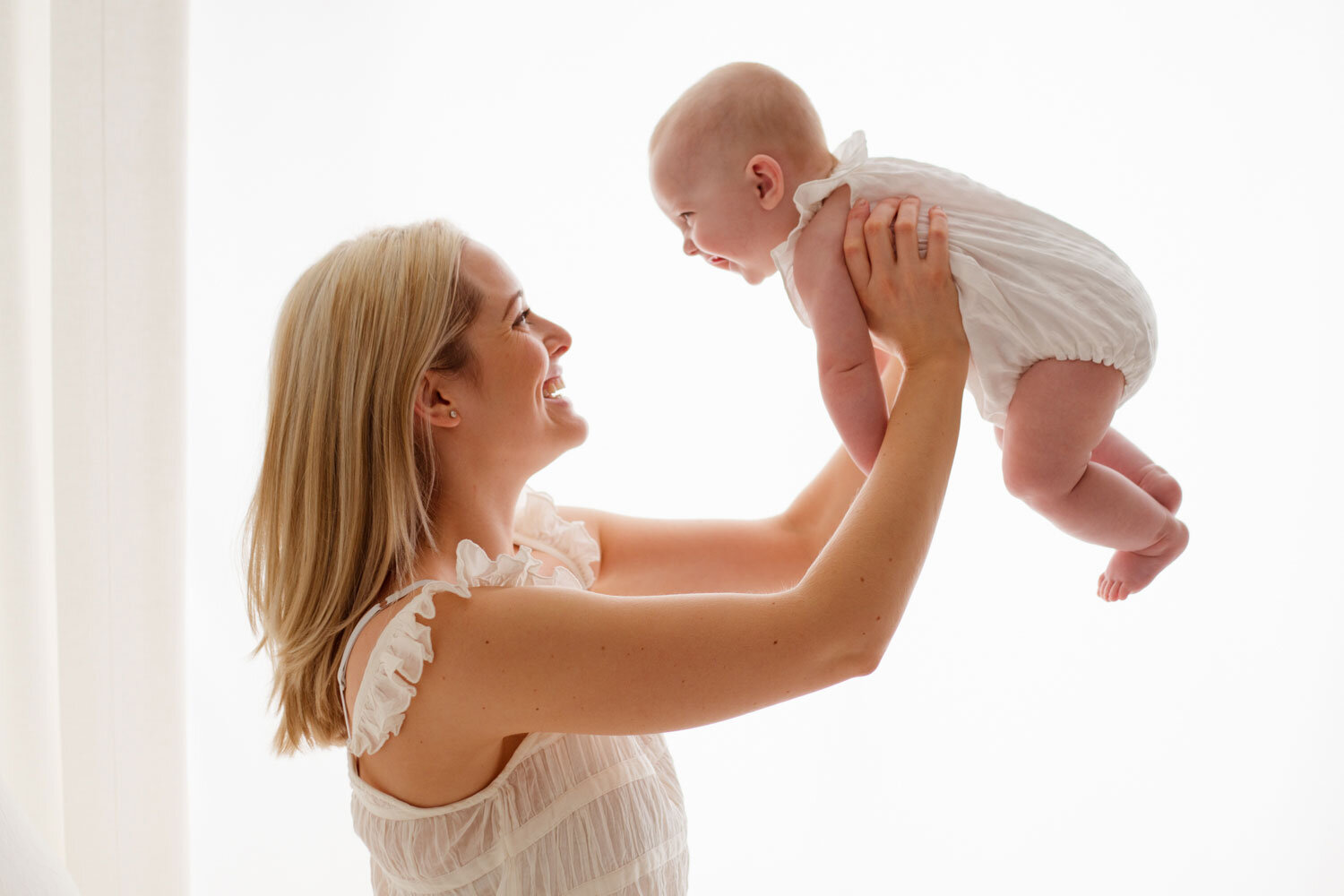

Outfit planning
White Studio outfit planning is really easy, we recommend a combination of whites, creams and beiges as colours can be distracting.
Coordinate everything as if you were choosing one outfit.
Textures are sooooo goood.
Make changing easy. Changing a child’s full outfit is not recommended; however, quickly changing a top is fine.
Make sure nail-coloured varnish is removed before the shoot (toes and fingers), a fresh french polish or similar for mum is fine.
Simple is timeless.

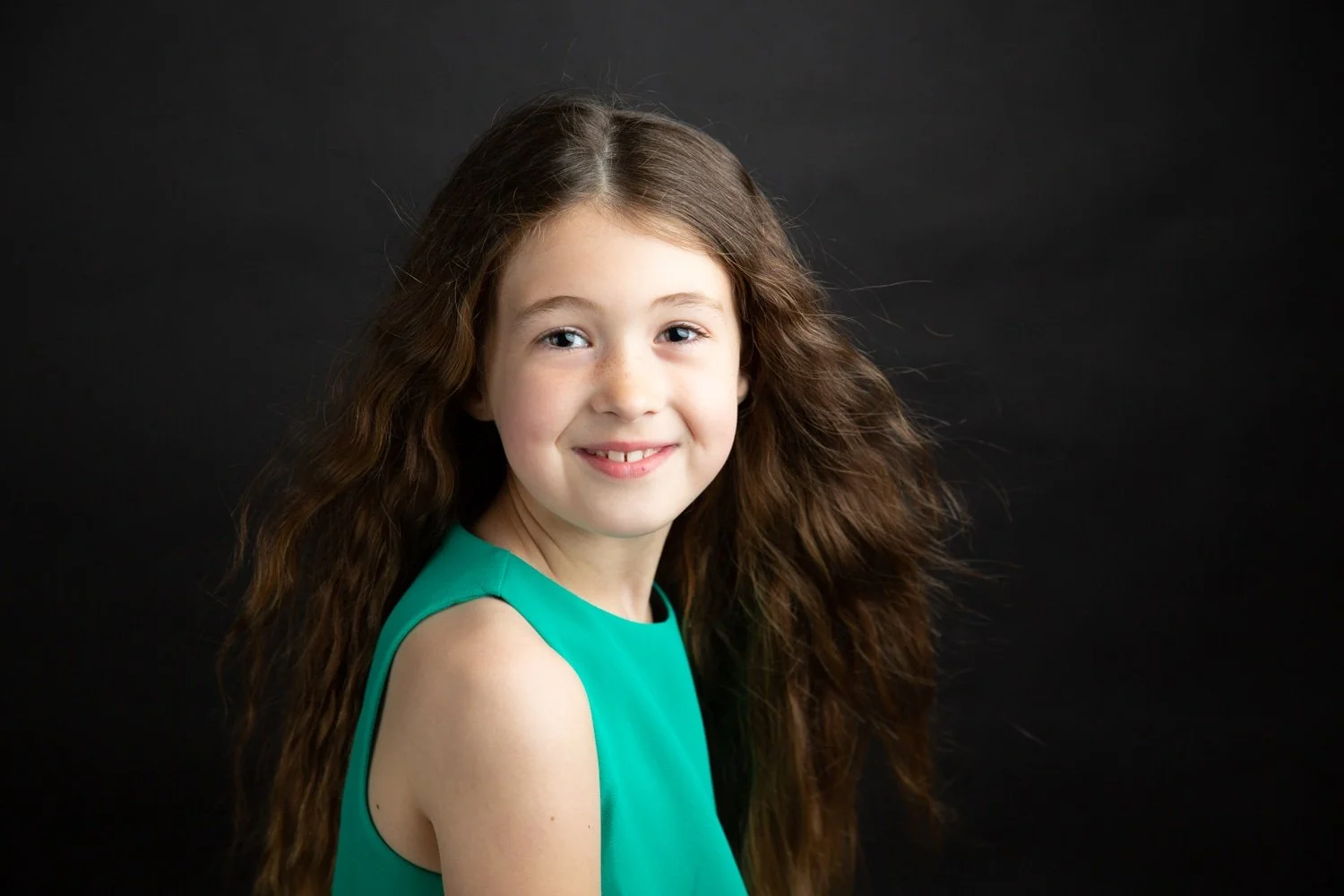
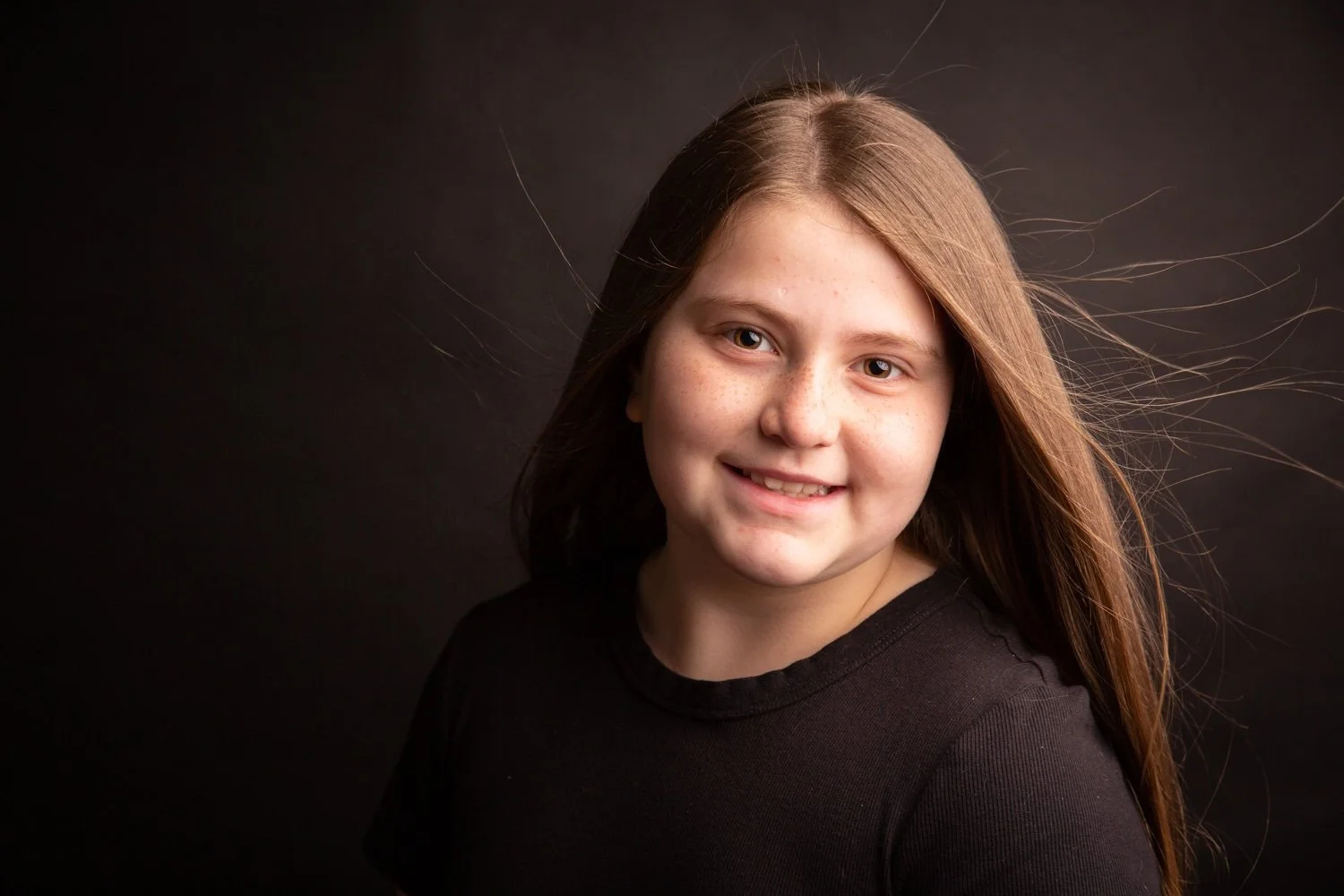
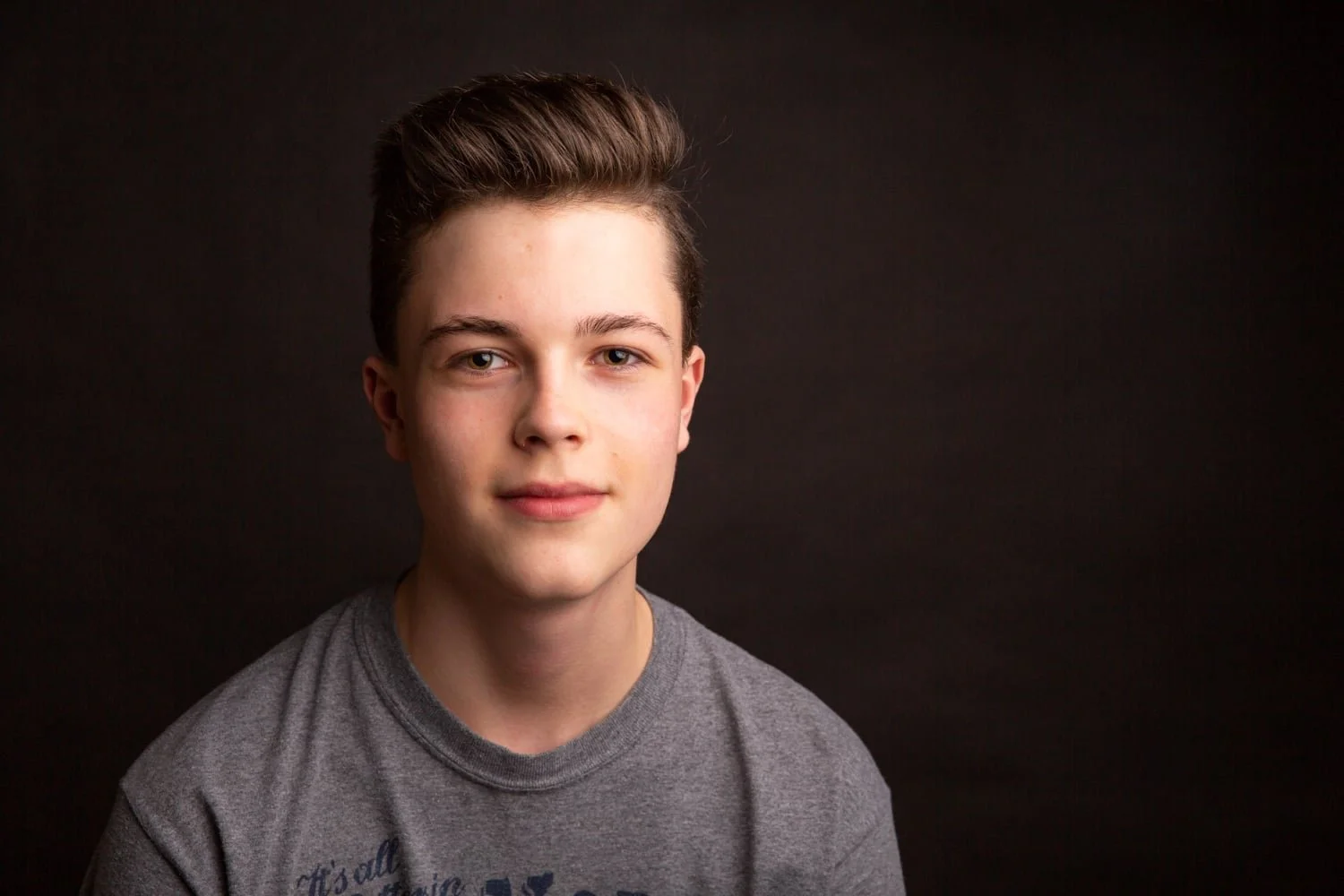
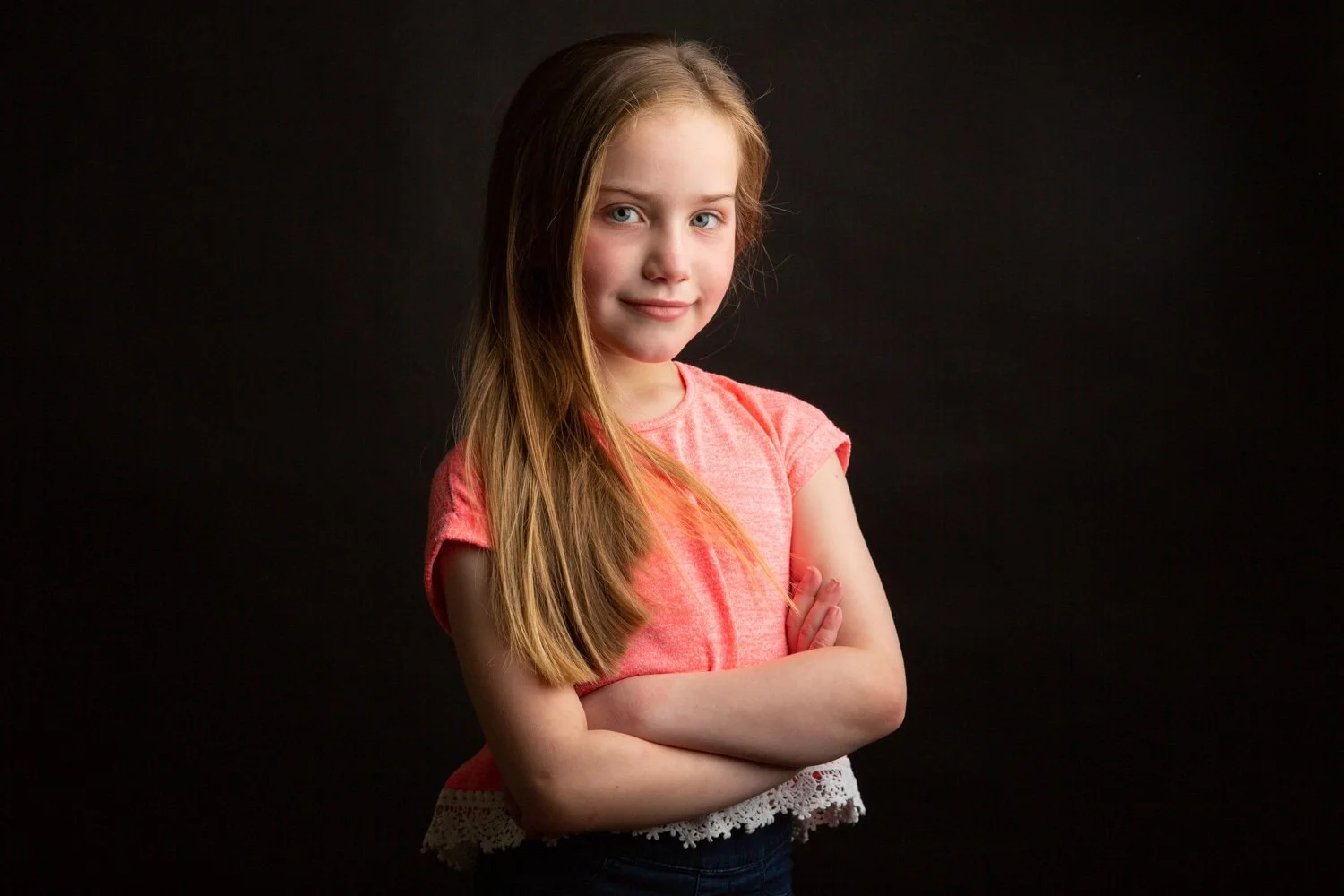
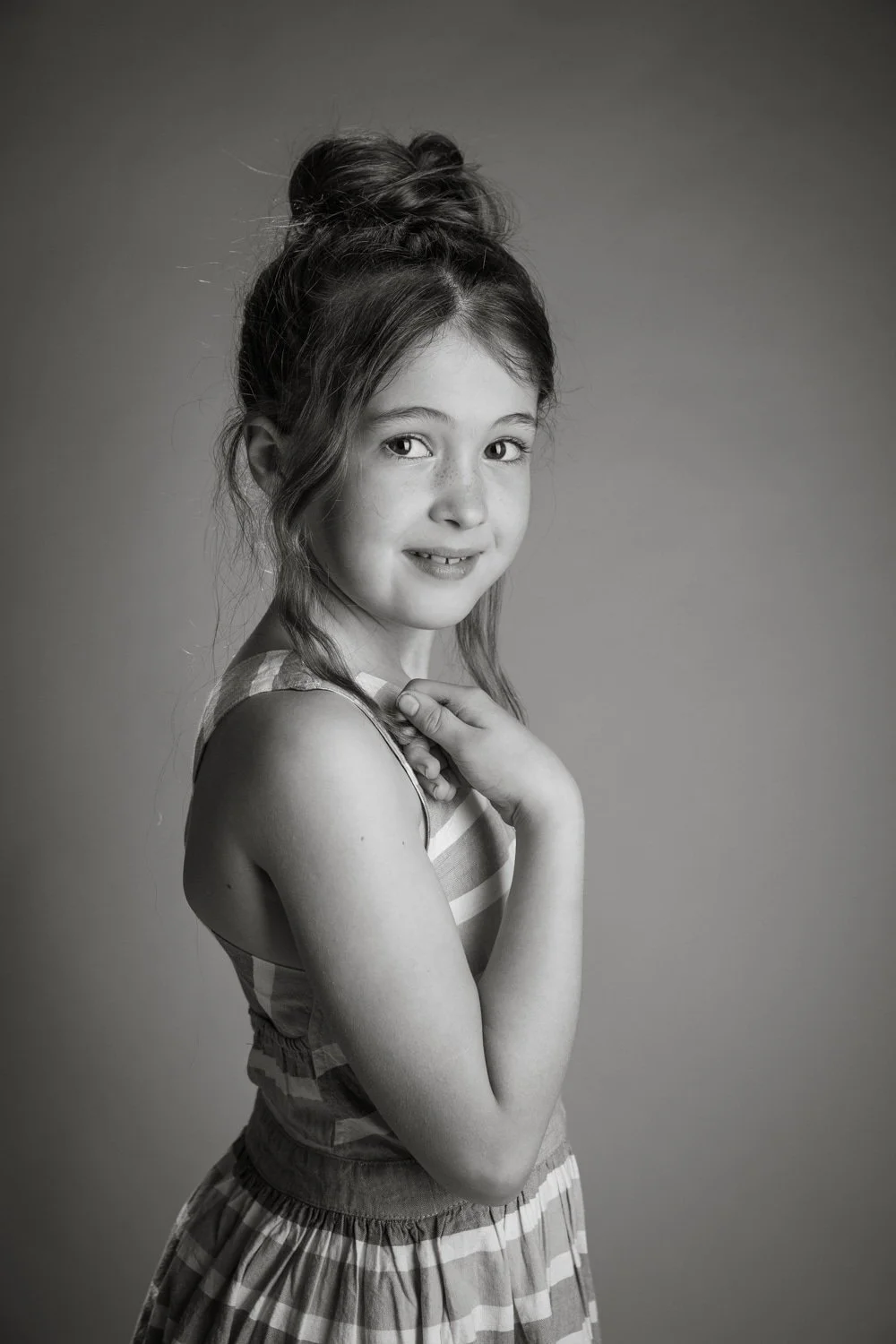
Elevate Your Child's Acting Career with Stunning Headshots
Recently, children from drama classes ‘Scripts to Stage’ in Berwick have been selected and signed up to an agent; so I have started taking portfolio head and full body shots which bring out their individual looks. These images will appear in Spotlight magazine, which lands on casting directors’ desks all over the world. It is a very exciting opportunity for them and I hope the photographs will make them shine from the rest. Fingers crossed for some great acting and extras parts!