
Don't Upload Any More Photos to Your Website Without Reading This First!
Choosing the best image size and format for your product photos can easily double the speed of your website!
When it comes to choosing between jpeg and png files for your website files and photographs, there are technical pros and cons to consider.
Product pages of an e-commerce website need clear but enticing pictures of the item, and you want it to load fast online, right?
Image Formats
.jpeg
In general, jpegs are widely used online because jpeg images load quickly as they have small file sizes compared to other formats. If you want to use large images on your website you will need to compress the jpeg file. The larger the image in ‘weight’, the slower it loads. Jpeg files use ‘lossy’ compression which means that some of the data is lost each time you save it. Usually you can’t tell, but if you go too far with compression it may end up looking like a poor quality image. Lossy compression is permanent so you can’t get the quality back in a file after it has been compressed.
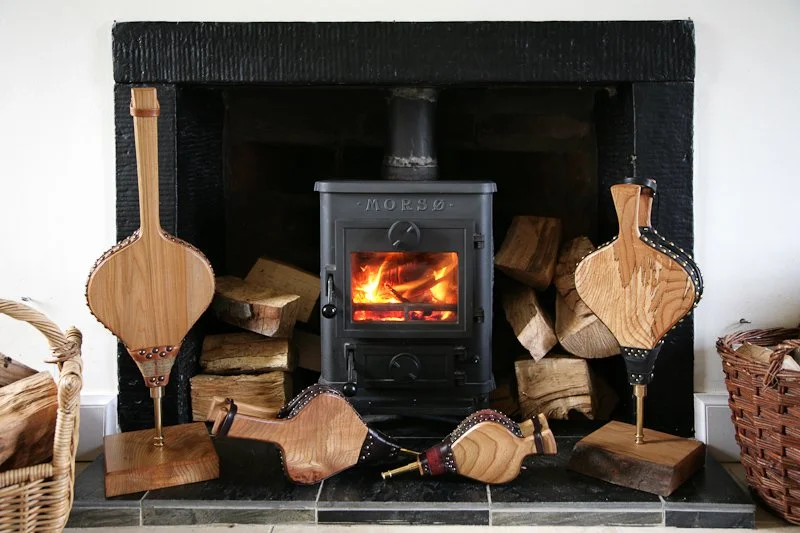
lifestyle product photography in jpeg format - fire bellows by https://www.firebellows.co.uk/bespoke
.jpeg files:
Have small file sizes
Have faster web loading times
Loose quality with compression
Don’t support transparency
Are great for websites with galleries and e-commerce catalogues, mastheads, banners and hero images
.png
They hold more data than a .jpeg and .png compression is ‘lossless’ which means that you can reduce the size of a png image while maintaining the quality. If you use png files online, you may notice longer loading times. png files are good for ‘cutout’ product photography online because the background of a .png file can be completely transparent. This means that you don’t get that dreaded ‘white box’ around your image if you have a coloured background on your website.

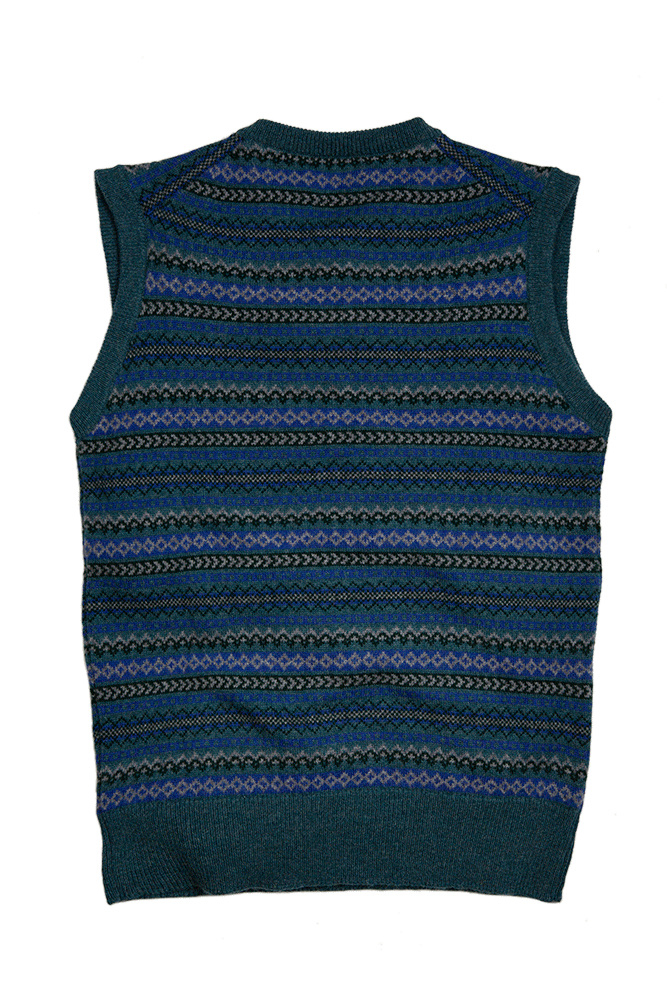
Here I used some padding inside the tank top to make it look 3D, the colours are matched to the garment and it is flat lit to ensure the customer can see the complete detail of the knit and the colours of the wool. This is a .png image with a transparent backgound.
.png files:
Support transparency
Have larger file sizes
Are slower to load
Are clear, high-quality images
Are used for logo files, illustrations, small images that need transparent backgrounds, and images with text as part of a graphic.
Other Popular Image File Formats
.svg
SVG or scalable vector graphics file type is built by mathematical formulas that establish points on a grid which means that you can decrease then increase the size as many times as you like without it becoming blurry.
.gif
GIF files use 256 RGB colours and like PNG files they are lossless so do not lose quality. The colour limit is not ideal for saving photographs but solid colour graphics like logos can work. As you probably know GIFs support animation but it’s not a video you are seeing, more of a flipbook.
.ai and .psd
Adobe Illustrator and Photoshop files don’t render on browsers. You will need to convert these files to something like a jpeg or png to use them on your website.
Free Online Image Compression and Optimisation Tools
You can buy or subscribe to a software that will enable you to resize, compress and optimise your photographs which is great if you are doing this all the time as you can set up presets for different sizes and uses but if you just need to change a few images as a one-off, these websites do the job and are quick and free.
Tiny PNG: https://tinypng.com/
Optimizilla: https://imagecompressor.com/
JPEG Optimizer: http://jpeg-optimizer.com/
Resize Photos: http://www.resize-photos.com/
F.A.Q’s
What is the best image format for my website?
jpegs are best for file size but if you need to have transparency in your image, use png format.
What type of photography would be best for my business website?
Here is a link to an article that shows several different examples of professional photography from one shoot. All of them have the power to elevate your business's online presence and website, but which one would you use?
What are the ideal file sizes for photos on my website?
Use images 500 KB or less to help your site load quickly. The smaller the better! (As a guideline, I try and get my photographs under 300KB)
What file type should I use for my logo?
It depends on your logo. I use a png as I like our logo to have transparency when it is over a coloured background like this.

png file which has a transparent background

jpeg file which is ‘contained’ in a box
Can I use both png and jpeg on the same page?
Yes! I’ve used both formats on this very page!
I hope this guide helps you decide on how to format your website photography. If you have purchased product or commercial photography from Pictorial Photography, you will have received your files labelled HIGHRES and another set labelled LOWRES.
HIGHRES photographs are high resolution and ‘print ready’, these are for use on brochures and physically printed materials.
LOWRES photographs have been optimised for use online. Ready for use on your website and social media channels, we usually aim to keep them under 350KB so they won’t slow your site down. Please let us know if your web designer has specific requirements and we will export them to your preferences.
Did you know that we have a free website photography consultation service?
We can advise you on what images you need to increase your online sales or bookings. Schedule a free, no-obligation call with Sarah below:
Which of These 7 Types of Product Photography is Best for Your Business?
Have you ever wondered how to better showcase your products? Have you tried taking an artsy angle but the focus was in the wrong place? Well here are 7 different examples of professional photography that have the power to elevate your business's online presence and website.
1. Studio Backdrop
Using a simple, carefully chosen backdrop gives your product personality. It adds another bit of information about the product without being distracting. The highlight is still on the product but it is more interesting than a plain white backdrop like a lot of companies use. However a simple background is effective and common in e-commerce.


2. High Key and Cut Outs
High-key photography is just another term for photos of a product with an entirely white background, giving it a polished and professional look. With online shopping growing more common in everyday life, product photography like this is seen more but can make some products seem boring and lifeless.
Cut out photography is very similar to high key in the way the photo is actually shot but instead of keeping the white background, it is digitally removed to create a cut out shape with a see through or transparent background, otherwise called a png. Photos with a clear background like this are able to fit over any webpage seamlessly without any harsh white border making the website seem unprofessional. It does take more time to create this type of product photography but it may be just what your business needs.

3. Detail Shots
When buying online, one of the things a buyer is looking for are the details that they could find easily if they were buying in person like the inside of a drawer or close ups of a coat zipper. It is important to show potential buyers all the details of the product you are trying to sell.
Other details that you can photograph are things like your bespoke packaging if that is something unique to your business. Sometimes even simple but close up shots are wonderful for helping to showcase your designs. Having a detailed close up will highlight the quality of your product.


Groups of static products photographed together to show the variety of the products your business sells or to show bundle offers is also a good idea.
4. Proportions
Knowing what size something is before buying is essential and being able to do that from proportion shots saves time. Being able to show your product's size through proportions and scale helps a potential buyer visualise your product. There are many ways to show proportions in product photography but the most common way is by using a universal object like a human to show the size compared to them. This is even more vital when your business has multiple product sizes so that a customer can make sure they buy the correct size.

5. Lifestyle
Real life photography brings a warmth to your product and gives it a context. Seeing lit candles on a table or someone sat with a bowl of cereal shows the way a customer is intended to use a product and therefore creates a realistic feeling of what actually is being sold. This type of photography is more common within fashion and home ware industries but it is not limited to them! Creating an environment for your product may generate more interest but it could also be unnecessary for a simple product.

6. Using Models
Professional models can be expensive but anyone can be a model for a business as long as they sign a model release form to say they allow the business to use their photographs for marketing and advertising. Because of this, you or people you know can easily be used as models to show off your products. The struggles with this type of photography however lie in human flaws. Attempting to get a group to pose together at the same time can be difficult and only gets more complicated when pets or children are involved. Despite the struggle, using models in product photography creates a genuine atmosphere and lifestyle look.

7. Composed Sets
Having a carefully arranged set can create a story of the product and make connections between your product and how it was made or what it can be used for. A Flat Lay shot is commonly seen and is a good example of a composed set which is when the shot is taken from directly above the product which has been laid flat hence giving it its name.
It can be easy to overcrowd a set and use many additional props that your product is no longer the focus so be cautious about what is included and make sure everything is relevant. It doesn’t need to be complicated to be effective.

Só Madra
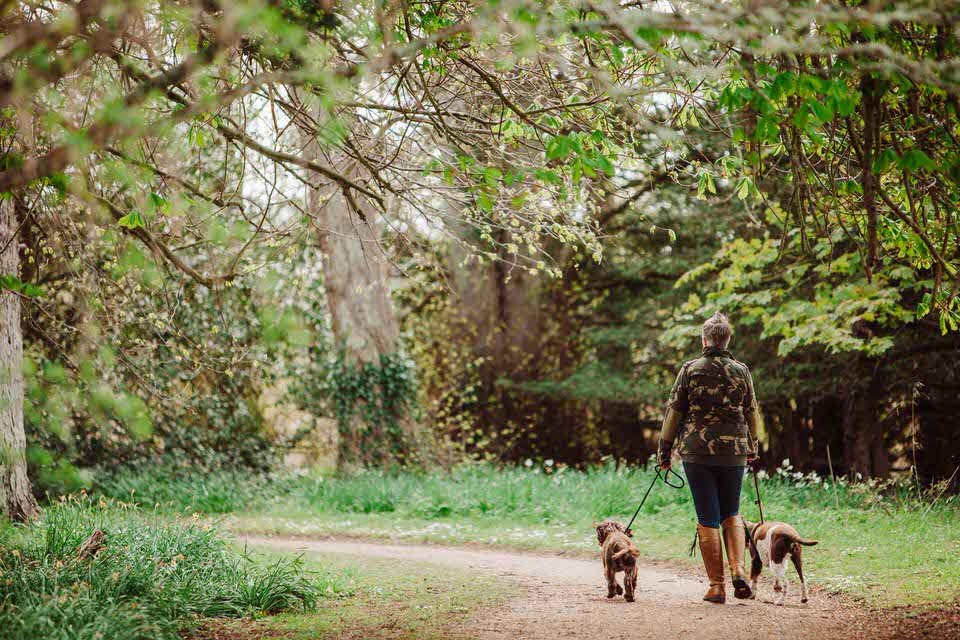
All of the product photography examples used in this blog are from a commercial shoot in the summer commissioned by Gillian. She runs Só Madra, her own small Borders based business, where she lovingly creates luxury dog leads and collars with help from her partner, Keith, and their 3 beautiful spaniels. Gillian has worked hard on her branding so it was important that the images provided by Pictorial Photography aligned with how she visualised her brand and its message.
Gillian used our free commercial photography brief template to communicate her brand’s story and her website goals. We then worked together to capture quality photographs at her home; on two dog walks; and in our studio, where we produced several consistent e-commerce photographs, close ups and packaging examples for her online shop.
Take a look at their range of products at www.somadra.co.uk

The Perfect Blend: Behind the Scenes at Fords the Bakers
The Perfect Blend: Behind the Scenes at Ford’s the Bakers
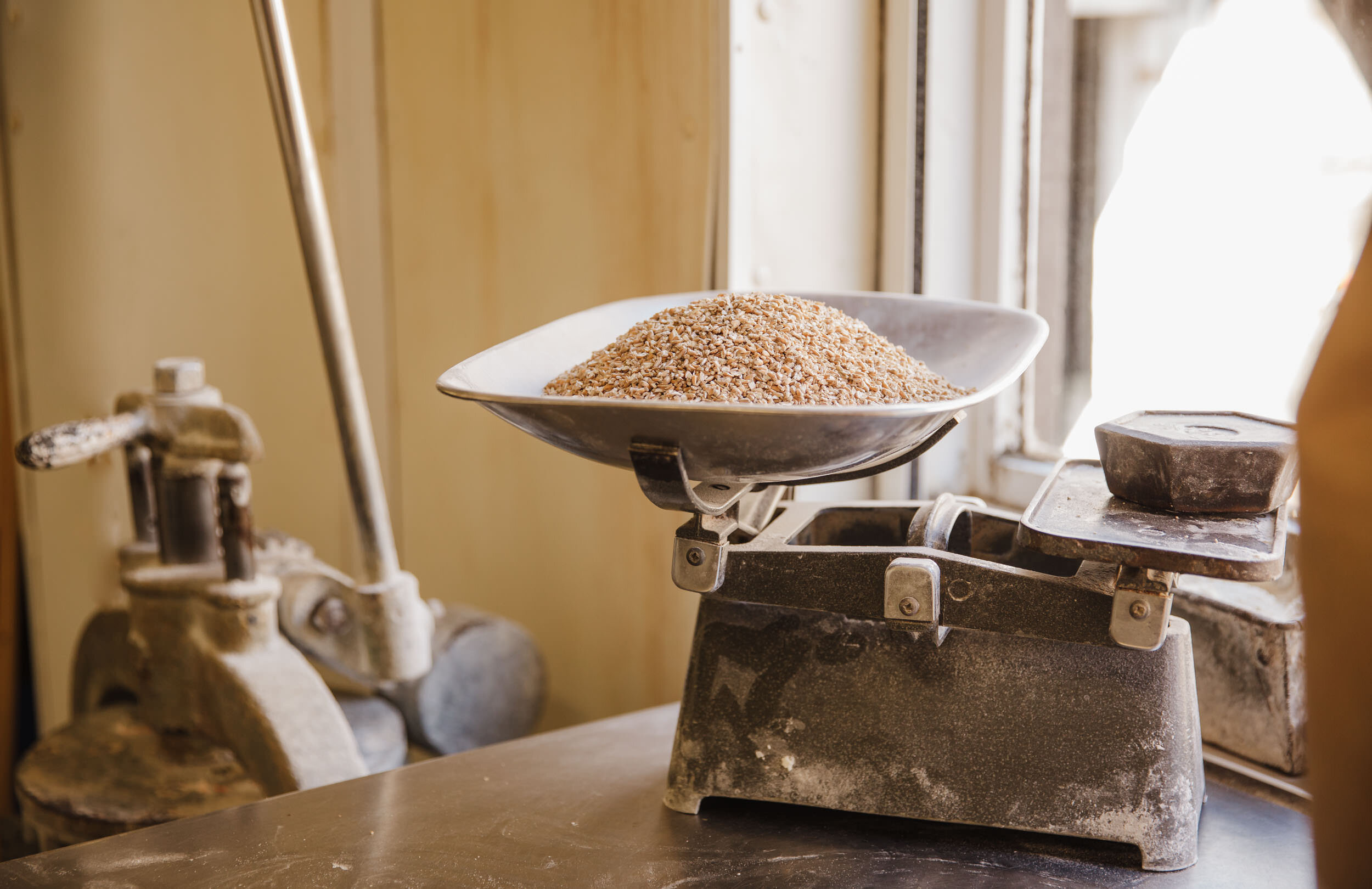
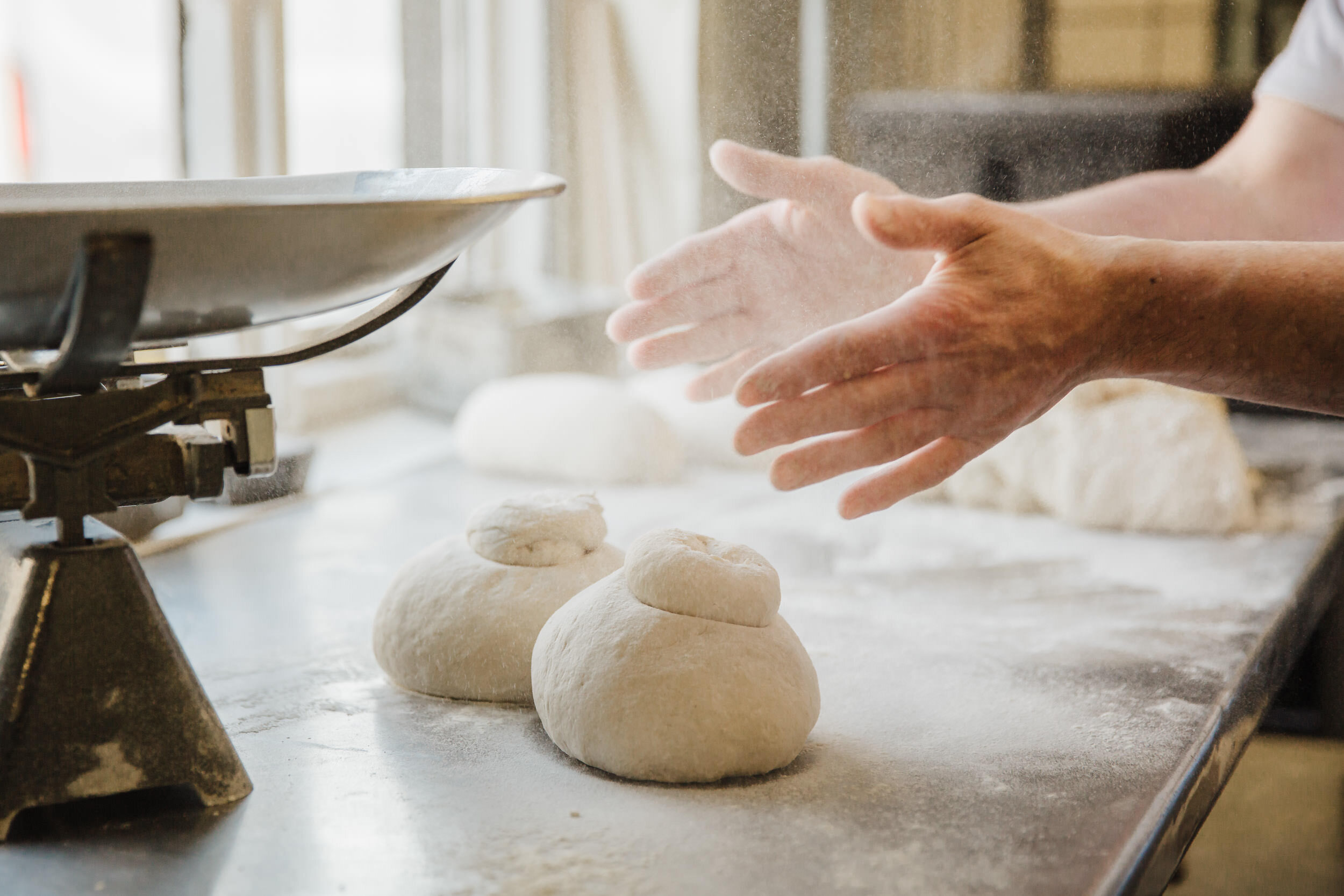
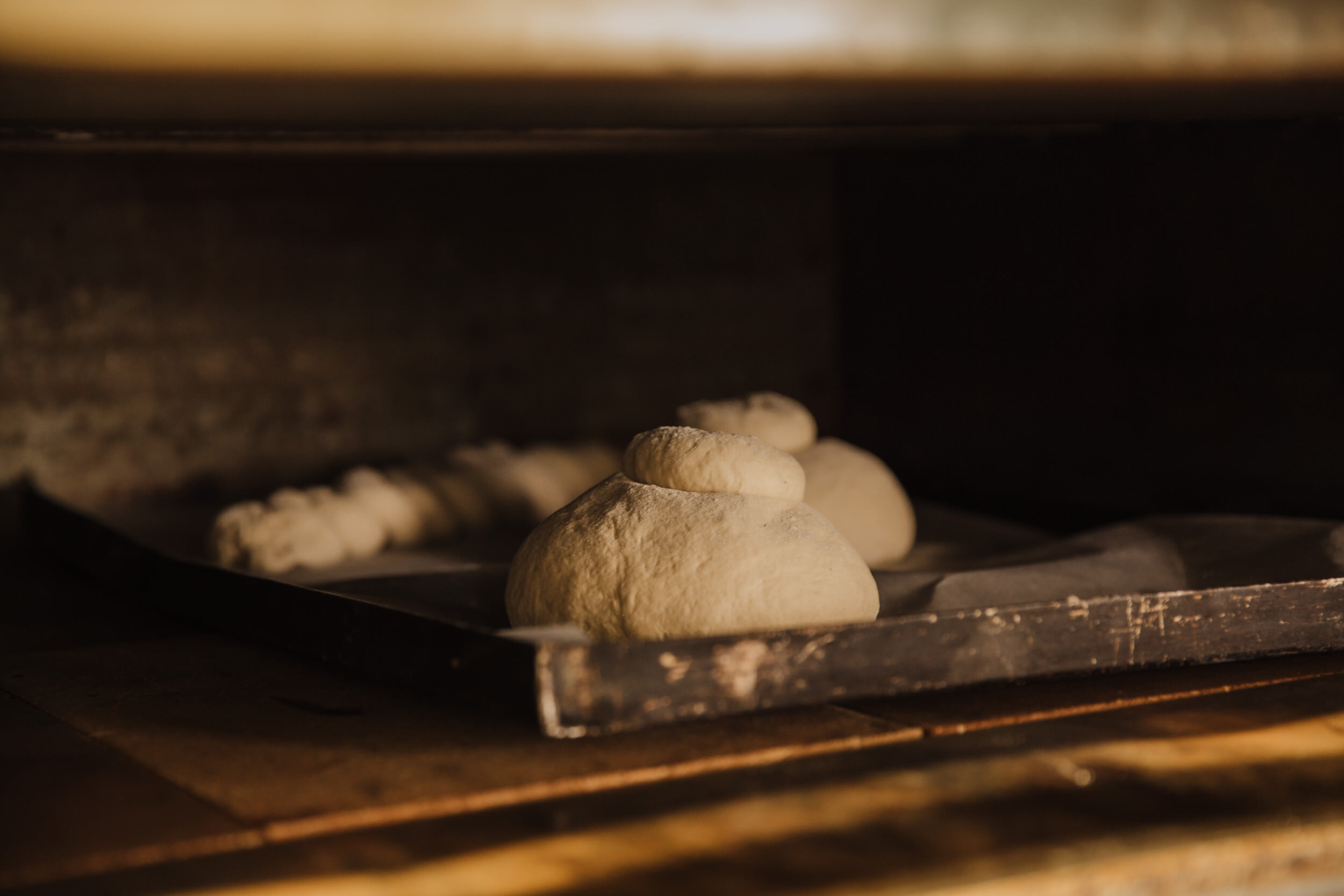
I visited Jim at Ford’s the Bakers (who, by the way, makes the best morning rolls in the world, hands down), to photograph his baking process when he was testing out 6 new secret blends of artisan bread.
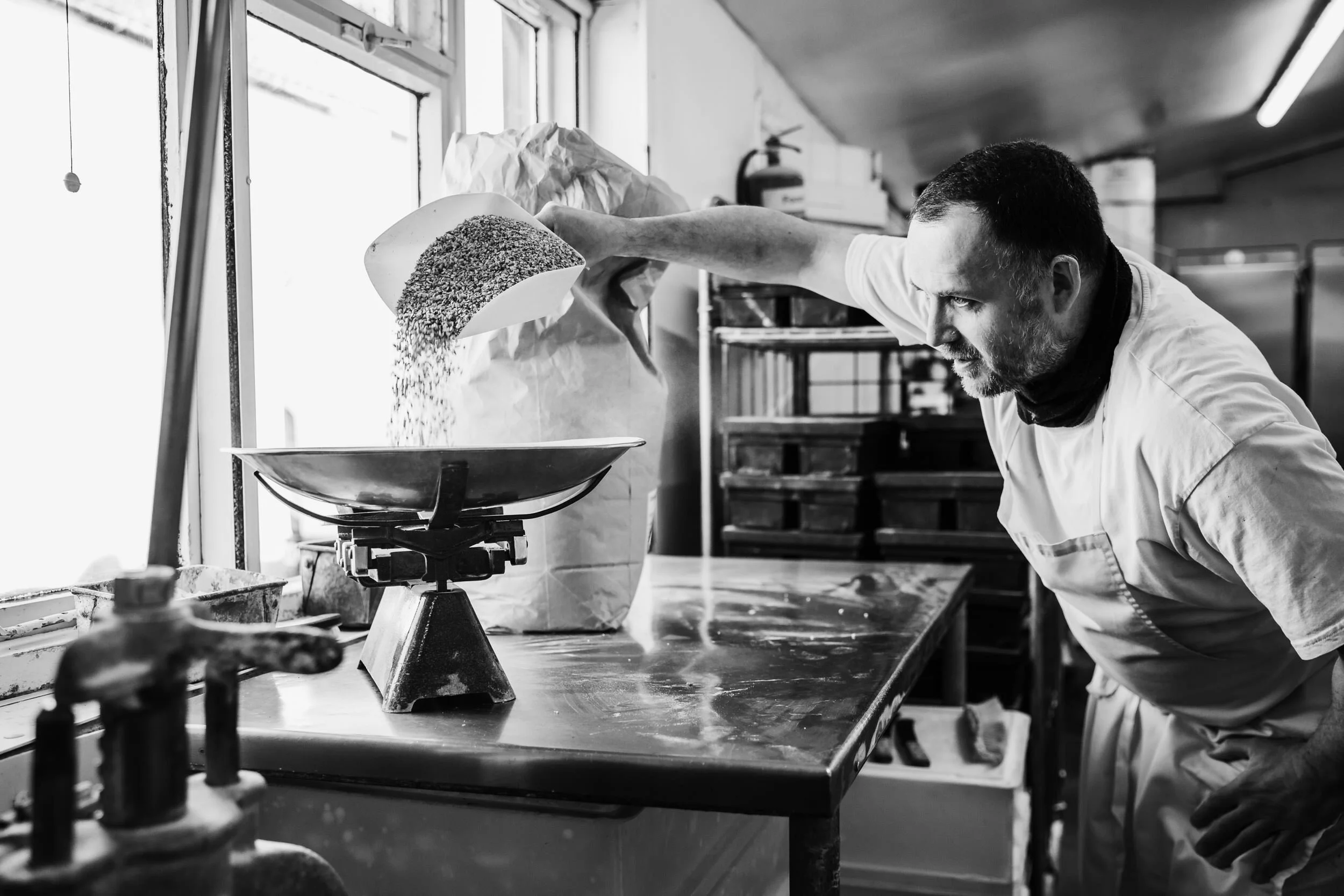

It was fascinating to see what goes on behind the scenes and the work that goes into baking. Jim is working with suppliers to test out the new blends and the photographs will be for the supplier’s wholesale website and agency PR.


The mixing, the proofing, the dough going into the oven, and the bread coming out of the oven were all shot in one day. Then the resulting loaves of bread were brought back and photographed in the studio for product photos which will be useful for things like marketing, illustrating recipes, instructions, and online website descriptions or specifications.

James Ford & Son is a long-standing local family business, established in 1950. Fords have a shop on Hide Hill in Berwick as well as this bakery and shop that are located in the village of Norham, Northumberland, which is only a short drive from Berwick.
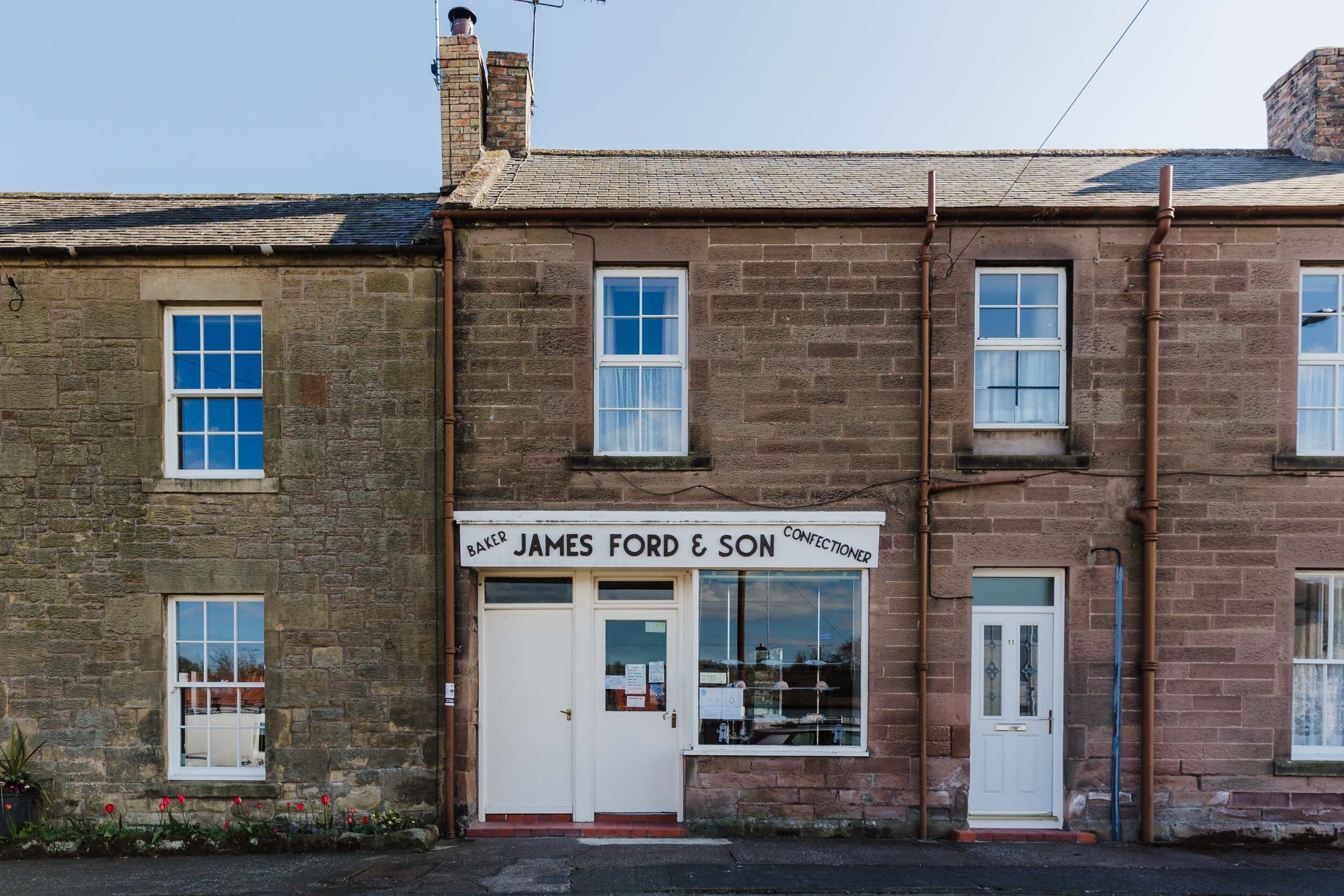
I photographed the Berwick Ford’s shop for the ‘Lockdown Workers’ project in 2020. The photograph below has since been used as the cover of a new novel, ‘Reggie’s Pantry’.

What’s your favourite thing to get from Ford’s?
I’d love to get some new lunchtime inspiration so please leave a comment below!
Written by Sarah
5 Things to Consider before Hiring a Commercial Photographer

Cooperative funeralcare staff, friendly, approachable, professional
1) Insurance
Most professional photographers will have full liability insurance cover for commercial work but it is certainly worth checking with them how much this is for and that it is all up to date before you decide to hire them. Large businesses and most public sector companies require the cover to be at least £5 million for liability.


2) Contracts
A photography contract protects everyone from unexpected surprises as it allows you to understand in detail what you can anticipate from the photographer’s services and exactly what they expect from you. A contract can be provided by either side as long as both sides agree.
A good contract should include:
The anticipated start date of the contract or shoot date
A summary of what each party will deliver: what will be delivered and when by the photographer; the financial total, and payment schedule
A cancellation policy
Copyright ownership and transfer of use rights (permission to use the photographs for a fixed length of time is most common in commercial photography)
Details of property and model releases required
Liability limitations
Post-production, editing, file format, and expected turnaround time
Any extra fees
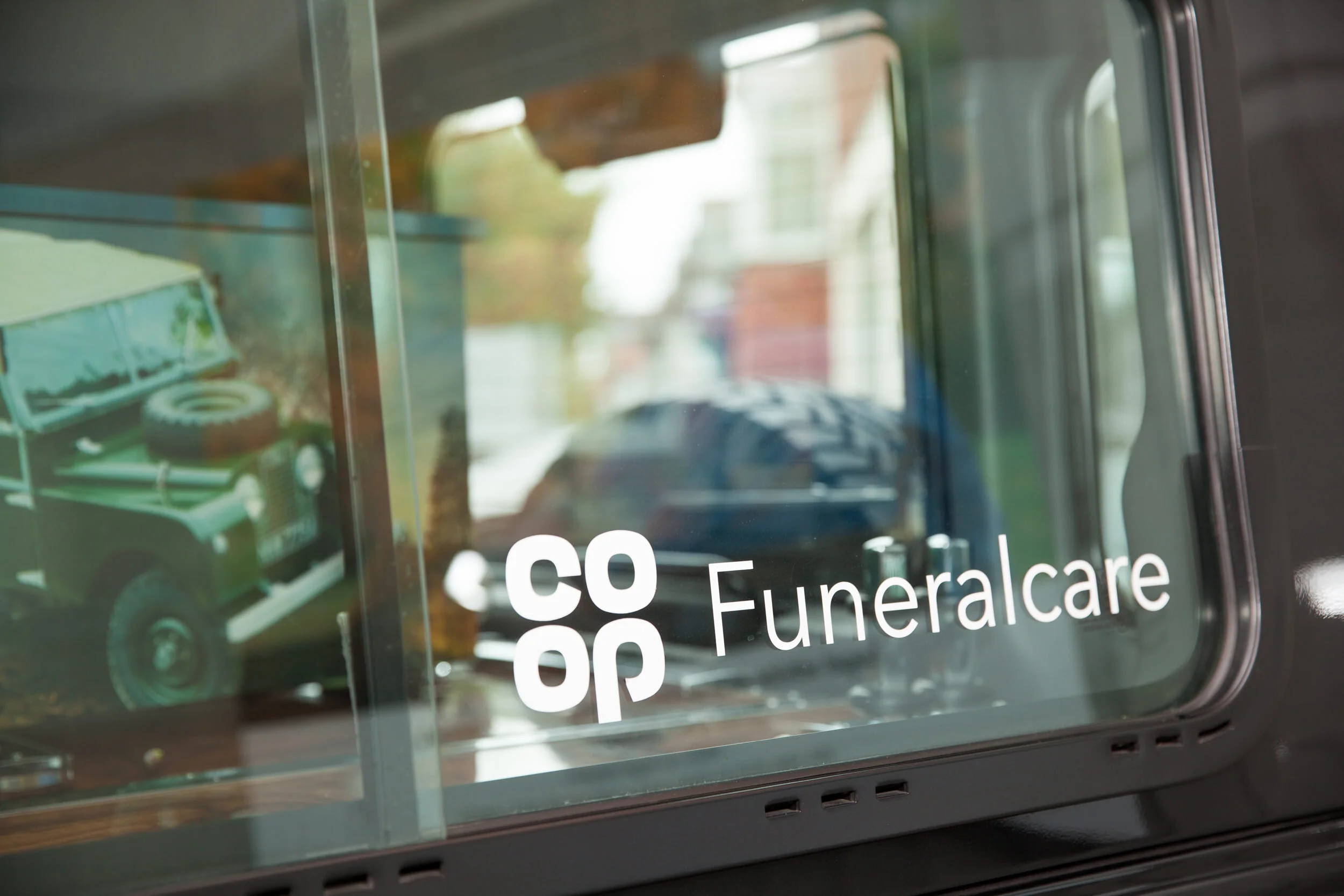
Co-op Funeralcare Vehicle Range
3) Photography brief
Create a really clear brief. Photographers are amazing in many ways but telepathy is not one of our superpowers. A good creative brief can save everyone a lot of time and ensure you get the very best out of your marketing budget. Outlining and giving as much information to your photographer on the brand, your buyer personas, target audience, project goals, and USP is invaluable. You get bonus points for including visuals (we are photographers after all).
I have created a detailed explanation of what to include in each section and a free photography brief template to help you out and get you started with this.
4) Model releases for commercial publication
A model release is a written form of permission allowing you to publish a person’s image online and in marketing materials without the worry of liability and licensing claims that may arise down the road.

Model releases are not just for ‘models’. Anyone who can be identified in photography used for commercial purposes should be asked for, and give, express written permission by way of filling in a model release form. Yes, that includes happy customers, passers-by in the public domain, your staff, and even your own family members.
Model releases are also needed to use a recognisable part of the person being photographed. (For example a tattoo, a scar, or even a silhouette of someone if they have a recognisable stance or posture.)
Property releases may be required from a property owner if land or property is recognisable in the photography.
Unfortunately, putting a post on social media and sticking signage up to tell people that photography is taking place is not enough; although it is a good idea to make people aware of what is going on on the day.

An impressive fleet
5) Child models
If you are paying professional child models from a modelling agency to be in the photographs, take into consideration that you will need a chaperone to be available and extra time before the shoot to acquire a performance licence approved by the council where the child resides, even if the work is out of school hours.
Every council seems to be different in how they handle these requests but in my experience, the turnaround time is never less than a fortnight and the paperwork and evidence required can be extensive. For more information on child employment permits see here: https://www.gov.uk/child-employment/restrictions-on-child-employment

Funeral home interior


Please be aware that the information provided by this blog is subject to change. We recommend that you do not take any information held within as a definitive guide to the law or the relevant matter being discussed. You are advised to seek legal or professional advice where necessary rather than relying on the content supplied by the author of this blog.
Due to the nature of the matters discussed on this blog, the information contained within it and any pages linked to it are clearly subject to change, without warning. The law, regulations and other forms of legal governance are constantly changing and adapting to meet the needs of the modern world and it is impossible to comprehensively detail the nature of such within the confines of a blog in a concise, up-to-date manner.
Let me know in the comments below if you have any questions about the free photography brief template.

How to Write a Brilliant Commercial Photography Brief
I’ve seen loads of commercial photography briefs: good ones, great ones, and some bad ones. Drawing on experience, I’m going to offer some tips and advice for preparing one that will really make the most of your session.
So you might be wondering why do you need to give your photographer a brief? Or what is a creative brief? It might help if I explain what a photography brief is first.
A creative brief is a summary of requirements and agreements between the client and the photographer. It should list facts and other details to give an overall view of the plan and project. A good photography brief will help your photographer understand your brand and target market. It will demonstrate how the photographs are going to be used and set out basics like time, location, budget, and file delivery. A great brief can save a huge amount of time and ensure the success and effectiveness of your shoot, campaign, or project.
Allocating a marketing campaign budget can be stressful but writing a brief will ensure you get the best out of the creative element and maximise your return on investment in terms of your photographer’s time and creativity.

Address and Postcode of Venue/Location of Shoot
If the location is outside, include details of a backup location somewhere undercover or inside. Make sure you include a postcode and attach a google maps link or quick sketch of the location for bonus points!

Date, Time and Schedule
For larger and more complex projects, a schedule or timetable can save a lot of time. For example, if a large team are having portraits taken they can each have their own allotted time to arrive; not only will the team feel happier, but it ensures the photographs will turn out better as they won’t have to stand in line and feel embarrassed in front of others. Everything will run smoothly and you will look super efficient!
Target Audience

Identify who the photographs are aimed at or who the target viewers are. Knowing the kind of audience a project is expected to have will help your photographer come up with creative ideas that suit the interests of those people.
Brand Info
Unless you have used the photographer before, assume that they know nothing about the brand. Include brand colour info, brand guidelines, logos, ethos etc - every detail helps!
Objective / Project Goals
What should the audience see, feel, or do the first time they see the photographs? Do you want them to feel inspired to take action? Identify clear goals for the project. What problem is the overall project trying to solve?

Usage
List what the images are going to be used for. Think about: different social media platforms; whether any will be used for PR, on the company website or in your brochures, or on billboards. Specify which media the photographs are to be used in, and the length of exposure (how long the photos will be on the internet).
Format
Do any of the shots need to be in landscape or portrait orientation? Would square or a mixture of formats be more useful?

Examples
Include previous photo examples of what has worked well in the past. If you don’t have many good existing photographs already, you could send something like a Pinterest board of the style of images you like that would work for your project. Bad examples can be useful (but not as useful as the good examples) - if you are including bad examples, don’t get them mixed up!

Shot List
If this is not clear from the objective/project goals section, think about photographs that will be really useful to have. What is lacking in your portfolio? Look through the company website and think about your scheduled social media posts. Are there any that could do with a better photograph? Check through the printed literature for ideas of what could be improved on or what is lacking or needs to be changed before the next print run.
Models and Roles
List who will be in the photographs. Sometimes it makes sense to combine models and roles with your shot list.
Model releases are always required if using people, paid staff or otherwise. Some companies prefer to design their own model release documentation; here is a very detailed one from The Royal Photographic Society. There are also some really good mobile apps available for model releases. It is a good idea to have your model releases filled in and signed in advance of the shoot, if possible, as it will save a lot of time on the day.
If you are using company staff in the photographs, give them plenty of notice; no one likes to have this sprung on them the morning of a shoot. Make sure uniforms are smart and complete and find out if any safety equipment is required for a job (and therefore needs to be worn by staff in the photographs). If that is the case, make sure the equipment is available for them and let the photographer know it needs to be worn.

Other Useful Info
This section hugely varies from company to company and from shoot to shoot but can include things like available lighting, equipment, props, if rooms have been booked, parking, health and safety, PPE equipment required, the site passes, meal arrangements, location permission, or special rules of the location.
Delivery
If you have deadlines that need to be met, this is the time to say!
List preferred methods of file delivery. If you are unsure, check whether your office firewall will allow services like ‘We Transfer’ or ‘Drop Box’. If not, you will probably require a USB memory stick which can take longer, especially if it needs to be posted out, so take this into consideration with your deadlines.
Jpeg is the industry standard for the file format. Let your photographer know if you or your designer need another file type.
Think about end-use. You could save some time by asking your photographer to deliver high resolution and web resolution (at a specified file size for your website or preferred social media platform). They will have software to quickly and easily batch-process the images ready for you to use. Consider asking for ‘letterbox images’ (wide but not tall) for banners or ads; or some photos specifically in square format for Instagram. Just let them know what you might need. You can find out sizes from your web designer and the help pages on your chosen social media platform.

Payment and Rights
Detail the agreed payment and where the invoice needs to be sent. State any purchase order or other info that needs to be included. This saves a lot of time emailing back and forth after the shoot.
If you have agreed on special rights, release, copyright, or exclusivity this should be noted here to ensure that everybody is on the same page.

Contact Details
It’s important for everyone to have team members’ details in case of unforeseen delays and last-minute changes to the plan.
Call your photographer after sending them the brief to discuss ideas before the commission. They may have experience in similar shoots and could have some really useful knowledge that could save you a lot of time and money.

Template
Download the free sample template below and use the explanations above to build a well-rounded photography brief for your next project or campaign. Remember to keep it as short as possible (2 pages max) but include as much information as you can.
Written by Sarah

58 Berwick People Working Hard Throughout the Pandemic
Lockdown Workers Project
32 portraits in one day highlighting Independent businesses in Berwick upon Tweed. We appreciate you!
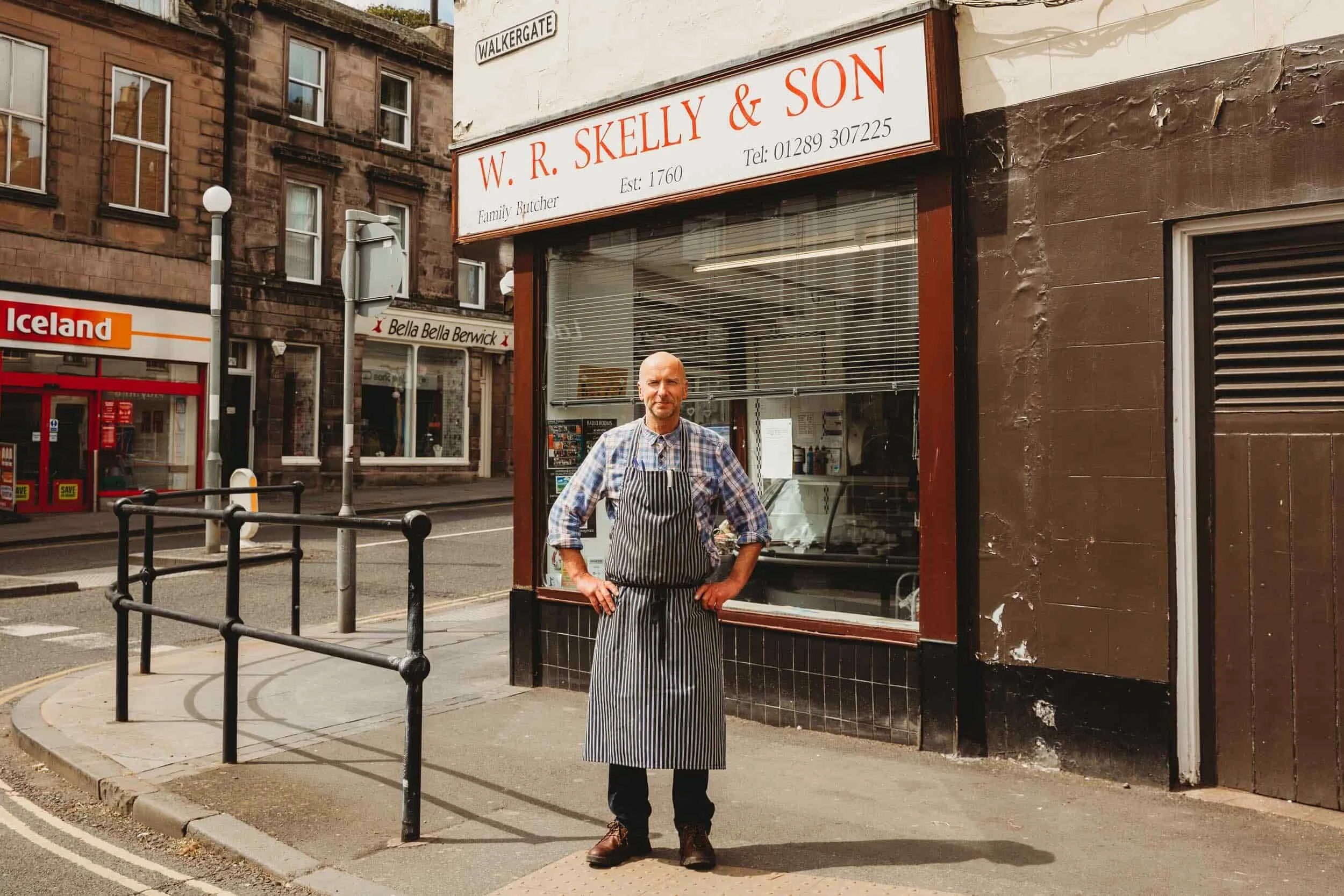
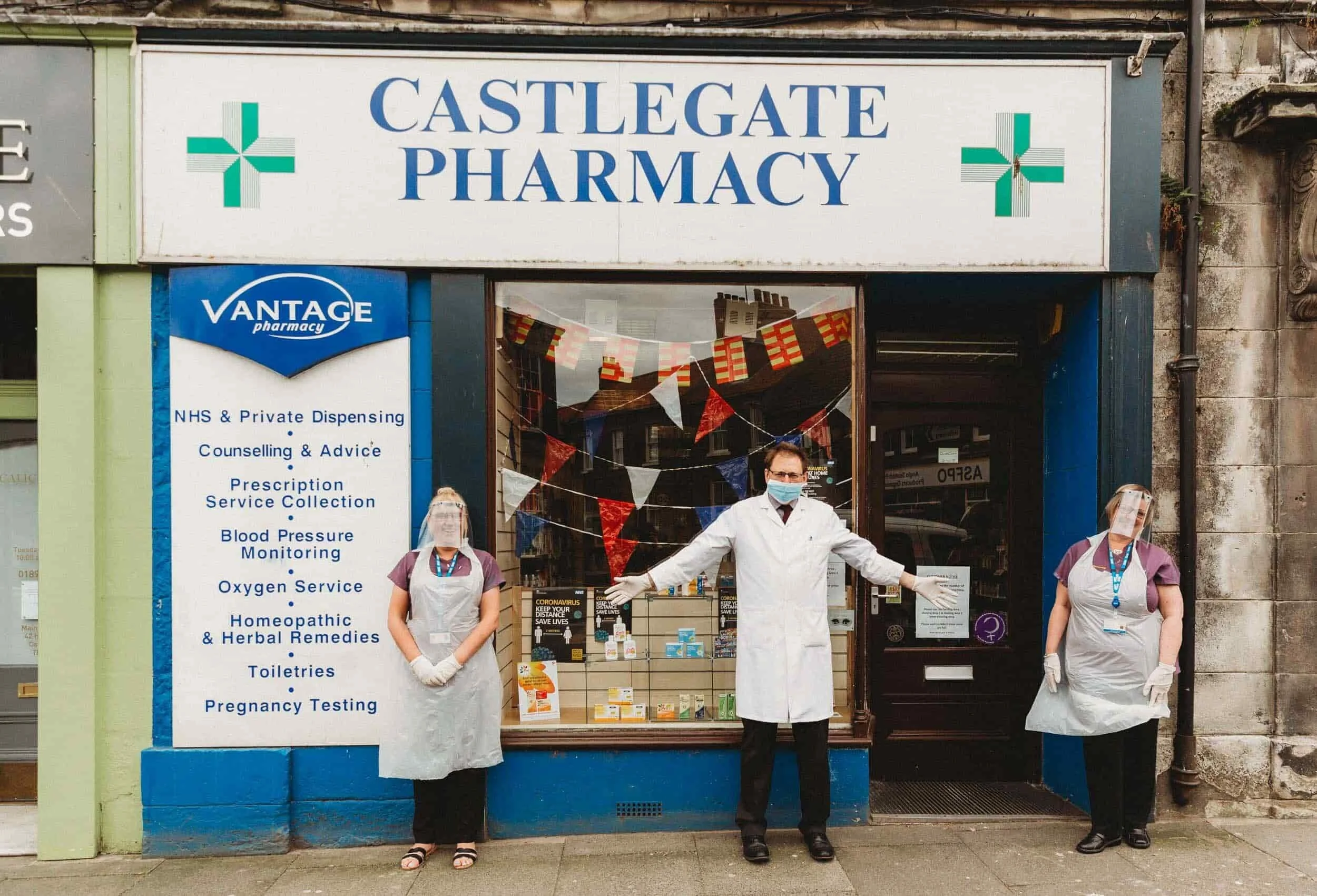
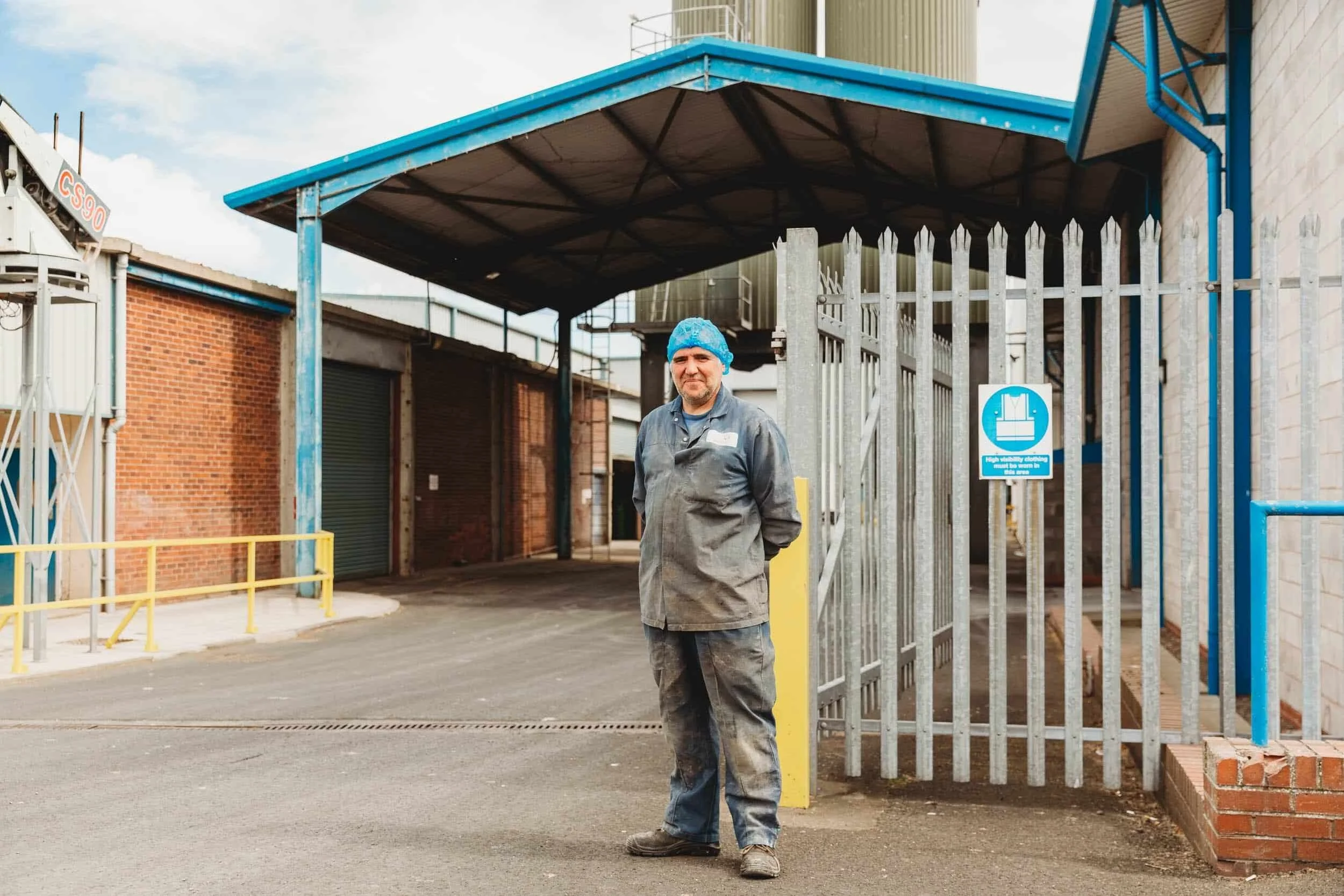
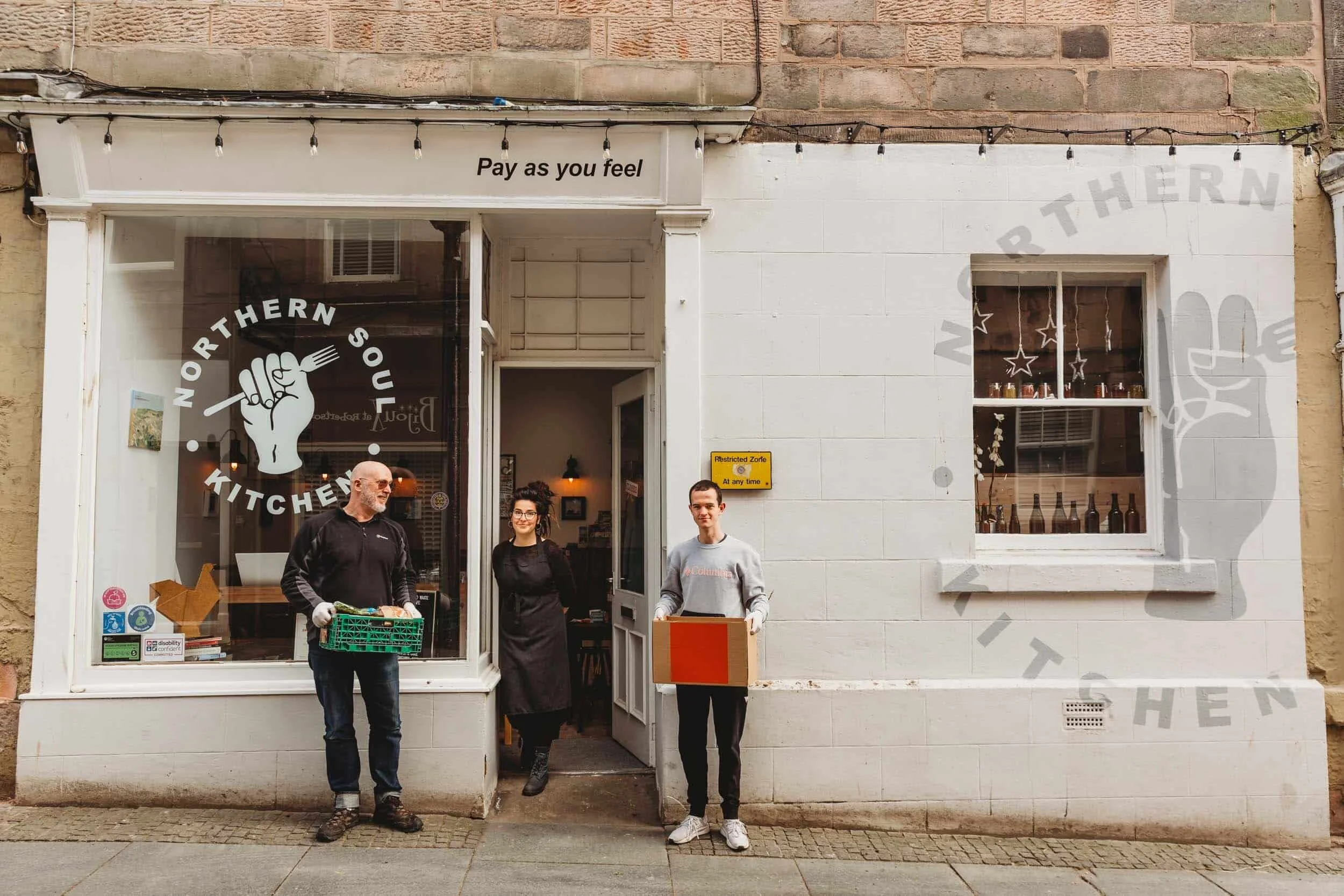
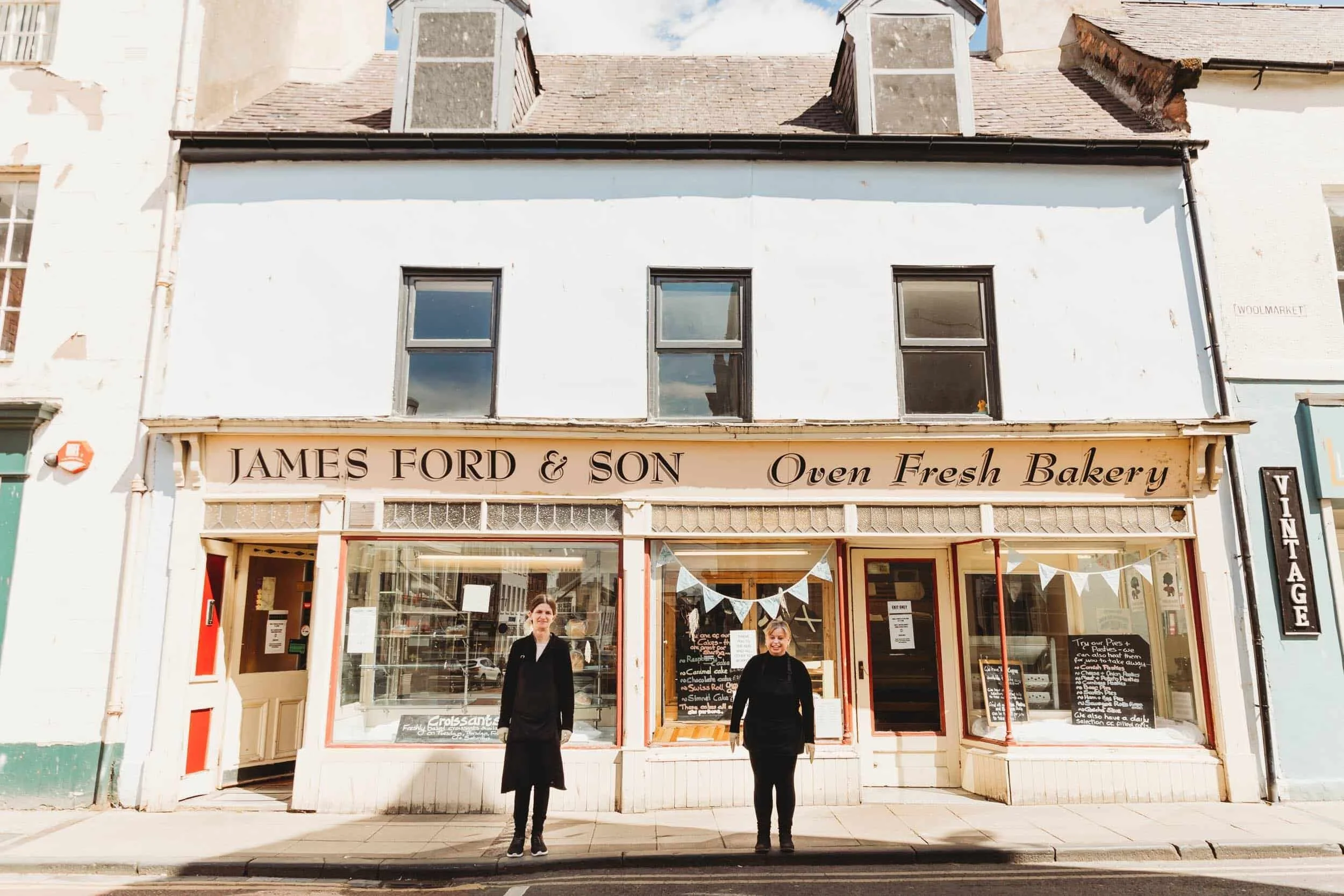
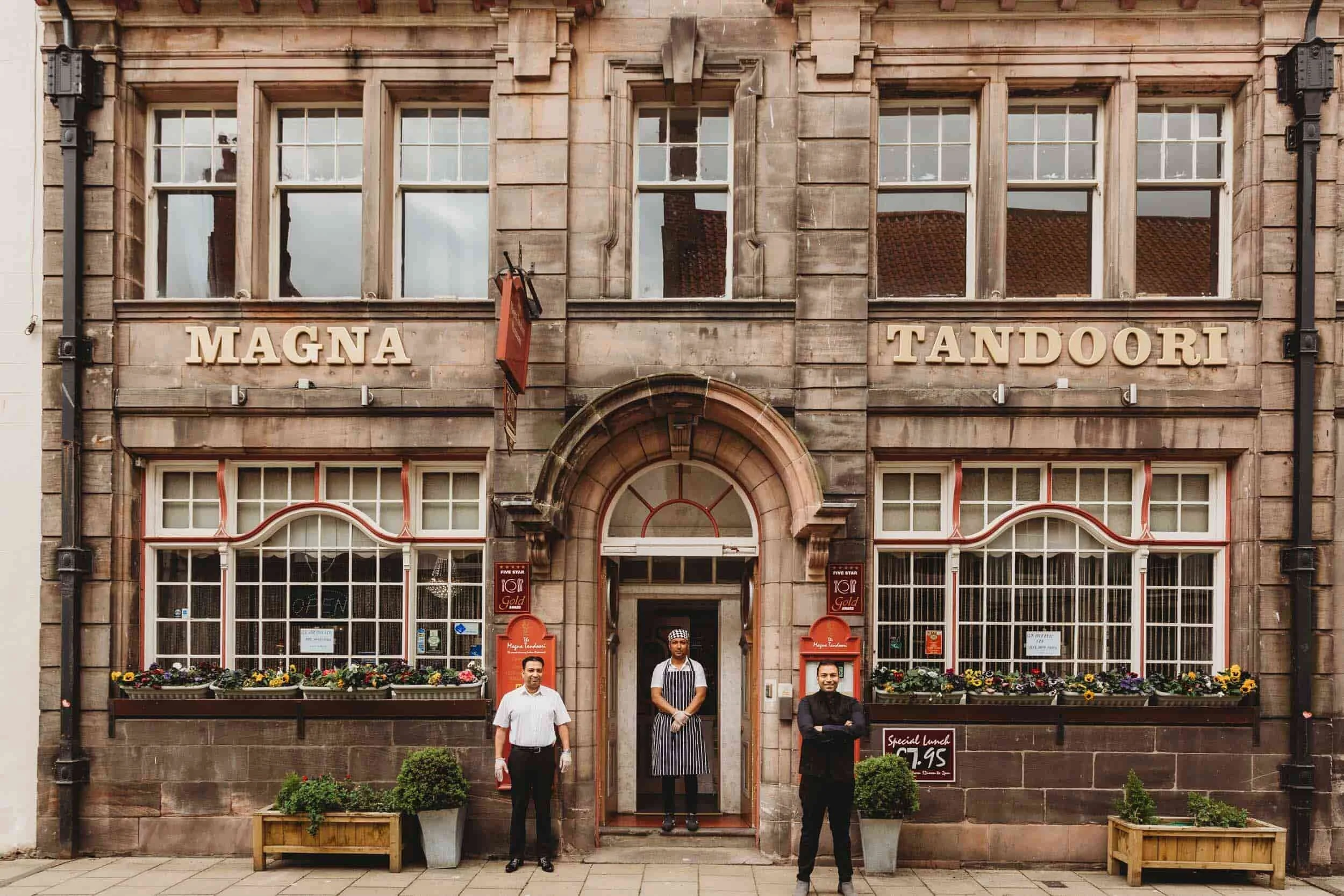
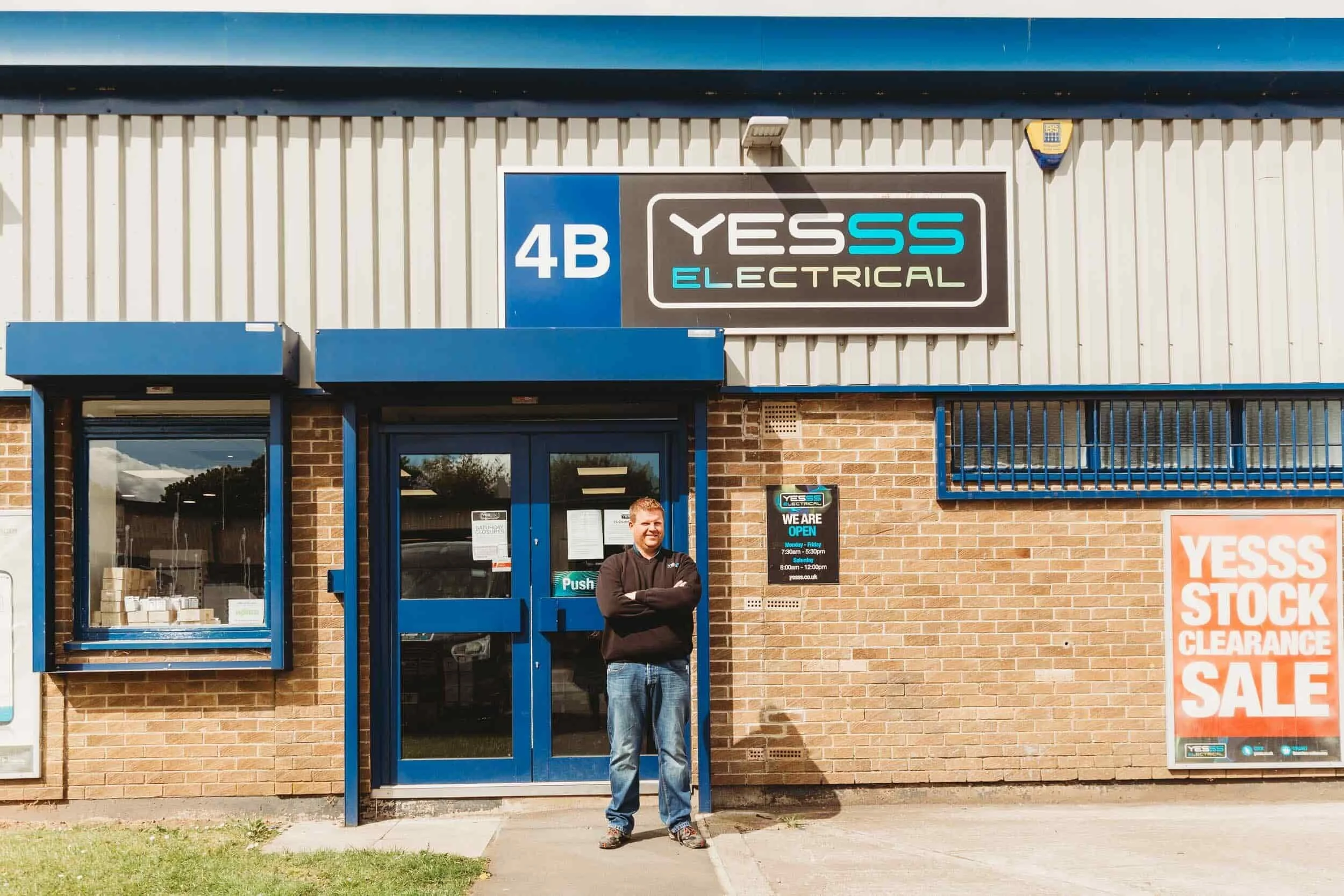
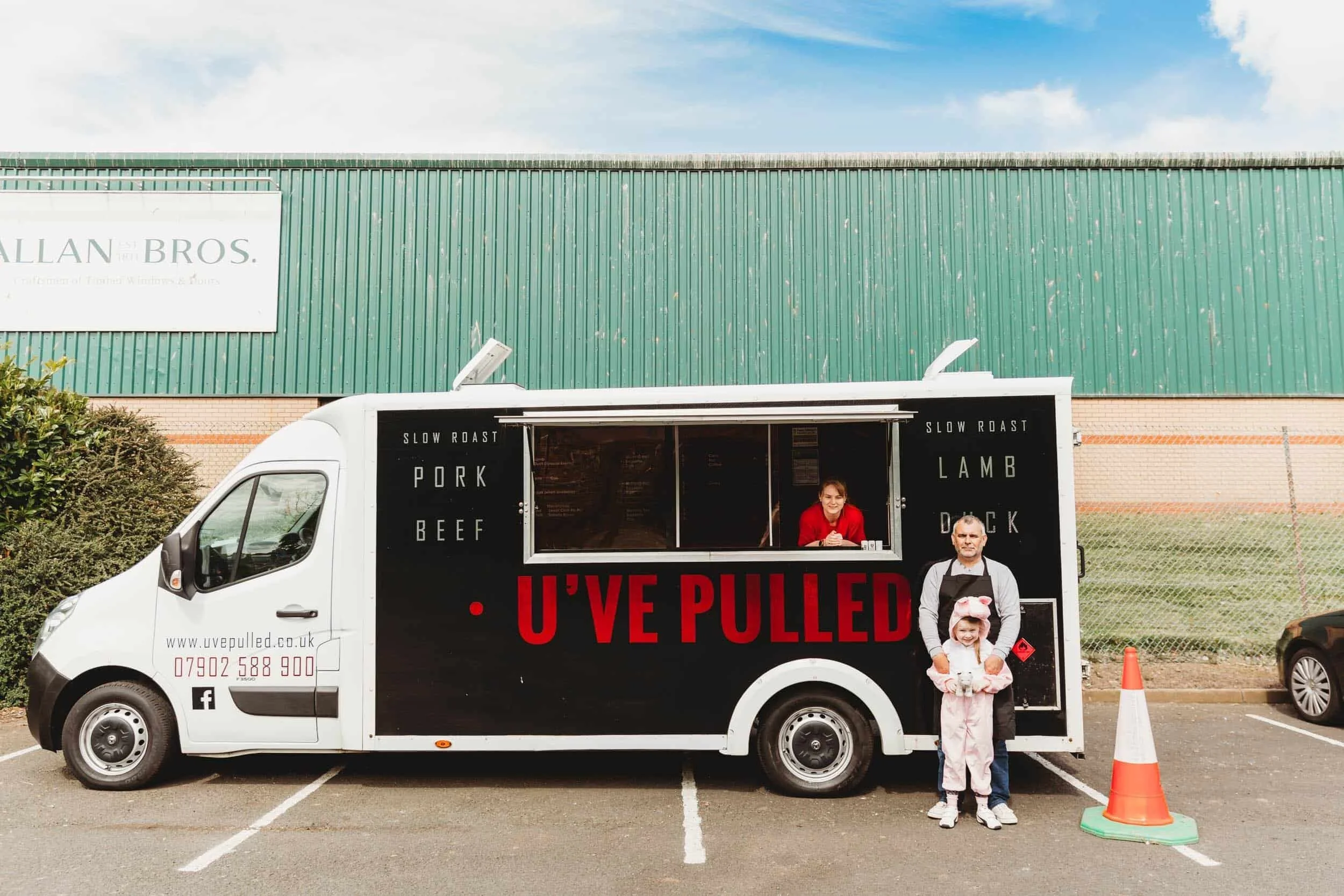
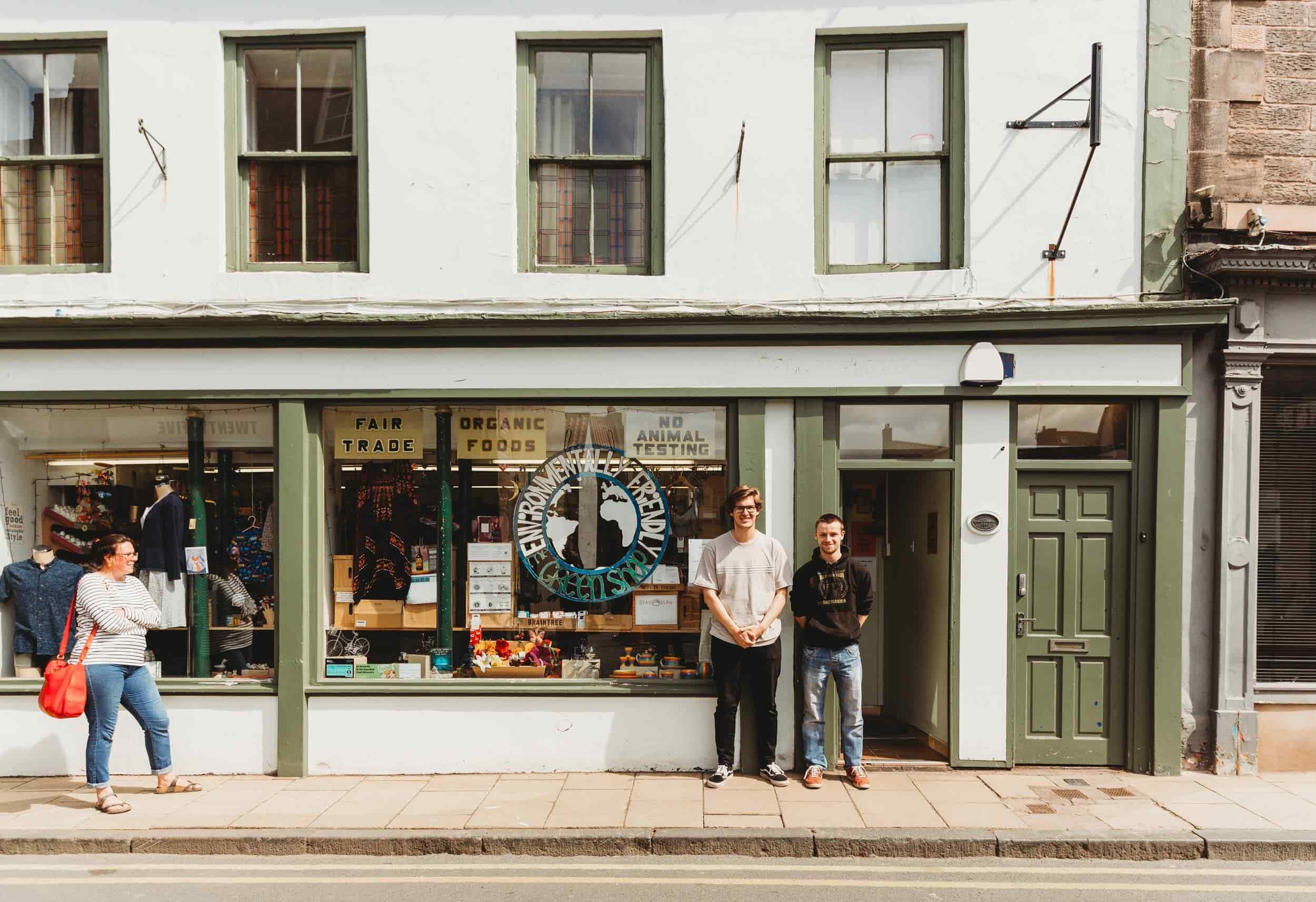
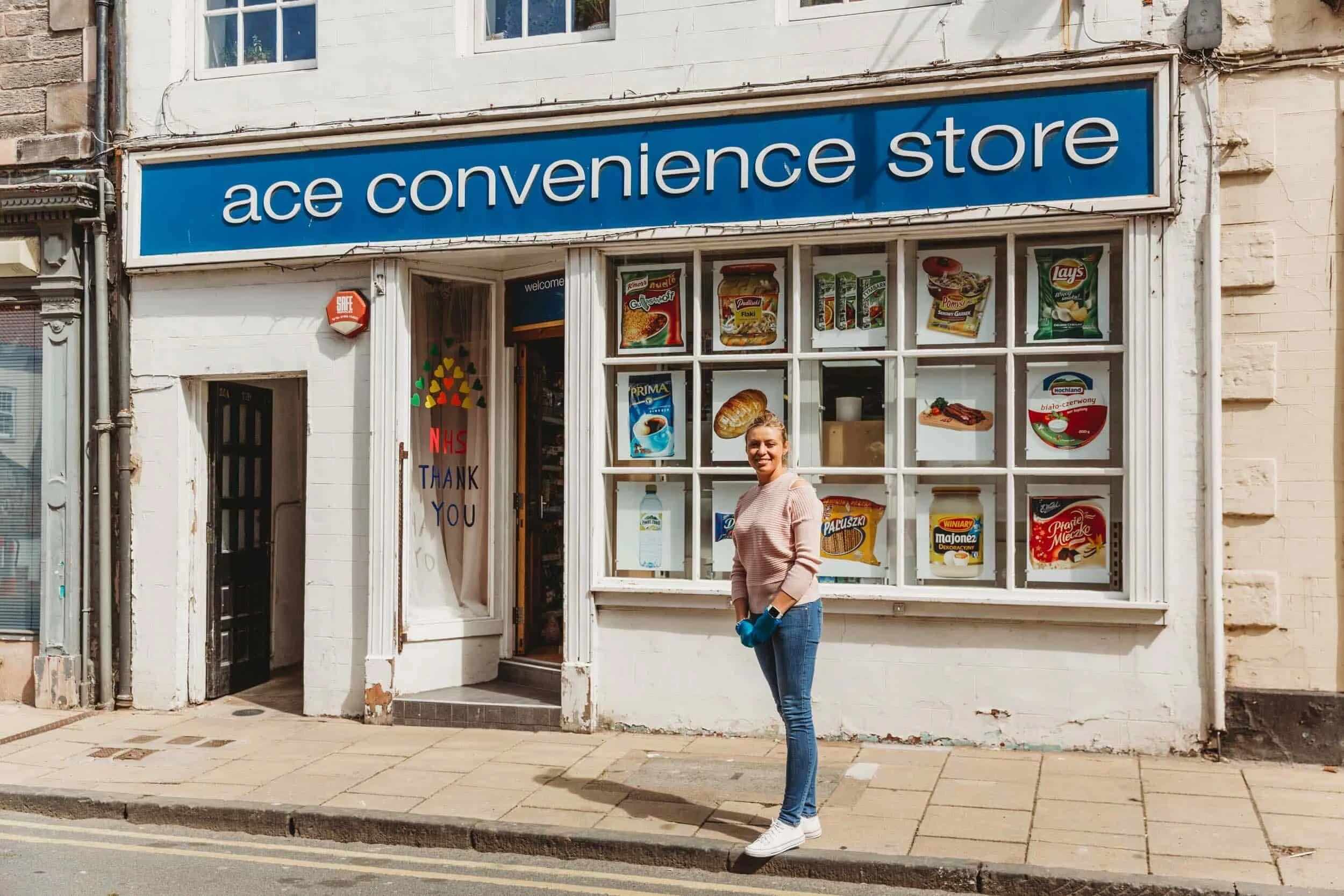
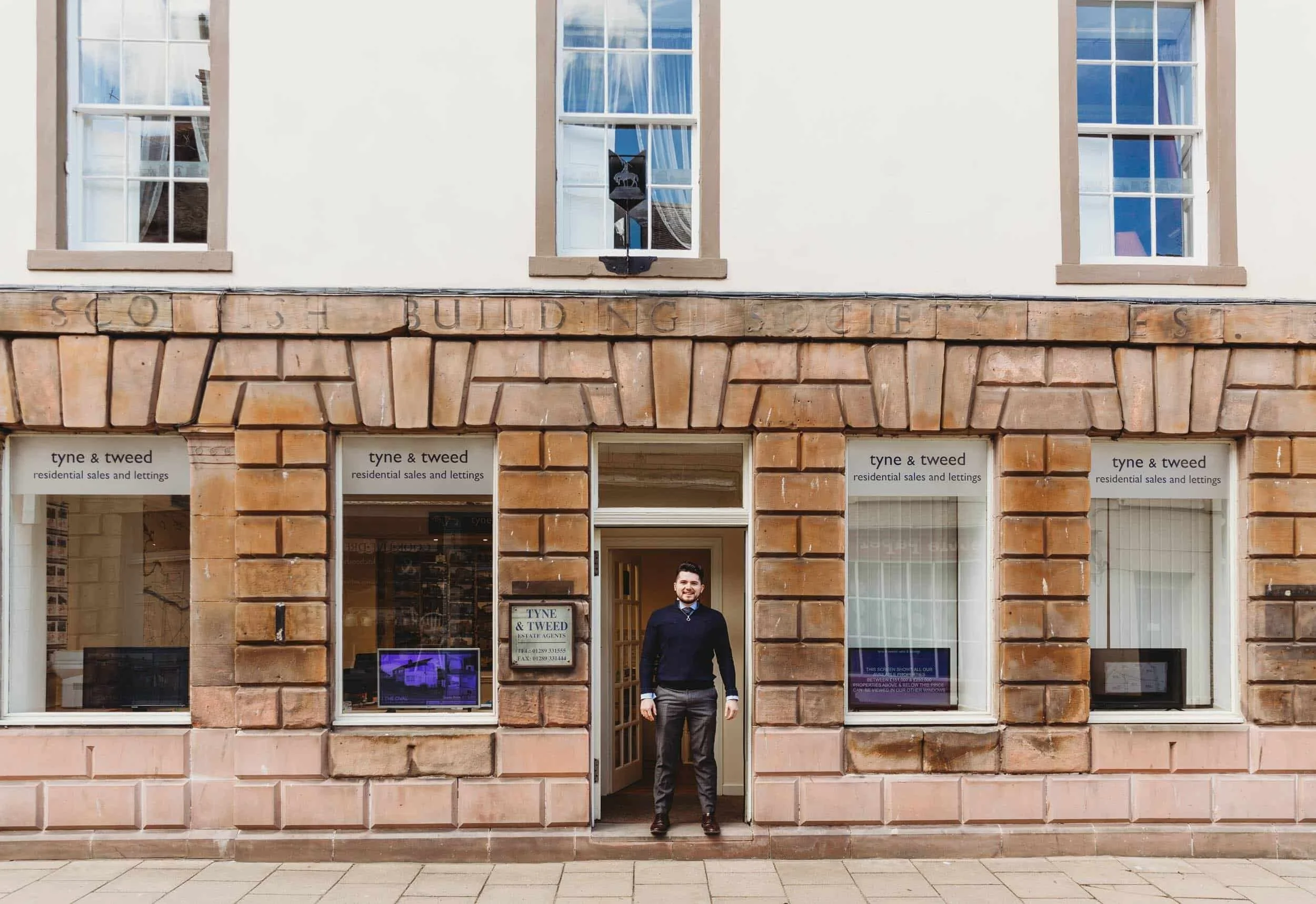
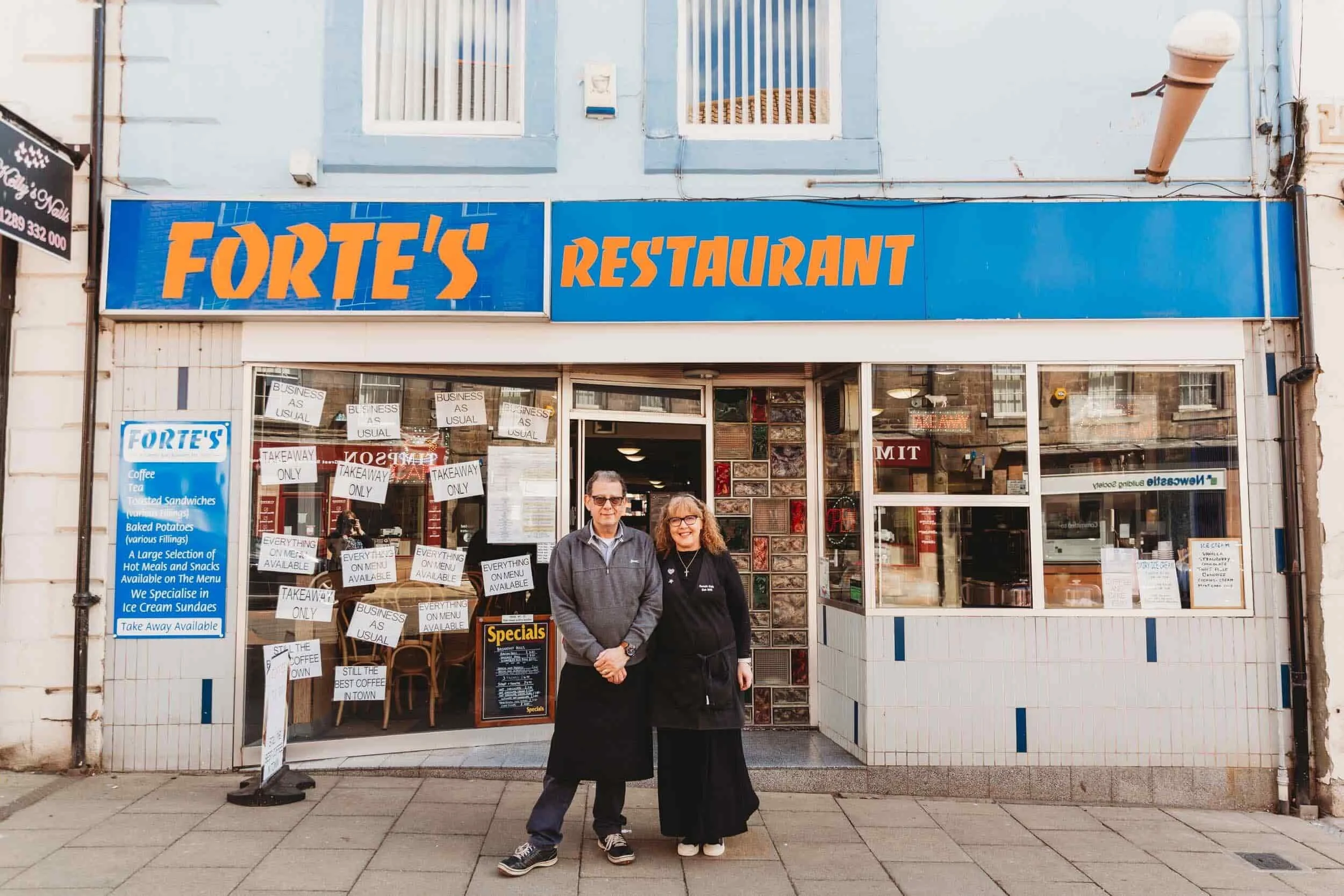
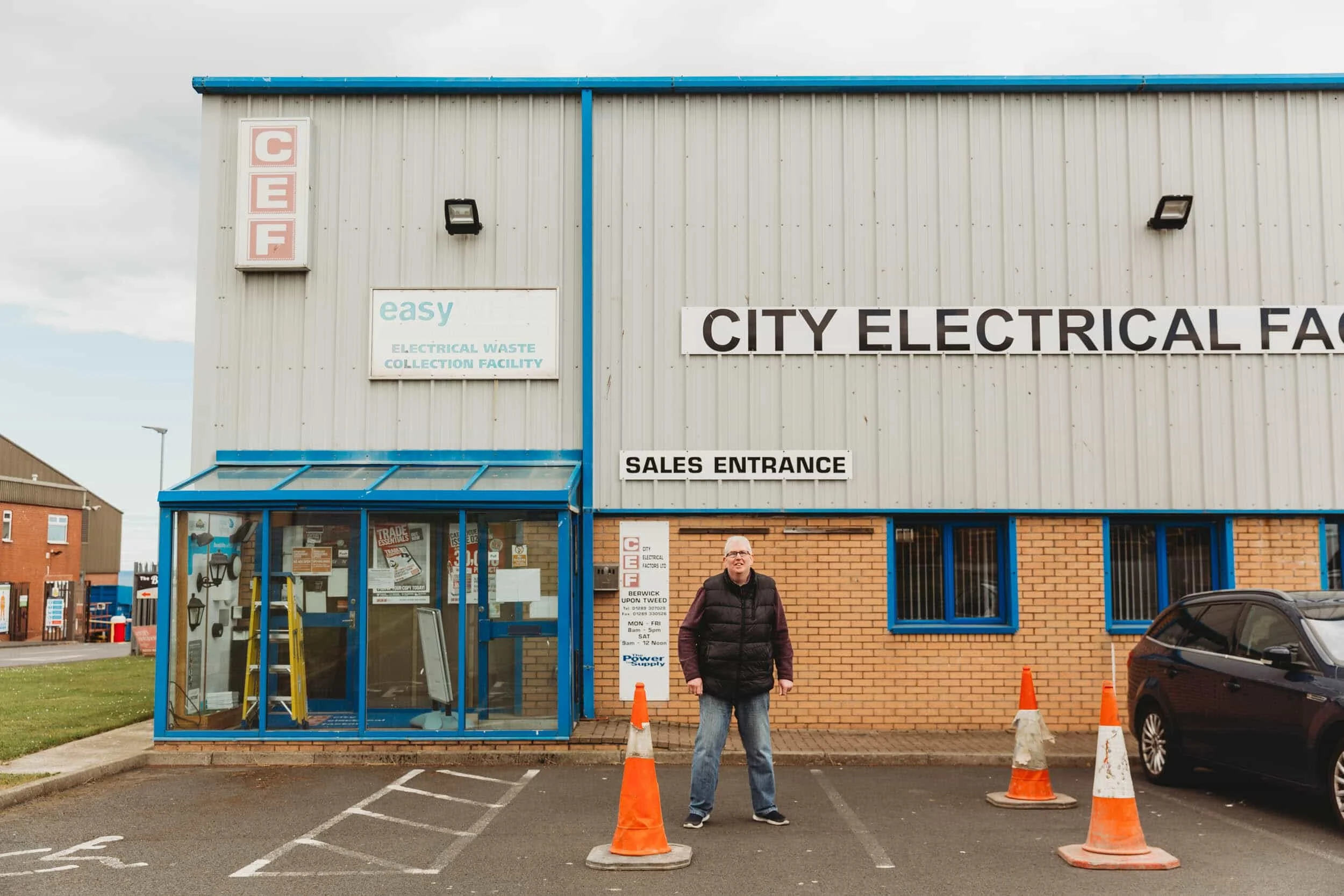
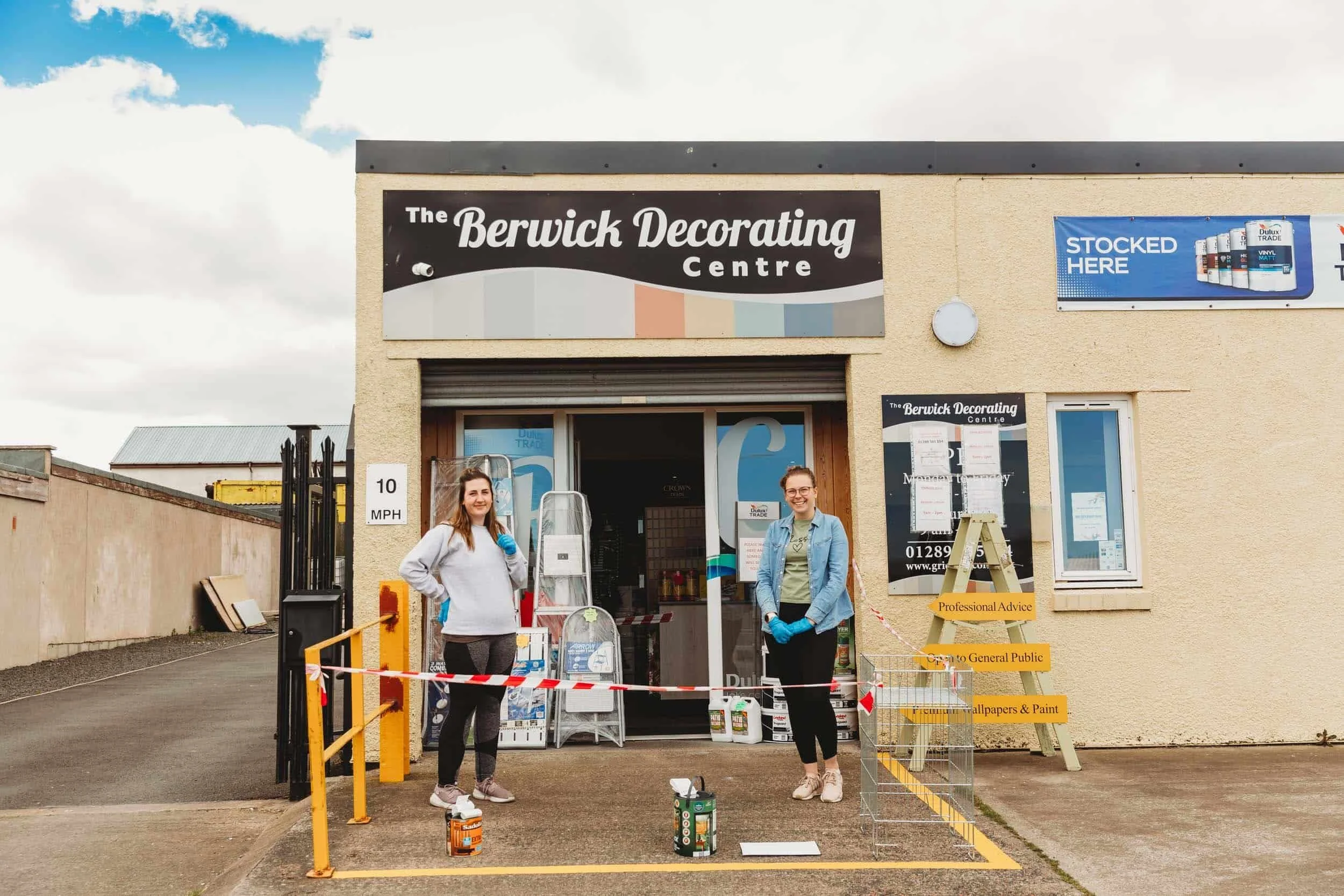
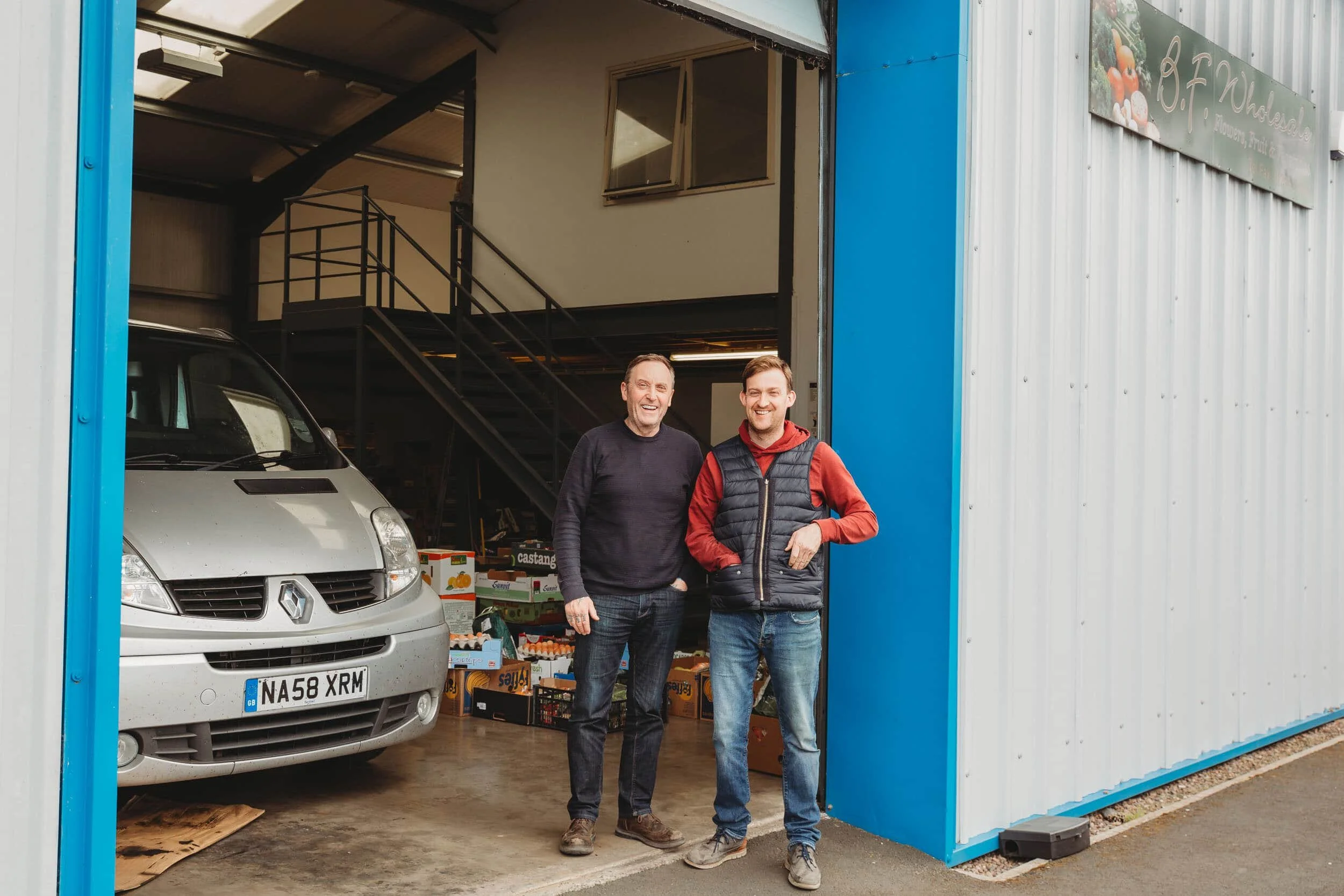
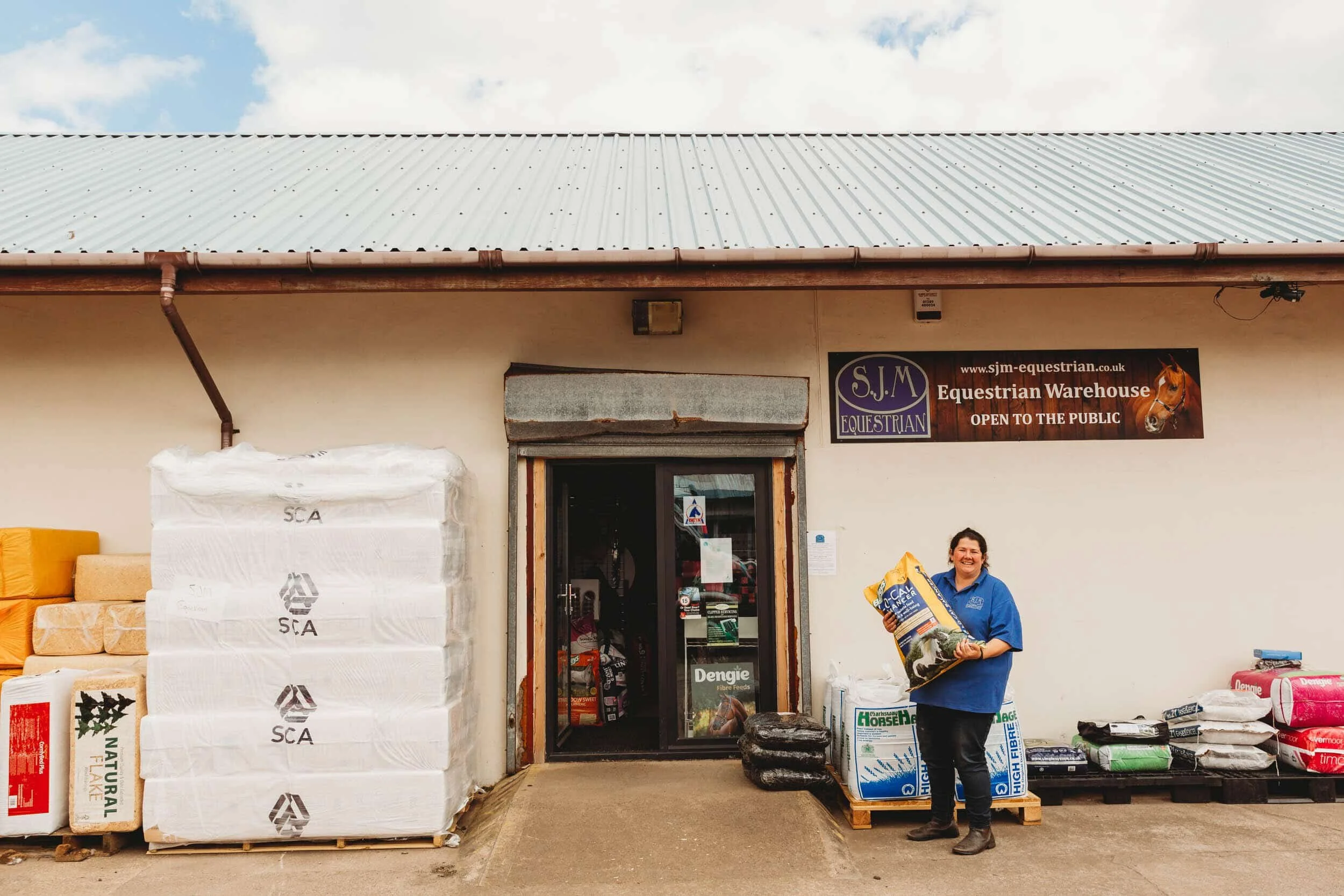
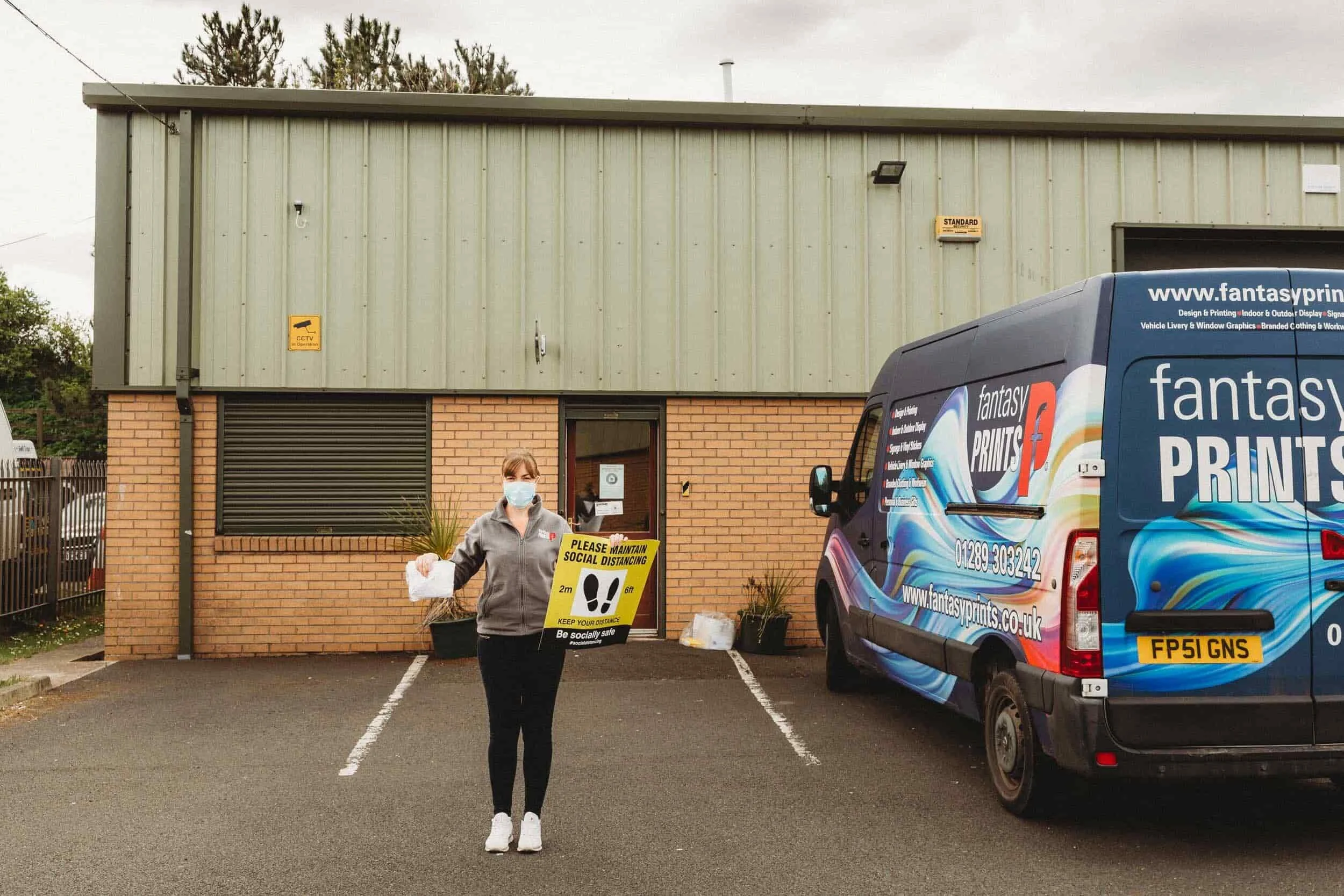
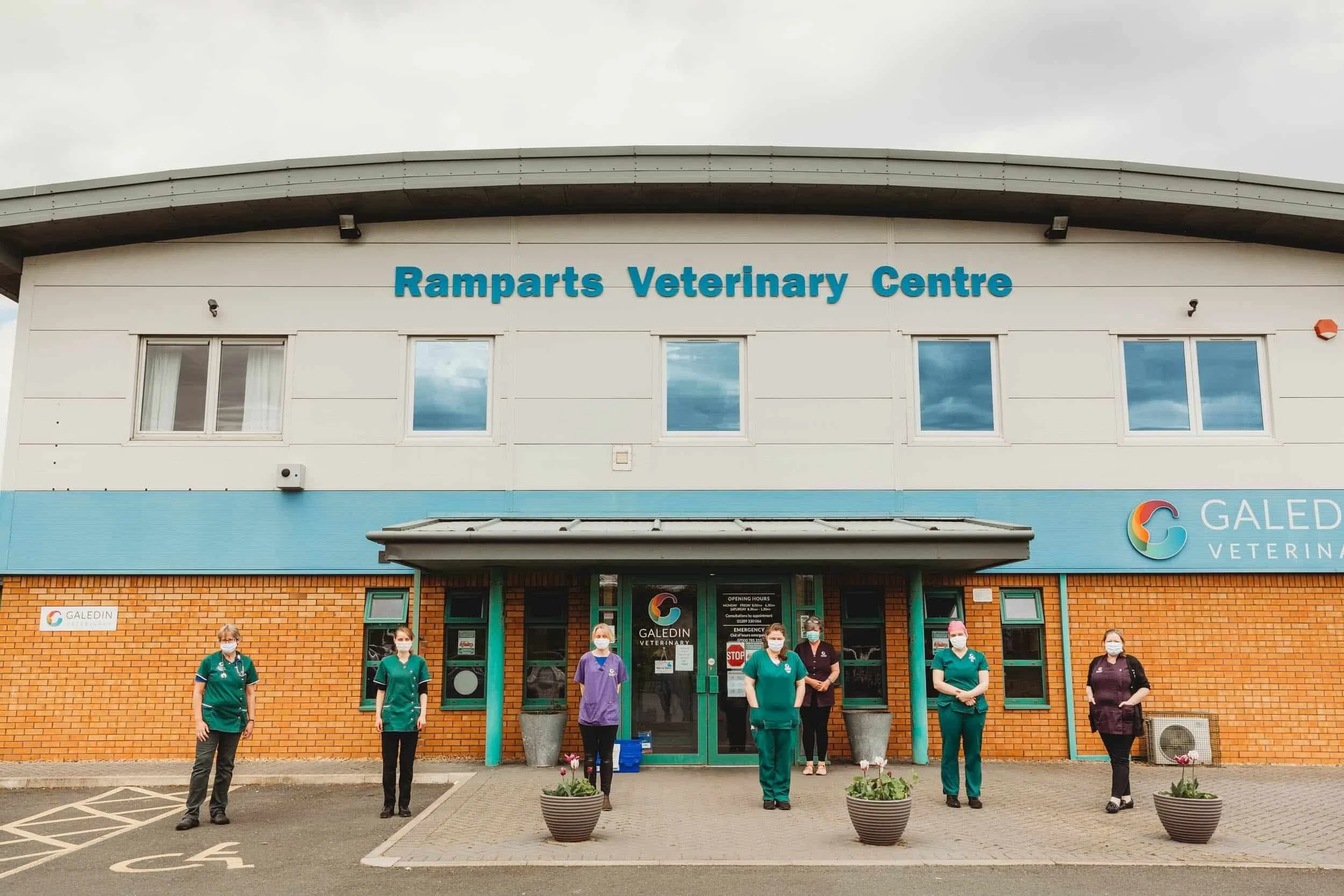
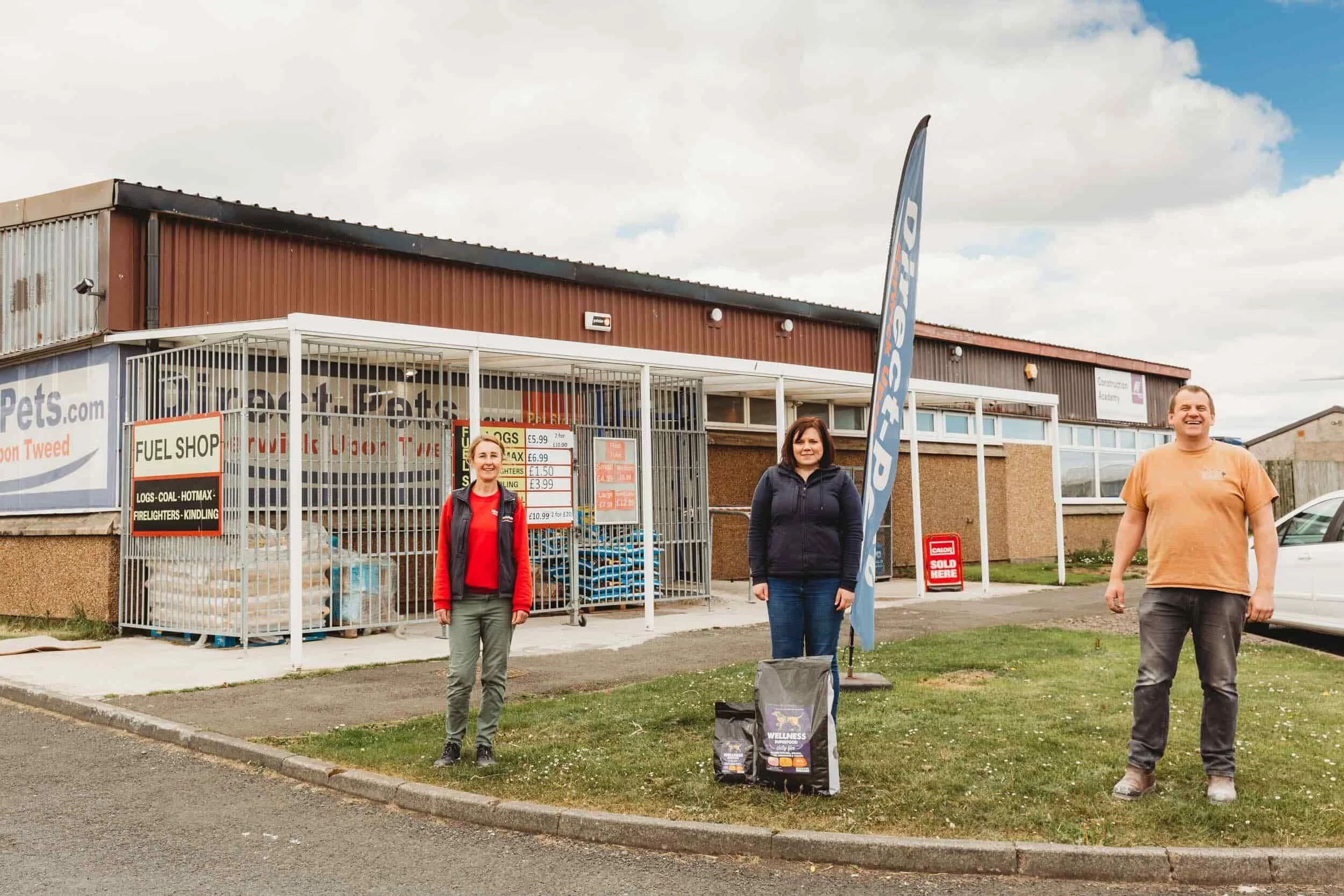
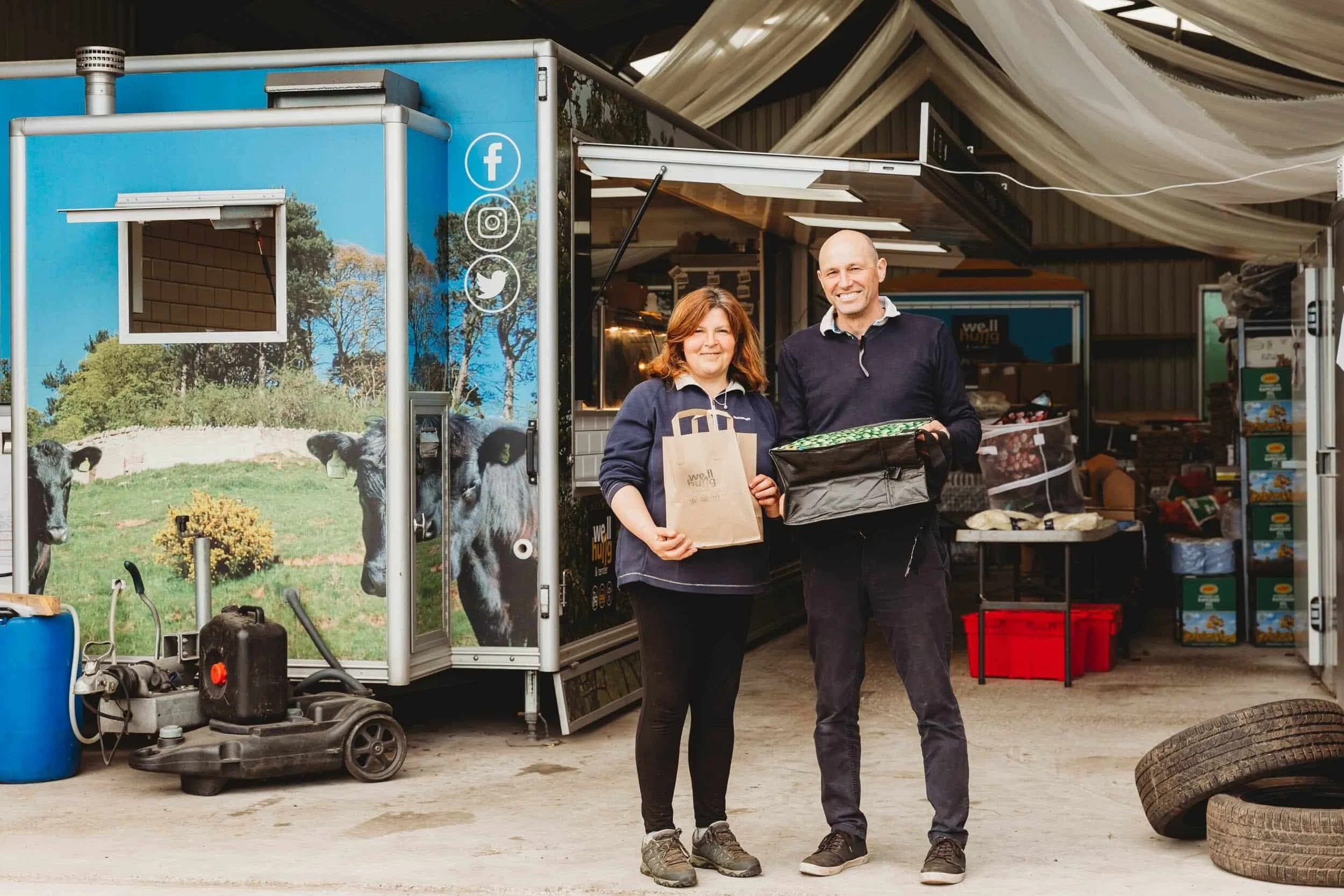
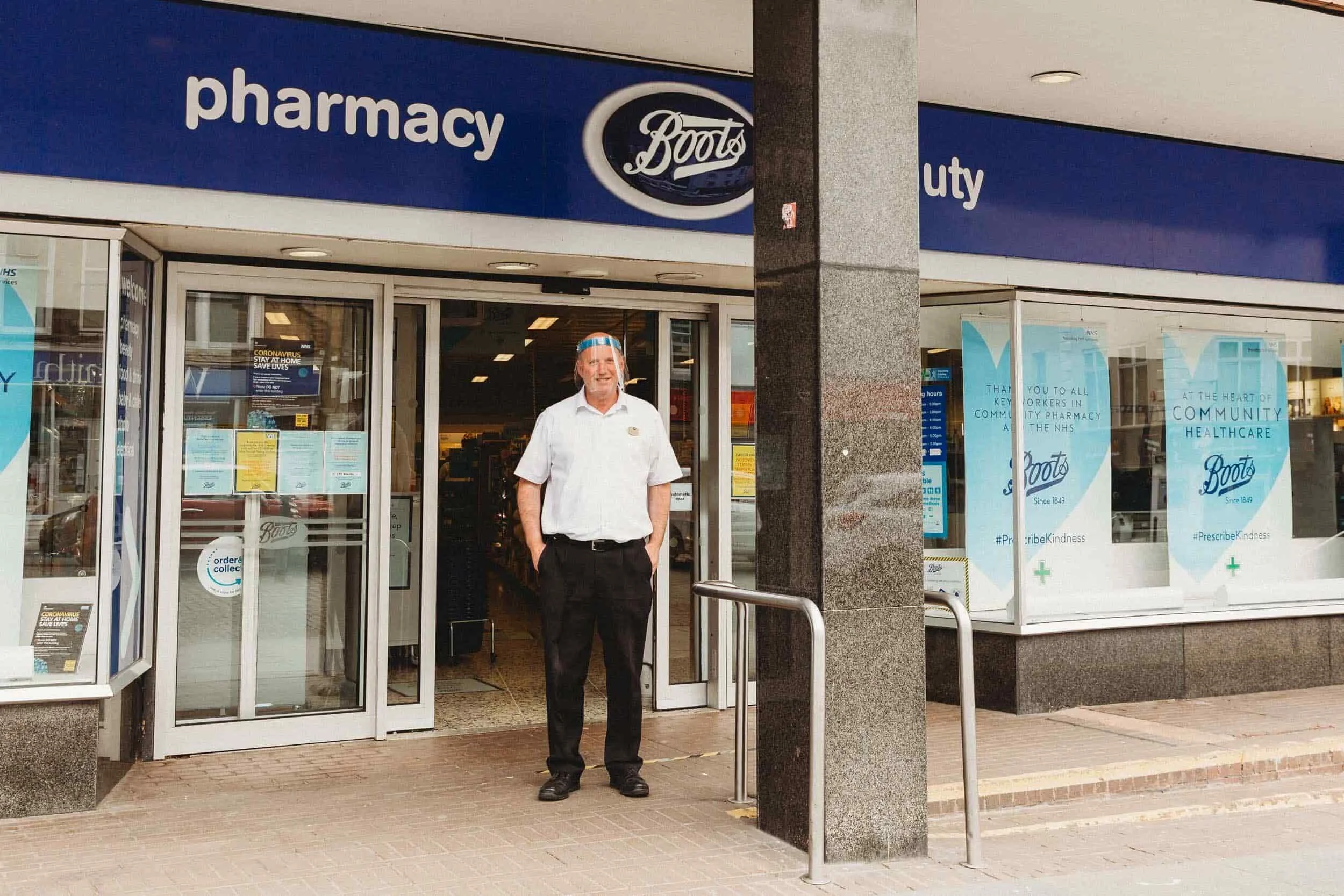
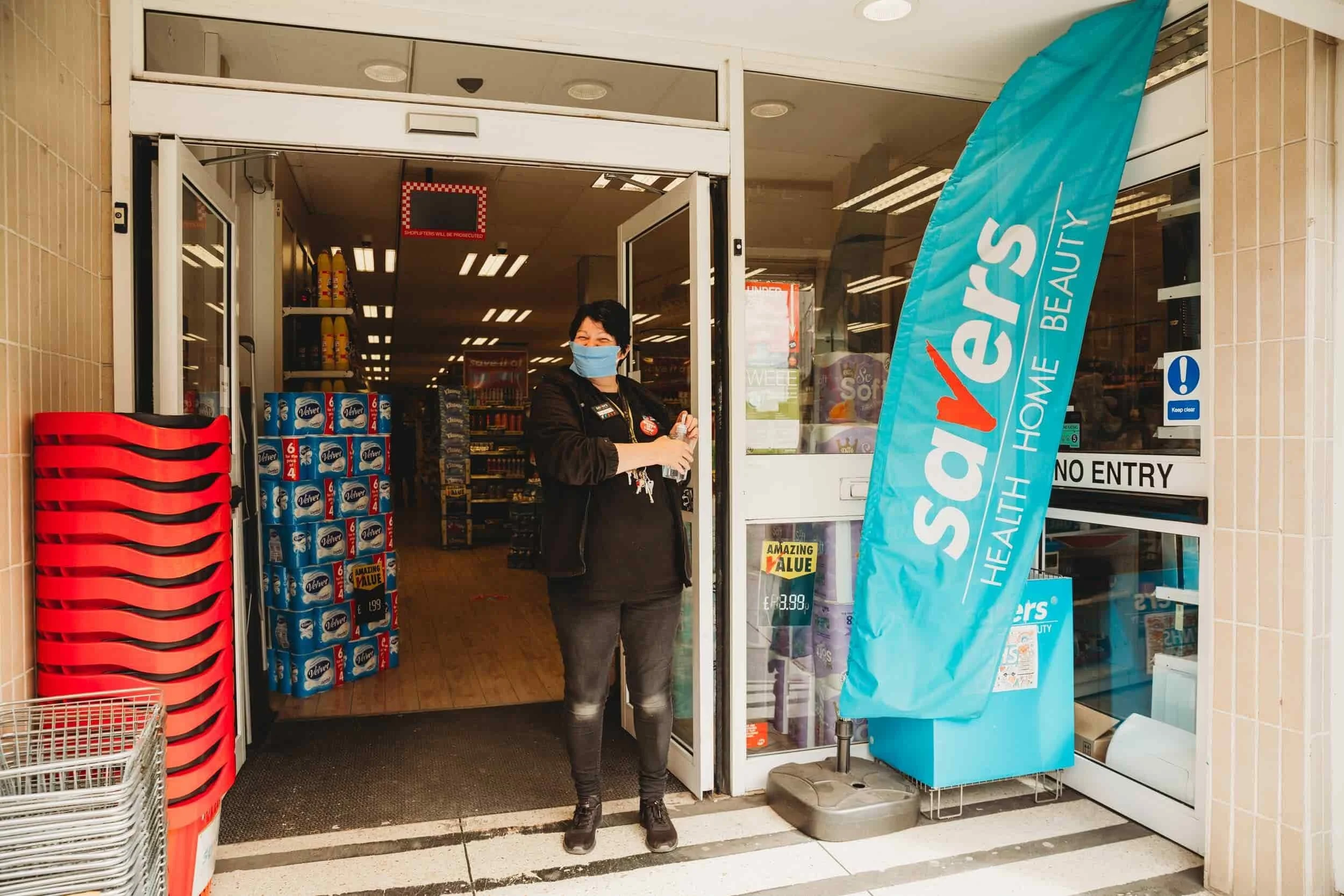
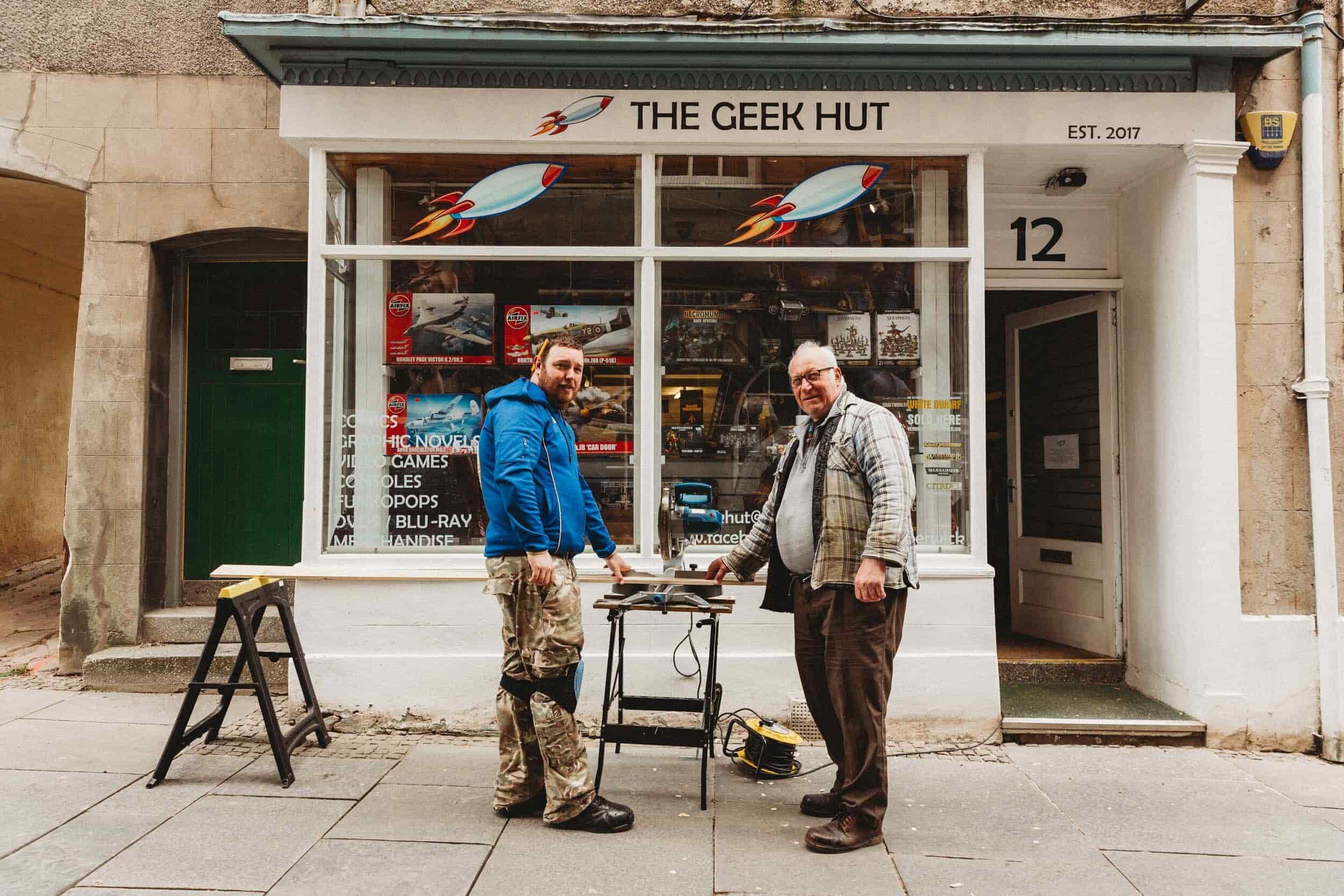
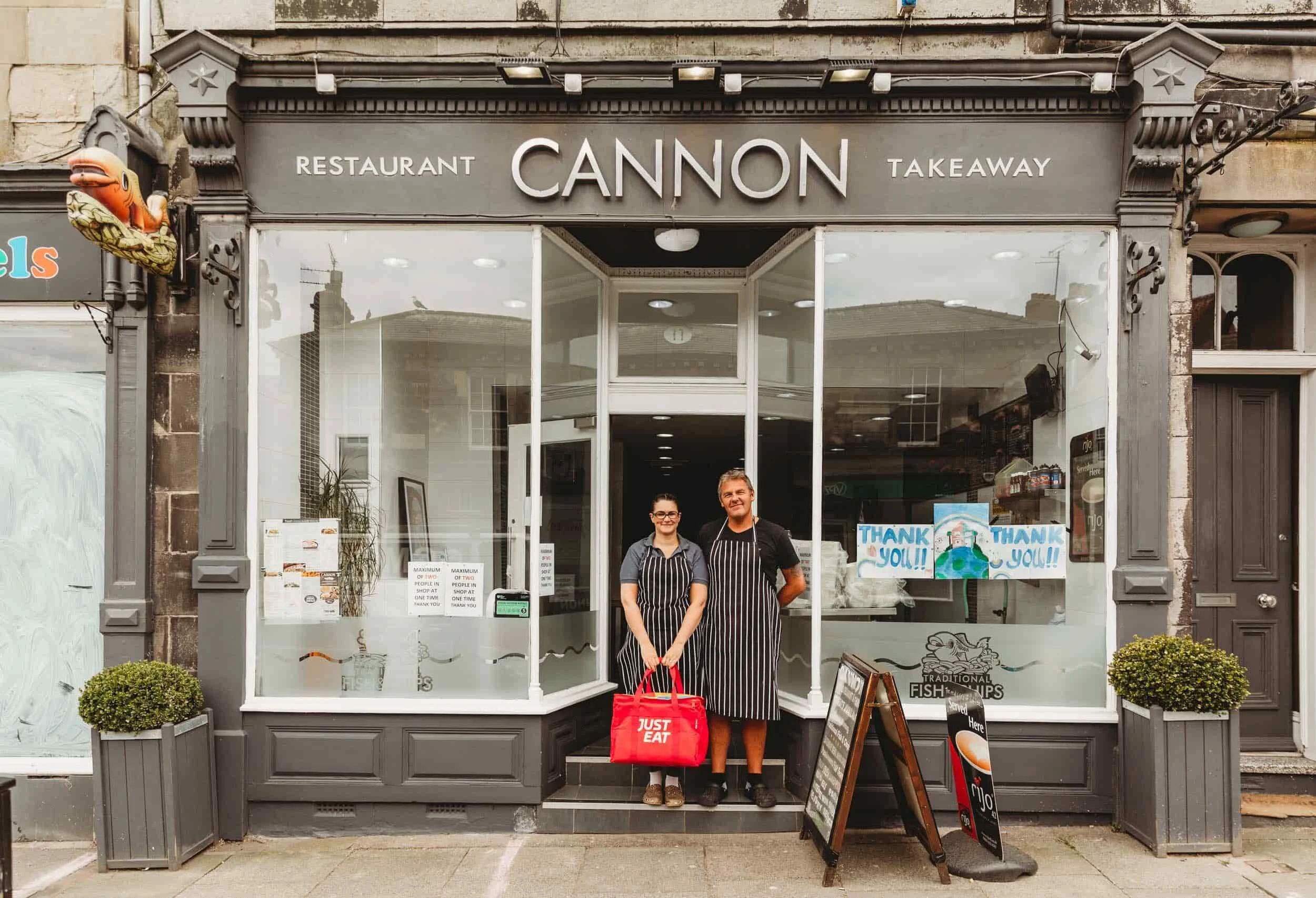
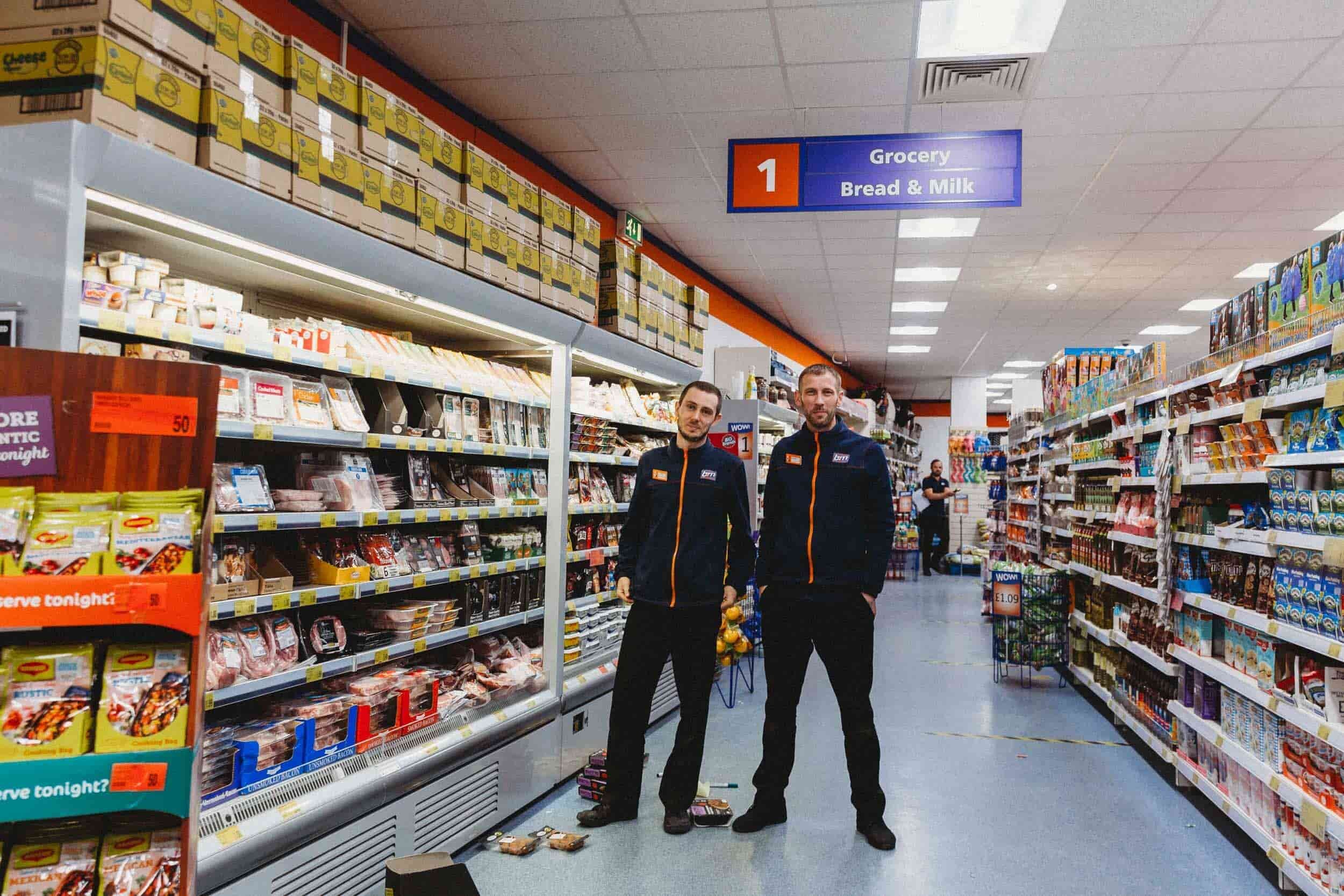
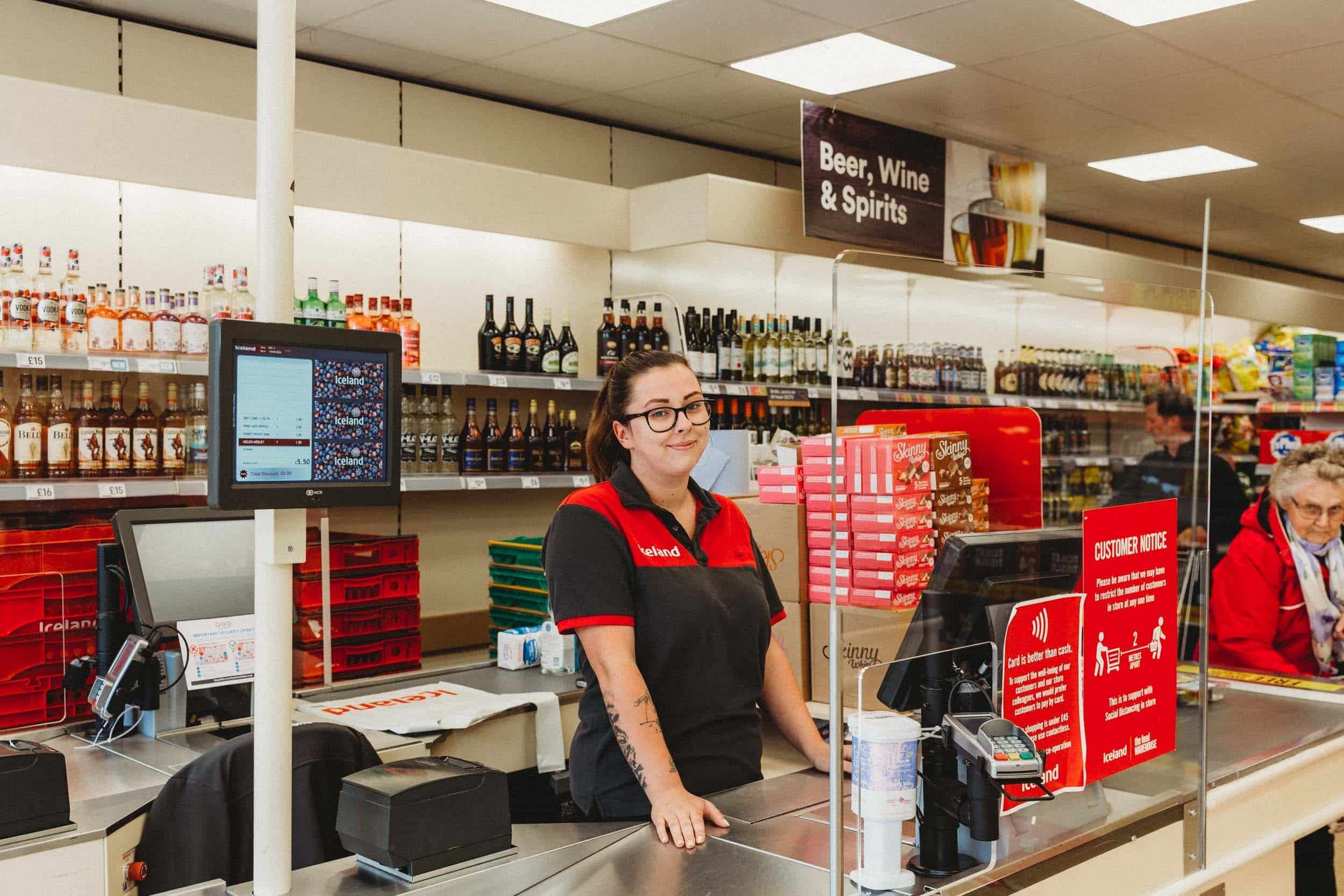
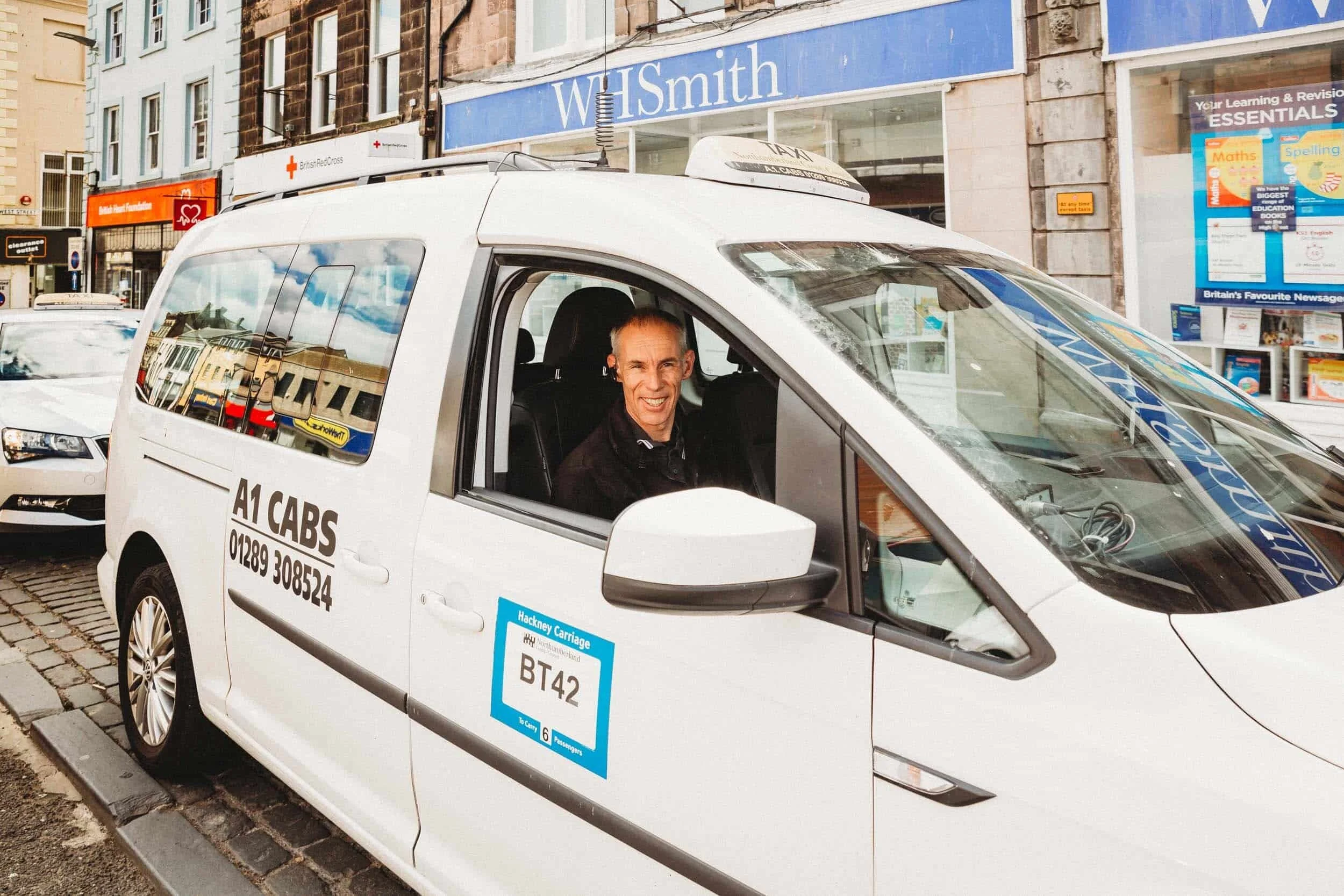
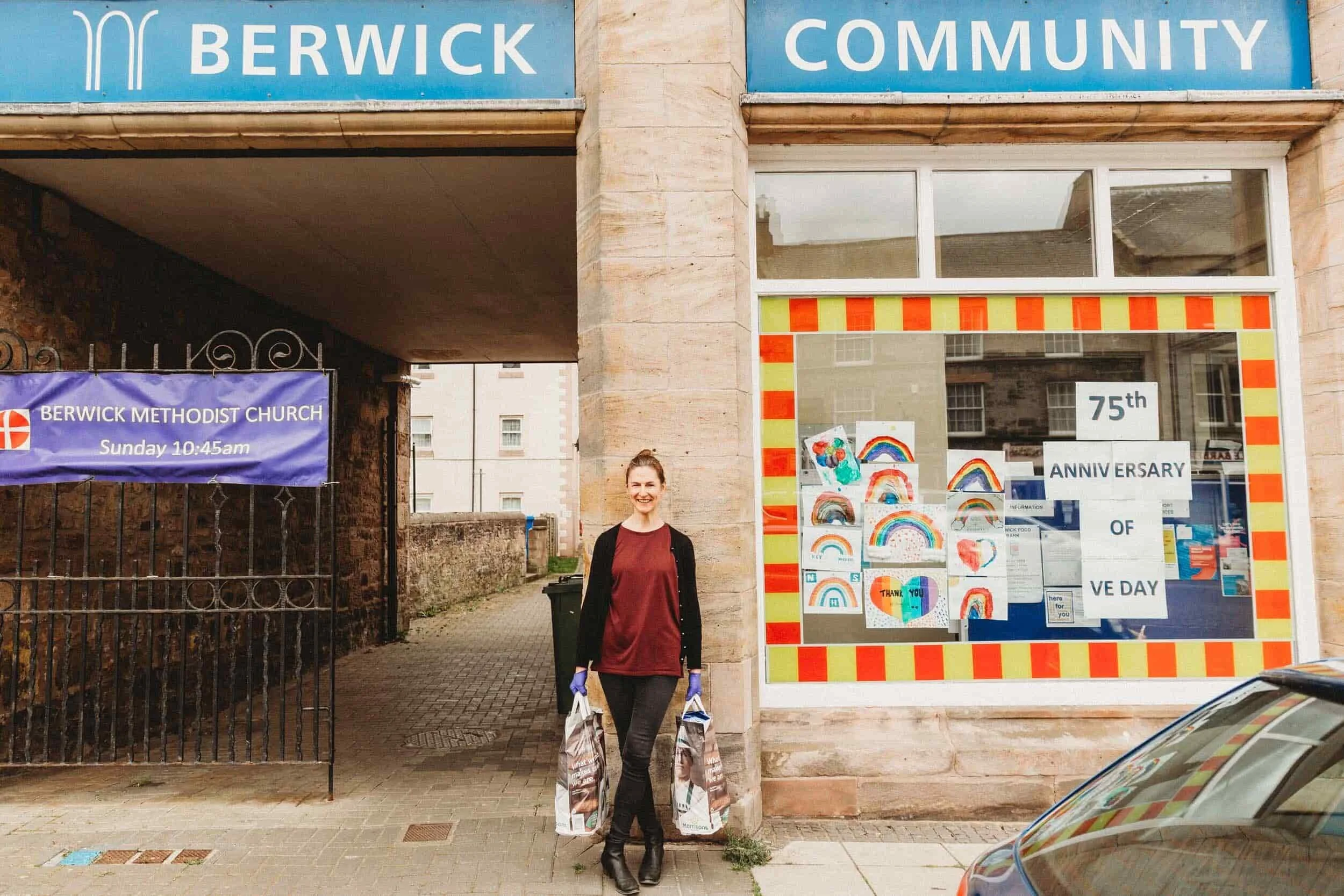
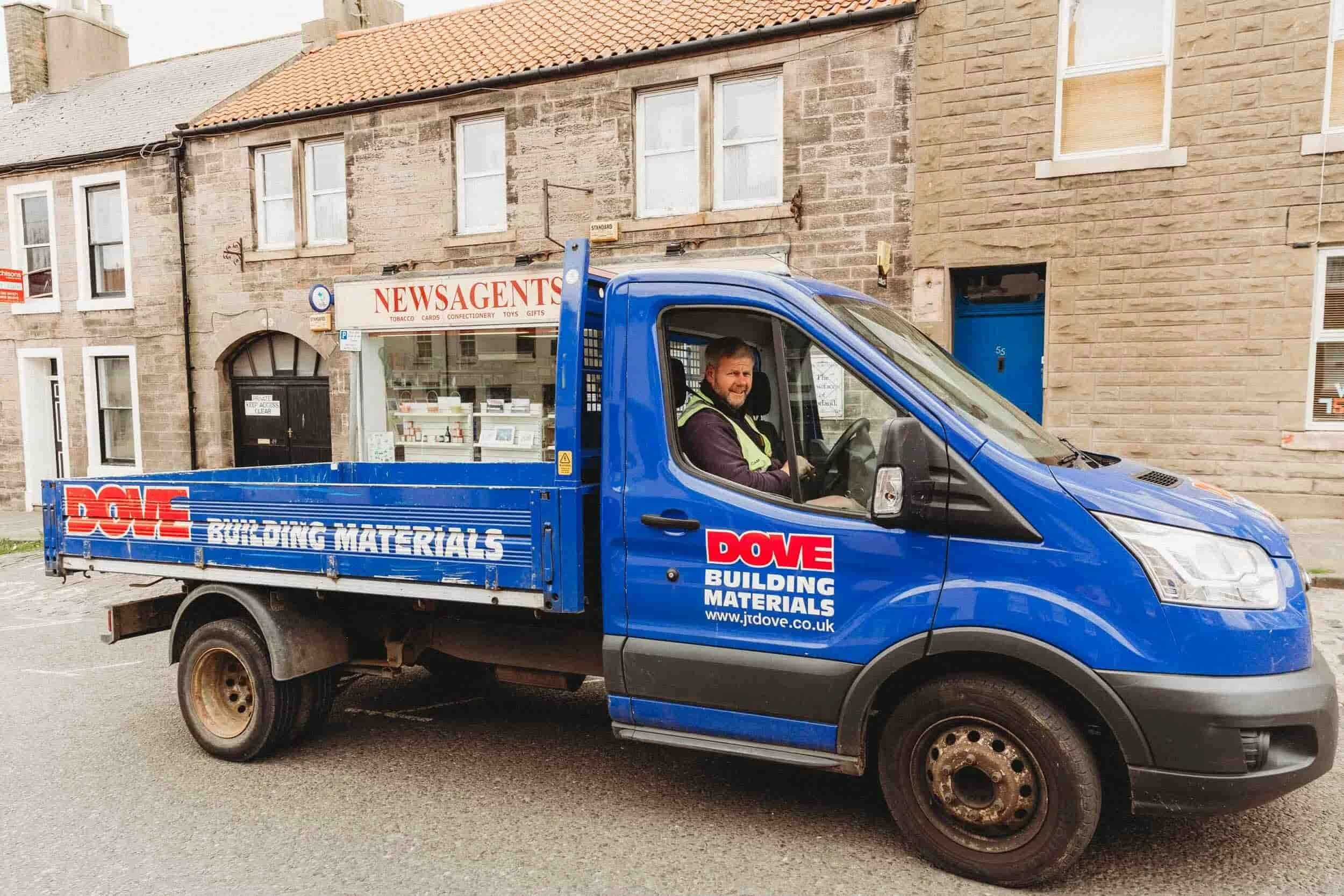
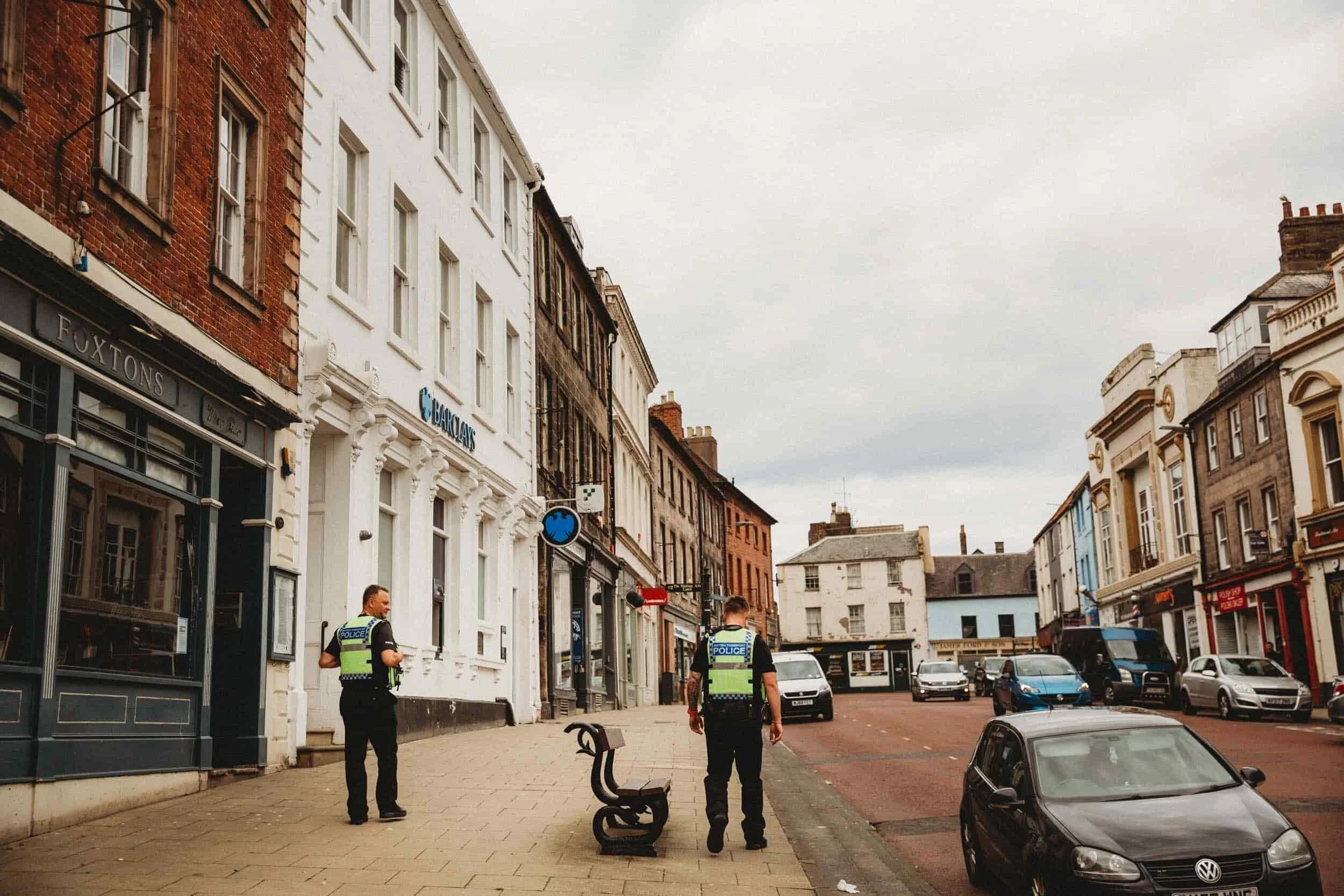
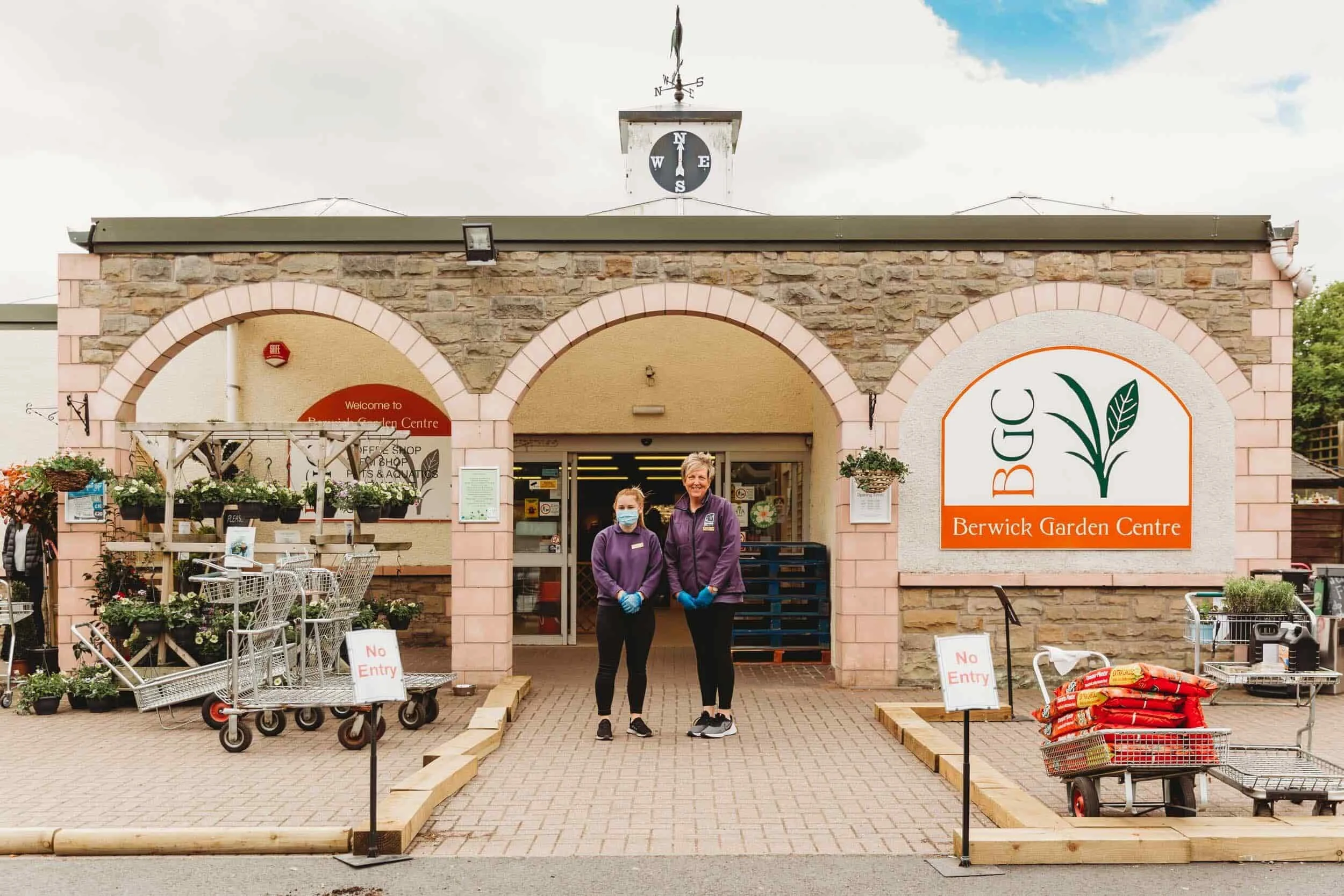
Voices from Berwick-upon-Tweed During Lockdown
Alongside these portraits, I asked people working throughout lockdown to share a few words about what life looked like behind the scenes. Their responses are kept here exactly as they were said — a small record of working life in Berwick-upon-Tweed during the COVID-19 pandemic.
Northern Soul Kitchen
Visit Northern Soul on Instagram
“We put a post out last night, the food parcels have gone mad!”
Fortes – celebrating 100 years
“We’ve never shut, we’re going to be 100 next year and want to say thanks to our loyal customers.”
Well Hung and Tender
“It’s all done by cashless, contactless delivery now.”
— Sarah Macpherson
Castlegate Pharmacy
“This is our claim to fame now, the 2-metre rule.”
Dulux Paint Centre
“We’re really happy that we’ve kept everyone busy.”
— Katrina Fenwick & Amy Thompson
SJM Equestrian
“Everyone has been getting their rugs washed and I’ve been driving around the beautiful countryside delivering feed.”
— Steph
(Salon / Hair & Beauty Team)
“Thanks to the clients for their support and understanding at this difficult time.”
— Helen, Ageta, Kirsty, Lauren, Gillian, Mel & Natalie
(Decorator / Trades)
“We’ve been decorating along with everything else.”
City Electrical Factors
“We’ve helped the NHS and factories throughout lockdown.”
— Stan
Ace Convenience Store
Karolina Anolrejczek
The Green Shop, Bridge Street
“I love working here, I just love it.”
— Andrew (and Kyle)
You’ve Pulled
“Sunday’s have been great, we’ve been delivering Yorkshire’s.”
Silvery Tweed Cereals
“Sales are up 22% compared to normal levels.”
— Bob Gladstone
Savers
“I’ve got the hand sanitiser.”
Taxi
“It’s hard to social distance in a cab.”
Gaming Shop
“We’re doing work inside to get ready for re-opening.”
Castlegate Pharmacy
“It’s business as usual here but the patients have been so appreciative.”
— Susan, Stuart & Alison
Magna Tandoori
“25% discount for NHS workers and free meals for the elderly and vulnerable who are self-isolating, for all of May.”
— The Khan Family
“Nothing will work unless you do.”
Have I missed anyone? Let me know in the comments :)
A Great Blend of PR, Headshots, and Product Photography for Innovative Local Firm, Silvery Tweed Cereals
Over the last few years, we have completed quite a variety of photography work for Silvery Tweed Cereals, from Headshots of lab technicians and managers to new machinery and facilities, and large fleet vehicles.
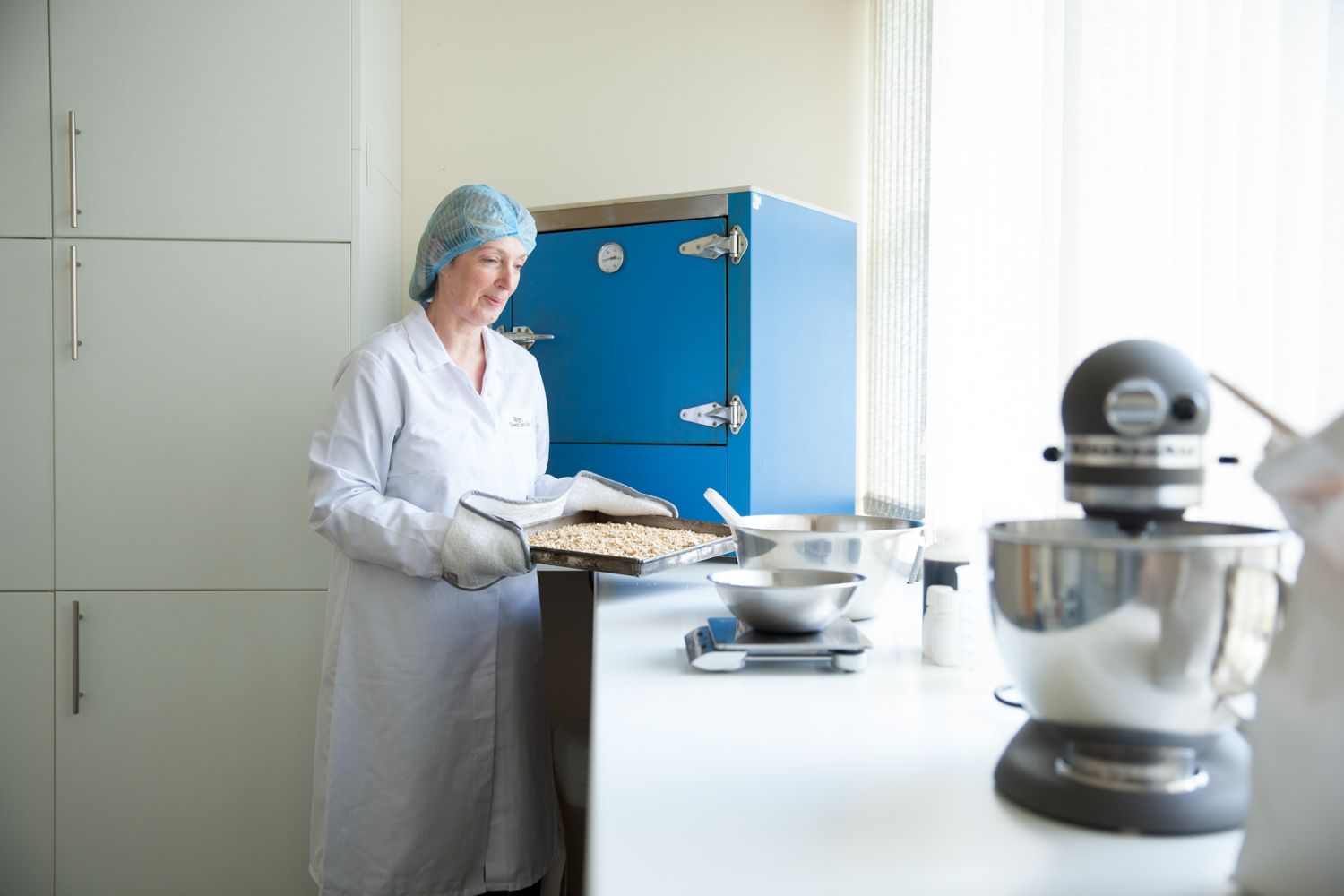
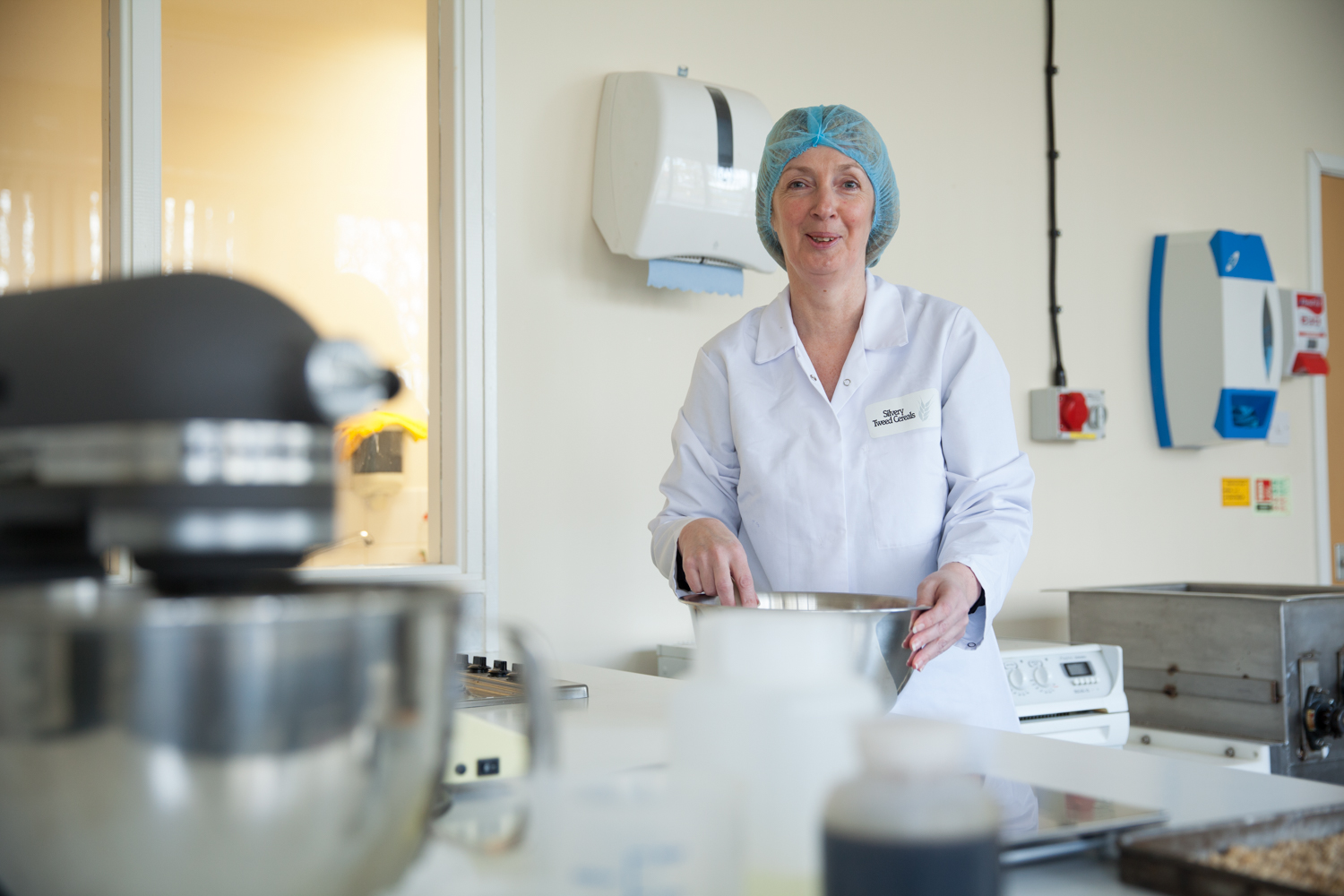
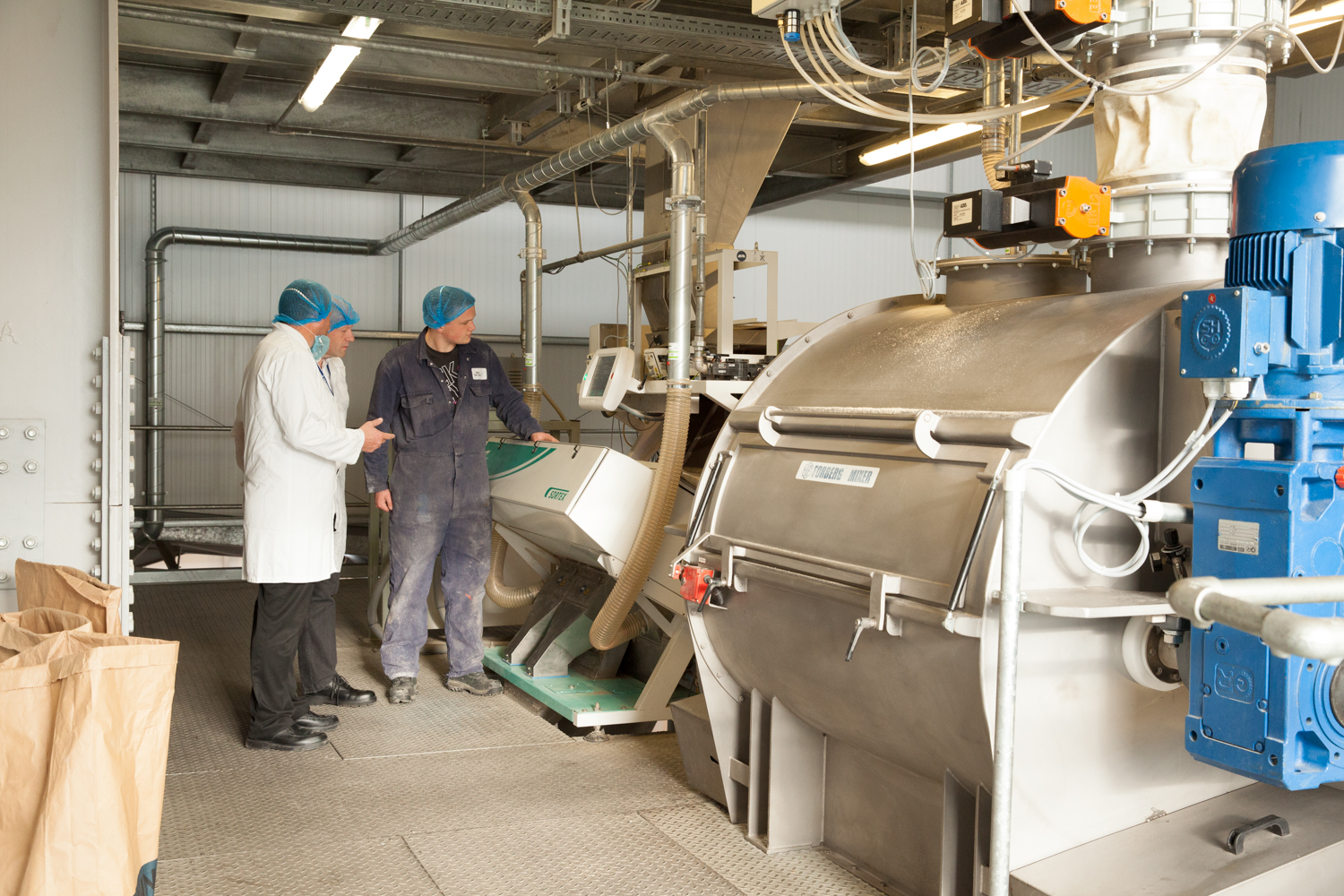
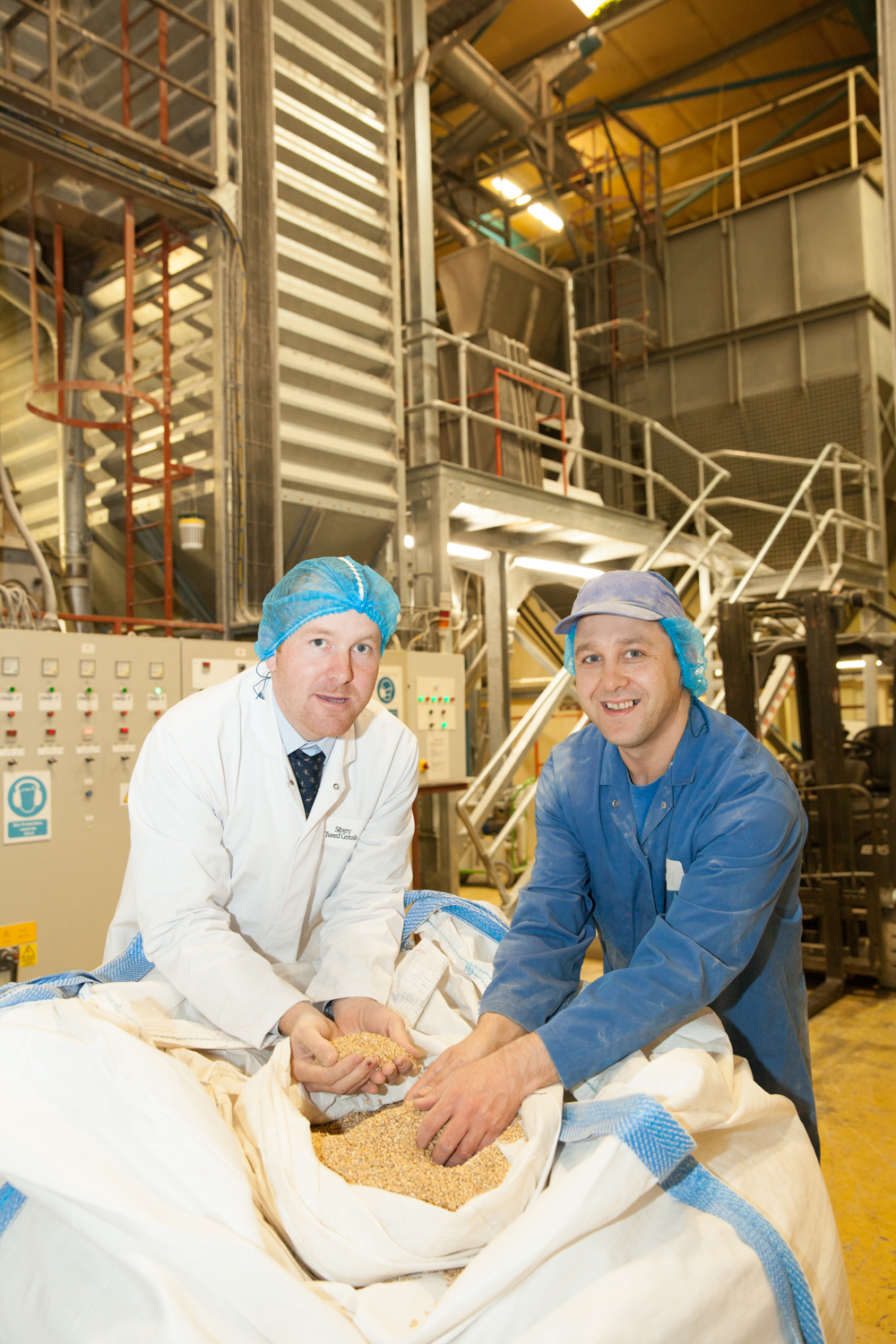
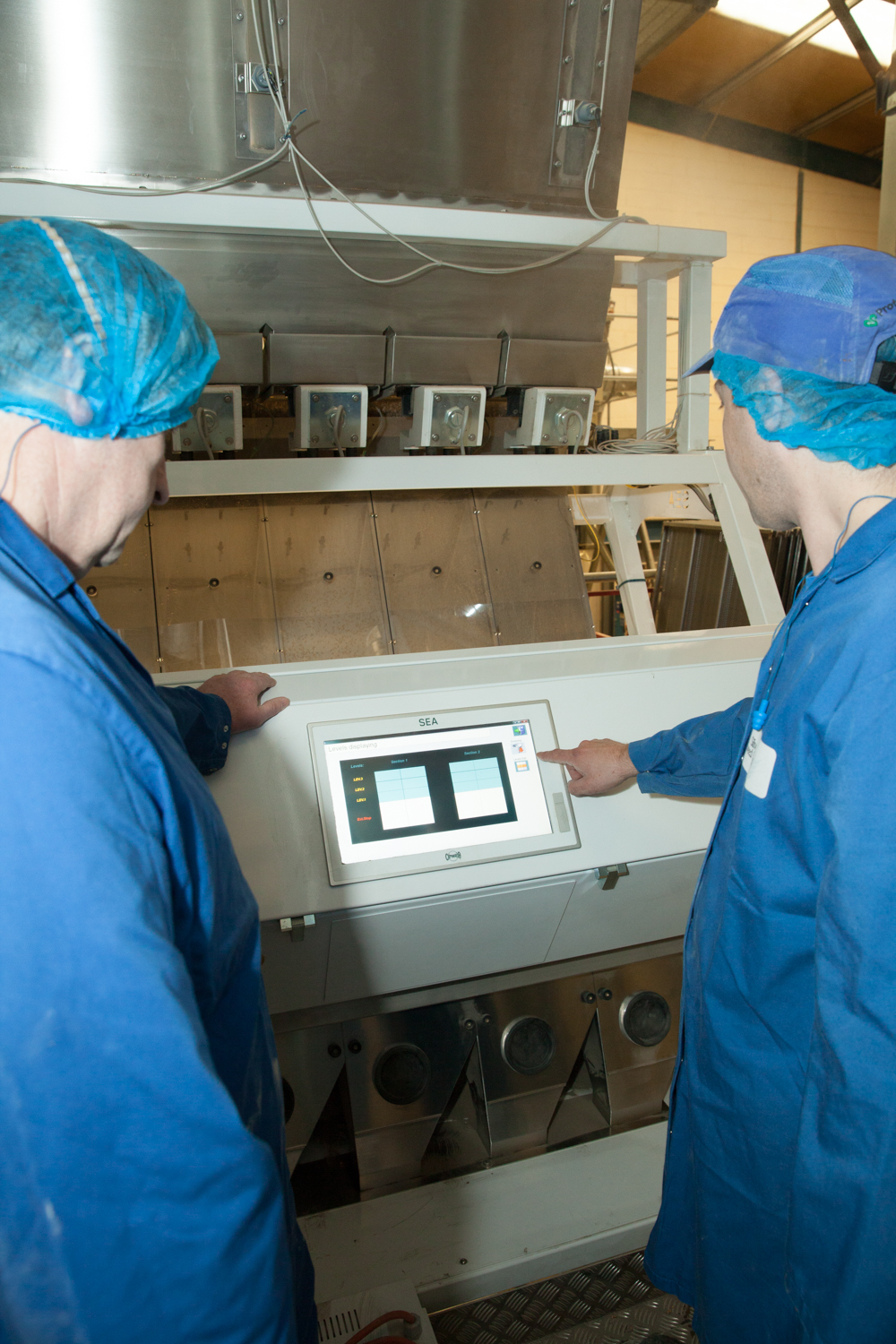


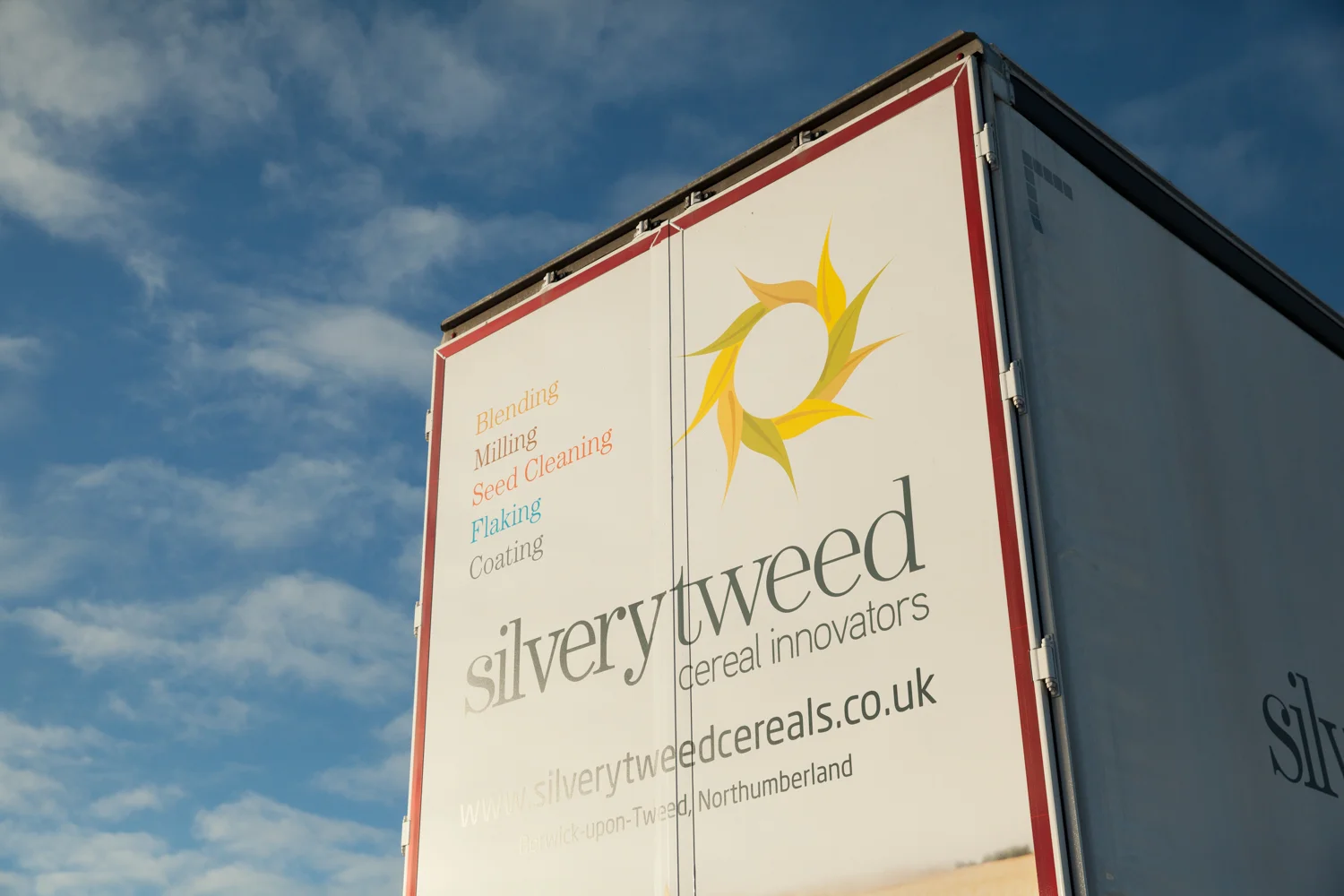
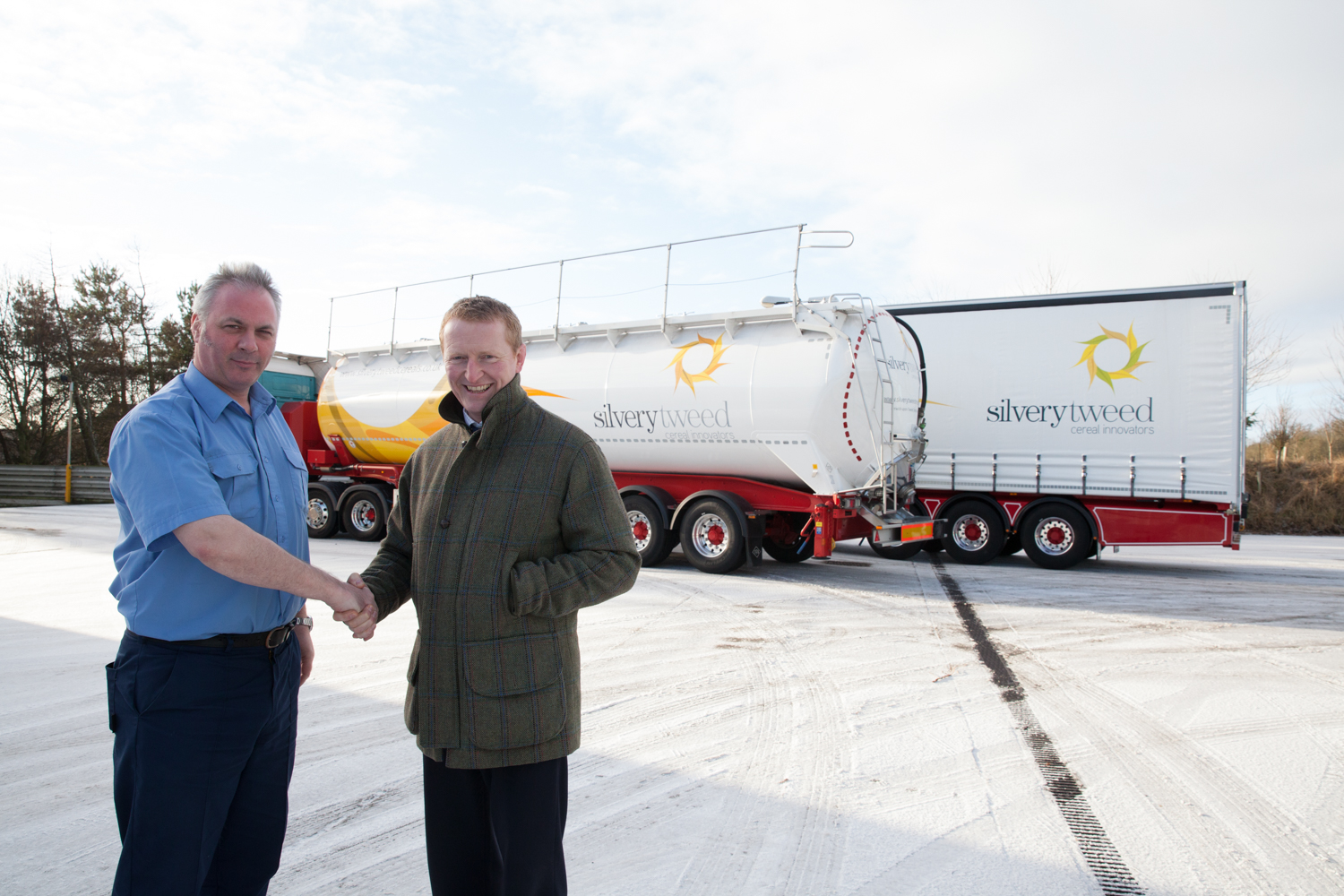
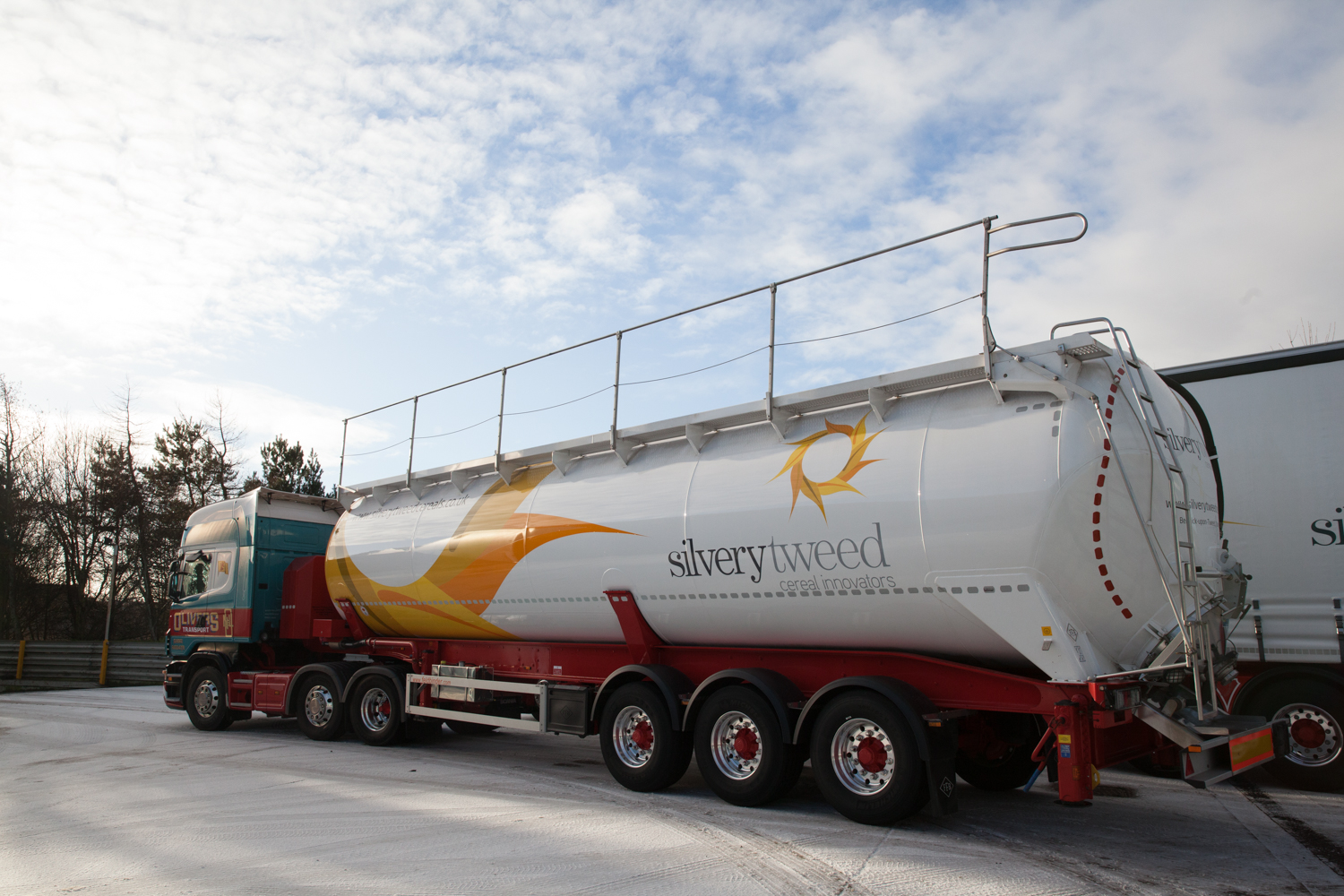
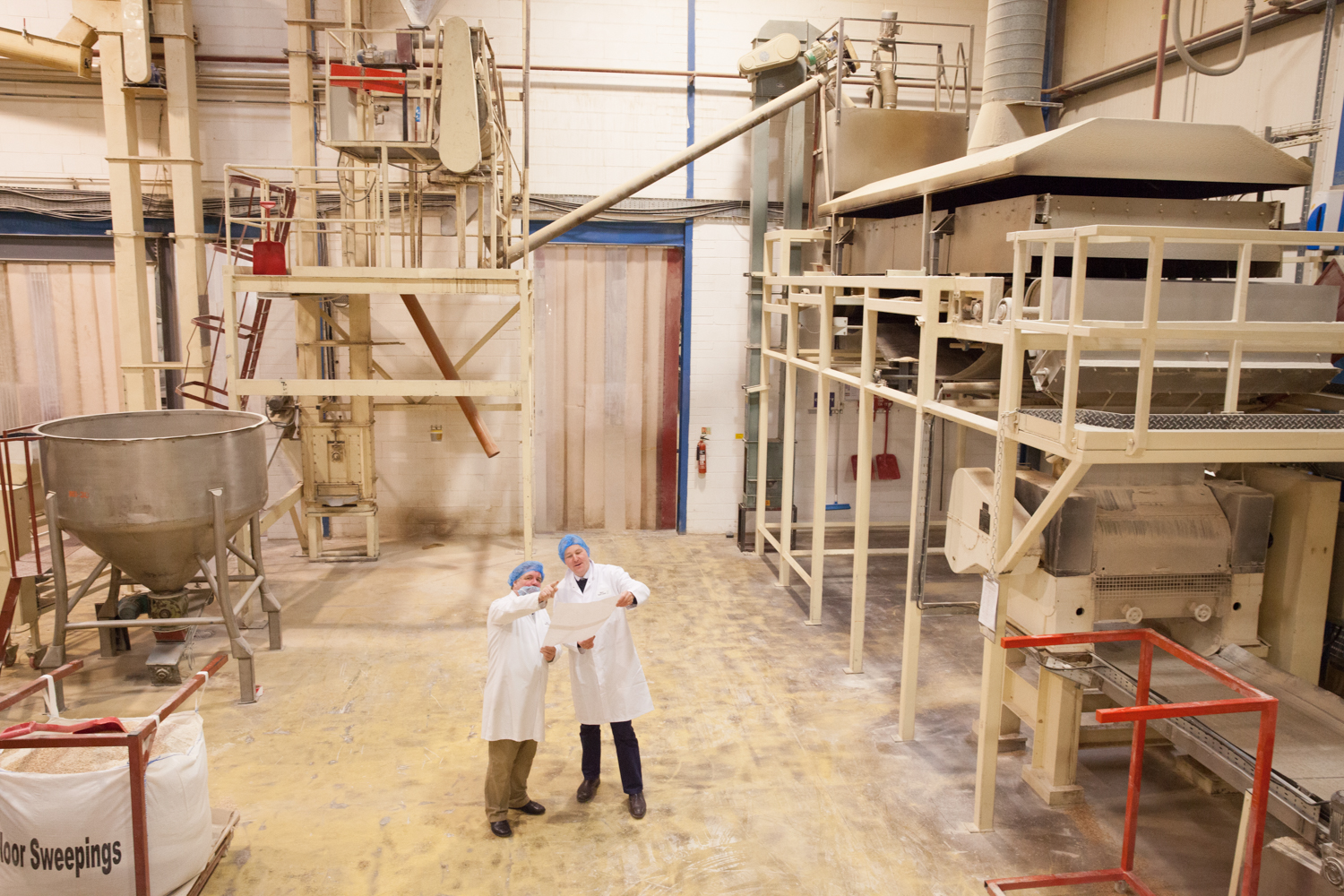
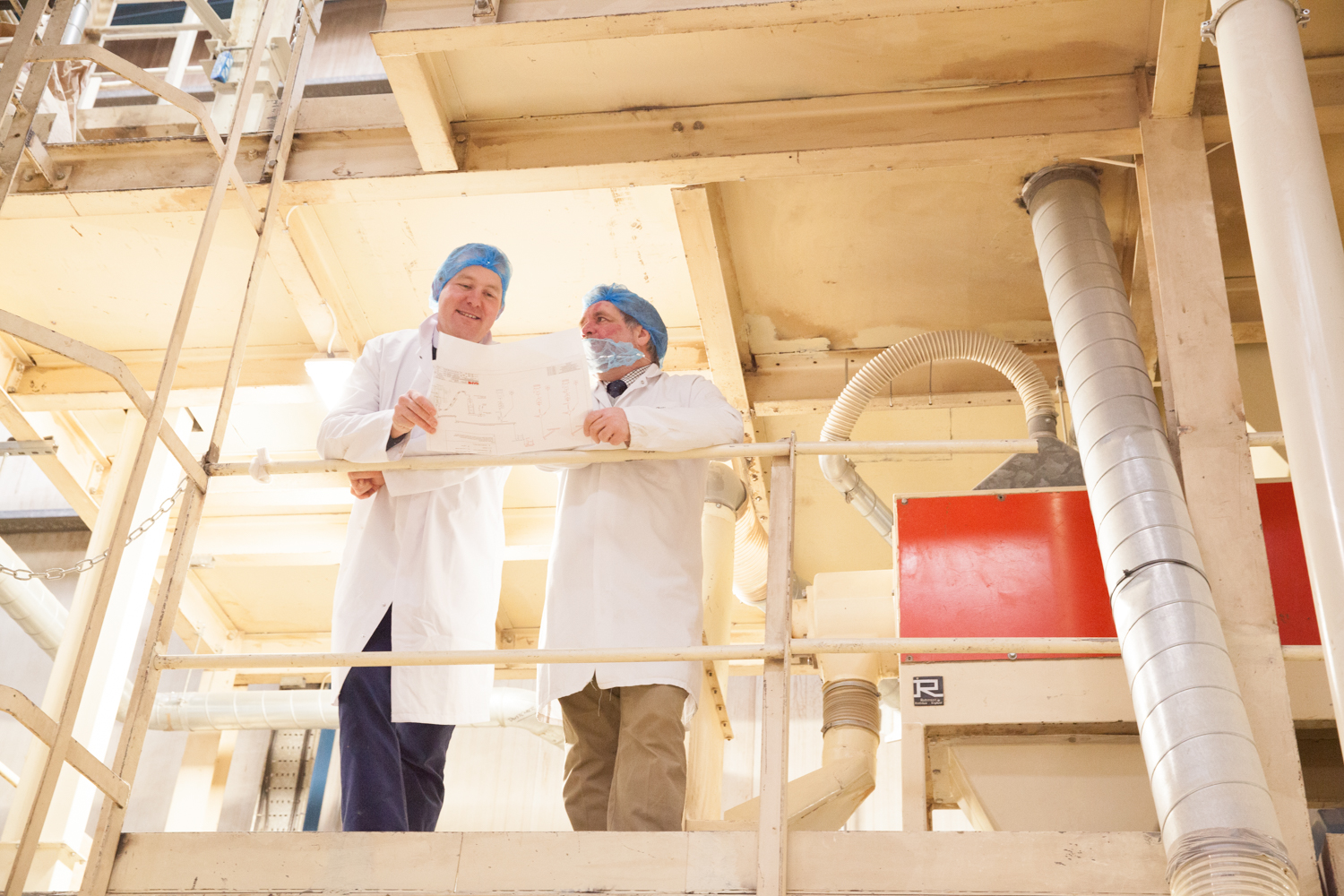
We have also covered events and charitable activities for STC who have been celebrating their 175th anniversary. One event that sticks in my mind was a great summer fete for their staff. The fete raised £1500 which was donated to local charities; Berwick Lifeboats, Berwickshire Riders for the Disabled Association, The Grove School, and Berwick Cancer Cars.
Another charitable activity we covered was the new ‘Silvery Tweed Technical Centre’ at Berwick Middle School. STC funded a school kitchen refurbishment, which included six new ovens, pasta machines, a barbecue, UV bacteria lights, chopping boards and utensils, nutritional analysis software, as well as a new lighting system and painting. https://www.silverytweedcereals.co.uk/News-and-Updates/
More recently we completed a project with Silvery Tweed and Fords the Bakers who tested out 6 new blends for artisan bread. You can read about it on the blog, or on British Baker Magazine or in the local press, Northumberland Gazette.
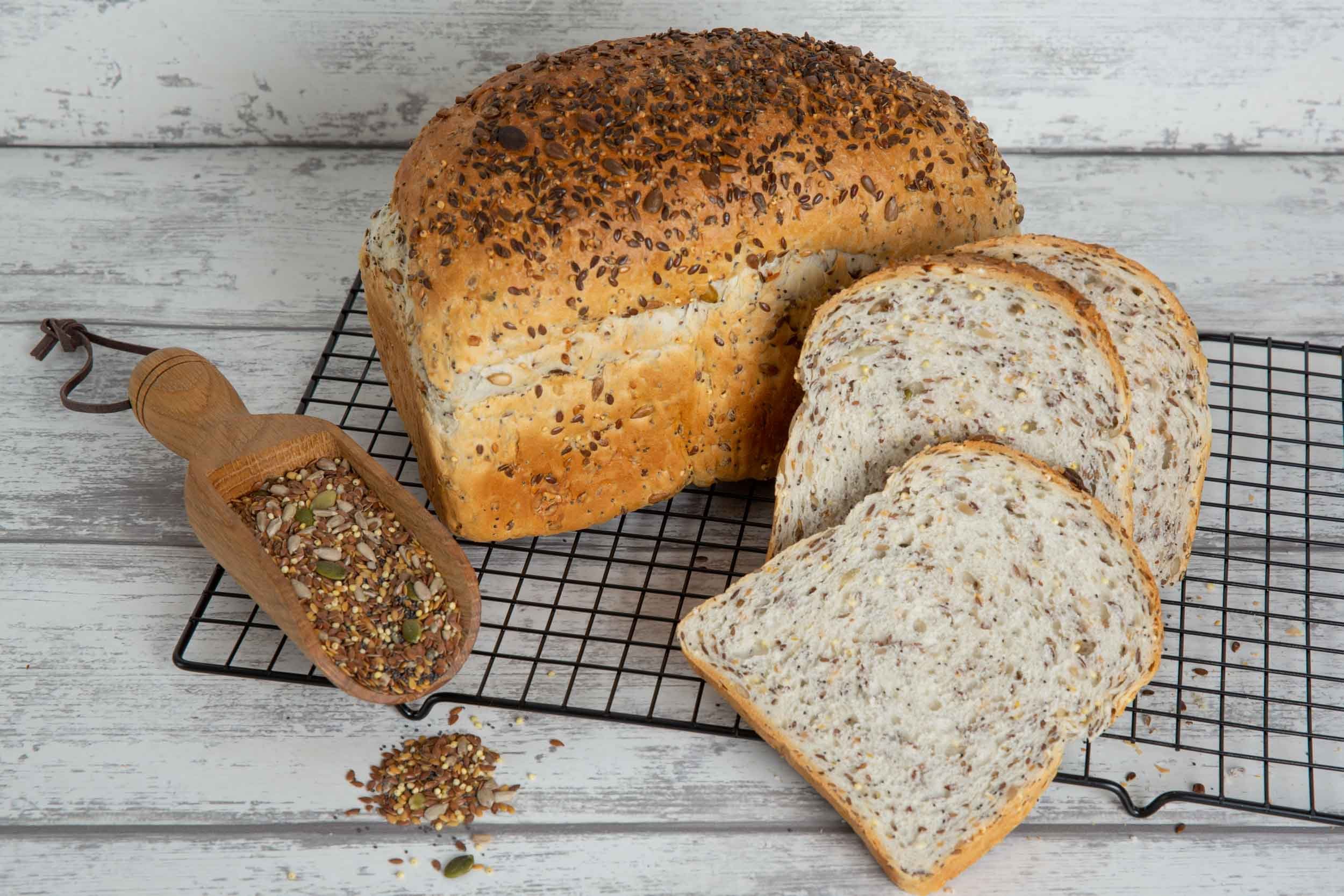
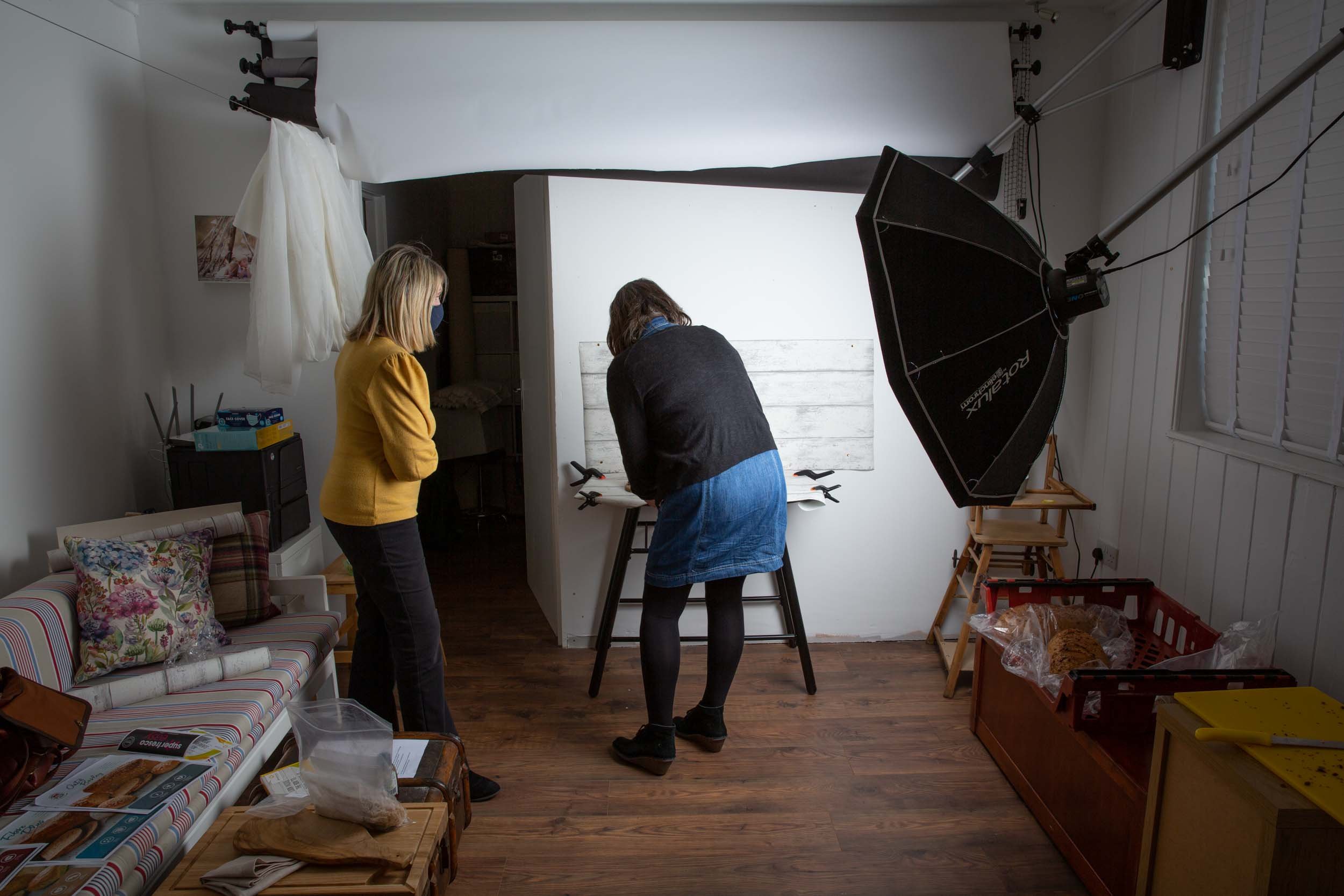
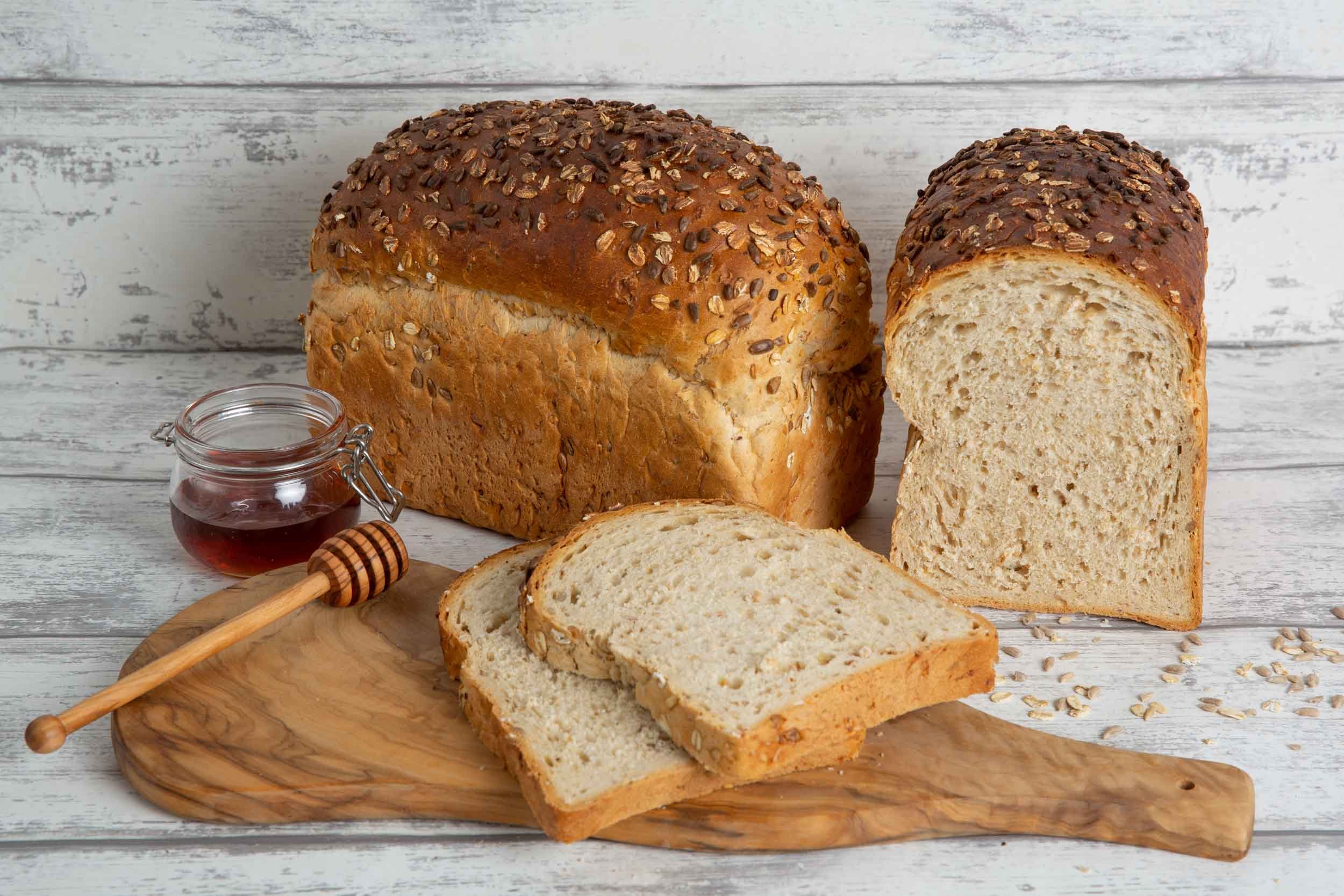
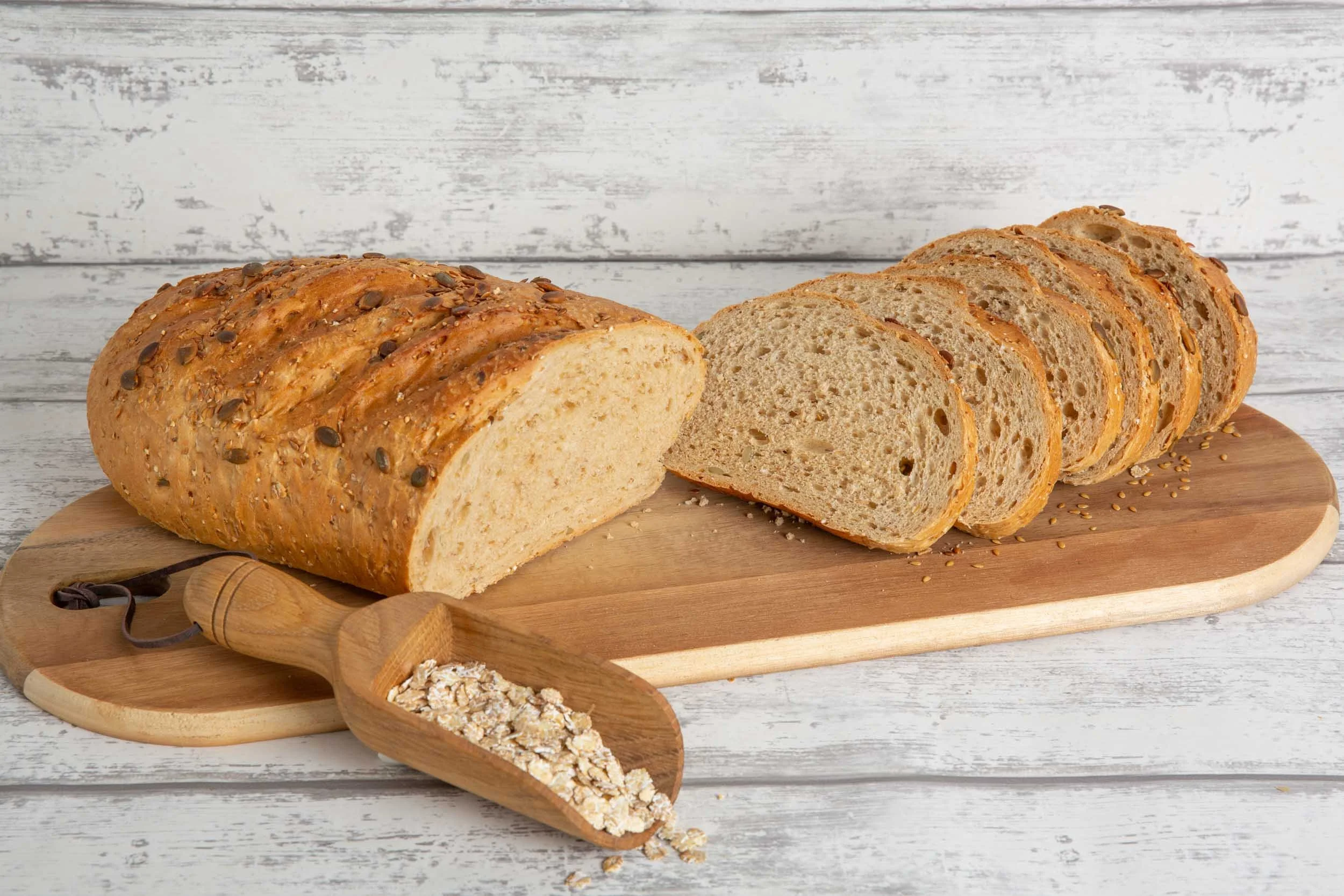
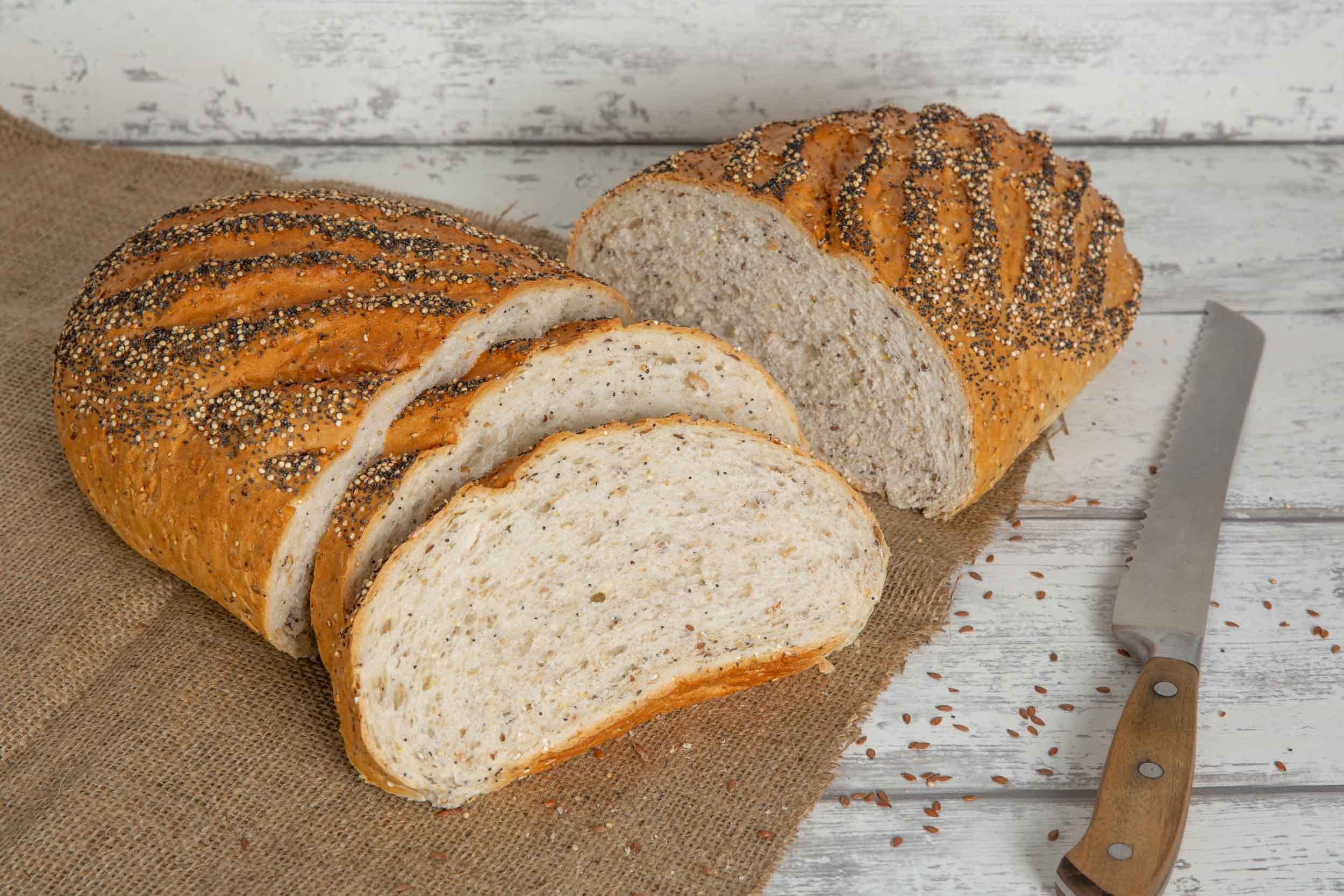
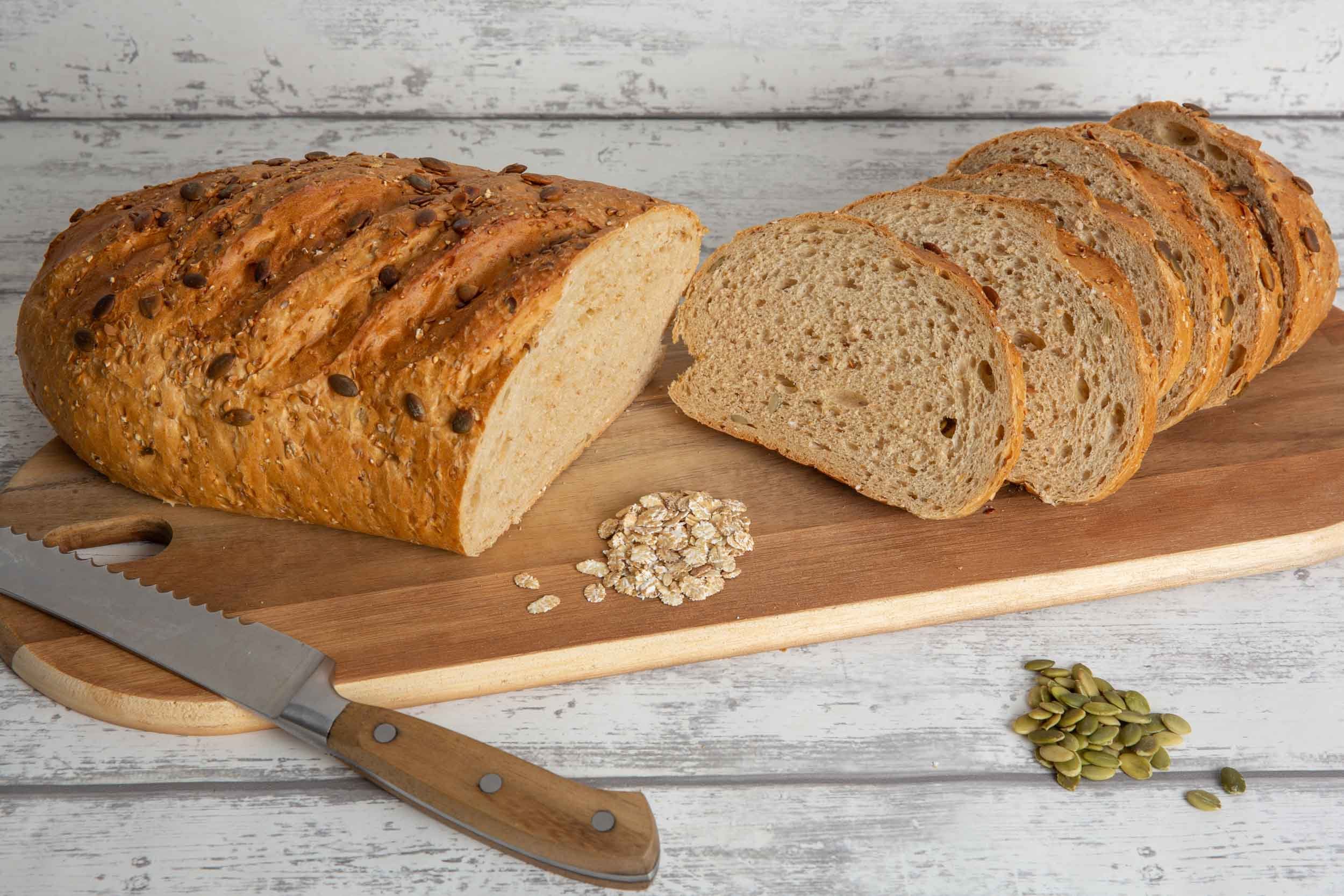
These are the beautiful breads made from the blends by Fords the Bakers. I spent an afternoon photographing the loaves of bread in the studio with technicians from STC. These photos will be used: to advertise the new blends; as product photography for their brochures and website; and in sales catalogs.
Landscape Magazine Commission: Northumberland’s Dramatic Coastline
I was commissioned by Landscape Magazine for the third time. I’m so excited to have my work published in Landscape again; I love this magazine!
Working with journalist Angie Aspinall, I created images to illustrate her article ‘Where Sea Meets Shore’. The article was published in the June 2019 edition and spanned 13 pages of the magazine so a lot of images were needed.
I met some great folk with my camera and enjoyed a day around the dramatic Northumberland coast.
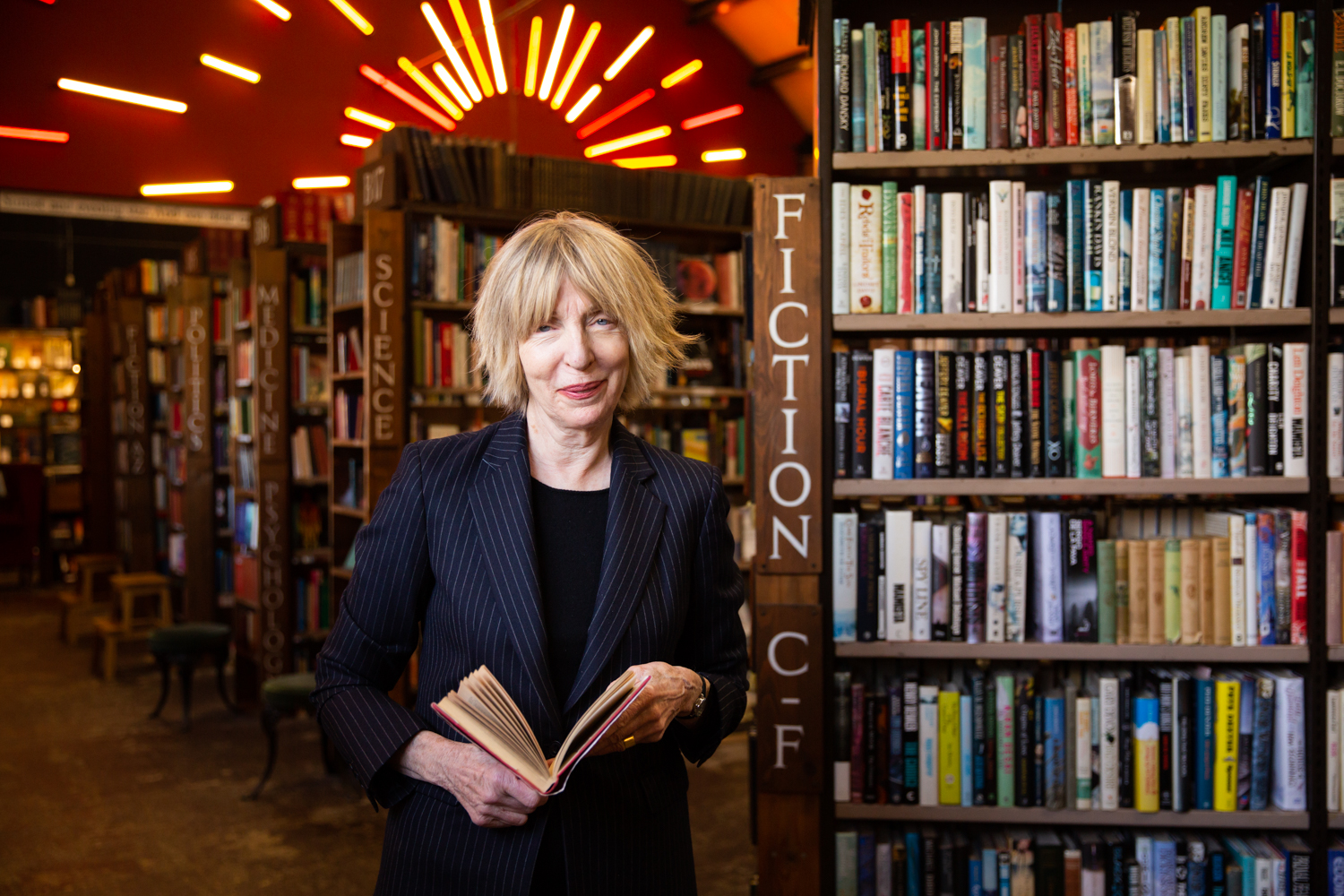
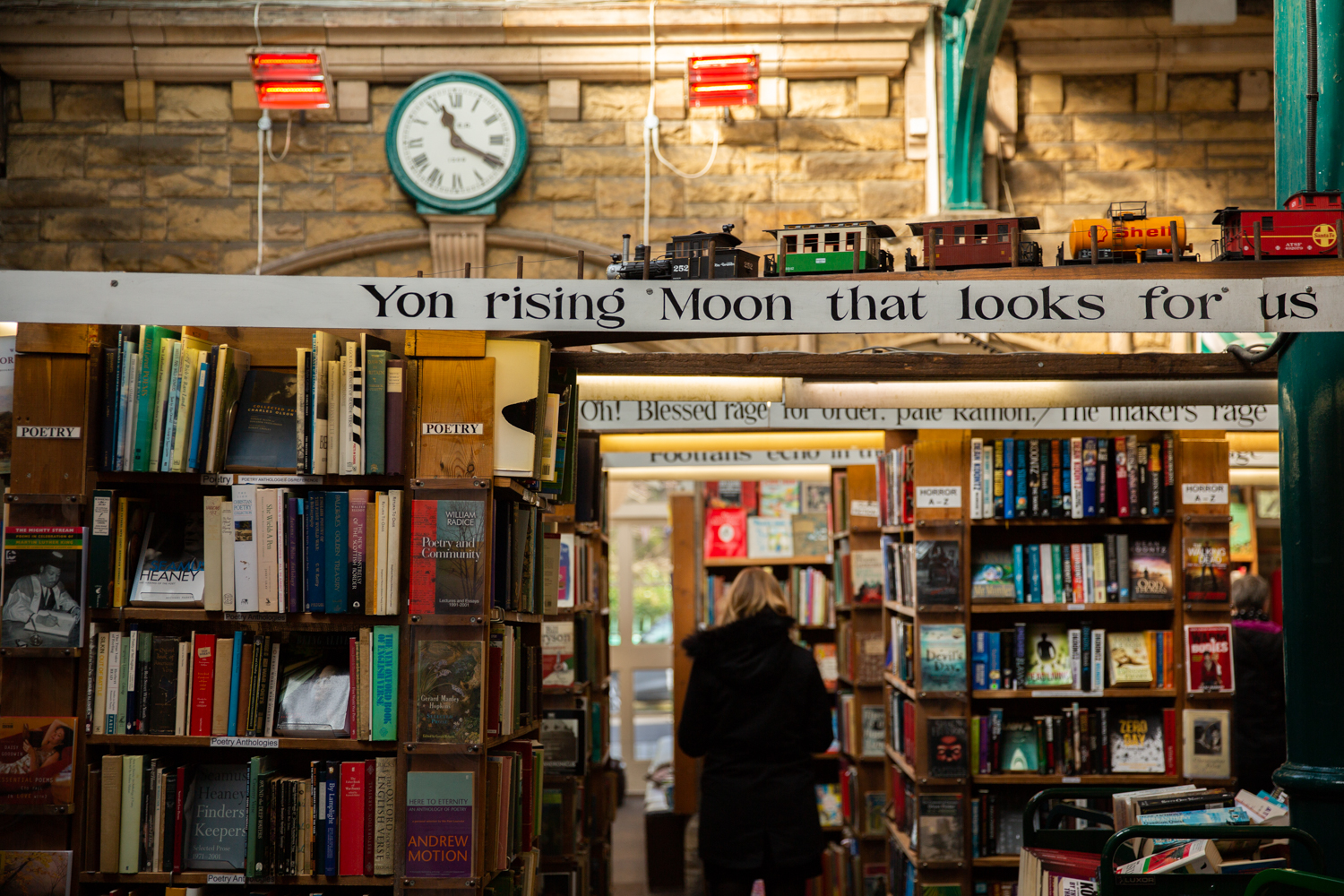
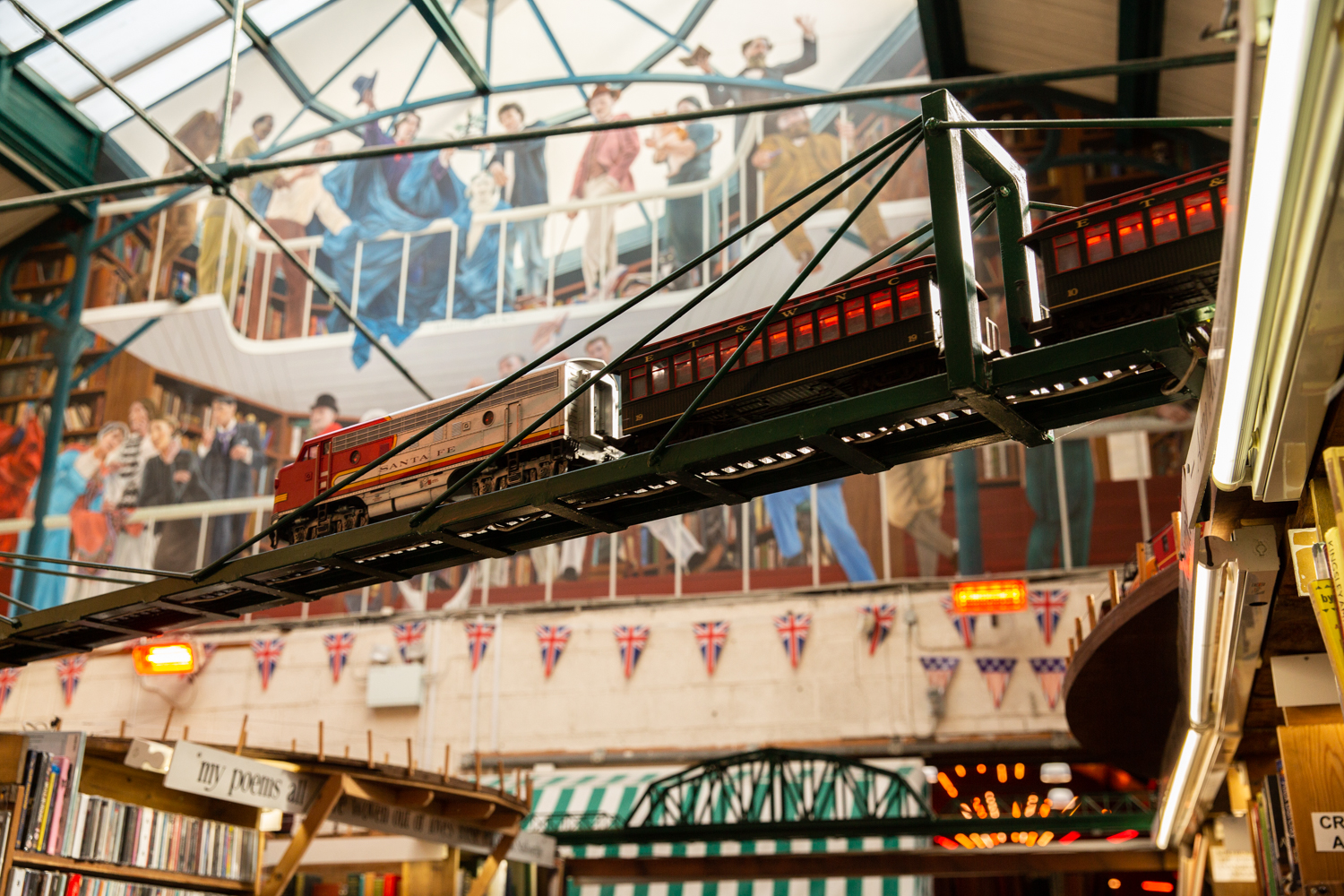
Firstly I met Mary, who set up Barter Books in Alnwick. https://www.barterbooks.co.uk/

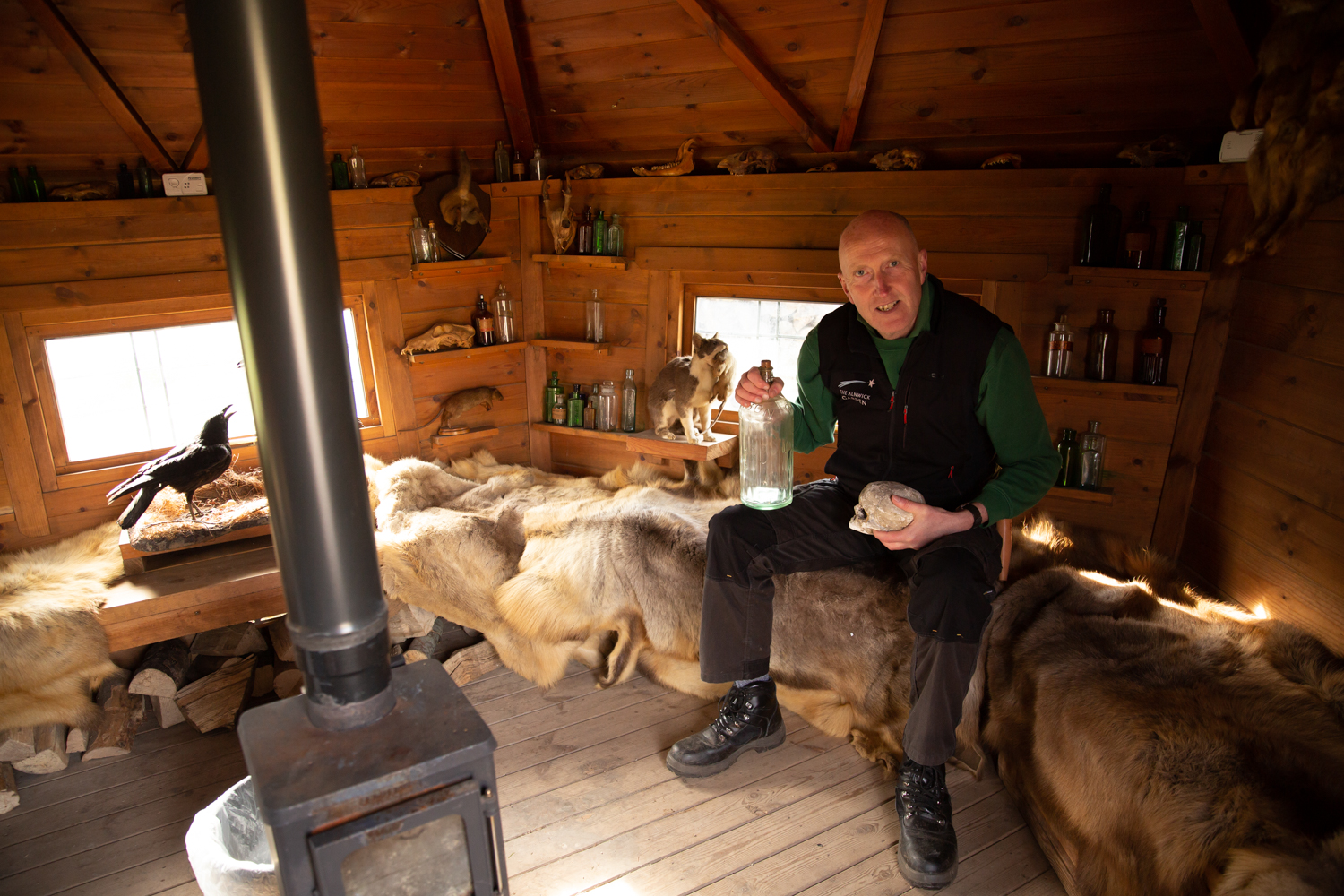
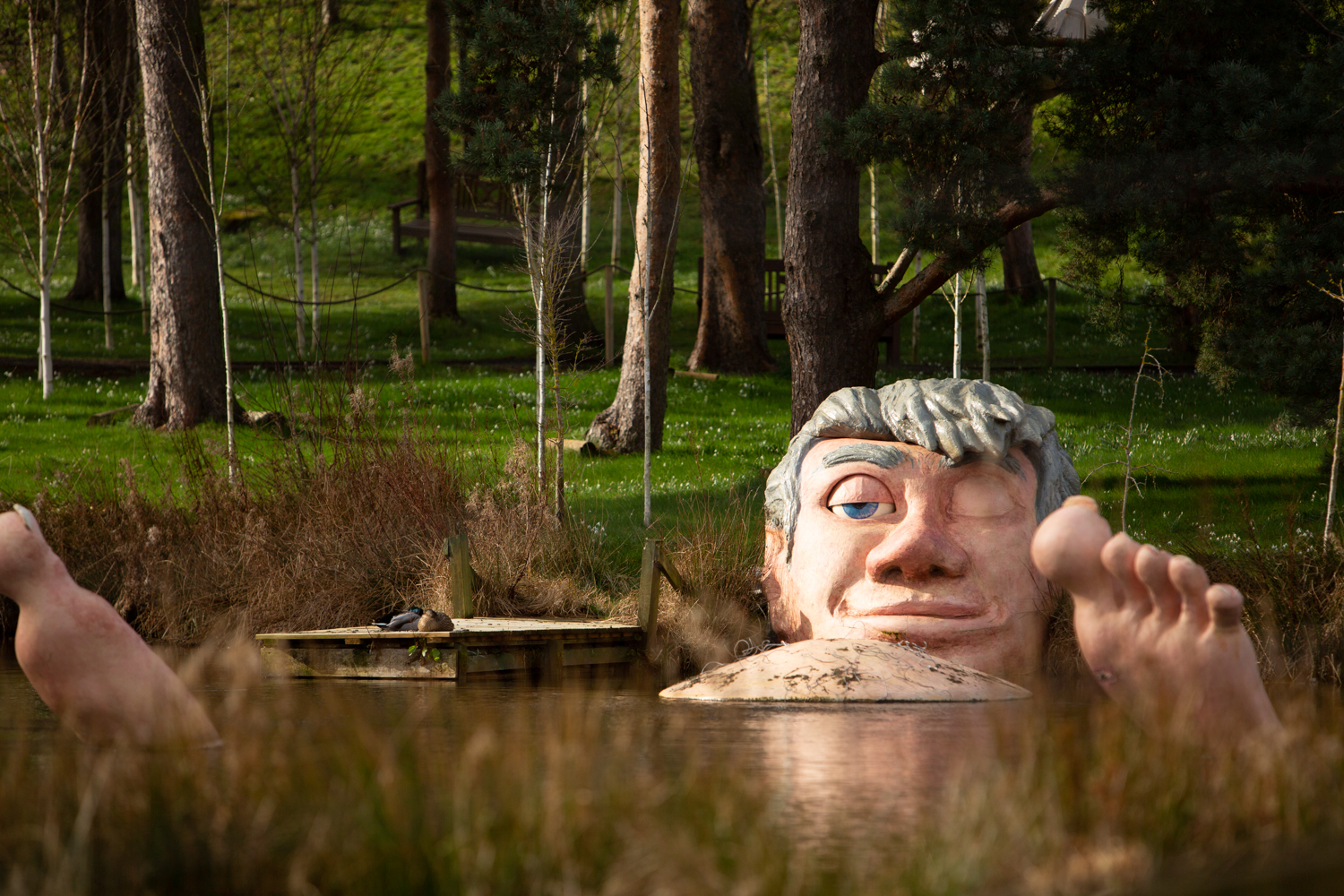
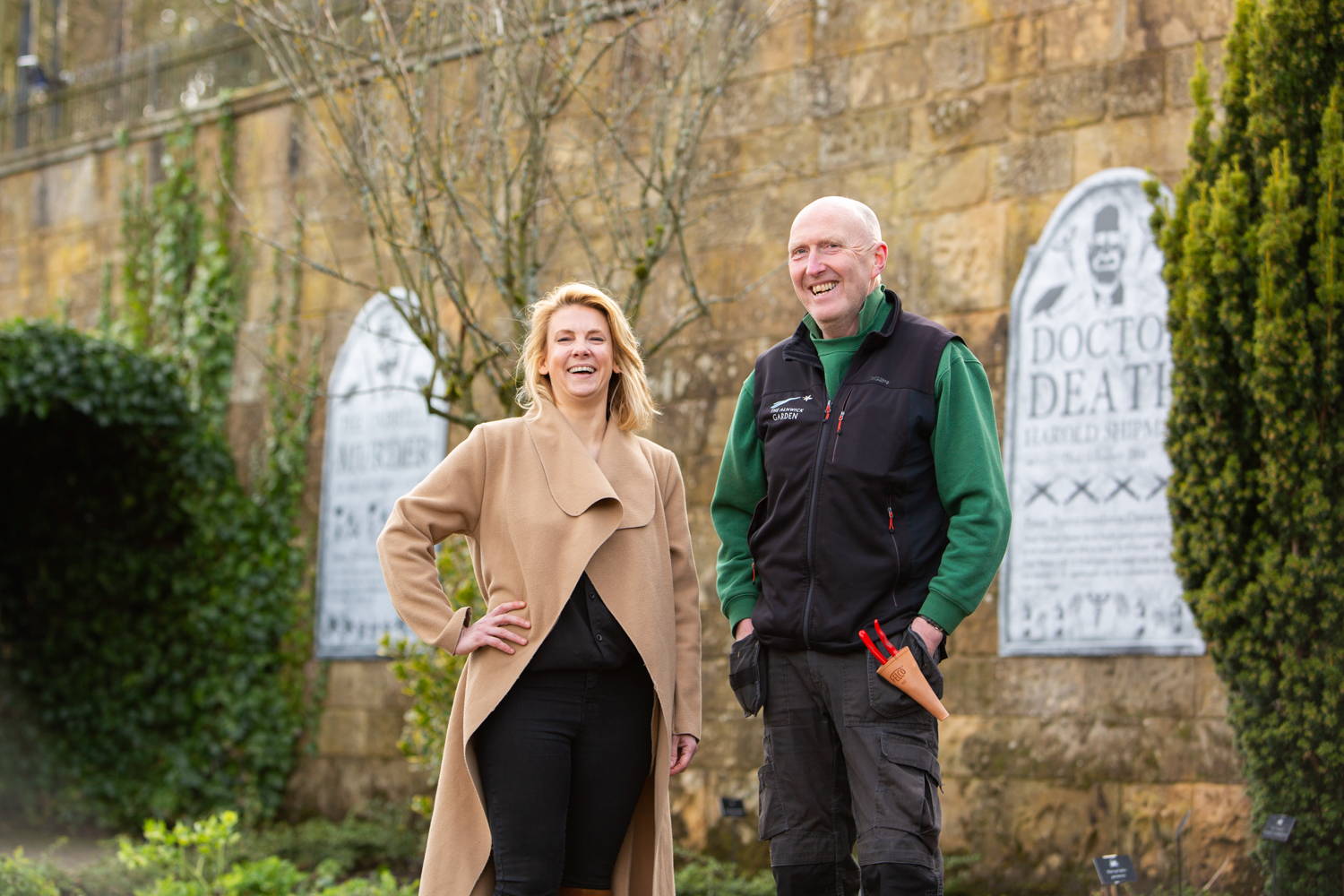
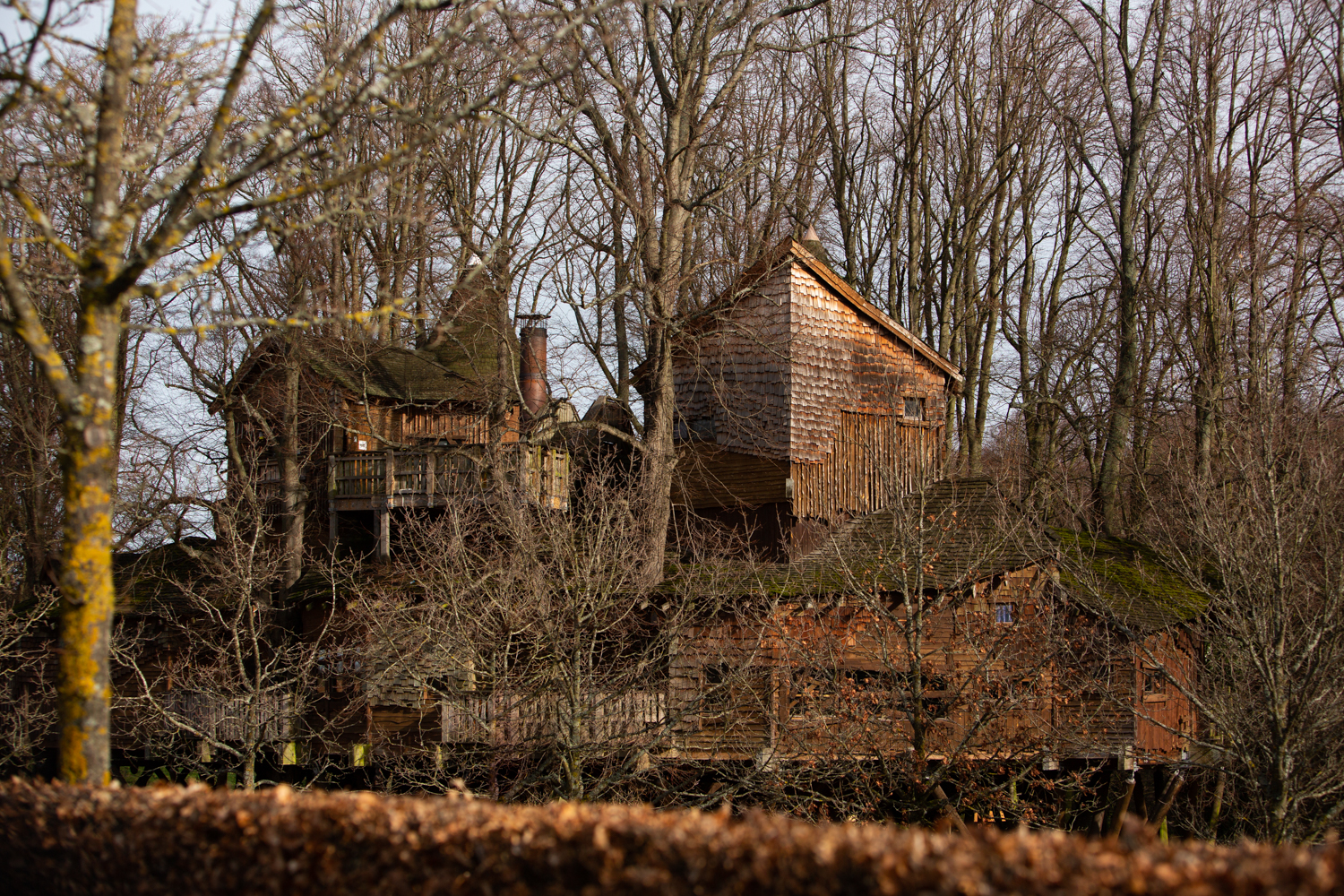
Then Trevor, the head gardener at Alnwick Gardens. https://www.alnwickgarden.com/
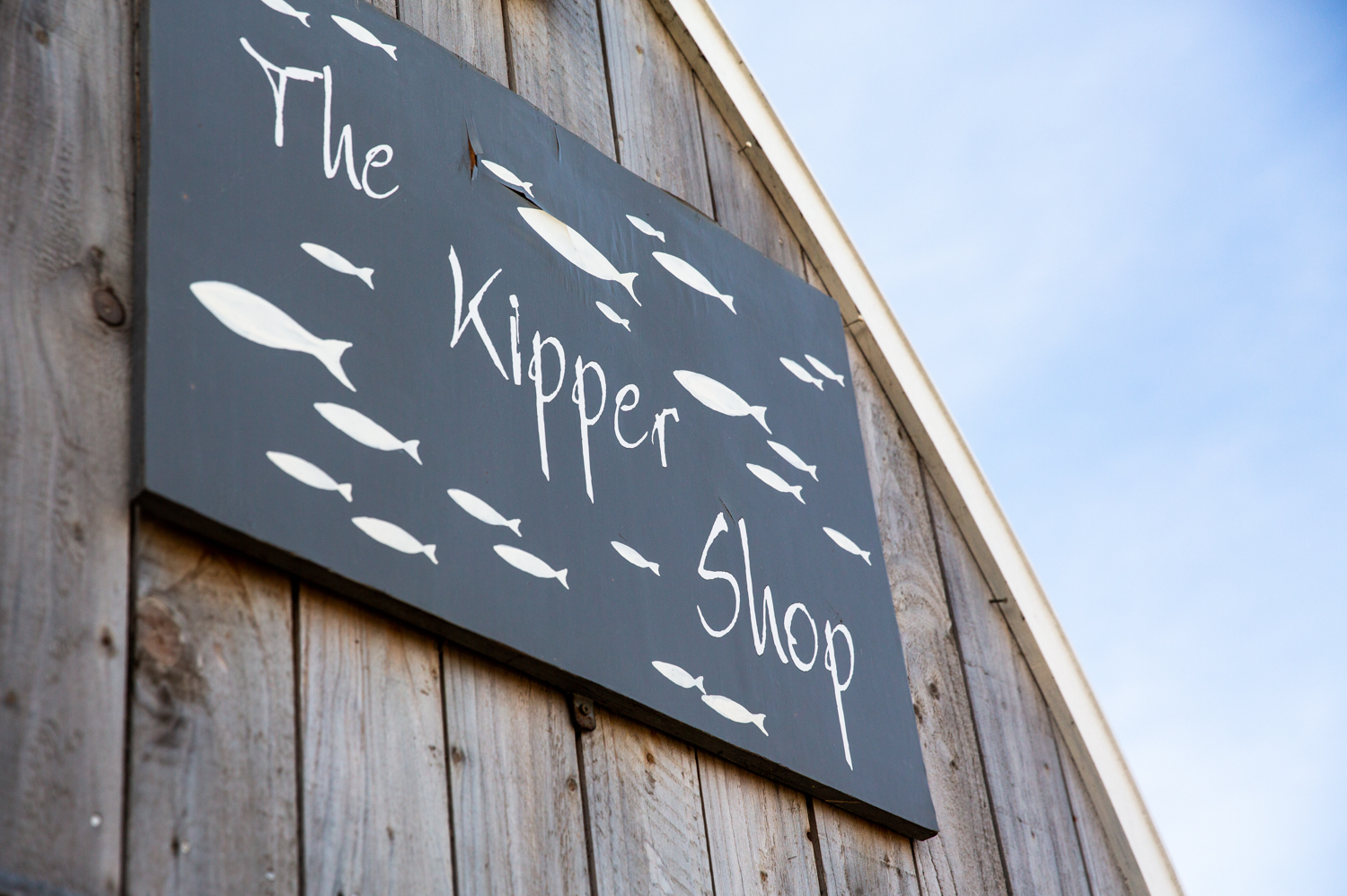
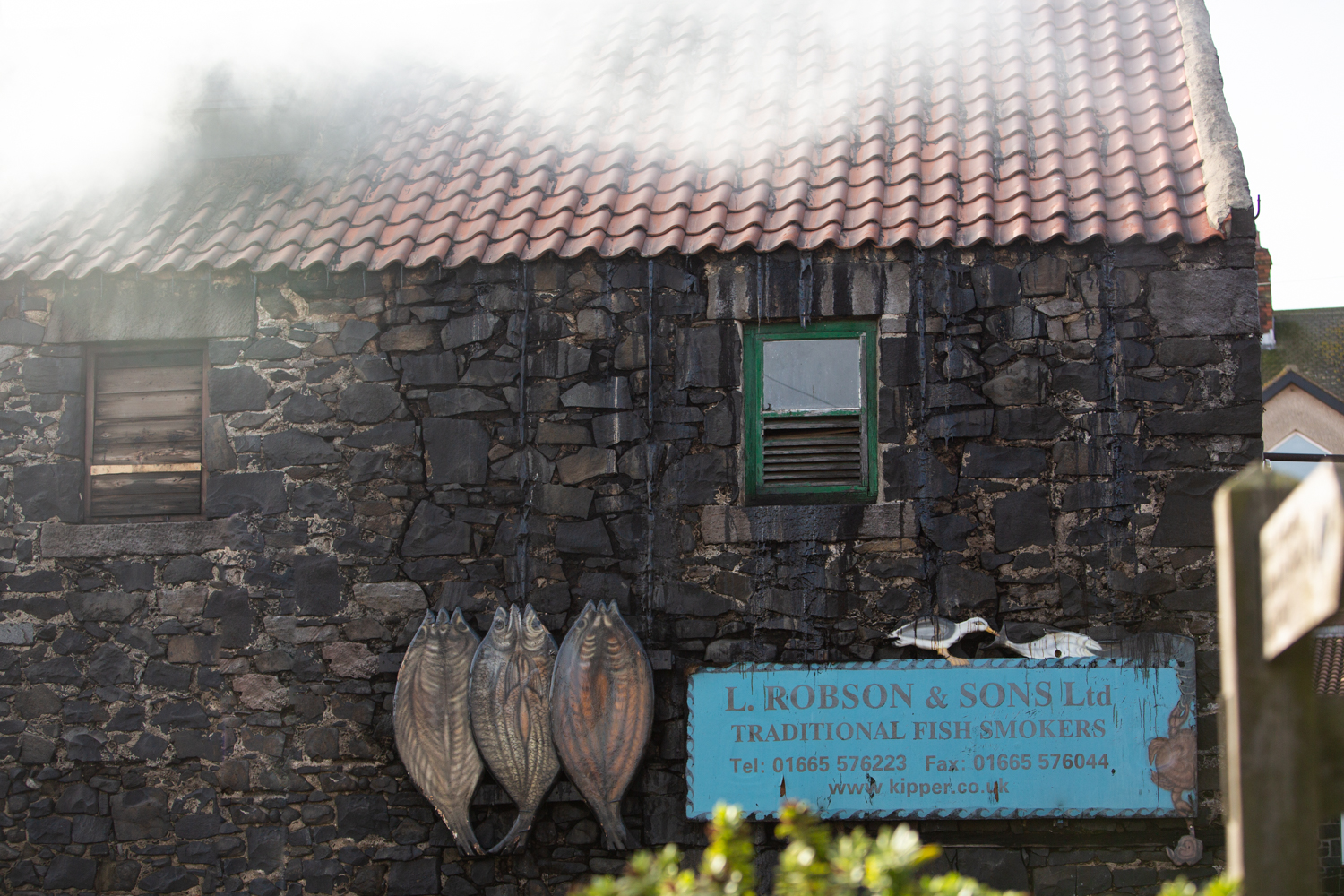
Across in Craster, I found Neil Robson of the famous Craster Kippers. https://www.kipper.co.uk/

Neil happens to be based right along the street from Mick Oxley in his stunning art gallery. https://www.mickoxley.com/

Julia Linstead exhibits her glasswork in Mick’s gallery but I photographed her separately in her own studio. https://julialinsteadglass.com/
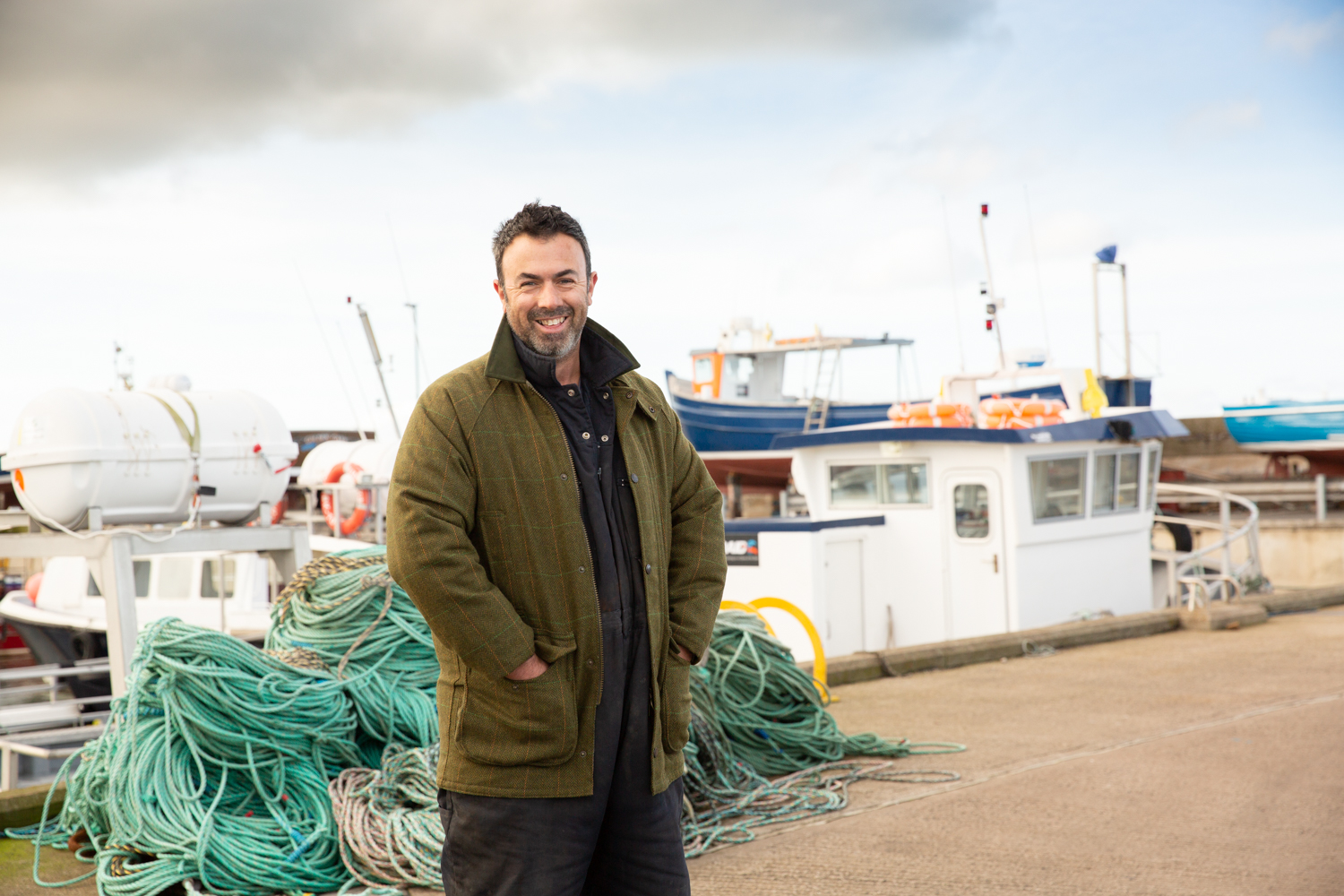
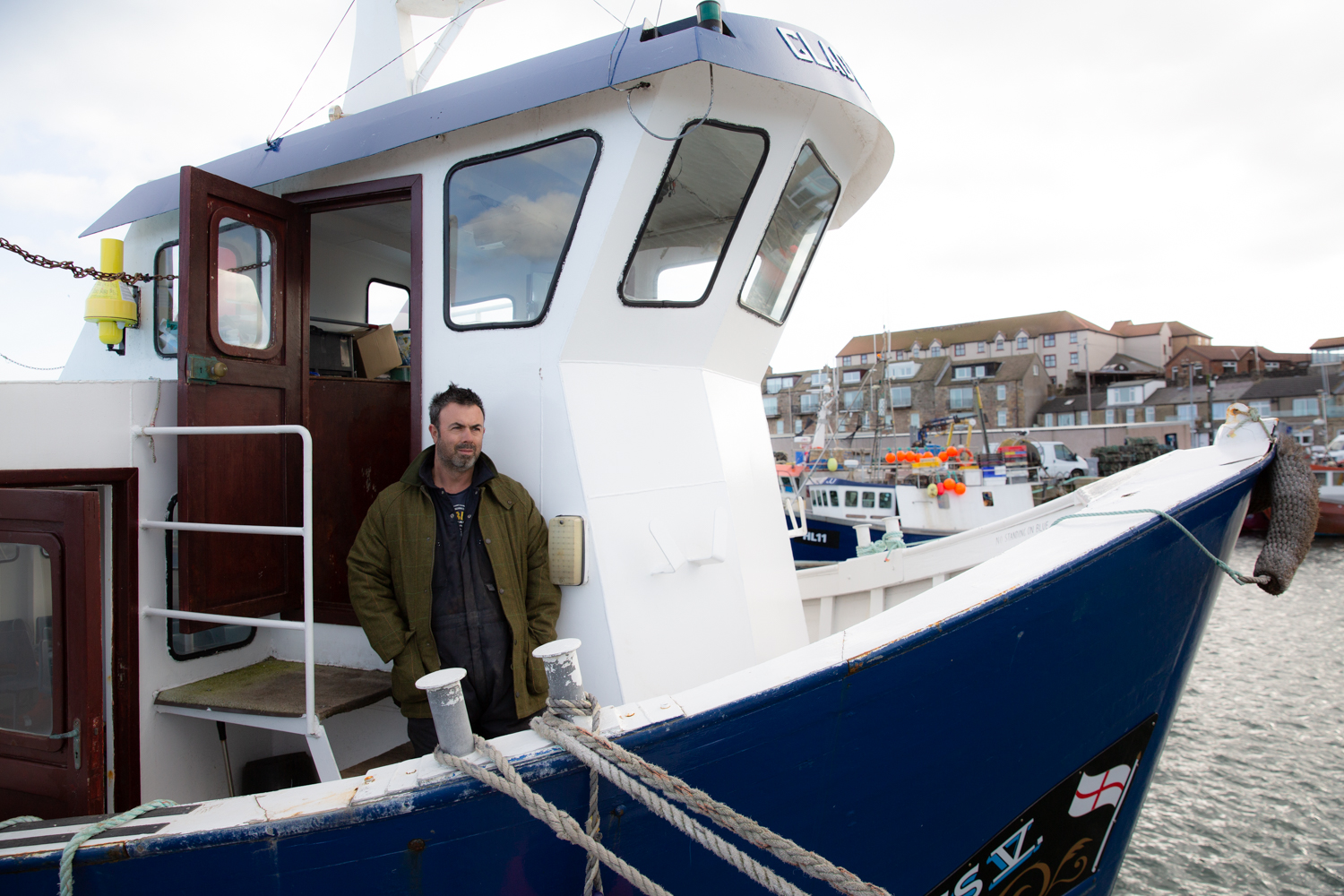
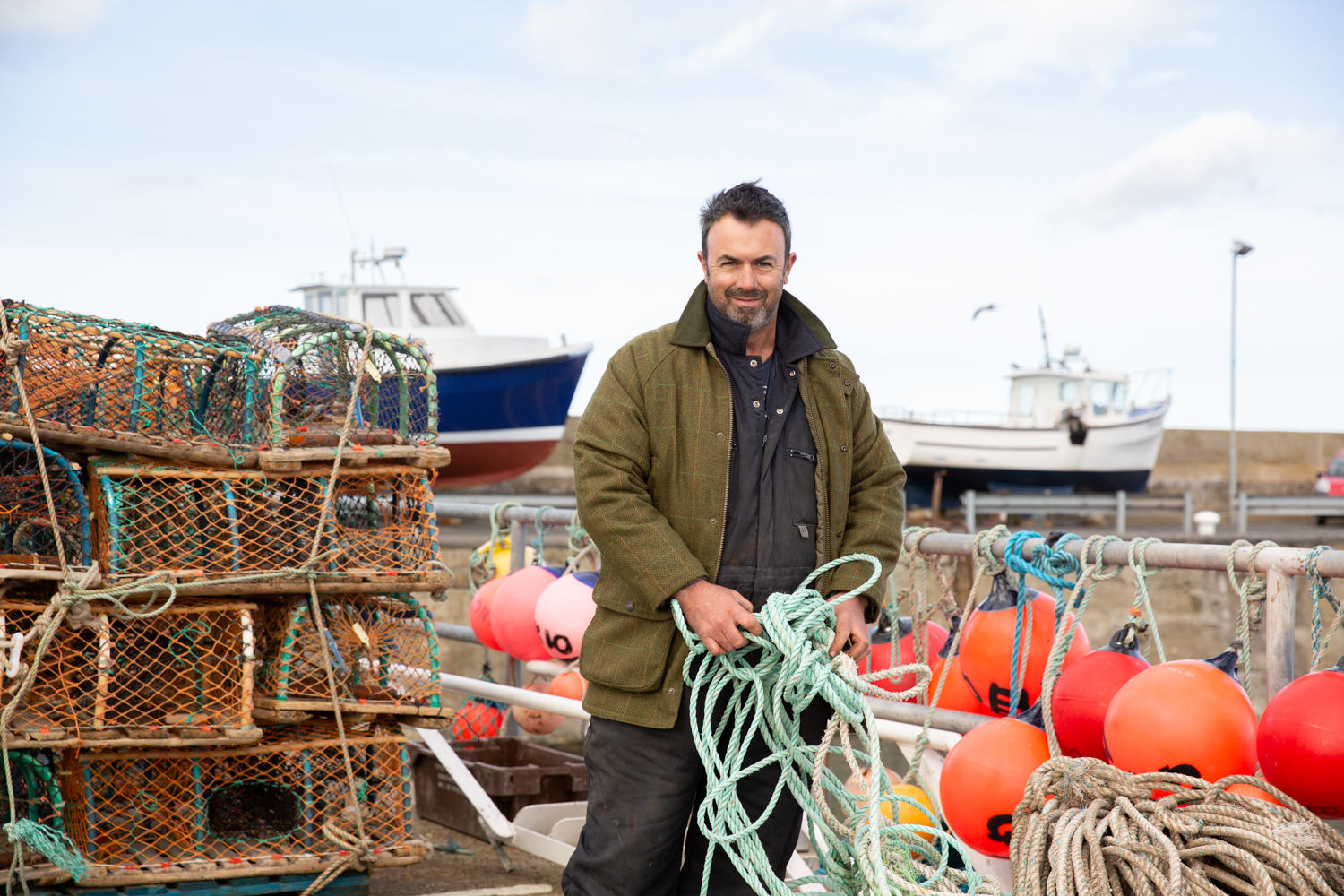
I then travelled to Seahouses and met up with William Shiel for a quick shoot in the harbour. https://www.farne-islands.com/

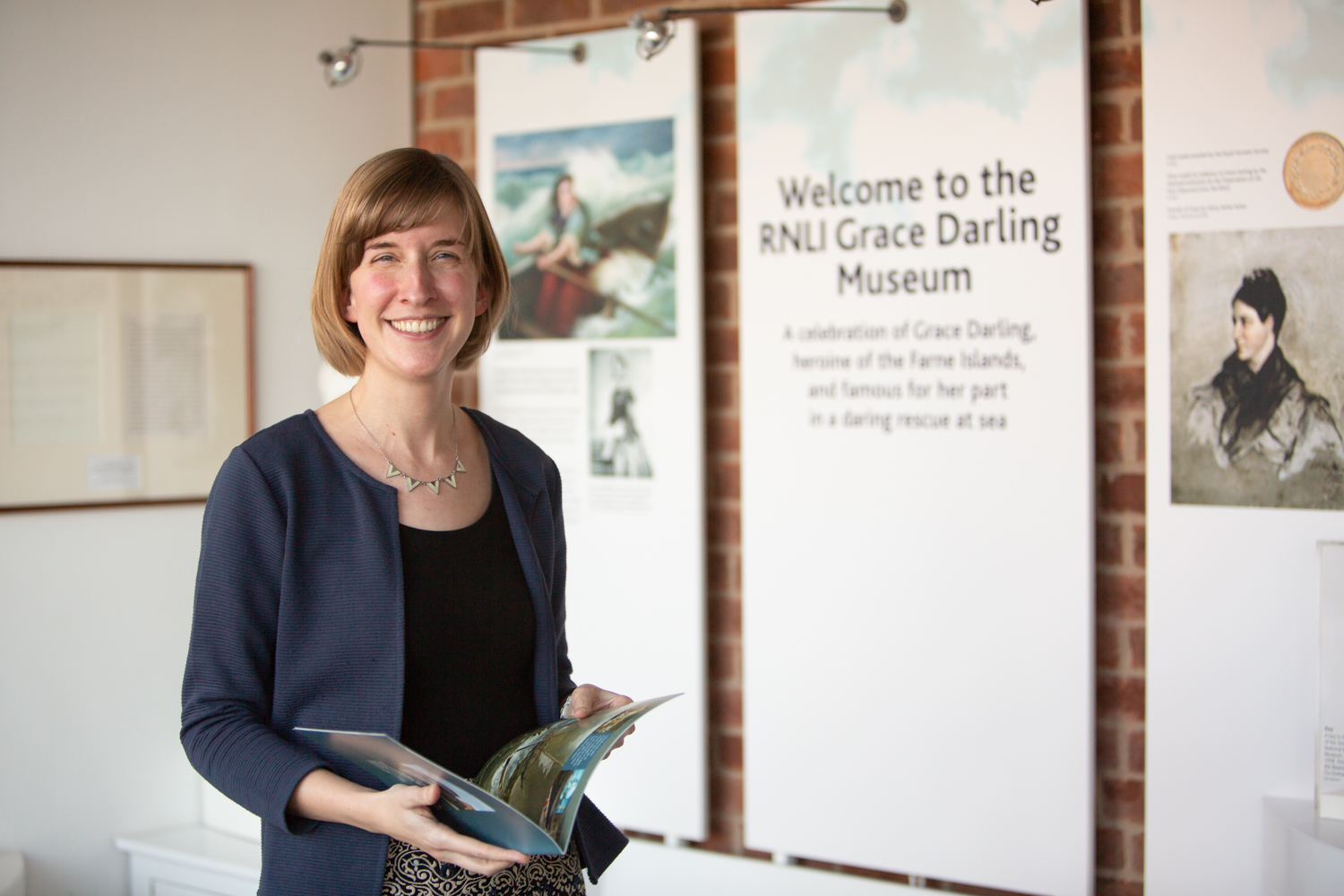
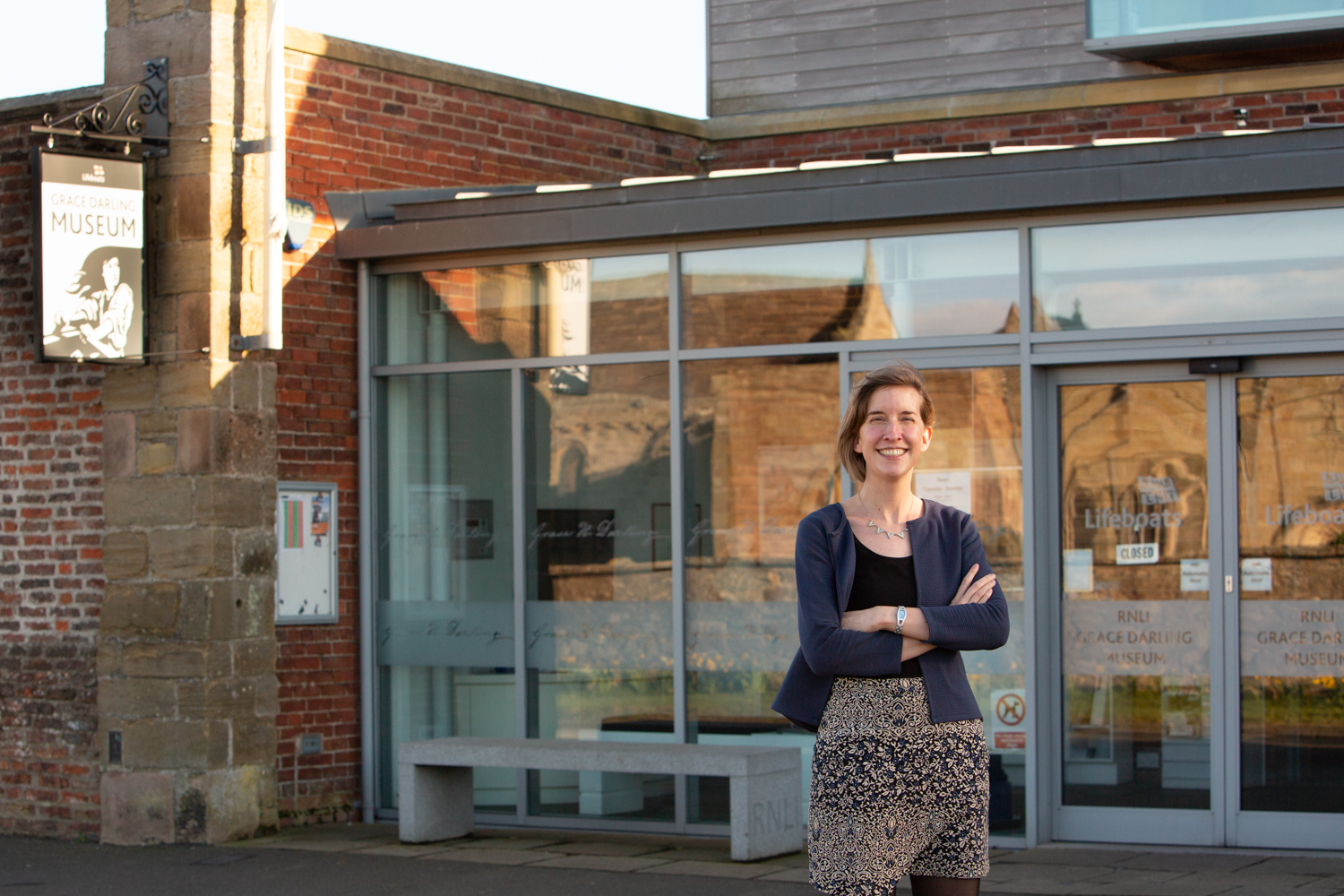
After that, I visited the Grace Darling museum to meet Marleen the heritage development manager. https://rnli.org/grace-darling-museum/
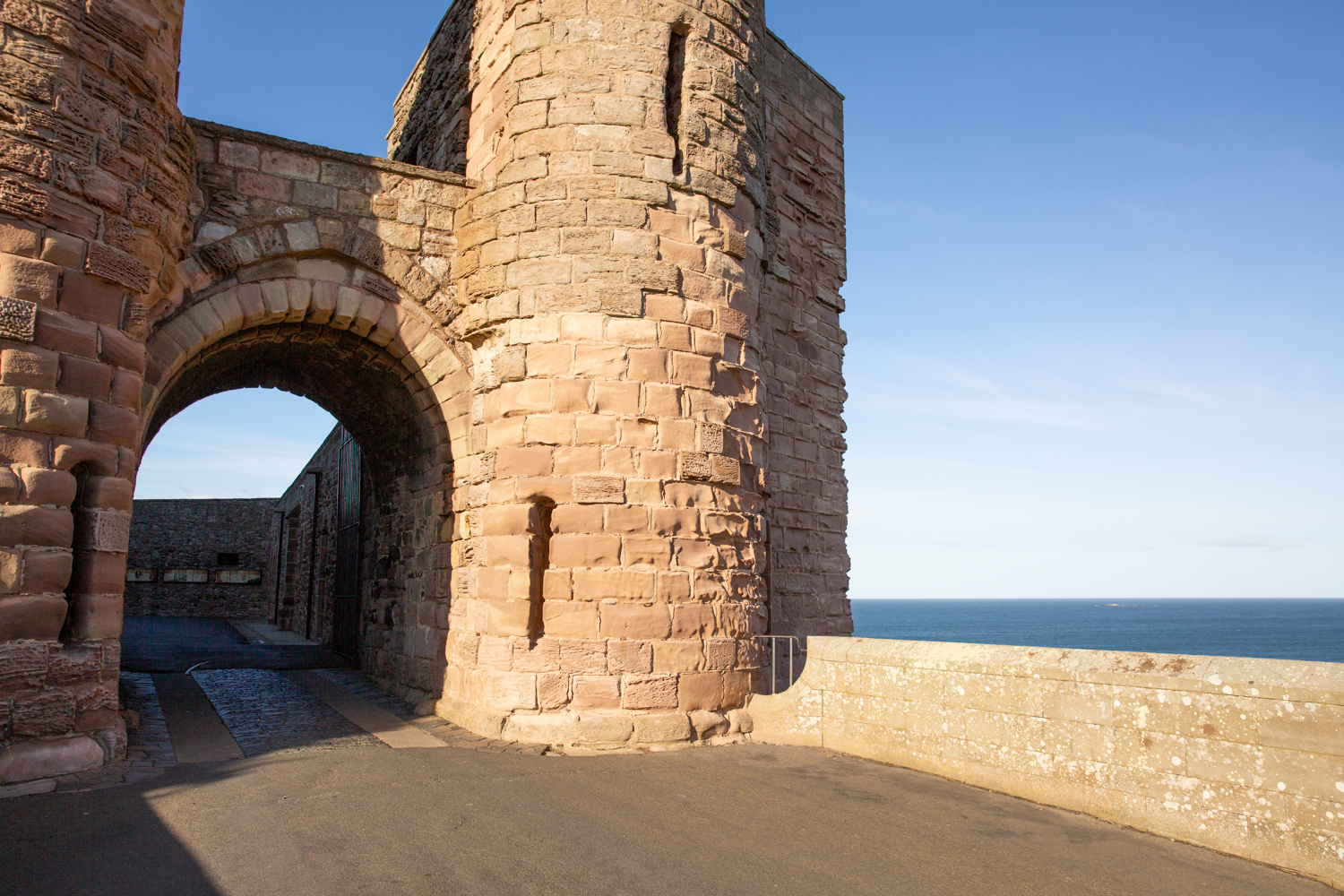
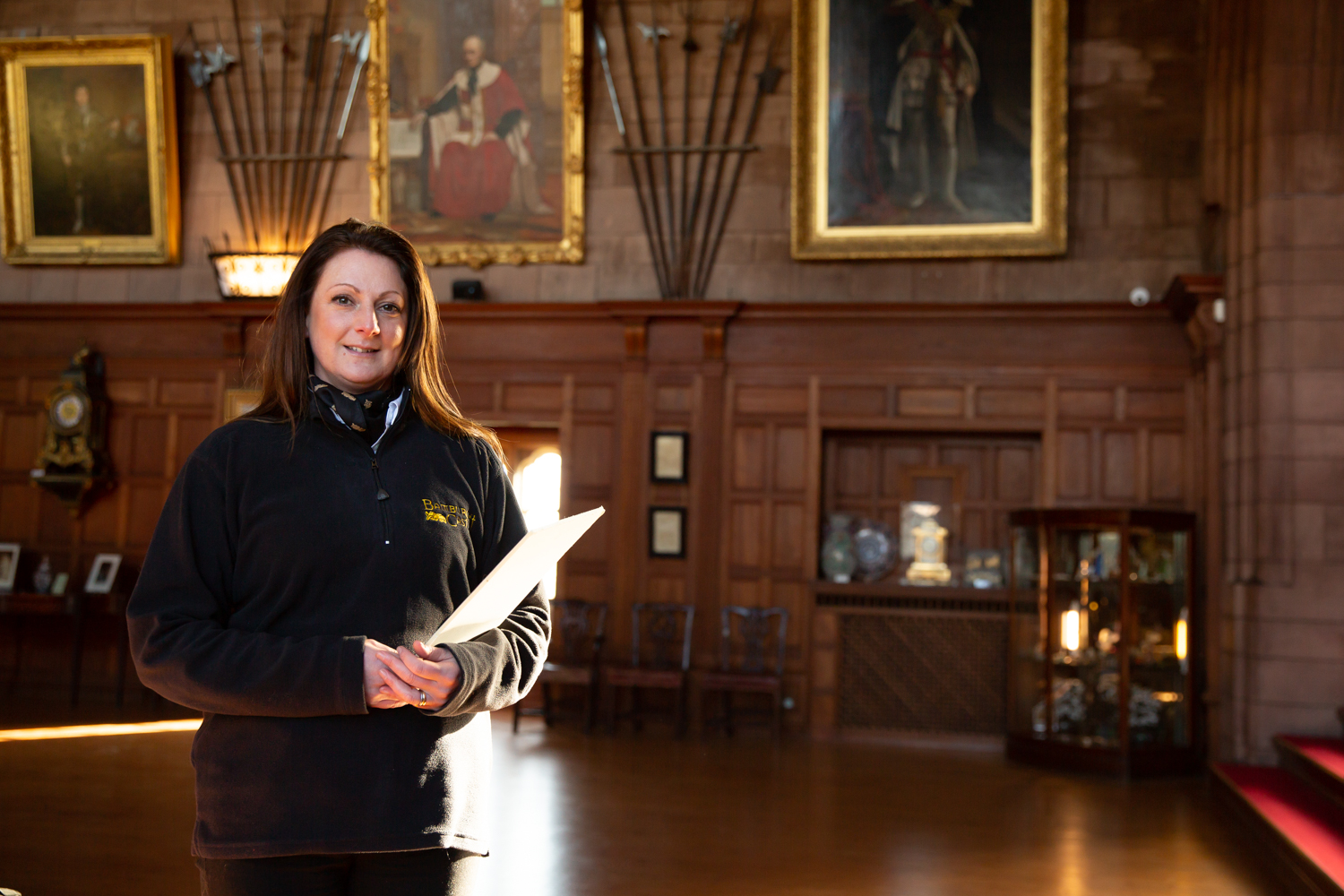
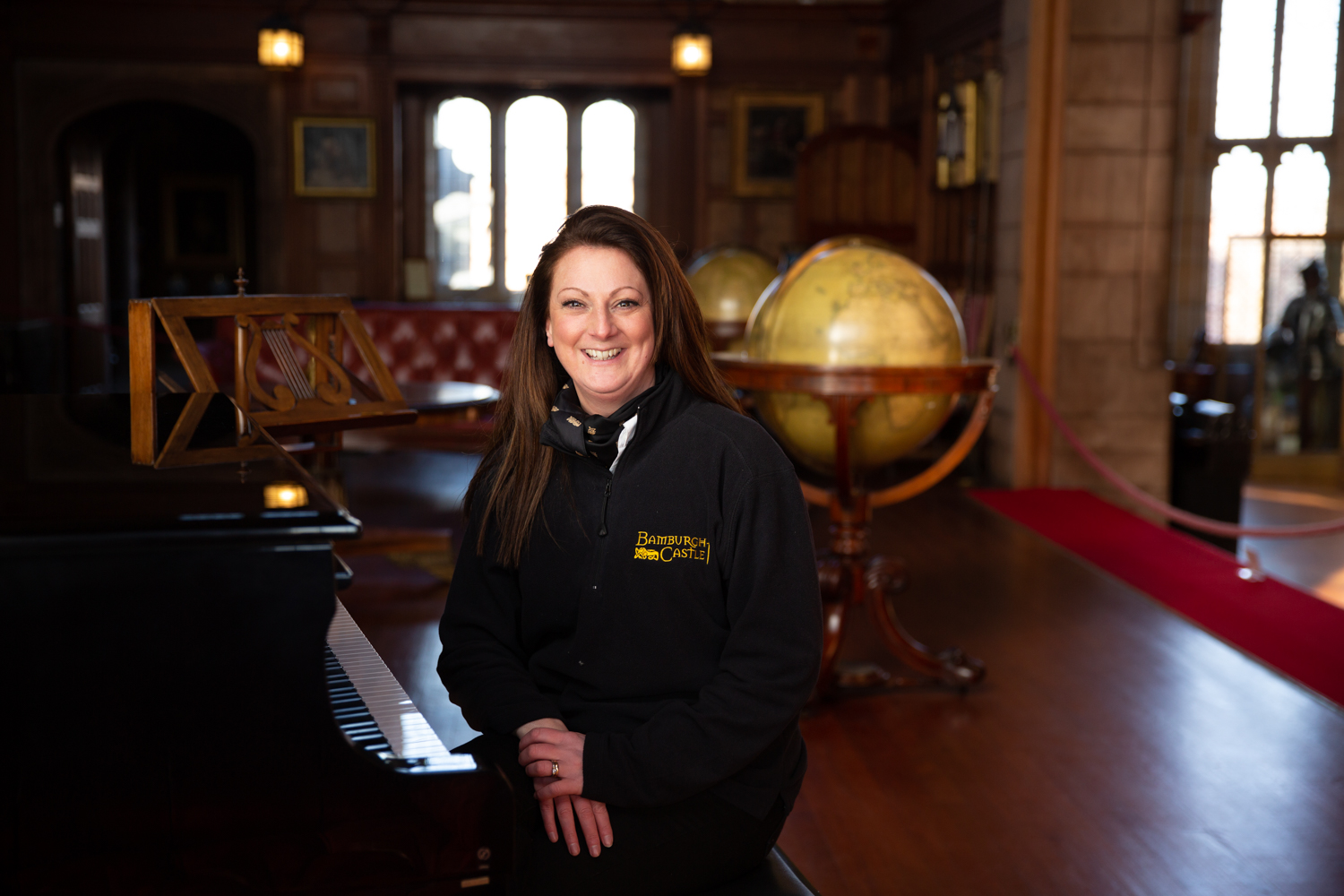
Last, but certainly not least, I went to Bamburgh Castle to photograph Karen, the events and marketing manager. https://www.bamburghcastle.com/
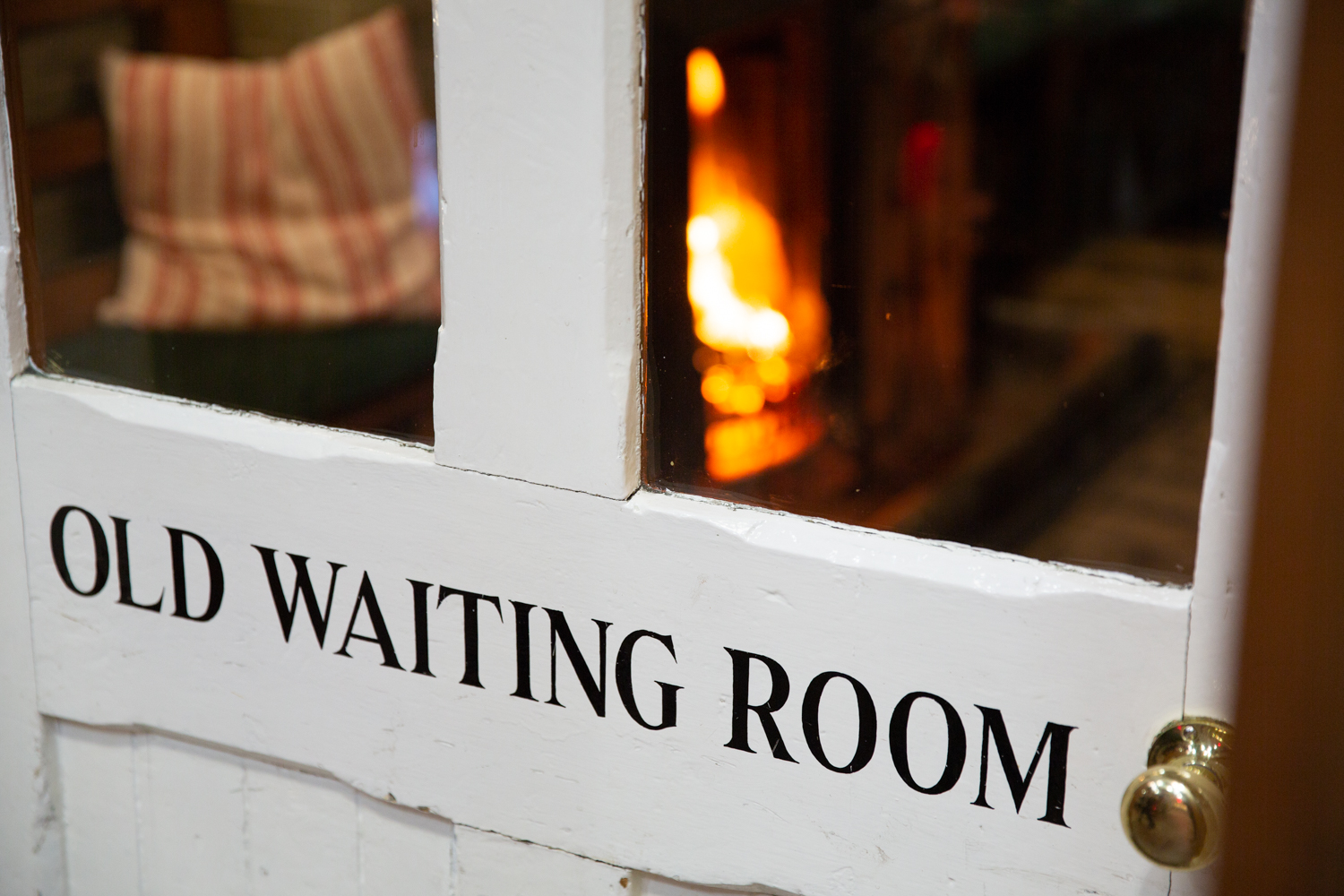
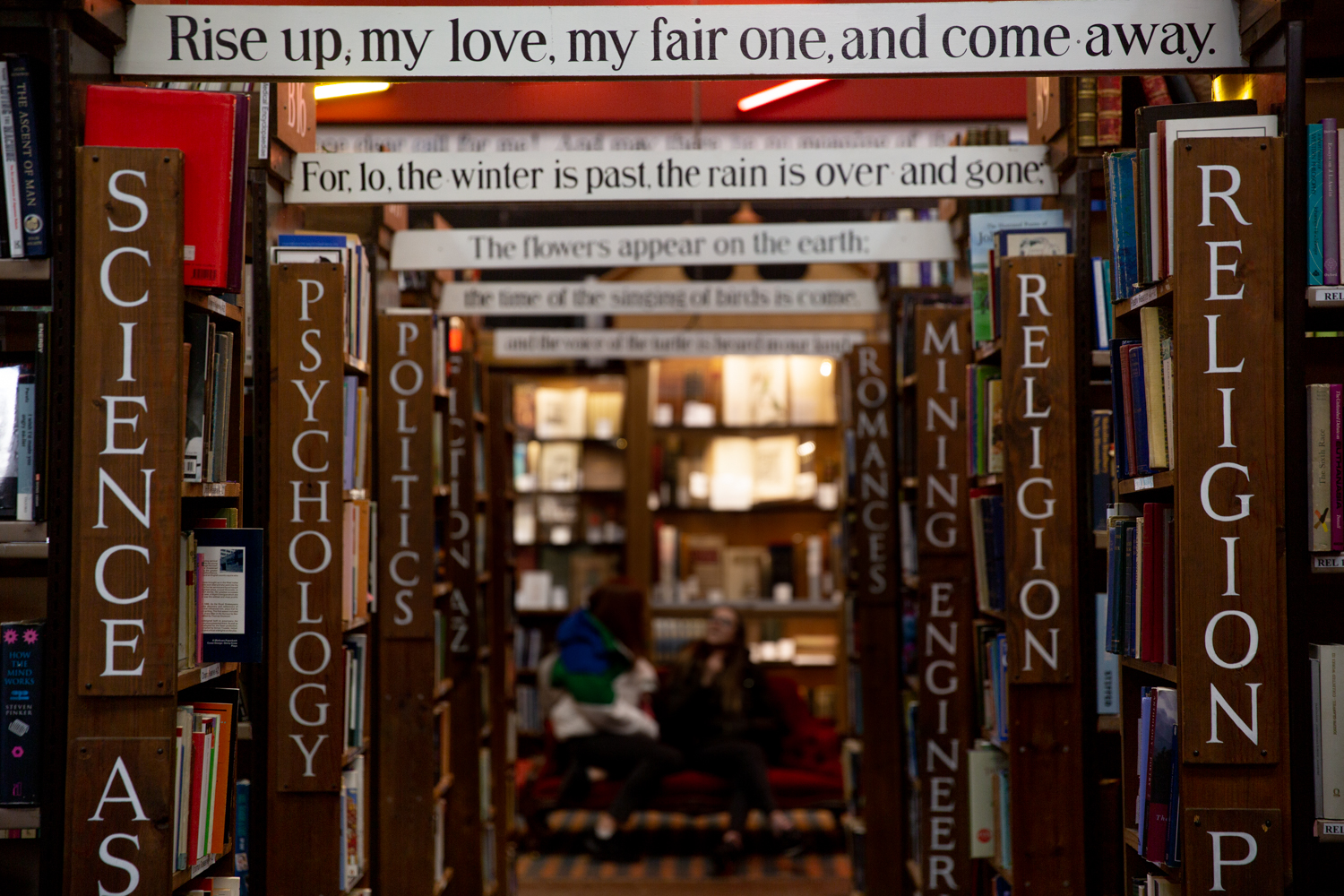
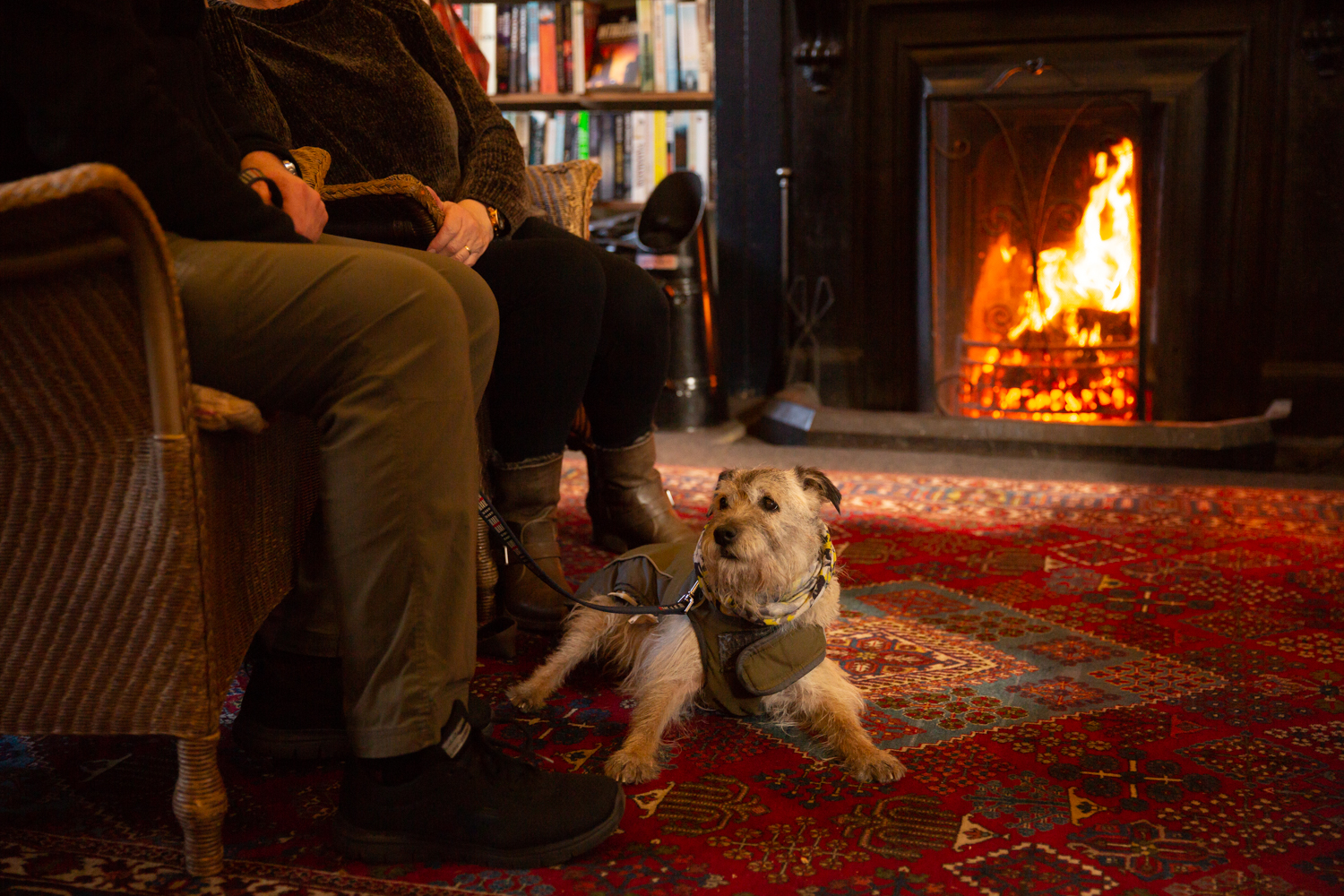
What a day! Enjoy more photography from the day below!

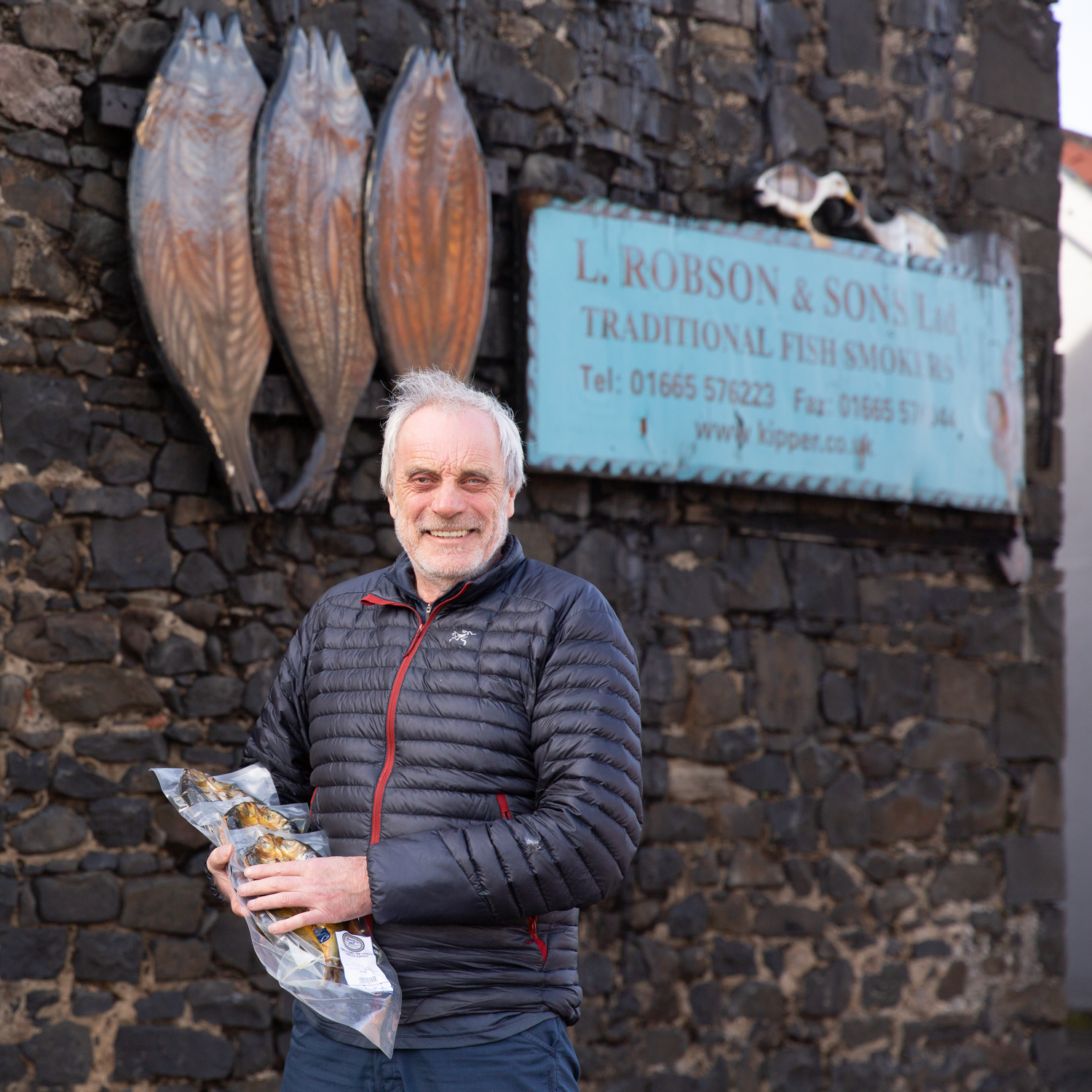
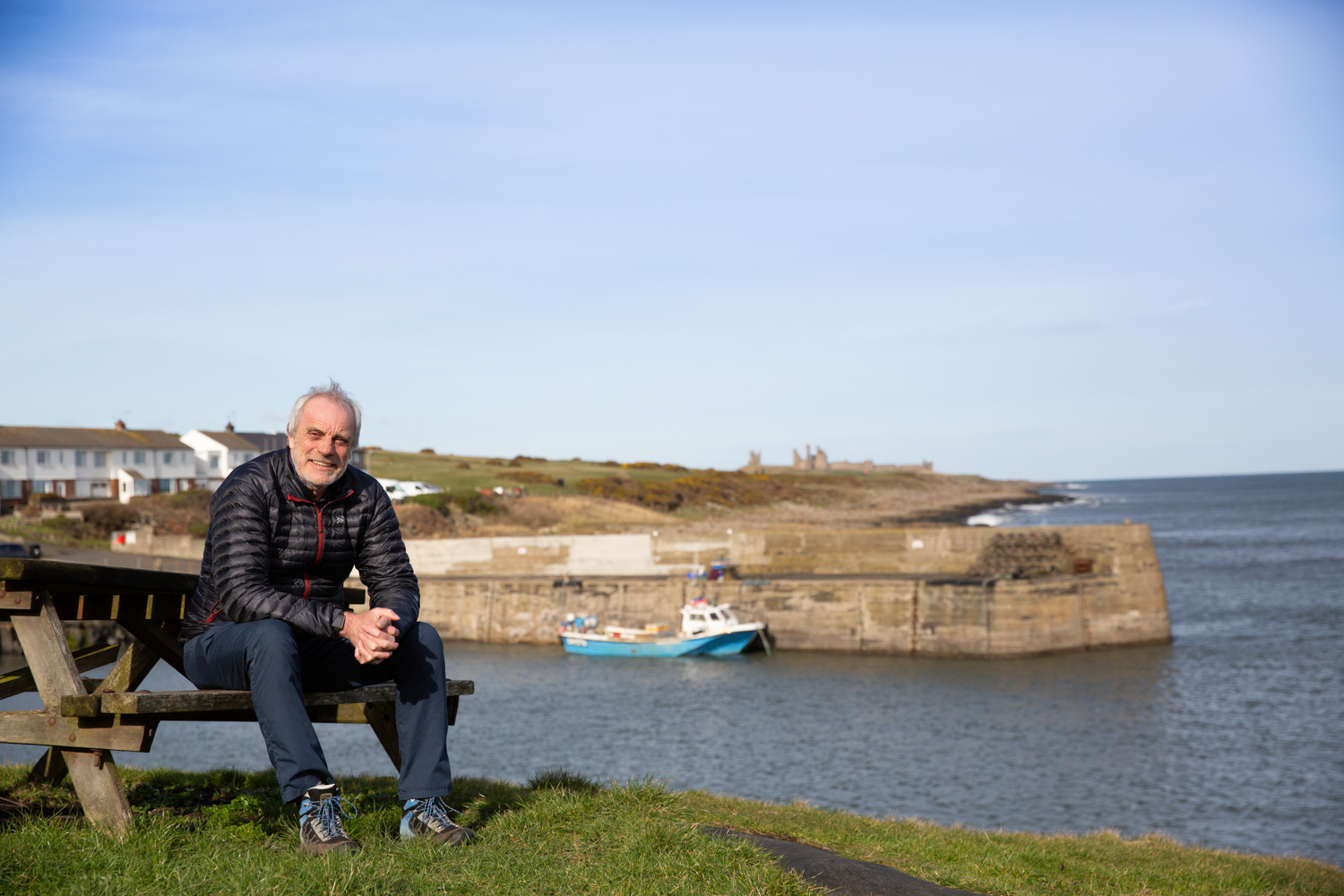
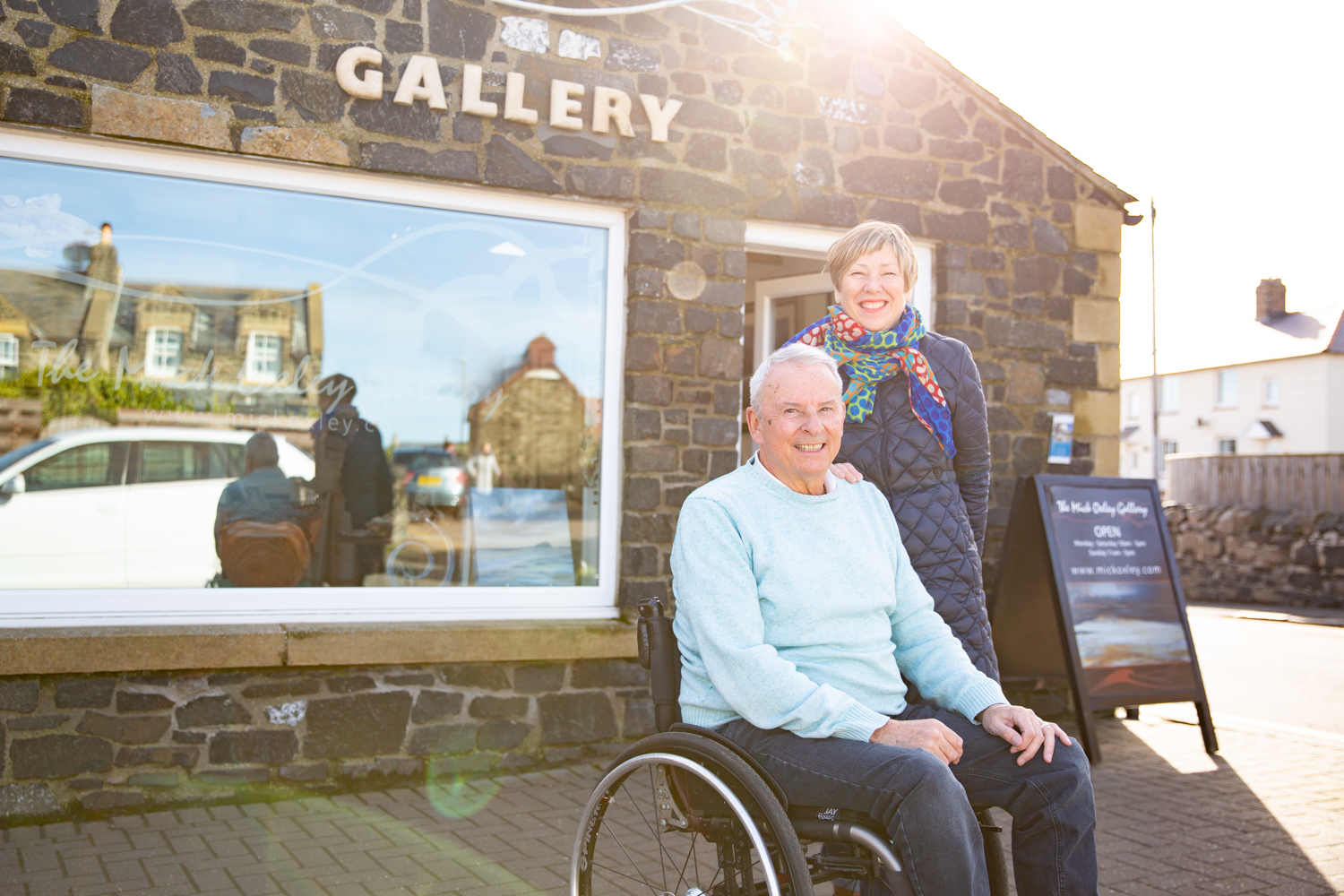
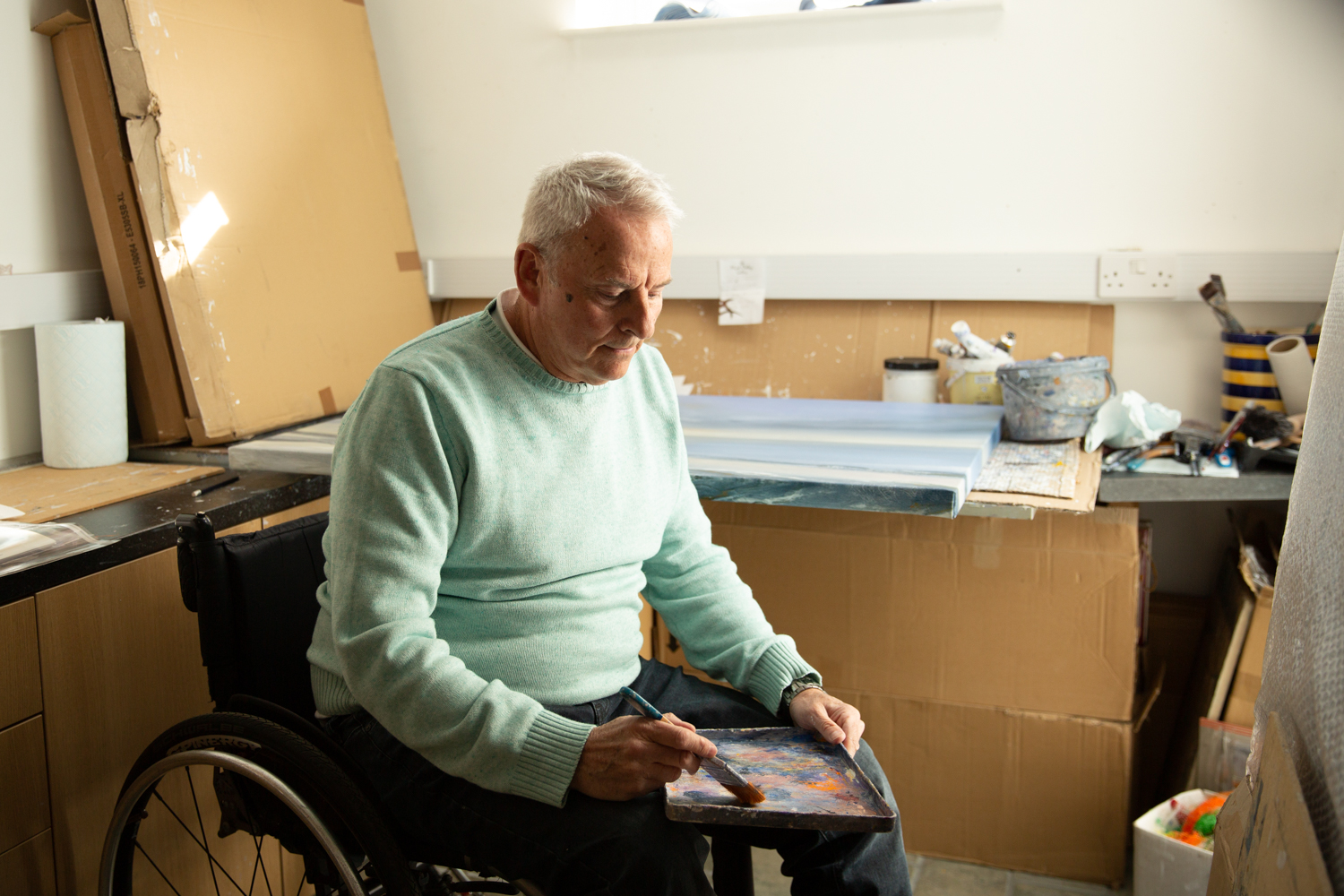



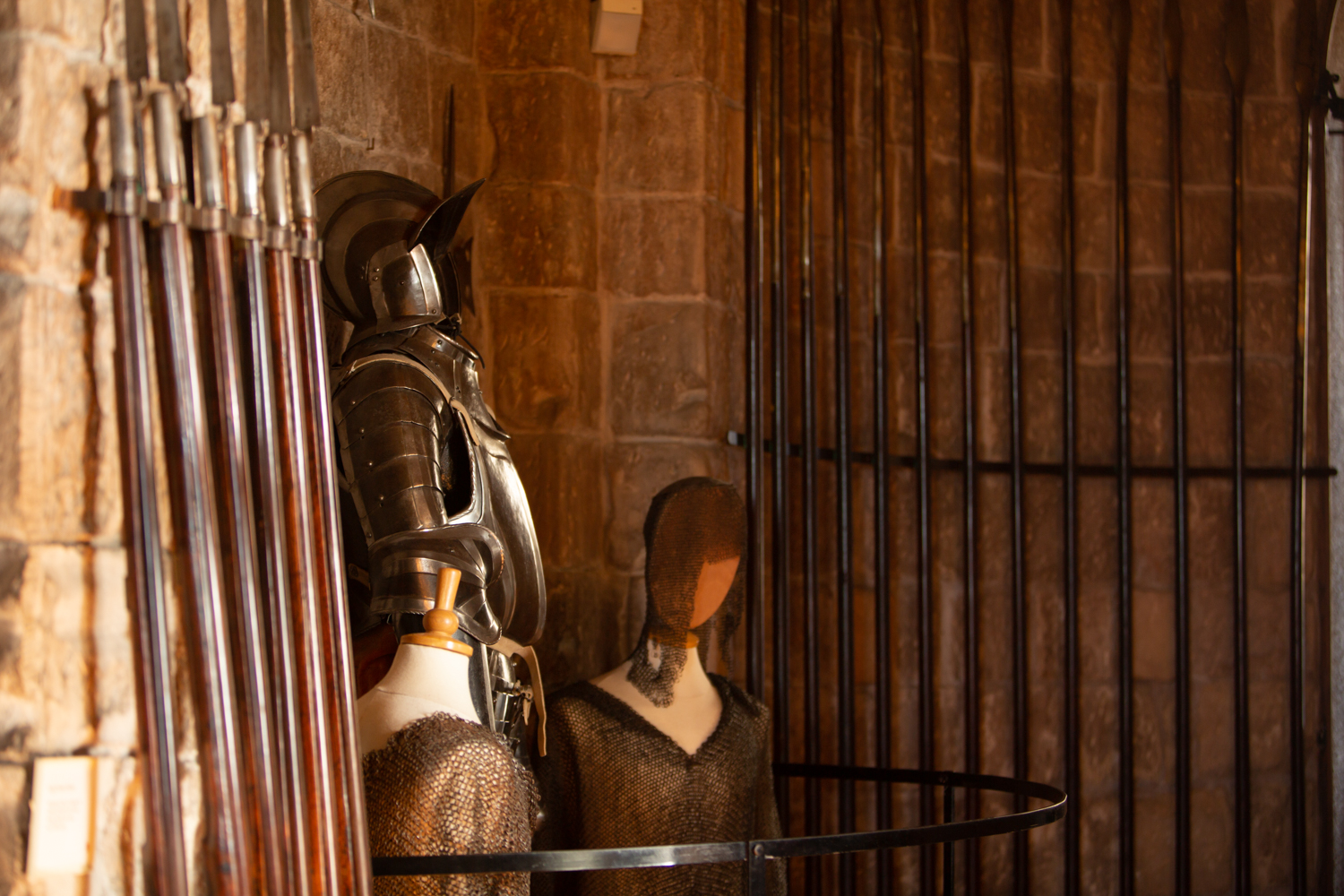
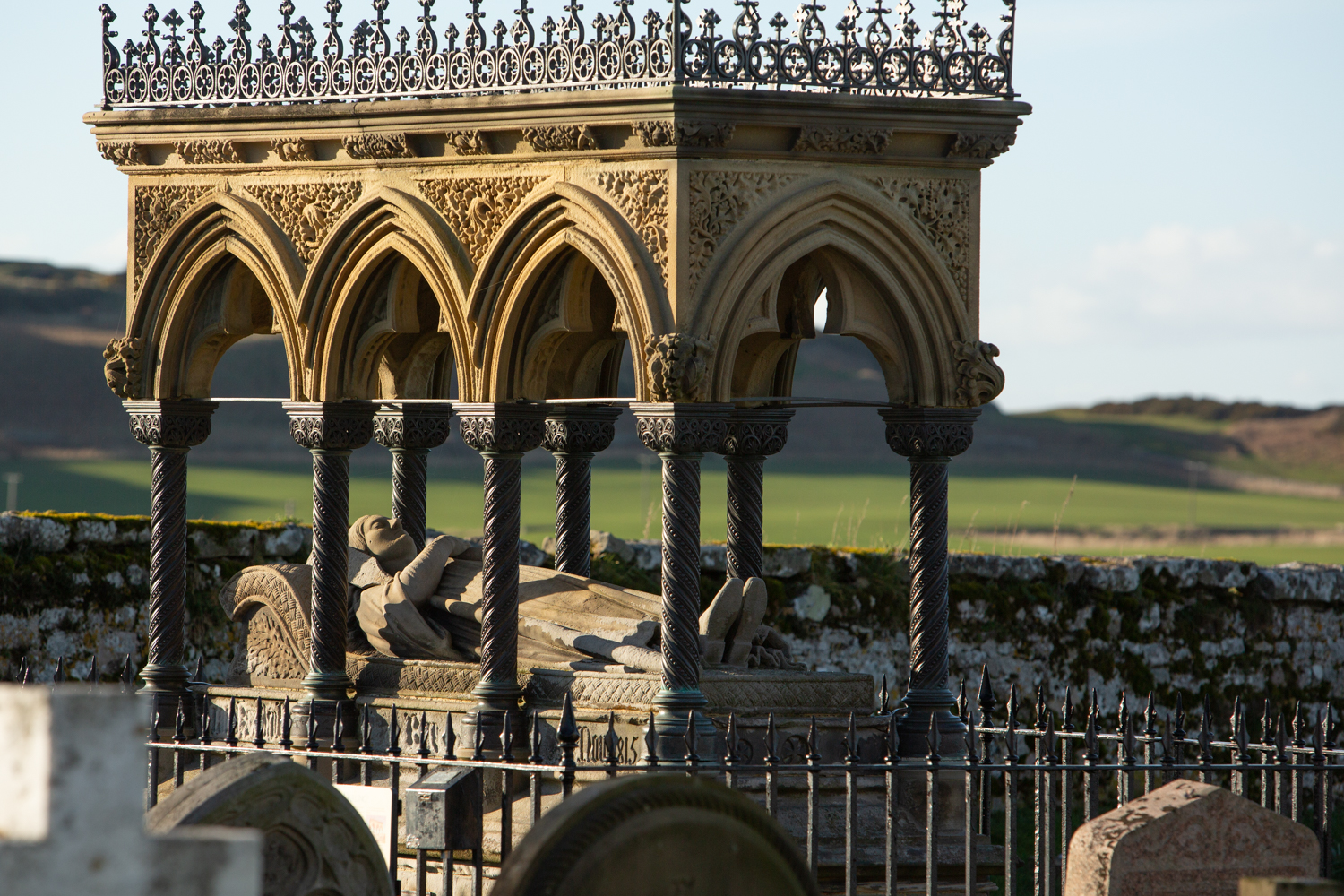
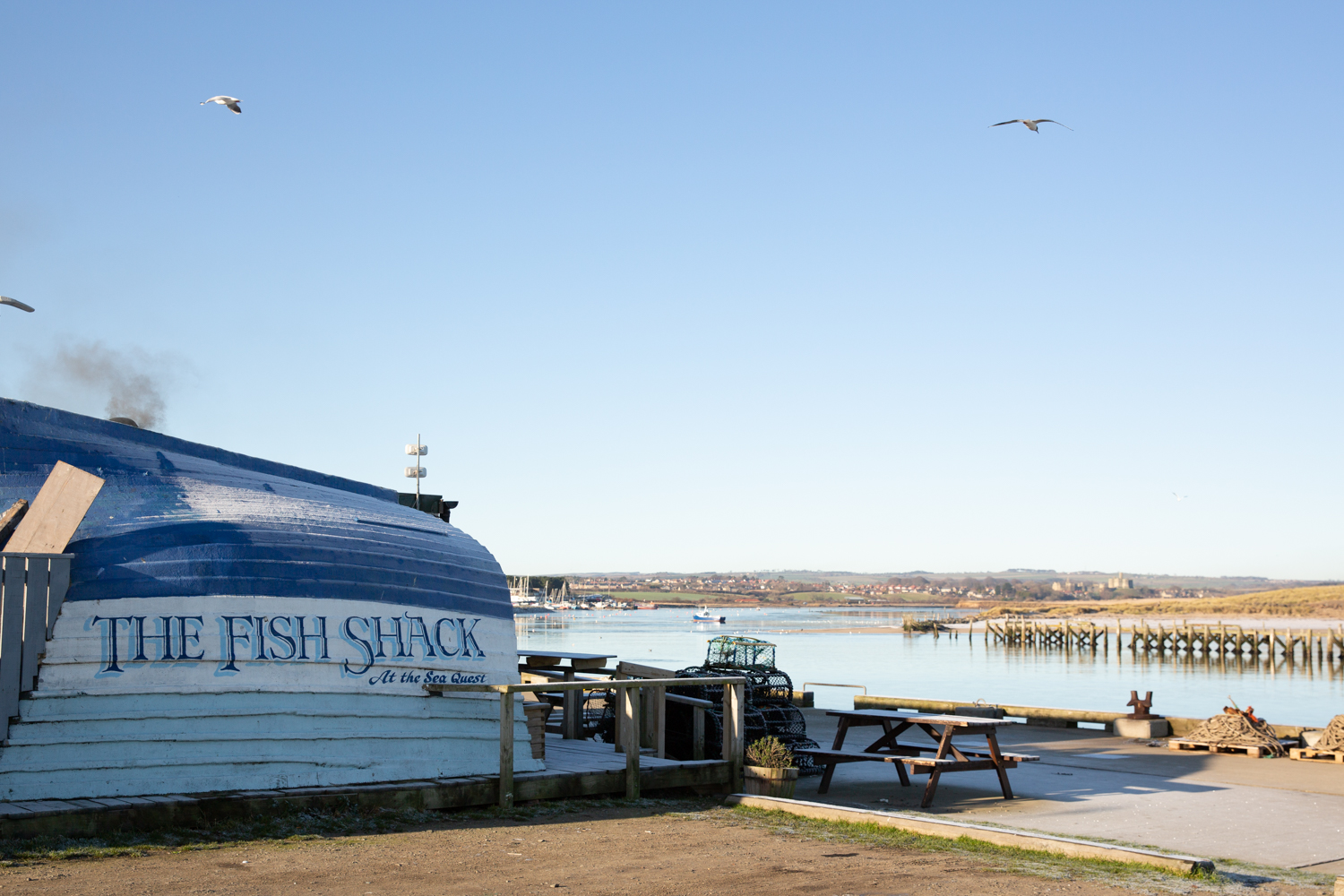
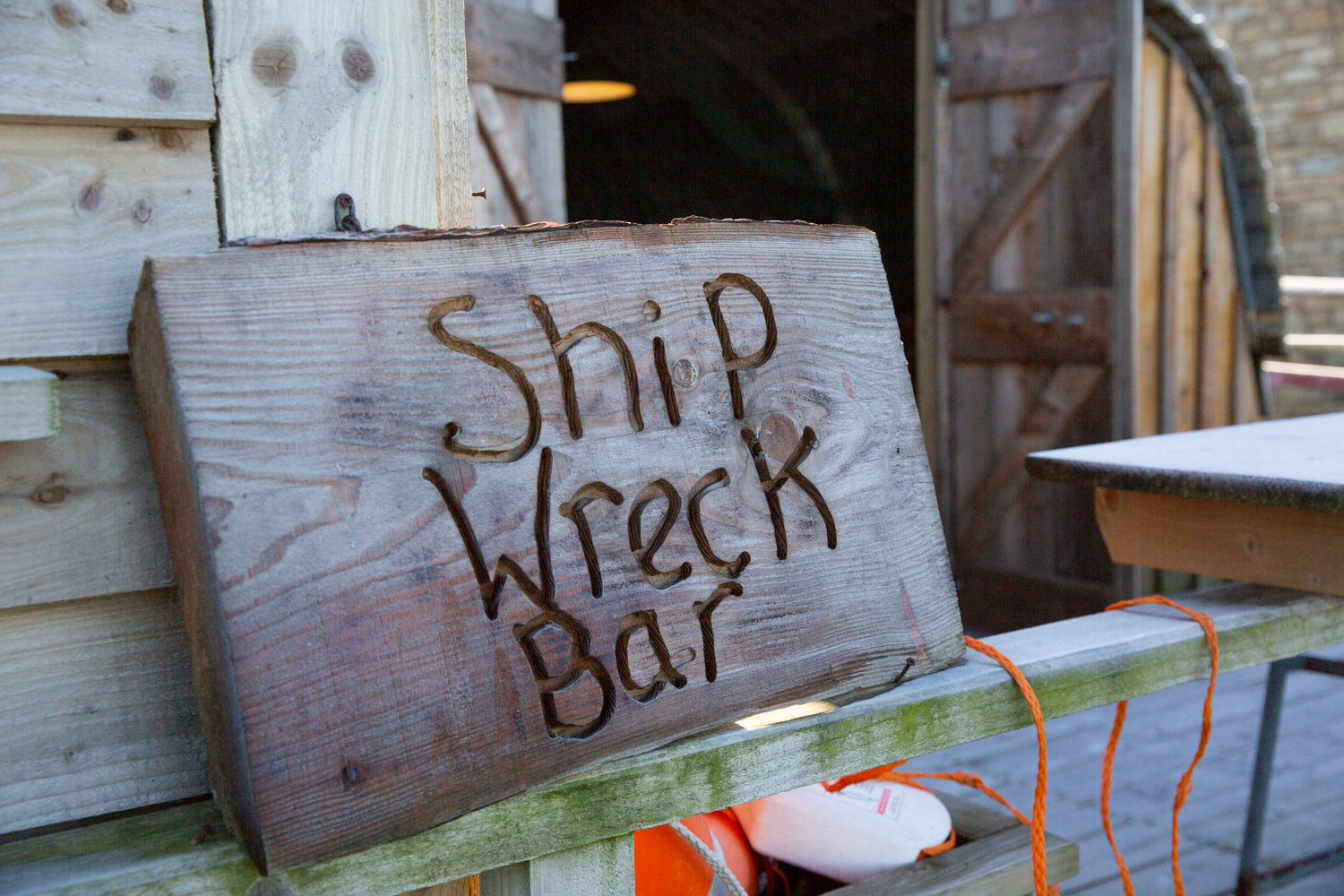
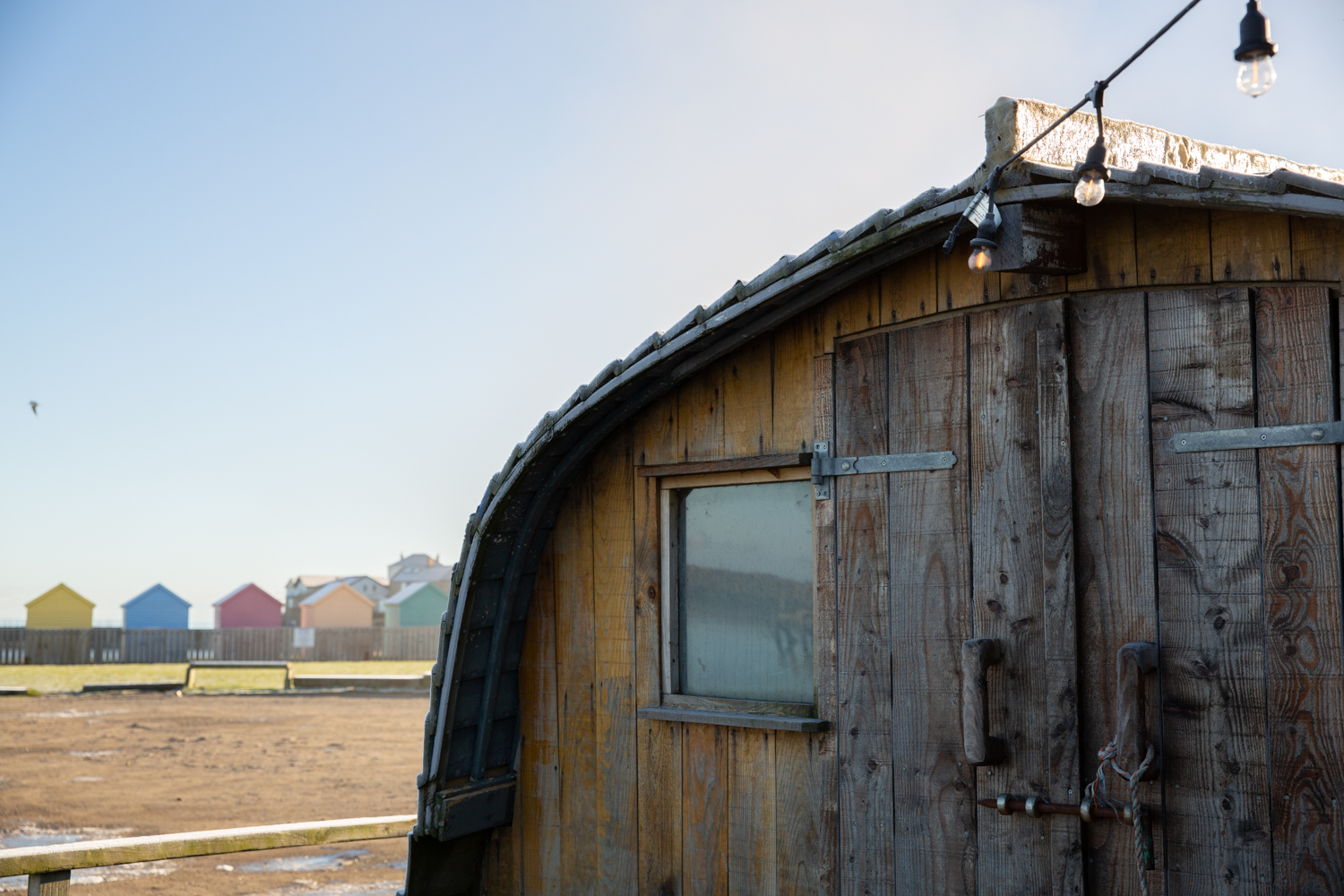
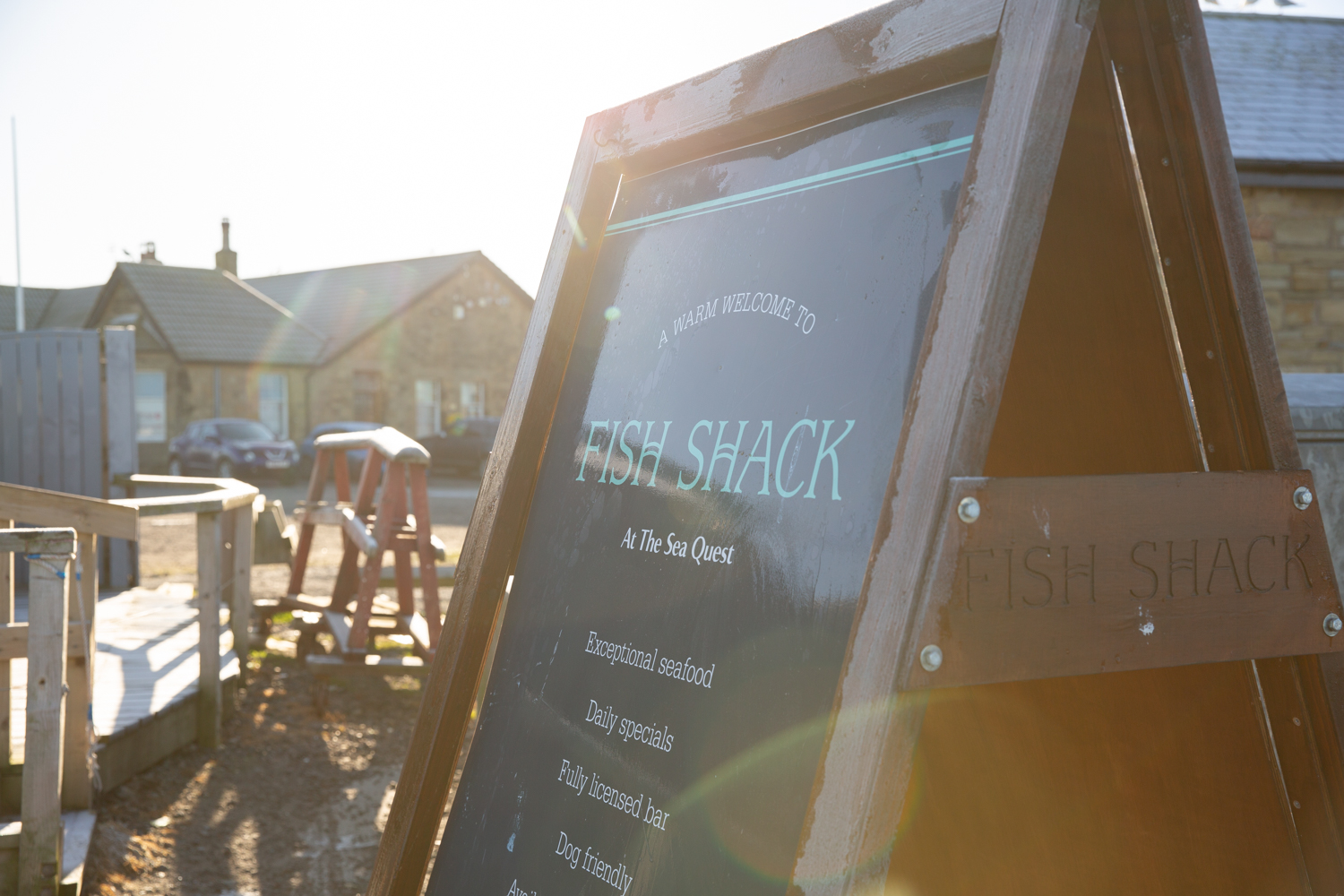
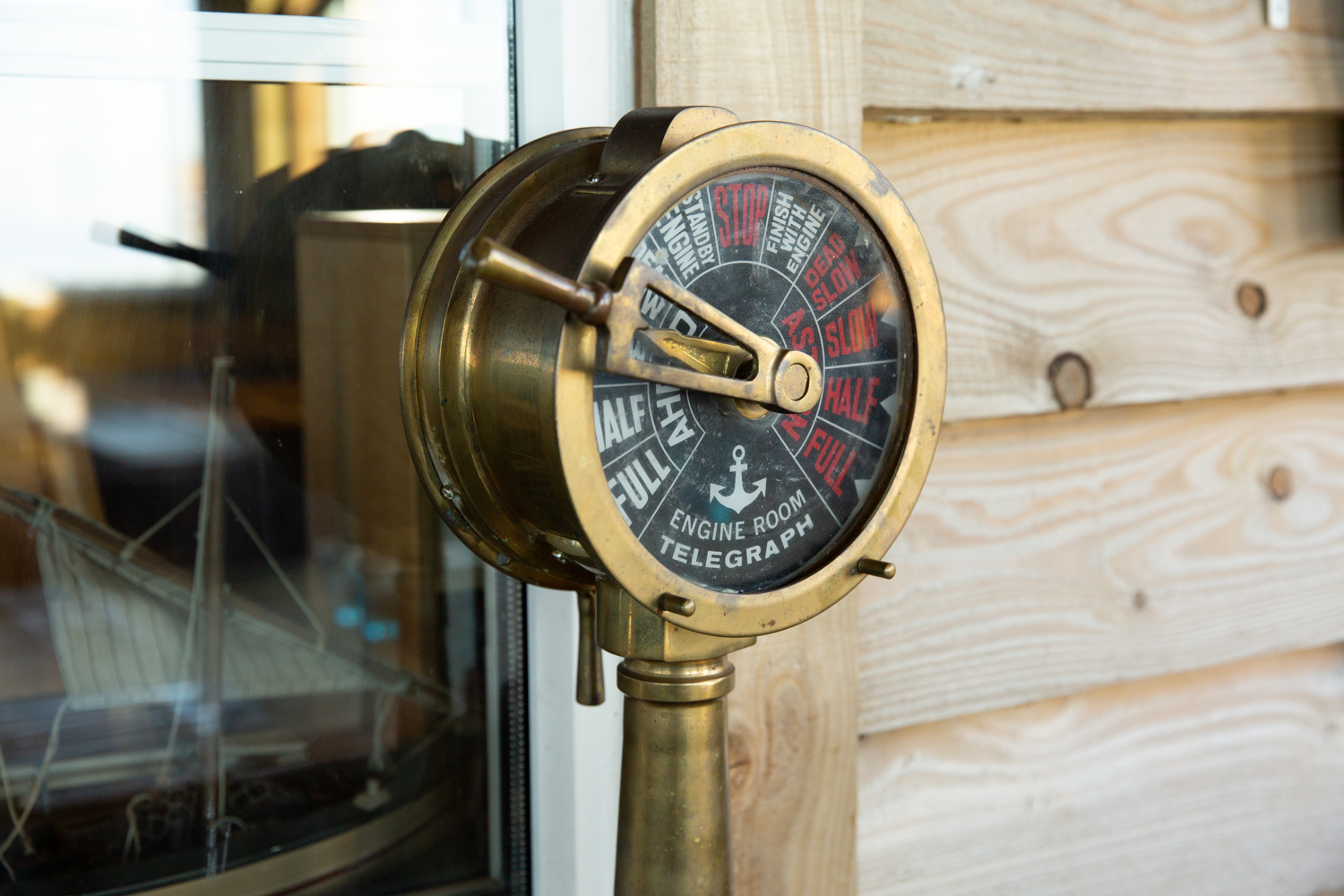
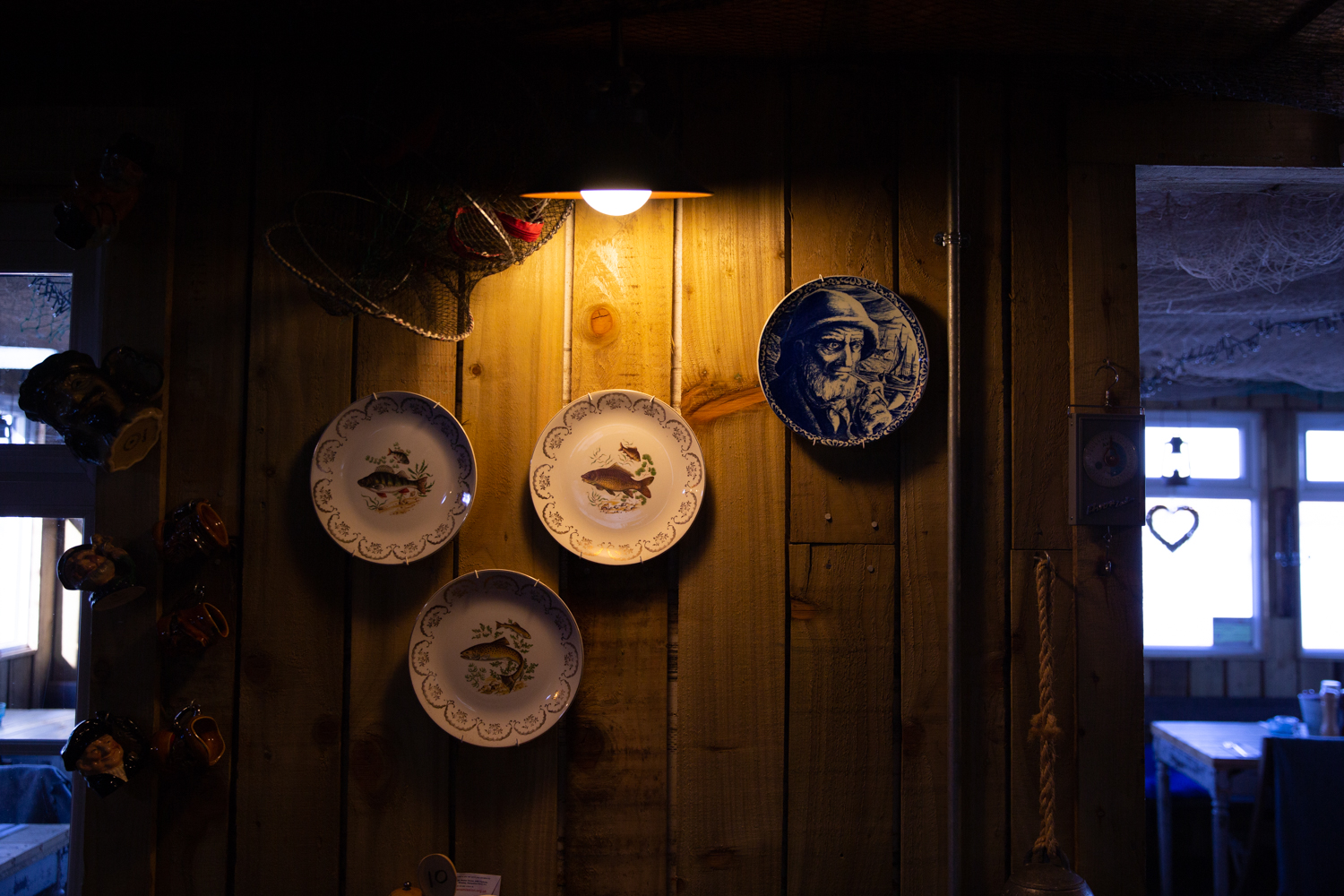
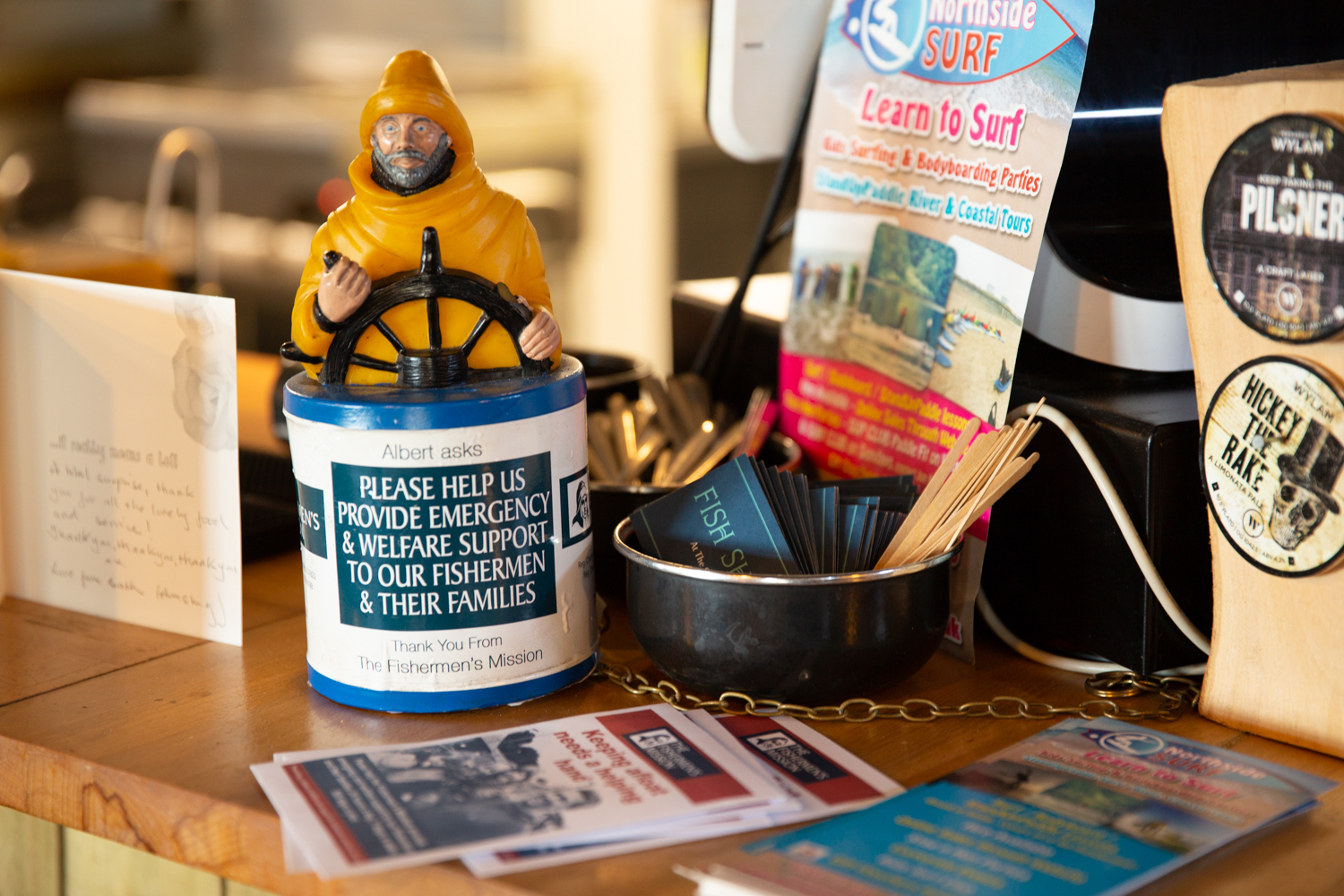
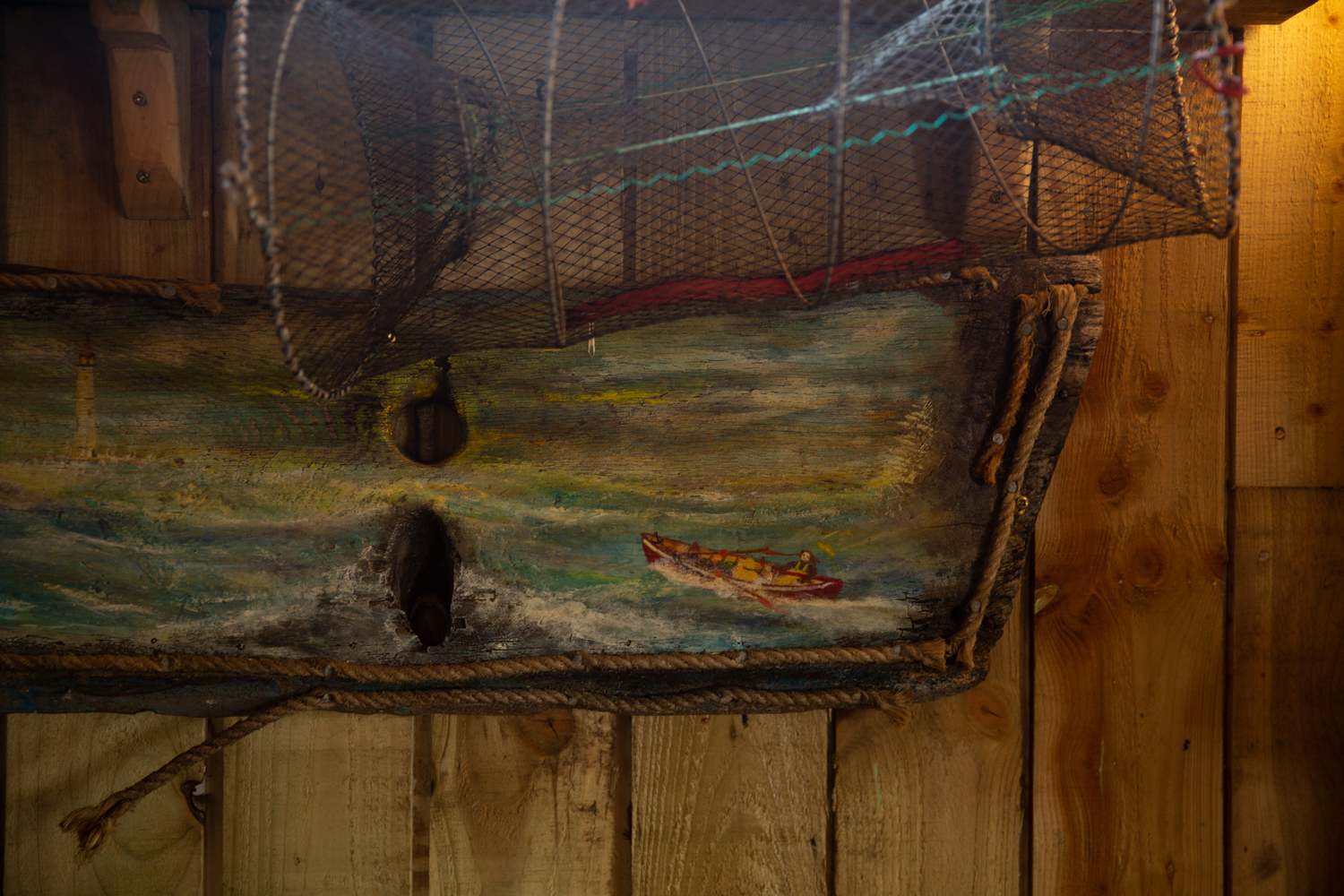
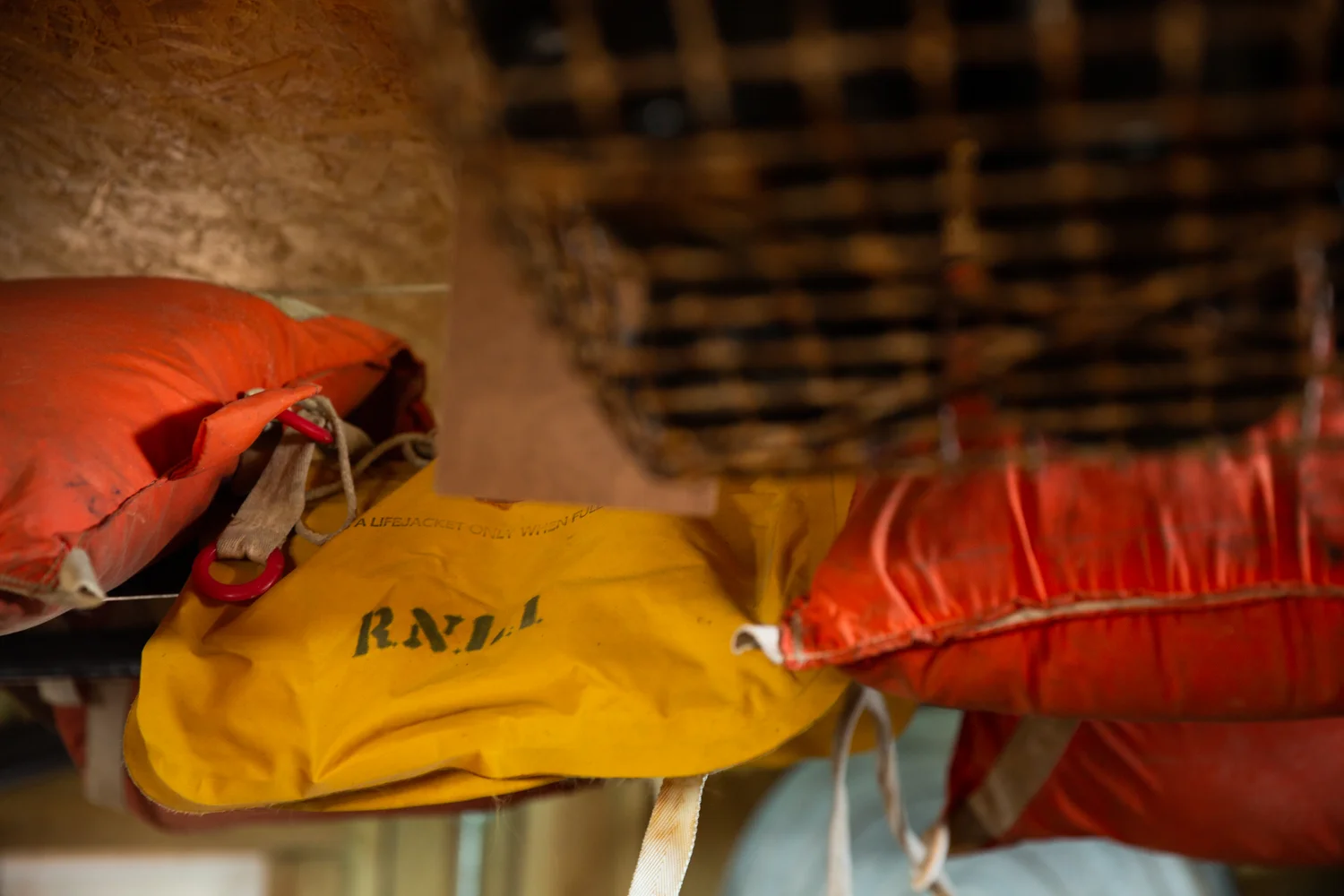
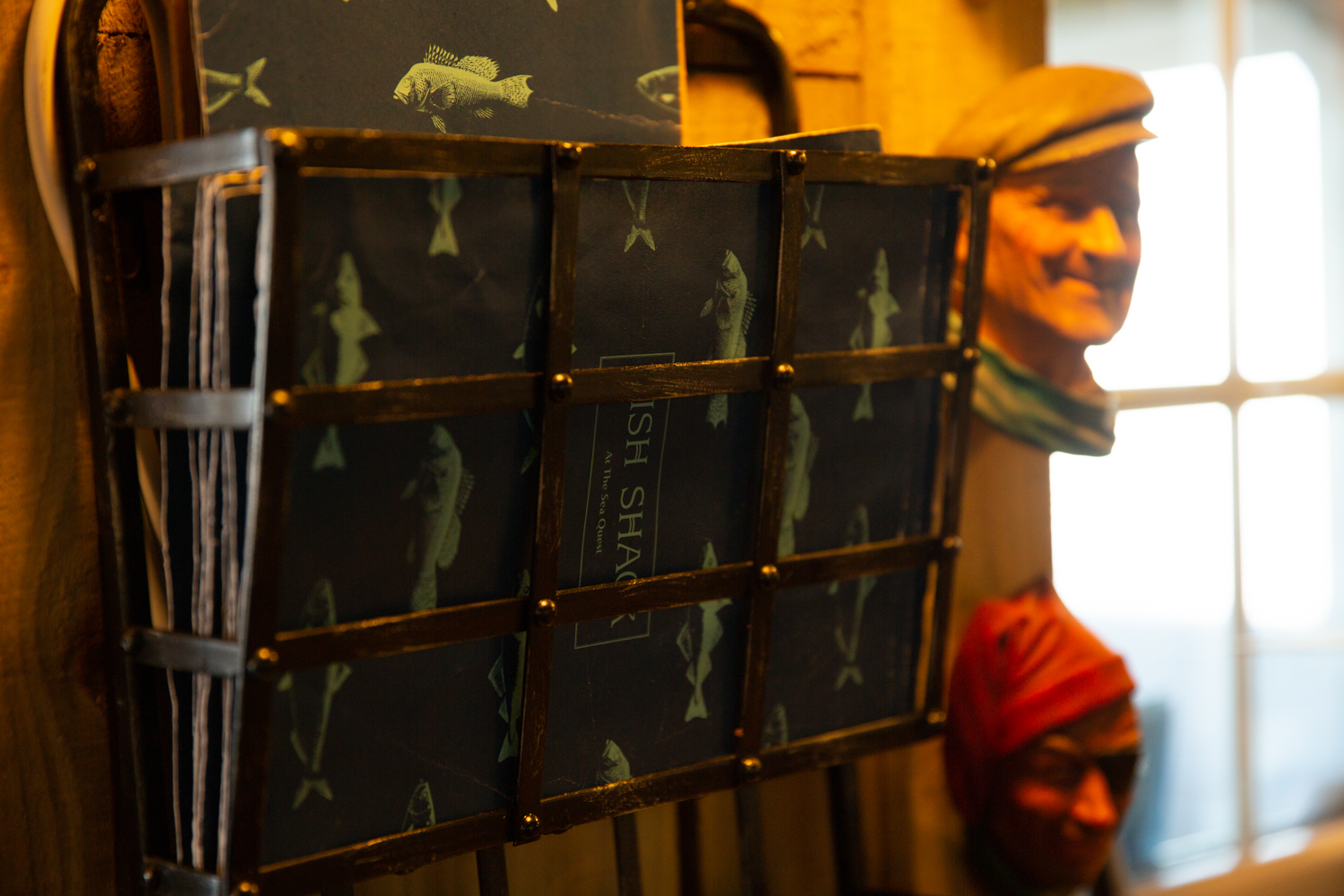
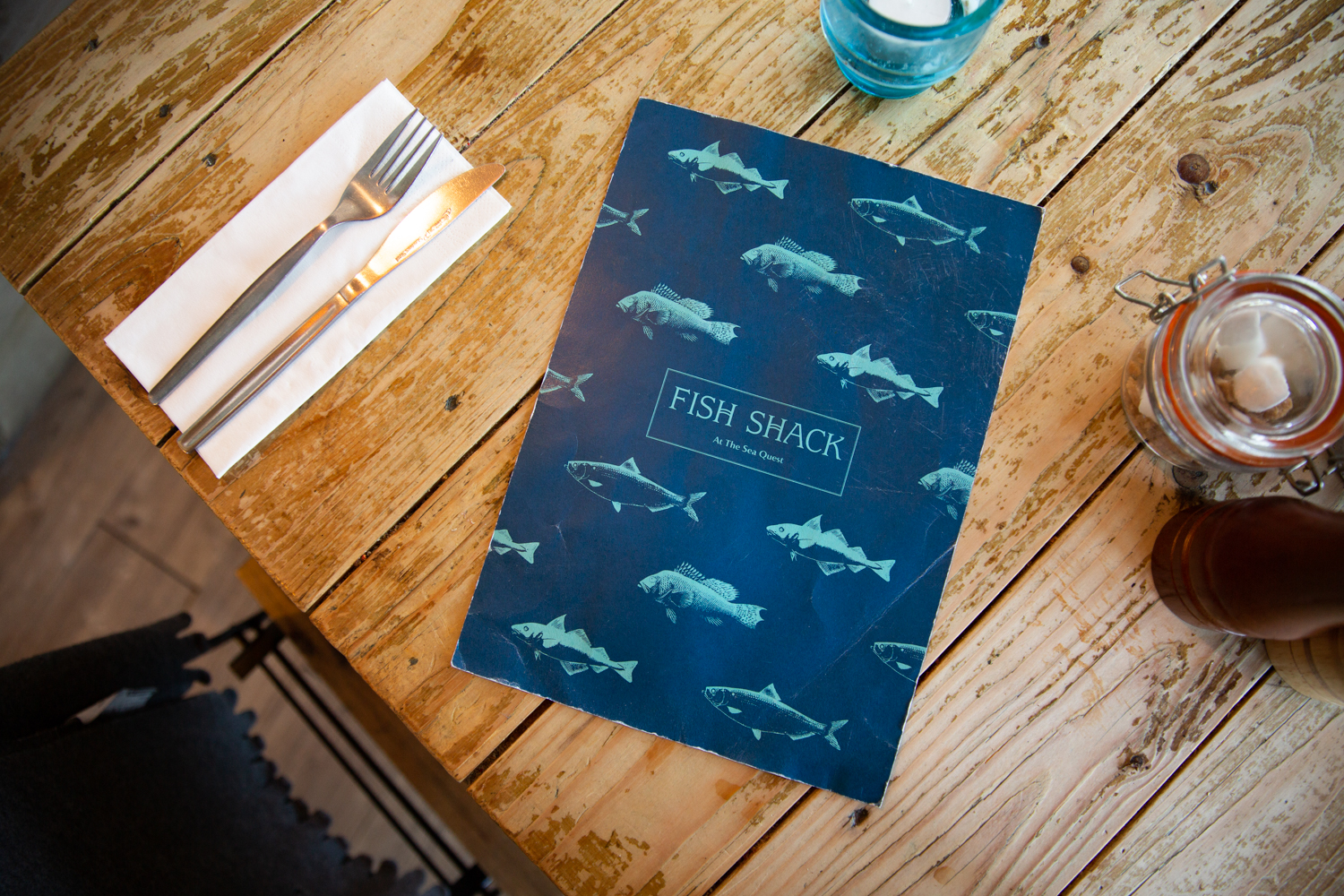
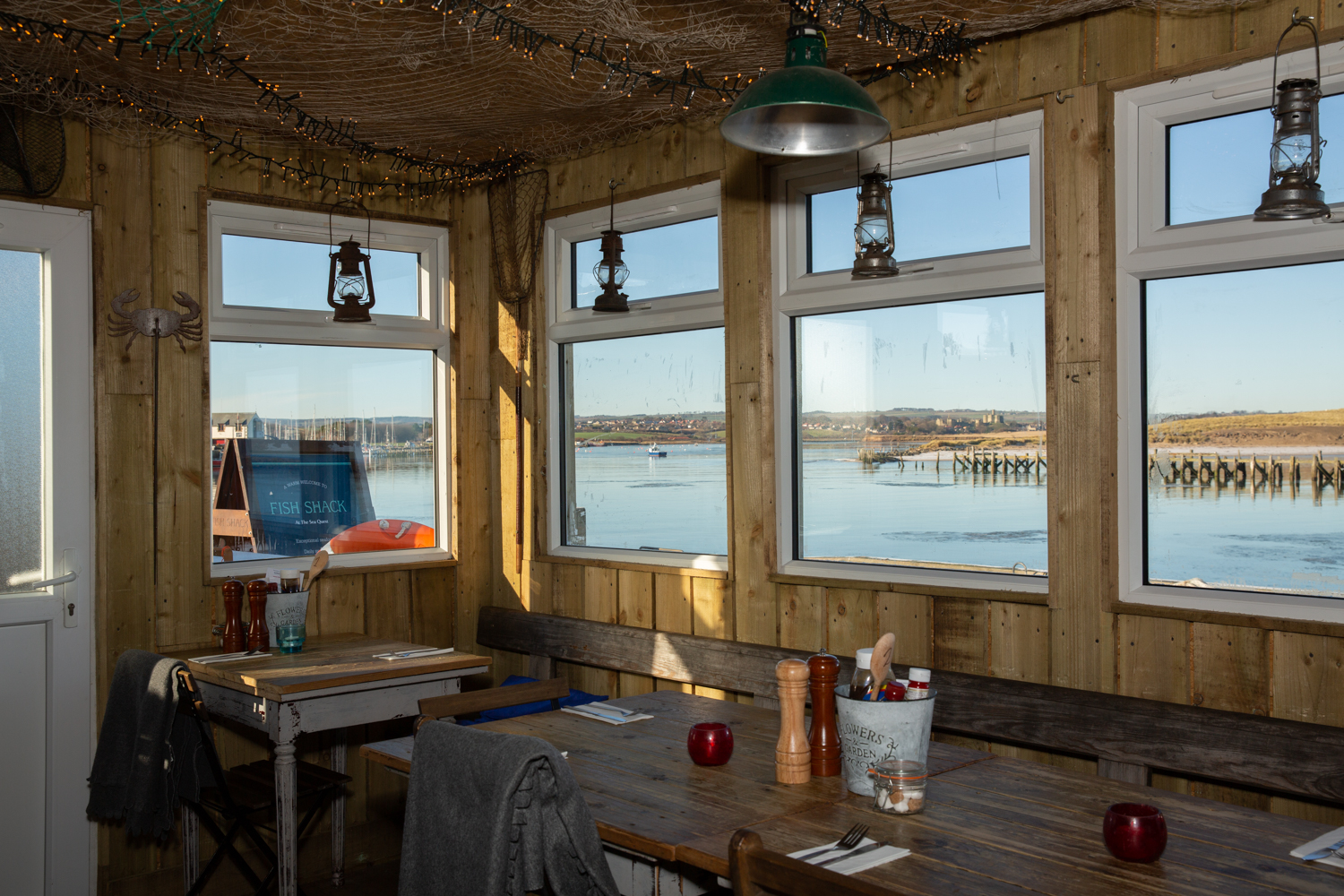
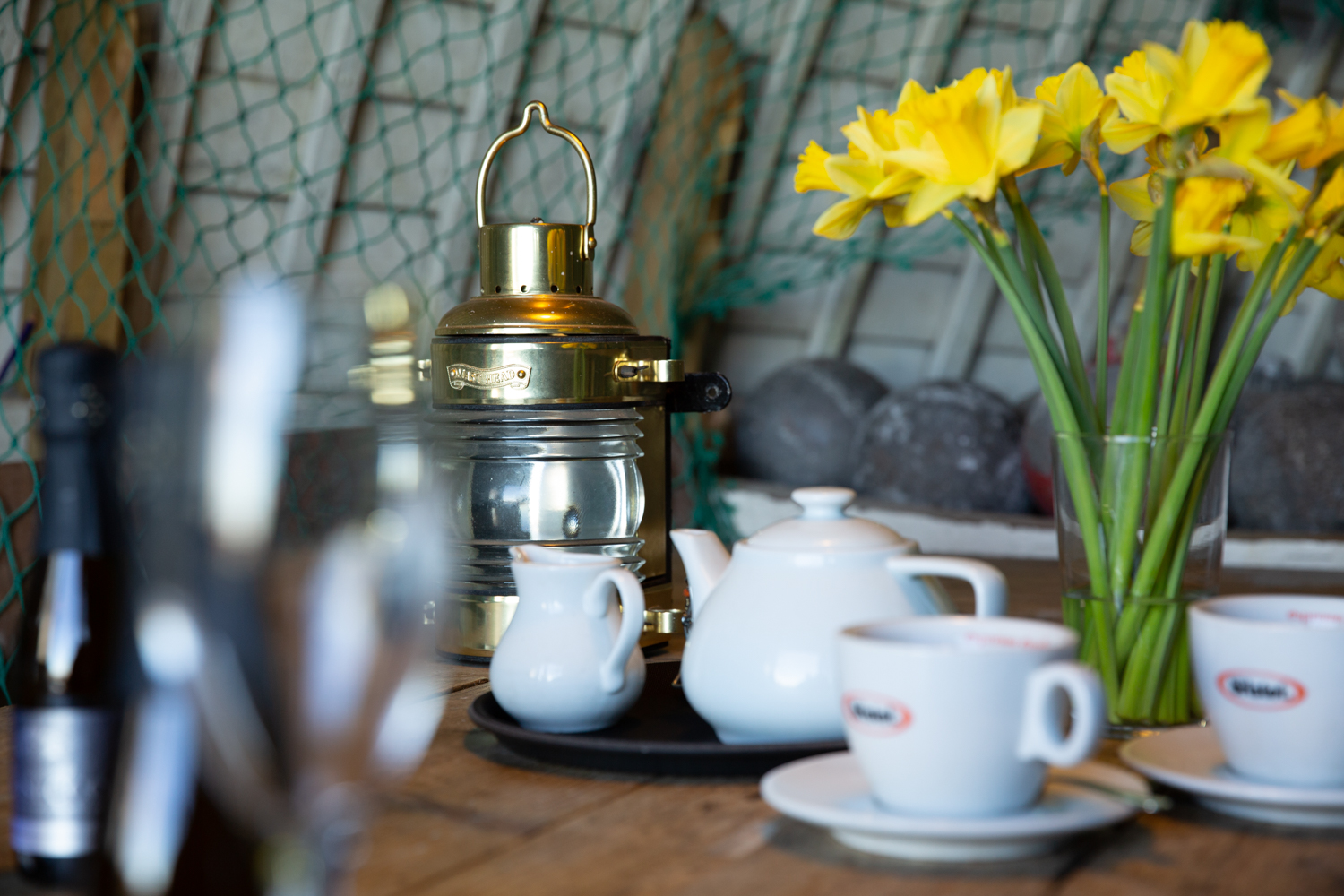
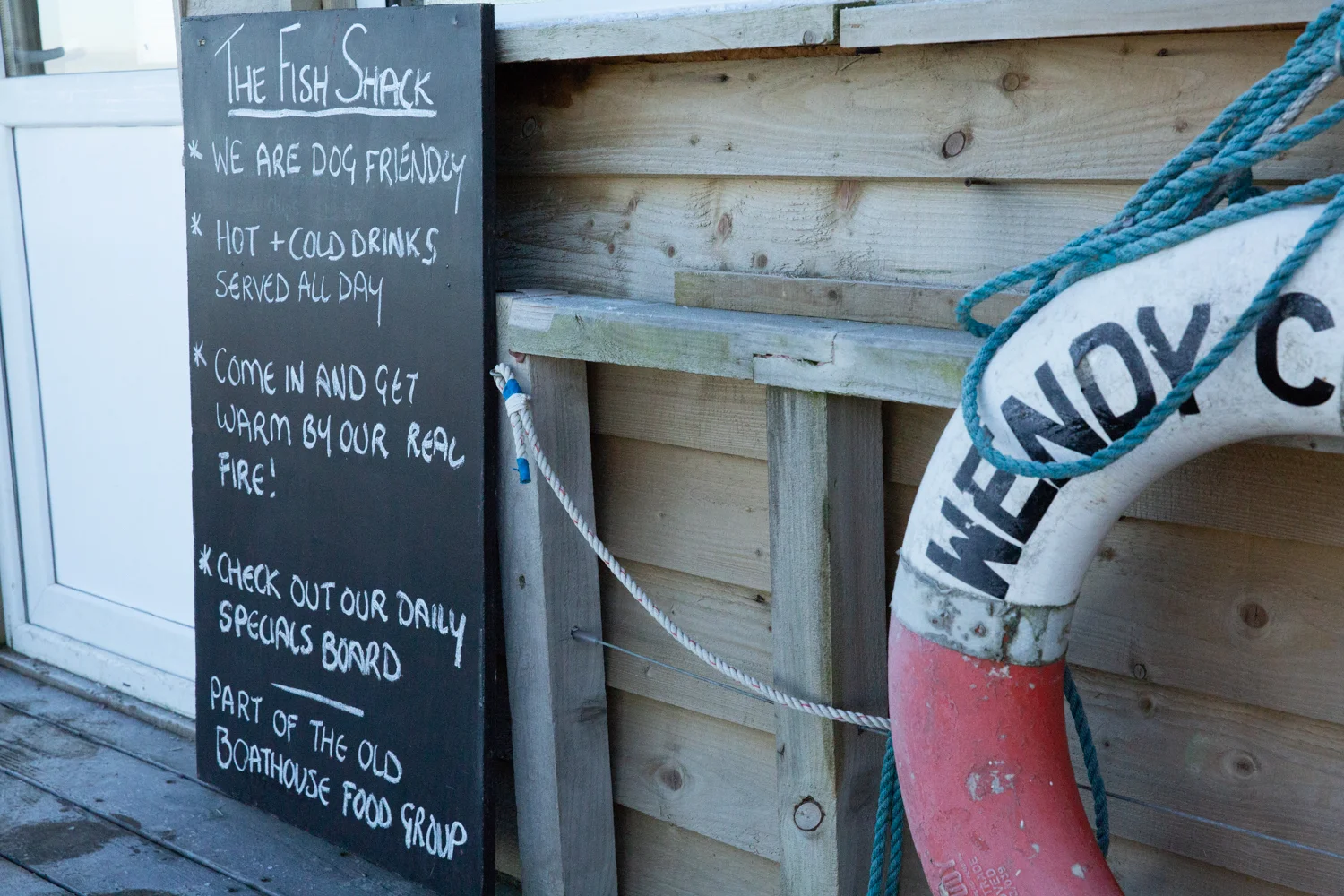
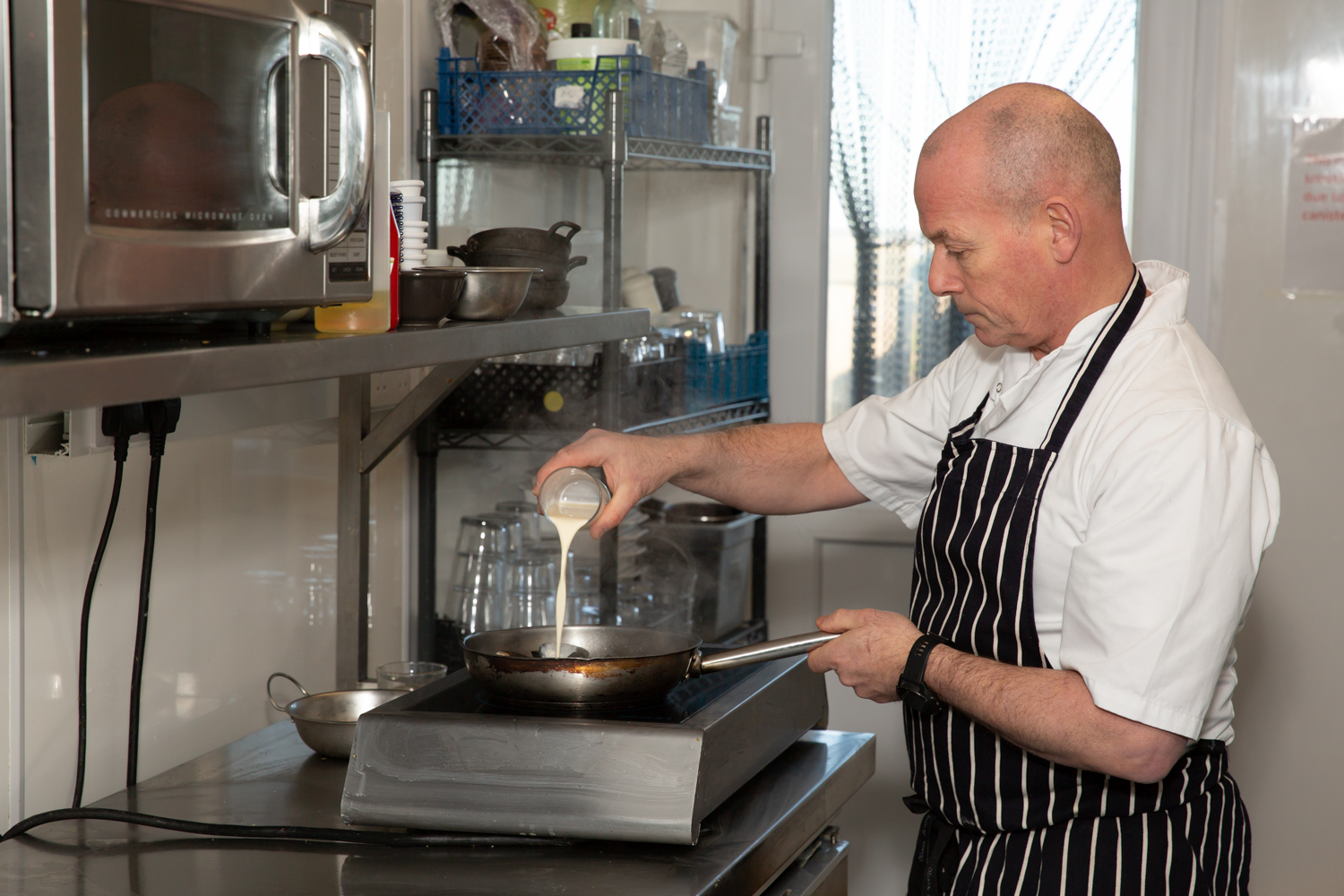
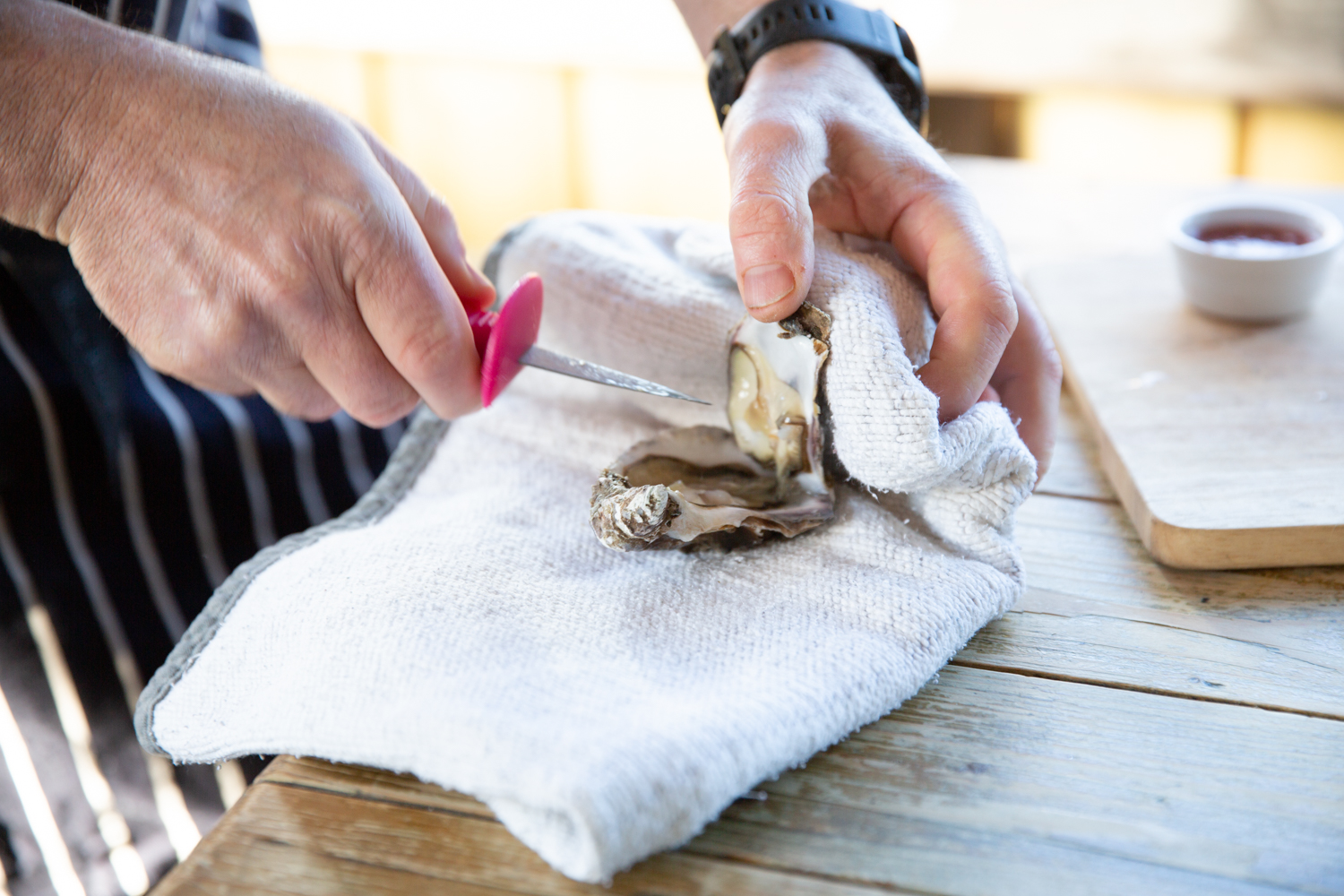
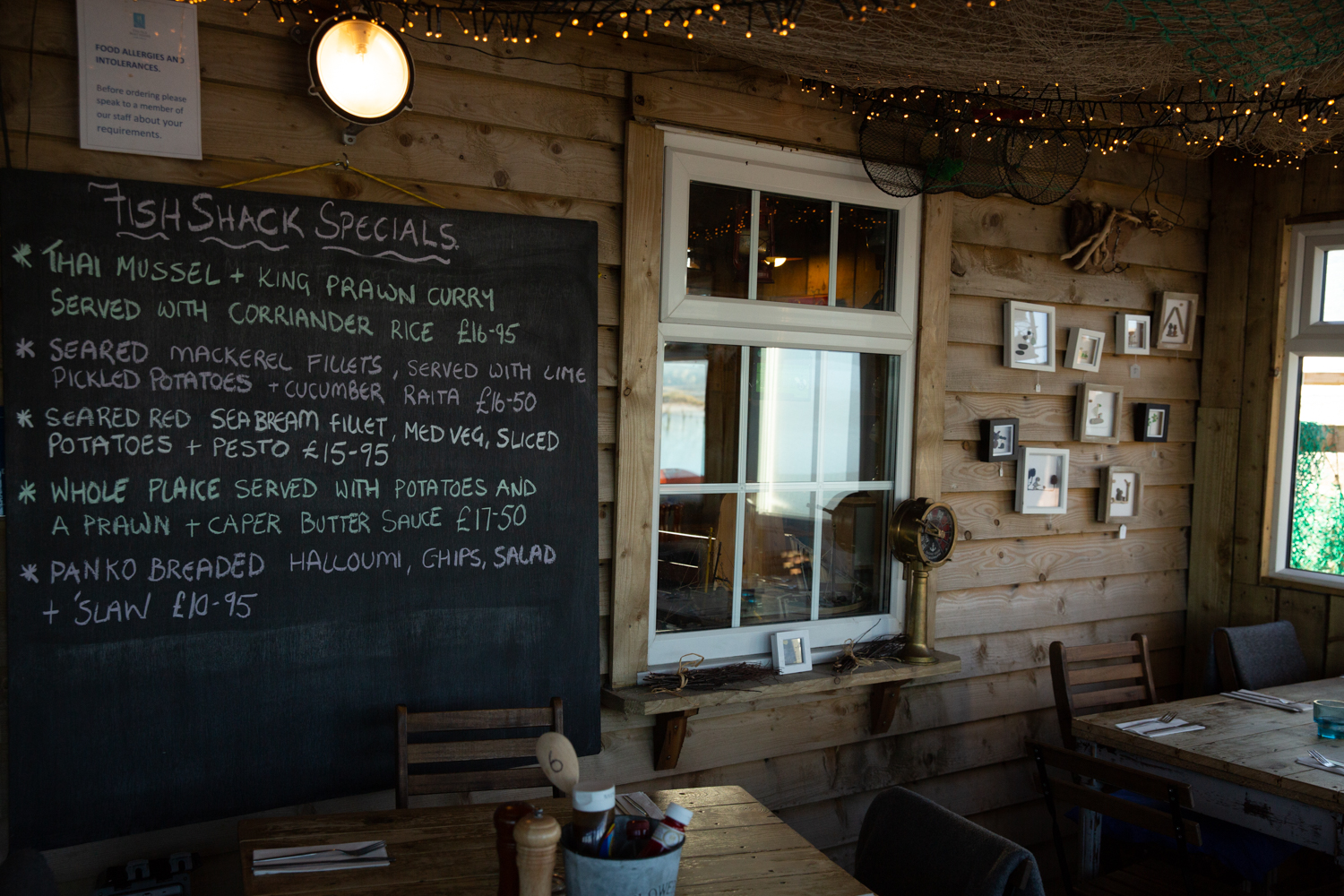
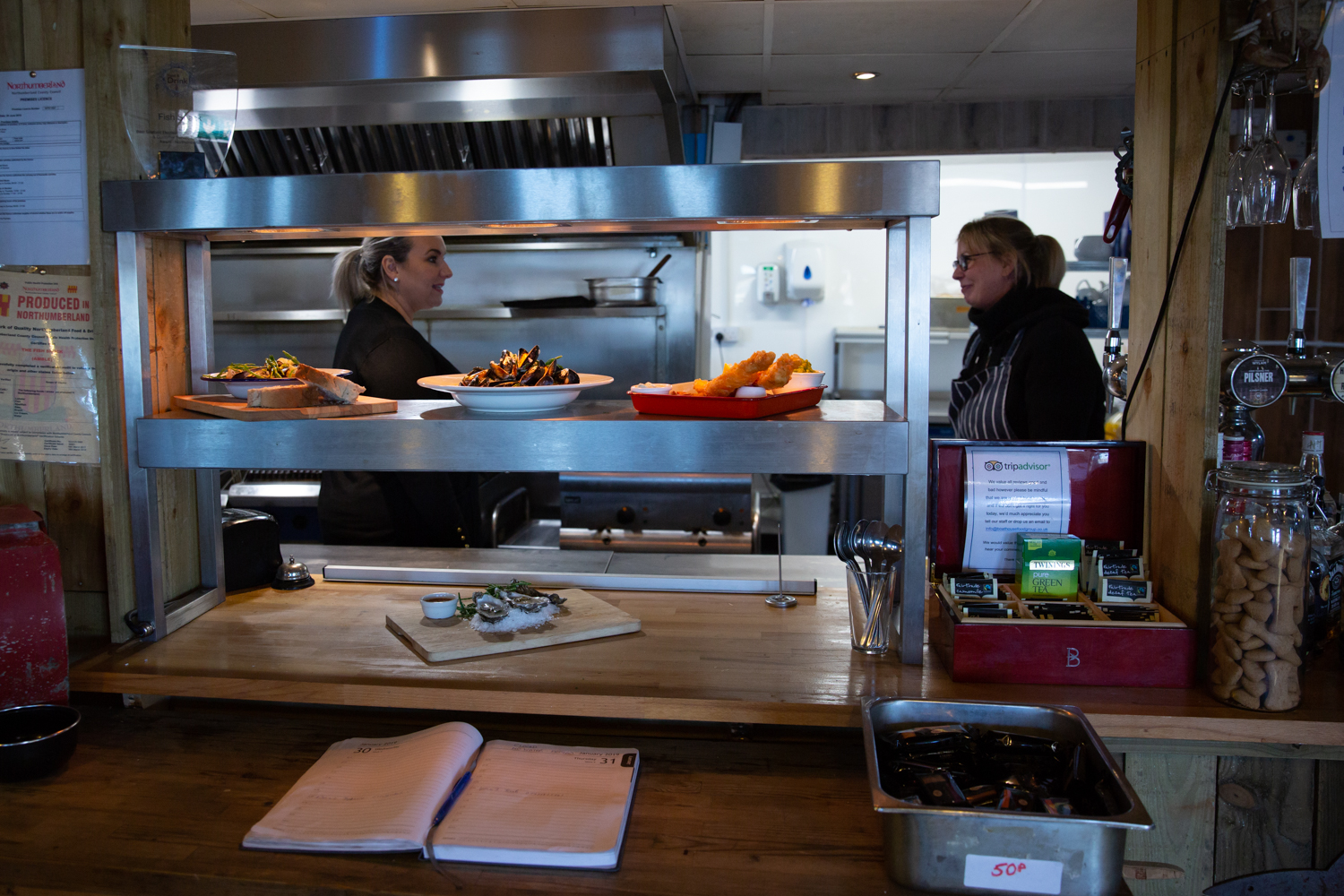
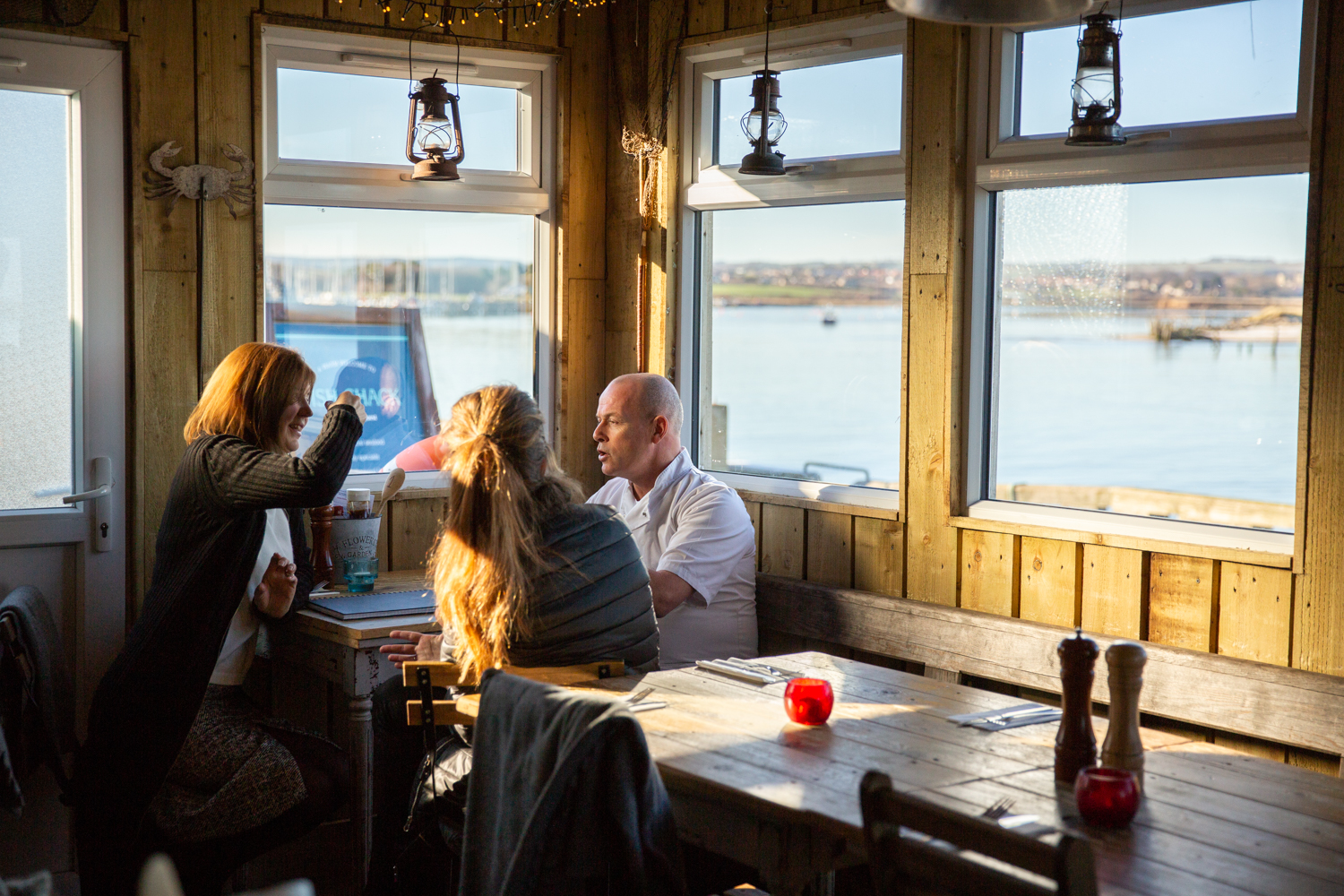
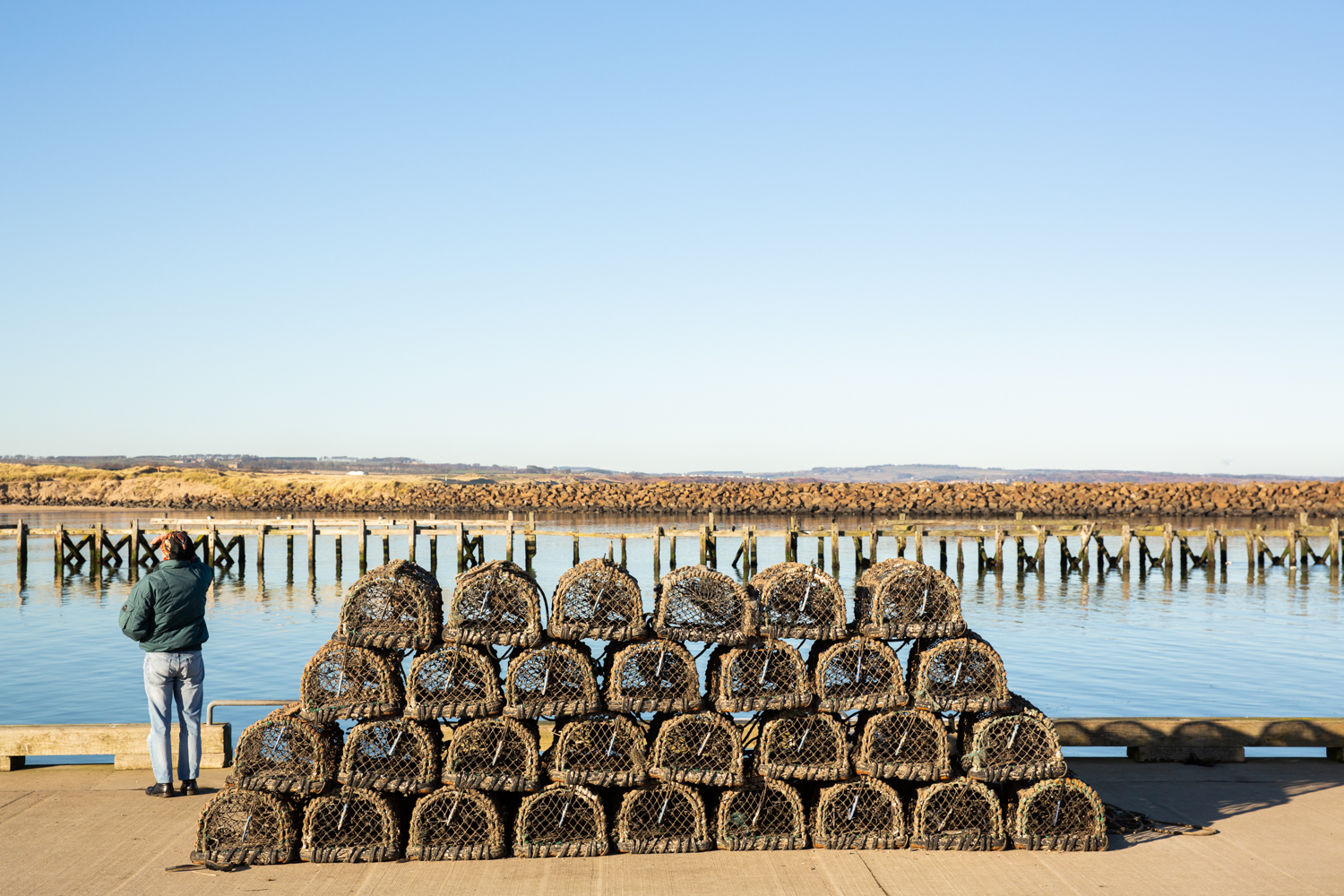
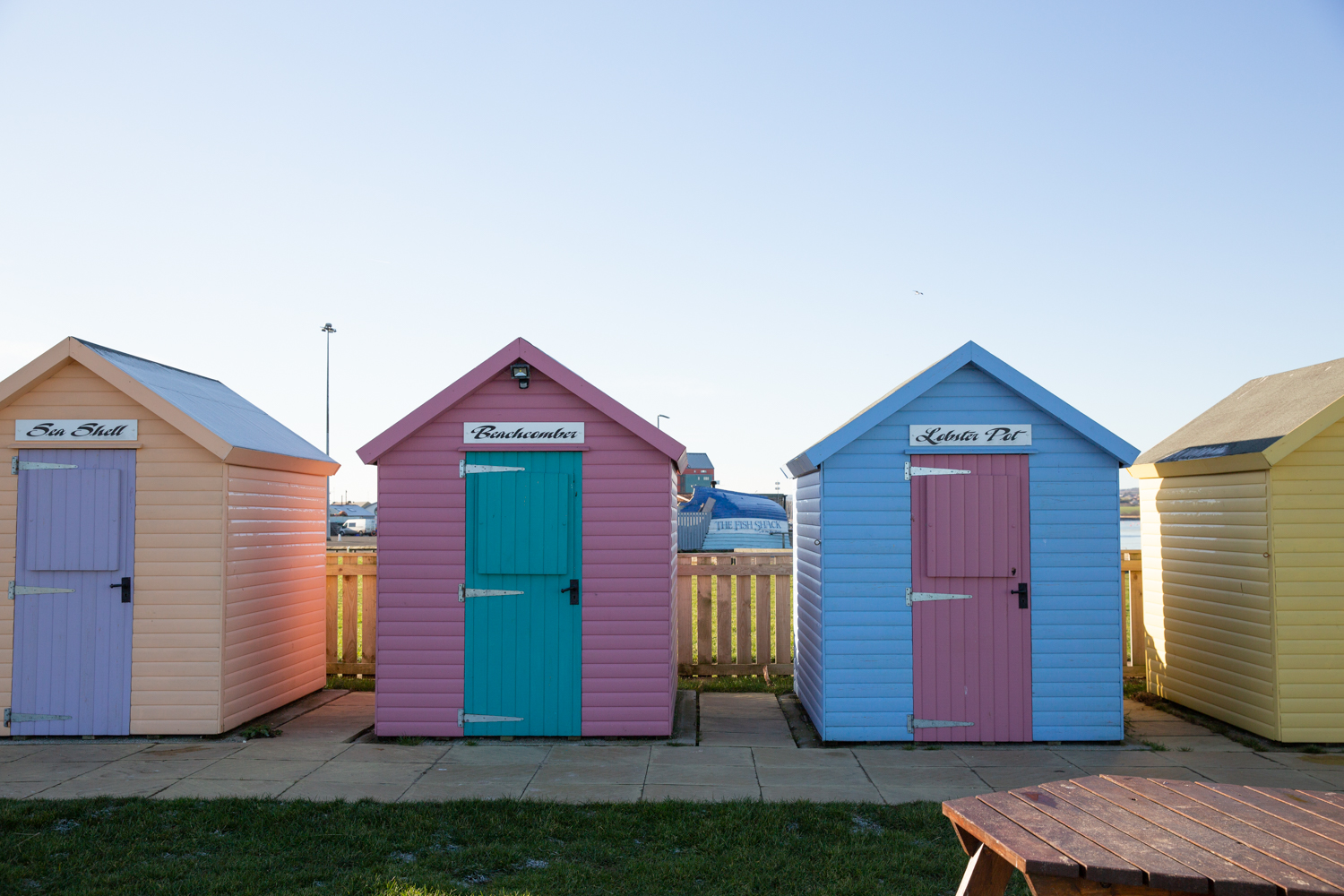
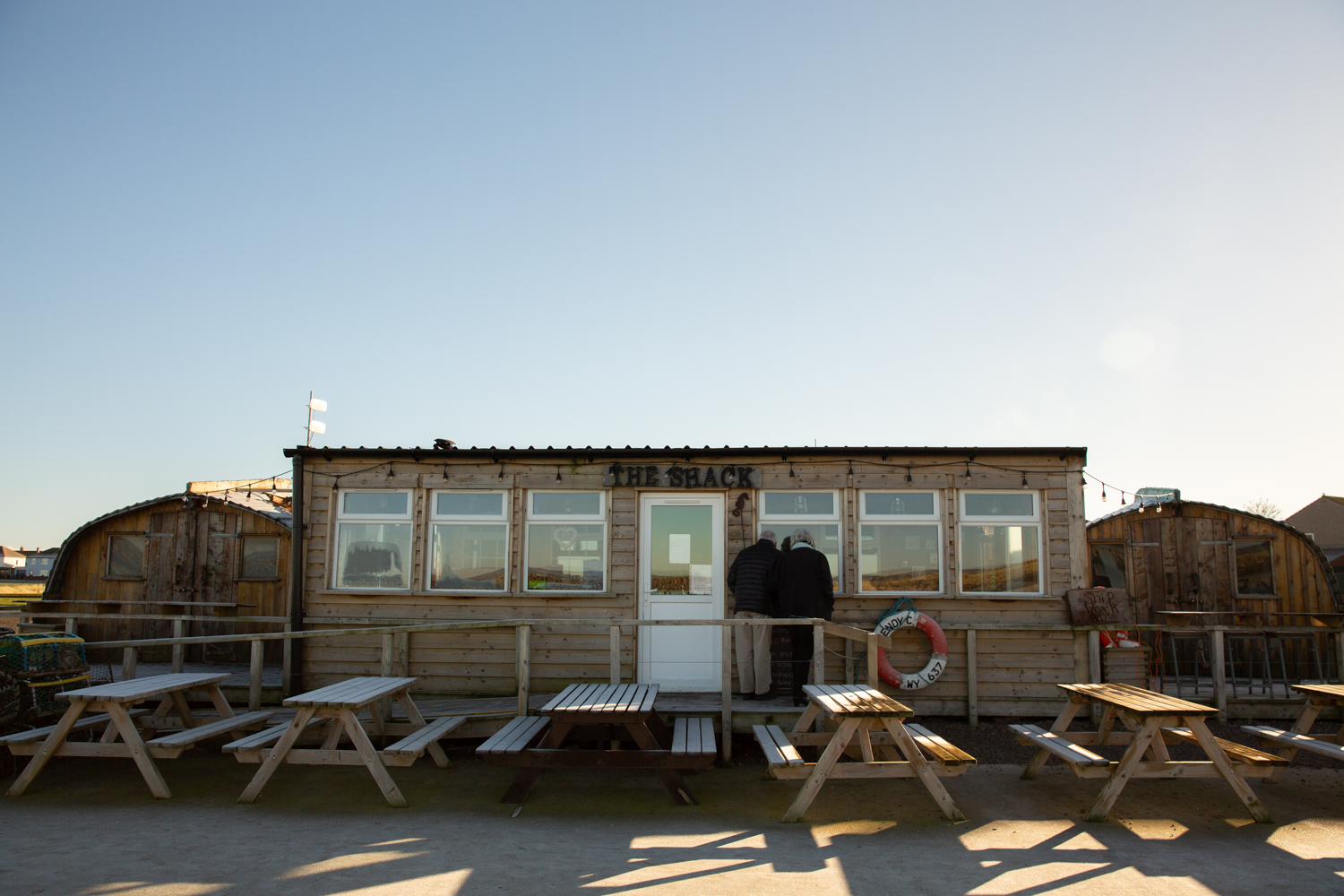
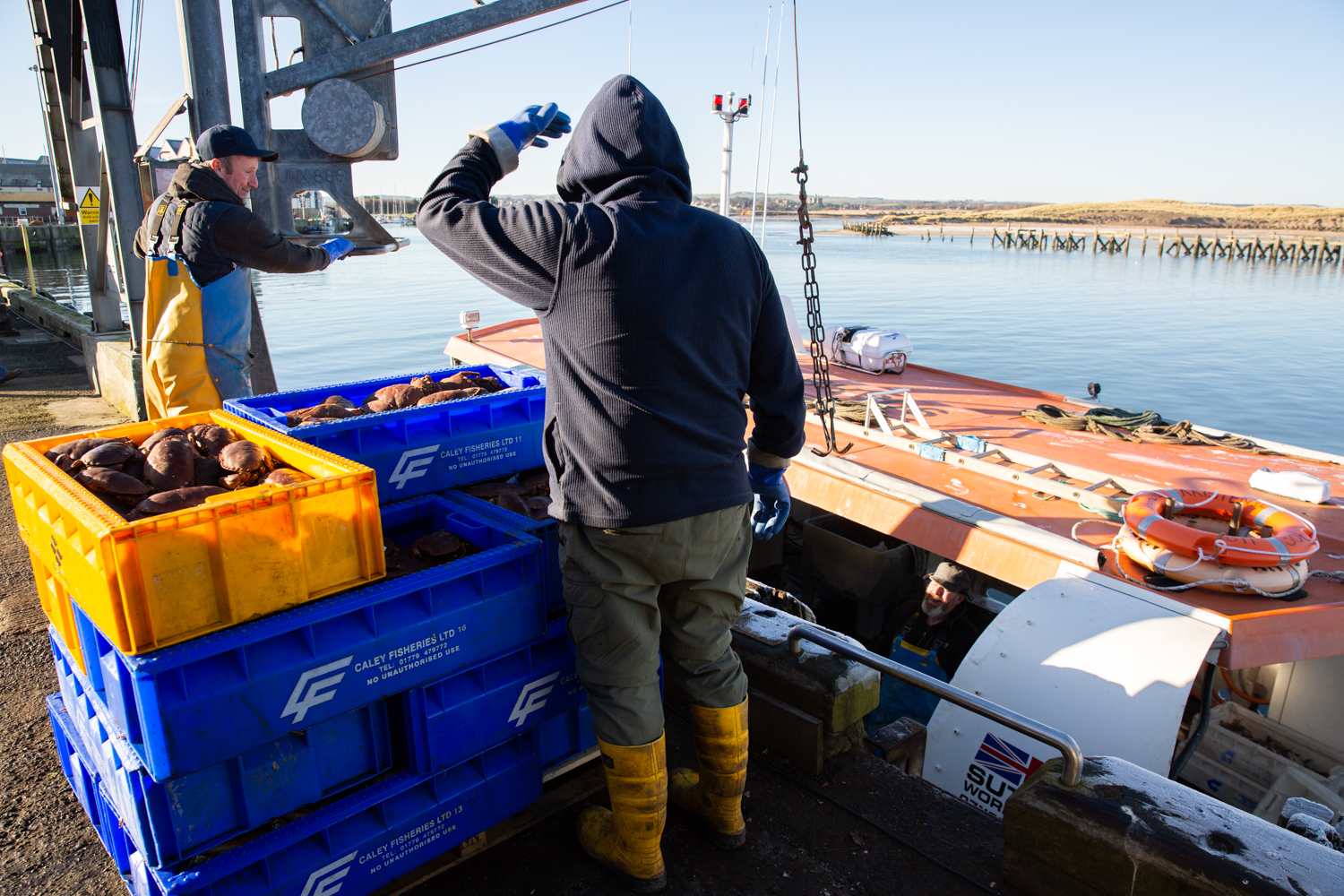
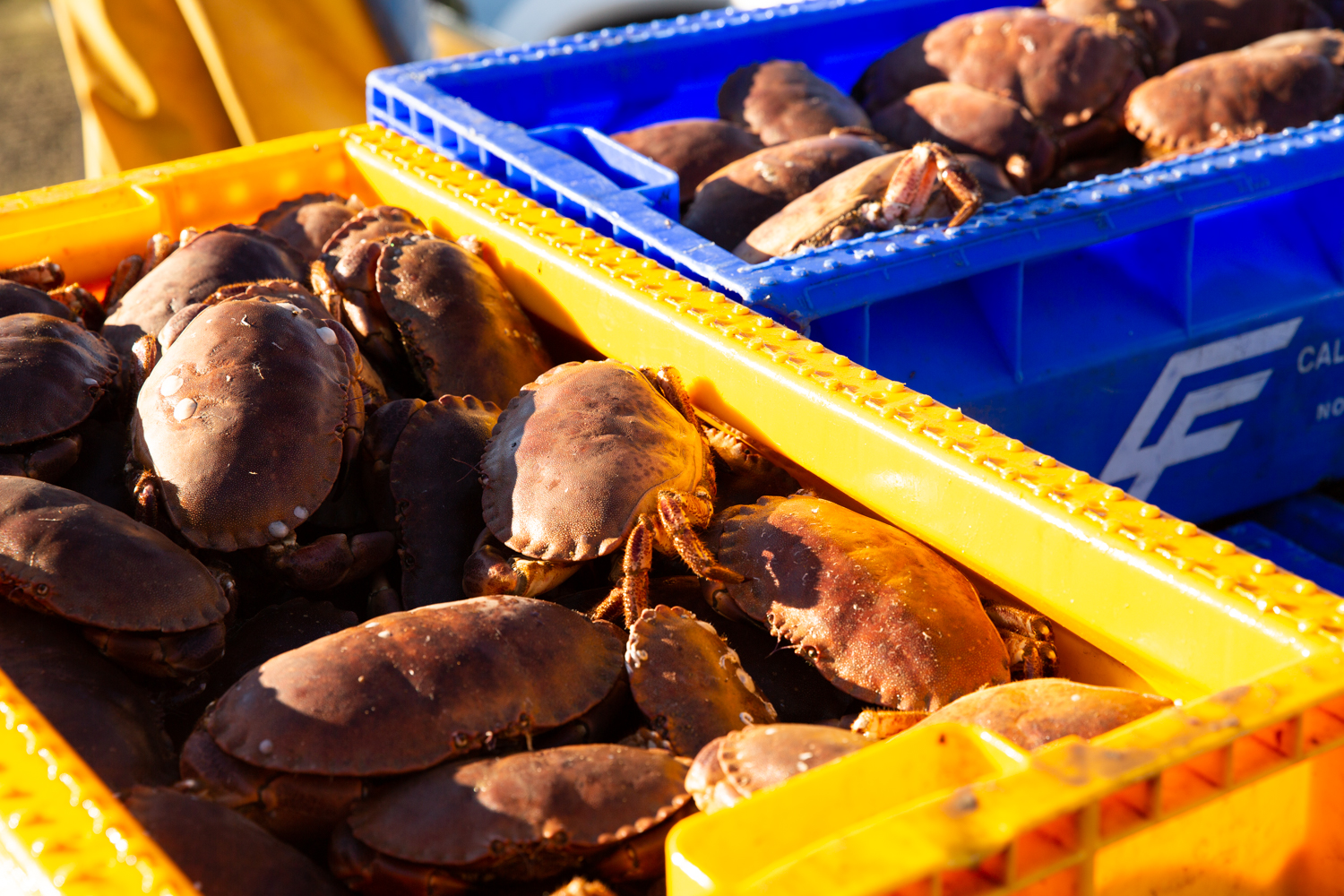
Fish Shack: Regional and Seasonal Feature Photography for Landscape Magazine
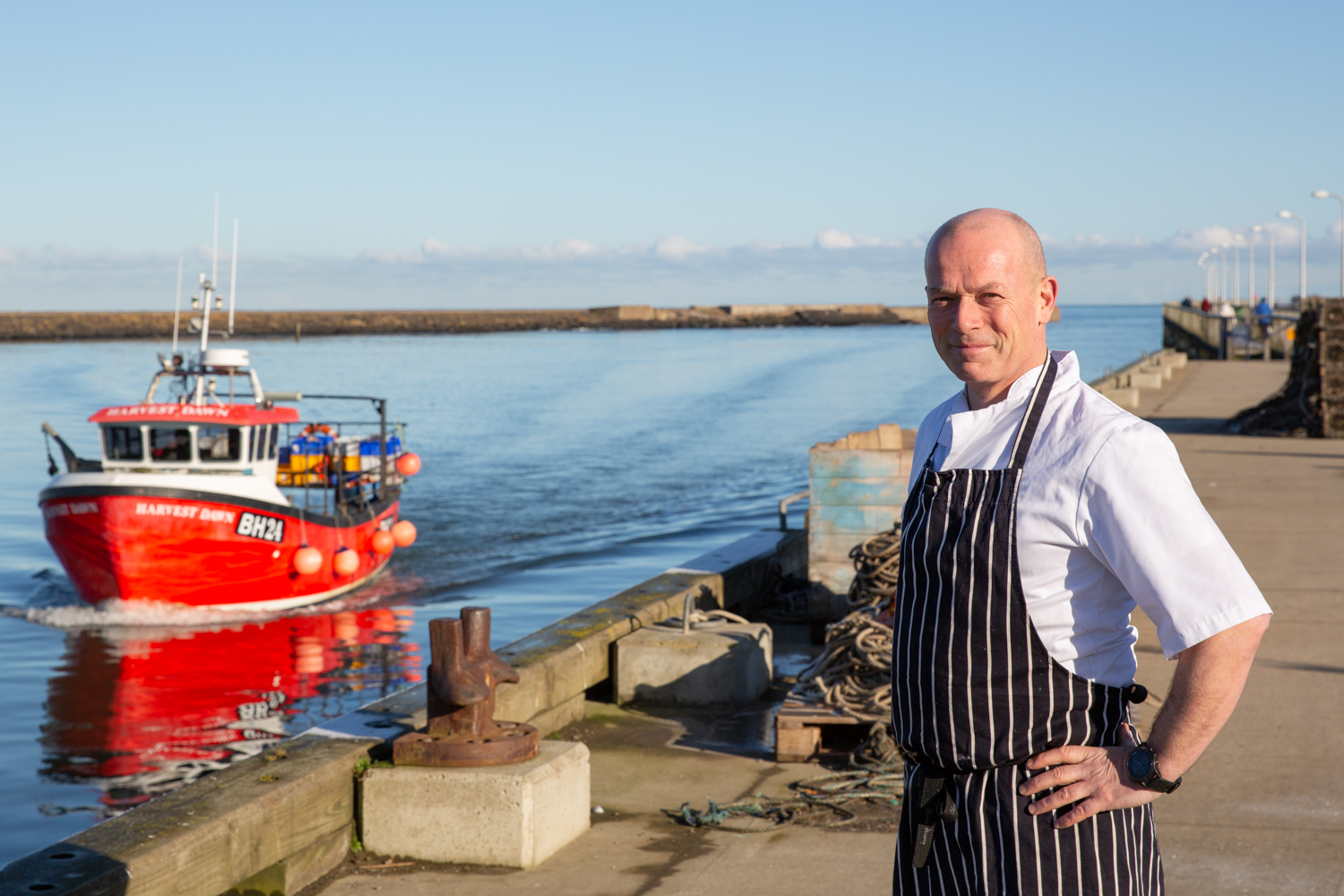
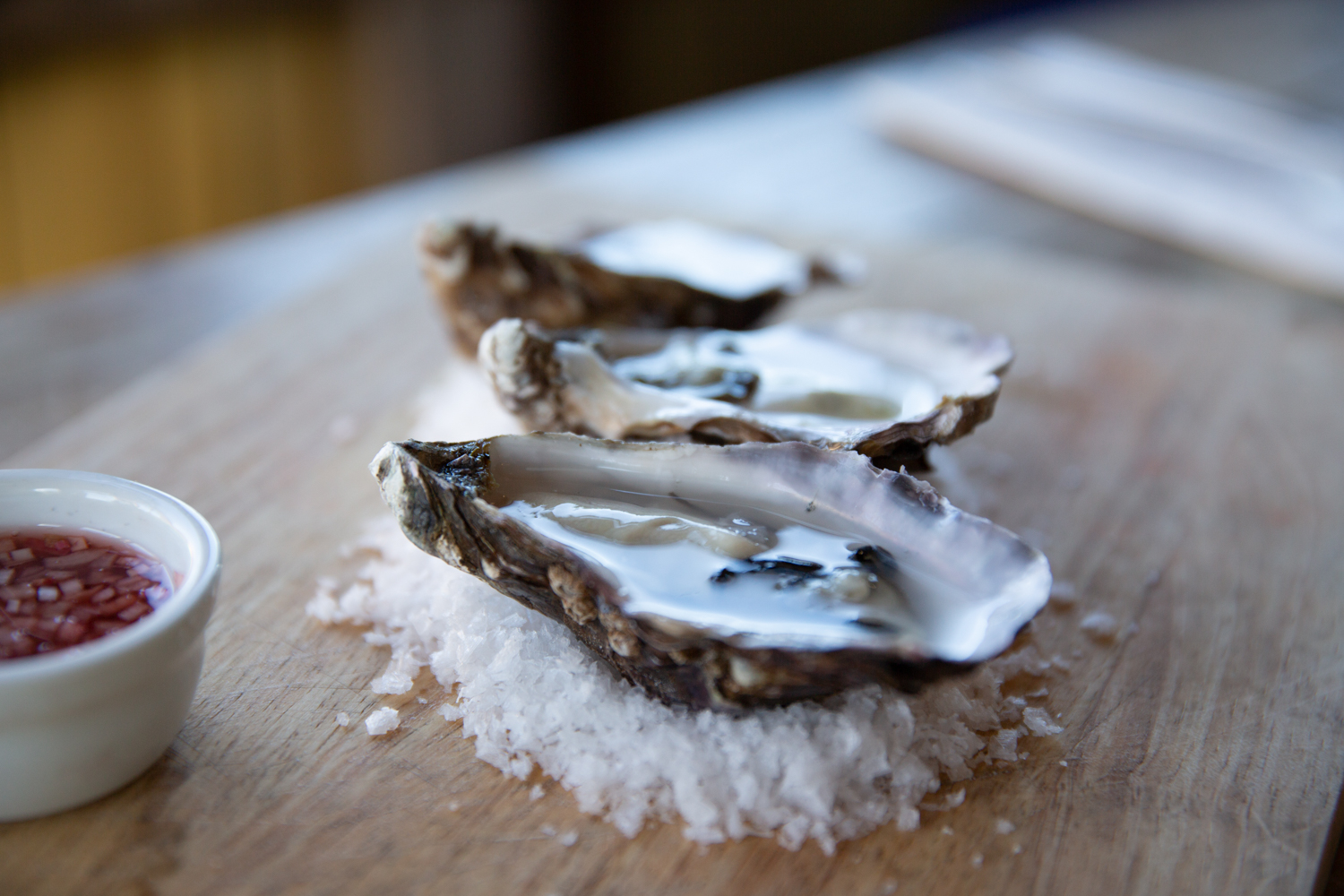
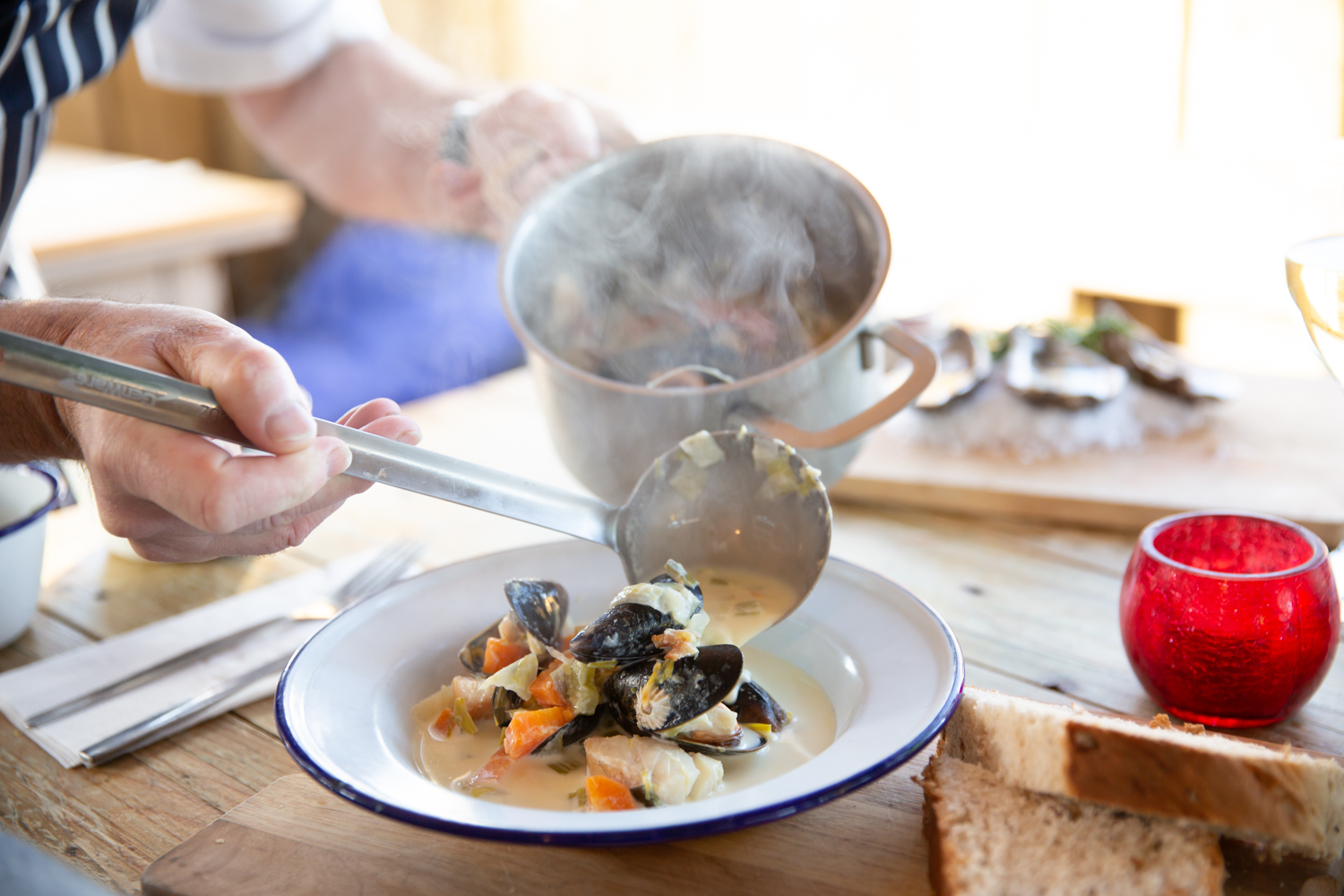
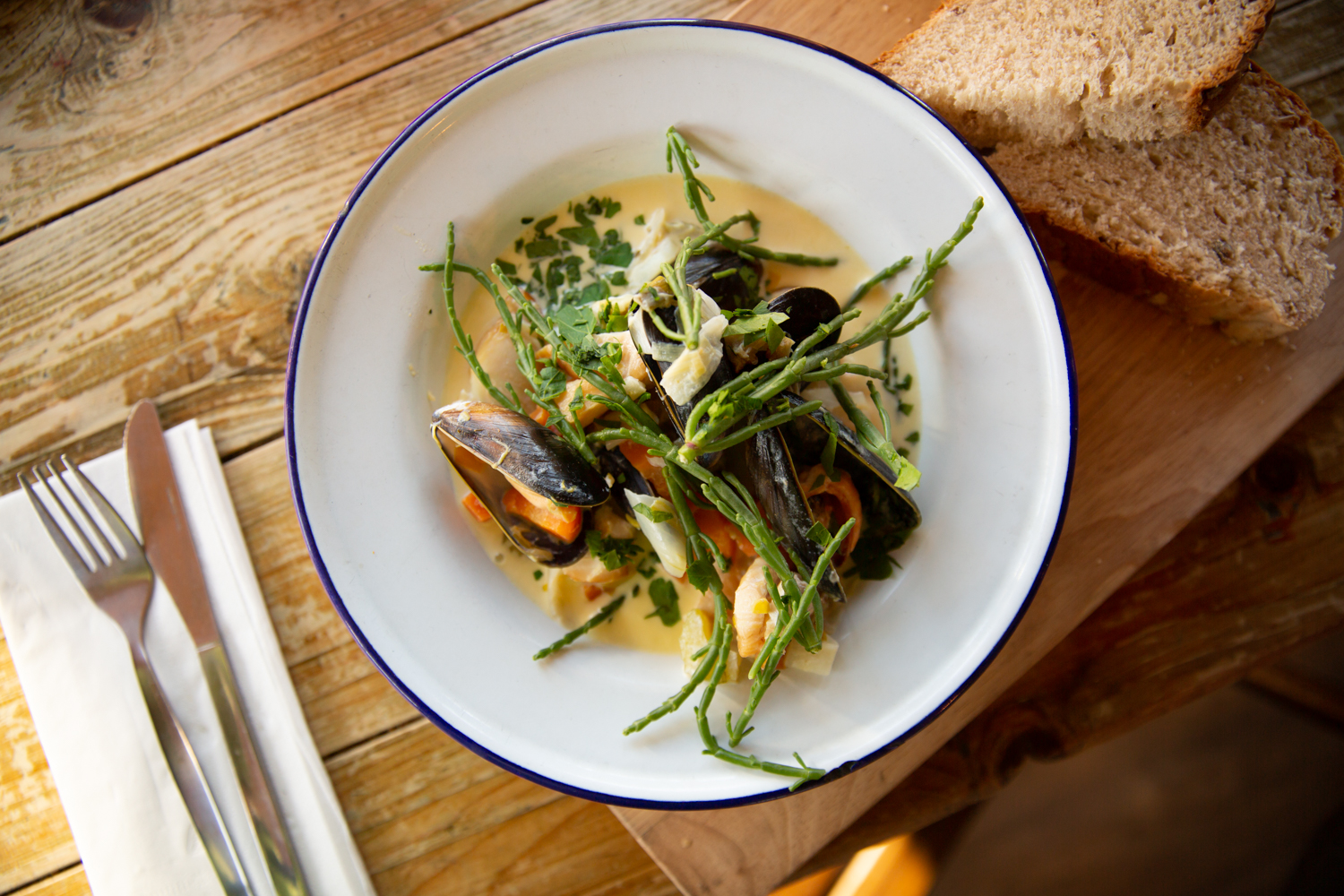
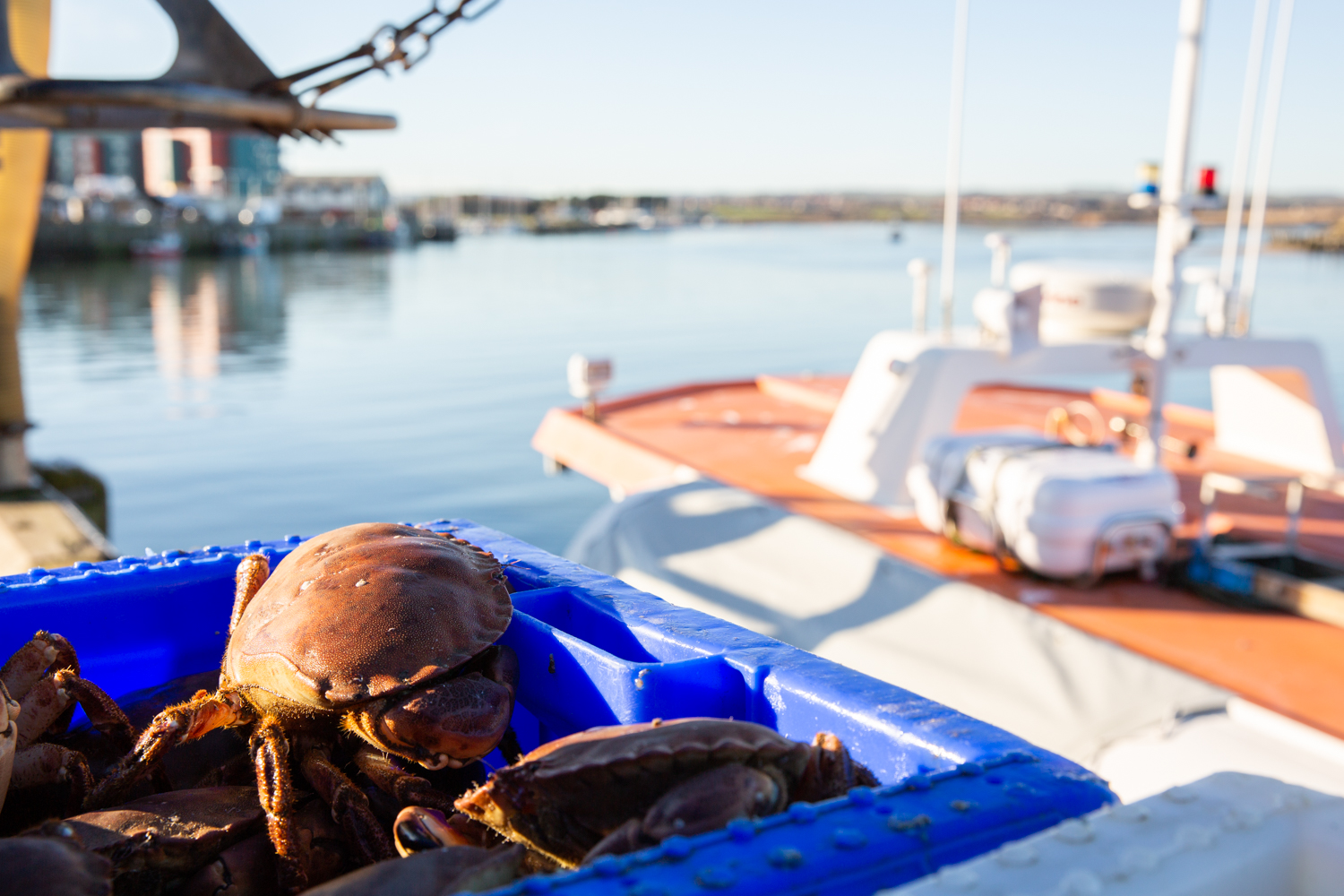
Photographs from a recent day out to Amble shooting the Fish Shack for Landscape magazine’s regional and seasonal pages.
Chef Martin was a great host and really helpful. As this was for the April issue we had to make sure there was no snow in the images. There wasn’t any snow, just a lot of frost! He was tasked with clearing the windows of frost but the only problem was that the pipes had frozen (a hazard of the location) so no coffee or customers! We made do to get the pictures we needed and I pulled a few people in from the Harbour for ‘customer shots’ they were quite glad to be able to cosy up by the stove.
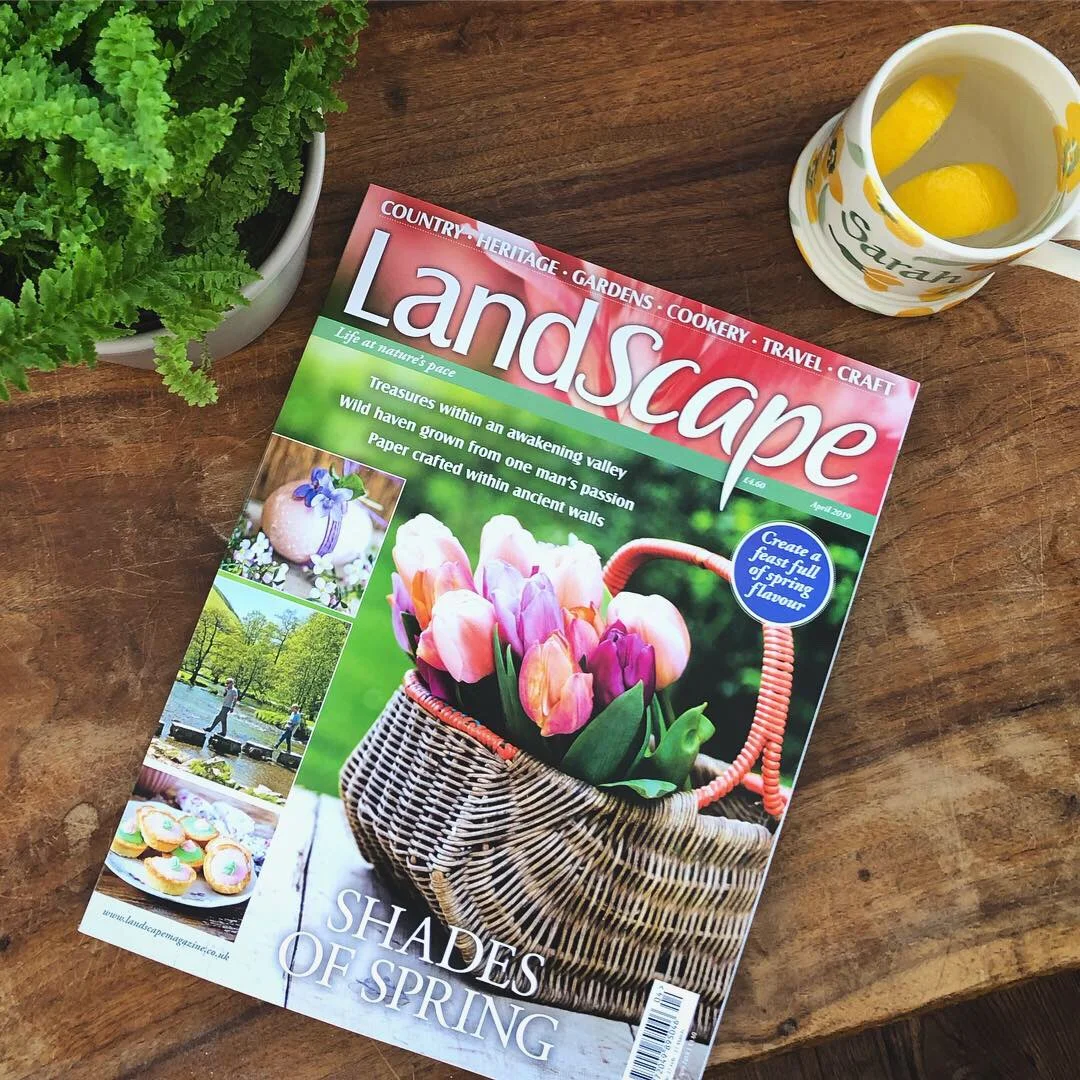

“On the Northumberland coast, a café made from upturned boats serves food fresh from the sea”
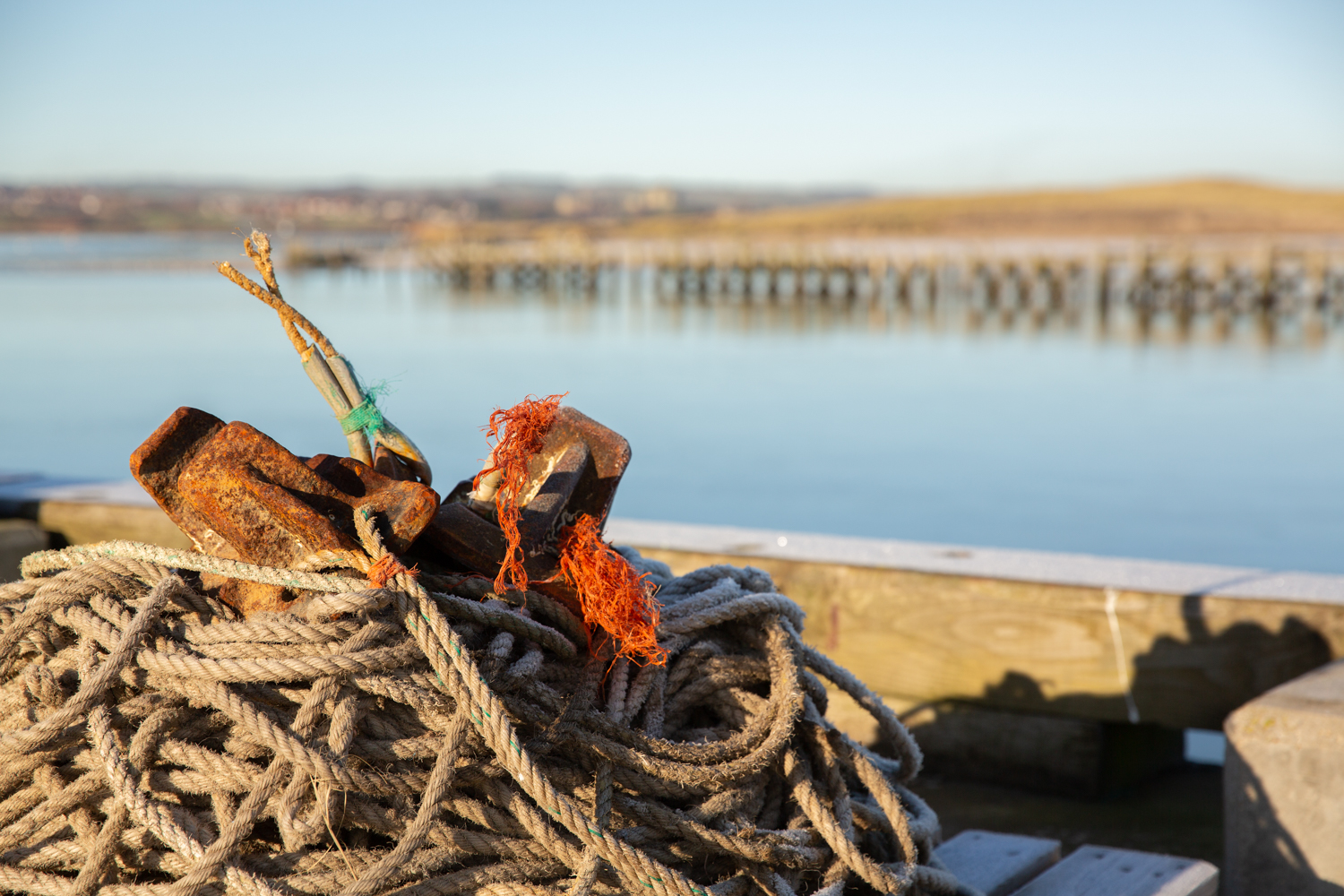
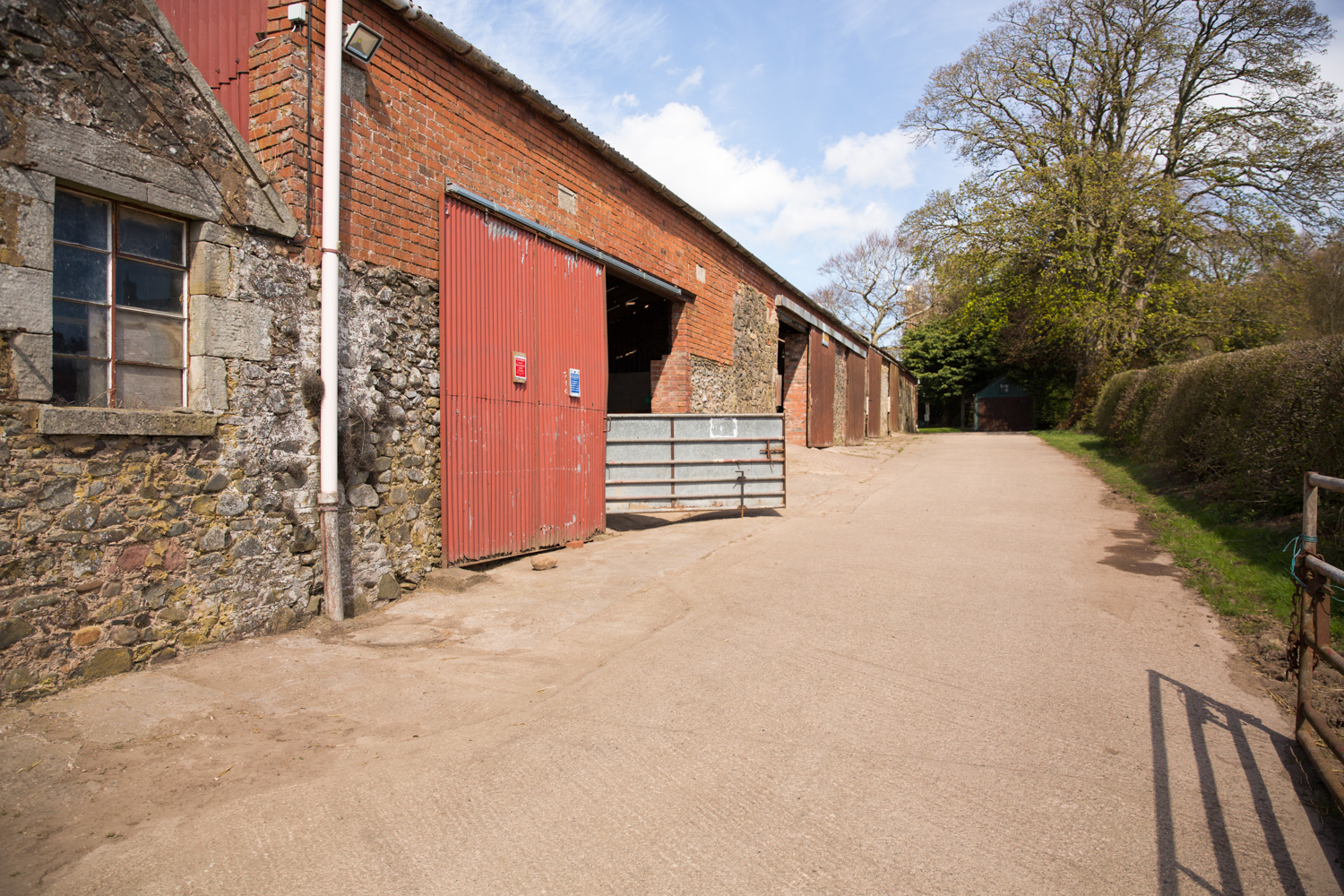
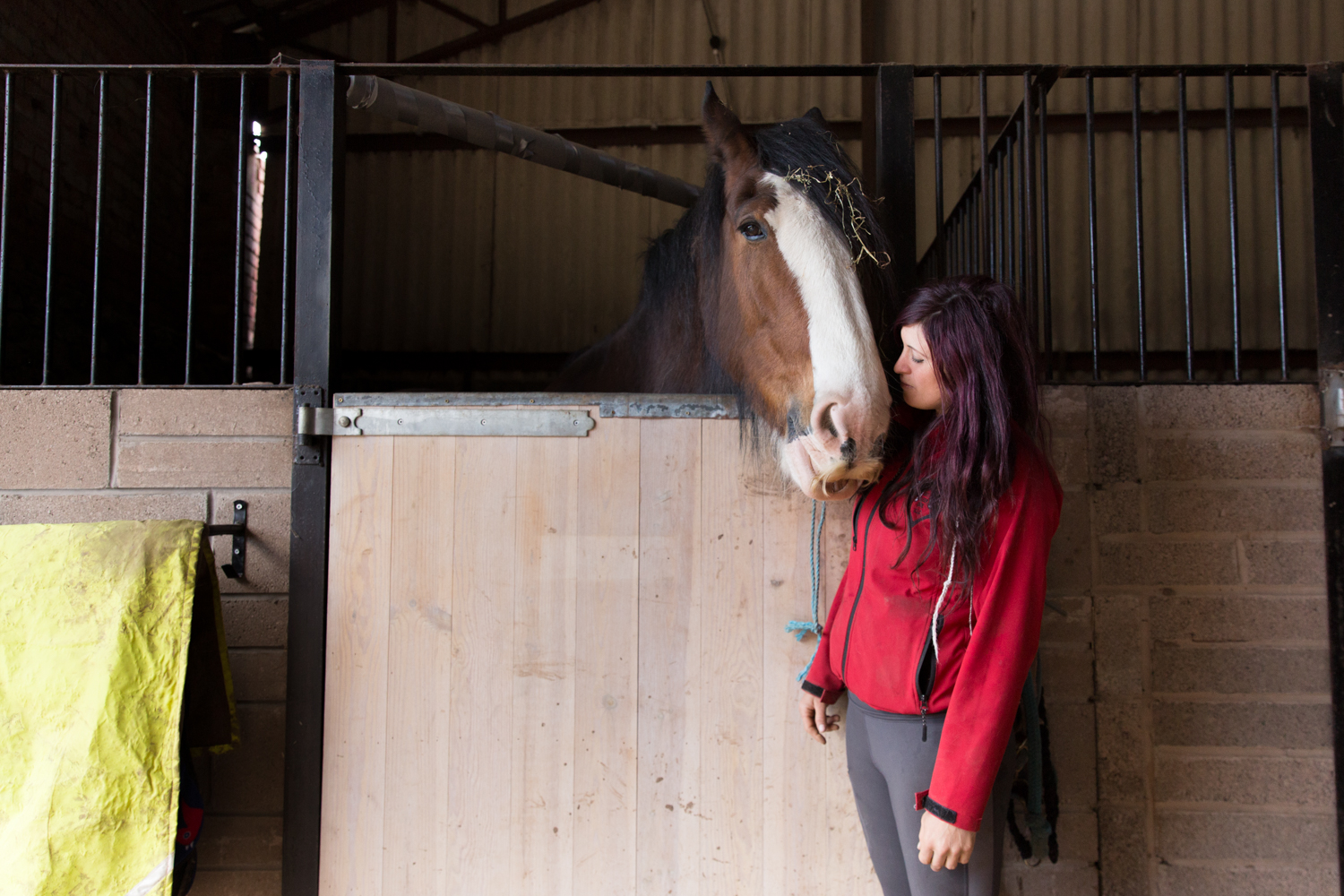
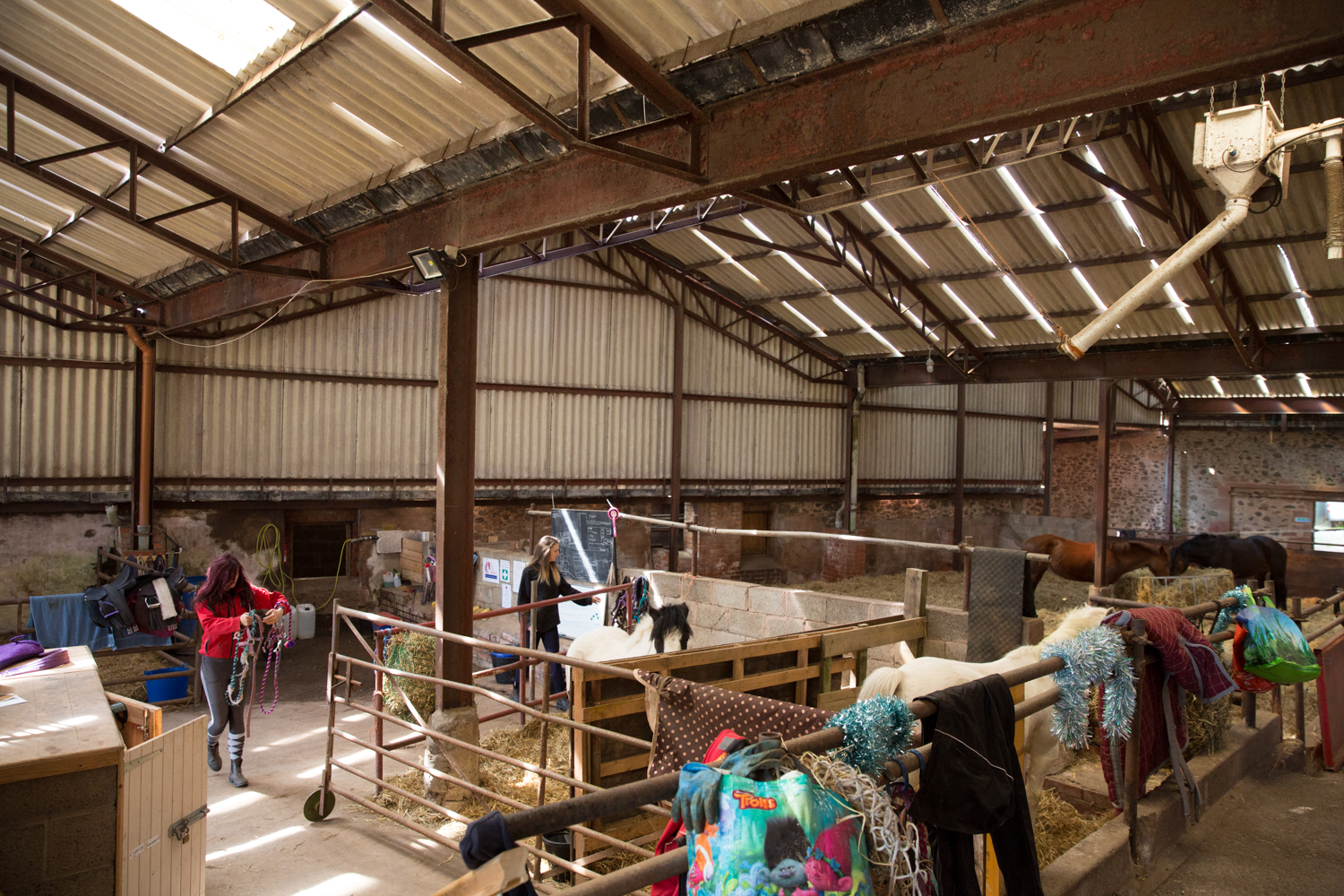
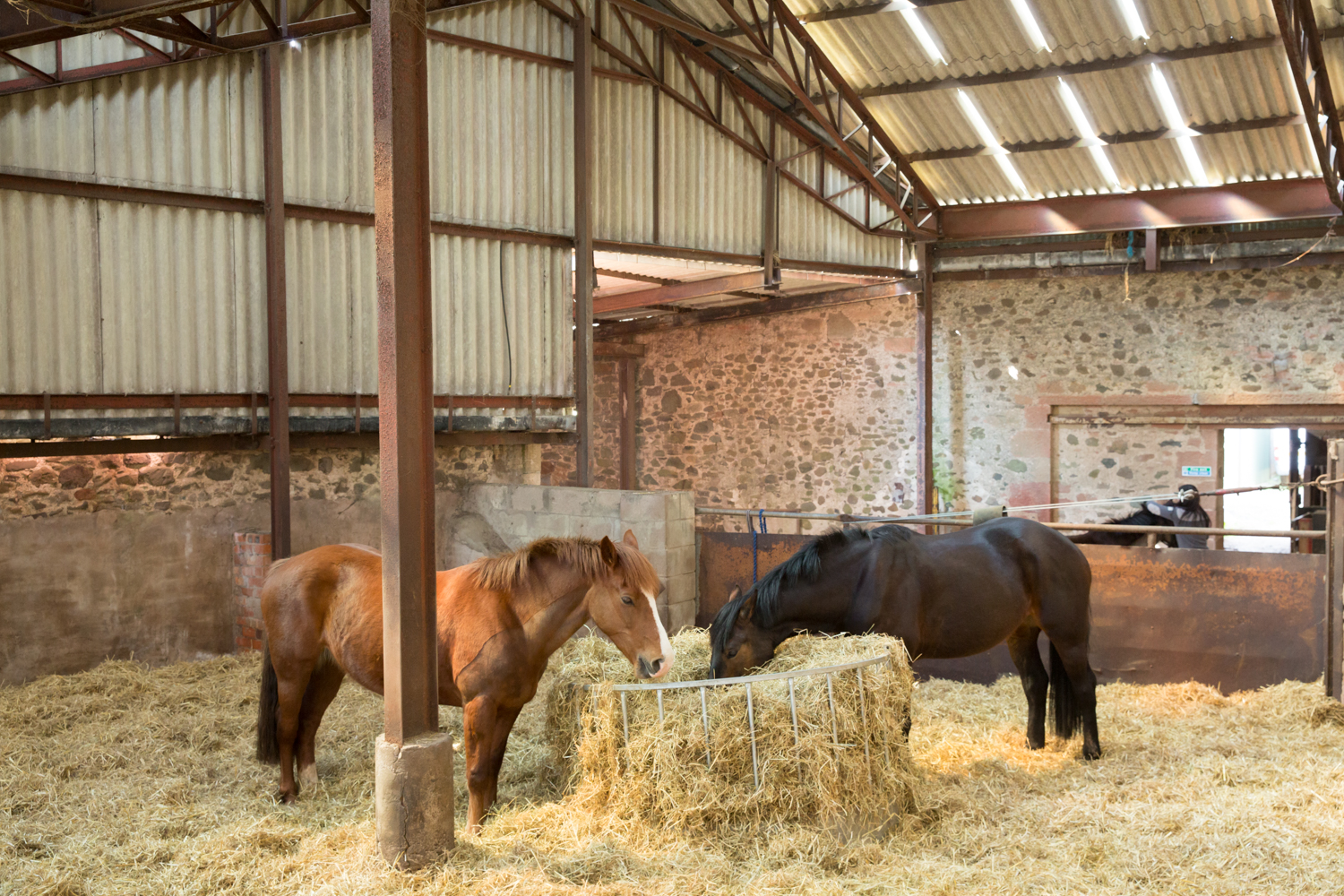
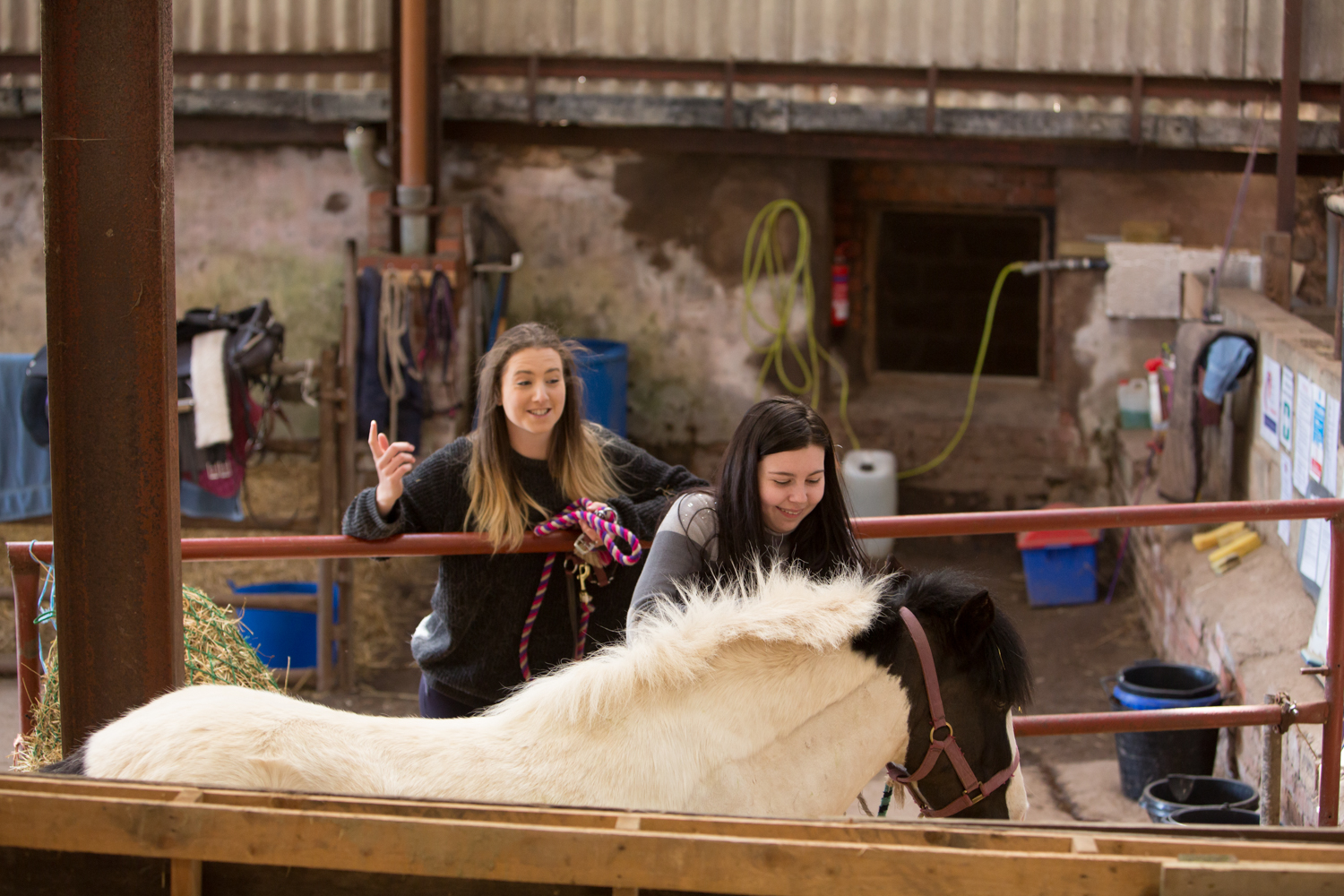
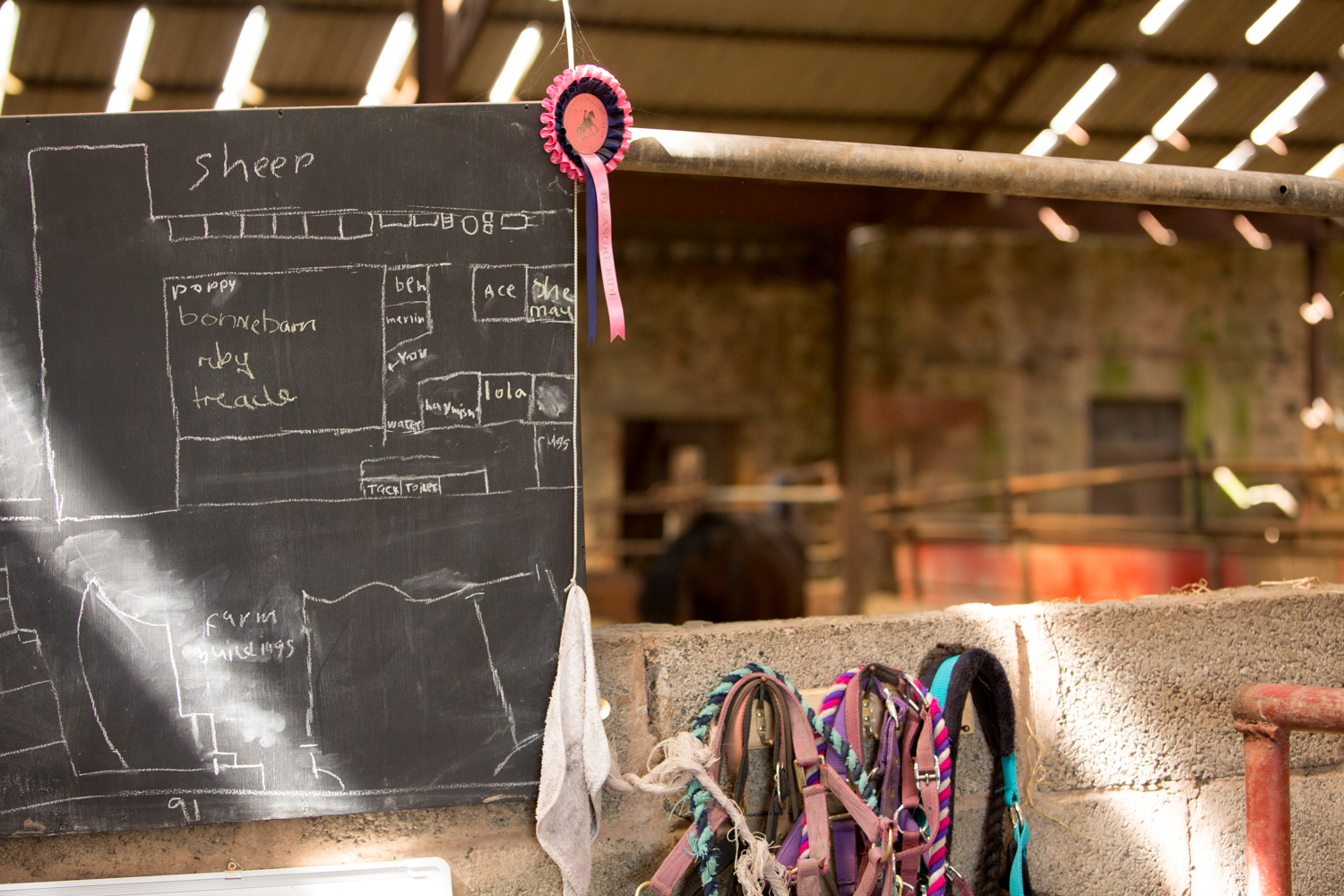
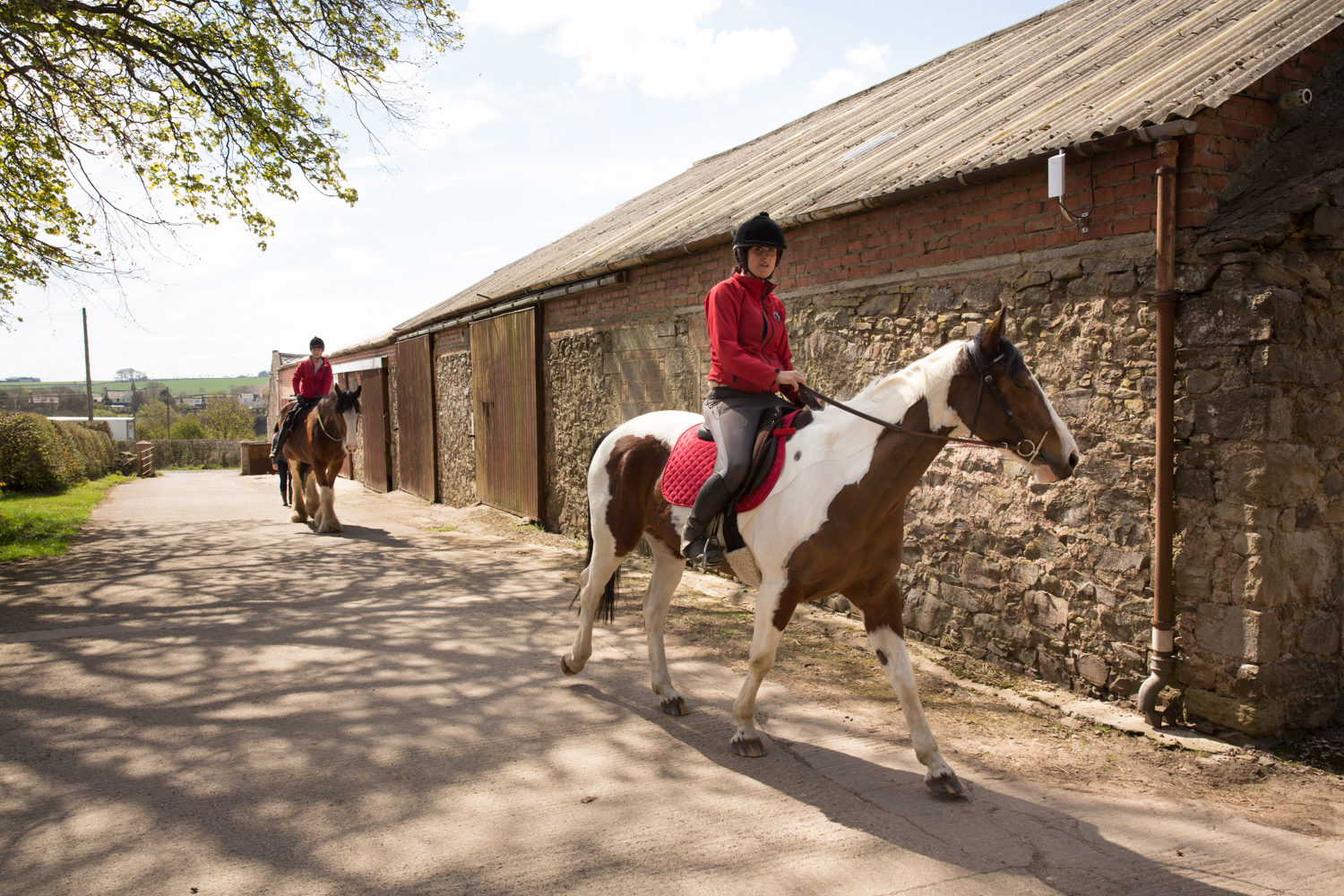
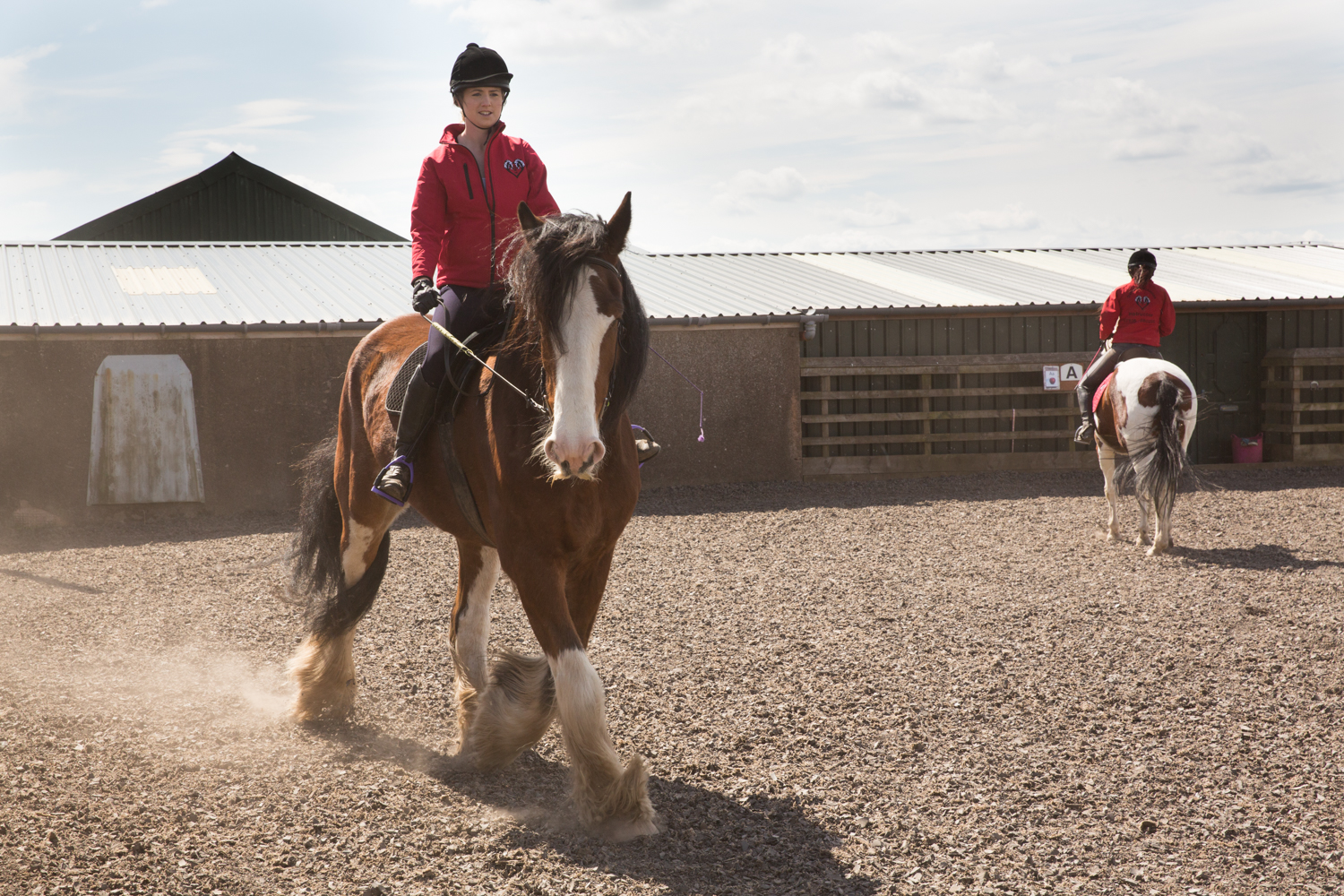
Eat Sleep Ride: Business Gateway, Scottish Borders
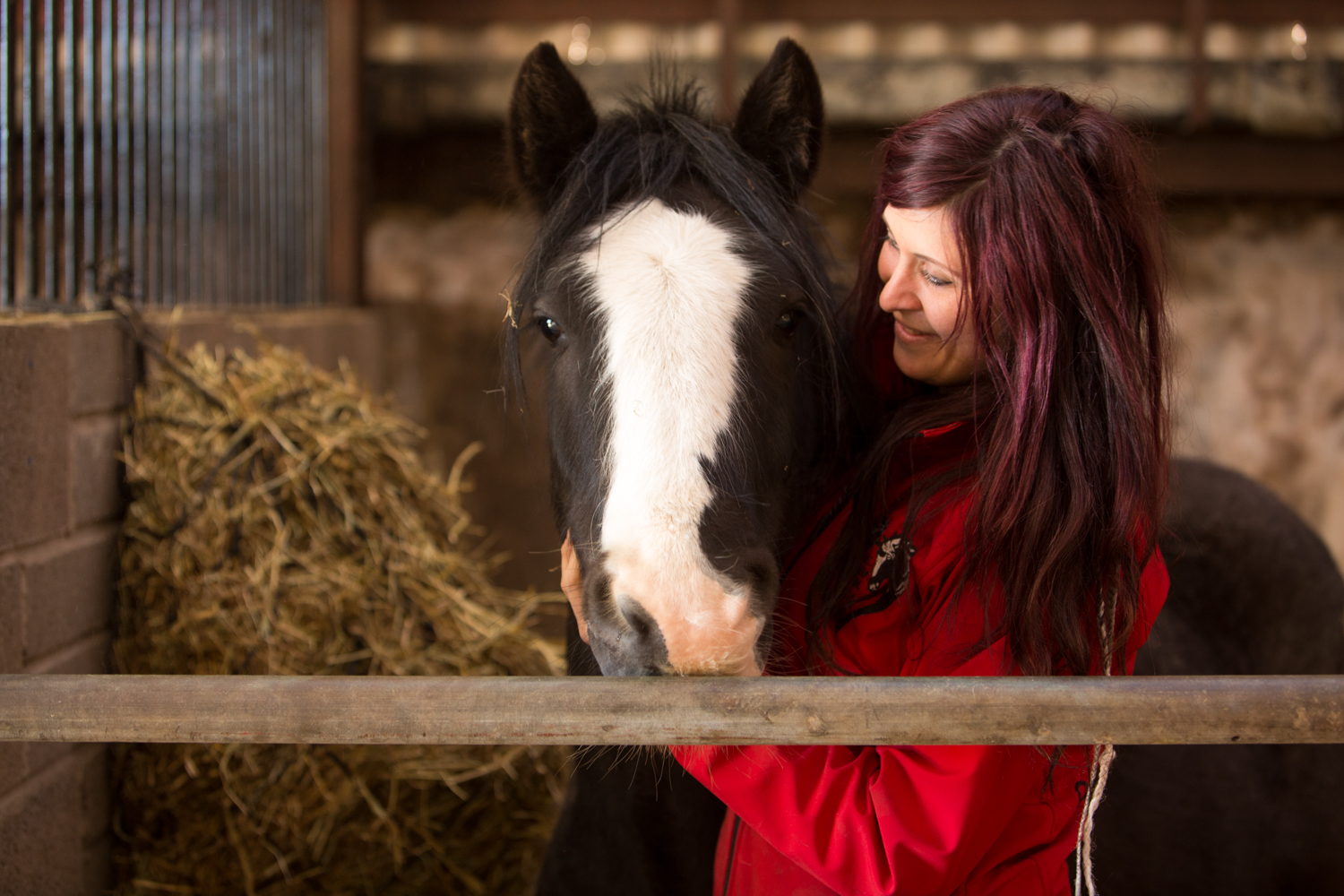
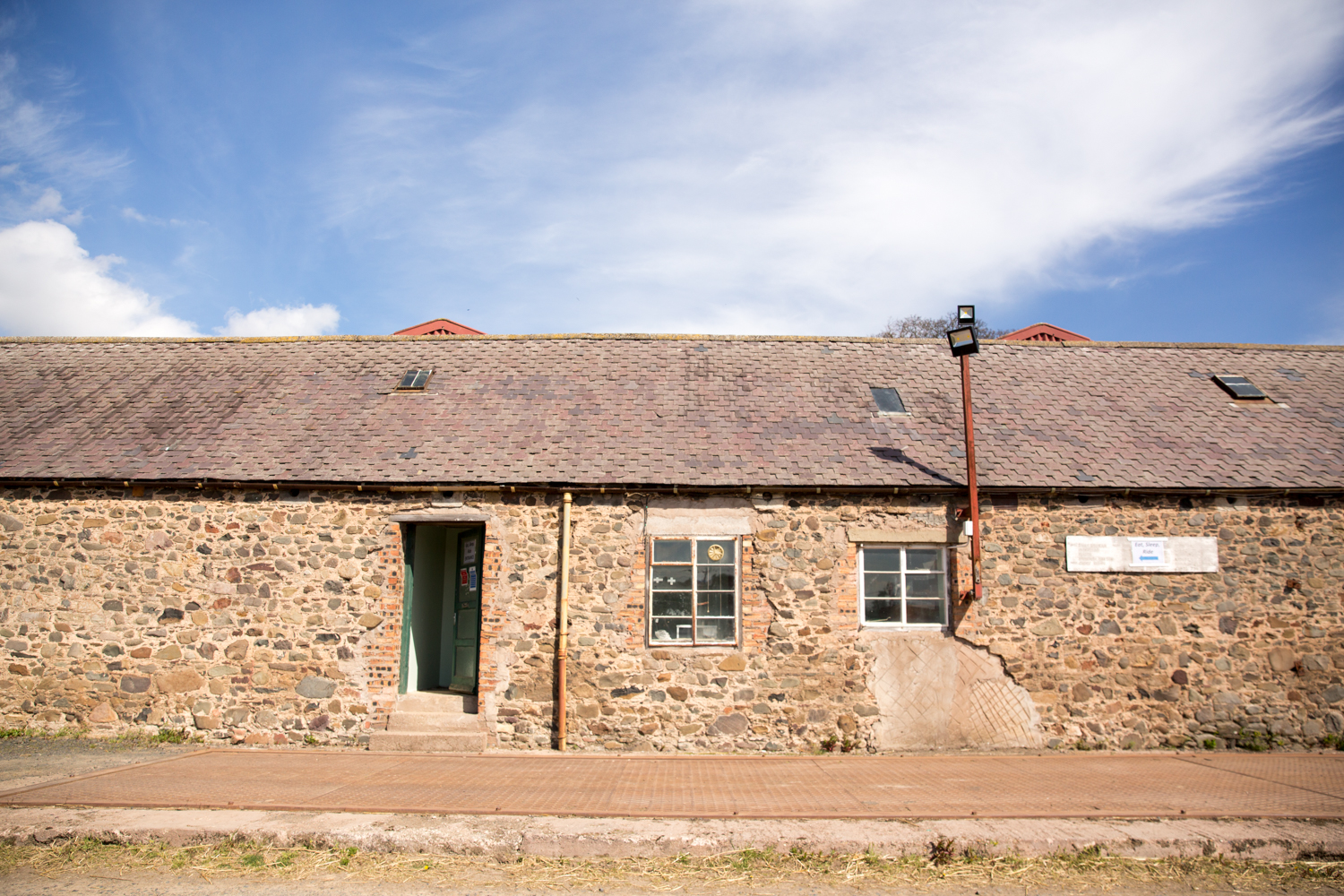
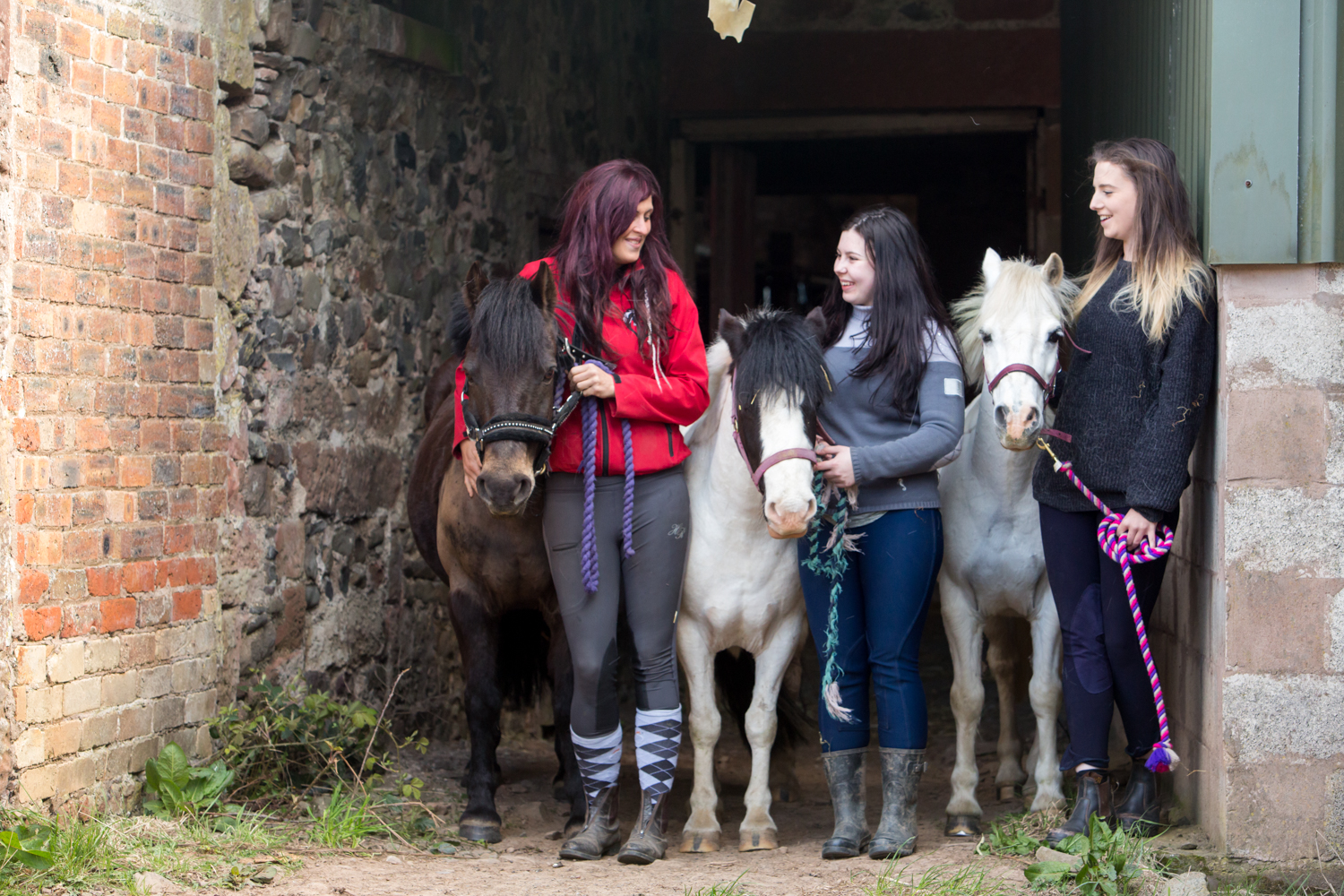
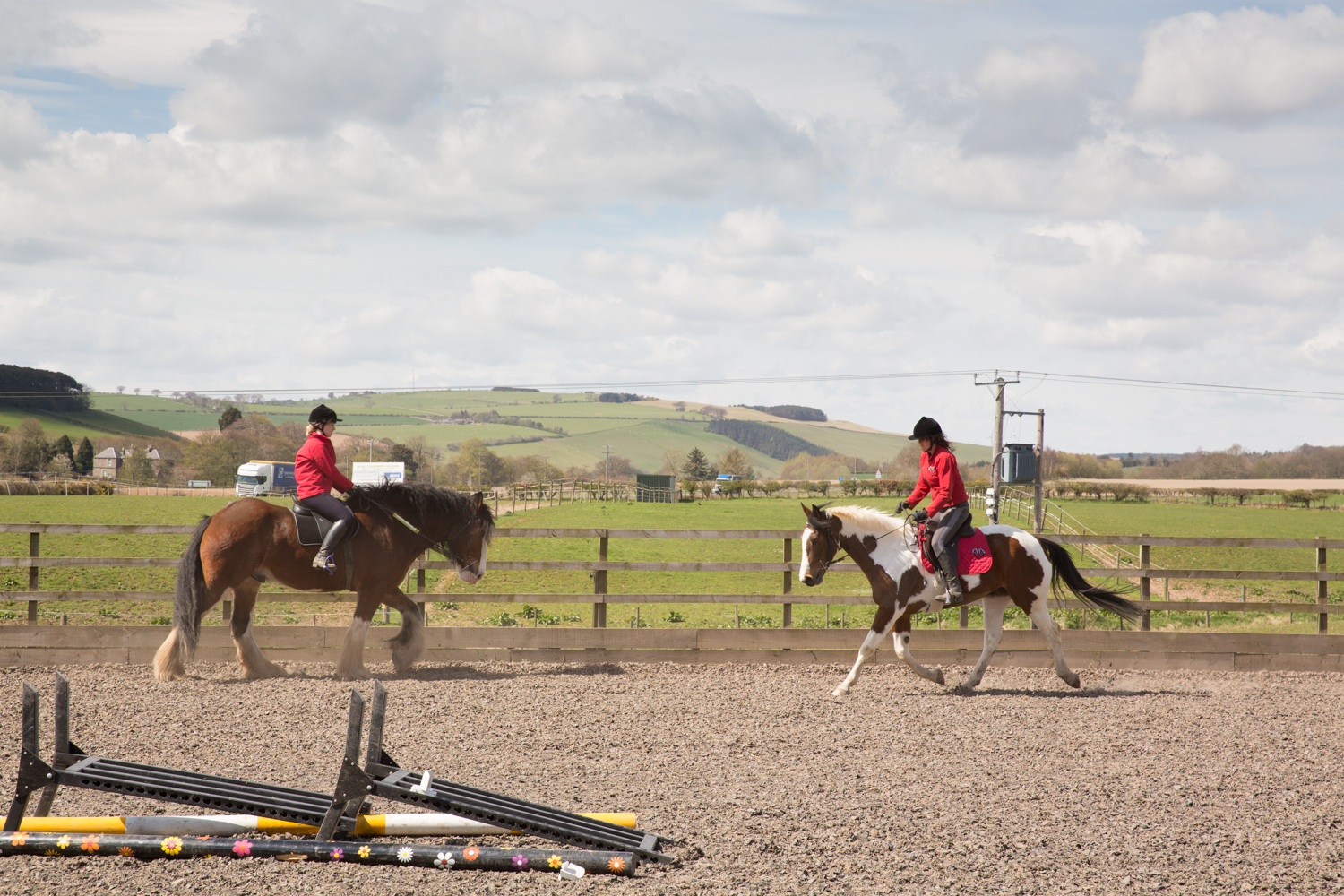
I was asked to provide a range of business profile shots of Eat Sleep Ride for Business Gateway to use across various media in print and online.
Eat Sleep Ride is a social enterprise run by Danielle McKinnon who takes in problem horses for backing, schooling, and retraining.
Business Gateway helped Danielle secure grant funding from Social Investment Scotland which will help her to continue to provide educational, therapeutic and community engagement initiatives that are free or affordable to disadvantaged children, families, and individuals from a largely rural community.
Specialist Car and Campervan Rental Website Photography at Wedderburn Castle
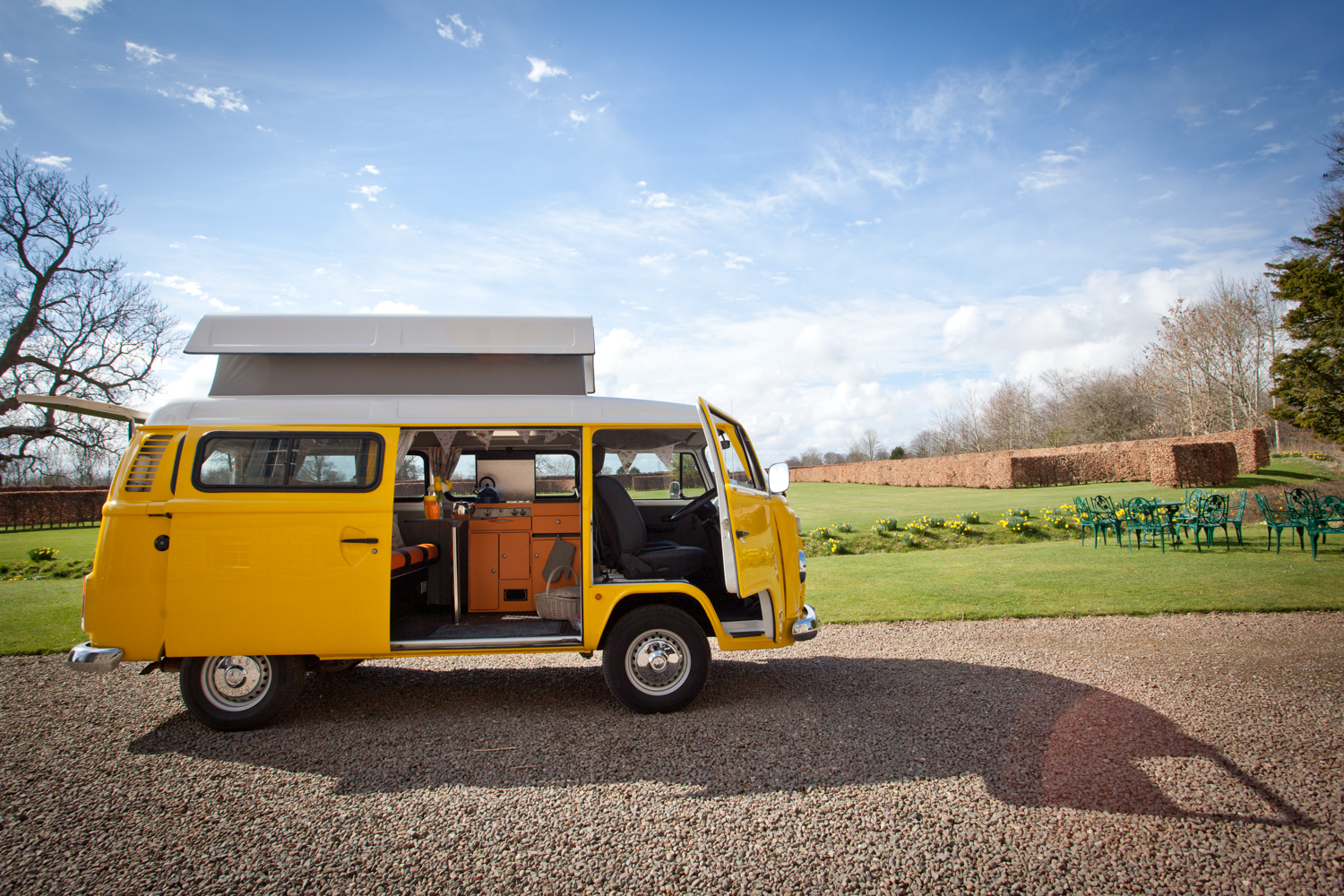
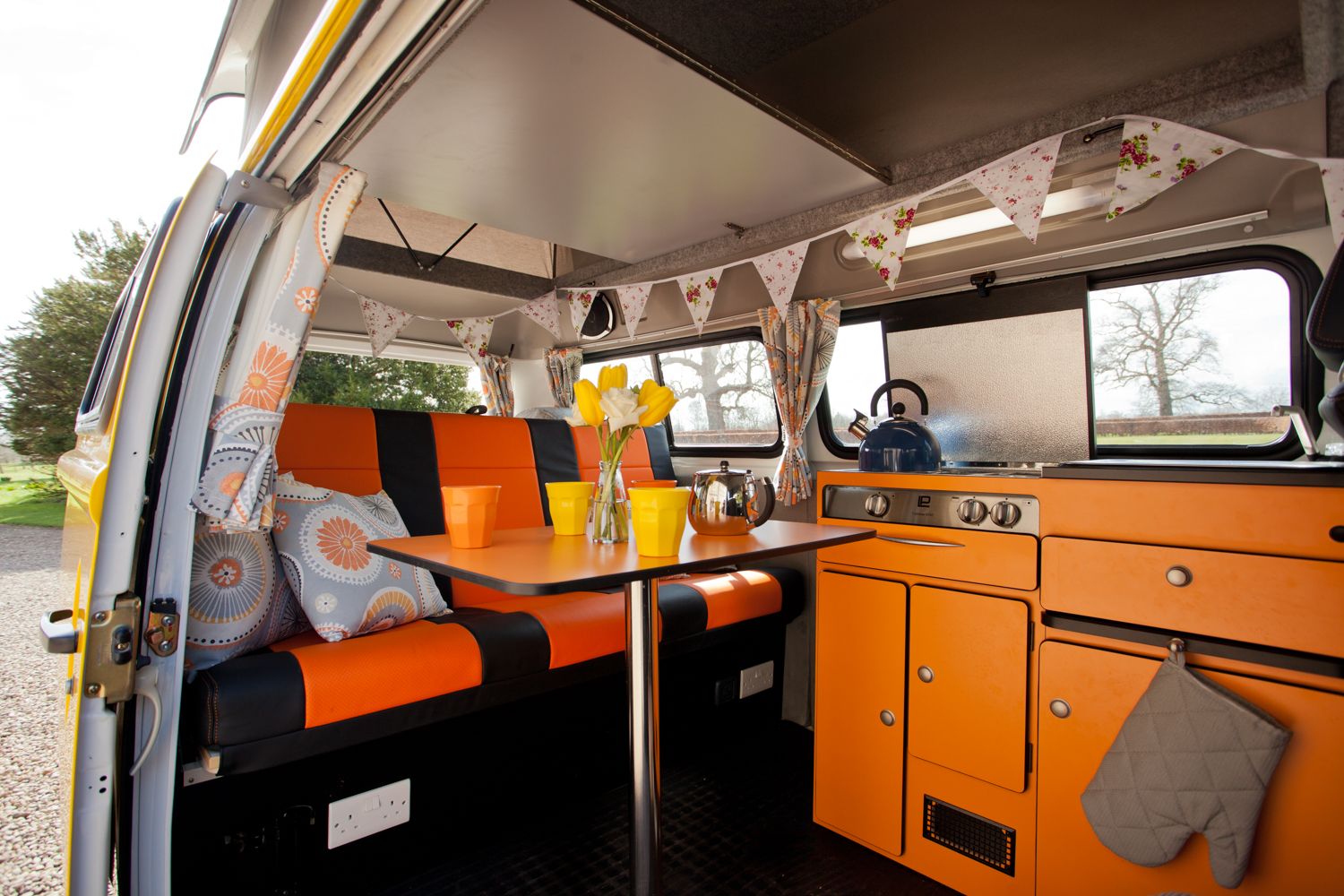
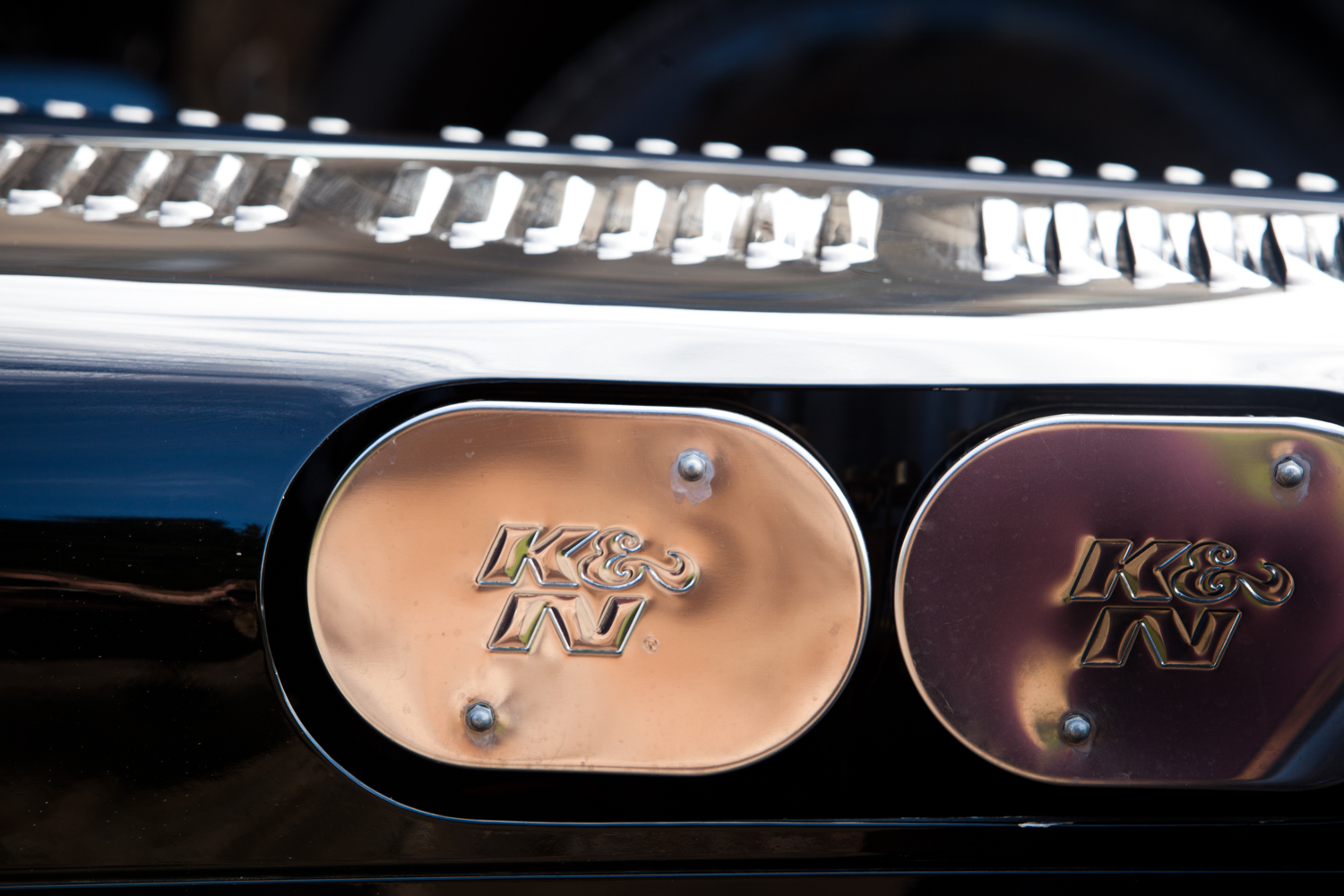
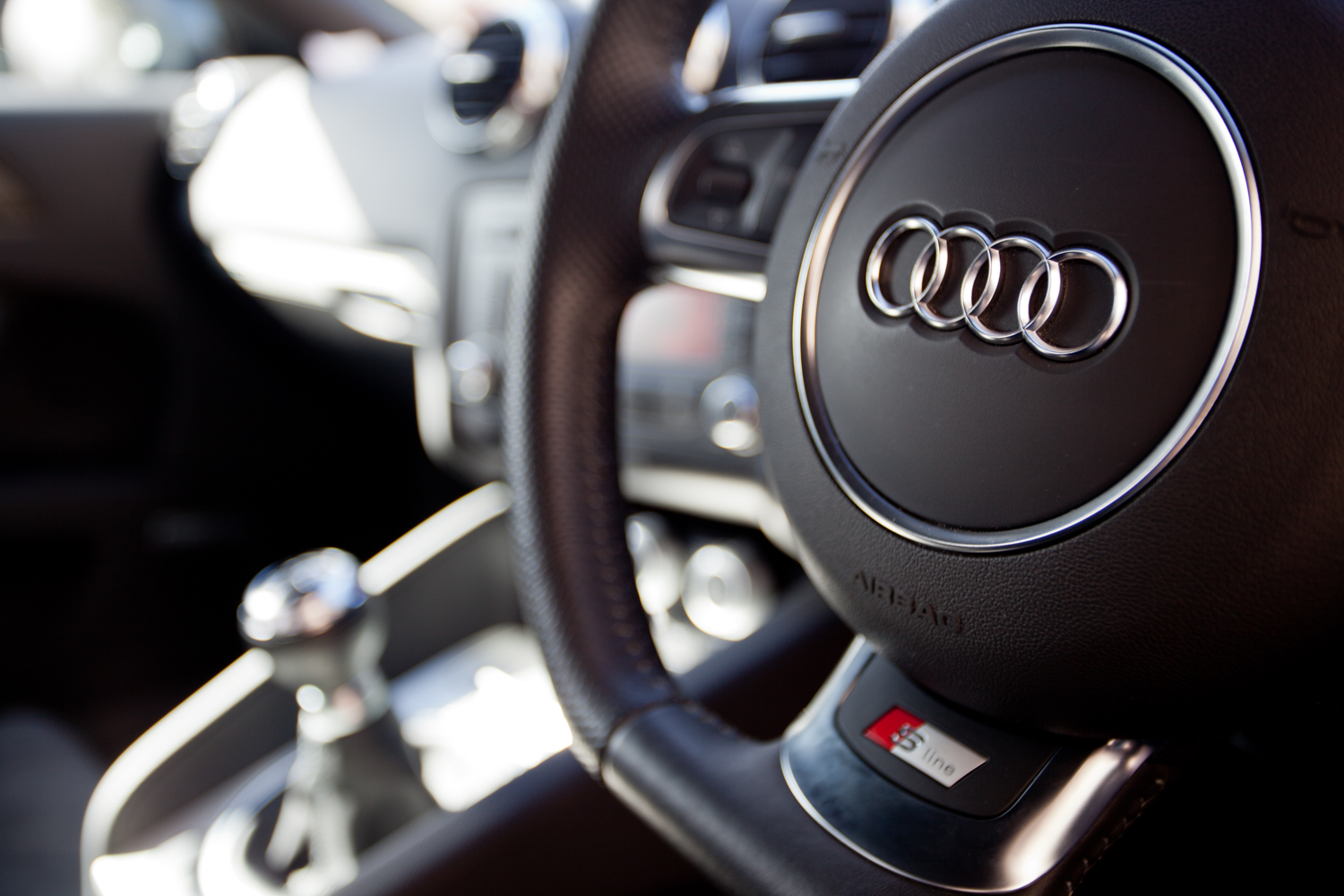
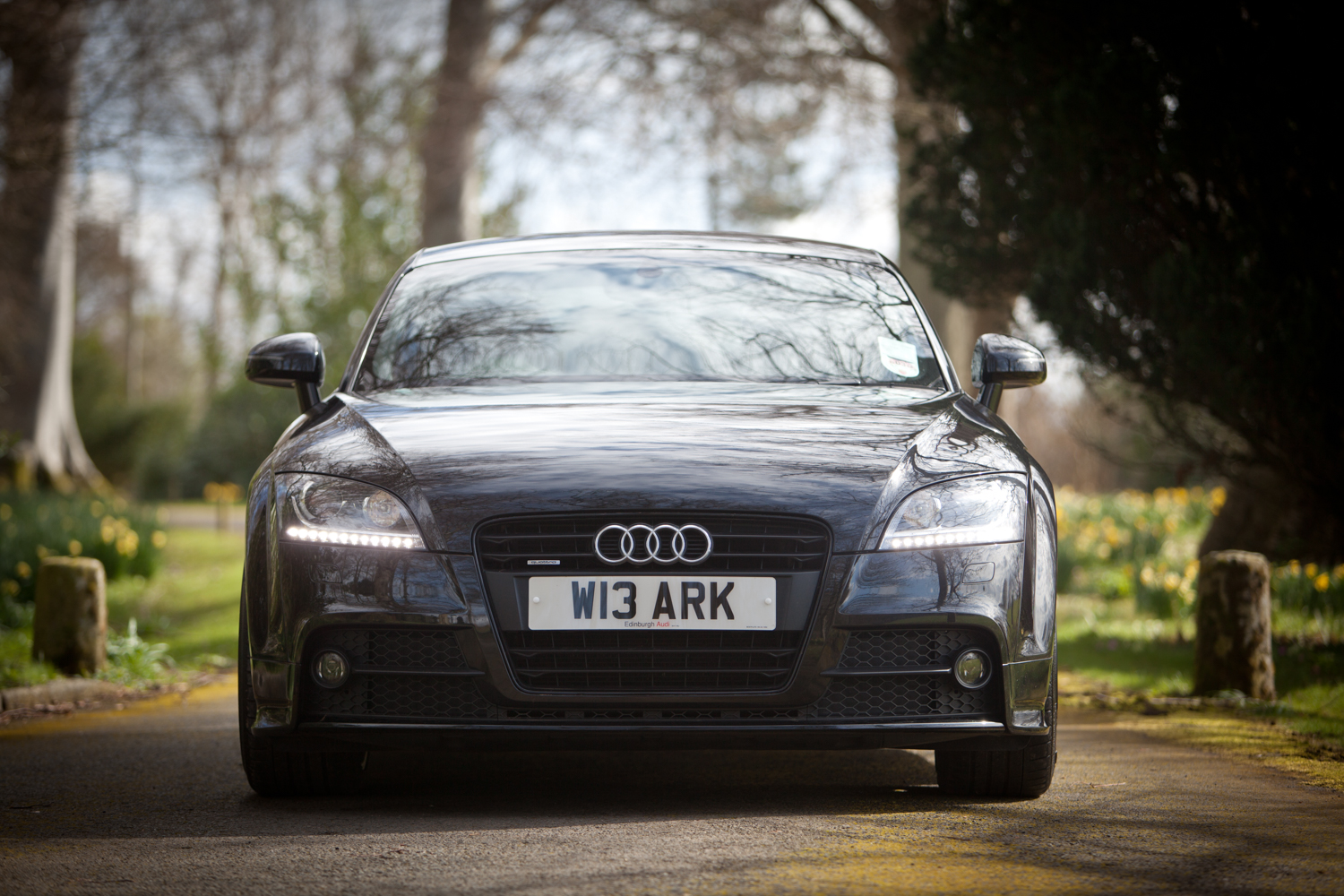
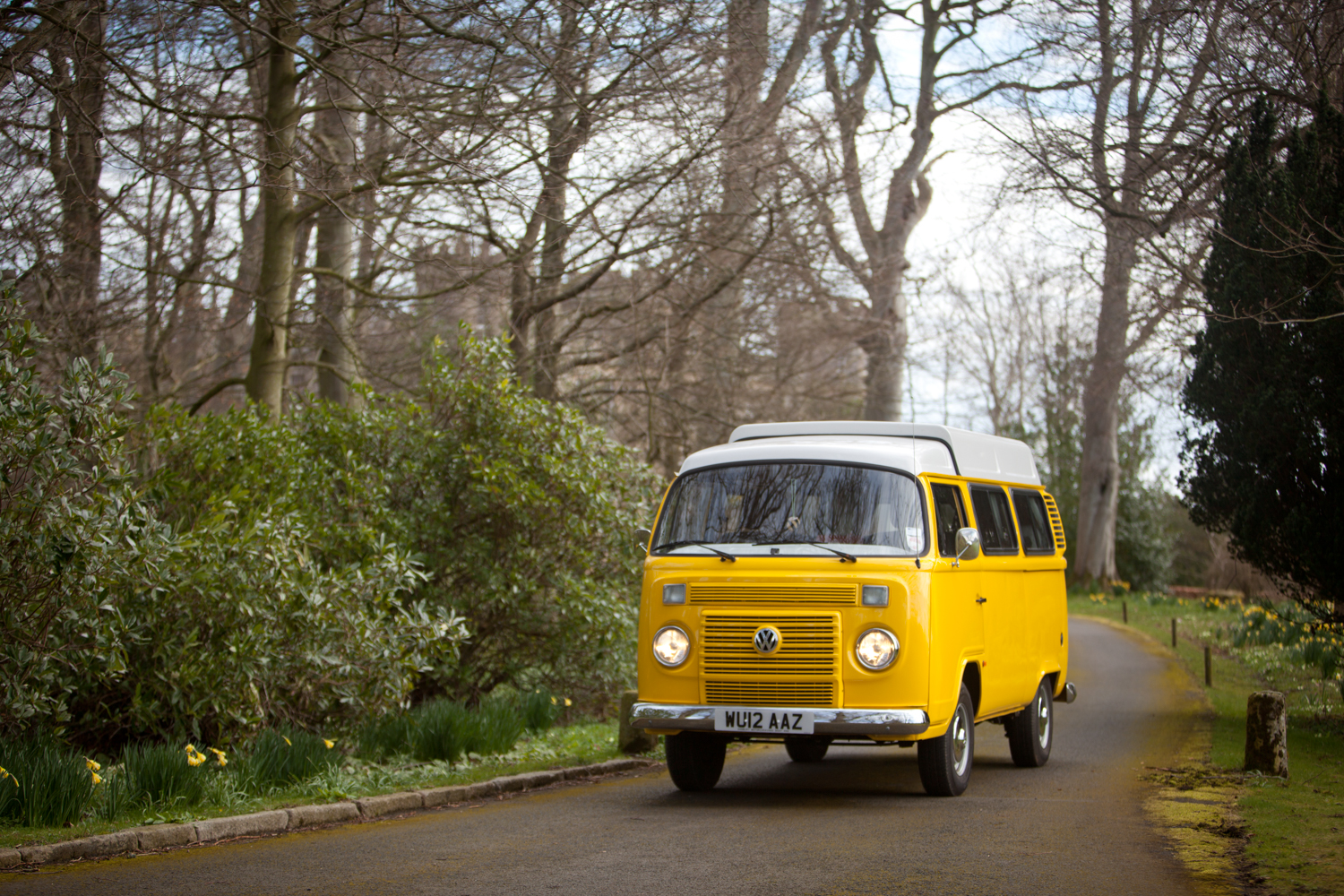
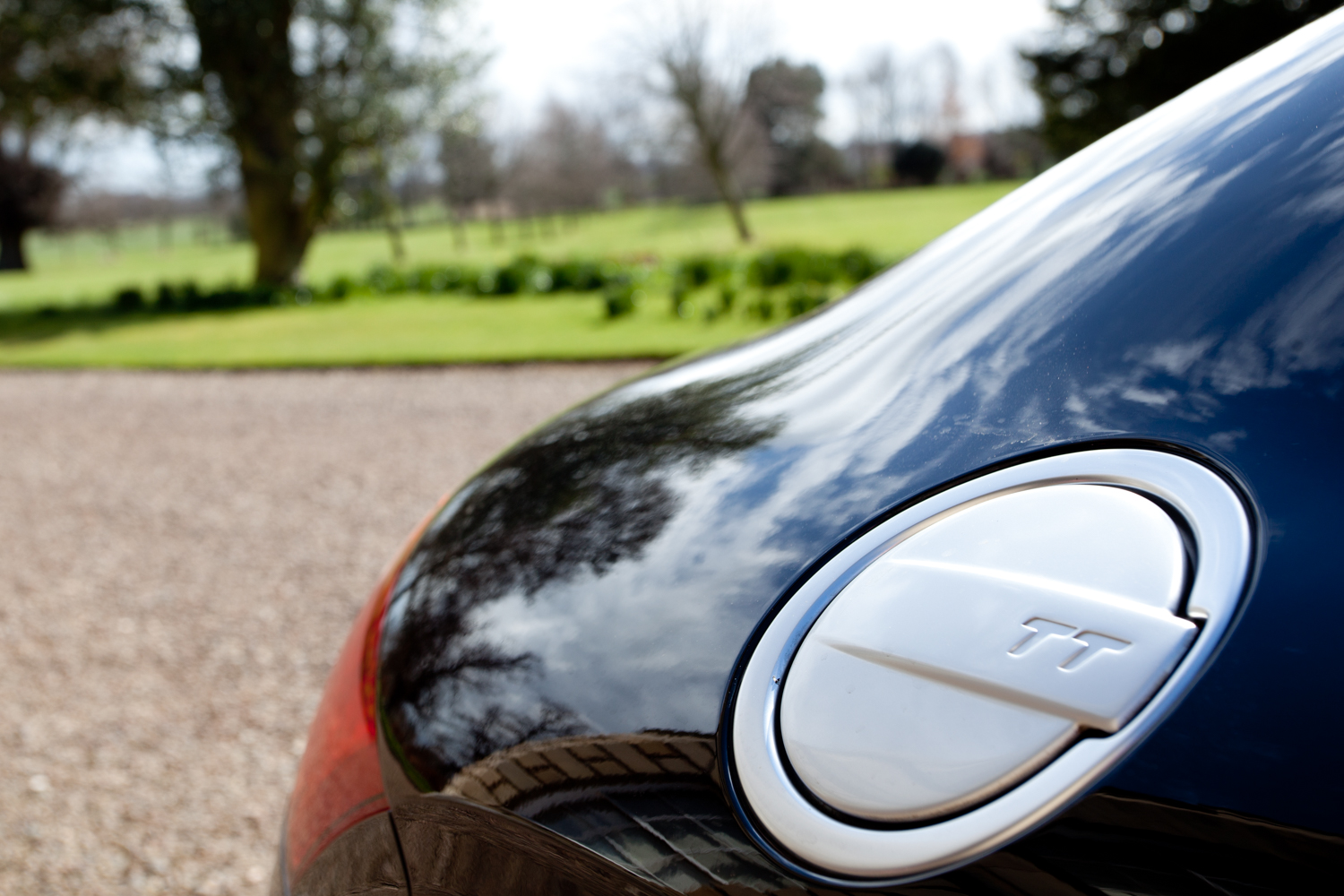
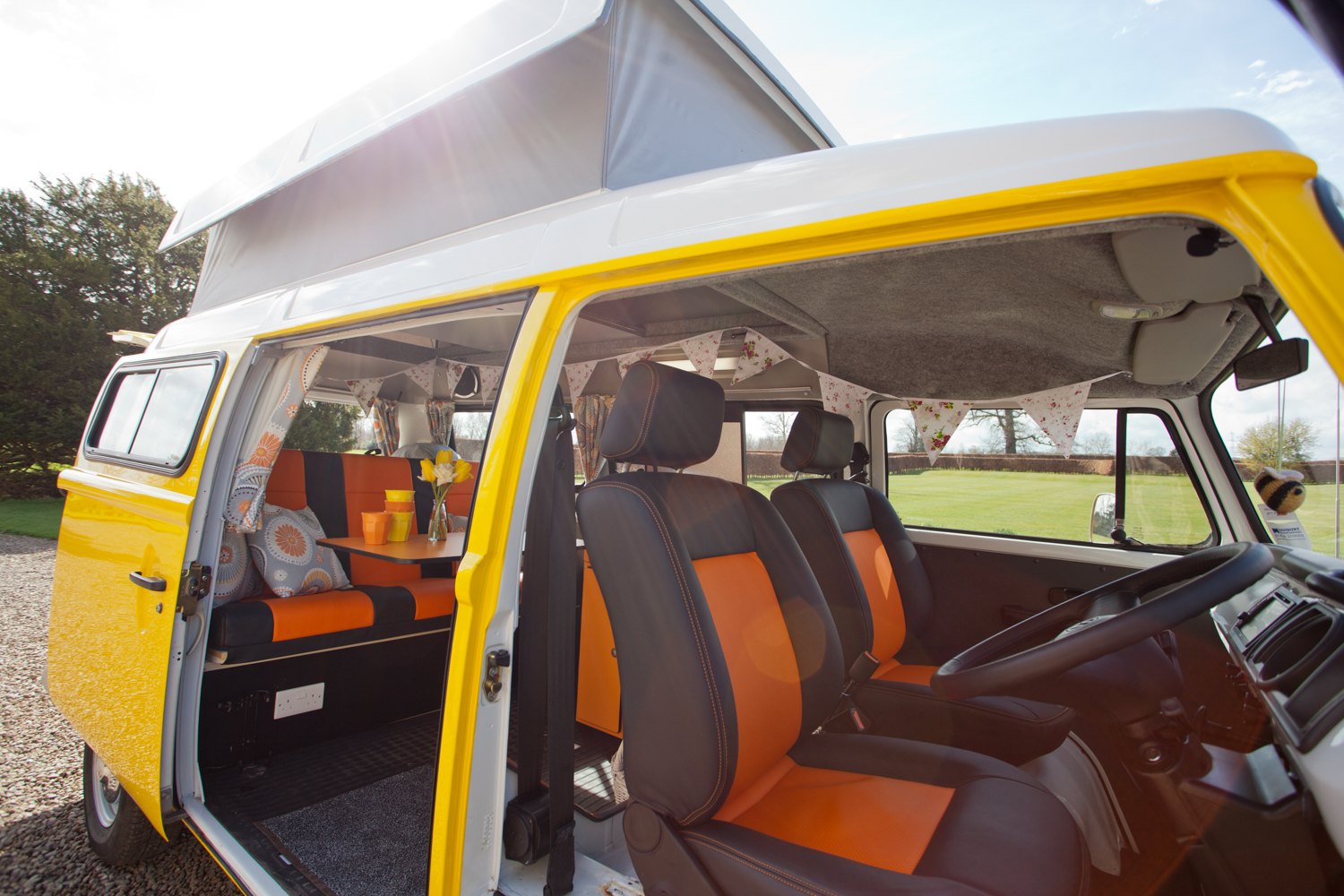
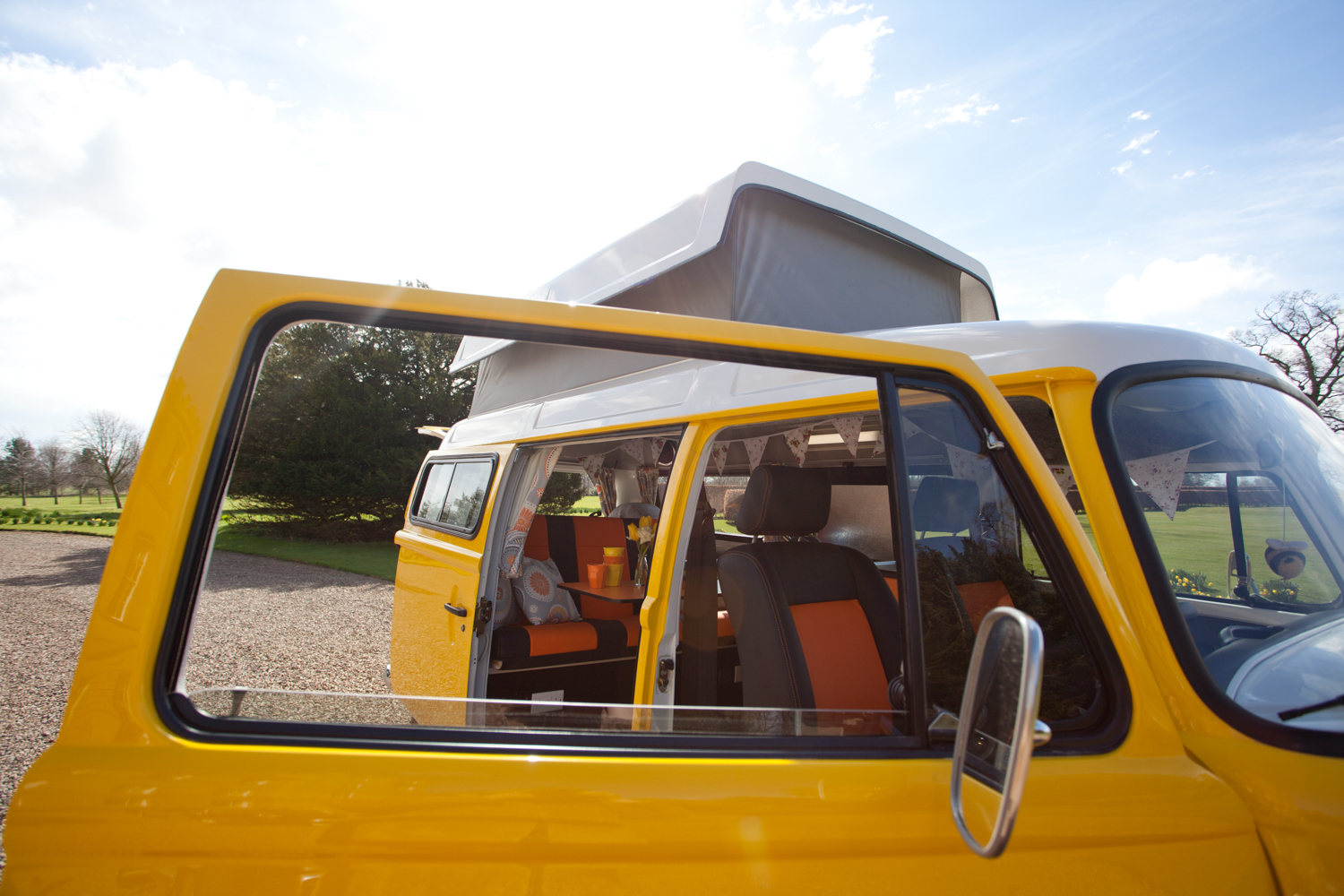
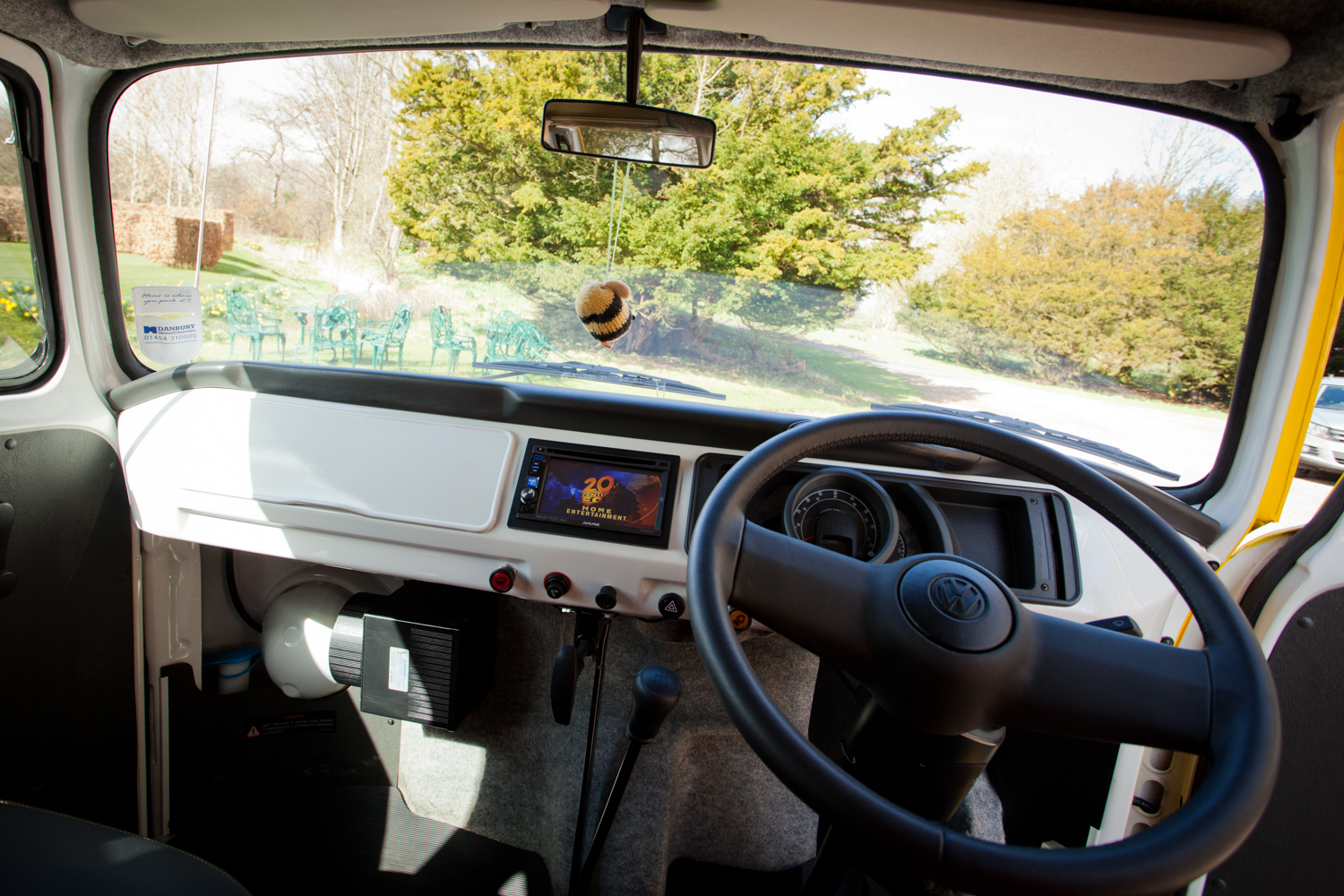
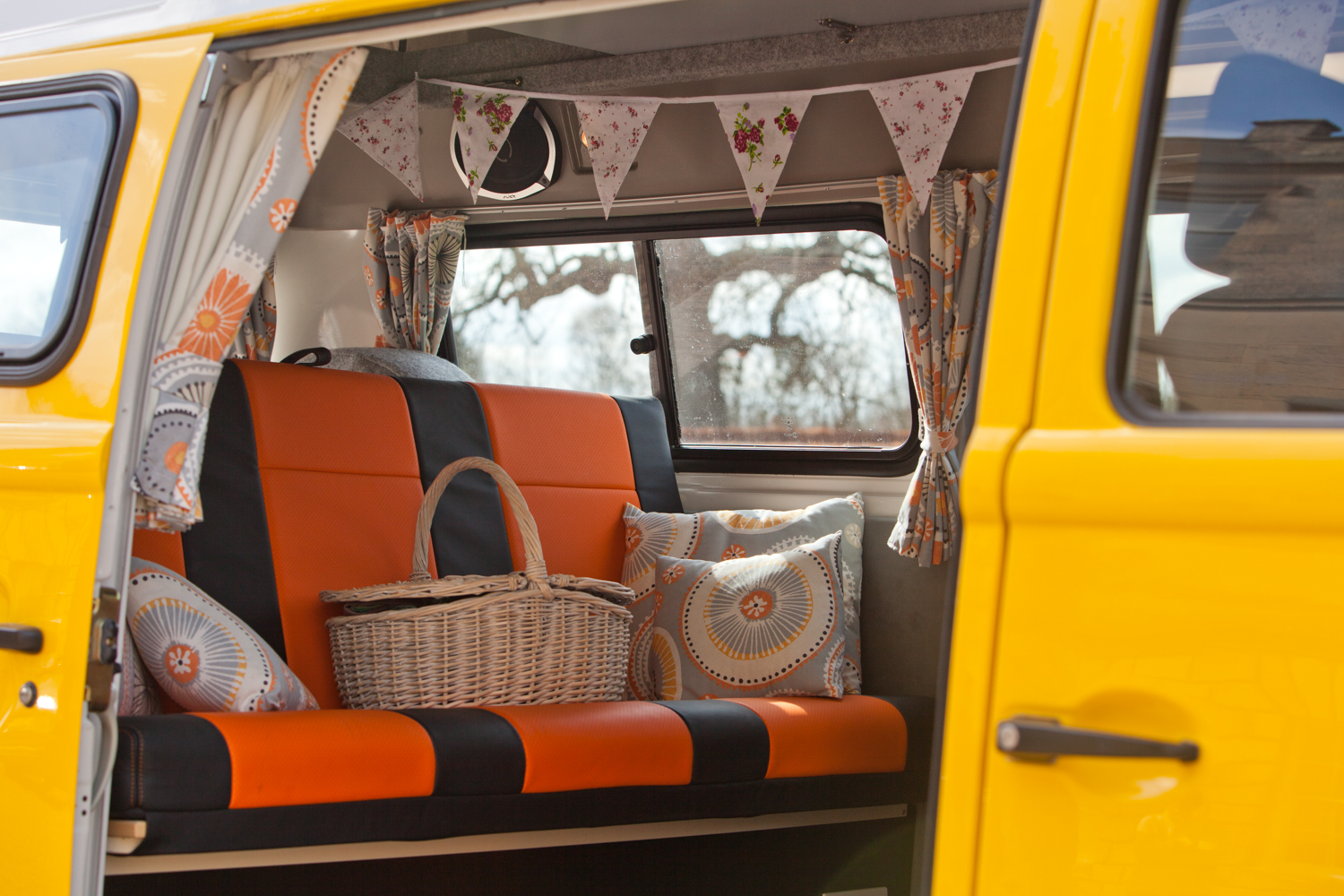
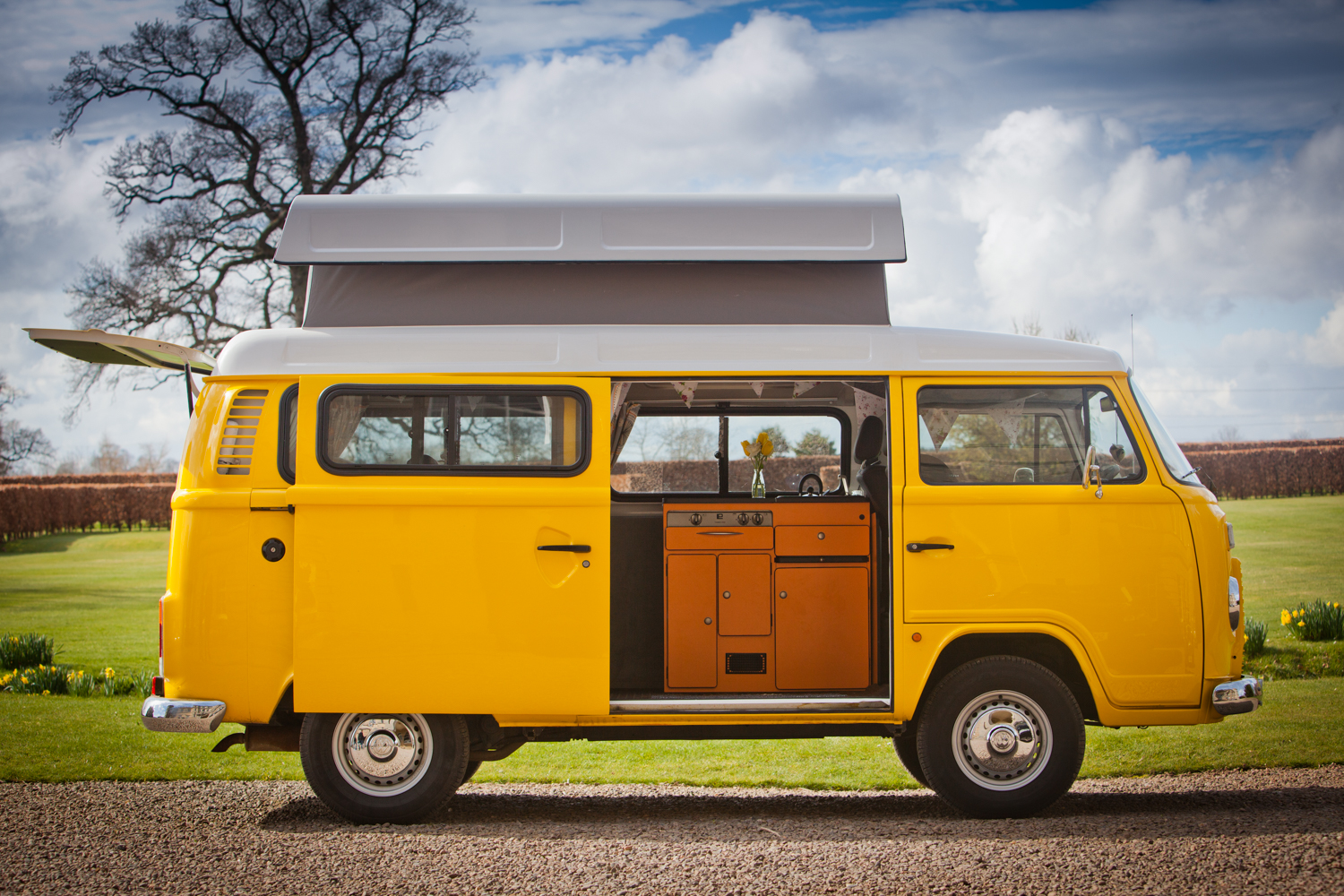
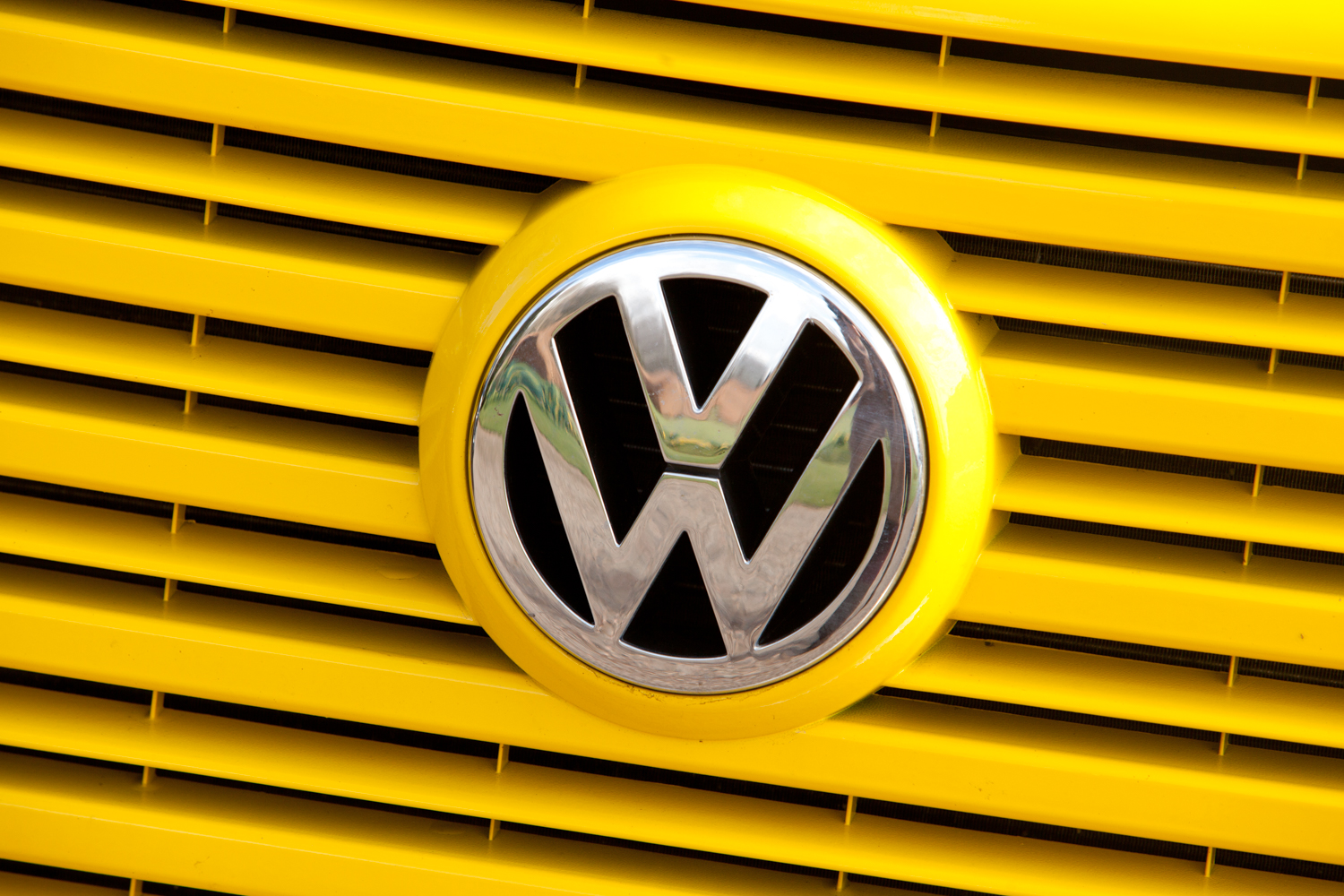
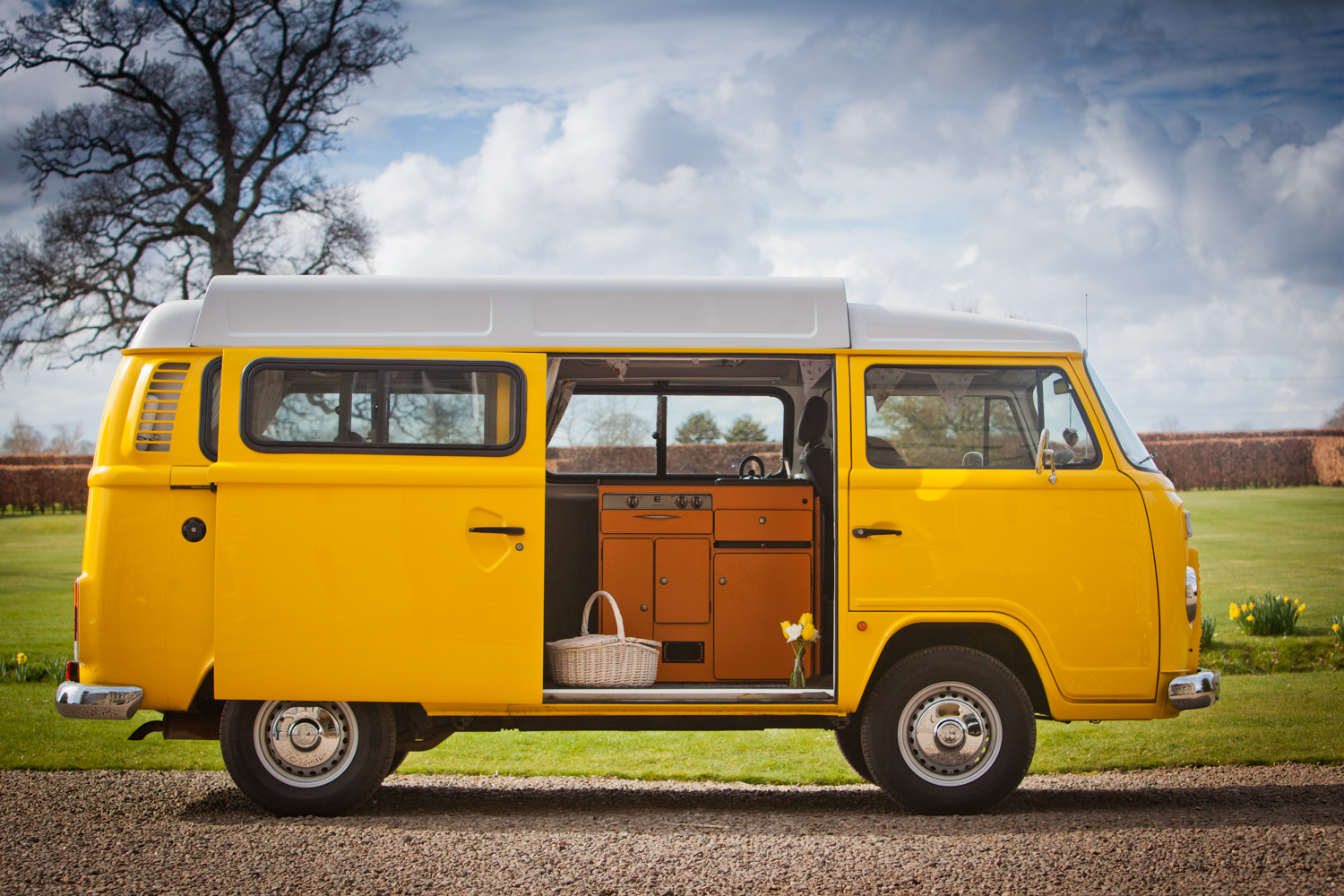
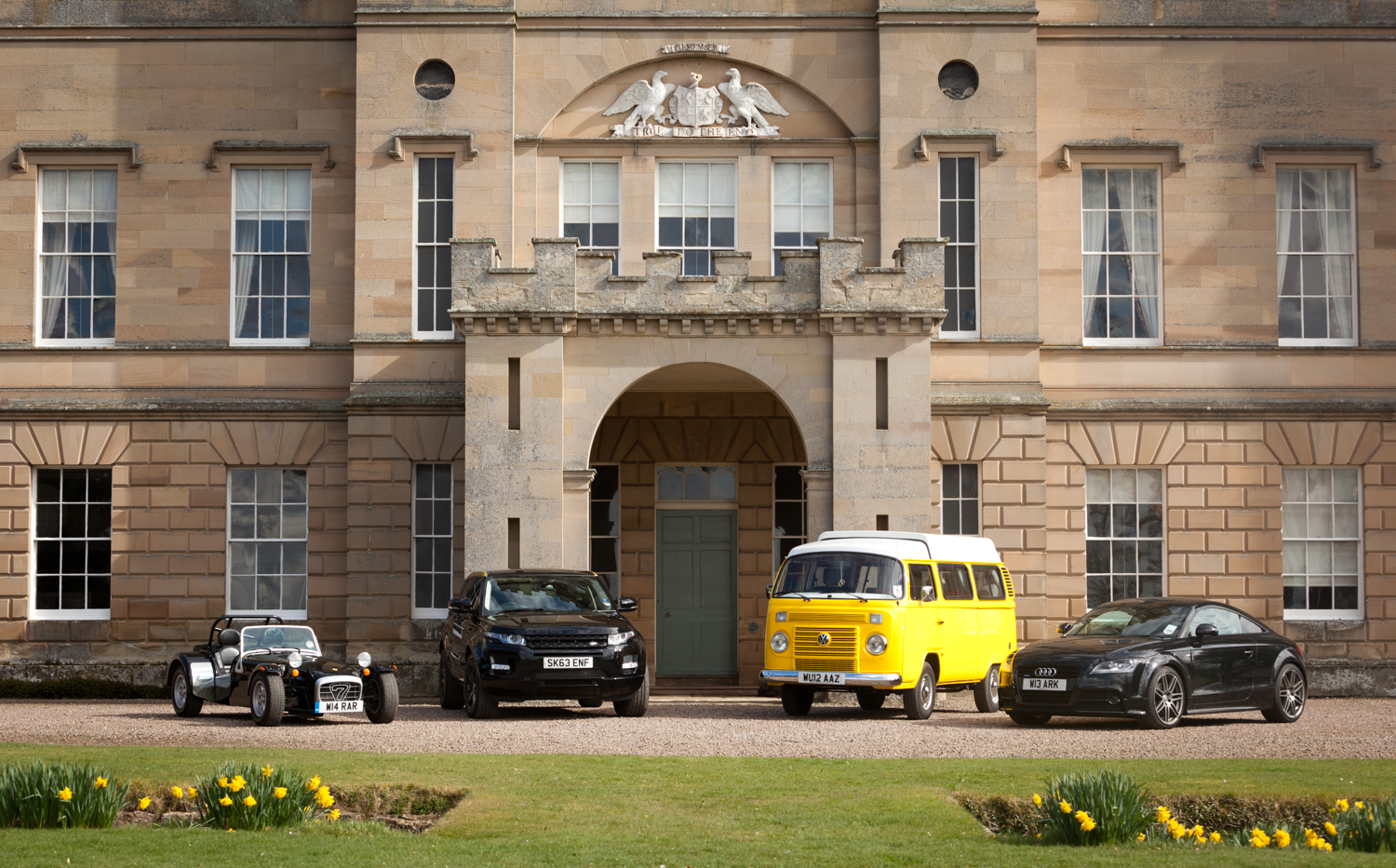
I've been allowed to drive some superb cars in the name of photography. Just look at this VW Bumblebee Camper Van; it’s my favourite, and you can even watch movies on the dashboard!
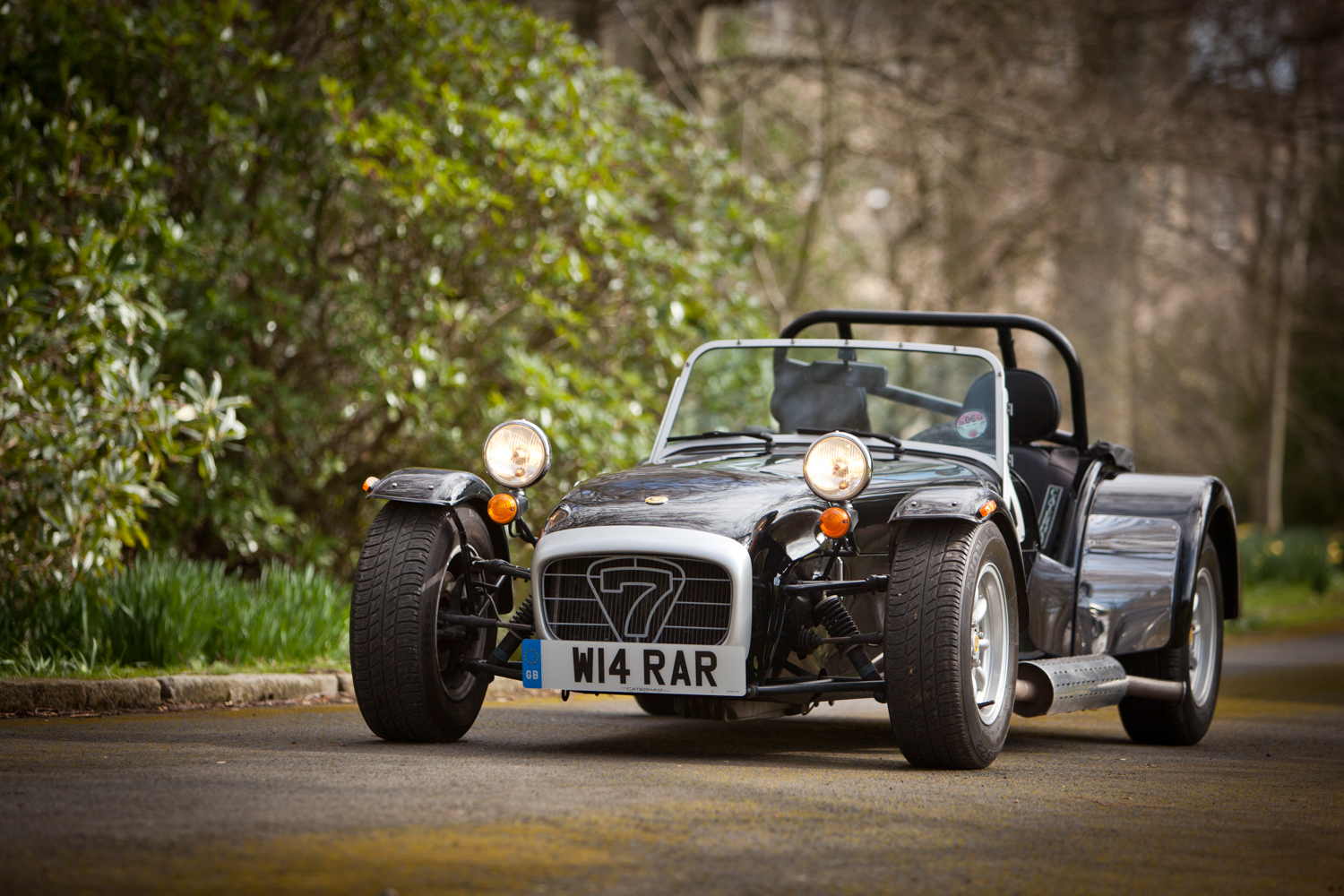
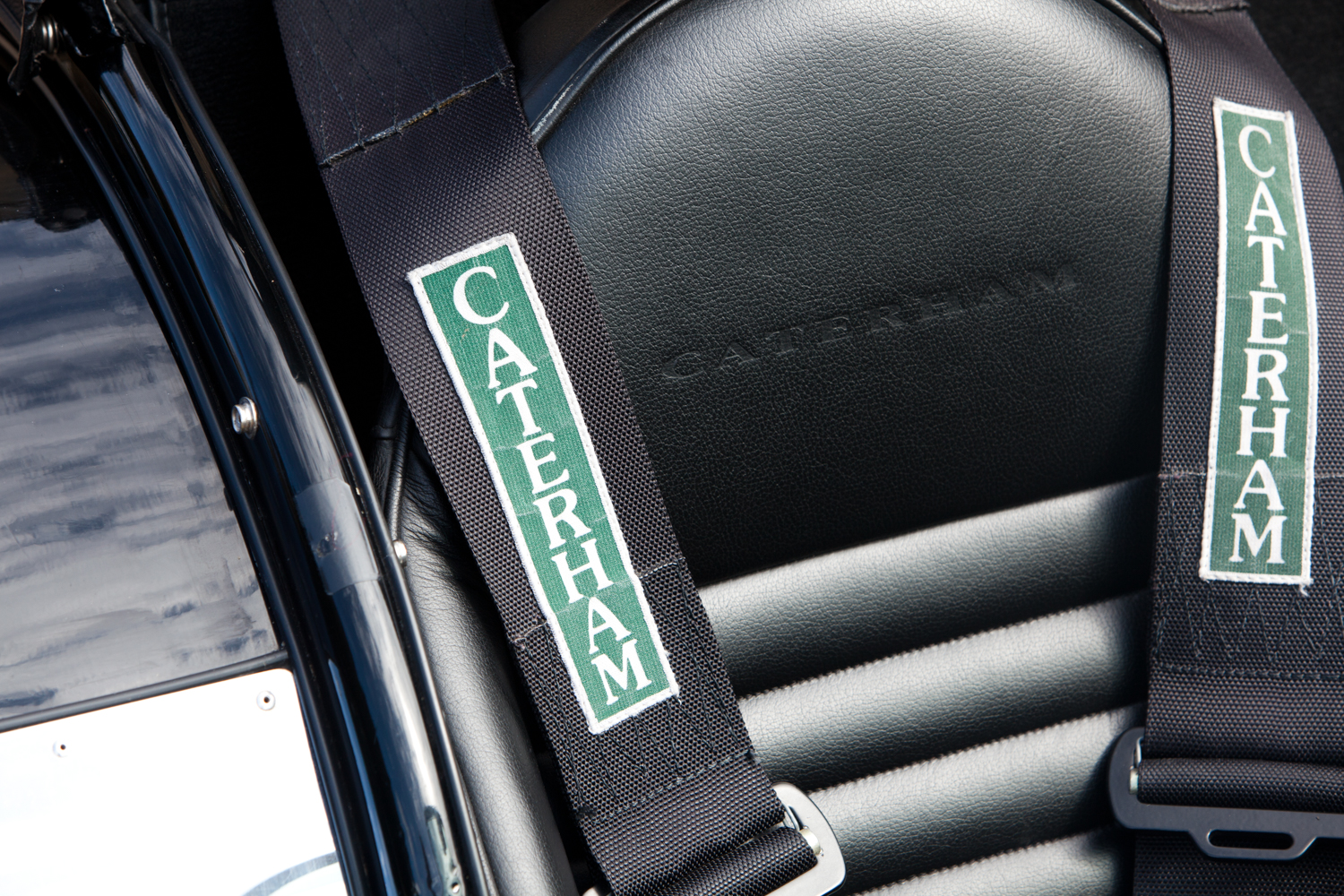
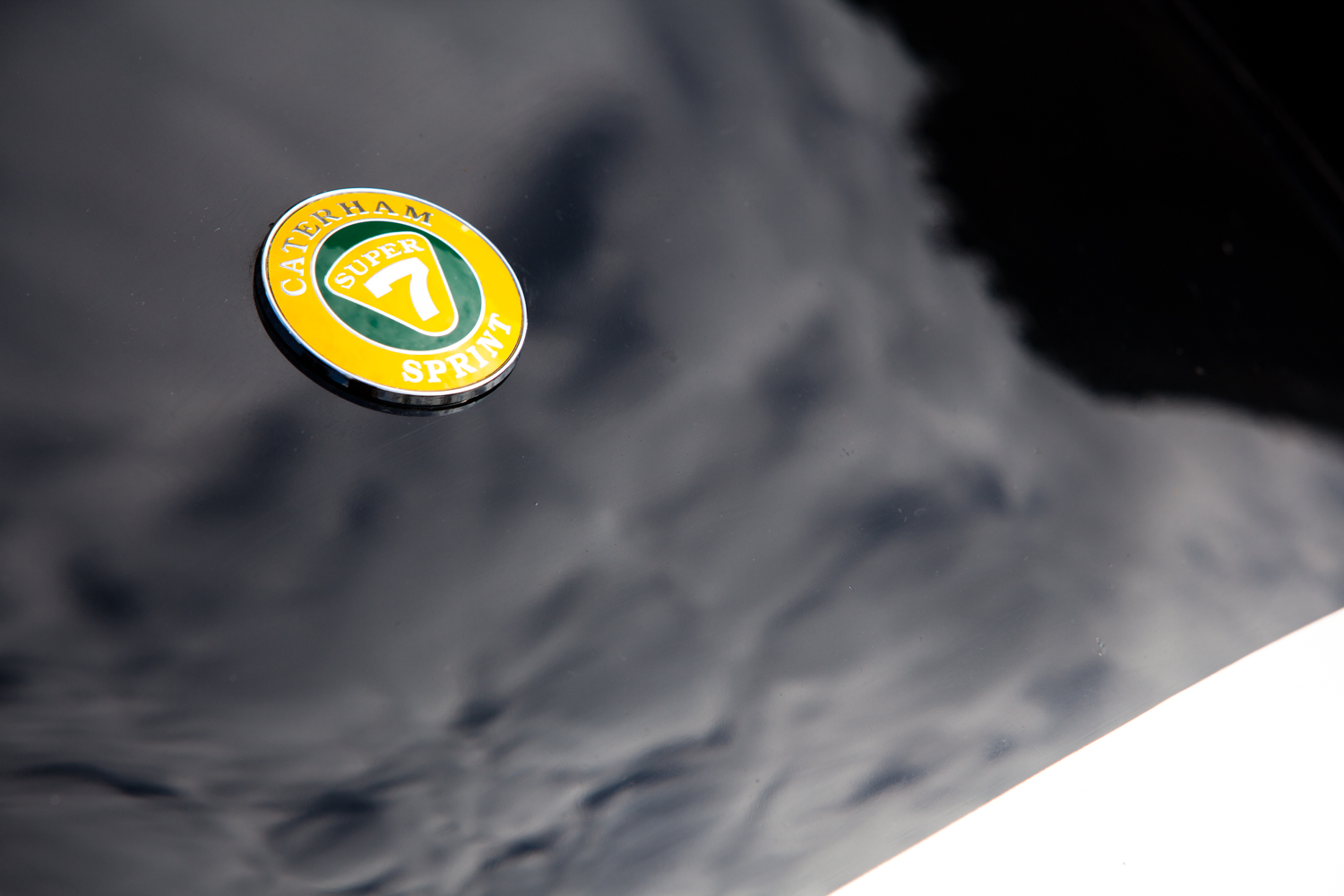
Car photography is not my usual line of work but this job was a real joy. The owners of Arkvendor Specialist Car Hire have some stunning vehicles to hire and wanted to showcase some on their website. Our friends at Wedderburn Castle allowed us the use of their grounds for this photo shoot which makes it extra special. It’s a real cross-border collaboration.
Written by Sarah
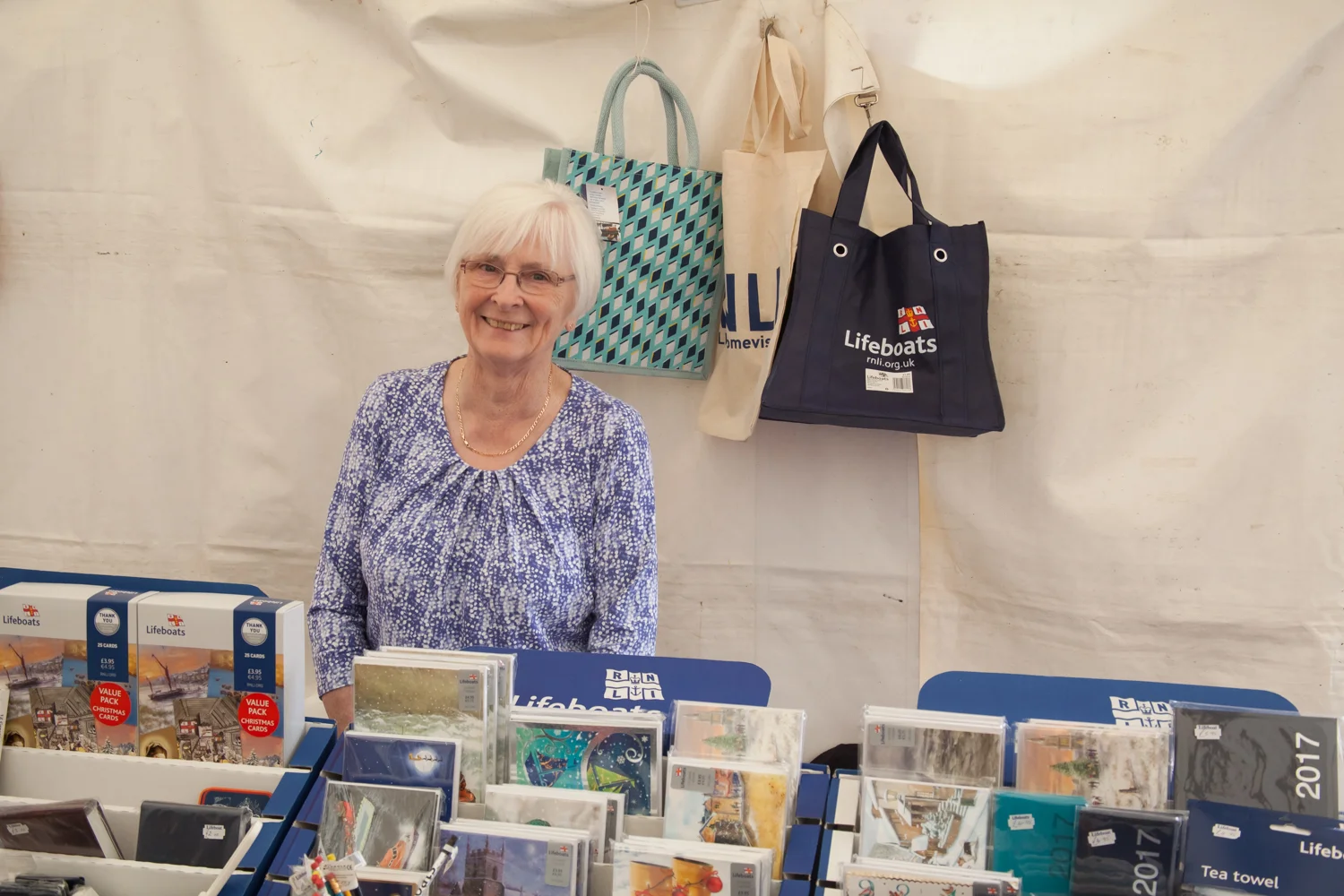
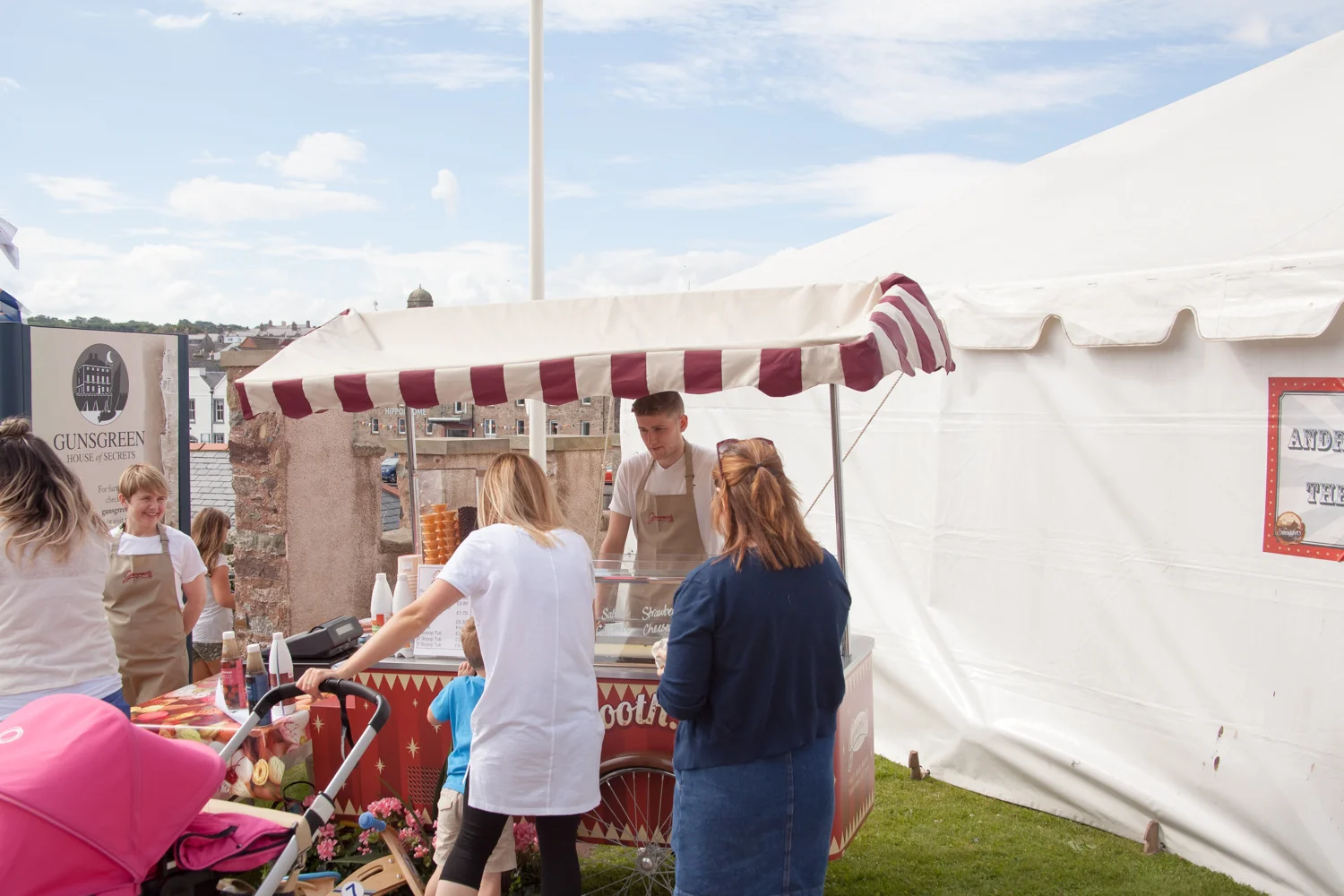
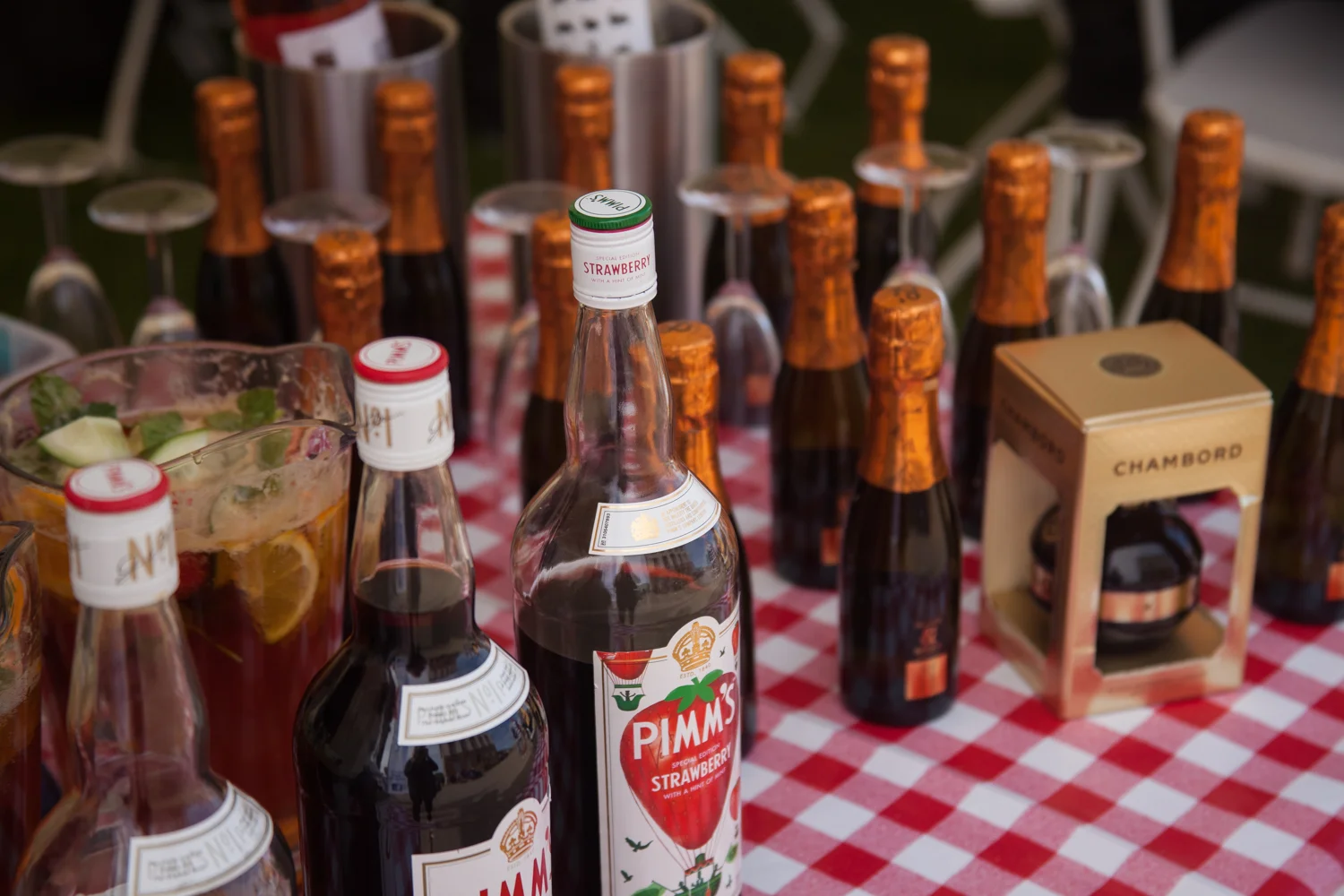
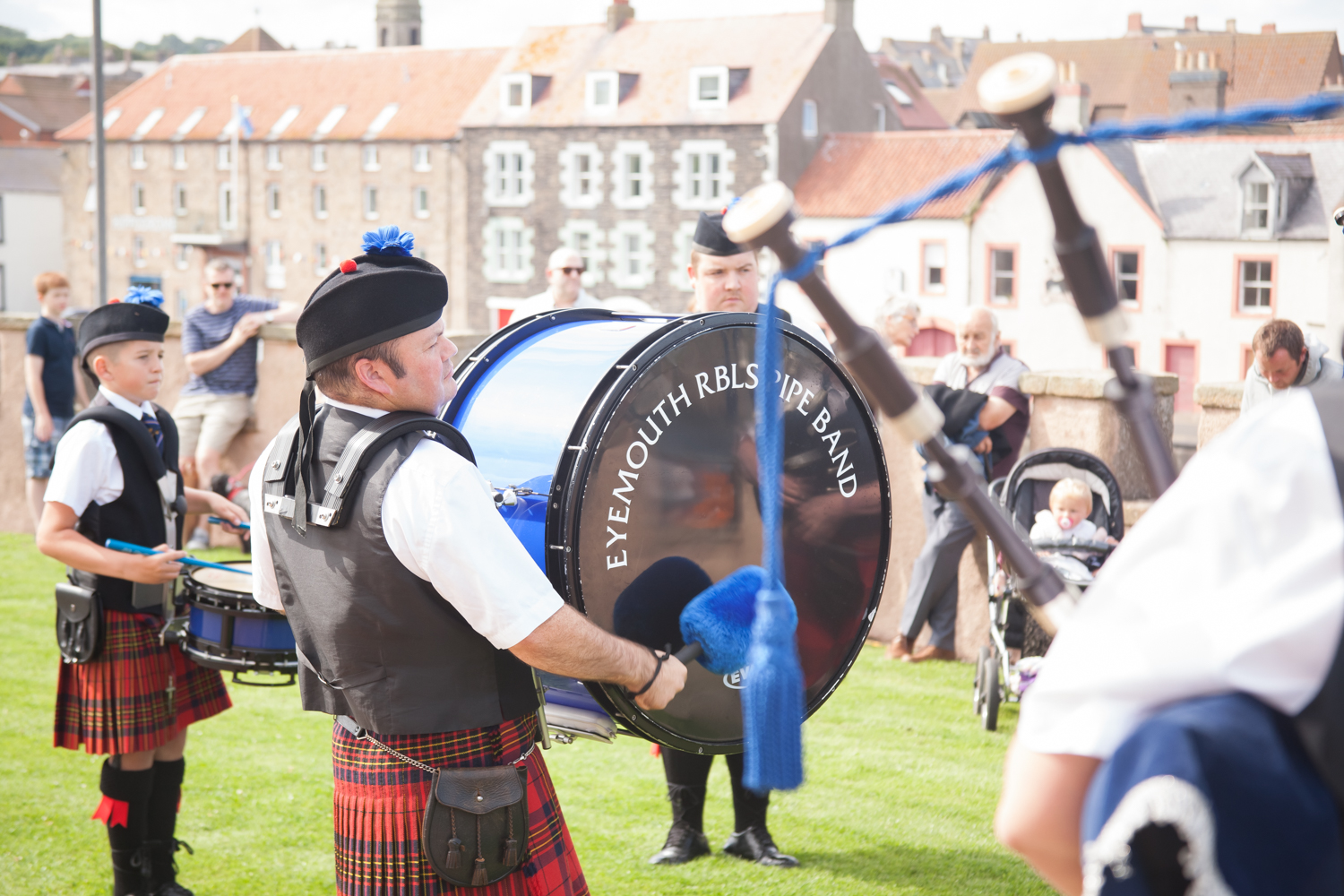
Gunsgreen Extravaganza in Perfect Eyemouth Sunshine!
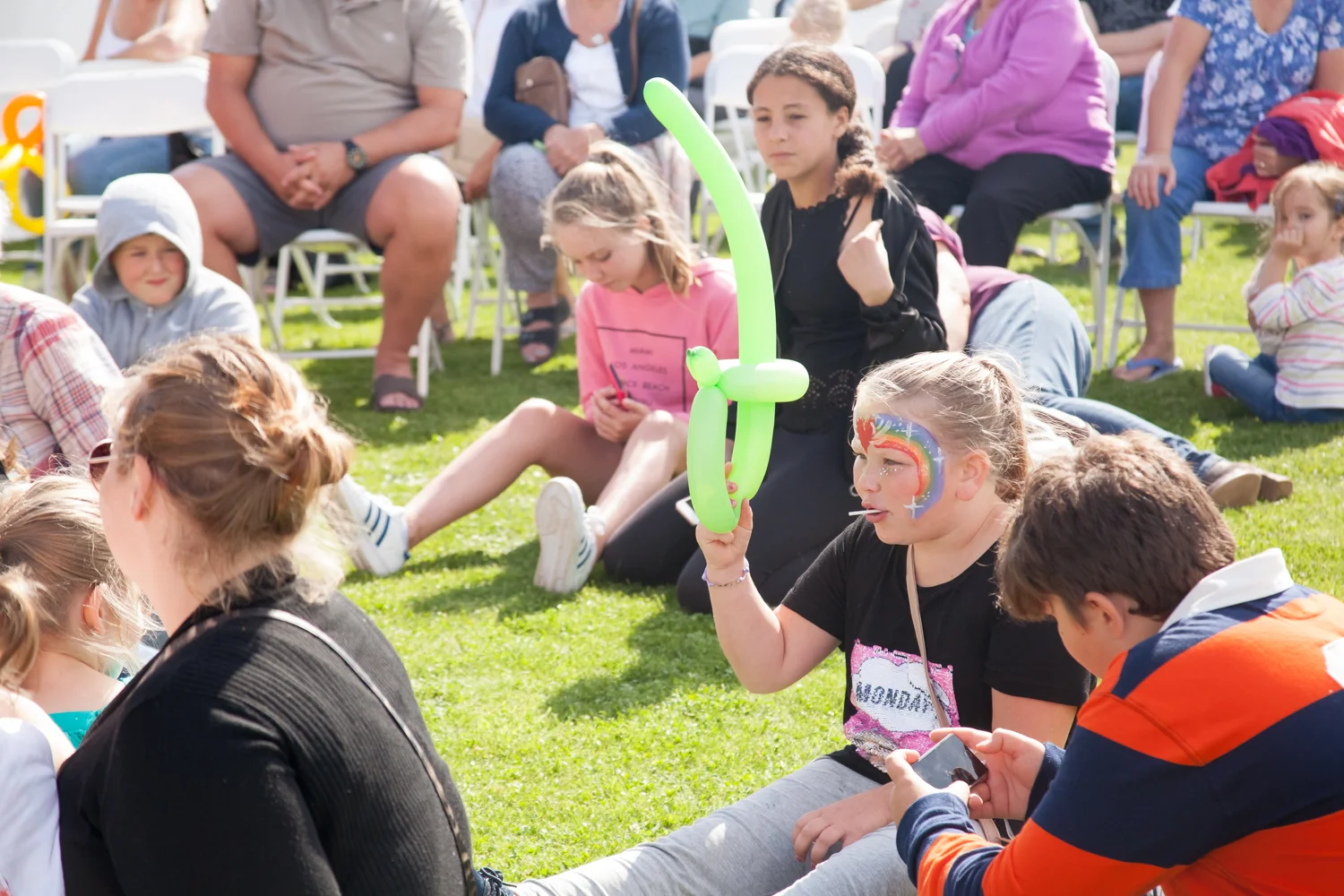
Put together by Jenna Shields, assistant manager at Gunsgreen House, the Extravaganza proved a very popular event for Eyemouth and the weather was perfect!
Organised to celebrate the launch of the Smugglers’ Trail at Gunsgreen House, the event saw nearly 1,000 people visit the seaside town to enjoy a variety of food stalls and be entertained with displays of birds of prey as well as a performance from the Lynella School of Highland Dancers and live music.










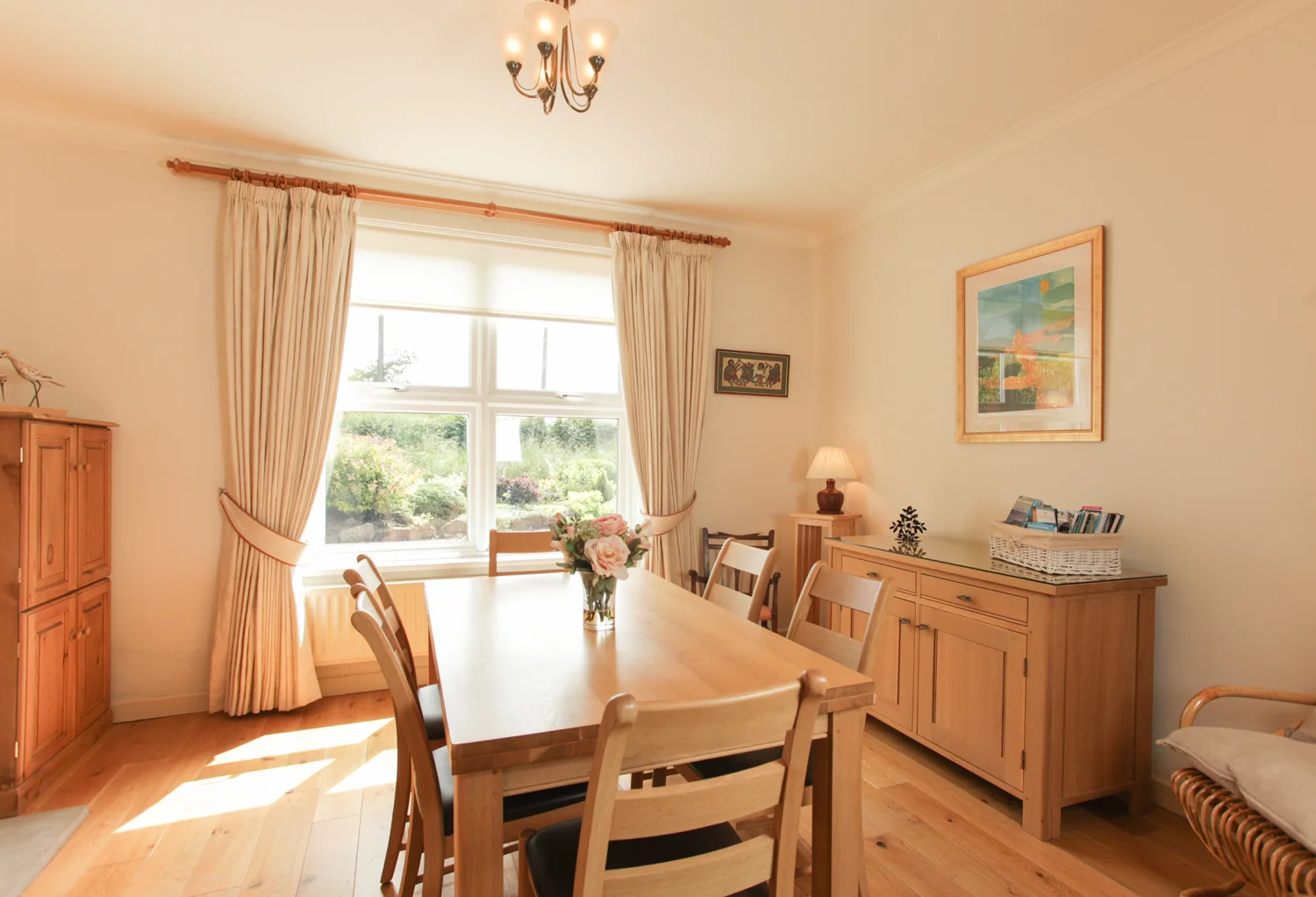
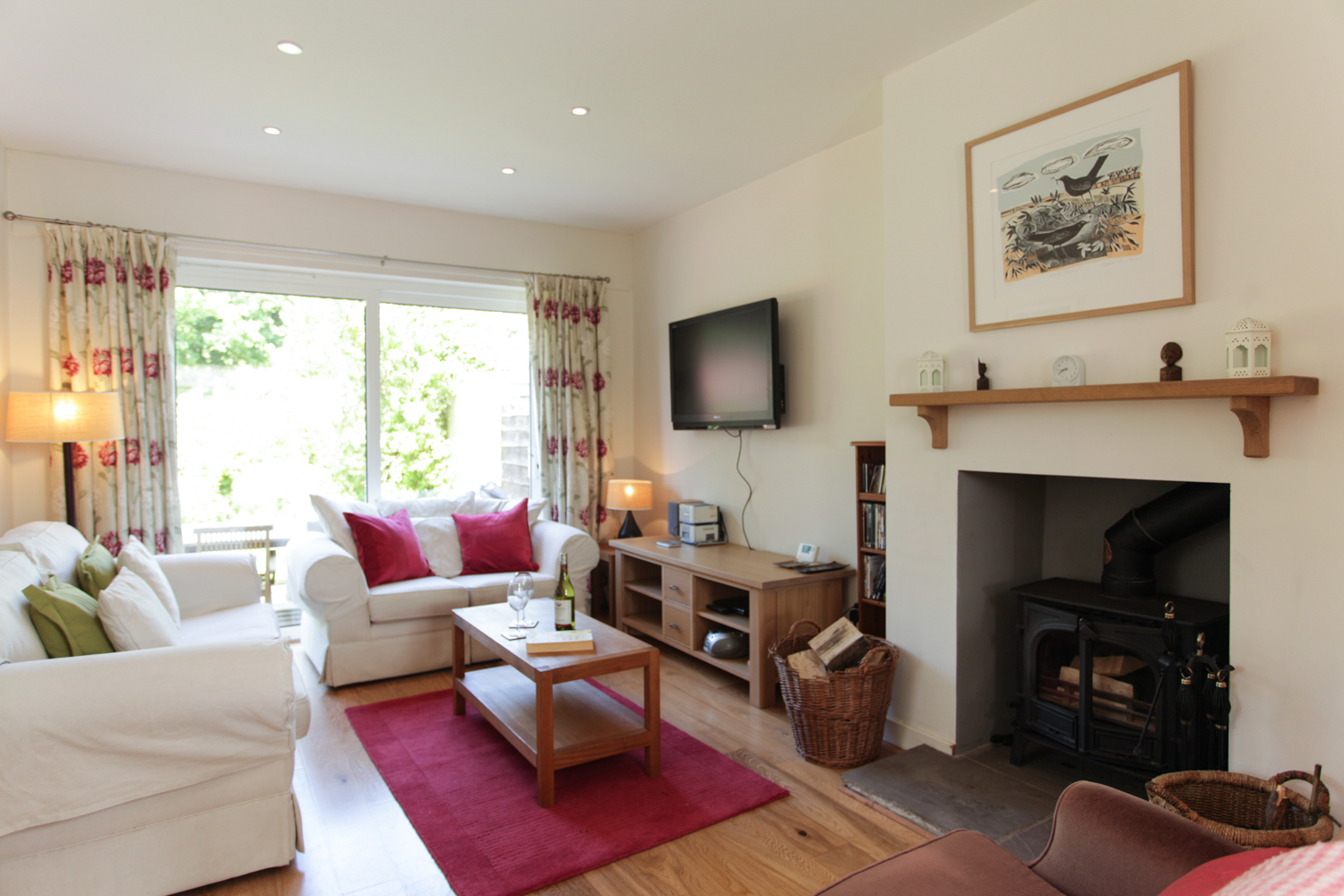
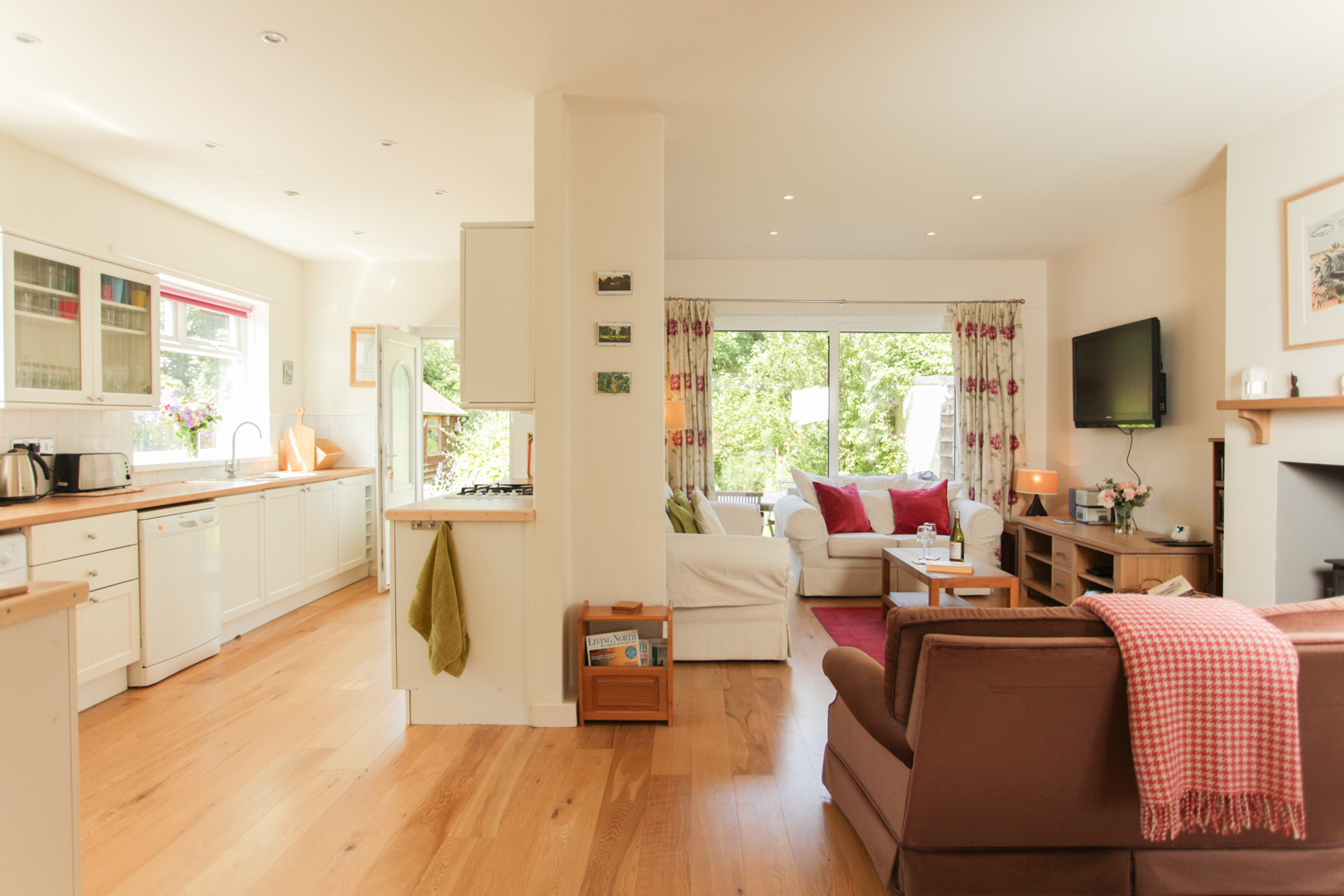
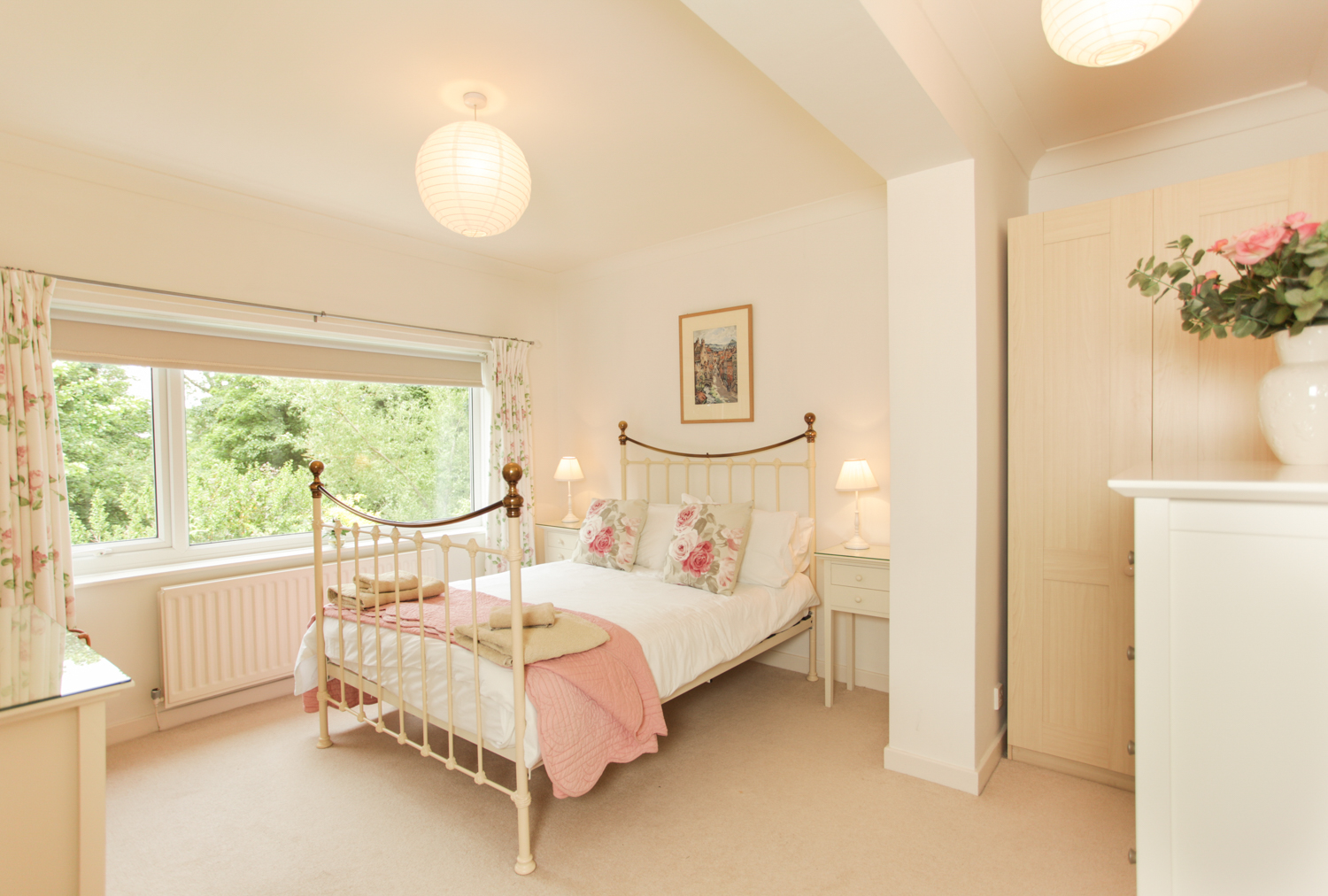
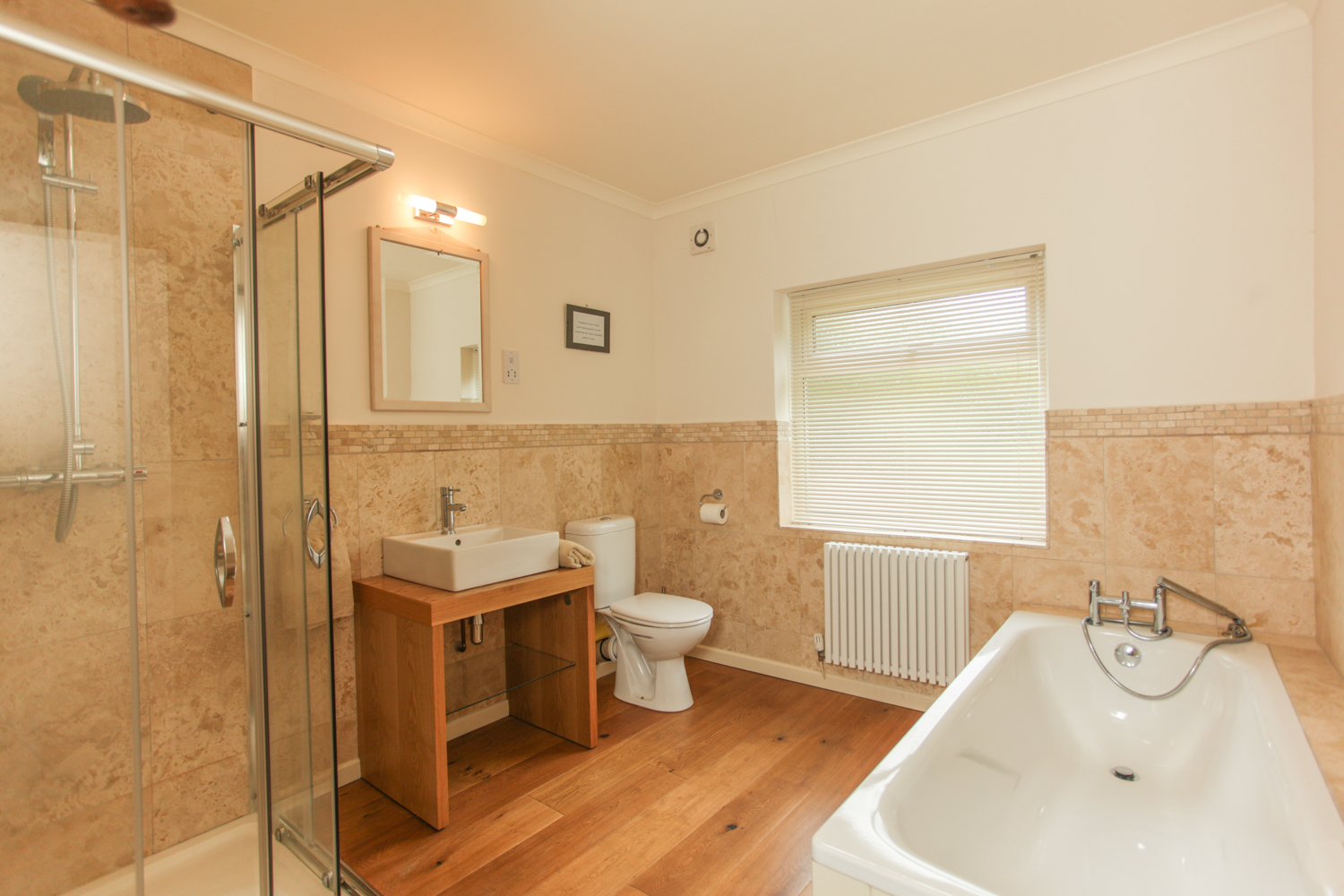
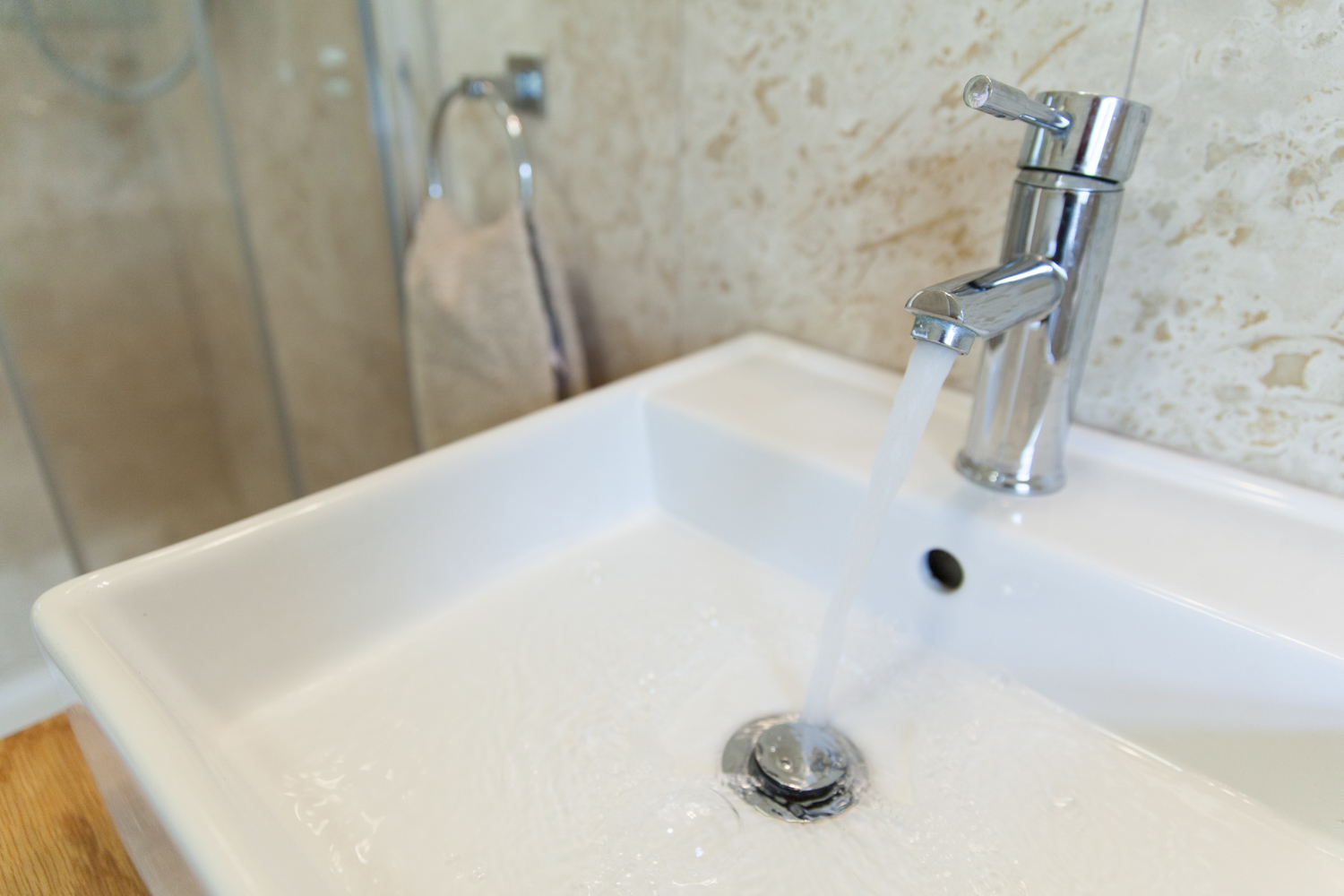
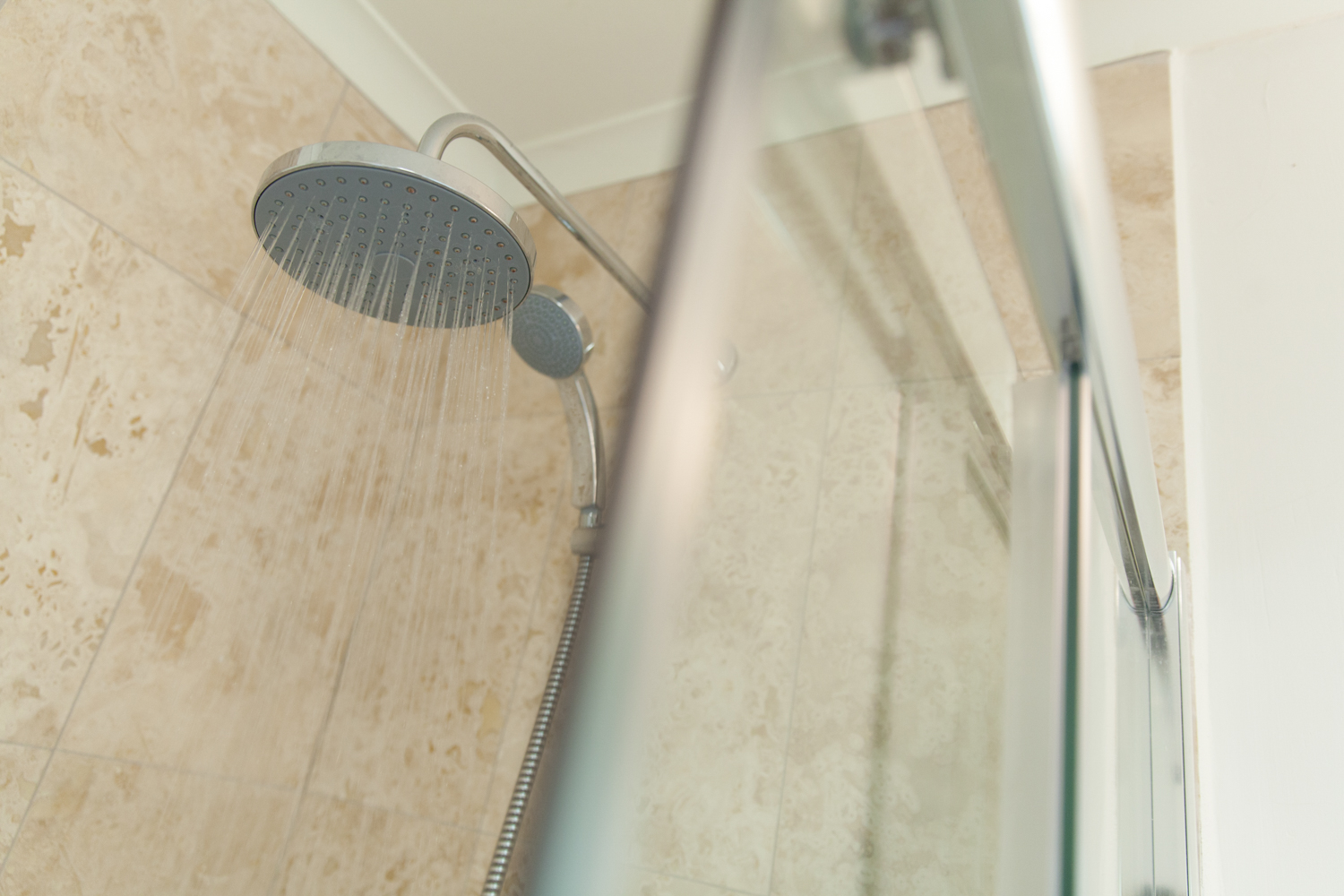
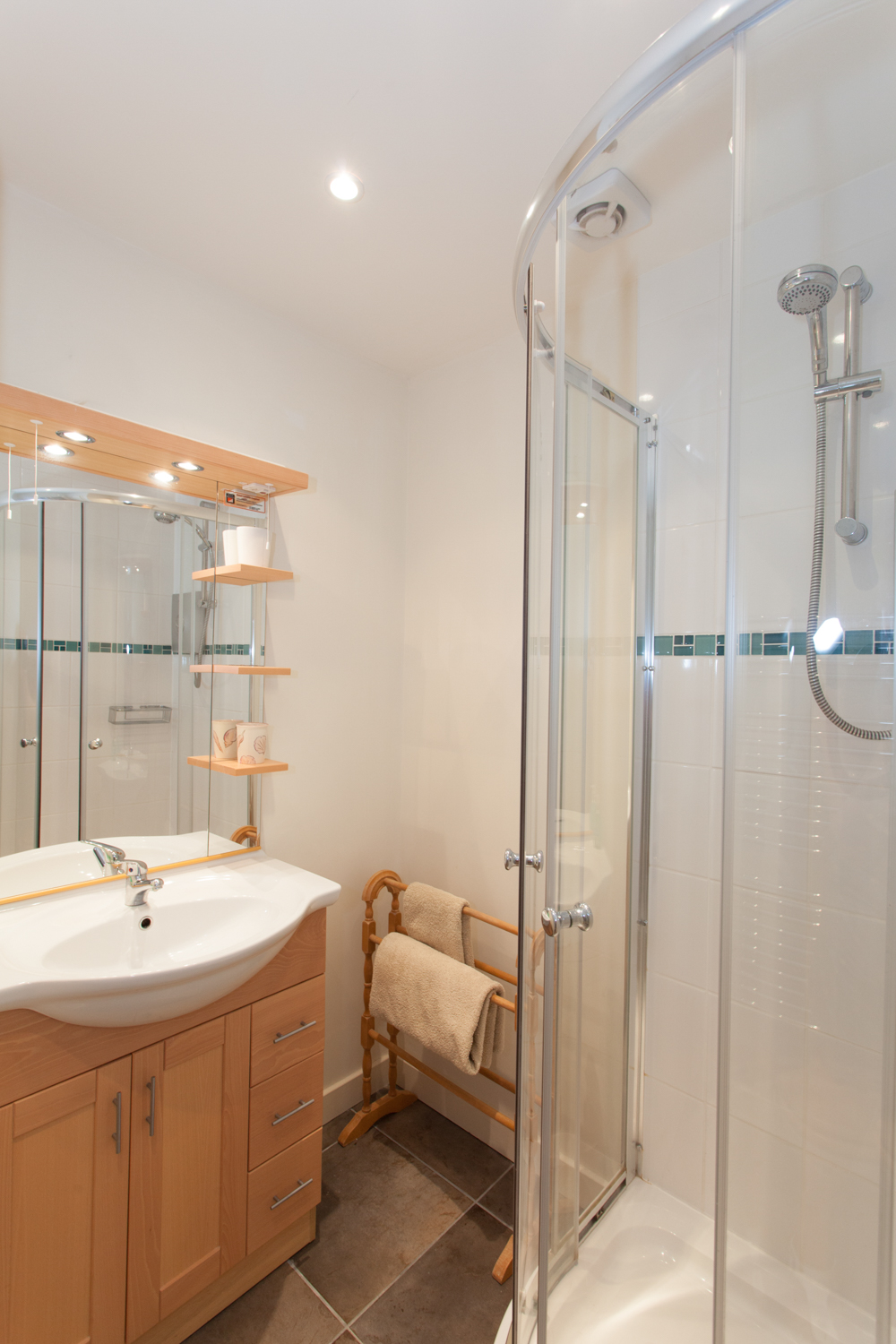
Holiday Accommodation Interior Photography Bamburgh and Alnwick
A quick photoshoot this morning at a 3 bedroomed cottage near Bamburgh and Alnwick, this was a 2.5 hour session which is our Space and Place package, details of what is included in the Space and Place package are below:
1-1 consultation call with Sarah to discuss your accommodation.
Planning of props if required.
2.5 hours of photography (this is enough time to cover a 3 bedroom holiday cottage with some details and exterior shots).
Travel within 15 miles of Berwick upon Tweed.
Custom, hands-on processing of all final images.
Claimable business expense.
25 professionally retouched, high-resolution digital images.
Online password-protected gallery to choose your images from.
Available to download online or via USB.
Licence to reproduce for business use.
£395 for 25 digital images (both high and web resolution)
If you can't be around for the photography like this customer who lives elsewhere, I can arrange key collection from a neighbor or masterlock box and get on with the photography with minimum fuss, saving you time away from your busy schedule.
Music at Paxton | Festival Photography at Paxton House, Berwick
I’ve had the pleasure of photographing the Music at Paxton festival several times now, capturing everything from live performances to the quiet, in-between moments that make this event so special. Held each summer at Paxton House, near Berwick-upon-Tweed, the ten-day festival brings together world-class musicians and local audiences for a family-friendly celebration of chamber music.
My approach to photographing the festival is documentary-style — blending into the background to capture the energy of rehearsals, the intimacy of performances, and the beauty of the setting. I’ve also created portraits of individual musicians and photographed some of the elegant architectural and natural details around the venue, which feature in the festival’s brochure, website, and promotional materials.
It’s always a joy to work with the Music at Paxton team and to be part of a cultural event that showcases the best of music and hospitality in the Scottish Borders.
You can learn more about the festival at www.musicatpaxton.co.uk


Photographing Sanderson McCreath & Edney Solicitors on Berwick’s Quay Walls





Today I had the pleasure of photographing the beautiful and characterful old Quay Walls building that houses Sanderson McCreath & Edney Solicitors in Berwick-upon-Tweed. The firm has been part of the town’s professional landscape for more than 165 years, and their offices are full of heritage and charm — the perfect reflection of a business with such deep local roots.
The brief for this shoot was to provide professional imagery for their website, highlighting the firm’s sense of history alongside its friendly, trusted reputation. I wanted to capture the warmth and individuality of the space — from the distinctive Georgian details to the natural light that fills the rooms overlooking the river.
Photographing historic buildings like this is always rewarding, especially when they’re still part of everyday life in Berwick. It’s a reminder of how the town’s architecture and long-established businesses are intertwined — each with its own story to tell.
You can see the finished photographs on their website: www.solicitorsberwick.co.uk